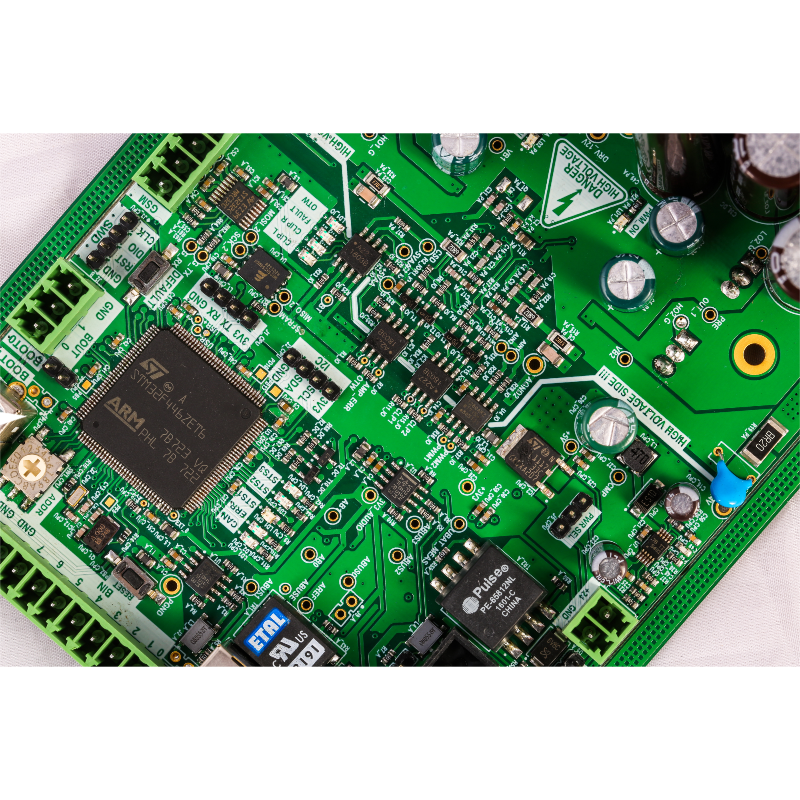
Prototype Automation Equipment PCBA Assembly from China, Factories
Product Description
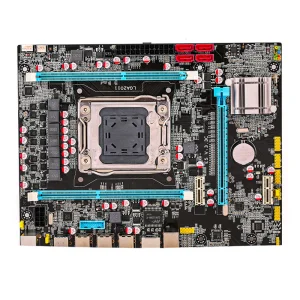
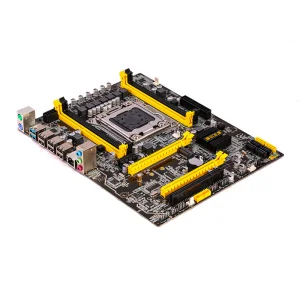
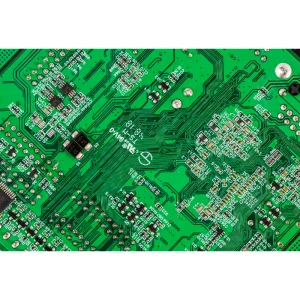
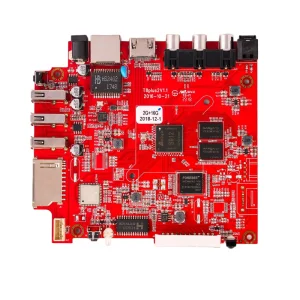
In automation systems, PCBA processing is the core that turns electronic designs into reliable physical controllers. Unlike consumer electronics, it demands industrial-grade durability—resisting constant vibration, extreme temperatures, and electromagnetic interference on factory floors.
Every step, from soldering to testing, follows strict standards to ensure 24/7 stable operation in harsh environments. This precision is why industrial PCBA directly determines equipment lifespan and production line efficiency.
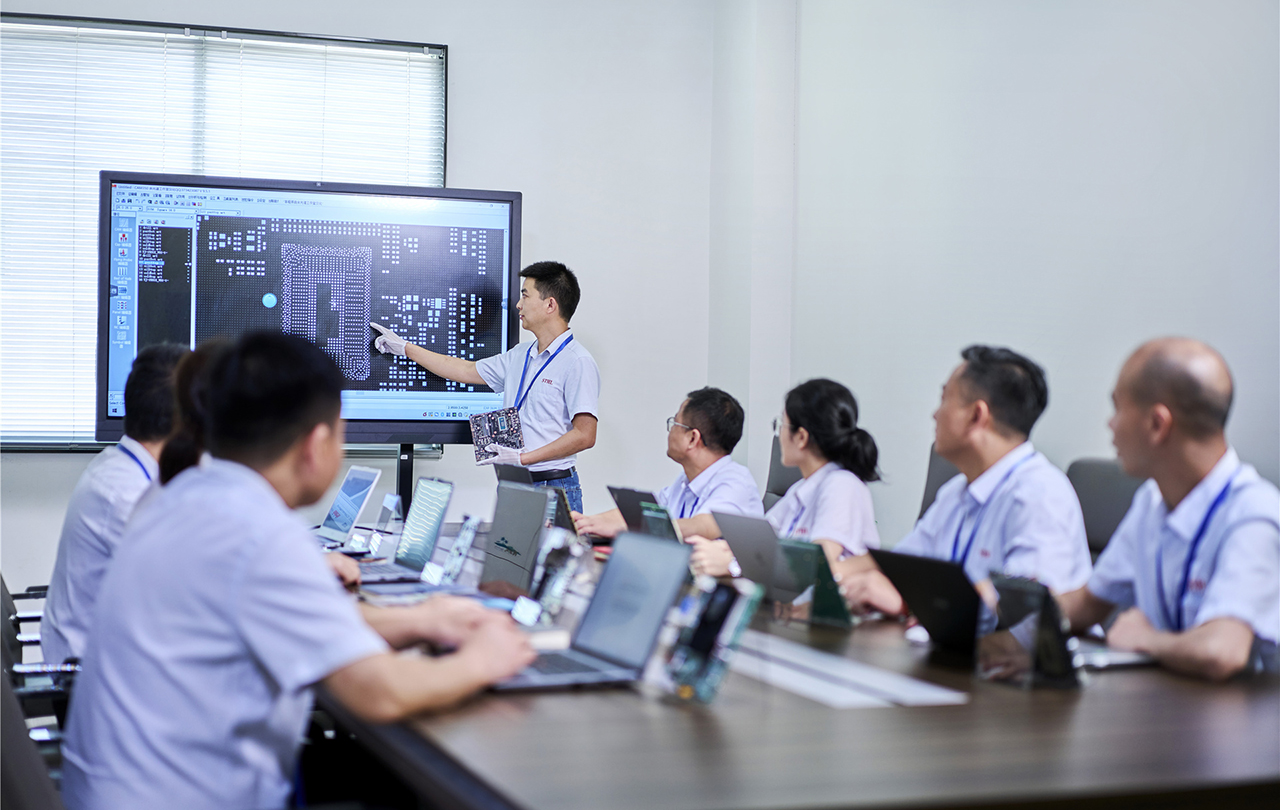
About STHL PCB & PCBA
Frequently Asked Questions
What is PCBA processing for automation equipment?
PCBA processing turns electronic designs into reliable physical controllers for automation systems. It focuses on precision, industrial-grade durability, and stable operation.
Why is industrial-grade durability important for automation PCBA?
Automation equipment must resist constant vibration, extreme temperatures, and electromagnetic interference on factory floors. Industrial-grade durability helps support stable operation in these harsh environments.
How does precision support 24/7 operation?
Every step, from soldering to testing, follows strict standards. This precision helps ensure 24/7 stable operation and reliable physical controllers in harsh environments.
What environmental stresses can automation PCBA face?
Automation PCBA may need to withstand constant vibration, extreme temperatures, and electromagnetic interference. These conditions make robust PCBA processing essential for factory floors.
How does industrial PCBA affect equipment and production?
Industrial PCBA directly determines equipment lifespan and production line efficiency. Precision processing supports reliable physical controllers and stable automation system performance.
Why is testing part of PCBA processing for automation equipment?
The PCBA process follows strict standards from soldering to testing. Testing helps verify that the finished controllers meet the reliability requirements of automation environments.