Automotive PCBA · IATF 16949 · Shenzhen Since 2006
Automotive PCB Assembly Supplier & Manufacturers
Engineering-led automotive PCB assembly from prototype to volume — NDA-first RFQ, no MOQ, IATF 16949 process controls, and traceability from component reel to finished ECU, BMS, VCU, TCU, OBC and ADAS board.
Automotive PCBA Product Portfolio
Automotive PCB Assembly Product Pathways for Demanding Vehicle Platforms
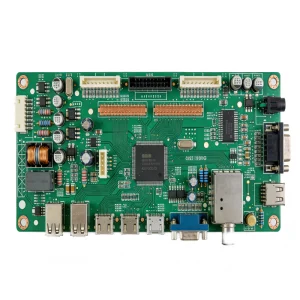
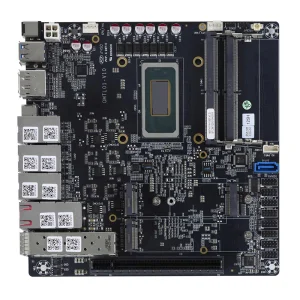
These eight assemblies reflect common automotive and adjacent electronics platforms supported by STHL PCBA. Each product link preserves the original product page, image and purchasing pathway for engineering review, RFQ preparation and supplier comparison.
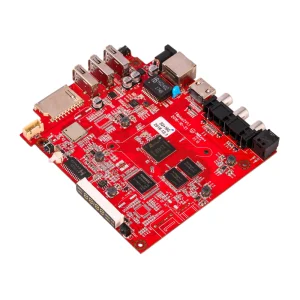
OEM Robots Printed Circuit Board Assembly (PCBA): The Neural Core of Precise Robotics-1 Manufacturer, Service
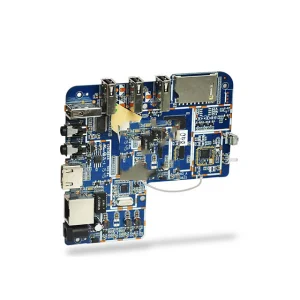
High-Reliability Transmission Control Unit (TCU) PCB Assembly Partner, Factories
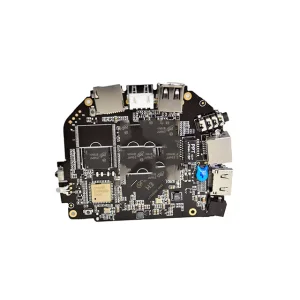
China Leading Electronic Control Unit (ECU) PCB Assembly Solution Provider, from China
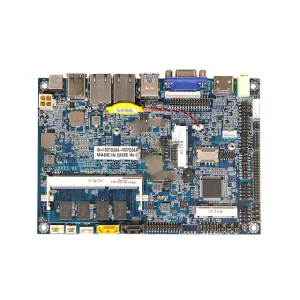
High Quality DC Converter PCB Assembly Factory, in China
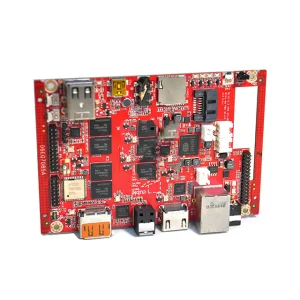
Reliable On-board Charger (OBC) PCB Assembly Solutions, Manufacturers
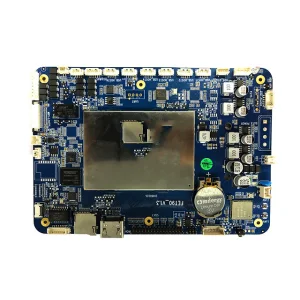
Custom Motor Control Unit (MCU) PCB Assembly Solution Provider, from China
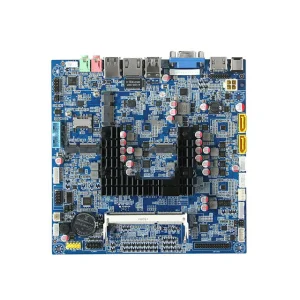
Certified Vehicle Control Unit (VCU) PCB Assembly Supplier, Solution Provider
Executive Overview
What a Qualified Automotive PCB Assembly Supplier Must Prove
Automotive PCB assembly is not a commodity purchase. A vehicle board may be exposed to heat cycling, vibration, humidity, electrical transients, electromagnetic interference and years of field service. The supplier therefore becomes part of the vehicle’s reliability system, not simply a subcontractor that places components on a bare board.
For purchasing teams, the lowest quoted unit price can hide expensive downstream risk: late engineering changes, unclear material traceability, weak incoming inspection, missing first-article reports or unstable counterfeit-component controls. For engineering teams, the real question is whether the manufacturer can translate Gerber data, BOMs, assembly drawings and test requirements into a repeatable process with documented evidence at every stage. STHL, established in Shenzhen in 2006, positions automotive PCBA around this evidence-based approach: IATF 16949 quality discipline, IATF/ISO management systems, engineering review, controlled sourcing, AOI, X-ray, ICT, functional testing and ERP/MES traceability.
A strong automotive PCB assembly supplier should demonstrate four capabilities before volume production begins: design-for-manufacturing feedback, process capability for the specific package mix, material and finish selection appropriate to the operating environment, and traceability that can answer a field or audit question months later. These capabilities are especially important for ECU, VCU, TCU, BMS, MCU, OBC, DC converter, ABS, BCM, PDU and infotainment head-unit assemblies, where a small process variation can become a functional or safety concern.
Design for Reliability
DFM review should challenge pad geometry, thermal relief, component spacing, stencil design, panelization, test-point access and rework risk before materials are ordered.
Process Capability
Fine-pitch, BGA, QFN, power器件 and mixed-technology boards require controlled solder paste printing, placement, reflow profiling, inspection and rework discipline.
Material & Finish Control
Automotive assemblies may require high-Tg laminates, thick copper, thermal materials, conformal coating and controlled surface finishes selected against the actual mission profile.
Traceability Evidence
Lot control, date codes, reel-to-board records, inspection logs, test results and change history make the difference between a claim and an audit-ready quality record.
- Ask for the control plan behind automotive PCBA, not only a certificate image.
- Confirm how BOM changes, approved alternates and end-of-life notices are communicated.
- Review first-article, AOI, X-ray, ICT and functional test coverage for the actual product.
- Verify how nonconforming material, rework and 8D corrective actions are closed.
- Compare total cost of ownership, not only bare-board or assembly labor pricing.
Localized Support & Compliance
Compliance and Localized Support: From PPAP Evidence to Field Feedback
Global buyers often work across engineering, quality, procurement and logistics teams in different time zones. Localized support therefore means more than language capability. It means providing the right documents, the right communication rhythm and the right escalation path when a build, audit or field question appears.
For automotive and adjacent industrial customers, STHL’s compliance foundation includes IATF 16949, ISO 9001, ISO 14001 and ISO 13485 management systems, plus RoHS-compliant assemblies. The practical value appears in project execution: BOM scrubbing before purchase, DFM feedback before tooling, incoming inspection, moisture-sensitive device control, in-process checks and final test records. For global enterprises, these controls can be aligned with APQP-style launch planning, PPAP documentation expectations, first-article approval, change notification and corrective-action workflows.
IATF 16949 Quality Discipline
Automotive projects require risk-based thinking, process auditing, change control and supplier quality discipline. STHL’s IATF 16949 certification is a baseline for buyers who need automotive-grade process controls.
APQP / PPAP-Ready Documentation
Engineering and quality teams can prepare project documentation aligned with launch, first-article, control-plan and production-part approval expectations for automotive customers.
DFM, BOM & Change Control
Before production, Gerber, BOM and centroid data are checked for manufacturability, footprint errors, end-of-life parts and alternate sourcing risk. Changes are documented rather than handled informally.
NDA Before RFQ & IP Protection
STHL signs an NDA before RFQ, restricts project data to assigned teams and tracks builds through ERP and MES systems. This protects schematics, firmware, test procedures and product roadmaps.
Localized Market Support
Export documentation, English-language communication, packaging requirements, logistics coordination and remote audit support help global teams evaluate a China-based PCBA partner with less friction.
Failure Analysis & 8D Loop
Field or production failures should feed a structured containment, root-cause and corrective-action loop. Test logs, inspection records and lot traceability make that loop faster and more credible.
China Factory Supply-Chain Advantage
China Factory Supply-Chain Advantages Without Sacrificing Engineering Control
Shenzhen remains one of the world’s densest electronics ecosystems. For automotive and adjacent PCBA programs, the advantage is not simply component availability; it is the speed of engineering feedback, material substitution analysis, prototype iteration and production scaling in one geography.
STHL operates a 10,000 m² facility with 220+ staff, including 50+ engineers, 7 SMT assembly lines, 2 DIP/THT lines, 2 functional test lines, 2 box-build lines and an in-house R&D laboratory. The company reports 13+ production lines, 99.5% on-time delivery and a 99% qualified shipment rate. For automotive buyers, these are useful indicators, but they must be read together with process discipline: line capability, inspection coverage, material control, training, equipment calibration and documentation.
20+Years in EMS and PCBA since 2006
10,000 m²Production facility and R&D laboratory
50+Professional engineers supporting DFM and NPI
7SMT assembly lines for high-mix production
99.5%On-time delivery across global shipments
500k+Part numbers reachable through 100+ sourcing agents and suppliers
Component sourcing is a major differentiator. STHL offers full turnkey, partial turnkey and consigned assembly, with sourcing channels and cooperation references that include major distributors and brands such as Arrow, Avnet, Digi-Key, Mouser, Farnell, Future Electronics, STMicroelectronics, TDK, Littelfuse, Schneider Electric, Siemens, Geely Automobile, Anker, Logitech, Haier and Mindray. Public sourcing information should still be verified project by project: buyers should ask for approved manufacturer lists, date-code rules, counterfeit-mitigation procedures, approved alternates and written notification before any substitution.
China supply-chain speed also matters during new-product introduction. A prototype can move from DFM feedback to component sourcing, PCB fabrication, SMT assembly and functional testing under one accountable workflow. No MOQ means a design can be validated with a small build and then scaled to mass production using the same process assumptions. For global enterprises, this reduces the risk of a “prototype factory” and a “volume factory” producing different results.
Global Procurement Requirements
What Global Procurement Teams Actually Need from an Automotive PCBA Manufacturer
Large enterprises rarely buy a PCB assembly in isolation. They buy supply continuity, compliance evidence, engineering responsiveness, predictable delivery and a partner that can survive audits. A China PCBA supplier that performs well in these areas can become a strategic manufacturing extension rather than a transactional vendor.
Total Cost of Ownership
Buyers compare not only unit price but expedite fees, rework, scrap, engineering changes, inventory exposure, inspection burden and field-risk cost.
Compliance Evidence
Certificates must be supported by control plans, inspection records, test logs, traceability data, material declarations and change notifications.
Volume Flexibility
Prototype, low-volume and high-volume orders should use compatible process controls so that design validation reflects production reality.
Supply Continuity
Lifecycle management, approved alternates, buffer planning and proactive EOL communication are essential for automotive production continuity.
A practical RFQ process should surface more than price. Ask each automotive PCB assembly supplier how they will handle engineering queries during NPI, how they will document first-article approval, how they will notify you of material changes, how they will contain a nonconformance, and how quickly they can provide traceability data for a specific serial number or lot. These answers reveal whether the supplier is set up for global enterprise procurement or only for one-off assembly jobs.
Automotive PCBA Trends
Automotive PCBA Trends Reshaping Supplier Selection
Vehicle electronics are becoming denser, hotter, more connected and more software-defined. These trends change what buyers should demand from PCB assembly, materials, inspection and documentation.
Electrification
EV and hybrid platforms increase demand for BMS, OBC, DC-DC converter, PDU and motor-control assemblies with higher voltage isolation, thermal management and safety documentation.
ADAS & Sensor Fusion
Radar, camera, ultrasonic and fusion modules require low-defect interconnects, controlled impedance, thermal stability and strong test coverage for safety-related electronics.
Software-Defined Vehicles
Zonal architectures, gateway modules and infotainment head units push higher layer counts, HDI, rigid-flex, high-speed signals and firmware programming into PCBA scope.
Wide-Bandgap & Thermal
SiC and GaN power designs demand careful thermal path design, heavy-copper capability, void control and reliability testing for high-power automotive assemblies.
The information gain for buyers is not a list of buzzwords. It is the ability to connect each trend to a manufacturing control. For example, higher voltage electrification should lead to questions about creepage, clearance, insulation, thermal cycling and test coverage. Higher-speed ADAS boards should lead to questions about impedance control, stack-up validation and X-ray inspection. Software-defined vehicles should lead to questions about IC programming, firmware version control and cybersecurity-aware handling of IP.
Localized Application Scenarios
Localized Automotive Applications and How the PCB Assembly Changes
Different vehicle domains place different demands on the same manufacturing floor. A supplier should be able to translate the application into process emphasis rather than use one generic build recipe for every board.
Powertrain & Chassis
ECU, TCU, MCU and ABS assemblies require vibration resistance, thermal robustness, precise test coverage and strong change control for safety-related functions.
EV Energy Systems
BMS, OBC, DC converter and PDU boards often need high-voltage awareness, thermal management, heavy copper, isolation and rigorous functional testing.
Body, Comfort & Infotainment
BCM, VCU, intercom and head-unit assemblies balance mixed-technology assembly, EMC, display/audio interfaces, firmware programming and cosmetic quality.
Adjacent Product Platforms
Smart dimmer switch, intercom, soil detector and PDU assemblies benefit from the same automotive-style discipline when used in industrial, energy or smart-building environments.
Controlled PCBA Workflow
From Gerber to Global Shipment: A Controlled Six-Step Automotive PCBA Workflow
A repeatable workflow reduces uncertainty for procurement and engineering teams. Every milestone should produce usable evidence, not just a status update.
DFM & BOM Review
Engineers check Gerber, BOM and centroid data for manufacturability, footprint errors, end-of-life parts and unclear specifications before material is ordered.
Component Sourcing
Parts are purchased through 100+ agents and suppliers, then pass incoming inspection and moisture-sensitive device controls. Alternates require review and approval.
PCB Fabrication
Bare boards are produced to the required stack-up, surface finish, impedance and reliability targets, from standard boards to HDI and rigid-flex.
SMT & THT Assembly
7 SMT lines and 2 DIP/THT lines handle fine-pitch, BGA and mixed-technology boards for prototypes and volume production.
Inspection & Testing
AOI, X-ray, ICT and functional testing can be combined with IC programming and conformal coating. Results are logged in MES for traceability.
Box Build & Delivery
Cable assembly, enclosure integration and ESD-safe packaging are aligned with shipment requirements for customers in 90+ countries and regions.
Why STHL
Why Global OEMs Choose STHL for Automotive and Adjacent PCBA
STHL combines manufacturing capacity, sourcing reach and engineering support in one Shenzhen factory. Buyers can visit, audit and evaluate the process before committing to volume.

Dust-Free Smart Factory
10,000+ m² highly automated production space designed for controlled electronics manufacturing.

20 Years of Experience
Proven know-how across PCB and PCBA since 2006, with 220+ staff and 50+ engineers.

Global Sourcing
500k+ part numbers via 100+ agents and suppliers, with incoming inspection and reel-level traceability.

Fully Certified
IATF 16949, ISO 9001, ISO 14001 and ISO 13485 management systems for regulated markets.

ERP & MES Tracking
Real-time production status, lot traceability and records that support audits and field investigations.

Cost-Down Engineering
DFM and BOM optimization by the engineering team can reduce avoidable cost without sacrificing reliability.

No MOQ
Prototype, low-volume and high-volume orders are welcome, supporting validation before mass production.

NDA Before RFQ
Design data and IP are protected from the first technical discussion and throughout production.

Fast Delivery
99.5% on-time delivery and global shipment experience across 90+ countries and regions.
Certification & Audit Readiness
Certifications, Quality Systems and Factory Audit Readiness
Independent third-party audits support supplier qualification. Factory visits and remote reviews should verify that the management system is active on the floor, not only displayed on a certificate.

ISO 9001
Quality Management System
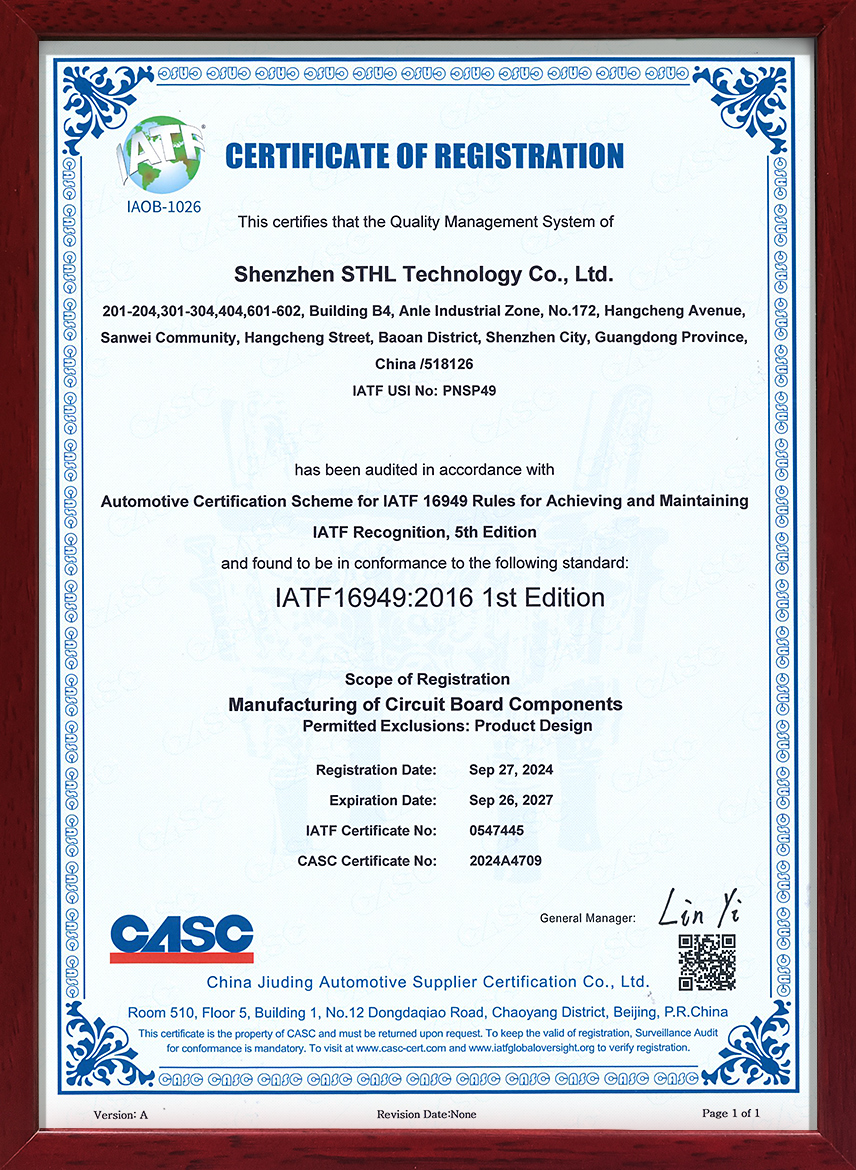
IATF 16949
Automotive Quality Management
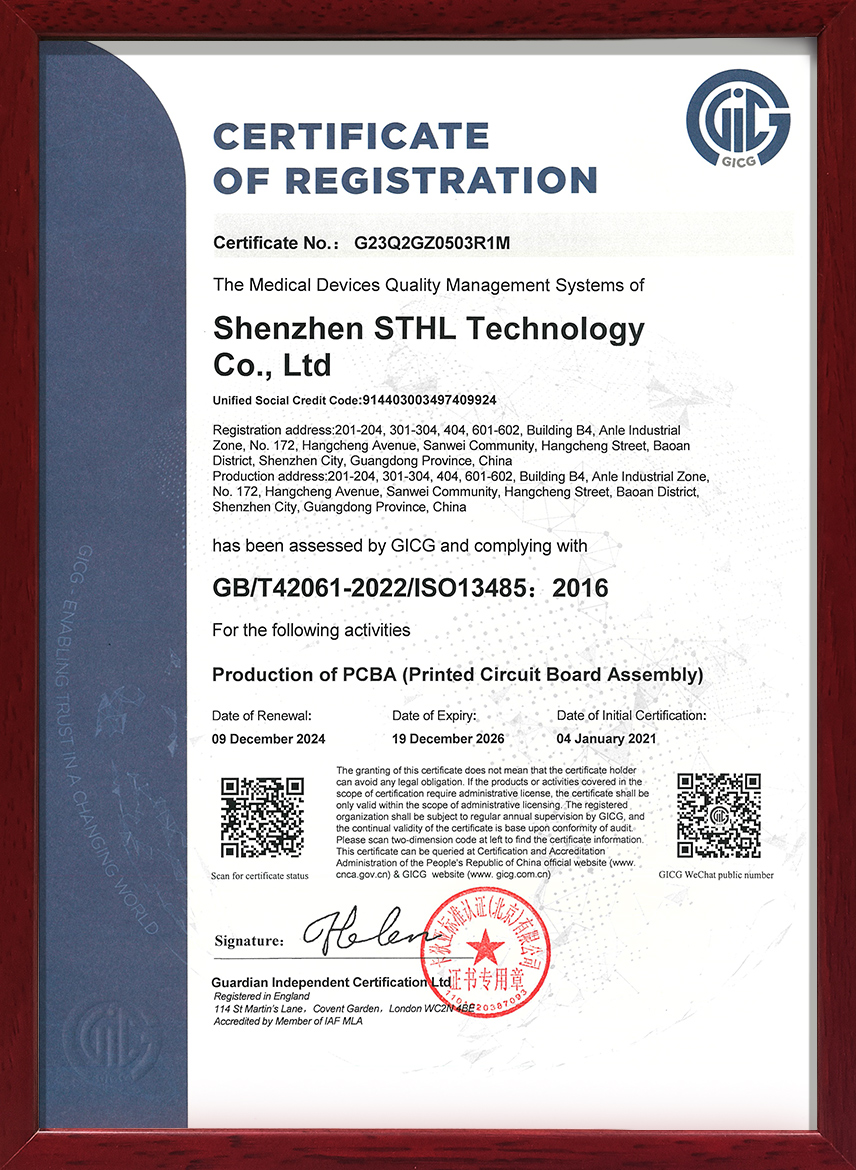
ISO 13485
Medical Devices Quality Management
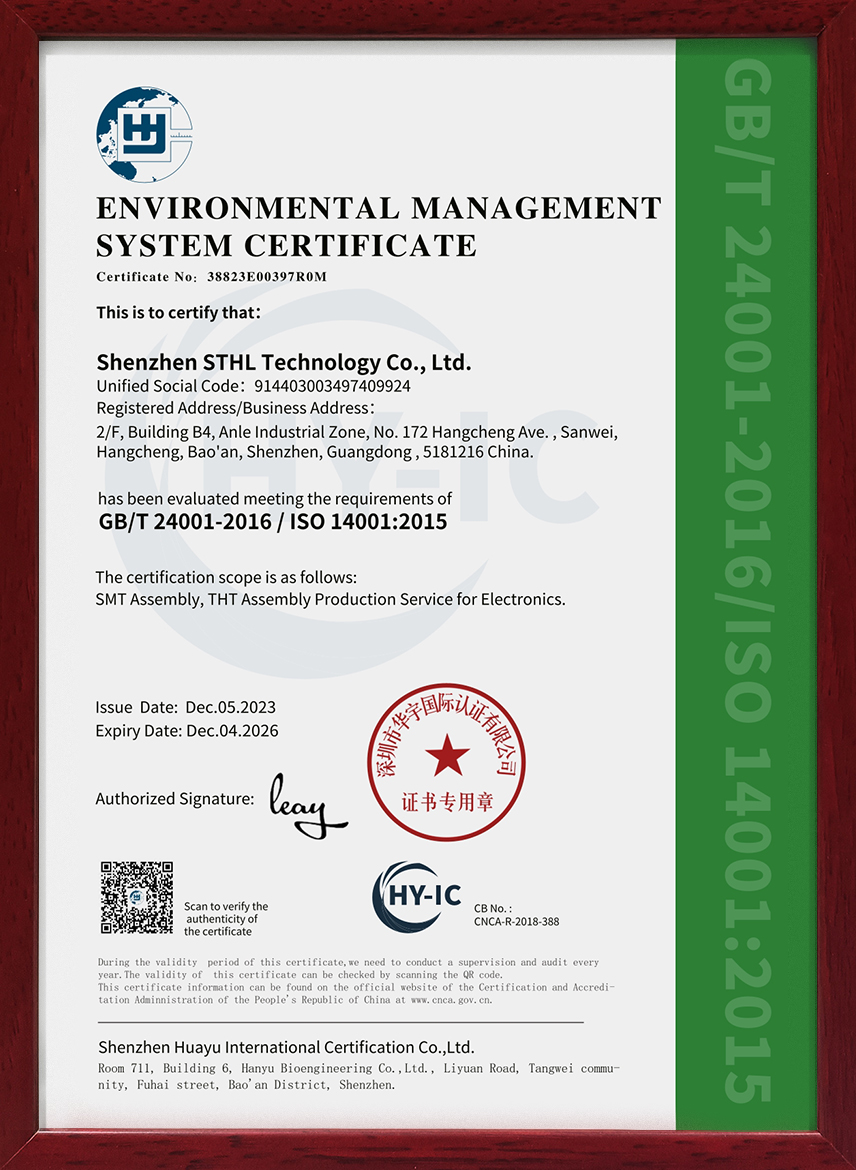
ISO 14001
Environmental Management System
Customers are welcome to visit the Shenzhen factory and R&D laboratory. For remote evaluation, STHL also offers a 360-degree virtual factory tour. Procurement teams should use these reviews to check SMT lines, component storage, ESD controls, solder paste management, reflow profiling, inspection stations, test fixtures, rework areas and traceability records.
Client Feedback
Client Feedback from Engineers and Buyers
Feedback from hardware engineers, designers and company owners across North America, Europe, South America, Oceania and Asia supports a practical view of communication, sample quality and delivery.
“Excellent team to work with and fast delivery with high-quality boards. We are very happy to work with such a good supplier. Thanks again.”

PauloR&D Engineer · United States
“Please extend my thanks to your team for your hard work in preparing these samples. This positive experience has strengthened my confidence in your company, and I'm looking forward to discussing bulk orders in the near future.”

OliviaHardware Engineer · Germany
“We are satisfied with the last order. You did a great job on those boards and the lead time was short. I will place a new order soon.”

WilliamCEO · Italy
“The order was perfect — exactly as specified with top quality. Highly recommend this reliable supplier.”

DmitryCEO · Brazil
“Exciting! Very fast delivery, a professional supplier and a professional product. We will place a new order very soon!”

SohiabHardware Engineer · Turkey
“We have tested all the boards and I am highly pleased. I will repeat my order soon. Thank you again for your excellent service.”

AnnaSr. Hardware Designer · New Zealand
“It's always a pleasure ordering. Very professional team and good quality — thanks for your great service.”

JohnsonR&D Engineer · United States
“Satisfied with the sample products delivered. Very good product, quick delivery and a good understanding of my requirements.”

SarahHardware Engineer · United Kingdom
“The supplier's professionalism is evident in their seamless communication, efficient processing and reliable service. They are a trustworthy and commendable partner.”

Dmitry IvanovCEO · Romania
Automotive PCBA FAQ
Automotive PCBA Sourcing FAQs for Overseas Buyers
These answers address the questions procurement and engineering teams ask before choosing an automotive PCB assembly manufacturer in China.
What files do I need to submit for a PCBA project?
Send Gerber files, a BOM with manufacturer part numbers, the pick-and-place (centroid) file and assembly drawings. If you need IC programming or functional testing, include firmware and test procedures. Engineers complete a DFM and BOM review before production starts.
Is there a minimum order quantity (MOQ)?
No. STHL accepts prototype, low-volume and high-volume PCB assembly orders, so you can validate a design and scale to mass production with the same supplier.
Can STHL source all the electronic components?
Yes. STHL offers full turnkey, partial turnkey and consigned assembly. The sourcing team works with 100+ agents and suppliers covering more than 500,000 part numbers, with incoming inspection and traceability from reel to finished board.
Which quality certifications does STHL hold?
STHL is certified to IATF 16949, ISO 9001, ISO 14001 and ISO 13485, and produces RoHS-compliant assemblies. Boards can be verified with AOI, X-ray, ICT and functional testing.
How do you protect our design files and IP?
STHL signs an NDA before RFQ, restricts project data to the assigned engineering team and tracks every build through ERP and MES systems.
Can we audit or visit the factory?
Yes. Customers are welcome to visit the Shenzhen factory and R&D laboratory, and a 360-degree virtual factory tour is available for remote evaluation.
How do you manage automotive-grade traceability and change control?
Automotive programs should define lot traceability, date-code control, approved alternates, change notification, inspection records and test logs. STHL uses ERP and MES systems to support production tracking and record retention, and project teams can align documentation with the customer’s quality and PPAP expectations.
Can STHL support APQP, PPAP and production-part documentation?
STHL’s IATF 16949 and ISO management systems provide the quality foundation for automotive projects. The exact APQP, PPAP, first-article, control-plan and inspection-documentation package should be agreed during RFQ so that engineering, quality and procurement teams receive the required evidence.
How do you handle component shortages, EOL parts and approved alternates?
The sourcing team reviews availability, lifecycle status and approved manufacturer lists during BOM scrubbing. If an alternate is needed, the customer should approve form-fit-function and test implications before production. This prevents undocumented substitutions from entering an automotive build.
What testing is used for automotive PCBA before shipment?
Test coverage depends on the product and customer requirements. Typical options include AOI, X-ray inspection, ICT, functional testing, IC programming, visual inspection and conformal coating checks. The test plan should be agreed before first article and documented in the production record.
Planning an Automotive PCBA Build or Supplier Audit?
Share your Gerber, BOM, test requirements and target volume for an NDA-first engineering review. STHL can support prototype validation, volume production, component sourcing, SMT/THT assembly, testing, box build and global shipment.
More PCBA Platforms
Additional Automotive and Adjacent PCBA Products from STHL
Explore the remaining product pathways in this series, including BMS, ABS, BCM, intercom, smart dimmer switch, PDU, soil detector and infotainment head-unit assemblies.
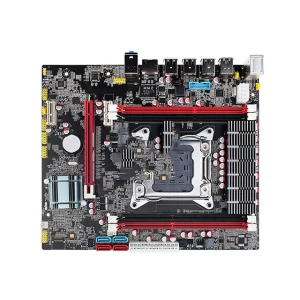
High-Reliability Battery Management System (BMS) PCB Assembly--STHL Factory, Solutions
China Anti-lock Braking System (ABS) PCB Assembly Manufacturer, Partner
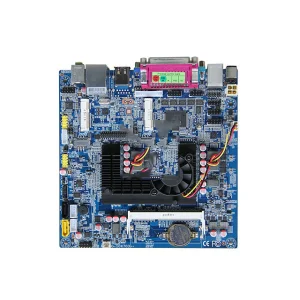
High-Reliability Body Control Module (BCM) PCB Assembly Manufacturer, Factory
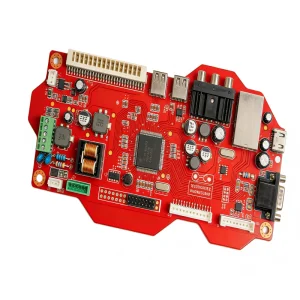
Custom Intercom PCB Assembly--STHL Service, Manufacturers
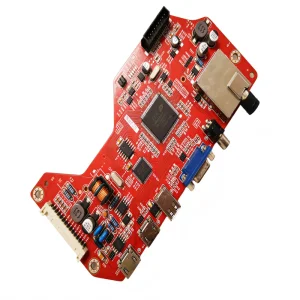
Top 10 Smart Dimmer Switch PCBA Assembly--STHL Service, Solutions
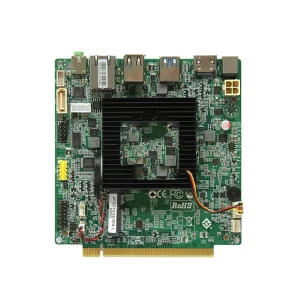
High-Reliability Power Distribution Unit (PDU) PCB Assembly Manufacturer, Manufacturers
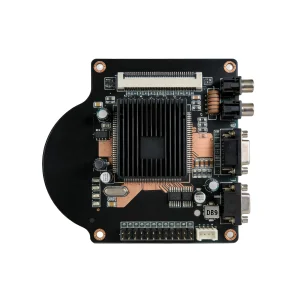
Custom Soil Detector PCB Assembly Manufacturer, Factories