Eight PCB Assembly Builds for Environmental and Critical Monitoring Systems
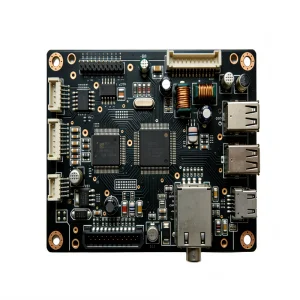
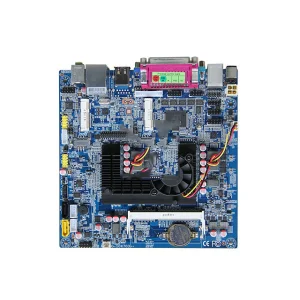
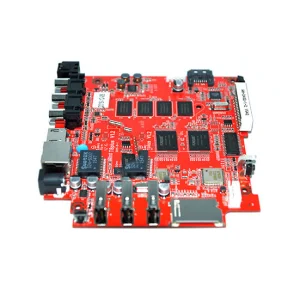
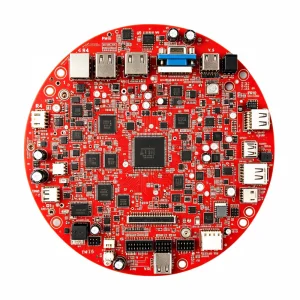
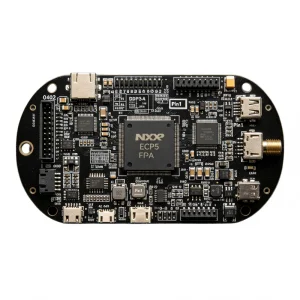
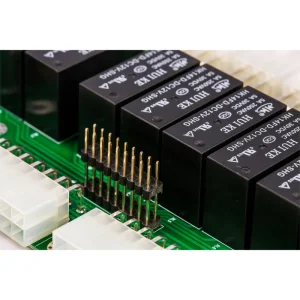
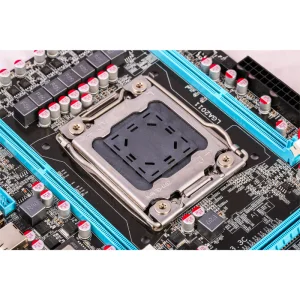
These product references show the breadth of STHL’s turnkey PCBA capability: sensor monitors, magnetometers, power-control boards, analyzers, wireless routers, power supplies, automation equipment and industrial waste-gas monitoring systems. Every product image and original link is retained below.
What Procurement Teams Really Need from an Environmental Monitoring PCBA Supplier
Semantic search for environmental monitoring PCBA combines four distinct buyer intents: product-specific sourcing, supplier qualification, technical due diligence and procurement risk control. A useful supplier page must answer all four in one place, not simply list machines and certifications.
Sensor fidelity before price
Environmental instruments often measure tiny analog changes. Low-noise layout, guarded sensor traces, stable references, thermal compensation and clean grounding matter more than a low unit price.
Environmental durability
Humidity, salt fog, vibration, dust and temperature cycling can destroy an otherwise good design. Conformal coating, material selection and process controls should be planned at NPI.
Data integrity and traceability
Monitoring systems are often part of compliance reporting. Secure firmware programming, serial-number traceability, calibration-data storage and lot-level records support audits.
Documentation and compliance
Overseas buyers need RoHS and REACH declarations, inspection reports, test records, packaging data and change-control documentation before a supplier can enter an approved vendor list.
The strongest information gain for an environmental monitoring equipment PCB assembly supplier in China is not a generic claim of “high quality.” It is proof that the supplier understands how a sensor board behaves in the field: what happens when a gas sensor’s baseline drifts, when a particulate monitor is exposed to humidity, when a water-quality transmitter must survive condensation, or when a remote air-quality node has to run on a small battery for years. STHL addresses these risks through DFM review, controlled sourcing, SMT and THT assembly, AOI, X-ray, ICT and functional testing, and documentation aligned with IATF 16949, ISO 9001, ISO 14001 and ISO 13485.
Technical Roadmap and Future Outlook for Environmental Monitoring PCB Assembly
Environmental monitoring is moving from standalone instruments toward connected, intelligent and continuously validated sensing networks. The PCBA roadmap below reflects the manufacturing capabilities and design conversations that matter for the next generation of air, water, gas, weather and soil monitoring equipment.
Sensor fusion and edge intelligence
Next-generation monitors combine particulate, gas, temperature, humidity and pressure data on one board. Edge MCUs and lightweight AI models pre-process signals locally, reduce false alarms and send cleaner data to the cloud.
Ultra-low power and energy harvesting
Remote environmental nodes increasingly depend on batteries, solar harvesting or intermittent power. Low-quiescent-current regulators, power gating, wide-temperature components and sleep-mode testing become critical PCBA requirements.
Wireless interoperability and cybersecurity
LoRaWAN, NB-IoT, Wi-Fi, Bluetooth and cellular modules are converging with secure boot, encrypted firmware updates and device identity. PCBA partners must protect programming data and support traceable key injection.
Miniaturisation and modular sensor front ends
Monitoring product families often share a controller board while varying sensor modules. Modular front ends, rigid-flex boards, fine-pitch SMT and controlled impedance help shorten NPI cycles without losing field reliability.
Harsh-environment protection
Outdoor and industrial monitoring systems need conformal coating, sealed enclosure integration, corrosion-resistant finishes, strain relief and validated assembly processes for high humidity and particulate exposure.
Digital calibration and lifecycle records
Calibration coefficients, sensor IDs and test results can be programmed into each assembly and linked to serial numbers. This supports warranty analysis, field recalibration and regulatory audit trails.
For the 2025–2028 horizon, buyers should expect more environmental monitors to include secure wireless connectivity, OTA firmware management, edge-based anomaly detection and lower-power sensor polling. The manufacturing response is not a single machine upgrade. It is an integrated chain: DFM for sensitive analog layouts, AVL screening for long-life components, controlled SMT and THT assembly, firmware programming, functional test fixtures, conformal coating and serialised traceability. STHL’s 20 years of EMS experience, 50+ engineers and in-house R&D laboratory provide the practical foundation for this roadmap.
PCB Assembly Solutions Across Environmental Monitoring Applications
From municipal networks to industrial compliance systems, each application has a different mix of sensor precision, environmental protection, connectivity and documentation requirements.
Air quality and particulate monitors
PM2.5, PM10, gas and VOC monitors need low-noise sensor front ends, airflow-related calibration data storage and stable operation in humidity and temperature swings.
Water quality and wastewater
pH, dissolved oxygen, turbidity, conductivity and chlorine transmitters require isolation, moisture protection and robust calibration workflows for long-term deployment.
Industrial waste-gas monitoring
Online waste-gas systems need industrial-grade controllers, isolated I/O, reliable communication modules and durable assemblies for continuous compliance reporting.
Weather and meteorology
Weather stations combine wind, rain, pressure, solar radiation and temperature sensing. Surge protection, enclosure integration and long-life connectors are common priorities.
Soil, agriculture and greenhouse
Soil moisture, nutrient and climate sensors need low-power boards, reliable sensor connectors and protection against condensation, dust and irrigation splash.
Noise and vibration monitoring
Acoustic and vibration nodes depend on clean signal acquisition, shielding, anti-aliasing and stable clocks. Harsh outdoor installation adds sealing and EMC concerns.
Radiation and safety monitoring
Safety and radiation instruments require controlled assembly, high-reliability components, documentation discipline and rigorous functional testing before shipment.
Smart city and indoor environment
Indoor air-quality nodes, smart-city sensing units and building monitors benefit from compact PCBA, wireless modules, secure firmware and scalable production from prototype to volume.
Localised Support and Compliance Assurance for Global Environmental Instrument OEMs
Overseas procurement teams do not only buy bare boards. They buy communication quality, engineering responsiveness, export documentation and confidence that the approved process will remain stable after the first article.
Quality system alignment
IATF 16949, ISO 9001, ISO 13485 and ISO 14001 systems provide the framework for incoming inspection, process control, non-conforming material handling and environmental management.
Material and export documentation
RoHS-compliant assembly, REACH declarations, BOM conformity records, packing lists, commercial invoices and inspection reports help customers clear internal and customs requirements.
Localised project communication
Dedicated project managers, English-language engineering communication and scheduled production updates reduce friction for buyers in North America, Europe, Asia-Pacific and other regions.
IP protection and change control
An NDA before RFQ, restricted project access, ERP/MES traceability and documented engineering change review protect designs, firmware and production continuity.
What a practical compliance package should include
For environmental monitoring equipment, compliance is both product-facing and production-facing. Product-facing compliance covers material declarations, RoHS, REACH and support for customer CE, FCC or UL submissions. Production-facing compliance covers process records, test logs, calibration-data handling, serialisation and change control. STHL’s role is to manufacture the PCBA consistently and supply the evidence the customer’s quality team needs.
- Gerber, BOM, pick-and-place and assembly drawing review before quotation.
- DFM feedback, BOM lifecycle screening and alternate-part recommendations.
- Incoming inspection, moisture-sensitive device control and reel-to-board traceability.
- AOI, X-ray, ICT and functional testing with records linked to production lots.
- IC programming, conformal coating, cable assembly and box build as required.
Supplier qualification checklist for buyers
Ask for the evidence behind the claim. A factory visit, virtual tour, certificate copies, sample test records and a clear NDA process tell you more than a brochure.
- Can the supplier explain low-noise analog layout and grounding?
- Are test fixtures and calibration-data programming supported?
- Which certifications are independently audited and current?
- How are EOL components, counterfeits and allocation risks handled?
- Can the factory scale from prototype to repeat production without changing process ownership?
Supply-Chain Resilience and Efficiency Advantages of a Shenzhen PCBA Factory
China’s electronics ecosystem is not only about component availability. It is about the density of engineering talent, PCB fabrication, SMT capacity, test equipment, enclosure suppliers, cable assembly, logistics and export services working within a short radius.
Factory 4.0 is a control system, not a marketing label
STHL’s 220+ staff, including more than 50 engineers, operate a 10,000+ m² facility with 7 SMT lines, 2 DIP/THT lines, 2 functional test lines and 2 box build lines. ERP and MES tracking connect production status, material lots and test results so that a customer can trace a build from incoming reel to finished board. That matters most when an environmental monitoring product is shipped to a project site and must remain serviceable years later.
The practical efficiency gain comes from process ownership. PCB fabrication, component sourcing, SMT/THT assembly, IC programming, testing, conformal coating, cable assembly and box build are coordinated under one accountable workflow. Engineering changes, second-source approvals and quality records do not have to travel across multiple disconnected vendors.
Resilience practices that reduce procurement risk
- BOM scrubbing for lifecycle status, availability and end-of-life exposure.
- Qualified alternate suggestions with customer approval before substitution.
- Incoming inspection and counterfeit-risk controls through 100+ sourcing channels.
- MSD control, ESD-safe handling and serialised production traceability.
- Prototype-to-volume continuity with no MOQ and the same process ownership.
Turnkey PCB Assembly Capabilities for Environmental Monitoring Equipment
One controlled workflow from BOM review and component sourcing through PCB fabrication, SMT and THT assembly, testing and box build. The service images and capability links below are retained from STHL’s original PCBA service content.

Electronic Components Procurement
Full or partial turnkey sourcing through 100+ agents and suppliers, with BOM scrubbing, alternate-part suggestions and reel-level traceability.
Learn more →
PCB Fabrication
Standard, prototype, aluminum, flexible, rigid-flex, HDI, Rogers, ceramic, heavy-copper, high-Tg and halogen-free boards built to your stack-up.
Learn more →
SMT & THT PCB Assembly
Prototype, low-volume and high-volume assembly including fine-pitch, BGA and mixed-technology boards, verified by AOI and X-ray.
Learn more →
Value-Added Services
PCB layout and design, IC programming, ICT and functional testing, conformal coating, cable and wire harness, and complete box build assembly.
Learn more →From Gerber Files to Global Shipment in Six Controlled Steps
Environmental monitoring customers need predictable execution as much as technical capability. This is how a typical STHL PCBA project moves through engineering review, sourcing, fabrication, assembly, test and delivery.
DFM & BOM Review
Engineers check Gerber, BOM and centroid data for manufacturability, footprint errors and end-of-life parts before any material is ordered.
Component Sourcing
Parts are purchased through 100+ agents and suppliers, then pass incoming inspection and moisture-sensitive device control.
PCB Fabrication
Bare boards are produced to your stack-up, surface finish and impedance requirements, from single-layer to HDI and rigid-flex.
SMT & THT Assembly
7 SMT lines and 2 DIP/THT lines handle fine-pitch, BGA and mixed-technology boards for prototypes and mass production.
Inspection & Testing
AOI, X-ray, ICT and functional tests, plus IC programming and conformal coating, with results logged in our MES.
Box Build & Delivery
Cable assembly, enclosure integration and ESD-safe packaging, shipped to customers in 90+ countries and regions.
Why Global OEMs Choose STHL for Environmental Monitoring PCBA
Measurable capacity, documented quality systems and engineering support that reduces total cost rather than simply quoting the lowest unit price.
Dust-Free Smart Factory
10,000+ m² highly automated production space with controlled handling and ESD-safe processes.
20 Years of Experience
Proven know-how across PCB and PCBA since 2006, including NPI and repeat production.
Global Sourcing
500,000+ part numbers through 100+ agents and suppliers, with BOM lifecycle screening.
Fully Certified
IATF 16949, ISO 9001, ISO 14001 and ISO 13485 quality and environmental systems.
ERP & MES Tracking
Real-time production status, material lot records and serial-level traceability.
Cost-Down Engineering
DFM and BOM optimisation by our engineering team to improve yield and total cost.
No MOQ
Prototype, low-volume and large-quantity orders are all welcome.
NDA Before RFQ
Your design data, BOM and firmware information are protected from day one.
Fast Delivery
99.5% on-time delivery and 99% qualified shipment rate across global orders.
Certified Quality Management Systems Behind Every PCBA Build
Third-party audits confirm that STHL’s processes meet the requirements of automotive, medical, industrial and environmental monitoring customers. Click any certificate image to view the full-size document.

ISO 9001
Quality Management System

IATF 16949
Automotive Quality Management

ISO 13485
Medical Devices Quality Management

ISO 14001
Environmental Management System
What Global Enterprises Require Before Approving a China PCBA Supplier
For environmental monitoring equipment, supplier approval often involves engineering, quality, procurement, compliance and after-sales teams. The questions below reflect the practical concerns that appear repeatedly in global sourcing reviews.
Supplier qualification and audits
Buyers need current certificates, audit access, sample-build evidence and a clear quality manual. Factory visits and remote virtual tours shorten the qualification cycle.
BOM lifecycle and change control
Environmental monitors often serve long installation cycles. End-of-life screening, approved alternates, last-time buys and documented change approval are essential.
Counterfeit risk and traceability
Incoming inspection, supplier verification, lot records and reel-to-board mapping protect customers from counterfeit components and untraceable substitutions.
Documentation and export compliance
Commercial invoices, packing lists, material declarations, test reports and RoHS/REACH documents are part of the delivered product, not optional paperwork.
Total cost and DFM optimisation
The lowest quotation can create expensive rework. DFM feedback, panel optimisation, test strategy and BOM alternates can lower total landed cost more reliably.
Lead time and continuity
Prototype speed matters, but repeat-production stability matters more. A supplier must show capacity, material planning and process ownership from NPI to volume.
What Engineers and Buyers Say About STHL
Feedback from hardware engineers, designers and company owners across North America, Europe and other regions reflects the communication and delivery discipline behind the factory.
“Excellent team to work with and fast delivery with high-quality boards. We are very happy to work with such a good supplier. Thanks again.”

“Please extend my thanks to your team for your hard work in preparing these samples. This positive experience has strengthened my confidence in your company, and I’m looking forward to discussing bulk orders in the near future.”

“We are satisfied with the last order. You did a great job on those boards and the lead time was short. I will place a new order soon.”

Environmental Monitoring PCBA Sourcing FAQs for Overseas Buyers
Direct answers to the questions engineering, procurement and quality teams ask before choosing a PCB assembly manufacturer in China for environmental monitoring equipment.
What files do I need to submit for a PCBA project?
Send Gerber files, a BOM with manufacturer part numbers, the pick-and-place (centroid) file and assembly drawings. If you need IC programming or functional testing, include firmware and test procedures. Our engineers complete a DFM and BOM review before production starts.
Is there a minimum order quantity (MOQ)?
No. STHL accepts prototype, low-volume and high-volume PCB assembly orders, so you can validate a design and scale to mass production with the same supplier.
Can STHL source all the electronic components?
Yes. We offer full turnkey, partial turnkey and consigned assembly. Our sourcing team works with 100+ agents and suppliers covering more than 500,000 part numbers, with incoming inspection and traceability from reel to finished board.
Which quality certifications does STHL hold?
STHL is certified to IATF 16949, ISO 9001, ISO 14001 and ISO 13485, and produces RoHS-compliant assemblies. Boards are verified with AOI, X-ray, ICT and functional testing.
How do you protect our design files and IP?
We sign an NDA before RFQ, restrict project data to the assigned engineering team and track every build through our ERP and MES systems.
Can we audit or visit the factory?
Yes. Customers are welcome to visit our Shenzhen factory and R&D laboratory at any time, and a 360-degree virtual factory tour is available for remote evaluation.
How do you support sensor calibration data and serialisation?
STHL can support IC programming, firmware loading and serial-number-linked test records. Calibration coefficients, sensor IDs or test results can be associated with each assembly when the customer provides the procedure and data structure.
Can you build low-volume environmental monitors and later scale to volume?
Yes. The same DFM, sourcing, assembly and test workflow can support prototypes, pilot builds and repeat production. This reduces re-qualification effort when a monitoring product moves from field trials to volume deployment.
What testing is suitable for environmental monitoring PCBA?
Typical options include AOI, X-ray for BGA and hidden joints, ICT for electrical opens and shorts, functional test for sensor signal chains and communication modules, and application-specific burn-in or temperature cycling when required.
Can you support RoHS, REACH and export documentation?
STHL produces RoHS-compliant assemblies and can provide material declarations and production records as agreed. Export documentation such as packing lists and commercial invoices is prepared for global shipment.
Additional PCB Assembly Builds for Power, Control, Medical and Industrial Monitoring
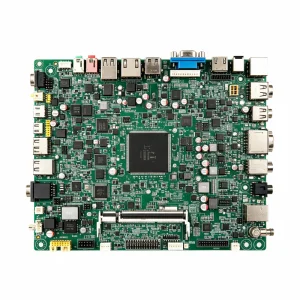
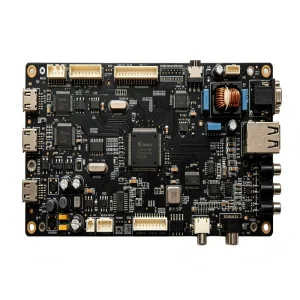
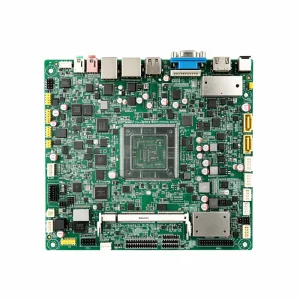
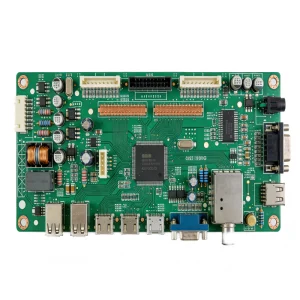
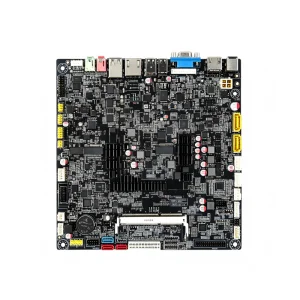
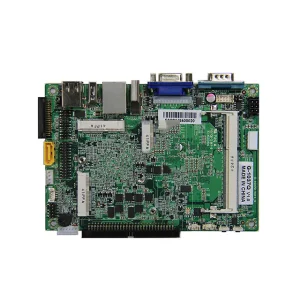
The second group of eight product references below completes the original product set. These builds illustrate how STHL supports adjacent systems that frequently appear in environmental monitoring projects: power supplies, control modules, wireless routers, automation equipment and industrial waste-gas monitoring.

Planning an Environmental Monitoring PCBA Build?
Send Gerber, BOM, pick-and-place data and test requirements for a DFM and BOM review. STHL supports prototypes, low-volume pilot builds and repeat production with NDA protection before RFQ, no MOQ, IATF 16949, ISO 9001, ISO 14001 and ISO 13485 systems, and global delivery.
