
Energy PCB Assembly Platforms for Renewable, Storage and EV Power
Energy projects rarely fail at the cell or the inverter alone; they fail at the board level when traceability, thermal margin, high-voltage isolation and documentation are treated as afterthoughts. STHL’s energy PCBA portfolio is organized around the procurement routes used by renewable-energy OEMs, charging-infrastructure builders, storage integrators and grid-equipment manufacturers. Each platform can be quoted as a turnkey build — PCB fabrication, component sourcing, SMT/THT assembly, testing, conformal coating and box build — or as a controlled partial-turnkey program using your approved AVL.
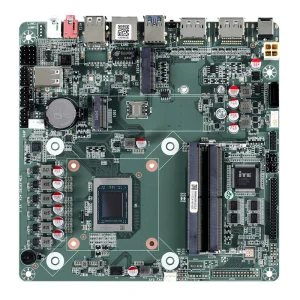 One-Stop Energy PCBA Application: Powering the Future of Renewable Energy from China, FactoriesView solution
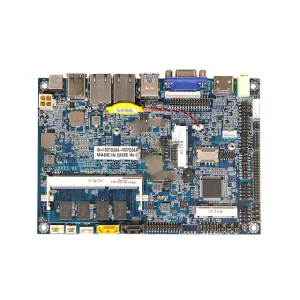 Precision Electric Vehicle Charging Pile PCB Assembly Factory, FactoriesView solution
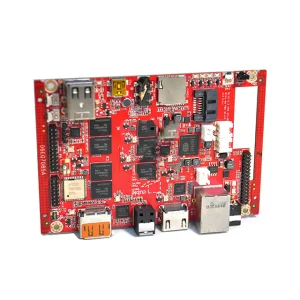 Reliable Energy Storage System Controller PCB Assembly Factory, ServiceView solution
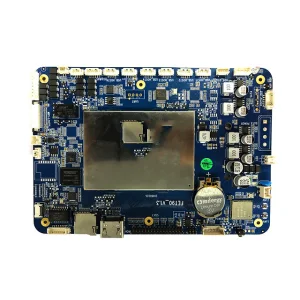 Professional Photovoltaic Power Generation Monitoring System PCB Assembly Supplier, FactoryView solution
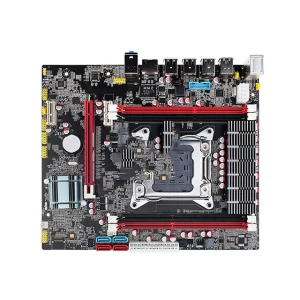 High Quality Wind Power Controller PCB Assembly Factory, ServiceView solution
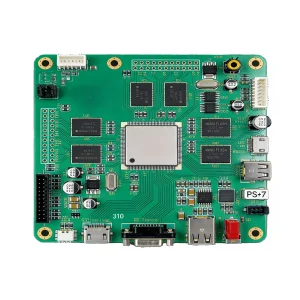 High-Reliability Solar Inverter PCB Assembly Service, from ChinaView solution
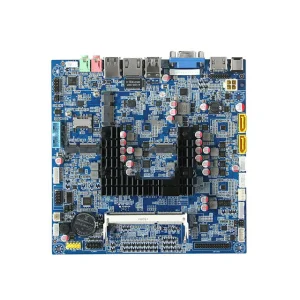 Turnkey Battery Management System (BMS) PCB Assembly Manufacturer, SolutionsView solution
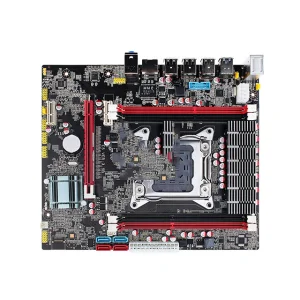 One-Stop Energy Storage Battery Pack Management System PCB Assembly Company, FactoriesView solution
Need a platform that combines several of these boards in one program? Review the full Energy PCB Assembly solution page or send your BOM for a consolidated DFM review.
Why Energy PCB Assembly Has Become a Strategic Global Procurement Category
The buyer searching for an Energy PCB Assembly Solution Provider & Factories is usually not looking for a generic board house. They are qualifying a manufacturing partner for equipment that must operate for years in heat, vibration, humidity, voltage transients and regulatory scrutiny. A solar inverter, battery management system, EV charger, smart meter or wind controller may be installed in a remote site where a field return costs far more than the original PCBA. That economic reality changes the selection criteria: process capability, component authenticity, documented traceability and engineering communication become as important as unit price.
Global procurement teams are also responding to supply-chain concentration. Energy programs are often funded in phases, which means volumes can start with engineering samples, move to pilot builds and then scale into repeat production. Suppliers that cannot manage high-mix/low-volume NPI and volume ramp under the same quality system create hidden costs. Buyers increasingly prefer a factory that can support DFM, BOM scrubbing, alternate part validation, functional test development, conformal coating and box build without transferring the project across multiple vendors.
At the same time, compliance expectations are rising. Customers want RoHS-compliant assemblies, material declarations where required, record retention, controlled ESD handling and evidence of incoming inspection. They want to see how failures are contained, how changes are approved and how lot traceability is maintained from reel to finished board. This is the information gain behind a serious energy PCBA quotation: not a price alone, but a manufacturing route that can survive an audit and a field-life review.
Search-intent insight: the phrase “Energy PCB Assembly Solution Provider & Factories” combines supplier discovery, factory qualification and application-specific engineering intent. A credible page must therefore prove both manufacturing depth and energy-domain understanding — not merely list SMT equipment.
What Global Energy Buyers Actually Require From a PCBA Factory
Energy electronics procurement is a risk-management exercise. The following requirements appear repeatedly in supplier audits, RFQs and new-product introduction reviews for renewable-energy, storage and charging hardware.
Field-Life Reliability & Derating
Energy boards are often specified for long service life and wide temperature swings. Buyers expect controlled soldering, moisture-sensitive device handling, thermal-aware layout feedback, adequate creepage and clearance, and documented process parameters that reduce premature field failure.
High-Voltage Isolation & Safety
Chargers, inverters, storage racks and on-board chargers combine high voltage with sensitive control electronics. Isolation spacing, conformal coating, test coverage and traceability must be planned before production, not corrected after failure analysis.
Traceability & Audit Documentation
Procurement teams want lot codes, component traceability, inspection records, test logs and change-control evidence. ERP and MES-supported production records make it easier to answer customer audits, warranty investigations and regulatory documentation requests.
Supply Resilience & Lifecycle Management
Long-life energy products face component obsolescence, allocation and counterfeit risk. A capable factory performs BOM scrubbing, proposes validated alternates, controls incoming materials and supports last-time-buy or lifecycle planning before the production line is interrupted.
Energy PCB Assembly Solutions Across the Electrification Value Chain
From generation and storage to charging, metering and power quality, each application has a different reliability profile. STHL aligns DFM feedback, material selection, assembly controls and test strategy to the way the final product will be installed and serviced.
Solar Inverter & MPPT Control
PCBA for solar inverters, MPPT tracking, DC-AC conversion control, photovoltaic monitoring and combiner electronics. Emphasis on thermal management, high-current paths, isolation and stable operation under outdoor temperature cycles.
Energy Storage, BMS & Battery Packs
Battery management system boards, BMU/BCU control, energy storage system controllers and battery-pack management assemblies. Process controls focus on measurement accuracy, communication reliability, safety isolation and traceable material lots.
EV Charging, OBC & Charging Piles
Electric-vehicle charging pile control, on-board charging equipment, power modules and interface boards. Builds require high-voltage awareness, robust connectors, test coverage and documentation suitable for charging-infrastructure qualification.
Smart Grid, Smart Meter & Power Quality
Smart meter PCB assembly, grid monitoring, power quality analyzers and distributed generation control. These products depend on accurate analog measurement, stable long-term performance and disciplined calibration/test workflows.
Wind Power & Distributed Generation
Wind power controllers, distributed generation control systems and remote monitoring electronics. Boards must tolerate vibration, humidity, electrical noise and wide ambient conditions while remaining serviceable in the field.
Power Tools, Appliances & Adjacent Power Electronics
Power management modules, solar street light controllers, water heater controllers and electric scooter controllers. These platforms benefit from cost-down engineering, mixed-volume flexibility and fast NPI without sacrificing safety or traceability.
From Requirements Capture to Field-Ready Energy PCBA
A robust energy PCBA program is not a single production step. It is a controlled route that links design intent, material selection, assembly process, test coverage and final documentation. This route map reflects how STHL structures energy electronics projects for global OEMs.
01. Requirements & Standard Capture
Define the operating environment, input/output ratings, isolation boundary, thermal limits, expected service life, target certifications and end-product installation conditions. Clear assumptions at this stage prevent expensive corrections after tooling and material commitments.
02. DFM, DFT & BOM Review
Review Gerber data, BOM, centroid file, assembly drawings, firmware/test requirements and critical nets. Engineers check footprint accuracy, panelization, test access, end-of-life parts and potential assembly conflicts before purchasing begins.
03. Material & Stack-Up Engineering
Select the PCB material, copper weight, surface finish, Tg, CTI and stack-up based on voltage, thermal cycling and current requirements. Heavy copper, aluminum boards, rigid-flex, high-Tg FR-4 and conformal coating options can be evaluated against the application.
04. Component Sourcing & Counterfeit Control
Source through approved distributors and qualified suppliers, verify incoming materials, manage MSD exposure and maintain reel-to-board traceability. Where parts are constrained, propose alternates only through a documented approval path.
05. SMT/THT Assembly & Process Control
Use controlled SMT and THT lines for fine-pitch, BGA and mixed-technology assemblies. Process monitoring, solder profile control, AOI and X-ray inspection help maintain repeatability from prototype builds through serial production.
06. Test, Coating & Box Build
Execute ICT, functional testing, programming, conformal coating, cable assembly and final box build as required. Test logs, packing controls and shipment documentation support customer audits and field-service planning.
Technology Roadmap and Future Outlook for Energy PCB Assembly
Energy electronics is moving toward higher efficiency, higher power density and deeper digital traceability. Procurement decisions made today should account for the manufacturing capabilities that will matter over the next product generation.
SiC, GaN & Higher Power Density
Wide-bandgap semiconductors are pushing switching frequencies and thermal density upward. Energy PCBA suppliers will need stronger thermal design feedback, tighter process control and inspection strategies for advanced packages and demanding interconnect requirements.
Digital Traceability & MES-Driven Quality
Buyers increasingly expect digital records linking component lots, process parameters, test results and shipment data. ERP and MES-supported production flow will become a normal qualification requirement for grid, storage and charging customers.
Localization Plus Engineering Depth
Regional manufacturing and supply diversification will continue, but deep component access and engineering experience remain concentrated in established electronics ecosystems. A practical strategy combines localized commercial support with a factory that can execute complex builds reliably.
Long-Life Supply & Obsolescence Engineering
Energy infrastructure often remains in service longer than consumer electronics. Lifecycle monitoring, alternate-part validation, last-time-buy planning and change control will become core supplier capabilities rather than optional services.
The Global Energy PCBA Supply Chain in Commercial Reality
Energy electronics demand is distributed across North America, Europe, Asia-Pacific, the Middle East and Latin America, but the buying patterns differ. European programs often emphasize documentation, material compliance and long-term service support. North American buyers frequently prioritize NPI speed, supply continuity and transparent engineering communication. APAC and Middle East infrastructure projects may require rapid scale-up, mixed configurations and strong logistics coordination. Every region is looking for fewer surprises between prototype approval and repeat shipment.
China remains a deep electronics manufacturing ecosystem for PCB fabrication, component sourcing, SMT/THT assembly, test development and box build. For global energy companies, the advantage is not simply cost; it is the ability to solve process, material and test problems in one factory. The practical question is whether the supplier can operate under audit-ready quality systems, protect intellectual property, communicate in English and provide traceable records that satisfy the customer’s own downstream obligations.
STHL’s operating profile is built around that reality: a Shenzhen EMS/ODM factory founded in 2006, serving OEMs in 90+ regions with engineering, sourcing, assembly, testing and box-build capabilities under one roof.
STHL: A Shenzhen Energy PCBA Factory Built for Audit-Ready Manufacturing
Shenzhen STHL Electronics Co., Ltd. is a certified electronics manufacturing services and ODM provider founded in 2006. The company supports hardware teams from PCB layout and component sourcing through PCB fabrication, SMT/THT assembly, cable assembly, box build and functional testing. Its 10,000+ m² facility is equipped with 7 SMT lines, 2 DIP/THT lines, 2 functional test lines, 2 box build lines and an in-house R&D laboratory.
For energy buyers, the value is not only capacity. It is the ability to keep one accountable manufacturing route from first article to repeat production. STHL operates under IATF 16949, ISO 9001, ISO 14001 and ISO 13485 systems, produces RoHS-compliant assemblies and uses AOI, X-ray, ICT and functional testing to verify workmanship and performance. Design data is protected with an NDA before RFQ, and customers are welcome to visit the Shenzhen factory or audit remotely through a 360-degree virtual tour.
The company also supports partial-turnkey and consigned assembly models, allowing procurement teams to balance approved AVLs, internal inventory and supplier sourcing. No-MOQ prototype support helps engineering teams validate designs before committing to volume, while the same quality system can transition the project into serial shipment.

Quality Gates and Test Strategy for Energy PCB Assembly
Energy PCBA quality is built through sequential controls. Each gate is designed to catch a different class of risk before the product leaves the factory.
Incoming Inspection & Counterfeit Mitigation
Incoming components are checked against the BOM and approved supplier records, with attention to packaging, markings and moisture-sensitive device handling. Sourcing through qualified channels reduces counterfeit and out-of-spec risk.
SMT Process & MSD Control
Solder paste, placement, reflow profiles and MSD exposure are controlled as process inputs. Fine-pitch and mixed-technology boards are planned with the required stencil, inspection and handling discipline.
AOI & X-Ray Inspection
Automated optical inspection verifies placement and solder appearance, while X-ray inspection supports BGA and hidden-joint evaluation. Inspection data helps isolate process drift before it becomes a lot-level issue.
ICT & Functional Test
In-circuit testing checks opens, shorts and component values where test access allows. Functional testing verifies board behavior under defined conditions, and programming can be integrated into the test flow.
Reliability Validation Support
Where customer requirements call for environmental or reliability validation, STHL can align the build and test documentation with the agreed plan. Conformal coating, thermal considerations and handling controls can be incorporated into the manufacturing route.
Final QA, Packaging & Release
Final quality checks, ESD-safe packing and shipment documentation close the loop. Lot traceability and test records support warranty analysis, customer audits and future service planning.
A Practical Energy PCBA Supplier Qualification Matrix
Use this checklist to compare quotations beyond unit price. The strongest supplier is the one that can provide evidence for each row before production begins.
| Qualification Area | What to Request | Why It Matters |
|---|---|---|
| Quality Management System | Current IATF 16949, ISO 9001, ISO 14001 and ISO 13485 certificates; scope and validity dates. | Confirms the factory operates under audited systems relevant to automotive, medical, industrial and environmental requirements. |
| Process Capability | SMT/THT line list, minimum pitch, BGA capability, inspection equipment, coating and box-build options. | Shows whether the supplier can build the actual energy board rather than a simplified demonstration board. |
| Component Sourcing Control | Approved supplier channels, incoming inspection process, counterfeit mitigation, MSD control and traceability method. | Energy products have long field lives; unverified components create warranty and safety risk. |
| Test Coverage | AOI, X-ray, ICT, functional test, programming, test logs and fault containment process. | Testing must match the board’s failure modes, not just confirm that it powers on. |
| Traceability | Lot code structure, ERP/MES records, component reel-to-board linkage and record retention policy. | Enables fast containment, audit response and field-failure investigation. |
| Change Control | ECO workflow, alternate-part approval process, deviation handling and notification rules. | Prevents silent changes that could affect certification, performance or long-term reliability. |
| IP Security | NDA before RFQ, access restriction, project data handling and employee confidentiality controls. | Energy designs often contain proprietary control, topology and firmware-related information. |
| Delivery & Packaging | Lead-time assumptions, ESD-safe packing, moisture protection, shipment documentation and global coordination. | Protects product quality after it leaves the line and supports predictable project schedules. |
Localization Support and Compliance Assurance for Cross-Border Energy Programs
Energy customers rarely want a distant supplier that responds only during production. STHL supports overseas buyers with English-speaking engineering communication, NDA-first RFQs, structured DFM feedback and documentation that can be shared with internal quality, procurement and regulatory teams.
NDA-First RFQ & IP Control
Design files and project data are handled under NDA before quotation. Access is restricted to the assigned engineering and project team, and builds are tracked through ERP and MES systems.
Audit-Ready Documentation
Certificates, inspection records, test logs and traceability data can be organized for customer audits. Factory visits and remote virtual tours are available for supplier qualification.
Global Commercial Coordination
Shipment planning, ESD-safe packaging, export documentation and communication across time zones help keep international energy projects moving from first article to repeat orders.
Material & Process Compliance
RoHS-compliant assembly, controlled processes and customer-specific documentation requirements are reviewed during quotation so compliance is designed into the build.

ISO 9001
Quality Management System
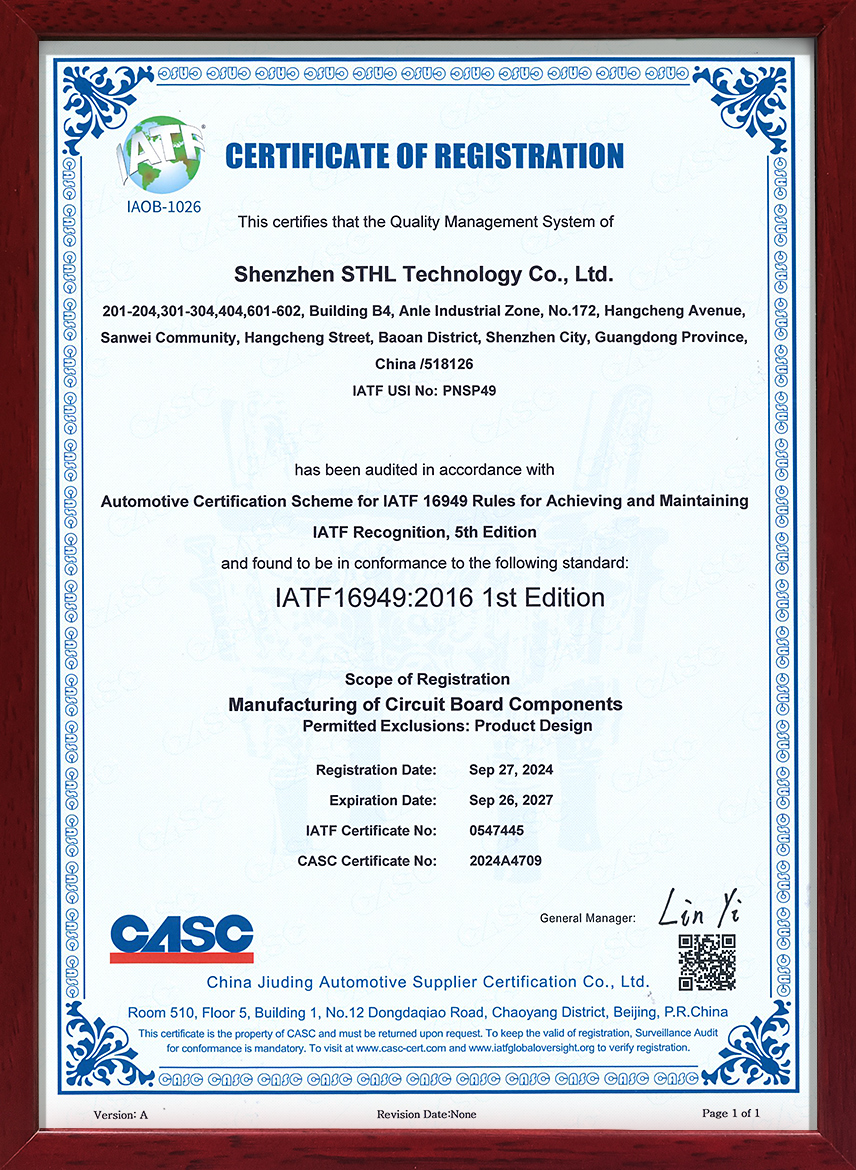
IATF 16949
Automotive Quality Management
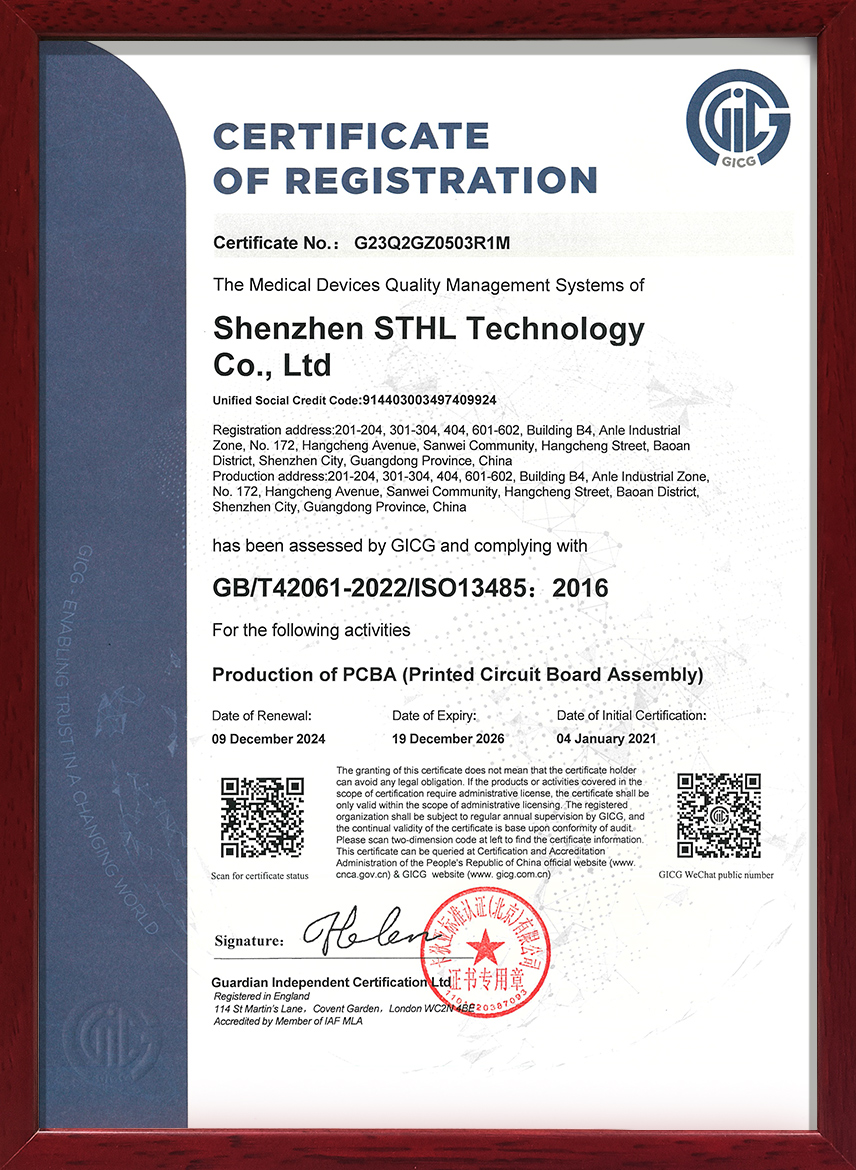
ISO 13485
Medical Devices Quality Management
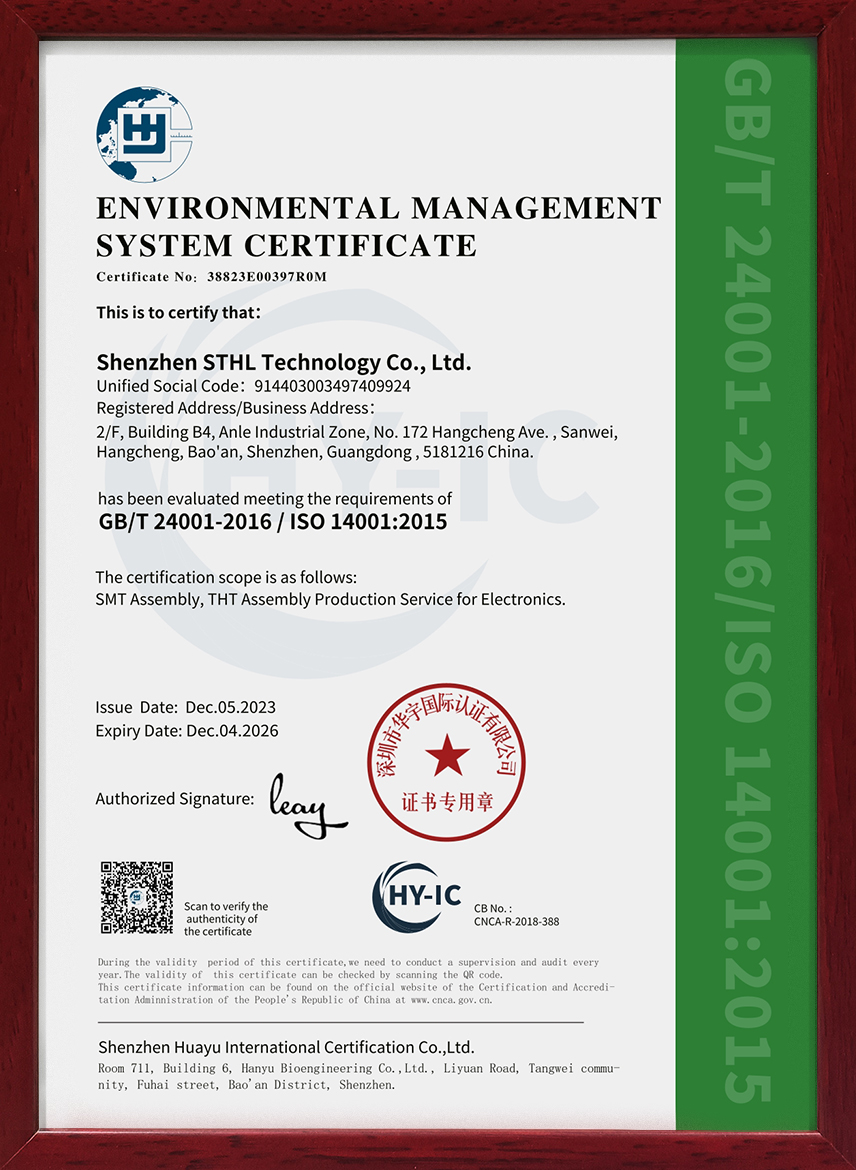
ISO 14001
Environmental Management System
Energy PCB Assembly Q&A for Global Buyers
These answers reflect the questions procurement, hardware engineering and quality teams ask before releasing an energy PCBA program to a China factory.
What files do I need to submit for an Energy PCBA project?
Send Gerber files, a BOM with manufacturer part numbers, the pick-and-place/centroid file and assembly drawings. If you need IC programming or functional testing, include firmware and test procedures. STHL engineers complete a DFM and BOM review before production starts.
Is there a minimum order quantity?
No. STHL accepts prototype, low-volume and high-volume PCB assembly orders, so you can validate a design and scale to mass production with the same supplier.
Can STHL source all the electronic components?
Yes. STHL offers full turnkey, partial turnkey and consigned assembly. The sourcing team works with 100+ agents and suppliers covering more than 500,000 part numbers, with incoming inspection and traceability from reel to finished board.
Which quality certifications does STHL hold?
STHL is certified to IATF 16949, ISO 9001, ISO 14001 and ISO 13485 and produces RoHS-compliant assemblies. Boards can be verified with AOI, X-ray, ICT and functional testing as the project requires.
How do you protect our design files and IP?
STHL signs an NDA before RFQ, restricts project data to the assigned engineering team and tracks every build through ERP and MES systems. This is important for energy boards that may include proprietary control, topology or test information.
Can we audit or visit the factory?
Yes. Customers are welcome to visit the Shenzhen factory and R&D laboratory, and a 360-degree virtual factory tour is available for remote evaluation by procurement and quality teams.
How do you support high-voltage and long-life energy designs?
STHL reviews creepage and clearance requirements, material and stack-up choices, conformal coating options, thermal considerations, test access and traceability needs during DFM. The agreed manufacturing route is then controlled through SMT/THT assembly, inspection and end-of-line testing.
How do you manage component obsolescence and long-term supply?
BOM scrubbing identifies lifecycle risk early. Where parts are constrained or approaching end-of-life, STHL can propose alternates for approval, support last-time-buy planning and document approved changes so the energy product remains manufacturable over its service life.
Planning a Renewable, Storage or EV Power Build?
Send your Gerber, BOM and test requirements for an engineering-led review. STHL will respond with a practical manufacturing route covering PCB fabrication, component sourcing, SMT/THT assembly, testing, conformal coating, box build and documentation — so your team can qualify the supplier and the process at the same time.
Additional Energy, Power Management and Smart Device PCB Assembly Solutions
These platforms extend the same manufacturing route to solar street lighting, electric scooters, power tools, distributed generation, water heaters, smart meters, on-board charging and power quality analysis. Each product link below leads to the original STHL Energy PCB Assembly product page.
Professional Solar Street Light Controller PCB Assembly Company, Solution ProviderView solution
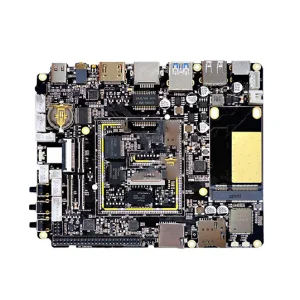 Top-Rated Electric Scooter Controller PCB Assembly Supplier, Solution ProviderView solution
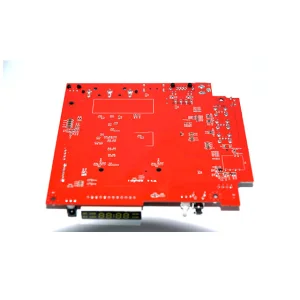 China Power Tool Power Management Module PCB Assembly Service, FactoriesView solution
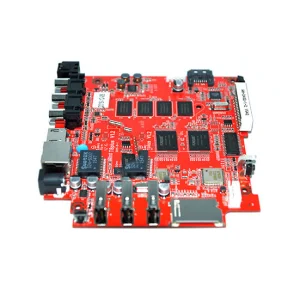 Precision Distributed Power Generation Control System PCB Assembly Company, in ChinaView solution
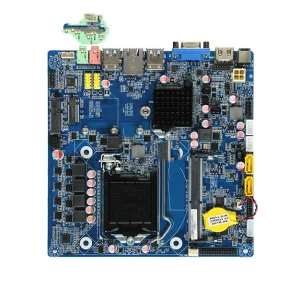 China Water Heater Controller PCB Assembly Service, FactoriesView solution
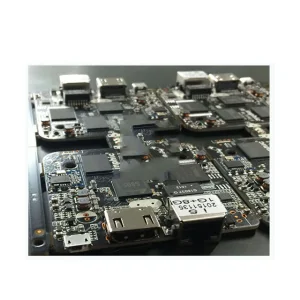 China Top Smart Meter PCB Assembly Partner, SolutionsView solution
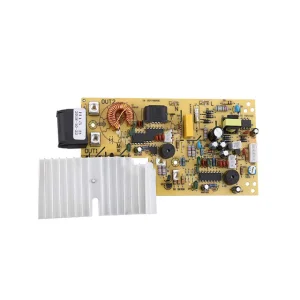 Custom New Energy Vehicle On-board Charging Equipment PCB Assembly in China, ManufacturersView solution
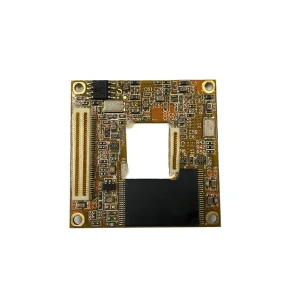 Reliable Power Quality Analyzer PCB Assembly Solution Provider, in ChinaView solution