OEM Power Supply PCBA Applications: Reliable Power Management for Critical Systems Factory, Factories
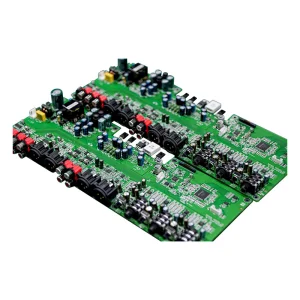
Custom power-management PCBA for critical systems with controlled sourcing and functional test.
High-reliability power supply PCB assembly for AC-DC, DC-DC, switching, linear, DIN rail, bench, programmable, hot-swappable, redundant, modular, open-frame, industrial, medical and rack-mount power platforms — engineered for global OEMs by an IATF 16949, ISO 9001, ISO 14001 and ISO 13485 certified EMS partner.
These product links are retained for engineering and sourcing teams to compare power topologies, enclosure styles, thermal profiles and test requirements. Each platform can be quoted as a turnkey build — PCB fabrication, component sourcing, SMT/THT assembly, programming, test and box build — with NDA protection before RFQ.
Custom power-management PCBA for critical systems with controlled sourcing and functional test.
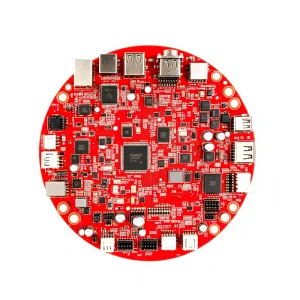
Switching supply assembly with EMI-aware layout, efficient power conversion and production test coverage.
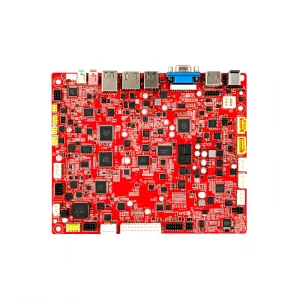
DIN-rail power PCBA for industrial cabinets, control panels and automation equipment.
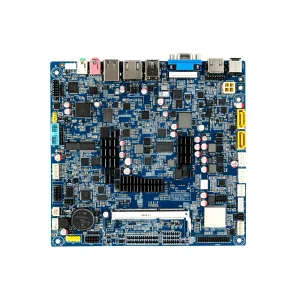
Bench supply assemblies for laboratory, repair, education and test-bench applications.
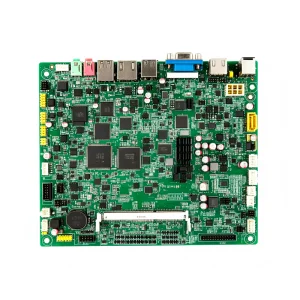
Digital and programmable power platforms with IC programming, calibration and serial traceability.
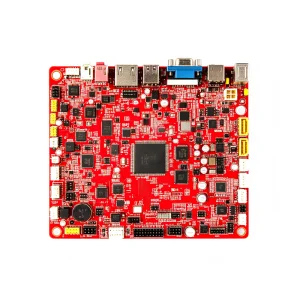
Low-noise linear supply PCBA for analog, audio, instrumentation and medical electronics.
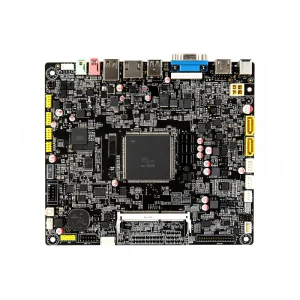
Isolated and non-isolated DC-DC converter assemblies for harsh, space-constrained and safety-critical systems.
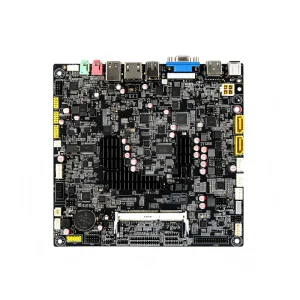
Custom AC-DC converter PCBAs with creepage, isolation, thermal and EMC controls from prototype to volume.
A power supply PCBA sits at the boundary between energy, safety and data. Its failure can stop a production line, interrupt a medical procedure, strand an electric-vehicle charger or create field-return costs that dwarf the original unit price. That is why a white-paper-level procurement review should treat power supply PCB assembly as a system of interacting tolerances — not as a bare board with components on it.
In a high-quality power supply PCB assembly manufacturer environment, the power stage, feedback loop, protection circuit, magnetics, connectors, thermal path and test strategy must be reviewed together. A switching supply may look electrically simple on a schematic, but the physical PCB layout determines conducted and radiated EMI, switching-node ringing, thermal spreading, creepage and clearance, and long-term solder-joint reliability. Similarly, a linear supply may have low output ripple, yet still fail if the thermal path is undersized or the connector plating is incompatible with the end environment.
For global OEMs, the most effective cost reduction is not the lowest quoted unit price. It is the reduction of engineering change orders, line stoppages, incoming inspection escapes and field failures. That requires a manufacturing partner that can read a power supply BOM critically, flag end-of-life parts, propose validated alternates, control moisture-sensitive devices, and test at the functional level — not simply pass boards through reflow.
Layout, copper weight, switch-node geometry and thermal design directly affect efficiency, derating and enclosure temperature rise.
Creepage, clearance, slotting, transformer spacing, conformal coating and hi-pot testing must match the final safety standard.
Thermal vias, copper balancing, shielding, snubbers and grounding are manufacturing variables that must be controlled in assembly.
Test points, programming fixtures, ICT coverage and MES data turn a finished board into a verifiable, traceable power module.
Shenzhen STHL Electronics Co., Ltd. has supported electronics teams since 2006 as a certified EMS and ODM provider. For power supply PCB assembly, the advantage is the combination of engineering review, controlled sourcing, SMT/THT capacity, in-house test and box-build integration in one Shenzhen facility.
Our 220+ staff, including 50+ engineers, operate a 10,000+ m² production space with an in-house R&D laboratory for design verification and prototype testing. Seven SMT lines, two DIP/THT lines, two functional test lines and two box-build lines allow us to support prototype, low-volume and volume production under one quality system. Every build is RoHS-compliant and controlled under IATF 16949, ISO 9001, ISO 14001 and ISO 13485 systems. Factory visits and audits are welcome, and a 360° virtual tour is available for remote pre-qualification.
For buyers, this matters because power supply projects rarely stop at the PCBA. They often require cable assembly, conformal coating, firmware programming, burn-in support, enclosure integration, labelling and ESD-safe packaging. STHL provides one accountable workflow from Gerber and BOM review through final shipment, with NDA protection before RFQ and no minimum order quantity for prototypes or low-volume validation builds.
The power supply roadmap is being reshaped by wide-bandgap semiconductors, digital control, higher power density, functional safety and connected diagnostics. For OEMs, the PCBA supplier must be ready for these changes before the next product revision arrives.
Wide-bandgap devices such as GaN and SiC are moving from premium designs into mainstream power supplies because they enable higher switching frequencies, smaller magnetics and higher efficiency. They also place new demands on PCB assembly: tighter gate-loop layout, lower-inductance connections, thermal interface control, and careful inspection of fine-pitch and bottom-termination packages. Digital power architectures using PMBus, I²C, UCD and MCU-based control are adding calibration, telemetry and firmware traceability to what used to be a purely analog assembly. The factory must therefore be as comfortable with programming and data logging as it is with reflow profiling.
At the same time, the market is moving toward 48 V, 400 V and 800 V architectures, bidirectional conversion, energy-storage interfaces, hot-swap backplanes, redundant power and intelligent power management. For a power supply PCB assembly manufacturer, the winning roadmap is not simply more capacity. It is design-for-manufacturing maturity: the ability to scale a validated power platform across multiple SKUs without re-learning thermal, isolation, EMC and test lessons each time.
Fine-pitch placement, low-inductance layout review, thermal-interface control and X-ray inspection support next-generation power stages.
Firmware programming, calibration, serial-number logging and functional test are becoming standard PCBA deliverables.
Heavy copper, thermal vias, metal-backed boards, potting and conformal coating require process control beyond standard SMT.
Functional-safety documentation, secure programming, key injection and tamper-aware production flows will differentiate suppliers.
Different industries do not need the same power supply. A medical device may prioritise low leakage current, isolation and documented change control; an industrial drive may prioritise thermal margin, vibration resistance and 24/7 availability; a telecom rack may prioritise hot-swap, redundancy and efficiency. STHL aligns DFM, sourcing, test and documentation with the target market.
DIN-rail, open-frame and industrial power PCBA for PLCs, motor drives, sensors, HMIs and control cabinets. Conformal coating and wide-temperature verification options are available.
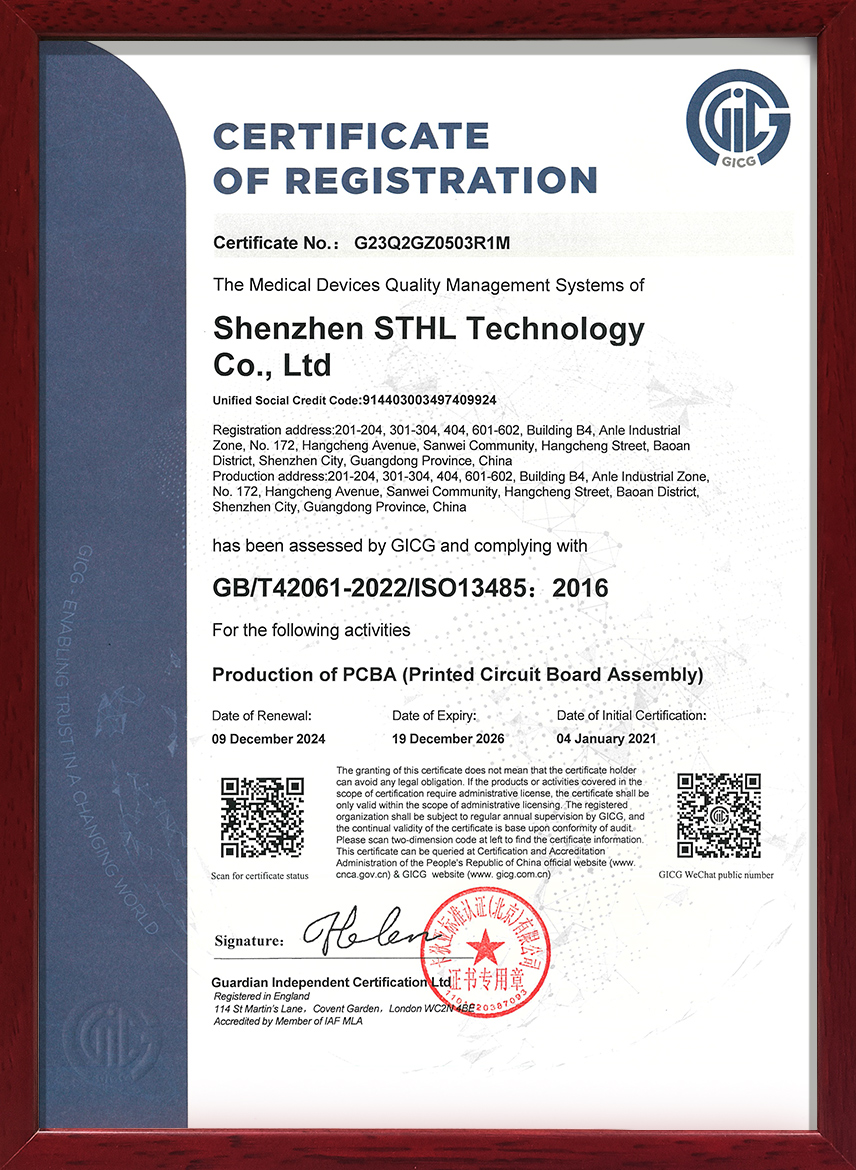
Medical power supply PCBA under ISO 13485 controls, with traceability, low-noise linear or switching options, and functional test records for monitoring, diagnostic and wearable devices.
IATF 16949 process discipline for control modules, charging electronics, DC-DC converters and power-management boards that must survive thermal cycling and vibration.
High-efficiency AC-DC and DC-DC power, rack-mount supplies, redundant power and hot-swappable assemblies with test coverage for continuous operation.
Battery-management, inverter, charger and auxiliary power PCBA for solar, storage and renewable-energy systems, including heavy-copper and thermal-management options.
Compact AC-DC adapters, programmable supplies, modular power and non-isolated point-of-load converters for smart home, networking and consumer electronics.
Overseas buyers need more than a factory address. They need English-speaking engineering support, NDA protection, documentation, change control and a quality system that can survive a customer audit. STHL supports customers in the USA, Germany, Italy, the UK, Poland, New Zealand, Brazil and 90+ other regions with a single account team and documented manufacturing controls.
Design files, BOMs and test procedures are protected before quotation. Project data is restricted to the assigned engineering and production team.
Engineers check Gerber, BOM, centroid data, footprints, end-of-life risk and assembly drawings before material is ordered.
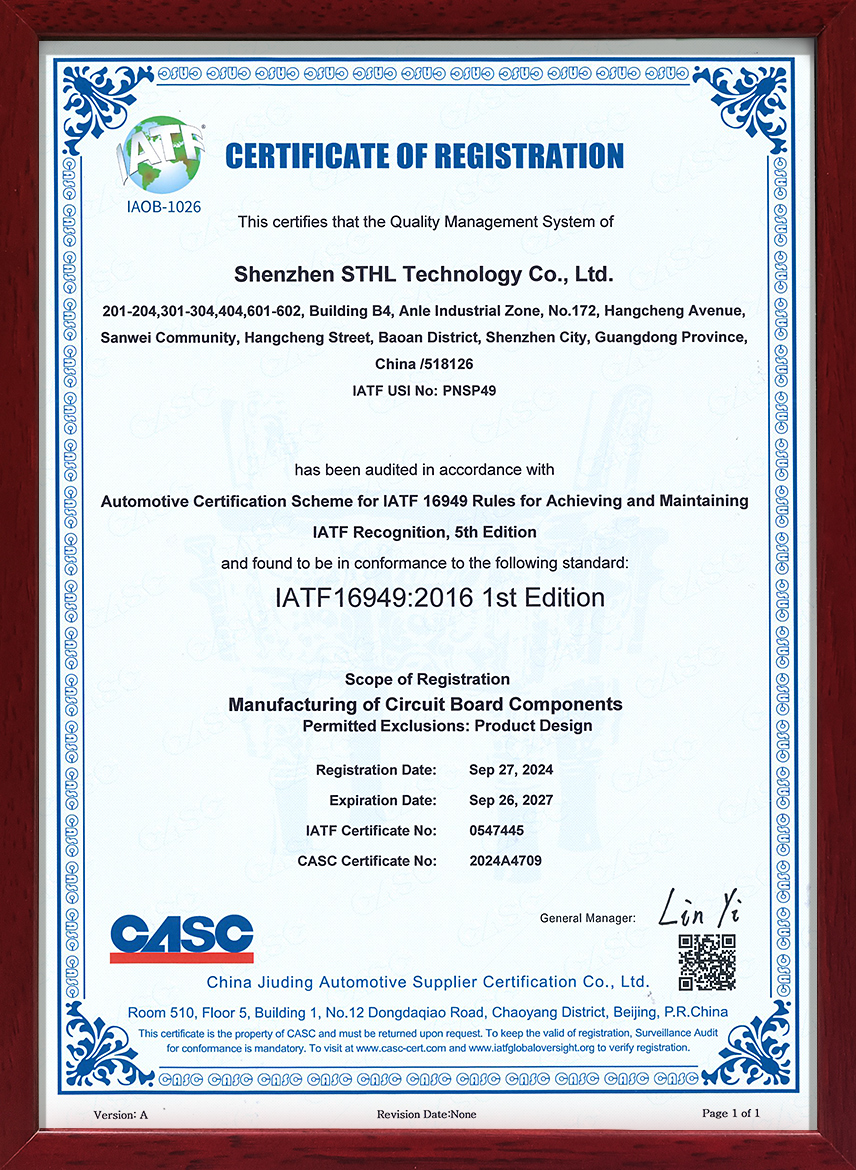
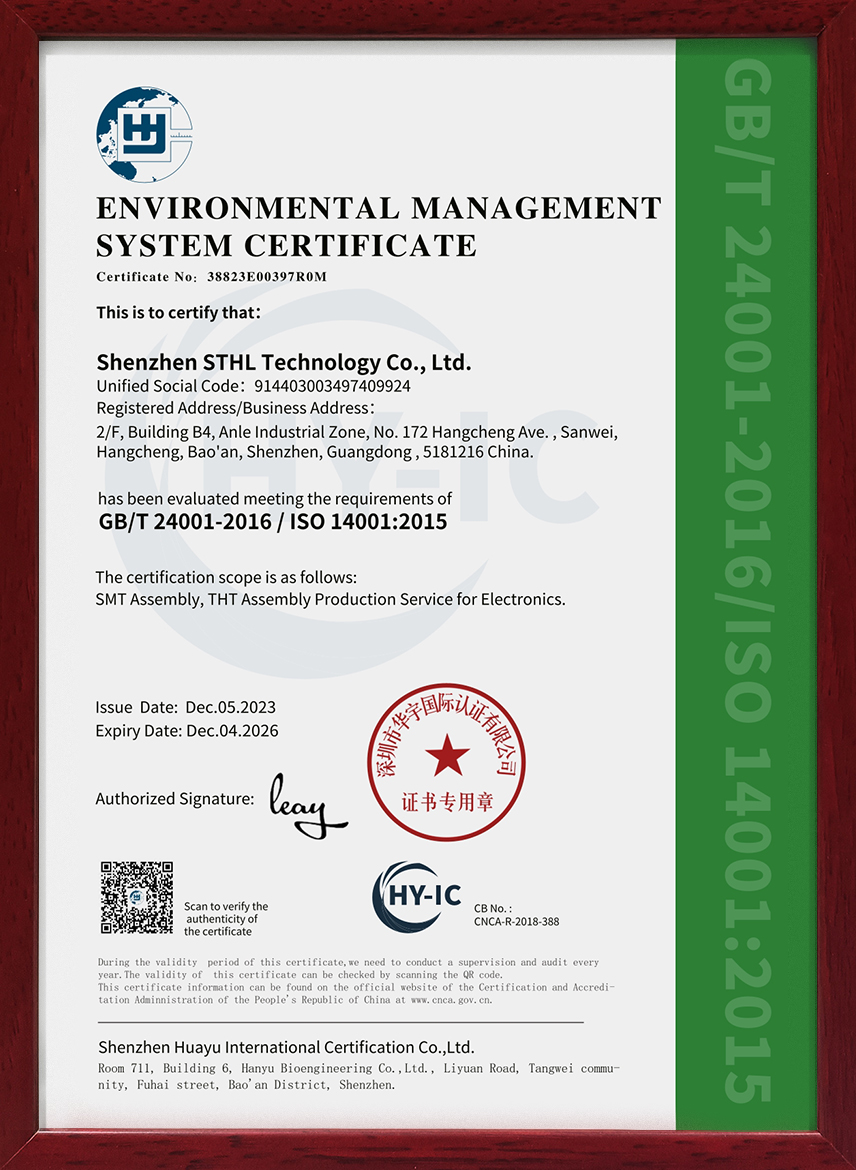
IATF 16949, ISO 9001, ISO 14001 and ISO 13485 systems, RoHS-compliant assemblies and third-party audited processes.
ESD-safe packaging, labelling, cable assembly, box build and shipment preparation for global delivery.
China Factory 4.0 is often described as automation, but resilience is the more important outcome. A smart factory reduces uncertainty: it knows which reel went into which board, which lot was tested on which fixture, and which alternate part can keep a power supply build moving without compromising safety or reliability.
STHL operates a highly automated Shenzhen facility with seven SMT lines, two DIP/THT lines, two functional test lines, two box-build lines and an in-house R&D laboratory. Our ERP and MES environment supports real-time production status, material traceability and lot-level records. For power supply PCBA, this data trail matters because a safety-critical board may need to be traced from incoming reel to finished assembly, through programming, test and final packing.
Supply-chain resilience is built through supplier redundancy. Our sourcing team works with 100+ agents and suppliers covering more than 500,000 part numbers, performs incoming inspection, controls moisture-sensitive devices and proposes validated alternates when a power component is constrained. For global OEMs, this reduces the risk of a single-part shortage stopping an entire production line, while the Shenzhen ecosystem provides fast access to PCB fabrication, magnetics, connectors, thermal materials and enclosure suppliers.
Production visibility, component traceability and tested quality are more valuable than a headline unit price when a power platform is scaled globally.
Qualified shipment rate 99%
On-time delivery 99.5%
Engineering involvement 50+ engineers
Approved alternates and supplier monitoring reduce line-down risk for power ICs, magnetics, capacitors and connectors.
ERP and MES records support progress reporting, lot traceability and corrective-action follow-up.
DFM, BOM optimisation and process feedback reduce total cost while protecting safety, thermal and EMC margins.
Enterprise procurement teams evaluate a power supply PCB assembly manufacturer across four dimensions: technical qualification, quality confidence, supply continuity and commercial transparency. A low quote that cannot survive an audit, a component shortage or a field-return analysis is not a competitive quote.
Certificates, audit history, process capability, ESD control, cleanliness and documented quality agreements are reviewed before a purchase order.
AOI, X-ray, ICT, functional test, programming records, calibration logs and traceability data must be available for review.
Production lines, engineering depth, supplier channels and business-continuity planning must support ramp-up without sacrificing quality.
Transparent BOM costs, tooling, test fixtures, NRE, MOQ policy and change-control procedures reduce hidden risk after award.
STHL supports full turnkey, partial turnkey and consigned assembly models. Buyers can supply critical components or ask our sourcing team to manage the BOM. In both cases, incoming inspection and reel-level traceability are applied. For power supply projects, we recommend an early engineering call covering safety standards, thermal environment, expected lifetime, test coverage and packaging requirements. This converts assumptions into documented requirements before the first board is built.
A repeatable workflow is what turns a prototype power supply into a qualified production platform.
Engineers check Gerber, BOM, centroid data, footprints, clearances, thermal paths and end-of-life parts before material is ordered.
Parts are purchased through 100+ agents and suppliers, then pass incoming inspection and moisture-sensitive device control.
Bare boards are produced to the required stack-up, copper weight, surface finish and impedance target, including heavy-copper power boards.
Seven SMT lines and two DIP/THT lines handle fine-pitch, BGA and mixed-technology boards for prototype and mass production.
AOI, X-ray, ICT and functional tests are paired with IC programming and conformal coating where the power application requires it.
Cable assembly, enclosure integration, labelling and ESD-safe packaging prepare the PCBA for shipment to 90+ regions.
Power supply PCBAs need more than visual inspection. The test strategy should be matched to the failure modes that matter: solder-joint integrity, thermal stress, isolation, output regulation, protection behaviour and firmware response.
Automated optical inspection checks polarity, placement, solder defects and fine-pitch conditions before electrical test.
X-ray inspection supports BGA, QFN, power-device and hidden-joint verification where visual inspection cannot reach.
In-circuit test and firmware programming verify component values, opens, shorts and digital behaviour before power-on testing.
Application-specific fixtures validate output voltage, ripple, protection, communication, thermal behaviour and pass/fail limits.
Additional options include conformal coating, potting support, cable and wire harness assembly, label control, serial-number logging and burn-in collaboration. Test results are recorded in our MES environment so that quality teams can trace a finished power supply PCBA back to the material lot and process route.
Power supply PCB assembly is not a single product category. The manufacturing and test approach changes with topology, enclosure, safety class and expected operating environment.
Custom AC-DC, isolated DC-DC, non-isolated point-of-load and high-reliability converter assemblies with thermal and isolation controls.
Efficient switching platforms for broad input range and low-noise linear platforms for analog, audio, instrumentation and medical use.
Redundant power, hot-swappable modules and modular supplies for data centers, telecom racks and continuous-operation systems.
Open-frame, rack-mount, bench, programmable, DIN-rail, industrial and medical power PCBA with market-specific documentation.
E-E-A-T is not built by claims alone. It is built by repeat orders, engineering confidence and documented experience across markets. These customer comments reflect the kind of feedback that matters in power supply and critical-system PCBA projects.
“Excellent team to work with and fast delivery with high-quality boards. We are very happy to work with such a good supplier.”

“Please extend my thanks to your team for your hard work in preparing these samples. This positive experience has strengthened my confidence in your company.”

“We are satisfied with the last order. You did a great job on those boards and the lead time was short. I will place a new order soon.”

“The order was perfect — exactly as specified with top quality. Highly recommend this reliable supplier.”

“Exciting! Very fast delivery, a professional supplier and a professional product. We will place a new order very soon!”

“We have tested all the boards and I am highly pleased. I will repeat my order soon. Thank you again for your excellent service.”

“It's always a pleasure ordering. Very professional team and good quality — thanks for your great service.”

“Satisfied with the sample products delivered. Very good product, quick delivery and a good understanding of my requirements.”

“The supplier's professionalism is evident in their seamless communication, efficient processing and reliable service. They are a trustworthy and commendable partner.”

Practical signals from our production floor — customer visits, traceability practices and lead-time realities that affect power supply PCB assembly programs.




STHL works with global brands and established component channels to keep power supply BOMs genuine, traceable and available. Brand relationships and distributor access are not marketing decoration; they are part of supply continuity for long-life industrial, medical and automotive programs.
Clear answers to the questions buyers ask when selecting a power supply PCB assembly manufacturer in China.
Send Gerber, BOM, centroid and test requirements for a DFM review. NDA available before RFQ.
[email protected] +86 135 1018 8049 +86 755 8936 9123 WhatsApp: +86 135 1018 8049Send Gerber files, a BOM with manufacturer part numbers, the pick-and-place or centroid file, and assembly drawings. If the power supply requires IC programming, functional testing or safety-critical documentation, include firmware, test procedures and any applicable standards. Our engineers complete a DFM and BOM review before production starts.
No. STHL accepts prototype, low-volume and high-volume PCB assembly orders, so you can validate a power design and scale to mass production with the same supplier. This is particularly useful for power supply platforms that need multiple build iterations before release.
Yes. We offer full turnkey, partial turnkey and consigned assembly. Our sourcing team works with 100+ agents and suppliers covering more than 500,000 part numbers, with incoming inspection and traceability from reel to finished board.
STHL is certified to IATF 16949, ISO 9001, ISO 14001 and ISO 13485, and produces RoHS-compliant assemblies. Boards are verified with AOI, X-ray, ICT and functional testing depending on the power application and customer requirements.
We sign an NDA before RFQ, restrict project data to the assigned engineering team and track every build through our ERP and MES systems. Access to customer Gerber, BOM and firmware data is controlled throughout the project lifecycle.
Yes. Customers are welcome to visit our Shenzhen factory and R&D laboratory at any time. A 360-degree virtual factory tour is available for remote evaluation before an onsite audit.
We review copper balance, thermal vias, creepage and clearance, transformer spacing, grounding, shielding and test-point access during DFM. Manufacturing controls include solder-profile monitoring, AOI, X-ray where required, conformal coating options and application-specific functional test.
We provide English-speaking engineering support, documentation for supplier qualification, ESD-safe packaging, labelling and export shipment preparation. Our teams support customers in 90+ countries and regions, including the USA, Germany, Italy, the UK, Poland, New Zealand and Brazil.
These eight product links complete the STHL power supply PCB assembly portfolio. They cover hot-swappable, redundant, modular, open-frame, industrial, medical, rack-mount and non-isolated point-of-load architectures — each available for DFM review, turnkey sourcing, assembly, programming and test.
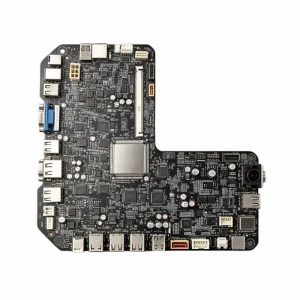
Prototype hot-swap power PCBA for redundant and serviceable system architectures.
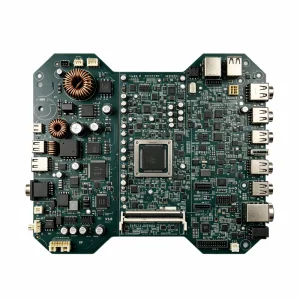
Redundant supply PCBA for continuous-operation systems where downtime is not acceptable.
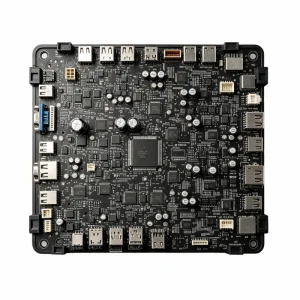
Modular power platforms for configurable output, serviceability and scalable system design.
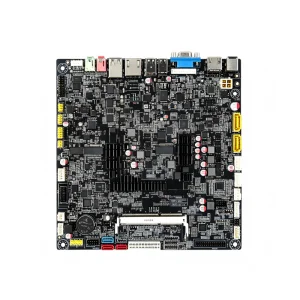
Open-frame power assembly for embedded systems, industrial equipment and OEM integration.
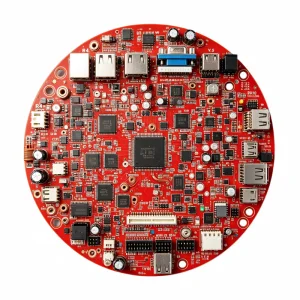
Industrial power PCBA built for thermal margin, vibration exposure and long operating life.
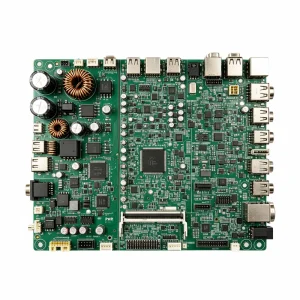
Medical power PCBA with ISO 13485 controls, documentation and application-specific test support.
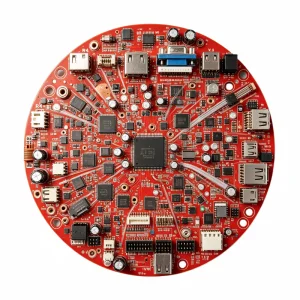
Rack-mount power assemblies for telecom, data center, laboratory and broadcast equipment.
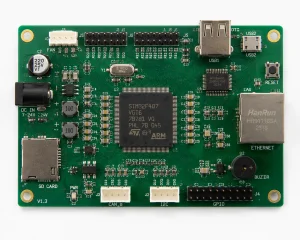
Point-of-load non-isolated DC-DC assemblies for dense digital systems, FPGAs, processors and networking boards.
Send your Gerber, BOM, centroid file and functional test requirements for a DFM review. STHL supports prototype, low-volume and volume power supply PCB assembly with NDA protection, turnkey sourcing, SMT/THT assembly, programming, test and box build. Request the capability catalog or speak directly with an engineer about thermal, isolation, EMC and supply-continuity requirements.