Communication PCB Assembly in China & from China
An engineering-led, compliance-focused sourcing guide for telecom, datacom, optical networking, wireless and enterprise network OEMs that need predictable PCBA quality from prototype to volume.
Communication PCB Assembly Products for Network Infrastructure
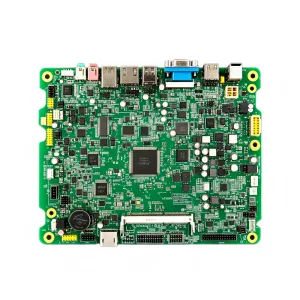
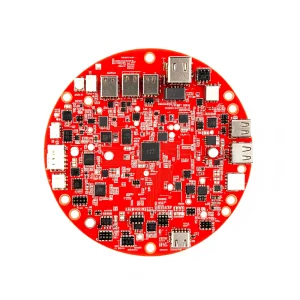
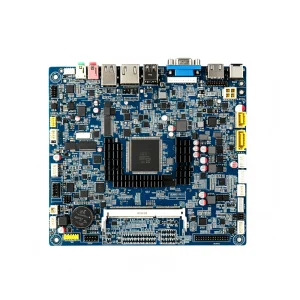
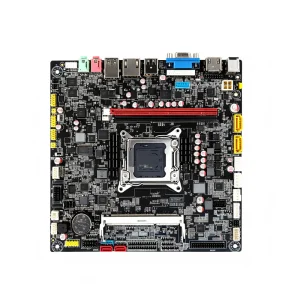
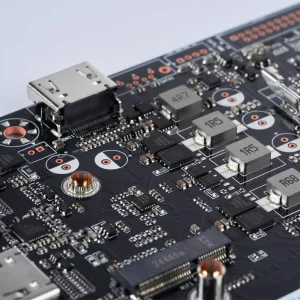
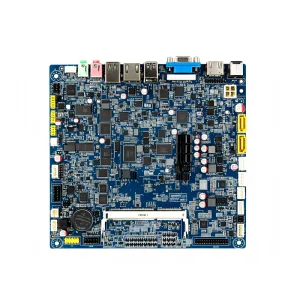
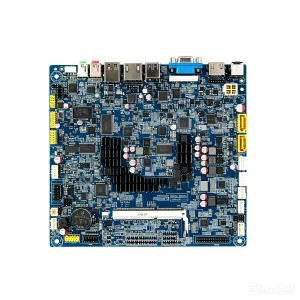
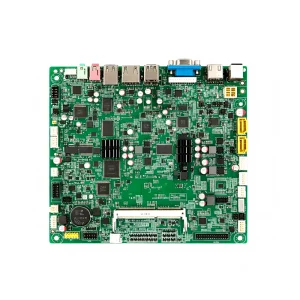
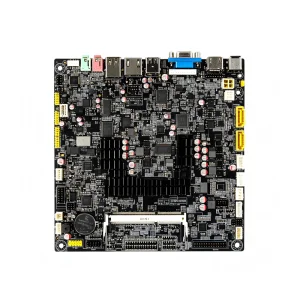
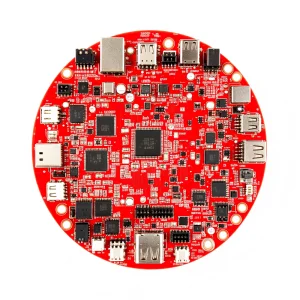
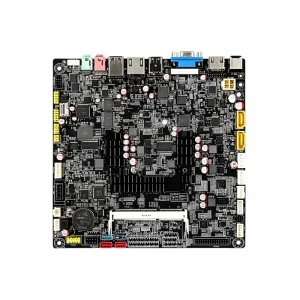
The first eight product paths below cover OEM communication PCBA applications, prototype routers, base stations, wireless access points, modems, gateways, Ethernet switches and firewalls. Each product link is preserved for direct engineering and RFQ review.
Communication PCB Assembly in China & from China: What the Keyword Really Means
The phrase Communication PCB Assembly in China & from China sits at the intersection of two buyer intents. One buyer wants a manufacturing partner located in China, with local engineering support, factory audits and production control. Another buyer wants a finished communication PCBA sourced from China and delivered into a global supply chain with predictable documentation, compliance and logistics.
Both intents matter, but they require different questions. If you are sourcing in China, the priority is access to engineers, rapid DFM feedback, component sourcing depth, prototype iteration and face-to-face quality reviews. If you are sourcing from China, the priority shifts to supplier qualification, total landed cost, IP protection, export documentation, change control, traceability and after-sales responsiveness across time zones.
Communication PCBAs are rarely simple. A router board may carry high-speed differential pairs, a wireless access point may combine RF shielding with thermal management, and an optical networking board may depend on strict impedance control, fine-pitch BGA assembly and functional test coverage. A general-purpose PCB assembly quotation does not tell you whether the factory understands those risks. A credible partner should show how engineering review, stack-up validation, AOI, X-ray, ICT and functional testing are connected to the build.
For global OEMs, the real comparison is not “China price versus local price.” The real comparison is total landed cost, supply continuity, engineering response, compliance evidence and rework risk. A low unit price can be expensive if component substitutions are poorly controlled, if test coverage is weak, or if a supplier cannot provide traceability from incoming reel to finished board.
STHL’s operating model is built around those expectations. Shenzhen STHL Electronics Co., Ltd. has provided EMS and PCBA services since 2006, combining PCB fabrication, component sourcing, SMT and THT assembly, cable assembly, box build and testing in one controlled workflow. That single-source structure reduces handoff risk, but it only creates value when the supplier also offers the compliance discipline and communication clarity that global buyers require.
Manufacturing Evidence You Can Review Before You Issue a PO
Communication PCBA procurement becomes easier when capacity, quality systems and delivery performance are measurable. The figures below reflect the operating profile behind STHL’s communication PCB assembly services.
Years in EMS & PCBA
m² Production Facility
Professional Engineers
Production Lines
On-Time Delivery
Qualified Shipment Rate
Quality and delivery performance as a sourcing signal
For communication equipment, delivery performance is part of product reliability. A late board can delay a carrier lab test, a field trial or a customer acceptance milestone. The measurements below are simple, but they are the ones procurement teams should track with any China PCBA partner.
What Makes Communication PCBAs Different from General Electronics
Communication boards combine signal integrity, RF behavior, thermal load, mixed-technology assembly and test coverage. A factory that treats them like consumer control boards may pass first article and still fail in the field.
High-Speed Digital Integrity
Routers, switches, gateways and load balancers depend on controlled impedance, stack-up discipline, length matching and careful BGA assembly. DFM review should happen before materials are ordered.
RF and Wireless Discipline
Access points, Wi-Fi modules, Bluetooth modules and repeaters require attention to grounding, shielding, material selection and antenna keep-out zones. Assembly choices can affect RF performance.
Optical and Datacom Precision
ONUs, OLTs and optical transceivers demand stable process control, fine-pitch placement and test plans that reflect real network operating conditions rather than visual inspection alone.
Thermal and Power Integrity
Base stations, firewalls and enterprise switches often combine high power density with enclosed deployment. Copper balance, via design and conformal coating choices can influence long-term reliability.
Inspection and Test Coverage
AOI, X-ray, ICT and functional testing should be matched to the board’s risk profile. For communication products, functional test often reveals issues that visual inspection cannot detect.
Traceability and Change Control
Global buyers need to know which lot, component reel and test record belong to each shipment. ERP and MES tracking help control substitutions, rework and field investigation.
Localized Support and Compliance for Global Communication OEMs
Localization is not a translated datasheet. It is a support model that lets an overseas engineering team work with a China factory as if the factory were an extension of its own operations.
NDA Before RFQ
Design files, firmware and BOM data should be protected before the quotation process begins. STHL signs an NDA before RFQ and restricts project data to the assigned team.
DFM and BOM Review
Engineers review Gerber files, BOM, pick-and-place data and assembly drawings for manufacturability, end-of-life parts and footprint risks before material commitment.
English-Language Engineering Support
Clear technical communication reduces quotation cycles and rework. Global OEMs can discuss stack-up, test requirements, packaging and change control with engineering and sales contacts.
Documentation and Traceability
Build records, test results and component traceability matter during audits and field investigations. ERP and MES systems support lot-level tracking and production status visibility.
Factory Audit Readiness
Customers are welcome to visit the Shenzhen factory and R&D laboratory. A 360-degree virtual factory tour is available when a site visit is not practical.
Export Packaging and Global Delivery
ESD-safe packaging, labeling and shipment preparation should align with the destination and product sensitivity. STHL serves customers in 90+ countries and regions.
China Factory Supply-Chain Advantages That Matter in Communication PCBA
The advantage is not simply lower assembly labor. It is the combination of component access, NPI speed, process depth and flexible volume that helps communication OEMs move from prototype to production without changing partners.
Deep Component Sourcing
STHL works with 100+ agents and suppliers covering more than 500,000 part numbers, supporting full turnkey, partial turnkey and consigned assembly models.
Mixed-Technology Assembly
Seven SMT lines and two DIP/THT lines handle fine-pitch, BGA, rigid, flex, rigid-flex and mixed-technology communication boards.
Prototype-to-Volume Flexibility
No MOQ means a hardware team can validate a communication design, refine the BOM and scale to mass production with the same supplier and process history.
In-House R&D Laboratory
A 10,000+ m² facility with an in-house R&D laboratory supports design verification, prototype testing and process troubleshooting before volume ramp.
220+ Staff and 50+ Engineers
Engineering depth matters when a communication board has impedance, RF, thermal or test requirements. Cross-functional review reduces the chance of late-stage surprises.
Traceable Production Control
ERP and MES tracking help connect incoming materials, production steps, test records and shipment data for global procurement and quality teams.
What Global Enterprises Actually Require from a China PCBA Partner
For enterprise and carrier-grade communication products, supplier selection is a risk-management decision. Purchasing managers, hardware engineers and quality teams evaluate the same supplier from different angles.
Total Landed Cost Transparency
Unit price is only one part of the equation. Freight, duty, inventory carrying cost, rework risk and engineering time all influence the true cost of a communication PCBA.
Audit and Quality Evidence
IATF 16949, ISO 9001, ISO 14001 and ISO 13485 systems, plus AOI, X-ray, ICT and functional test records, provide evidence that the process is controlled rather than promised.
Supply Continuity
Communication products often have multi-year life cycles. Buyers need lifecycle planning, alternate-part review, last-time-buy support and clear communication when allocations occur.
Cybersecurity and IP Protection
Firmware, design files and BOMs are sensitive. NDA execution, access restriction and documented change control should be part of the supplier qualification process.
Change-Control Discipline
Any component substitution, process change or test modification should be reviewed and approved. Uncontrolled changes can create field failures that are difficult to trace.
Logistics and Regional Service
Global buyers need export packaging, shipping documentation and a responsive escalation path. A China PCBA partner should be able to support audits, repeat orders and international delivery.
Communication PCBA Trends Shaping 2026–2030
Communication hardware is moving toward higher bandwidth, denser deployment and more intelligent edge processing. Those trends change the PCBA, the test plan and the supplier qualification criteria.
5G-Advanced and Open RAN
Distributed radio units and open network architectures increase the number of variants and the need for flexible, high-mix PCBA production with strict test discipline.
Wi-Fi 7 and 6 GHz Systems
Higher throughput and denser RF front ends make shielding, layout discipline, thermal design and impedance control more important than ever.
400G/800G Optical Networking
Optical transceivers, OLTs and ONUs require fine-pitch assembly, signal-integrity control and test coverage that reflects real data rates.
AI Edge and Data Center Acceleration
Edge AI gateways and data center switches combine high-speed digital, power integrity and thermal challenges in compact form factors.
Private Wireless and IoT
Industrial IoT, private 5G and smart infrastructure create long-life communication modules that need stable sourcing and lifecycle planning.
Automotive/Industrial Convergence
Vehicle-to-cloud connectivity and industrial communication equipment bring stricter reliability expectations and more demanding documentation requirements.
Communication PCBA Application Scenarios We Build For
Communication PCB assembly supports the physical layer of connected systems. The same factory controls should adapt to the application, deployment environment and test expectations.
Base Stations
Radio units, baseband boards and power/control modules with thermal and RF considerations.
Routers and Gateways
High-speed digital boards, mixed-technology assembly and functional test for enterprise networking.
Wireless Access Points
RF shielding, antenna keep-out zones and compact layouts for Wi-Fi and private wireless systems.
Optical Networking
ONU, OLT and optical transceiver PCBAs with fine-pitch placement and test coverage.
Ethernet Switching
Layer 2/3 switch boards, backplanes and high-speed interconnects for data center and enterprise use.
Firewalls and Security
Security appliances that require stable power, thermal control and production traceability.
Wireless Modules
Bluetooth, Wi-Fi and IoT modules with compact form factors and mixed SMT assembly.
NIC and Repeaters
Network interface cards, repeaters and signal-conditioning boards for extended network coverage.
From Gerber to Global Shipment in Six Controlled Steps
A communication PCBA project should move through a documented process, not an informal email chain. This is the workflow that keeps engineering, sourcing, assembly and test aligned.
DFM and BOM Review
Engineers check Gerber, BOM and centroid data for manufacturability, footprint errors and end-of-life parts before material is ordered.
Component Sourcing
Parts are purchased through 100+ agents and suppliers, then pass incoming inspection and moisture-sensitive device control.
PCB Fabrication
Bare boards are produced to your stack-up, surface finish and impedance requirements, from single-layer to HDI and rigid-flex.
SMT and THT Assembly
Seven SMT lines and two DIP/THT lines handle fine-pitch, BGA and mixed-technology boards for prototypes and mass production.
Inspection and Testing
AOI, X-ray, ICT and functional tests, plus IC programming and conformal coating, with results logged in the production system.
Box Build and Delivery
Cable assembly, enclosure integration and ESD-safe packaging are prepared for shipment to customers in 90+ countries and regions.
Why STHL Is a Credible Communication PCBA Partner in China
Shenzhen STHL Electronics Co., Ltd. is a certified EMS and ODM provider that has served global OEMs since 2006. The company combines PCB layout, component sourcing, PCB fabrication, SMT and THT assembly, cable assembly, box build and testing in one factory. That structure helps a communication hardware team move from schematic to shipped product with fewer supplier handoffs.
The operation includes 220+ staff, 50+ engineers and a 10,000+ m² facility with an in-house R&D laboratory. Seven SMT assembly lines, two DIP/THT lines, two functional test lines and two box build lines support prototype, low-volume and high-volume communication PCBA projects. Every build is RoHS-compliant and controlled under IATF 16949, ISO 9001, ISO 14001 and ISO 13485 systems.
For communication customers, that combination matters because the factory must support both engineering change and production discipline. STHL discusses NDA execution before RFQ, accepts prototype and volume orders without a minimum order quantity, and welcomes customer visits or audits of its Shenzhen facility. A 360-degree virtual factory tour is available for remote supplier qualification.
What Engineers and Buyers Say About Working with STHL
Communication PCBA supply is built on repeat orders. Feedback from overseas hardware teams helps validate whether the process is clear, responsive and reliable beyond the first shipment.
“Excellent team to work with and fast delivery with high-quality boards. We are very happy to work with such a good supplier. Thanks again.”
“Please extend my thanks to your team for your hard work in preparing these samples. This positive experience has strengthened my confidence in your company, and I'm looking forward to discussing bulk orders in the near future.”
“We are satisfied with the last order. You did a great job on those boards and the lead time was short. I will place a new order soon.”
Communication PCB Assembly FAQs for Global Buyers
These answers address the questions purchasing, hardware engineering and quality teams ask before choosing a communication PCBA manufacturer in China or sourcing from China.
What files do I need to submit for a communication PCBA project?
Send Gerber files, a BOM with manufacturer part numbers, the pick-and-place or centroid file and assembly drawings. If you need IC programming or functional testing, include firmware and test procedures. Our engineers complete a DFM and BOM review before production starts.
Is there a minimum order quantity for communication PCB assembly?
No. STHL accepts prototype, low-volume and high-volume PCB assembly orders, so you can validate a communication design, refine the BOM and scale to mass production with the same supplier.
Can STHL source all the electronic components and connectors?
Yes. We offer full turnkey, partial turnkey and consigned assembly. Our sourcing team works with 100+ agents and suppliers covering more than 500,000 part numbers, with incoming inspection and traceability from reel to finished board.
Which quality certifications does STHL hold?
STHL is certified to IATF 16949, ISO 9001, ISO 14001 and ISO 13485, and produces RoHS-compliant assemblies. Boards are verified with AOI, X-ray, ICT and functional testing according to the project’s risk profile.
How do you protect our design files and IP?
We sign an NDA before RFQ, restrict project data to the assigned engineering team and track every build through our ERP and MES systems. Access to sensitive communication product data is limited to the people who need it for production and quality control.
Can we audit or visit the factory before placing a volume order?
Yes. Customers are welcome to visit our Shenzhen factory and R&D laboratory at any time, and a 360-degree virtual factory tour is available for remote evaluation. Factory visits are useful for reviewing SMT, THT, testing, traceability and packaging.
Can you support high-speed, RF, optical and mixed-technology communication boards?
STHL supports fine-pitch, BGA, rigid, flexible, rigid-flex, HDI, Rogers, ceramic, heavy-copper and mixed-technology boards. For communication projects, we review stack-up requirements, impedance needs, assembly risks and test coverage before production.
What should global buyers compare beyond the communication PCBA unit price?
Compare total landed cost, DFM feedback quality, component sourcing depth, traceability, test coverage, change-control discipline, IP protection, on-time delivery, packaging and the responsiveness of the engineering team. A low price can be outweighed by rework, field failures or delayed network trials.
Planning a Communication PCBA Build in China or from China?
Share your Gerber files, BOM, pick-and-place data and test requirements under NDA. Our team can review the project for DFM, component sourcing, assembly, inspection, testing and global shipment.
Optical, Wireless and Network Communication PCBA Products
The final eight product paths cover ONU, OLT, optical transceiver, repeater, Bluetooth module, Wi-Fi module, network interface card and load balancer PCB assembly. Review the exact product pages below for your communication hardware program.