
Four PCBA Solution Routes for Nigerian Product Teams
These four product families are the fastest entry points for buyers evaluating a China PCBA manufacturer for Nigeria. Each route keeps its original product URL and can move from prototype to repeat production with DFM review, BOM sourcing, testing and export packaging.
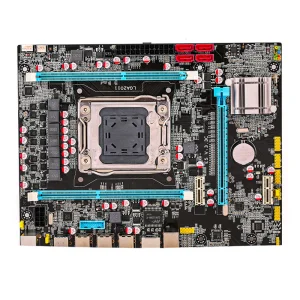
Certified Computer PCBA Factory Electronic Contract Assembly High Quality PCB Assembly Partner, Service
Nigeria fit: computing, storage, POS, edge devices and contract-manufacturing programmes that need BGA inspection and traceable turnkey sourcing.
Send Inquiry Now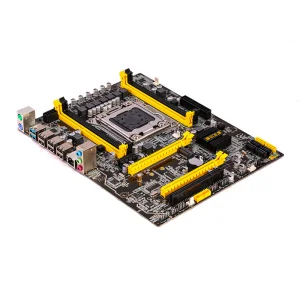
Top 10 Industrial control PCB Assembly--STHL Service, from China
Nigeria fit: PLCs, motor drives, process control, packaging lines and automation panels exposed to heat, dust, vibration and unstable grid conditions.
Send Inquiry Now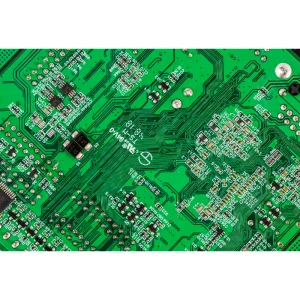
Prototype Automation Equipment PCBA Assembly from China, Factories
Nigeria fit: quick-turn proof of concept for local machine builders, robotics integrators, agritech hardware and university-industry R&D teams.
Send Inquiry Now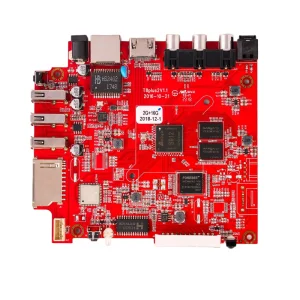
China Leading Monitoring Systems PCBA Assembly Company, Service
Nigeria fit: utility, telecom, environmental and security monitoring boards requiring stable data acquisition, remote connectivity and long field life.
Send Inquiry NowWhy Nigeria Deserves a Purpose-Built PCBA Supply Chain
Nigeria is not a generic export destination for electronics. It is Africa’s largest population market, a fast-urbanising commercial economy, and a country where power quality, heat, humidity, logistics and regulatory documentation directly influence hardware design.
Africa’s Largest Consumer and Industrial Demand Pool
Nigeria’s population exceeds 200 million, with dense commercial activity in Lagos, Kano, Ibadan, Abuja and Port Harcourt. Demand is visible in prepaid electricity meters, solar inverters and battery storage, telecom power, CCTV and access control, medical diagnostics, water treatment, agro-processing, elevators, construction equipment and environmental monitoring. For PCBA buyers, this means projects are rarely single-market; a Nigeria-ready board often becomes a platform for wider West African distribution.
Power Reliability Changes the Electronics Specification
Grid instability, voltage dips, generator changeover, surge events and hybrid solar/grid operation require wider input tolerances, transient protection, robust power sequencing and careful thermal design. A PCBA solution from China must be engineered for the real Nigerian electrical environment, not only for a laboratory power supply. DFM review should consider MOVs, TVS diodes, isolation, creepage, heatsinking and derating from the start.
Climate, Dust and Field Service Define Total Cost
High ambient temperature, humidity, dust and coastal salt air reduce the life of unprotected electronics. Conformal coating, high-Tg PCB materials, corrosion-resistant finishes, sealed enclosures, strain relief and moisture-barrier packaging matter. For Nigerian installers, serviceability and clear labelling also matter, because a board that is difficult to diagnose becomes expensive in the field even if its unit price was low.
Regulation, FX and Documentation Are Part of Procurement
Nigeria-bound electronics may need SONCAP or relevant Standards Organisation of Nigeria documentation, NAFDAC pathways for medical products, NCC type approval for telecom devices, NERC-related requirements for metering and power products, and data-protection planning under the Nigeria Data Protection Act. FX movement and customs clearance also mean buyers value suppliers that can align BOM revisions, export documents, packaging labels and shipment schedules without surprises.
Illustrative buyer priorities when qualifying a China PCBA partner for Nigeria
These priorities are not abstract. They reflect the practical questions heard from OEMs, asset owners and distributors building for West African field conditions. A supplier that can answer them with engineering evidence reduces total cost of ownership.
Illustrative procurement weighting for planning discussion; actual priorities vary by product category and deployment model.
Local Commercial and Industrial Realities That Shape PCBA Design
Nigerian demand is expanding across both consumer and industrial electronics, but the operating environment demands more than a low-cost BOM. The most successful PCBA programmes combine mature China supply-chain depth with local field intelligence.
Solar, Hybrid Power and Energy Storage
Solar home systems, commercial rooftop PV, hybrid inverters, mini-grids and battery energy storage are among the strongest local electronics categories. Control boards must handle wide DC input, reverse polarity, surge events, high temperature and remote diagnostics. MPPT control, BMS interface, inverter gate drive and metering functions often sit on the same PCBA, so mixed-technology assembly and functional testing are essential.
Smart Metering and Utility Infrastructure
Prepaid meters, AMI modules, distribution transformers, feeder monitoring and outage detection require reliable data acquisition, tamper resistance, ESD protection and long service life. NERC-related market rules and the national metering programme make documentation, repeatability and traceability valuable. Boards should be designed for humid, dusty and sometimes high-temperature meter enclosures.
Telecom, Security and Edge Connectivity
Telecom power, tower monitoring, access control, CCTV, fire systems and smart-building products share a common need for robust communication under unreliable power. Cellular fallback, watchdog circuits, supercapacitors or battery backup, surge protection and sealed interfaces can distinguish a resilient Nigerian product from a fragile one.
Water, Soil, Noise and Air Monitoring
Environmental monitoring is growing with industrial compliance, urban development, agriculture and water treatment. Sensor front ends, low-noise analogue circuits, calibration data storage and ingress protection are critical. The original product families for temperature and humidity recorders, noise monitoring, soil detectors, water quality detectors and exhaust gas monitoring all fit this trend.
Industrial Control, Elevators and Drilling
Manufacturing, construction, facilities and oil-and-gas service companies need control boards for lifts, drilling equipment, pumps, conveyors and safety systems. High-vibration environments, inductive loads and aggressive dust require careful selection of connectors, relays, terminal blocks and coating. Test fixtures should include functional testing under simulated load, not only AOI.
Medical Devices and Diagnostic Hardware
Nigerian healthcare and laboratory demand is modernising through diagnostics, patient monitoring, cold-chain equipment and portable medical devices. ISO 13485-controlled assembly, lot traceability, contamination control and documented change management can support NAFDAC and institutional procurement requirements. Medical PCBAs should never be treated as a generic consumer-electronics build.
What OEMs Now Expect from a China PCBA Manufacturer
Global buyers are not abandoning China manufacturing; they are becoming more selective. They want suppliers that reduce uncertainty across component sourcing, engineering change, quality evidence, export packing and after-sales response. For Nigeria-bound projects, these expectations intensify because field service is expensive and lead-time surprises are costly.
Engineering involvement before price
Procurement teams increasingly send Gerber, BOM and centroid files for DFM review before they request a final quotation. They want engineering feedback on footprints, panelisation, test points, substitute parts, obsolete components, moisture sensitivity and assembly risk. This is especially important when a Nigerian product team needs a board to survive heat, voltage transients and field maintenance.
Dual sourcing without duplicate management
OEMs want a primary China manufacturing partner, but they also expect BOM flexibility, approved alternates and clear change records. A supplier that can offer full turnkey, partial turnkey and consigned assembly gives buyers options when component availability shifts. The objective is not simply to quote the lowest price; it is to keep the product buildable.
Traceability, counterfeit control and documentation
Incoming inspection, reel-level traceability, MSD control, ERP/MES records and test logs are now part of supplier qualification. For regulated Nigerian products, buyers may also request declarations, material information and export documents. A clean quality record reduces clearing delays and protects the brand if field failures occur.
Flexible order sizes and faster iteration
No minimum order quantity is a strong advantage for Nigerian hardware startups, university spin-outs and local assemblers. A single supplier that can support a 10-piece prototype, a 500-piece pilot and a 50,000-piece production run reduces the cost of re-qualification. This is particularly relevant in metering, solar electronics, IoT and medical devices where requirements evolve quickly.
Supply-Chain Resilience and Efficiency Advantages for Nigeria-Bound PCBA
China’s electronics ecosystem remains difficult to replicate because component suppliers, PCB fabricators, tooling shops, programmers, test houses and logistics providers are concentrated within a short radius. The right factory does not just assemble; it orchestrates material risk, engineering change and evidence.
Deep BOM sourcing and alternate-part engineering
STHL works with 100+ agents and suppliers covering more than 500,000 part numbers. During BOM scrubbing, engineers flag end-of-life parts, long lead-time devices, moisture-sensitive components and possible pin-compatible alternates. For Nigerian OEMs facing FX pressure, this can avoid a redesign because one microcontroller or power module disappeared from the market.
Mixed-volume production without re-qualification
Seven SMT lines, two DIP/THT lines, two functional test lines and two box build lines allow prototype, low-volume and high-volume orders to run under one quality system. Buyers can validate a design in Nigeria with a small pilot, then scale with the same supplier and process controls. This is a practical advantage for products imported through Lagos or Abuja in phases.
Digital traceability from incoming reel to finished board
ERP and MES tracking connect purchase orders, material lots, assembly records and test results. AOI, X-ray, ICT and functional testing generate evidence that a board was built and verified, not simply shipped. When a Nigerian customer requests root-cause analysis, the supplier can trace the exact material and process route.
NDA-led IP protection and change control
Hardware teams are naturally protective of schematics, firmware and test procedures. STHL signs an NDA before RFQ, restricts project data to the assigned engineering team and uses controlled change records. For metering, medical, security and energy products, IP discipline is part of commercial reliability.
End-to-End PCBA Manufacturing Services for Nigeria-Bound Products
One accountable supplier from bare board to box build reduces the coordination burden on Nigerian distributors, OEMs and project owners. The following services are delivered under the same quality system and can be combined into a turnkey or partial-turnkey model.
Electronic Components Procurement
Full or partial turnkey sourcing through 100+ agents and suppliers, with BOM scrubbing, alternate-part suggestions and reel-level traceability. Incoming inspection and MSD control protect the build before SMT begins.
PCB Fabrication
Standard, prototype, aluminium, flexible, rigid-flex, HDI, Rogers, ceramic, heavy-copper, high-Tg and halogen-free boards built to the approved stack-up, surface finish and impedance requirements.
SMT & THT PCB Assembly
Prototype, low-volume and high-volume assembly including fine-pitch, BGA and mixed-technology boards, verified by AOI and X-ray, then tested through ICT and functional fixtures where required.
Value-Added Services
PCB layout and design support, IC programming, functional testing, conformal coating, cable and wire harness, and complete box build assembly with ESD-safe export packaging.
Working with global brands and component channels
STHL supports global OEMs and has long-term exposure to demanding supply chains and component channels. This experience helps when Nigerian buyers need established distributors such as Arrow, Avnet, Digi-Key, Farnell, Future Electronics, Master Electronics, Mouser, Verical, STMicroelectronics, TDK and Littelfuse or equivalent approved sources. The sourcing decision is documented, inspected and tied to the approved BOM rather than treated as an informal purchase.
From Gerber Files to Nigeria Shipment in Six Controlled Steps
Knowing what happens after a purchase order removes uncertainty. This is how a Nigeria-focused PCBA project moves through engineering review, material control, production, testing and export packing.
DFM & BOM Review
Engineers check Gerber, BOM and centroid data for manufacturability, footprint errors, test access and end-of-life parts before material is ordered. Nigeria-specific requirements such as coating, surge protection and enclosure constraints can be reviewed at this stage.
Component Sourcing
Approved parts are purchased through qualified agents and distributors, then pass incoming inspection, counterfeit-risk checks and moisture-sensitive device control.
PCB Fabrication
Bare boards are fabricated to the approved stack-up, surface finish and impedance requirements, from single-layer to HDI and rigid-flex.
SMT & THT Assembly
Seven SMT lines and two DIP/THT lines handle fine-pitch, BGA and mixed-technology boards for prototypes and mass production.
Inspection & Testing
AOI, X-ray, ICT and functional tests, plus IC programming and conformal coating, with results logged in ERP/MES for traceability.
Box Build & Delivery
Cable assembly, enclosure integration and ESD-safe packaging are prepared for export, with shipment documentation aligned to the buyer’s Nigeria-bound logistics plan.
Certifications, Testing and IP Protection that Support Supplier Qualification
Independent third-party certification is a starting point, not the finish line. Nigerian buyers should look for evidence that quality systems are used daily: inspection records, test logs, change control, traceability and a clear path for corrective action.
Inspection and test stack
AOI, X-ray, ICT and functional testing can be combined with IC programming, conformal coating and final inspection. RoHS-compliant assemblies are supported. For Nigeria-bound products, test fixtures can be designed around local operating conditions such as low-voltage startup, high-temperature operation or communication fallback.
NDA and IP discipline
An NDA is signed before RFQ. Project data is restricted to the assigned engineering team, and build records are tracked through ERP and MES. If your Nigerian product includes proprietary firmware, metering algorithms or security functions, change control and access restriction should be explicit in the supplier agreement.
Nigeria-Specific PCBA Scenarios and Design Priorities
The most useful PCBA partner is the one that can translate local field conditions into engineering decisions. These application scenarios show where a China PCBA solution can create measurable value for Nigerian businesses.
Solar Inverters, MPPT and Battery Storage
Wide input voltage, surge protection, thermal derating and robust connectors. Boards must support hybrid grid/generator/solar operation and remote monitoring. Conformal coating and sealed enclosure design are often required for coastal or dusty sites.
Prepaid and Smart Electricity Meters
Accurate metrology, tamper detection, ESD protection, backup power and secure communications. Procurement should request traceability, firmware programming control and repeatable functional test records.
Telecom Power and Tower Monitoring
Remote sites need watchdog circuits, surge immunity, cellular fallback, temperature monitoring and robust power conversion. Box build and cable assembly can reduce installation errors in the field.
Water Quality, Soil and Noise Monitoring
Sensor front ends, low-noise analogue design, calibration storage and ingress protection are critical. The original product routes for water quality, soil detector, noise monitoring and temperature/humidity recorders align directly with these needs.
Exhaust Gas and Industrial Emissions
Oil-and-gas, power generation and manufacturing sites require stable sensing, environmental protection and long-term reliability. Boards may need wide-temperature components and coating to resist heat and contaminants.
Elevators, Drilling and Automation Equipment
Vibration, inductive load switching, dust and maintenance access influence connector choice, relay selection, PCB thickness and test procedures. Functional testing under simulated load is more valuable than visual inspection alone.
Medical Diagnostics and Monitoring
ISO 13485-controlled production, lot traceability and documented change control support institutional procurement. NAFDAC-related registration may require technical files, so the manufacturer should be able to supply consistent assembly and test records.
Security, Access Control and Smart Buildings
CCTV, access control, fire detection and building automation require ESD protection, reliable interfaces and firmware update paths. Export packaging and labelling should support local installation and RMA handling.
Agritech and Cold-Chain Hardware
Sensor nodes, irrigation controllers, cold-room monitors and processing equipment need low-power design, robust enclosures and field-serviceable connectors. Prototype-friendly PCBA manufacturing helps local innovators iterate without high MOQ barriers.
A Practical Checklist for Nigerian OEMs and Distributors
Use this checklist during RFQ and factory audit. It focuses on the issues that most often appear after shipment, when a low unit price can no longer compensate for field failure or documentation delay.
| Qualification Area | What to Ask | Why It Matters for Nigeria |
|---|---|---|
| Quality system | Provide current IATF 16949, ISO 9001, ISO 14001 and ISO 13485 certificates and explain which applies to this build. | Supports regulated procurement, institutional tenders and repeatable production. |
| BOM sourcing | Show approved supplier sources, alternate-part process, obsolete-part alerts and counterfeit-risk controls. | Protects against long lead times, FX pressure and unexpected redesigns. |
| Climate protection | Confirm conformal coating options, high-Tg material, surface finish and moisture-barrier packaging. | Improves reliability in heat, humidity, dust and coastal environments. |
| Power robustness | Review input protection, surge suppression, isolation, derating and test conditions under low-voltage or generator startup. | Addresses grid instability and hybrid power conditions. |
| Traceability | Ask for lot control, reel traceability, test logs and MES/ERP records for the exact build. | Enables root-cause analysis and protects brand reputation. |
| Regulatory documents | Clarify support for SONCAP, NAFDAC, NCC, NERC-related or buyer-specific technical files. | Reduces customs and market-access friction; regulatory approval remains the brand owner’s responsibility. |
| Export packing | Review ESD bags, moisture barrier, tray/box design, labels, shock protection and consignment packing list. | Reduces transit damage through air and sea freight routes. |
| After-sales | Define RMA workflow, failure analysis response, change notification and engineering contact. | Reduces downtime and avoids disputes after delivery. |
Why Nigerian Buyers Choose STHL as a China PCBA Partner
The value is not only unit price. It is the ability to move from a technical enquiry to a documented, tested and export-ready PCBA with fewer surprises.
Dust-Free Smart Factory
10,000+ m² highly automated production space with controlled assembly areas.
20 Years of Experience
Proven PCB and PCBA know-how since 2006 across many industries and order sizes.
Global Component Sourcing
500,000+ part numbers supported through 100+ agents and suppliers.
Fully Certified
IATF 16949, ISO 9001, ISO 14001 and ISO 13485 quality systems.
ERP & MES Tracking
Real-time production status and lot traceability from material to finished board.
Cost-Down Engineering
DFM and BOM optimisation by engineers who understand manufacturing trade-offs.
No MOQ
Prototype and large-quantity orders are both welcome, supporting Nigerian startups and scale-ups.
NDA Before RFQ
Design data and IP are protected from the first technical discussion.
Fast Delivery
99.5% on-time delivery and 99% qualified shipment rate across global shipments.
What Engineers and Buyers Say About Working with STHL
Feedback from hardware engineers, designers and company owners across North America, Europe, South America, New Zealand, Turkey and other regions.
Excellent team to work with and fast delivery with high-quality boards. We are very happy to work with such a good supplier. Thanks again.

Please extend my thanks to your team for your hard work in preparing these samples. This positive experience has strengthened my confidence in your company, and I'm looking forward to discussing bulk orders in the near future.

We are satisfied with the last order. You did a great job on those boards and the lead time was short. I will place a new order soon.

The order was perfect — exactly as specified with top quality. Highly recommend this reliable supplier.

Exciting! Very fast delivery, a professional supplier and a professional product. We will place a new order very soon!

We have tested all the boards and I am highly pleased. I will repeat my order soon. Thank you again for your excellent service.

It's always a pleasure ordering. Very professional team and good quality — thanks for your great service.

Satisfied with the sample products delivered. Very good product, quick delivery and a good understanding of my requirements.

The supplier's professionalism is evident in their seamless communication, efficient processing and reliable service. They are a trustworthy and commendable partner.

PCBA Insights from the Production Floor
Practical updates from STHL’s Shenzhen factory — customer visits, traceability practices and the production details that influence PCBA lead time.



PCBA Sourcing FAQs for Nigerian and Global Buyers
Straight answers to the questions procurement, engineering and quality teams ask before choosing a PCB assembly manufacturer in China for Nigeria-bound products.
What files do I need to submit for a PCBA project?
+
Send Gerber files, a BOM with manufacturer part numbers, the pick-and-place or centroid file and assembly drawings. If you need IC programming or functional testing, include firmware and test procedures. Our engineers complete a DFM and BOM review before production starts.
Is there a minimum order quantity (MOQ)?
+
No. STHL accepts prototype, low-volume and high-volume PCB assembly orders, so a Nigerian startup can validate a design and scale to mass production with the same supplier.
Can STHL source all the electronic components?
+
Yes. We offer full turnkey, partial turnkey and consigned assembly. Our sourcing team works with 100+ agents and suppliers covering more than 500,000 part numbers, with incoming inspection and traceability from reel to finished board.
Which quality certifications does STHL hold?
+
STHL is certified to IATF 16949, ISO 9001, ISO 14001 and ISO 13485, and produces RoHS-compliant assemblies. Boards are verified with AOI, X-ray, ICT and functional testing where required.
How do you protect our design files and IP?
+
We sign an NDA before RFQ, restrict project data to the assigned engineering team and track every build through our ERP and MES systems. Change control can be included in the supplier agreement.
Can we audit or visit the factory?
+
Yes. Customers are welcome to visit our Shenzhen factory and R&D laboratory, and a 360-degree virtual factory tour is available for remote evaluation. Virtual audits are useful for Nigerian buyers who need to pre-qualify a supplier before travel.
How do you support Nigeria-bound shipments?
+
We align the build with the buyer’s shipping plan, prepare ESD-safe and moisture-barrier packing, provide commercial invoices and packing lists, and can support consolidation with the buyer’s freight forwarder. Import duties and customs clearance remain the buyer’s responsibility unless a specific logistics term is agreed.
Can you design for unstable grid power and tropical climate?
+
Yes. Engineering review can cover wide input voltage, surge suppression, isolation, thermal derating, high-Tg materials, conformal coating and sealed-enclosure considerations. We recommend sharing the actual operating environment so the board is designed for field conditions rather than only laboratory conditions.
Do you help with SONCAP, NAFDAC, NCC or NERC documentation?
+
We can provide build records, product descriptions, material declarations and test evidence to support the buyer’s regulatory process. Formal market approval remains the responsibility of the brand owner or importer, and the exact pathway should be confirmed with the relevant Nigerian authority.
What is the difference between turnkey and consignment?
+
In a turnkey model, STHL sources the approved components and manages incoming inspection. In consignment, the customer supplies some or all components, and STHL verifies them before assembly. Partial turnkey combines both approaches when certain parts are already held by the buyer.
How do you handle RMA and failure analysis?
+
RMA handling starts with a structured failure report, lot identification and test history. The team reviews assembly records, confirms the return condition and performs electrical or visual analysis where appropriate. Clear RMA terms in the order agreement reduce ambiguity.
Can you build medical, metering or automotive-grade products?
+
We support medical, automotive, industrial and metering-related PCBAs under the relevant quality systems. The exact requirement depends on the product classification, testing plan, traceability level and documentation package. Share the intended application and regulatory pathway early so the build plan matches the market.
Talk to a PCBA Engineer
Send Gerber, BOM, centroid file or a technical question. NDA before RFQ. No MOQ. Nigeria-bound export packing available.
Eight More Nigeria-Relevant PCBA Solutions from China
These eight product families complete the original PCBA solution set. They are particularly relevant to Nigerian energy, environmental monitoring, industrial equipment, construction, facilities and water-quality projects.
Send Inquiry Now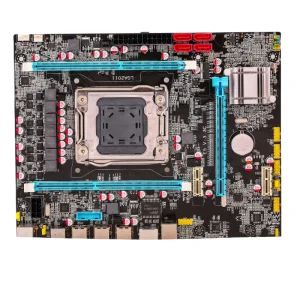
Prototype Sensors PCBA Assembly Solution Provider, Factories
Nigeria fit: sensor nodes for agriculture, utilities, security and environmental pilots, with low MOQ and fast iteration.
Send Inquiry Now
Turnkey Drilling Equipment PCBA Assembly Manufacturer, from China
Nigeria fit: oil-and-gas, water borehole and construction equipment exposed to vibration, dust and high ambient temperature.
Send Inquiry Now
Custom Elevators PCBA Assembly Factory, Manufacturers
Nigeria fit: lift control, call panels and safety monitoring for high-rise construction in Lagos, Abuja and Port Harcourt.
Send Inquiry Now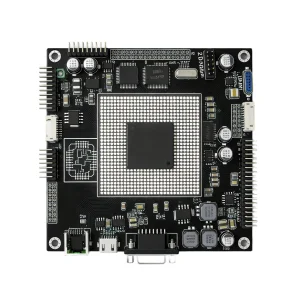
OEM Exhaust Gas Monitoring System PCB Assembly Factory, Manufacturers
Nigeria fit: emissions monitoring for power generation, oil and gas, manufacturing and industrial compliance projects.
Send Inquiry Now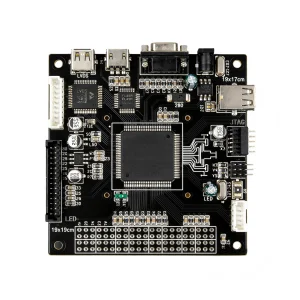
Top 10 Temperature and Humidity Recorder PCB Assembly Service, Manufacturers
Nigeria fit: cold-chain, warehouses, server rooms, clinics and agro-processing facilities that need stable data logging.
Send Inquiry Now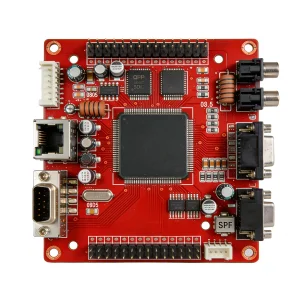
Professional Noise Monitoring Equipment PCB Assembly Manufacturer, Service
Nigeria fit: urban noise compliance, industrial safety, construction monitoring and environmental assessment projects.
Send Inquiry Now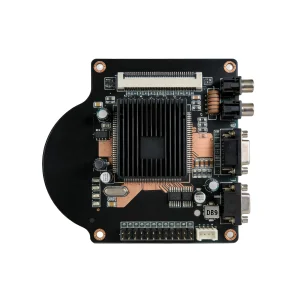
Custom Soil Detector PCB Assembly Manufacturer, Factories
Nigeria fit: agritech, soil fertility testing, irrigation planning and agricultural extension programmes.
Send Inquiry Now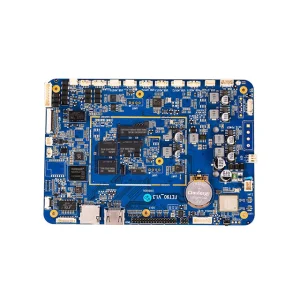
Professional Water Quality Detector PCB Assembly Supplier, Factories
Nigeria fit: municipal water, boreholes, aquaculture, beverage production and industrial wastewater monitoring.
Send Inquiry Now