
Turnkey Cable Wire Harness Assemblies from China & Factories
Engineering-led cable harness manufacturing for automotive, medical, industrial, energy, robotics and IoT OEMs — one accountable partner for design review, material sourcing, assembly, testing, traceability and global delivery.
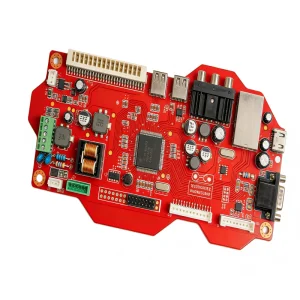
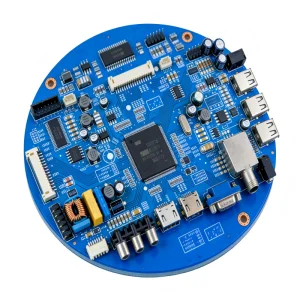
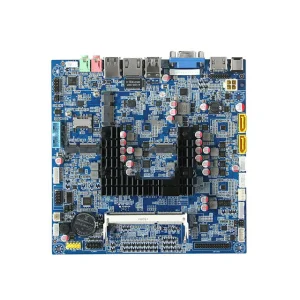
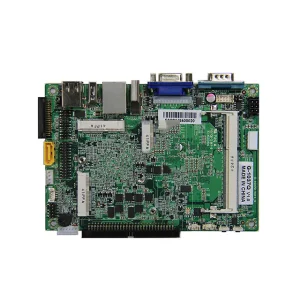
Turnkey Assembly References for Global OEMs
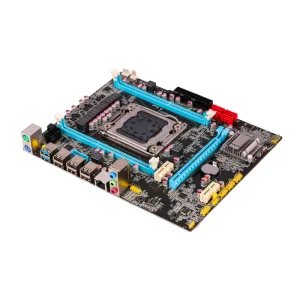
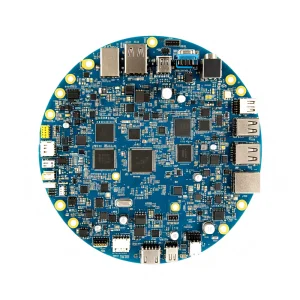
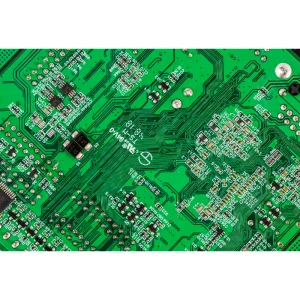
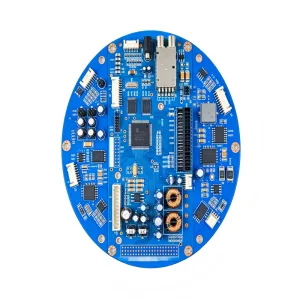
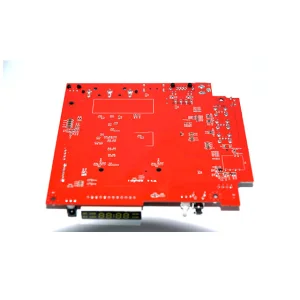
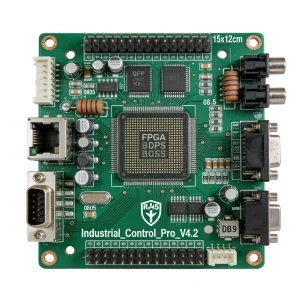
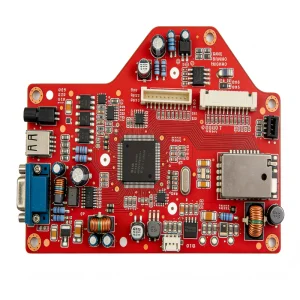
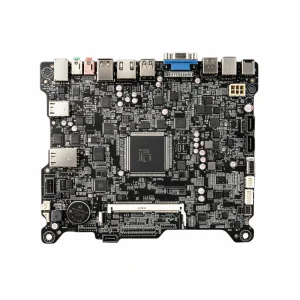
These original product references show the breadth of electronic and cable-adjacent assembly programs supported by STHL. All source images and links are preserved; each link opens the original product page.
What Are Turnkey Cable Wire Harness Assemblies?
A cable wire harness is an engineered electromechanical system, not a commodity bundle of wires. It carries power, signal, data and control between PCBs, connectors, sensors, actuators and enclosures.
In a true turnkey program, the factory takes responsibility for engineering review, connector and wire sourcing, cutting, stripping, crimping, soldering or ultrasonic welding, overmolding, labeling, electrical testing, packaging and often final box-build integration. This shifts coordination risk from dozens of component and subcontractor relationships to one accountable manufacturing partner.
For global OEMs, the value is not simply lower labor cost. It is repeatable process control, documented traceability and design-for-manufacture feedback before tooling is released. A harness used in an electric vehicle battery pack has different requirements from a medical device cable or a robotics control loom: voltage class, temperature rating, flex life, shielding, ingress protection, flammability and test coverage all change the manufacturing route.
Buyers should therefore evaluate a factory on its ability to read a wire schedule, connector table, schematic and 3D envelope; to propose approved alternates; to build and validate first articles; and to maintain revision control through recurring production.
What “Turnkey” Should Include
- Connector, terminal, wire, sleeve and label sourcing
- Wire cutting, stripping, crimping, tinning and welding
- Overmolding, heat-shrink, braiding and strain relief
- Continuity, hipot, pull-force and functional testing
- Serialized labels, lot traceability and change control
- Kitting, PCBA integration and box-build shipment
Why China & Factories Remain Central to Wire Harness Sourcing
The strategic question is not whether to source from China, but how to qualify a factory so that cost, engineering depth, compliance and delivery resilience are balanced.
Mature Connector, Wire and Terminal Ecosystem
China’s industrial clusters place wire, cable, terminal, connector, sleeve, molding and packaging suppliers close to harness factories. That density shortens lead time for prototypes and reduces the risk of unapproved substitutions during volume production.
High-Mix Engineering Depth
Factories serving global OEMs have learned to manage low-volume, high-mix builds with formal NPI gates, first-article inspection, operator certification and MES-based work instructions. This is essential for products that mix PCBAs, cable harnesses and enclosures.
Speed from NPI to Recurring Production
With English-speaking engineering support, rapid sampling, component sourcing and consolidated logistics, a qualified China partner can shorten the loop between design freeze, pilot build and shipment — while keeping the same process controls in volume.
For risk-balanced programs, many enterprises use a China-plus-one sourcing model. The China factory remains the engineering and volume center for complex assemblies, while regional stocking, final configuration or second-source qualification is added closer to the end market.
Industry Trends Reshaping Cable & Wire Harness Assemblies
Demand is moving toward higher voltage, higher data rate, smaller form factor and stronger traceability. The harness is increasingly part of the product’s safety and performance architecture.
Electrification, EV and Energy Storage
High-voltage harnesses for EV battery packs, charging systems, inverters and stationary storage require orange cable identification, creepage and clearance control, shielding, thermal management and rigorous hipot testing. Suppliers must show experience with voltage class, terminal selection and high-voltage safety discipline.
Miniaturization and High-Speed Data
Micro-coax, fine-gauge wire, USB4, automotive Ethernet, camera links and sensor cables demand controlled impedance, EMI suppression, bend-radius discipline and stable termination. Harness factories are being asked to work with signal-integrity data, not only continuity checks.
Smart Manufacturing and Traceability
Digital work instructions, automated crimp monitoring, vision inspection and MES records are becoming normal expectations. Global buyers want serialized test data, lot-level material traceability and rapid containment if a process drifts.
Sustainability and Compliance
RoHS, REACH, halogen-free options, PFAS screening, recyclable packaging and carbon reporting are entering supplier scorecards. Compliance must be designed into wire, insulation, sleeve, label and adhesive choices — not checked only at shipment.
What Global Enterprises Actually Require from a Harness Partner
Procurement teams are not only buying assemblies. They are buying predictable engineering communication, compliance evidence and supply continuity.
Complete Technical Package and DFA Feedback
Provide drawings, wire schedule, connector table, schematic, 3D envelope, test specification and packaging requirements. A strong partner returns design-for-assembly questions before quote release: bend radius, service loops, connector access, strain relief and label placement.
Qualified Quality System and PPAP-Level Discipline
Certifications such as IATF 16949, ISO 9001 and ISO 13485 matter, but execution matters more. Buyers look for first-article inspection, control plans, operator training records, calibration, nonconforming-material control and change notification.
Supply-Chain Resilience and Authenticity
Connector and terminal shortages can stop a line. Buyers expect approved alternates, lifecycle checks, authorized-channel sourcing where required, incoming inspection and documented material traceability from reel to finished harness.
Transparent Cost and VAVE Support
The lowest unit price can hide tooling, freight, rework or quality costs. Mature factories offer should-cost visibility, wire-gauge optimization, connector consolidation, kitting and packaging improvements that reduce total landed cost without weakening reliability.
Localization Support and Global Logistics
Overseas OEMs need English-speaking engineering, responsive RFQ handling, flexible MOQ, consolidating shipments, ESD-safe packaging and final delivery to factories, warehouses or regional service centers in 90+ regions.
IP Protection and Factory Auditability
NDA before RFQ, restricted file access, controlled project teams and ERP/MES audit trails are baseline expectations. Factory visits, virtual tours and customer audits should be available to qualify process capability before volume release.
Macro Industry Solutions: From Prototype to Recurring Production
A cable harness program becomes a macro solution when engineering, sourcing, assembly, test and final integration are managed as one controlled value stream.
Prototype & NPI
Quick-turn sampling, low MOQ and engineering review for pilot builds. First-article reports, fit checks and assembly fixtures help catch connector mismatch, wire-routing conflicts and test gaps before tooling investment.
Turnkey Material Management
BOM scrubbing, approved-alternate proposals, connector and wire sourcing, kitting and lot control. This is especially valuable when a harness shares materials with PCBA and box-build assemblies.
Test Strategy
Continuity and short-circuit checks, hipot testing, pull-force verification, crimp cross-sections, vision inspection and functional simulation. Test coverage is matched to the failure mode that matters in the application.
Box Build & Systems Integration
PCBA, cable harness, enclosure, firmware programming and packaging can be integrated and tested under one quality system. This reduces handoffs, freight and accountability gaps at product launch.
Technical Route: How a Harness Is Engineered, Built and Verified
Reliability begins before the first crimp. A controlled route translates the customer’s drawing and application requirements into repeatable process parameters and evidence.
Documentation and DFM Review
Engineering checks the wire schedule, connector table, schematic, 3D envelope, voltage class, temperature rating, flex requirement and test specification. Missing data is clarified before quoting or sampling.
Wire, Connector and Terminal Selection
Material choices are matched to current, voltage, temperature, abrasion, chemical exposure and flex life. Approved alternates are proposed when a part is obsolete or lead time threatens the build plan.
Tooling, First Article and DFA
Crimp applicators, fixtures, test boards and labels are prepared. The first article is inspected against drawings and fit-checked before volume runs. Assembly questions are resolved at this gate.
Assembly and Process Control
Cutting, stripping, crimping, soldering, ultrasonic welding, sleeving and overmolding are performed under documented work instructions. Critical parameters such as crimp height and pull force are monitored.
Electrical and Mechanical Testing
Depending on application, harnesses pass continuity, short-circuit, hipot, insulation-resistance, pull-force, bend and functional checks. Results are logged against serial or lot identification.
Packaging, Traceability and Shipment
Labels, bagging, ESD protection, kitting and export packaging are defined. Material lots, inspection results and shipment records remain traceable for audit, containment or future service needs.
Localization Support & Compliance Assurance
Localization is more than language. It means engineering communication, documentation, logistics and quality evidence that a global procurement team can defend to its own customers and auditors.
Certified Quality Systems
STHL operates under IATF 16949, ISO 9001, ISO 14001 and ISO 13485 systems and builds RoHS-compliant assemblies. Certification is supported by inspection, traceability and testing records rather than a logo alone.
Environmental and Material Compliance
RoHS, REACH and application-specific material declarations can be managed through incoming inspection and supplier documentation. Conflict-mineral, halogen-free or PFAS-related questions should be raised at RFQ so material choices are verified early.
Traceability and Change Control
ERP and MES tracking support lot status, work-in-process visibility and shipment records. Engineering changes are controlled through approval, effectivity dates and updated work instructions to prevent mixed revisions.
Local Support and Factory Access
English-speaking support, NDA before RFQ, customer audits, factory visits and a 360-degree virtual tour help overseas buyers pre-qualify STHL before travel. Shipments reach customers in 90+ countries and regions.
Technical Roadmap & Future Outlook
The next competitive advantage in harness manufacturing will come from data continuity, faster engineering loops and resilient regional fulfillment.
2025–2026: Digital and High-Voltage Readiness
Expect more automated crimp monitoring, vision inspection, digital work instructions and test-data capture. EV, energy storage and high-speed data programs will push suppliers to demonstrate high-voltage safety discipline, impedance-aware processing and stronger failure-mode testing.
2026–2028: Predictive Quality and Connected Factory
MES-driven traceability will connect wire lots, crimp tools, operators, test results and shipment records. Predictive maintenance and AI-assisted visual inspection will reduce escapes and shorten containment. Customers will increasingly request digital quality packages rather than paper reports.
2028+: Resilient Networks and Circular Materials
China will remain a deep engineering and volume center, while regional final assembly, buffer stocking and second-source qualification grow. Design automation, recyclable materials, lower-carbon logistics and connector standardization will shape total cost and supply resilience.
Inside STHL: A Certified EMS Platform for Harness and PCBA Integration
Shenzhen STHL Electronics Co., Ltd. has supported global OEMs since 2006 with PCB fabrication, component sourcing, SMT/THT assembly, cable assembly, testing and box build.
STHL combines a 10,000+ m² facility, 220+ staff and 50+ engineers with 7 SMT lines, 2 DIP/THT lines, 2 functional test lines, 2 box-build lines and an in-house R&D laboratory. This matters for harness programs because cable assemblies often ship with PCBAs, firmware, enclosures and accessories — and integrating them under one quality system reduces handoff risk.
The company works with 100+ agents and suppliers covering more than 500,000 part numbers, applies incoming inspection and reel-to-board traceability, and reports 99.5% on-time delivery. No MOQ applies, and NDA is signed before RFQ for IP-sensitive projects. Quality is controlled under IATF 16949, ISO 9001, ISO 14001 and ISO 13485 systems, with AOI, X-ray, ICT and functional testing available for board-level builds.
For buyers comparing “China & Factories,” the practical test is whether the supplier can show engineering feedback, documented process control, audit access and a clear escalation path. STHL supports customer factory visits, remote virtual tours and project-specific quality planning.
Years of EMS experience
m² production facility
Professional engineers
Production lines
On-time delivery
Part numbers reachable through sourcing
Additional Turnkey Assembly Programs
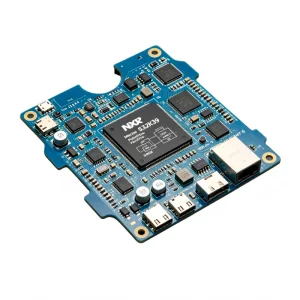
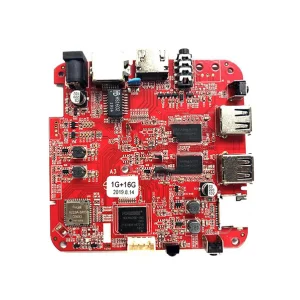
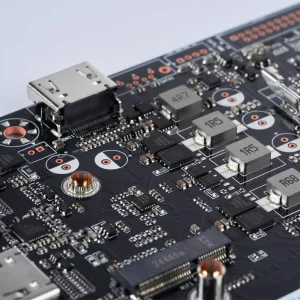
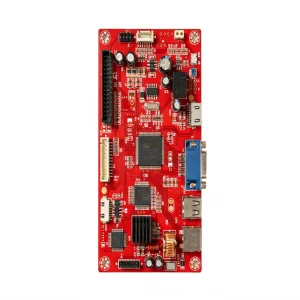
These remaining original product references complete the source gallery. Images and product URLs are preserved for direct verification.
FAQ: Turnkey Cable Wire Harness Assemblies from China
Direct answers for engineering, procurement and quality teams evaluating a China harness factory or an integrated EMS partner.
What files are required for a cable wire harness quotation?
Send drawings, a wire schedule, connector and terminal list, schematic, 3D envelope if available, voltage and temperature requirements, test specification, labeling instructions and packaging requirements. For integrated PCBA and harness projects, include Gerber files, BOM, pick-and-place data and firmware test procedures. An NDA can be signed before RFQ.
Is there a minimum order quantity for harness assembly?
STHL accepts prototype, low-volume and high-volume builds, with no MOQ policy for qualified projects. Pilot builds are used to validate tooling, first-article fit, crimp settings and test coverage before recurring production. Scaling to volume with the same supplier reduces re-qualification effort.
How is intellectual property protected?
An NDA is signed before RFQ. Project data is restricted to the assigned engineering and quality team, with controlled access and ERP/MES audit trails. Customers can request factory visits or remote audits to verify access control and data-handling practices. IP-sensitive programs can be split into controlled build cells.
Which certifications and standards apply?
STHL operates under IATF 16949, ISO 9001, ISO 14001 and ISO 13485 systems, with RoHS-compliant assembly. Cable builds can be aligned to IPC/WHMA-A-620 principles and customer-specific specifications. The final compliance matrix should be agreed at RFQ because automotive, medical, industrial and consumer programs require different evidence.
How are harnesses tested before shipment?
Testing is selected from the application’s failure modes: continuity, short-circuit, hipot, insulation resistance, pull force, crimp cross-section, bend/flex checks, vision inspection and functional simulation. Serialized or lot-level records are retained. For safety-critical programs, test method, fixture and acceptance criteria are approved during first-article review.
Can you integrate harnesses with PCBA and box build?
Yes. STHL’s EMS platform covers PCB fabrication, component sourcing, SMT/THT assembly, cable assembly, IC programming, conformal coating, functional testing and box build. Integrated programs reduce handoffs and can improve accountability for fit, function and final test. The scope is defined during NPI.
Can we audit or visit the factory?
Customers are welcome to visit the Shenzhen factory and R&D laboratory. A 360-degree virtual factory tour is available for remote pre-qualification. For formal supplier audits, quality teams can review process controls, calibration, traceability, incoming inspection, testing records and corrective-action systems.
How are global logistics and after-sales handled?
Shipments can be consolidated with PCBA and other assemblies, packed for ESD and export protection, and sent to factories, warehouses or service centers in 90+ countries and regions. After-sales support includes containment, replacement planning, root-cause analysis and engineering follow-up through the assigned project team.
Planning a Turnkey Harness or PCBA Program?
Share drawings, connector requirements, volumes and target markets. STHL can return a manufacturability review, sourcing plan, test proposal and quotation path for prototype-to-volume cable wire harness assemblies — with PCBA, cable and box-build integration available under one quality system.
