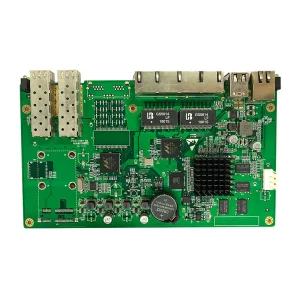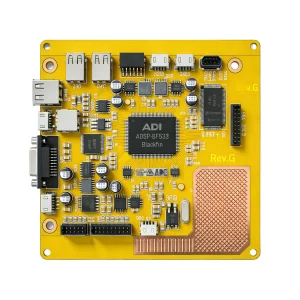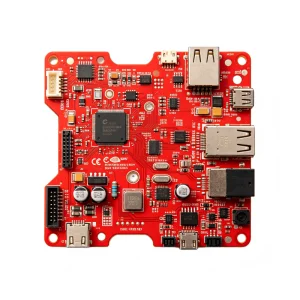



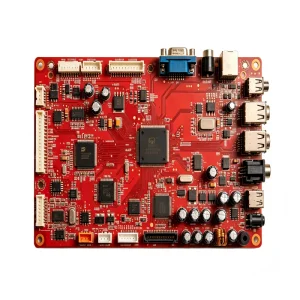
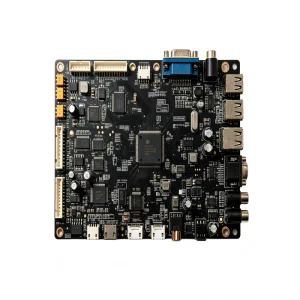
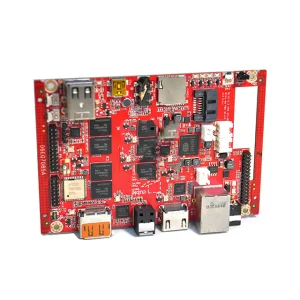
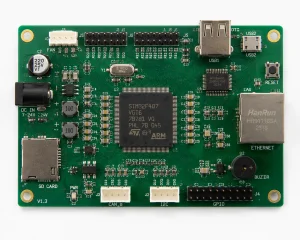

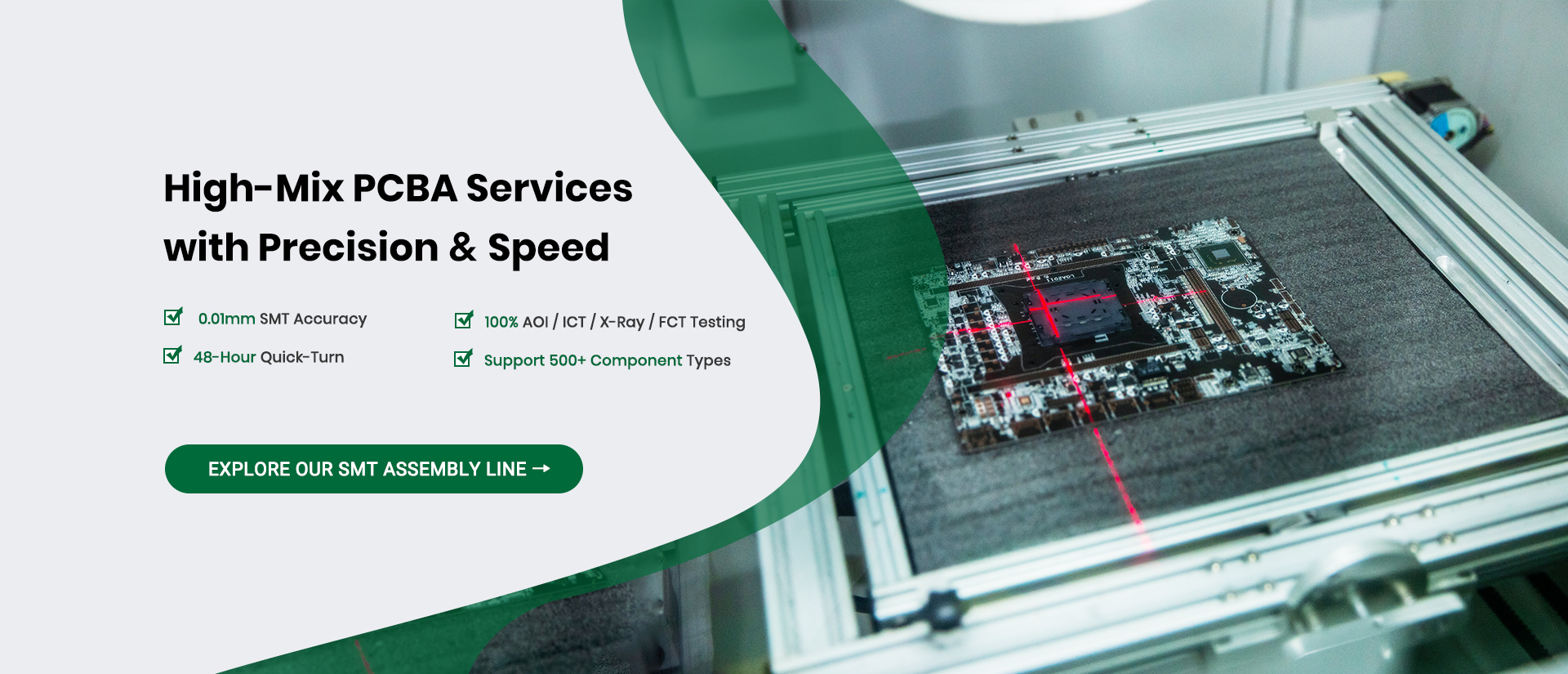
For two decades, international buyers compared contract manufacturing quotations mainly on bare-board price, assembly labor and lead time. That model still matters, but it is no longer sufficient. In 2026, electronic assembly sourcing decisions are shaped by total landed cost, supply continuity, IP protection, traceability and engineering responsiveness. A precision contract manufacturing electronic assembly service from China must therefore behave as an extension of the customer’s engineering, quality and procurement functions — not as an anonymous production line.
China remains a critical node in the global PCBA ecosystem because of supplier density, mature process knowledge and deep component distribution networks. At the same time, global OEMs are diversifying risk through “China + N” strategies. The winning model is not to leave China; it is to select partners that can provide transparent documentation, reliable change control, multi-market compliance and localized project communication.
1. Market Shift: High-Mix, Low-Volume and NPI Velocity
Product lifecycles are shorter, variants are multiplying, and hardware teams are under pressure to validate designs faster. Buyers increasingly need a manufacturer that can support high-mix, low-volume production without losing discipline when volumes increase. Prototype builds, pilot runs and mass production should share the same DFM logic, BOM control, traceability rules and test methodology. Otherwise, problems discovered in pre-production are repeated at scale.
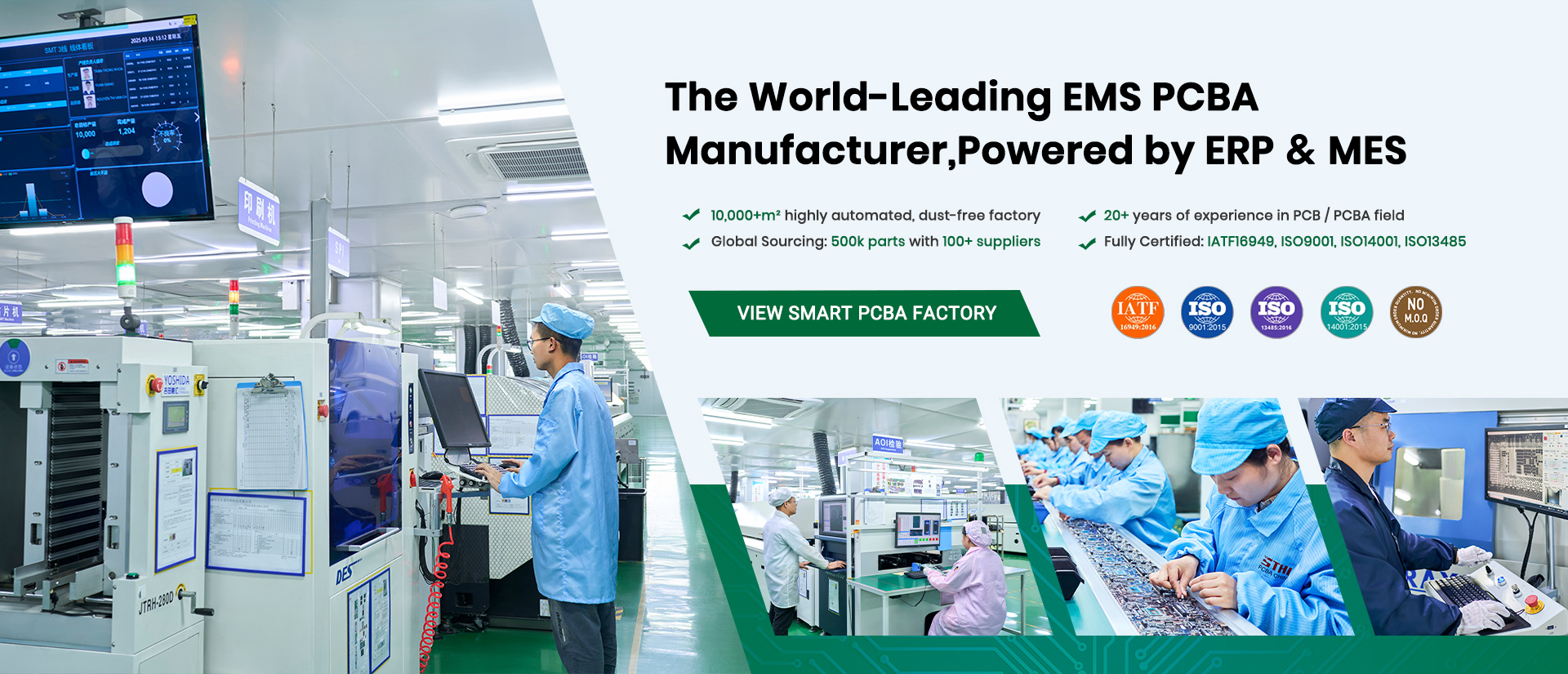
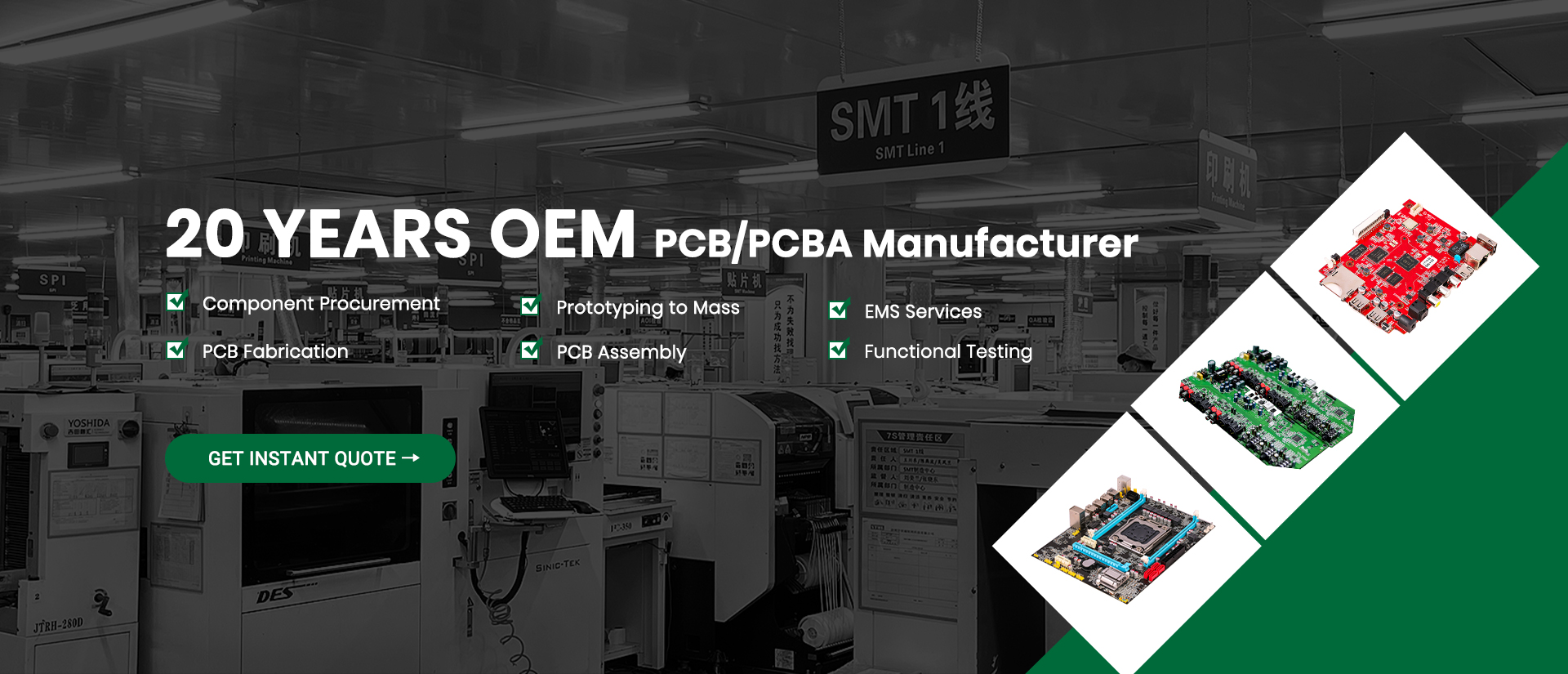
STHL’s model is built around this reality: 7 SMT lines, 2 DIP/THT lines, 2 functional test lines and 2 box build lines allow prototype and repeat-volume programs to move through one controlled factory environment. No MOQ does not mean no process; it means the process has to be scalable from first article to series production.
2. Global Procurement Demand: What Buyers Evaluate Before Awarding a Contract
Procurement teams in the United States, Germany, Italy, the United Kingdom, Poland, New Zealand, Brazil and other markets ask harder questions than price. They want evidence of engineering review, documented quality systems, component authenticity, lot traceability and predictable communication. A supplier that cannot show these capabilities creates hidden cost later — expedited freight, rework, line-down risk and repeated audits.
- Engineering response: Gerber, BOM and centroid review before quotation; clarity on footprints, panelization and test access.
- Quality evidence: IATF 16949, ISO 9001, ISO 14001 and ISO 13485 systems supported by AOI, X-ray, ICT and functional testing.
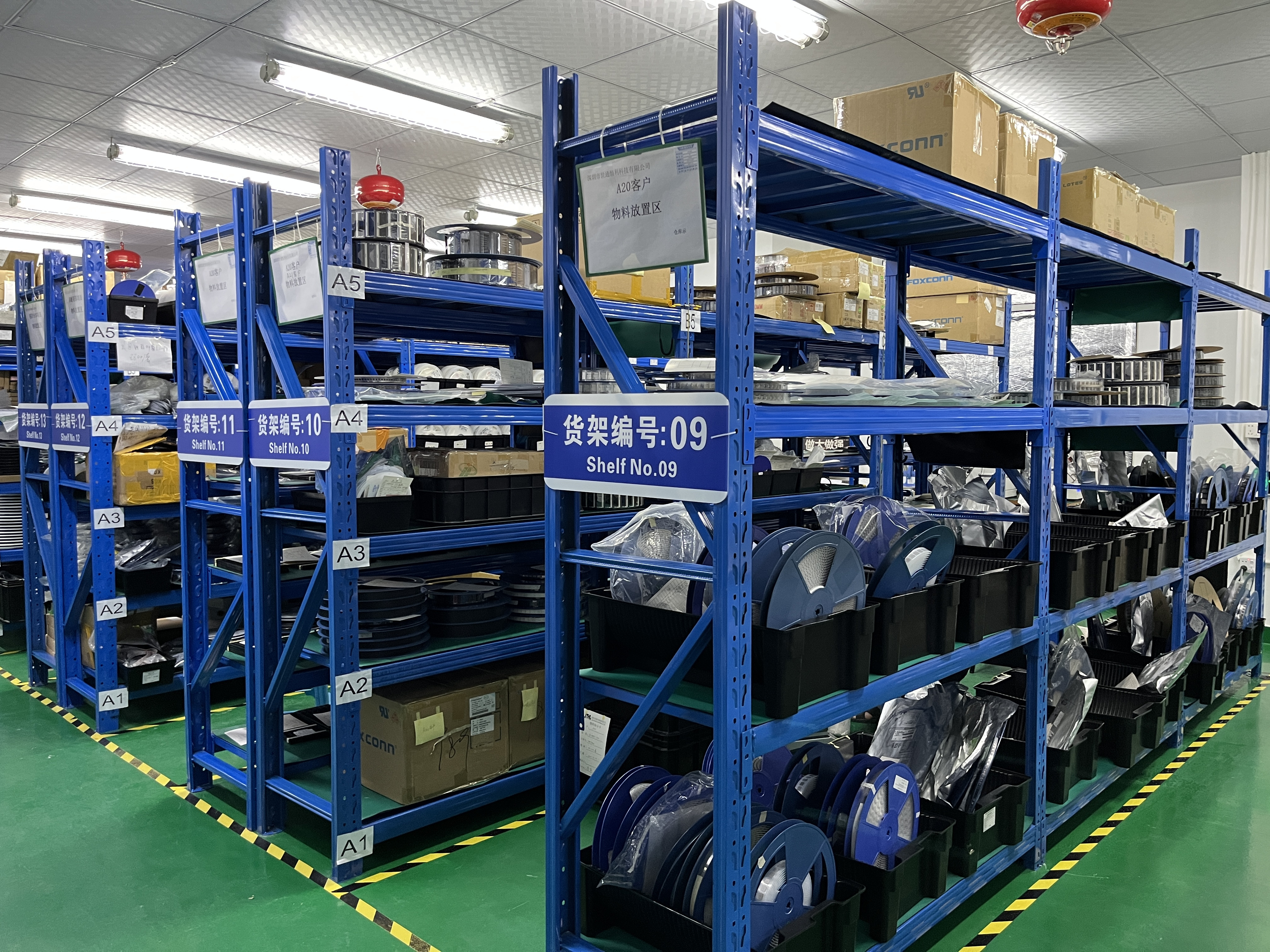
- Supply-chain transparency: 100+ agents and suppliers, 500,000+ part numbers, incoming inspection and reel-to-board traceability.
- Scalability: one partner for prototype, low-volume and volume assembly, with ERP/MES visibility and change control.
- Localized support: English-speaking engineering contact, NDA before RFQ, export documentation, packaging and after-sales follow-up.
3. Macro Industry Solutions: Match Process Controls to Failure Consequence
Not every board should be built under the same control plan. Automotive electronics require IATF 16949 discipline, PPAP thinking and thermal/vibration awareness. Medical devices demand ISO 13485 process control, lot traceability and validation support. Aerospace programs need high-reliability inspection, conformal coating options and source-control sensitivity. Industrial control boards need wide-temperature resilience and long lifecycle planning. Consumer and IoT products need rapid NPI plus cost-driven DFM. Energy, smart home and power electronics require attention to thermal management, isolation, safety margins and end-of-life component strategy.
The practical answer is a modular quality architecture: common incoming inspection, ESD control, MSD control and MES traceability; then application-specific add-ons for automotive, medical, aerospace, industrial, consumer, energy and safety/security programs.
4. Localization Support and Compliance Without Losing Cost Efficiency
Localization is often misunderstood as simply having a warehouse near the customer. In electronics assembly, localization means giving overseas teams a China-based partner that behaves locally: fast engineering feedback, clear English documentation, NDA-first IP handling, predictable Incoterms, export-compliant packaging and responsive quality communication. Compliance is not a certificate on a wall. It is the daily discipline behind RoHS/REACH declarations, conflict-mineral awareness, incoming inspection records, ESD and MSD controls, first-article documentation and corrective-action follow-up.
For buyers, the strongest due-diligence move is to request a process walk-through: how BOM changes are approved, how obsolete parts are flagged, how non-conforming material is contained, how functional test fixtures are validated and how shipment release is authorized. STHL supports factory visits, audits and a 360° virtual factory tour for remote pre-qualification.
5. Technology Roadmap and Future Outlook
The next phase of electronic assembly will be defined by miniaturization, digital traceability and supply-chain transparency. Fine-pitch SMT, BGA, HDI, rigid-flex, high-Tg materials, heavy copper, thermal management and conformal coating will continue to expand. Inspection will become more data-driven through AI-assisted AOI, X-ray review and closed-loop corrective action. ERP/MES integration will move from “nice to have” to a buyer expectation, because product teams need to see build status without email chasing.
Looking forward, three themes stand out: resilience through multi-tier supplier visibility; velocity through NPI engineering support; and evidence through traceability, test data and compliance documentation. STHL’s roadmap follows the same direction: deeper DFM support, broader component intelligence, tighter MES traceability and continued investment in inspection and test capability.
6. A Practical 10-Point Qualification Checklist for Global Buyers
- Does the supplier review Gerber, BOM and centroid data before quoting?
- Are certifications relevant to your industry, not just generic quality claims?
- Can the supplier explain incoming inspection, MSD control and traceability?
- Does it offer full turnkey, partial turnkey and consigned assembly?
- Can it support prototype, low-volume and volume builds without changing process ownership?
- Are AOI, X-ray, ICT and functional test available and documented?
- How are engineering changes and obsolete components controlled?
- Is IP protected by NDA before RFQ and restricted project access?
- Can you audit the factory or take a 360° virtual tour?
- Is communication responsive, specific and accountable after shipment?