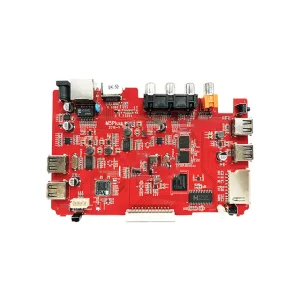
Russia-Ready Medical PCB Assembly Starting Points
These four original product families are the fastest entry points for Russian healthcare device programs that need custom medical PCBA, certified blood pressure monitor assembly, OEM ECG monitor PCBA or prototype portable ultrasound electronics. Each platform can be adapted to Russian-language documentation, long-distance logistics, lifecycle planning and local validation requirements.
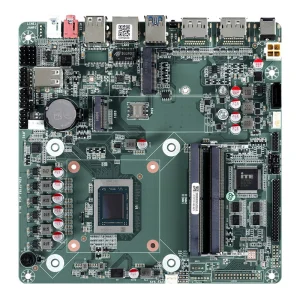
Russia Market: Custom Medical PCBA Application — Precision and Reliability for Healthcare Devices
View Russia solution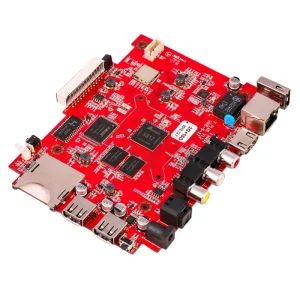
Certified Blood Pressure Monitor PCB Assembly for Russia — STHL Company
View Russia solution
OEM ECG Monitor PCB Assembly for Russia — STHL Manufacturer, Supplier
View Russia solution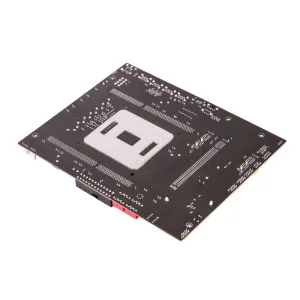
Prototype Portable Ultrasound Equipment PCB Assembly for Russia — STHL Company
View Russia solutionNeed a Russia-focused DFM review or a medical PCBA quotation from Gerber, BOM and test requirements?
Send Inquiry NowWhy Medical PCB Assembly for Russia Requires a Supply-Chain Strategy, Not a Price List
Russia’s healthcare market combines a large public modernization agenda with a demanding private diagnostics sector, vast geography, strict documentation expectations and a globally interconnected electronics supply base. For medical device OEMs, the PCB assembly supplier is no longer a passive fabricator; it is a risk-control partner.
Trust is engineered, not claimed
A medical PCBA program for Russia needs more than ISO certificates on a website. It needs controlled documentation, component traceability, change notification, validation support, moisture-sensitive device control, ESD discipline and evidence packages that help the final device manufacturer prepare its own regulatory and quality files.
High-mix capability matters
Russian device portfolios often combine low-volume diagnostic instruments, multi-variant monitoring devices and localized product families. A supplier must handle prototypes, pilot builds and repeat production without forcing a new process, new team or new quality system at every volume stage.
Years in EMS and PCBA since 2006
Square metres of production space
Professional engineers
SMT assembly lines
On-time delivery target
Prototype and volume orders
Figures reflect the original STHL company information provided for this page. Program-specific capability and lead time are confirmed during RFQ and technical review.
Global Medical PCB Assembly: From Volume Manufacturing to Regulated High-Mix Production
The global medical electronics industry is being reshaped by aging populations, chronic disease management, point-of-care diagnostics, imaging modernization, laboratory automation, remote patient monitoring, connected care and stricter cybersecurity expectations. These trends change what a medical PCB assembly manufacturer must deliver.
Demand drivers are moving toward distributed, data-rich care
Hospitals and clinics continue to invest in diagnostic imaging, patient monitoring, infusion therapy, laboratory automation and emergency care. At the same time, healthcare systems are pushing more care into outpatient clinics, mobile units, telemedicine programs and home environments. Each shift creates a new electronics requirement: smaller boards, lower power consumption, robust wireless connectivity, safer battery systems, better thermal management and stronger protection against dust, moisture and vibration.
For medical device OEMs, this means PCBAs are no longer hidden components. They are part of the clinical workflow. A blood pressure monitor, ECG front end, pulse oximeter, portable ultrasound device or laboratory analyzer depends on repeatable analogue performance, reliable power conversion, signal integrity and validated test coverage. The supplier must understand how design decisions influence usability, serviceability and regulatory evidence.
Supply-chain resilience is now a design parameter
Component allocation, end-of-life notices, counterfeit risk, lead-time volatility and cross-border documentation have made sourcing strategy part of product strategy. A turnkey medical PCB assembly partner should provide BOM scrubbing, approved alternate suggestions, lifecycle risk flags, incoming inspection and traceability from reel to finished board. This is especially important for Russia-bound programs where transport distance, customs documentation and service response require forward planning rather than last-minute substitution.
Medical electronics is a convergence of precision, evidence and lifecycle control
- Fine-pitch, BGA, HDI and rigid-flex boards for smaller devices
- Low-leakage, high-impedance and low-noise analogue circuits
- Thermal design for imaging, power and laboratory instruments
- Conformal coating, staking and underfill for harsh use
- ICT, functional test, AOI and X-ray evidence packages
- Lot traceability and change control across product life
- Design-for-IEC 60601 compliance support
- Cybersecurity-aware component and firmware programming
Russia’s Medical Electronics Landscape: Local Ambition, Global Interdependence
Russia is not a single, uniform medical electronics market. It combines large public healthcare networks, private diagnostic chains, research institutes, device developers and regional assembly programs. The commercial opportunity is real, but successful sourcing requires a clear understanding of regulation, logistics, localization expectations and component availability.
Public and private demand
Healthcare modernization, preventive screening, cardiology, oncology diagnostics, emergency care and laboratory services create demand for monitoring, imaging and diagnostic electronics. Private clinics often prioritize faster deployment, compact devices and service-friendly designs, while public programs emphasize documentation, long-term support and procurement predictability.
Industrial and research clusters
Moscow and St. Petersburg concentrate many device developers, distributors and engineering teams. Tomsk, Novosibirsk, Yekaterinburg and other regional science and industrial centers contribute research talent, instrumentation know-how and technology commercialization. These clusters create demand for high-mix PCBA that can support pilots, clinical evaluation builds and later localization steps.
Cross-border reality
Even with local assembly ambitions, advanced semiconductors, sensors, connectors, precision passives and specialty substrates remain globally sourced. Russia-bound programs therefore need dual sourcing plans, clear Incoterms, HS code discipline, export documentation, ESD-safe packaging and a supplier who can maintain change records across shipments.
What Russian OEMs tend to evaluate first
- Supplier quality system and audit evidence
- Medical PCBA experience, not only generic PCB fabrication
- Component authenticity and lifecycle controls
- Russian-language or clearly documented technical data
- Traceability from lot to finished assembly
- Long-term supply and change notification
Where localization adds value
Localization can be layered rather than all-or-nothing. A Russian medical device company may keep high-mix PCBA in a certified offshore EMS partner while localizing final assembly, enclosure integration, labeling, service and calibration. This model reduces capital risk while preserving quality and access to specialized SMT capability. Over time, local box-build and after-sales centers can expand as volumes justify investment.
Indicative Russia Market Pull by Medical Application, 2025–2030
Planning signals, not a market forecast. They illustrate where medical PCBA engineering support is frequently requested.
Building a Medical PCBA Supply Chain for Russia with Defensible Quality Evidence
For Russia-bound medical products, compliance is a shared responsibility. The final medical device manufacturer remains responsible for device registration and regulatory approval, while the PCBA supplier must provide controlled manufacturing, traceable materials and engineering evidence that support the manufacturer’s technical file.
ISO 13485 discipline from quotation to shipment
STHL operates under ISO 13485, ISO 9001, ISO 14001 and IATF 16949 quality systems. For medical customers, that translates into documented process controls, incoming material inspection, device history discipline, training records, non-conformance handling and corrective-action thinking. The supplier should be able to explain not only what test was performed, but also how the test was validated, how failures are contained and how changes are communicated.
Russia and the wider EAEU market require careful attention to medical device regulations, Roszdravnadzor oversight and current EAEU rules. Because requirements can change and product classification matters, OEMs should verify the latest registration pathway with a qualified local regulatory specialist. STHL supports customers with manufacturing documentation, change records, material declarations and traceability data that are useful during technical file preparation.
Component authenticity and lifecycle management
Medical devices often have long service lives. A component that is available today may become obsolete before the device leaves the market. We therefore recommend early lifecycle review, approved alternates, last-time-buy planning and clear change-control agreements. Sourcing through a broad supplier network helps, but it must be paired with incoming inspection, labeling checks, moisture-sensitivity control and ERP/MES traceability.
Evidence package for medical OEMs
- BOM and approved alternate records
- Lot, date code and reel traceability
- AOI, X-ray, ICT and functional test data
- IC programming and firmware version control
- Conformal coating and process parameters
- NDA and restricted project-data access
- Change notification and deviation workflow
- Factory audit and 360° virtual tour support
Regulatory note: this page is an engineering and sourcing guide. It is not legal advice. Medical device registration, EAEU conformity, Roszdravnadzor requirements and Russian labeling rules should be confirmed with qualified local counsel or regulatory consultants.
Medical PCB Assembly Technology Roadmap for Russia-Focused Device Programs
The next five years will reward suppliers who can connect design, sourcing, manufacturing and lifecycle data. The roadmap below is a practical planning framework for Russian OEMs building devices for domestic healthcare, export markets or regional cooperation.
Documentation and traceability first
Prioritize complete Gerber, BOM, centroid, test and change-control packages. Russia-bound programs benefit from batch-level traceability, clear labeling and export documentation discipline before volume increases.
Fine-pitch and HDI for portable diagnostics
Portable ultrasound, multi-parameter monitors and compact analyzers drive finer pitch, denser interconnect and better thermal design. HDI and rigid-flex adoption grows where size and reliability matter.
Wearable and home-care electronics
Telemedicine, remote monitoring and home diagnostics require low-power design, robust wireless coexistence, patient-friendly form factors and validated battery management.
AI-assisted inspection and closed-loop SPC
Automated optical inspection, X-ray review and statistical process control become more data-driven. The goal is faster ramp-up, fewer escapes and better evidence for medical device manufacturers.
Harsh logistics and environmental robustness
Russia’s geography and climate make packaging, conformal coating, shock and vibration resistance, and wide-temperature performance more important for devices used outside major hospitals.
Digital thread across the product lifecycle
Expect deeper integration between ERP, MES, test data and supplier change notifications. OEMs will ask for lifecycle dashboards that flag obsolescence, deviations and service trends.
Future outlook: localization with global quality
The most resilient model for Russia is likely to combine global access to advanced components and certified high-mix PCBA with local final assembly, service, calibration and documentation capabilities. This layered approach allows Russian medical device companies to respond to procurement localization goals without sacrificing the process controls needed for safety-critical electronics. Suppliers that provide transparent data, engineering support and long-term change control will be preferred over suppliers that compete only on unit price.
Medical PCBA Applications That Matter in the Russia Market
Russia-specific use conditions shape engineering decisions: long transport distances, cold climates, mobile clinics, ambulance equipment, rural telemedicine, voltage variation and multi-year service expectations. The following scenarios show where a specialized medical PCB assembly manufacturer adds measurable value.
Cardiology and ECG diagnostics
Low-noise analogue front ends, patient isolation, electrode protection and stable performance across temperature changes. Suitable for OEM ECG monitor PCBA, Holter prototypes and multi-lead diagnostic platforms.
Patient monitoring and telemetry
Battery management, wireless coexistence, alarm reliability and serviceable modular design. PCBA quality directly affects uptime in hospitals, ambulances and temporary care facilities.
Imaging subsystems
CT, digital X-ray and MRI electronics demand high-layer-count boards, thermal management, precision connectors and rigorous inspection. Traceability is critical for imaging system builders and service networks.
Laboratory automation
Biochemical analyzers and laboratory automation equipment require motion control, fluidic sensing, stable power and long-life connectors. High-mix assembly supports instrument variants without re-tooling risk.
Infusion and drug delivery
Safety-critical devices need robust test coverage, firmware programming control and documented change management. The PCBA partner should support redundancy, alarm circuits and validation builds.
Home care and telemedicine
Blood pressure monitors, pulse oximeters, body temperature monitors and portable ultrasound devices need compact, reliable electronics that can operate with limited technical support and still provide dependable measurements.
What a Turnkey Medical PCB Assembly Partner Should Deliver
Turnkey means one accountable workflow from engineering review to tested, traceable and packaged medical PCBA. It should reduce coordination risk for Russian OEMs that may be managing design in one city, final assembly in another and service across a vast territory.
DFM and regulatory-aware review
Gerber, BOM, centroid and test requirements are checked for manufacturability, footprint risk, EOL parts and documentation gaps before material is ordered.
BOM lifecycle and sourcing
Full turnkey, partial turnkey and consigned assembly with approved alternates, incoming inspection, moisture control and reel-level traceability.
SMT, THT and mixed assembly
Seven SMT lines and two DIP/THT lines support fine-pitch, BGA and mixed-technology boards for prototypes, pilot builds and repeat production.
Inspection and test evidence
AOI, X-ray, ICT, functional testing, IC programming and conformal coating can be combined into a documented test flow.
Box build and cable assembly
Cable and wire harness, enclosure integration and final assembly reduce the number of vendors involved in a Russia-bound medical device program.
Documentation and change control
Lot records, material declarations, deviations, change notices and shipment documentation help OEMs maintain quality and regulatory continuity.
Global logistics readiness
ESD-safe packaging, labeling, Incoterm planning and export documentation support predictable delivery to Russian OEMs and their integration partners.
IP protection and NDA
NDA before RFQ, restricted data access and ERP/MES project tracking protect design files, firmware and product plans.
Six controlled steps from Gerber to shipment
1. DFM and BOM review. Engineering checks manufacturability and lifecycle risk. 2. Component sourcing. Materials are purchased, inspected and controlled. 3. PCB fabrication. Bare boards are built to the required stack-up and finish. 4. SMT and THT assembly. Fine-pitch, BGA and mixed-technology assemblies are produced. 5. Inspection and testing. AOI, X-ray, ICT and functional tests provide evidence. 6. Box build and delivery. Final integration, packaging and shipment complete the workflow.
What this means for Russia-bound medical OEMs
A single accountable partner reduces the friction between engineering, sourcing and quality. It also makes it easier to prepare documentation for distributors, clinical partners and regulatory consultants. Instead of chasing multiple vendors for BOM changes, test records and packaging details, the OEM receives a coordinated manufacturing package that can be reviewed, audited and repeated.
Send Inquiry NowWhy STHL Is a Practical Turnkey Medical PCBA Partner for Russia-Focused Programs
Shenzhen STHL Electronics Co., Ltd. has served global OEMs since 2006 as a certified EMS and ODM provider. The company combines PCB fabrication, component sourcing, SMT/THT assembly, testing, cable assembly and box build under one roof, which supports the controlled, high-mix production model that medical device programs usually require.
STHL operates a 10,000+ m² facility with 220+ staff, including 50+ engineers, seven SMT lines, two DIP/THT lines, two functional test lines and two box-build lines. The quality system covers IATF 16949, ISO 9001, ISO 14001 and ISO 13485. For medical customers, these systems are valuable only when they are translated into daily discipline: incoming inspection, ESD control, moisture-sensitive device handling, reflow profiling, AOI, X-ray, ICT, functional testing and traceability.
The company supports full turnkey, partial turnkey and consigned assembly, with no MOQ for prototype, low-volume and high-volume orders. NDA signing before RFQ is available, and customers can audit the Shenzhen factory or request a 360° virtual factory tour. This is particularly useful for Russian teams that want to pre-qualify a supplier before committing to a pilot build or a multi-year supply agreement.
Medical PCBA for Russia is not only a manufacturing problem. It is a coordination problem across design, compliance, logistics and service. STHL’s role is to provide engineering feedback, repeatable production, test evidence and documentation that help the OEM make better decisions. That is the practical meaning of information gain in this market: fewer unknowns, faster reviews and a clearer path from prototype to repeat supply.
“The supplier's professionalism is evident in their seamless communication, efficient processing and reliable service. They are a trustworthy and commendable partner.”Dmitry Ivanov, CEO — original STHL client feedback
Turnkey Medical PCB Assembly for Russia: Frequently Asked Questions
These answers address the sourcing, engineering and compliance questions most often raised by medical device OEMs and procurement teams before requesting a quotation.
What does “turnkey” mean for a Russia-bound medical PCBA project?
Turnkey means the supplier coordinates the major manufacturing steps: DFM review, BOM review, component sourcing, PCB fabrication, SMT/THT assembly, testing, conformal coating if required, final inspection and shipment. For Russia-bound projects, the supplier should also provide clear lot traceability, packaging documentation and change-control records that the OEM can use in its own quality and regulatory files.
Can STHL support Russian-language documentation for medical PCBA?
STHL can prepare English manufacturing documentation, material declarations, test reports and change records. If Russian-language labeling, regulatory summaries or technical-file wording is required, the OEM should work with a qualified local regulatory specialist. We can supply the underlying manufacturing and inspection data needed to support that work.
How do you handle EAEU, Roszdravnadzor and medical device registration topics?
The PCBA is usually a component rather than the final medical device. Registration obligations normally sit with the medical device manufacturer or its authorized representative. STHL can provide manufacturing evidence, traceability and change documentation, but the OEM should confirm current EAEU and Roszdravnadzor requirements with a local regulatory consultant before making claims about compliance.
How do you manage component shortages and obsolescence for long-life medical devices?
We review BOM lifecycle risk during quotation, suggest approved alternates where appropriate, and plan last-time buys for critical parts. Incoming inspection and traceability help reduce counterfeit and quality risk. For Russia-bound programs with long logistics routes, early material planning is strongly recommended.
What test evidence can be provided for medical PCBAs?
Depending on the project, evidence can include AOI results, X-ray inspection for BGA and fine-pitch devices, ICT, functional test data, IC programming records, conformal coating parameters and material traceability. The exact test plan is defined during RFQ and DFM review so that it matches the device’s risk level and the OEM’s validation requirements.
Is there a minimum order quantity for medical PCBA?
No. STHL accepts prototype, low-volume and high-volume PCB assembly orders. This is useful for Russian medical device developers that need pilot units for clinical evaluation, engineering validation or distributor demonstrations before scaling to repeat production.
How are design files and intellectual property protected?
We can sign an NDA before RFQ. Project data is restricted to the assigned engineering and production team, and builds are tracked through ERP and MES systems. This applies to Gerber data, BOMs, firmware for IC programming, test procedures and assembly drawings.
Can a Russian OEM audit the factory before placing an order?
Yes. Factory visits and audits are welcome, and a 360° virtual factory tour is available for remote evaluation. Procurement and quality teams can review SMT, THT, testing, material storage and box-build areas before starting a pilot build.
What files should we send to receive a quotation?
Send Gerber files, a BOM with manufacturer part numbers, the pick-and-place or centroid file, assembly drawings and any test or programming requirements. If you need medical-specific documentation, please state this clearly so the quotation can include the right inspection and traceability scope.
Which products are most relevant for Russia market programs?
ECG monitor PCBA, blood pressure monitor PCBA, pulse oximeter PCBA, portable ultrasound PCBA, patient monitoring boards, infusion pump PCBA, laboratory automation equipment and imaging subsystems such as CT, digital X-ray and MRI electronics are highly relevant. The right starting point depends on the device class, volume, validation stage and regulatory pathway.
More Medical PCB Assembly Solutions for Russia Market Programs
These eight original product platforms cover monitoring, imaging, laboratory, infusion and temperature measurement applications. Each product link is preserved for direct technical review, and every platform can be discussed as part of a turnkey medical PCBA quotation for Russia-focused programs.
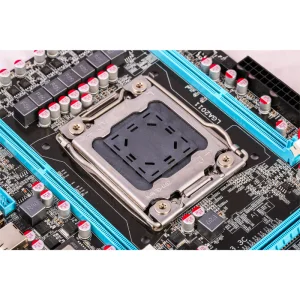
Top 10 Pulse Oximeter PCB Assembly for Russia — STHL Company, Solutions
View Russia solution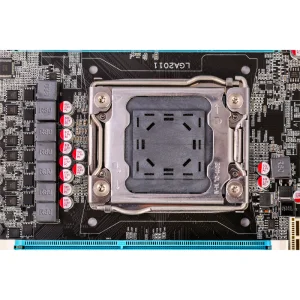
Top 10 CT Scanner PCB Assembly for Russia — STHL Supplier, Partner
View Russia solution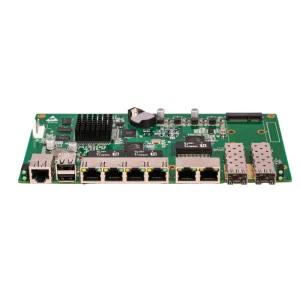
China Digital X-ray Machine PCB Assembly for Russia — STHL Manufacturer, Partner
View Russia solution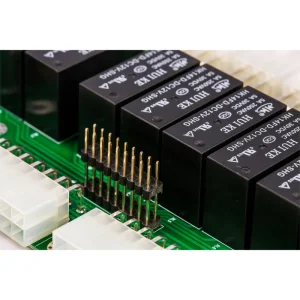
One-Stop Biochemical Analyzer PCB Assembly for Russia — STHL Manufacturer, Factory
View Russia solution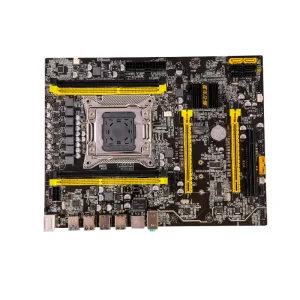
Reliable MRI Imaging System PCB Assembly for Russia — STHL Factory, Company
View Russia solution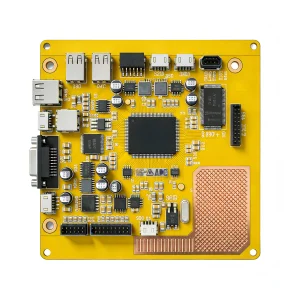
China Leading Infusion Pump PCB Assembly for Russia — STHL Supplier, from China
View Russia solution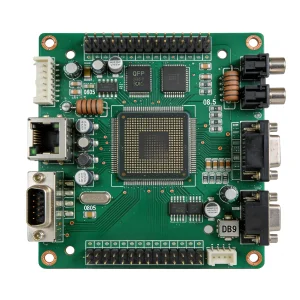
Top 10 Laboratory Automation Equipment PCB Assembly for Russia — STHL Manufacturers, Factories
View Russia solution