
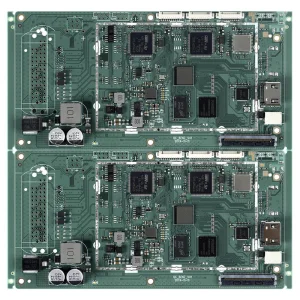
Berlin-Ready Smart Home PCBAs
Four Smart Home PCBA Platforms for Berlin Product Teams
These four platforms are the fastest starting points for Berlin smart-home programmes: a one-stop controller, thermostat, voice assistant and smart home hub. Each title links to the original STHL product page and preserves the original product image and URL.
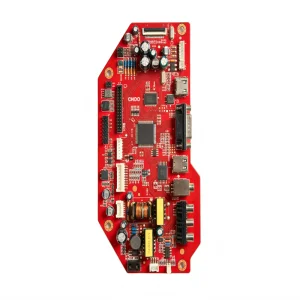
Reliable Smart Thermostat PCBA Assembly--STHL Solution Provider, in China
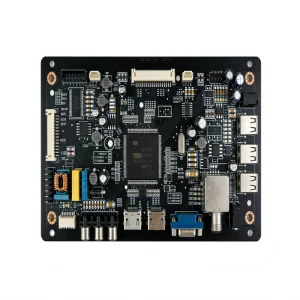
Turnkey Voice Assistant Device PCBA Assembly--STHL Service, Solutions
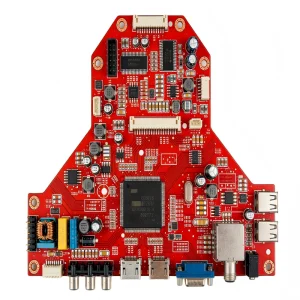
Top 10 Smart Home Hub PCBA Assembly--STHL Service, in China
Berlin Market Intelligence
Why Berlin Is a Distinctive Smart Home Market
Berlin is not a generic European city for smart home hardware. It combines a dense startup ecosystem, ambitious smart-city and energy-transition programmes, a high share of retrofitted residential buildings, and some of Europe’s most demanding compliance expectations. That combination changes what an OEM should ask from a PCBA factory.
Startup speed meets EU compliance
Berlin hardware teams often move from a pilot order to a public launch within months. They need fast prototype PCBAs, flexible low-volume builds and a supplier that can produce CE / RoHS / REACH-ready documentation without slowing down the roadmap.
Retrofit-first housing stock
Many Berlin apartments and commercial buildings were not designed for connected devices. Smart thermostats, dimmers, wall switches, plugs and hubs must fit existing boxes, tolerate older wiring and deliver stable EMC performance in dense residential environments.
Smart city and energy transition
Berlin’s building-automation, energy-monitoring and climate-tech companies need PCBAs that support sensors, metering, wireless connectivity and edge intelligence. The city’s technology clusters and startup community reward suppliers who can support rapid iteration and traceable production.
20+Years in EMS & PCBA since 2006
10,000+m² production facility in Shenzhen
50+Professional engineers and technicians
7SMT assembly lines for mixed-volume builds
500k+Component part numbers supported through sourcing channels
99.5%On-time delivery performance
Localized Support & Compliance
Berlin-Focused Support and Compliance Safeguards
A PCBA supplier for Berlin should behave like an extension of the customer’s engineering and procurement team. STHL combines Shenzhen manufacturing depth with English-speaking engineering communication, NDA-first project handling and documentation aligned with EU buyer expectations.
CE marking and EU directives
Smart home devices sold in Berlin typically require CE marking and supporting documentation for EMC, Low Voltage, Radio Equipment and related directives. STHL supports design-for-compliance reviews, assembly documentation and test coordination so Berlin teams can work with their EU conformity assessment partners more efficiently.
RoHS, REACH and WEEE readiness
European buyers need material declarations, supplier documentation and RoHS-compliant assemblies. STHL builds RoHS-compliant board assemblies and supports BOM-level material information, packaging data and traceability records that help Berlin importers manage REACH, WEEE and packaging responsibilities.
Cybersecurity and data protection
Connected thermostats, hubs, cameras and voice assistants raise privacy and cybersecurity questions. STHL supports secure provisioning, firmware programming, serialization and controlled production data flows. Berlin customers can align these controls with GDPR and emerging EU cyber-resilience expectations.
Supply-chain due diligence
German enterprise buyers increasingly require supplier due diligence, environmental controls and ethical sourcing evidence. STHL operates under IATF 16949, ISO 9001, ISO 14001 and ISO 13485 systems and can provide certificates, component traceability and audit access to support procurement reviews.
Customs, logistics and Berlin delivery
STHL prepares commercial invoices, packing lists, HS codes and shipment data for Berlin-bound deliveries. Prototype and low-volume orders can move by express courier, while production volumes can be planned around consolidated freight, EORI requirements and EU import documentation.
IP protection and NDA-first RFQ
Berlin startups and established OEMs both protect confidential schematics, firmware and BOM data. STHL signs an NDA before RFQ, limits project access to the assigned engineering team and tracks builds through ERP and MES systems. Factory visits and remote audits are available.
China Factory Supply-Chain Advantage
Why a Shenzhen Factory Still Matters for Berlin Hardware Teams
The right China PCBA partner is not simply a lower-cost assembly option. It is a supply-chain control point that can shorten engineering loops, reduce component risk and keep quality documentation consistent from prototype to mass production. STHL’s Shenzhen operation combines engineering, sourcing, fabrication, assembly, testing and box build in one accountable workflow.
For Berlin OEMs, the strongest China supply-chain advantage is depth of the electronics ecosystem. Shenzhen and the surrounding Greater Bay Area give STHL access to component agents, distributors, PCB fabricators, tooling suppliers and test partners within a compressed geographic radius. That matters when a smart thermostat requires an unusual sensor, a smart hub needs a specific Wi-Fi module, or a lighting controller is facing an end-of-life MCU.
STHL sources through 100+ agents and suppliers covering more than 500,000 part numbers. The team performs BOM scrubbing, checks part lifecycle status, suggests approved alternatives where appropriate and controls moisture-sensitive devices. No MOQ means a Berlin startup can validate a design with a small pilot build, then scale to mass production with the same supplier and the same process controls.
Production capacity includes 7 SMT lines, 2 DIP/THT lines, 2 functional test lines, 2 box build lines and an in-house R&D laboratory inside a 10,000 m² facility. More than 220 staff, including 50+ engineers, support DFM, testing, IC programming, conformal coating, cable assembly and final assembly. ERP and MES tracking provide lot traceability and real-time production visibility.
- Full turnkey, partial turnkey and consigned assembly models
- Component sourcing with incoming inspection and reel-to-board traceability
- Prototype, low-volume and high-volume PCBA under one quality system
- AOI, X-ray, ICT and functional testing with documented results
- NDA before RFQ and controlled access to customer design data
- 99.5% on-time delivery and 99% qualified shipment rate
Component risk reduction
Lifecycle checks, alternates and incoming inspection reduce line-down risk for Berlin production schedules.
DFM feedback before build
Engineering review catches footprint, panelization, testability and assembly issues before material is committed.
Mixed-model flexibility
High-mix, low-volume and volume production can run under one supplier, reducing re-qualification effort.
One accountable workflow
PCB fabrication, sourcing, SMT/THT, testing and box build are coordinated by one project team.
Global Enterprise Procurement
What Global Enterprises Expect from a Smart Home PCBA Supplier
For Berlin-based subsidiaries of global enterprises, supplier selection is rarely decided by unit price alone. Procurement, quality, engineering and legal teams all need evidence that the PCBA partner can protect IP, document compliance, maintain supply continuity and scale without losing traceability.
RFQ data pack and DFM review
Enterprise RFQs typically include Gerber files, BOM with manufacturer part numbers, centroid data, assembly drawings, firmware and test requirements. STHL engineers complete DFM and BOM review before production, flagging obsolete parts, footprint issues and test-access constraints.
NDA, IP control and audit access
Legal teams want NDA-first engagement, restricted data access and audit rights. STHL offers confidentiality controls, factory visits and a remote virtual factory tour for preliminary supplier qualification.
Traceability, testing and FAI
Procurement teams need to know which component lot entered which board. STHL uses ERP and MES tracking, incoming inspection, AOI, X-ray, ICT and functional testing. First-article inspection and serialized production records can be aligned to customer requirements.
Supply continuity and EOL planning
Berlin product managers want predictable production. STHL reviews component lifecycle, proposes approved alternatives, supports last-time buys and can plan buffer stock where the BOM and forecast justify it.
Cybersecurity and firmware control
Enterprise smart-home devices increasingly require secure boot, encrypted keys, serialized identities and controlled firmware programming. STHL can integrate IC programming, labeling and test data capture into the assembly workflow.
EU import documentation
For Berlin deliveries, STHL prepares commercial invoices, packing lists, HS codes and shipment records. Customers can combine these with their own CE declaration, EORI and WEEE registration responsibilities.
Industry Trends
Smart Home PCBA Trends Reshaping Berlin Product Roadmaps
Berlin smart-home teams are designing for interoperability, energy awareness and cybersecurity. These trends change PCB layout, component selection, test strategy and documentation — which is why PCBA partners must be involved early.
Matter and Thread interoperability
More Berlin products are being designed around Matter over Thread, Wi-Fi or Ethernet. This increases RF complexity, antenna placement sensitivity and test requirements. Early PCBA layout review helps avoid certification surprises.
Edge AI and local intelligence
Smart cameras, sensors, voice devices and hubs are moving more processing to the edge. Higher-density boards, BGA packages, thermal management and functional test coverage become critical to reliability.
Energy monitoring and efficiency
Berlin’s energy transition and high electricity costs make per-device energy data valuable. Smart plugs, outlets, dimmers and thermostats increasingly include metering ICs, isolation and calibrated current sensing.
Miniaturization and HDI
Retrofit-friendly wall switches and displays need compact boards. Rigid-flex, HDI, fine-pitch and mixed-technology assembly help Berlin designers fit more function into tight mechanical spaces.
Security by design
EU cyber-resilience expectations are raising the bar for connected devices. Secure element handling, key injection, firmware signing and production data segregation are becoming part of PCBA planning.
Sustainability and circularity
RoHS compliance is now a baseline. Berlin buyers also ask about packaging, waste reduction, material declarations and end-of-life planning. STHL’s ISO 14001 environmental system supports these procurement conversations.
Localized Applications
Smart Home PCBA Scenarios in Berlin
Berlin’s mix of startups, property managers, building-automation firms and global OEM subsidiaries creates practical application scenarios that map directly to STHL’s smart home PCBA platforms.
Smart apartment retrofits
Thermostats, dimmers, wall switches and smart plugs must fit existing Berlin apartment wiring. PCBA design should support compact layouts, stable RF performance and robust electrical isolation.
Building automation and HVAC
Berlin commercial buildings, co-working spaces and property portfolios need controllers, sensors and gateways that support reliable long-term operation and clear maintenance records.
Energy-monitoring devices
Smart outlets, plugs and meters can help Berlin users understand consumption. PCBA requirements include calibrated sensing, isolation, MCU choice and reliable functional test coverage.
Lighting and ambiance control
Smart light strips, bulbs and dimmer switches require consistent color control, thermal design and reliable wireless modules. Berlin hospitality and retail projects often start with small pilot orders.
Security and access
Berlin property managers and security brands need reliable access control, sensors and hubs. Controlled firmware, serialization and traceability are as important as unit cost.
Voice assistants and hubs
Voice and hub products combine wireless modules, audio, memory and security. STHL supports turnkey sourcing, BGA assembly, X-ray inspection, IC programming and functional testing.
Controlled Manufacturing Process
From Gerber to Berlin in Six Controlled Steps
STHL’s workflow is built for engineering accountability. Each stage has defined outputs, quality checks and communication points so Berlin buyers can understand exactly where a project stands.
DFM & BOM review
Engineers check Gerber data, BOM, centroid file and assembly drawings for manufacturability, footprint errors, end-of-life parts and test access before material is ordered.
Component sourcing
Parts are sourced through 100+ agents and suppliers, then pass incoming inspection and moisture-sensitive device control. Approved alternatives are documented.
PCB fabrication
Bare boards are produced to the required stack-up, surface finish and impedance needs, from standard boards to HDI, rigid-flex and aluminum PCB options.
SMT & THT assembly
7 SMT lines and 2 DIP/THT lines handle fine-pitch, BGA and mixed-technology boards for prototypes, pilot builds and volume production.
Inspection & testing
AOI, X-ray, ICT and functional testing, plus IC programming and conformal coating, are logged in the production system for traceability.
Box build & delivery
Cable assembly, enclosure integration, ESD-safe packaging and Berlin-bound shipment documentation complete the workflow.
Quality Evidence
Certifications and Quality Systems That Support Berlin Procurement
STHL is certified to IATF 16949, ISO 9001, ISO 14001 and ISO 13485 and produces RoHS-compliant assemblies. Independent third-party audits, ERP/MES traceability and AOI, X-ray, ICT and functional testing help Berlin buyers defend their supplier choice internally.




Client Feedback
What International Engineers and Buyers Say About STHL
Feedback from hardware engineers, R&D teams and company owners across Europe and North America reflects the day-to-day experience Berlin buyers value: responsive communication, reliable boards and repeatable quality.
“Please extend my thanks to your team for your hard work in preparing these samples. This positive experience has strengthened my confidence in your company, and I'm looking forward to discussing bulk orders in the near future.”
“Excellent team to work with and fast delivery with high-quality boards. We are very happy to work with such a good supplier. Thanks again.”
“We are satisfied with the last order. You did a great job on those boards and the lead time was short. I will place a new order soon.”
“We have tested all the boards and I am highly pleased. I will repeat my order soon. Thank you again for your excellent service.”
FAQ for Berlin Buyers
Smart Home PCBA Questions from Berlin and European Procurement Teams
These answers combine STHL’s original PCBA sourcing FAQ with additional questions Berlin buyers ask about compliance, samples, connectivity, lead time and long-term supply.
What files do I need to submit for a PCBA project?
Send Gerber files, a BOM with manufacturer part numbers, the pick-and-place centroid file and assembly drawings. If you need IC programming or functional testing, include firmware and test procedures. Our engineers complete a DFM and BOM review before production starts.
Is there a minimum order quantity (MOQ)?
No. STHL accepts prototype, low-volume and high-volume PCB assembly orders, so a Berlin team can validate a design and scale to mass production with the same supplier.
Can STHL source all the electronic components?
Yes. We offer full turnkey, partial turnkey and consigned assembly. Our sourcing team works with 100+ agents and suppliers covering more than 500,000 part numbers, with incoming inspection and traceability from reel to finished board.
Which quality certifications does STHL hold?
STHL is certified to IATF 16949, ISO 9001, ISO 14001 and ISO 13485, and produces RoHS-compliant assemblies. Boards are verified with AOI, X-ray, ICT and functional testing.
How do you protect our design files and IP?
We sign an NDA before RFQ, restrict project data to the assigned engineering team and track every build through our ERP and MES systems.
Can we audit or visit the factory?
Yes. Customers are welcome to visit our Shenzhen factory and R&D laboratory at any time, and a 360-degree virtual factory tour is available for remote evaluation.
How does STHL support Berlin buyers with CE, RoHS, REACH and WEEE?
STHL builds RoHS-compliant assemblies, prepares BOM and material data where available, and supports the documentation package needed for CE marking with your EU conformity assessment partner. We can also provide packaging and shipment data that helps importers manage REACH, WEEE and packaging responsibilities in Germany.
Can STHL ship prototype quantities to Berlin and manage export documentation?
Yes. Prototype and low-volume orders can ship by express courier to Berlin. STHL prepares commercial invoices, packing lists, HS codes and shipment data. The customer’s EU importer of record manages EORI, VAT and customs clearance arrangements.
Do you support Matter, Thread, Wi-Fi, BLE, Zigbee and Z-Wave products?
STHL assembles boards using the wireless modules and components specified in the customer BOM, including Wi-Fi, BLE, Zigbee, Thread and Z-Wave designs. Our engineering team reviews module placement, antenna keep-out areas, grounding and test access during DFM review.
What lead times should a Berlin smart home team plan?
Lead time depends on PCB fabrication, component availability, assembly complexity, testing and shipping method. Prototype builds usually move fastest when the BOM uses available parts and the data pack is complete. STHL provides a project-specific lead-time estimate after DFM and BOM review, and reports 99.5% on-time delivery across global shipments.
How do you prevent counterfeit or end-of-life components?
STHL sources through established distributors and agents, performs incoming inspection, checks lifecycle status during BOM review and documents approved alternatives. Consigned components can be accepted under a defined inspection and responsibility agreement.
Can you scale from a Berlin pilot build to mass production?
Yes. STHL is structured for prototype-to-volume programs. The same process controls, engineering team and traceability system can support pilot builds, market-validation batches and repeat production, reducing re-qualification effort for Berlin OEMs.
More Smart Home PCBA Platforms
Eight More Smart Home PCBAs for Berlin Market Programmes
These product platforms cover displays, speakers, outlets, plugs, dimmers, wall switches, light strips and light bulbs. The original product titles, images and URLs are preserved below.
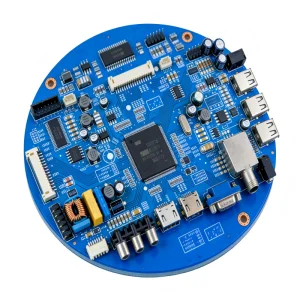
Professional Smart Display PCBA Assembly--STHL Supplier, in China
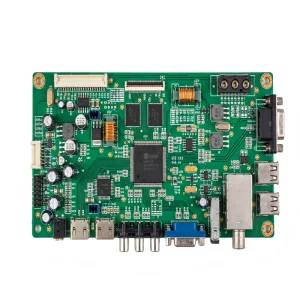
OEM Smart Speaker PCBA Assembly--STHL Factory, Solutions
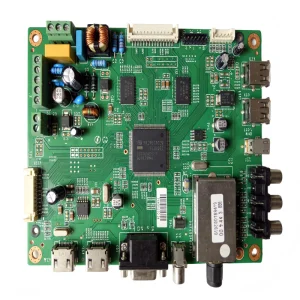
Professional Smart Outlet PCBA Assembly--STHL Manufacturer, Supplier
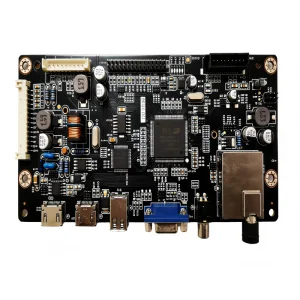
OEM Smart Plug PCBA Assembly--STHL Service, Factories
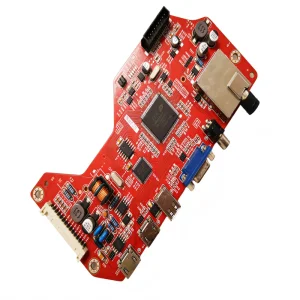
Top 10 Smart Dimmer Switch PCBA Assembly--STHL Service, Solutions
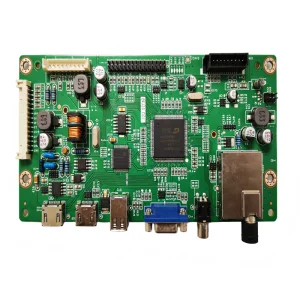
China Top Smart Wall Switch PCBA Assembly--STHL Company, Solutions
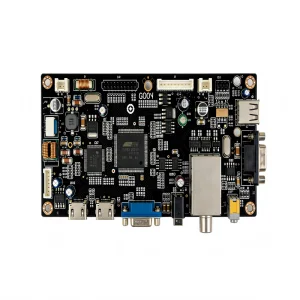
Top-Rated Smart Light Strip PCBA Assembly--STHL Company, Partner
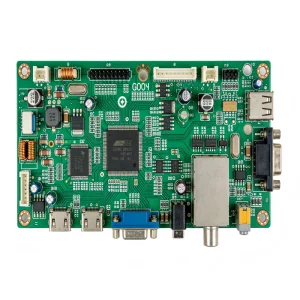
Prototype Smart Light Bulb PCBA Assembly--STHL from China, Factories
Planning a Smart Home PCBA Build for Berlin?
Send your Gerber, BOM and project goals to STHL. Our engineering team will review manufacturability, component risk, testing needs and documentation requirements, then provide a clear next step for a Berlin-ready prototype, pilot or production order.
