 STHL · PCBA & EMS Since 2006
Four Core PCBA Programs for Canadian Smart Home Launches
These original STHL smart home platforms have been reframed for Canadian OEMs, utilities, HVAC brands and IoT teams. Each product link remains the original service URL, while the application narrative now reflects Canadian compliance, climate and procurement realities.
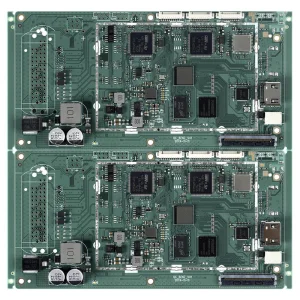
One-Stop Smart Home PCBA for Canada — The Core of Intelligent Living
PCB fabrication, BOM sourcing, SMT/THT assembly, IC programming, functional testing and box build for Canadian smart home brands that need one accountable manufacturing partner.
View Canada Solution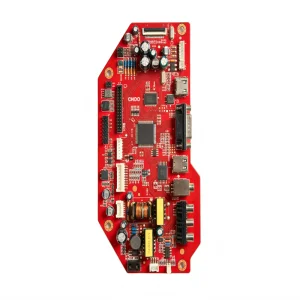
Smart Thermostat PCBA Assembly for Canadian HVAC — STHL Solution
Reliable thermostat control boards for forced-air, hydronic, heat-pump and dual-fuel systems, with support for humidity, occupancy, relay switching and utility demand-response interfaces.
View Canada Solution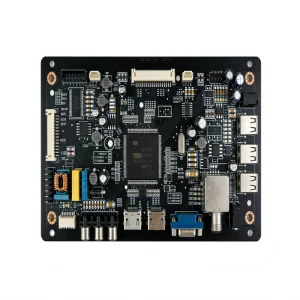
Turnkey Voice Assistant Device PCBA for Canada — STHL Services
Low-latency audio, far-field microphone arrays, Matter/Thread bridging and bilingual voice experience preparation for English and French-speaking Canadian households.
View Canada Solution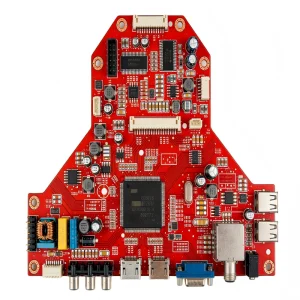
Smart Home Hub PCBA Assembly for Canada — Top 10 STHL Service
High-reliability hub boards with Wi-Fi, Thread, Bluetooth LE, edge sensors, secure boot, OTA support and privacy-by-design firmware integration for Canadian IoT ecosystems.
View Canada SolutionWhy Smart Home PCB Assembly for Canada Is Not a Copy of the U.S. Market
Canada’s smart home opportunity is shaped by heating-dominated housing stock, provincial utility programs, bilingual consumer expectations, strong privacy enforcement and a cold-climate performance standard that affects component selection, enclosure design and field reliability.
For Canadian OEMs, distributors and global brands selling into Canada, the PCBA is not a generic controller board. It is the physical layer where product safety, radio certification, energy management, privacy and user experience converge. A smart thermostat may need to manage 24VAC HVAC signals, heat-pump reversing valves, auxiliary heat and dual-fuel logic. A smart outlet or wall switch must satisfy Canadian electrical safety expectations under CSA/UL frameworks, including creepage, clearance, relay endurance and surge immunity. A smart home hub must deliver Matter interoperability, secure OTA updates and bilingual onboarding without exposing user data beyond the intended service.
Canada also has a distinctive industrial context. The country’s utilities, provincial efficiency bodies and builders increasingly look at smart devices as grid-interactive assets rather than stand-alone gadgets. Smart thermostats, heat-pump controllers, smart plugs and EV chargers can participate in demand-response and load-management programs. For a Canadian product team, this means the PCBA should be designed with metering, relay control, communication fallback, local scheduling and cybersecurity in mind from the first prototype — not added after certification.
Housing, HVAC and Cold-Climate Reliability
Many Canadian homes rely on forced-air gas, electric baseboard, hydronic heating or heat pumps. Smart thermostat and zone-controller PCBAs should support wide-temperature components, conformal coating options, condensation management and robust EMC design for long winter cycles.
Utilities, Energy Codes and Demand Response
Provincial efficiency programs and utility load-management initiatives create demand for smart devices with energy monitoring, OpenADR or utility API readiness, local control fallback and secure remote firmware update capability.
Bilingual, Privacy and Accessibility Expectations
English and French documentation, labels and app flows matter. PIPEDA and Quebec Law 25 raise the bar for data minimization, consent and retention. Accessible Canada Act expectations also influence app and device usability.
What Canadian Smart Home Brands Should Build Next: 2026–2030
A useful technology roadmap for Canada must go beyond “add Wi-Fi.” It should connect interoperability, energy orchestration, edge intelligence and privacy into a manufacturing-ready PCBA strategy that can pass safety, radio and reliability validation.
Matter, Thread and Secure Energy Visibility
Matter and Thread interoperability become baseline expectations. Smart plugs, thermostats and hubs add energy monitoring, secure boot, signed OTA, local schedules and multi-admin pairing for Canadian homes.
Wi-Fi 7, UWB and Edge AI Sensing
Wi-Fi 7, UWB and low-power edge AI enable presence-aware automation. On-device voice and radar sensing reduce cloud dependency and support privacy-sensitive Canadian consumers.
Grid-Interactive Home Orchestration
Heat-pump controllers, EV charging, solar inverters and smart panels need grid-responsive control. PCBAs should support dynamic tariffs, utility APIs, demand-response events and local fallback.
Ambient AI, Predictive Maintenance and Digital Twins
MmWave/radar fusion, ambient sensing, predictive fault detection and digital-twin traceability move from premium products to mainstream Canadian smart home platforms.
STHL supports this roadmap through fine-pitch SMT, BGA assembly, rigid-flex and HDI fabrication, RF shielding, antenna keep-out review, conformal coating, secure-element programming, functional test development and box build. For Canadian teams, the design review can include turnkey PCBA solutions, PCBA solution engineering and smart home PCB assembly.
Macro Solutions: From Single Devices to Whole-Home Energy Orchestration
Canadian customers rarely buy a single PCB. They buy a system outcome: comfort, security, energy savings, insurance risk reduction, accessibility or utility participation. STHL organizes smart home PCBA support around four industrial solution clusters.
HVAC & Energy Management
Thermostats, heat-pump controllers, zone boards, smart plugs with metering and load-control modules. Designed for relay endurance, sensor accuracy, EMC and winter reliability.
- 24VAC HVAC control
- Heat-pump auxiliary heat
- Utility demand-response ready
Security, Access & Safety
Smart locks, sensors, cameras, wall switches and safety monitoring devices. Focused on low-power design, battery life, tamper detection and secure provisioning.
- BLE, Thread and Wi-Fi
- Sensor fusion
- Privacy-by-design firmware
Lighting, Plugs & Appliances
Smart bulbs, light strips, dimmers, outlets, plugs and appliance controllers. Engineered for Canadian electrical safety, thermal management and long-life relay switching.
- 120/240V, 60Hz design review
- Surge and inrush protection
- CSA/UL certification preparation
Voice, Hub & Smart Display
Voice assistants, smart hubs, displays and speakers with Matter bridges, multi-protocol radios, audio tuning and bilingual onboarding for English and French users.
- Far-field microphone arrays
- Display and touch control
- Edge AI and local automation
Related capability pages: safety & security PCB assembly, energy PCB assembly, industrial control PCB assembly, environmental monitoring equipment PCB assembly and LED PCB assembly.
Canada Compliance and Localization Support Built Into the PCBA Process
STHL is a China-based EMS partner, but the manufacturing file is reviewed against the destination market. For Canada, that means preparing documentation and design evidence for CSA/UL safety certification, ISED radio certification, NRCan/ENERGY STAR considerations, RoHS/REACH material compliance and bilingual packaging requirements.
- Safety: design review for CSA/UL standards, creepage, clearance, insulation, relay life, thermal rise and fault-condition behavior.
- Radio: support for ISED certification preparation, IC ID placement, RF shield evaluation, antenna keep-out verification and pre-scan coordination.
- Energy: standby power, metering accuracy, load-control architecture and readiness for provincial utility programs.
- Privacy: PIPEDA and Quebec Law 25 awareness, data minimization, secure boot, signed OTA, SBOM and vulnerability response planning.
- Language: English/French label review, Celsius UI logic, bilingual app content and accessible user experience guidance.
- Logistics: DDP/customs documentation support, ESD-safe packaging, serialized traceability and after-sales RMA coordination.
 IATF 16949
 ISO Certified
 ISO 9001
 ISO 14001
Canada localization checklist for PCBA RFQ
Use this checklist to shorten the distance between an engineering prototype and a Canadian retail or utility deployment.
- Target certifications: CSA/UL, ISED, NRCan/ENERGY STAR where applicable.
- Input voltage and load conditions: 120V/240V, 60Hz, relay and surge requirements.
- Climate validation: operating temperature, humidity, condensation, thermal cycling.
- Bilingual documentation: English/French manuals, labels, packaging and app strings.
- Cybersecurity: secure boot, OTA signing, debug port policy, key storage and SBOM.
- Traceability: serial number, date code, lot code and supplier lot mapping.
- Logistics: HS code, DDP terms, Canadian customs data, RMA process.

China Factory 4.0: Supply Chain Resilience and Efficiency Advantages for Canadian Buyers
Canada-facing smart home programs need more than a low unit price. They need predictable ramp-up, component availability, engineering feedback and documentation discipline. Shenzhen STHL Electronics Co., Ltd. operates a 10,000+ m² facility with 220+ staff, including 50+ engineers, 7 SMT lines, 2 DIP/THT lines, 2 functional test lines and 2 box build lines. Our ERP and MES systems link BOM, material lots, process parameters, test results and shipment records.
Factory 4.0, in practical terms, means the manufacturing data follows the product. Incoming components pass inspection and moisture-sensitive device control. SMT programs, solder profiles, AOI results, X-ray images, ICT/FCT logs and serial numbers are recorded. If a Canadian customer later needs field traceability, engineering change verification or a repeat build, the production history is available rather than reconstructed from memory.
Illustrative weighting of procurement priorities for Canada-bound smart home PCBA projects. Final requirements are defined by the OEM, certification body and end customer.
Supply Chain Resilience
100+ agents and suppliers, 500,000+ part numbers, BOM scrubbing, alternate-part suggestions, lifecycle/EOL monitoring, authorized-distributor preference and incoming inspection to reduce counterfeit and shortage risk.
Manufacturing Efficiency
DFM and BOM review before material order, quick-turn prototyping, no MOQ, SMT/THT mixed-technology assembly, AOI, X-ray, ICT, functional test, IC programming, conformal coating and box build under one roof.
Quality and IP Protection
IATF 16949, ISO 9001, ISO 14001 and ISO 13485 systems. NDA before RFQ, restricted project access, NPI documentation, MES traceability, 99.5% on-time delivery and 99% qualified shipment rate.
Explore STHL global service, PCBA products, request a catalog or talk to a PCBA engineer.
What Global Enterprises Expect from a Smart Home PCBA Partner
Canadian OEMs and multinational brands rarely evaluate a factory on price alone. They compare total landed cost, engineering responsiveness, audit readiness, quality escapes, supply continuity, IP protection and the ability to scale a validated design across markets.
Procurement scorecard for Canada-bound programs
- Technical fit: cold-climate reliability, HVAC control, RF integration, energy metering and secure OTA.
- Compliance evidence: CSA/UL, ISED, NRCan/ENERGY STAR, RoHS/REACH and traceability documentation.
- Quality system: IATF 16949, ISO 9001, ISO 14001 and ISO 13485 controls as applicable.
- NPI speed: DFM feedback, BOM risk review, prototype build and pilot production.
- Supply continuity: dual-source BOM, authorized channels, lifecycle monitoring and buffer planning.
- Commercial flexibility: no MOQ, consigned or turnkey sourcing, volume ramp and box build.
- IP security: NDA before RFQ, access control, project team restriction and audit rights.
- Total cost: yield, rework, freight, customs, warranty exposure and time-to-market.
How STHL de-risks a Canadian launch
Every Canada-bound smart home project starts with engineering evidence. Our team reviews Gerber, BOM, centroid data, assembly drawings and test requirements, then flags footprint issues, EOL parts, high-risk components, thermal concerns and testability gaps before production. For products with wireless radios, we coordinate RF shield and antenna layout feedback. For products with safety-critical mains switching, we review creepage, clearance, relay selection and fault behavior as part of the manufacturing review.
During production, AOI, X-ray, ICT and functional testing are logged in MES. Serialized traceability supports warranty analysis and field investigations. Box build, cable assembly, conformal coating and ESD-safe packaging can be completed in the same controlled workflow. This is how a Canadian buyer reduces supplier count without giving up transparency.
Request Capability CatalogSmart Home PCB Assembly for Canada: Buyer Questions Answered
Direct answers for procurement, hardware engineering and quality teams comparing a China PCBA factory with local or regional suppliers.
Can STHL support CSA/UL and ISED certification preparation for Canada?
Yes. STHL can manufacture to the documentation and design evidence required for CSA/UL safety certification and ISED radio certification. We support design-for-certification reviews, IC ID and label placement, RF shield and antenna keep-out feedback, test sample preparation and production documentation. Final certification is issued by the recognized certification body and remains product-specific.
How do you handle French-language packaging, labels and documentation?
We can manage bilingual English/French labels, packaging artwork, inserts and serialized documentation as part of box build and final assembly. Canadian product teams should provide approved translations and regulatory claims. Our team controls versioning, print verification and packing-list accuracy so the correct language version reaches the correct market.
What about cold-climate, humidity and condensation testing?
Smart home devices for Canada may require wide-temperature components, conformal coating, thermal cycling, humidity exposure and condensation management. STHL reviews the BOM and process controls against the product’s operating environment, then supports functional testing and process validation. The final test plan should be defined by the OEM and applicable standards.
Can STHL build low-volume prototypes and scale to mass production?
Yes. There is no MOQ for PCB assembly. STHL accepts prototype, low-volume and high-volume orders so a Canadian team can validate a design, run a pilot build and scale to repeat production with the same manufacturing partner. For new products, we recommend starting with a DFM and BOM review before ordering components.
How do you protect our design files, firmware and IP?
We sign an NDA before RFQ. Project data is restricted to the assigned engineering and production team, and every build is tracked through ERP and MES. For firmware and secure elements, we define programming access, key handling and data destruction requirements during project setup. Customers are welcome to audit our factory and quality system.
What files should we submit for a smart home PCBA quote?
Send Gerber files, a BOM with manufacturer part numbers, the pick-and-place or centroid file, assembly drawings and any test or programming requirements. If the product includes wireless radios, include antenna and RF layout notes. If you need CSA/UL or ISED preparation, share the target standards and certification plan so the manufacturing review can align with the certification pathway.
How does shipping to Canada work?
STHL ships to customers in 90+ countries and regions. For Canada, we support commercial invoice, packing list, HS code data, serialized traceability and ESD-safe packaging. Shipping terms can be discussed as EXW, FOB, CIF or DDP depending on the project and freight partner. Canadian customs and tax treatment should be confirmed with your importer or broker.
Which smart home devices can STHL assemble?
STHL assembles smart thermostats, smart home hubs, voice assistant devices, smart displays, smart speakers, smart outlets, smart plugs, dimmer switches, wall switches, light strips, smart bulbs and related IoT control boards. We also support medical, automotive, industrial control, energy, safety and security, communication and environmental monitoring PCBA through specialized process controls.
Eight Additional Platforms for Canadian Smart Home Portfolios
The original STHL product URLs are preserved below and presented with a button-style link for fast procurement review.
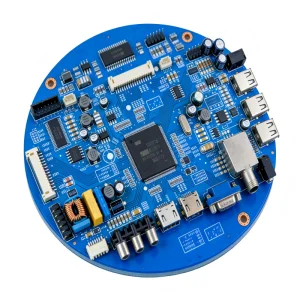
Professional Smart Display PCBA for Canada — STHL Supplier
Touch displays, control panels and bilingual UI hardware for Canadian retail, hospitality, home automation and building interfaces.
View Canada Solution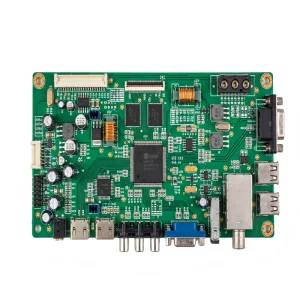
OEM Smart Speaker PCBA for Canada — STHL Factory Solutions
Audio amplifiers, microphone arrays, wireless connectivity and voice-assistant integration for Canadian smart speaker programs.
View Canada Solution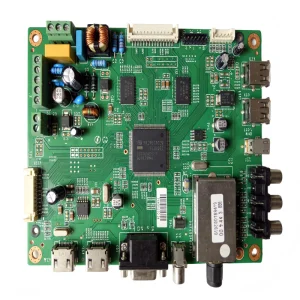
Professional Smart Outlet PCBA for Canada — STHL Manufacturer
Mains-connected outlet control boards with relay, surge protection, energy monitoring and CSA/UL certification preparation support.
View Canada Solution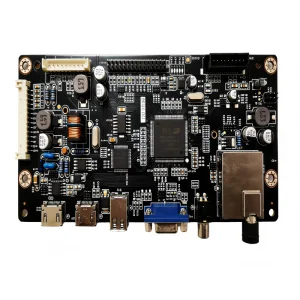
OEM Smart Plug PCBA for Canada — STHL Service Factories
Compact smart plug boards with metering, scheduling, overload protection and utility demand-response readiness for Canadian households.
View Canada Solution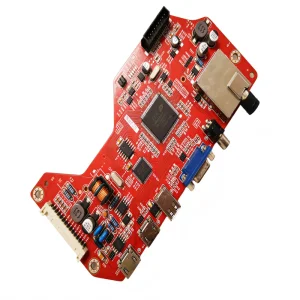
Top 10 Smart Dimmer Switch PCBA for Canada — STHL Solutions
Dimmer control boards with thermal management, flicker control, low-voltage MCU design and smart home protocol integration.
View Canada Solution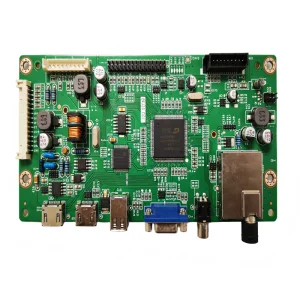
China Top Smart Wall Switch PCBA for Canada — STHL Company
Wall switch PCBAs for Canadian residential and commercial controls, with surge immunity, safe isolation and long-life switching.
View Canada Solution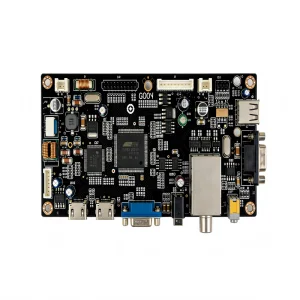
Top-Rated Smart Light Strip PCBA for Canada — STHL Partner
Flexible LED light strip controllers, RGB/W control, power management and wireless dimming for Canadian lighting and décor brands.
View Canada Solution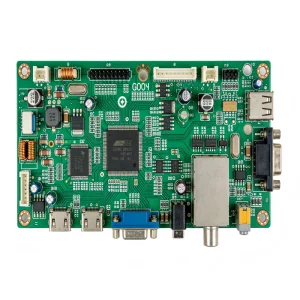
Prototype Smart Light Bulb PCBA for Canada — STHL China Factories
Prototype and low-volume smart bulb PCBAs with LED drivers, wireless modules, thermal design and efficient transition to mass production.
View Canada SolutionSend Your Gerber, BOM and Canadian Compliance Targets to STHL
Tell us whether your product targets CSA/UL, ISED, NRCan, provincial utility programs, bilingual packaging or retail launch. Our engineers will review the BOM, DFM, test strategy and production route before RFQ.
