
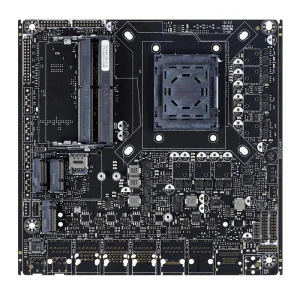
Japan Aerospace PCB Assembly Partner: Extreme-Environment Reliability Solutions
Original STHL series: China Aerospace PCB Assembly: Engineering Reliability for Extreme Environments Company, Solution Provider
View Aerospace PCB AssemblyThese four Japan-focused platforms represent common entry points for Japanese aerospace and advanced-mobility teams that need fast engineering feedback before volume commitment. Each original STHL product series is preserved below with its original URL and product image.
Original STHL series: China Aerospace PCB Assembly: Engineering Reliability for Extreme Environments Company, Solution Provider
View Aerospace PCB Assembly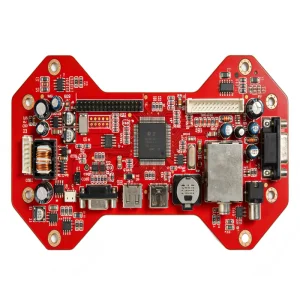
Original STHL series: High Quality Autopilot Module PCBA Assembly--STHL Company, in China
View Autopilot Module PCBA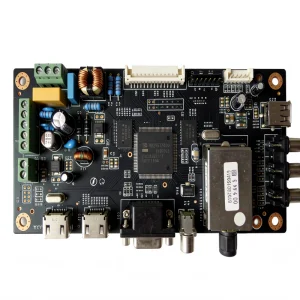
Original STHL series: China Flight Control Computer (FCC) PCBA Assembly--STHL Factory, Company
View Flight Control Computer PCBA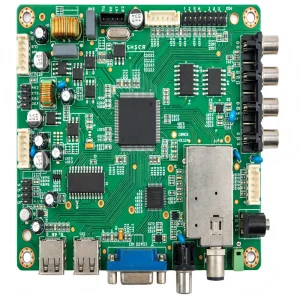
Original STHL series: OEM Fly-by-Wire (FBW) Control Unit PCBA Assembly--STHL Partner, Manufacturers
View Fly-by-Wire PCBAJapan is not a market where a generic offshore PCBA quotation is enough. Its aerospace ecosystem is built on precision engineering, conservative change control, long product lifecycles, audit-ready documentation, and a culture of continuous improvement. For Japanese OEMs, Tier 1 suppliers, space startups, and advanced air mobility developers, the real question is not simply “Can this factory place components?” The deeper question is: Can this partner behave like an extension of our quality system while helping us shorten prototype cycles and protect continuity of supply?
Shenzhen STHL Electronics Co., Ltd. has served global electronics customers since 2006 from a 10,000 m² facility with 220+ staff, including 50+ engineers. Its production platform includes 7 SMT lines, 2 DIP/THT lines, 2 functional test lines, and 2 box build lines. STHL provides turnkey component sourcing, PCB fabrication, SMT/THT assembly, IC programming, conformal coating, cable assembly, box build, and functional testing. The quality system platform includes IATF 16949, ISO 9001, ISO 14001, and ISO 13485, with RoHS-compliant assemblies and AOI, X-ray, ICT, and FCT verification.
For the Japan market, this capability is most valuable as a prototype-to-volume bridge: a supplier that can support high-mix, low-volume aerospace PCBAs, provide DFM and BOM feedback early, and then scale into repeat production with the same controlled process. The model does not replace Japanese domestic qualification or program-specific approvals. It gives Japanese buyers a second, carefully governed manufacturing node that can reduce schedule risk, improve engineering responsiveness, and provide cost-down opportunities without compromising traceability or confidentiality.
Years of EMS experience since 2006
m² production facility
Professional engineers
SMT, THT, test and box build lines
On-time delivery
Qualified shipment rate
Japan’s commercial and industrial aerospace environment combines deep manufacturing expertise with intense pressure to modernize avionics, commercialize space, and develop autonomous flight platforms. The local supply base is highly capable, but procurement teams increasingly need qualified international partners to absorb prototype peaks and provide supply-chain flexibility.
Commercial aircraft, business jets, and defense platforms require display, flight control, air data, navigation, and communication upgrades with long service lives and strict configuration control.
Small satellites, launch vehicle electronics, and earth-observation payloads demand fast prototype iteration, material traceability, and robust testing discipline.
Autonomous flight, distributed electric propulsion, and sensor fusion platforms need compact, high-reliability PCBAs and rapid engineering feedback during validation.
Radar, electronic warfare, secure communications, and mission computers require robust process control, counterfeit mitigation, and tightly managed data handling.
In practical terms, Japanese procurement behavior often includes supplier audits, NDA-first discussions, first-article inspection, change notification requirements, material declarations, and long-term availability planning. Domestic EMS providers remain central to many programs. However, capacity constraints, rising costs, and the need to accelerate prototype loops have made dual-source qualification a strategic necessity rather than a simple purchasing tactic.
This is where an export-oriented China PCBA partner such as STHL can add value: not by promising to replace a qualified Japanese supplier, but by complementing it with high-mix assembly capacity, engineering feedback, component sourcing breadth, and transparent documentation. The aim is to create a controlled, auditable bridge from prototype to pre-production and repeat volume.
Japan’s aerospace programs vary widely in volume and qualification burden. A prototype partner must be able to adapt process controls to the application rather than forcing every project through the same generic assembly flow.
Flight control computers, fly-by-wire units, air data computers, ADIRU, HUD, MFD, PFD, and EFIS modules require robust BGA assembly, controlled soldering, functional test coverage, and long-term traceability.
Autopilot modules, magnetometers, sensor-fusion boards, power distribution, and flight-control electronics benefit from fast prototyping, design-for-manufacturing reviews, and conformal protection.
Payload controllers, power conditioning, telemetry, and engine indicating systems demand careful material selection, thermal management, and test records suitable for program reviews.
Radar processing, electronic warfare, and secure communication boards need disciplined change control, lot traceability, and strong protection of customer design data.
Test benches, avionics simulators, ground support equipment, and repair stations require low-volume PCBAs, quick turnarounds, and clear documentation for sustainment teams.
Precision automation, robotics, inspection, and cleanroom equipment used by aerospace factories require reliable industrial PCBAs and responsive engineering support.
Japan’s aerospace and advanced air mobility sectors are moving toward greater electrification, autonomy, connectivity, and miniaturization. PCB assembly partners must prepare for higher mix complexity, tighter traceability, and more demanding material and process requirements.
High-layer-count rigid PCB, HDI, rigid-flex, fine-pitch BGA, AOI/X-ray inspection, MES traceability, counterfeit mitigation, and customer-specific documentation packages for prototype and bridge production.
High-frequency laminates, metal-core and ceramic boards, heavy copper, thermal via design, conformal coating, staking, underfill, press-fit assembly, and more automated electrical test coverage.
Digital-thread integration, AI-assisted DFM review, automated X-ray and functional test, supply-chain digital twins, and traceability architectures for eVTOL fleets and satellite constellations.
For Japanese engineering teams, the most valuable supplier behavior is early manufacturing feedback. A prototype aerospace PCBA often carries compressed schedules and unresolved design assumptions. DFM review should therefore cover footprint integrity, via and annular ring margins, thermal relief, layer stack-up, impedance control, component availability, moisture sensitivity, conformal coating accessibility, test-point coverage, and rework strategy. When these items are reviewed before material procurement, the customer gains more than a quotation — they gain a risk-reduction checkpoint.
STHL’s service model supports this roadmap through turnkey component sourcing, PCB fabrication options including standard, aluminum, flexible, rigid-flex, HDI, Rogers, ceramic, heavy-copper, high-Tg, and halogen-free boards, SMT and THT assembly, IC programming, ICT/FCT, conformal coating, cable assembly, and box build. For programs that require AS9100 or NADCAP special processes outside STHL’s published certification scope, the correct approach is to define the approval flow explicitly with the customer and qualified special-process partners.
The China advantage in complex PCBA is not merely lower labor cost. In Shenzhen, a mature electronics ecosystem brings PCB fabrication, component distribution, tooling, test engineering, conformal coating, cable assembly, and precision mechanical integration into close geographic proximity. For aerospace prototypes, this density shortens the feedback loop between design review, material sourcing, bare-board fabrication, assembly, rework, and test.
STHL operates as a turnkey and partial-turnkey EMS partner. Its sourcing team works with 100+ agents and suppliers covering more than 500,000 part numbers. BOM scrubbing, alternate-part suggestions, incoming inspection, moisture-sensitive device control, and reel-level traceability help reduce hidden schedule risk. The factory platform includes 7 SMT lines, 2 DIP/THT lines, 2 functional test lines, and 2 box build lines, with AOI, X-ray, ICT, and FCT verification.
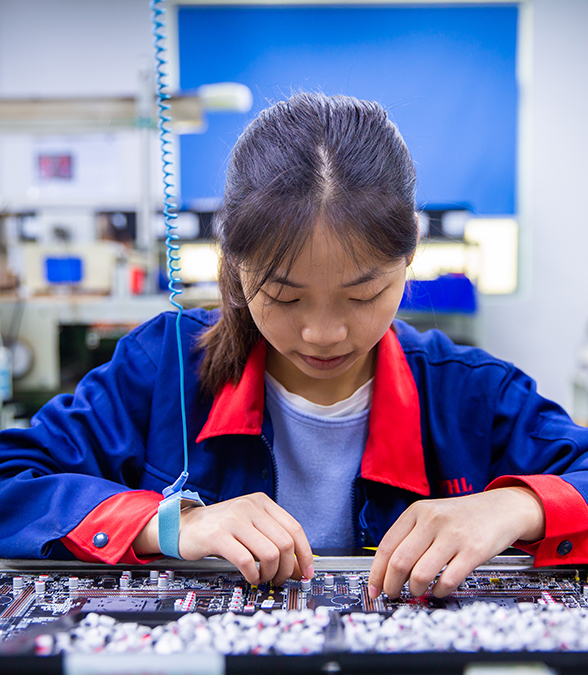
Global aerospace supply chains are being reshaped by commercial aircraft backlogs, defense modernization, space commercialization, and the emergence of autonomous flight. At the same time, procurement teams face component volatility, lead-time uncertainty, and pressure to localize critical production.
A qualified second source can absorb prototype peaks, engineering changes, and supplier bottlenecks without disrupting long-term domestic production.
Audit-ready records, material declarations, test data, and change-control discipline matter more than a low unit price in safety-critical programs.
Cost-down engineering, component alternatives, and manufacturing feedback can reduce total program cost without sacrificing quality or compliance.
Dual-sourcing is effective only with clear data controls, export-control review, quality agreements, and defined approval gates.
For Japan, the most realistic model is not “replace domestic suppliers.” It is a multi-node supply network in which domestic partners retain critical qualification ownership while a qualified international partner provides prototype acceleration, high-mix capacity, and commercial flexibility. STHL’s experience serving OEMs across 90+ regions, combined with its Shenzhen production base and export-oriented documentation, supports this model when procurement and engineering teams establish clear quality boundaries.
Japanese buyers should evaluate an international PCBA partner on five evidence points: engineering responsiveness, DFM quality, traceability from incoming reel to finished board, test coverage, and willingness to disclose capability limits. STHL’s published certifications include IATF 16949, ISO 9001, ISO 14001, and ISO 13485. Aerospace-specific approvals such as AS9100 or NADCAP must be discussed program by program and should never be assumed from a general EMS certificate.
Japanese aerospace procurement teams expect clarity. That means explaining what is controlled, what is documented, what is certified, and what requires customer approval. A trustworthy partner does not overstate qualifications.
English-speaking engineering support, DFM/BOM review, assembly drawings, centroid review, testability feedback, and structured technical questions before production. Japanese-side translation or import support can be coordinated through the customer’s trading partner.
First-article inspection, CoC, lot traceability, material declarations, RoHS/REACH information, test records, controlled change notification, and audit support can be defined in the quality agreement.
NDA before RFQ, restricted project data, controlled access to engineering files, and ERP/MES production records support design confidentiality from quotation through shipment.
Export packaging, shipment documentation, ESD-safe handling, and coordination with customer-appointed freight forwarders can support Japan-bound air and sea logistics.
STHL’s listed certifications are IATF 16949, ISO 9001, ISO 14001, and ISO 13485. AS9100 and NADCAP are not claimed. Programs requiring them should define customer-approved special-process partners and flow-down responsibilities.
Customers can visit the Shenzhen factory and R&D laboratory, or use the 360-degree virtual factory tour to pre-qualify SMT, THT, testing, and warehouse areas remotely.
For 20 years, STHL has combined component procurement, PCB fabrication, SMT and THT assembly, testing, and value-added services into one controlled workflow. That means one accountable supplier from first article to repeat production.
Full or partial turnkey sourcing through 100+ agents and suppliers, with BOM scrubbing, alternate-part suggestions, incoming inspection, moisture-sensitive device control, and reel-level traceability.
Standard, prototype, aluminum, flexible, rigid-flex, HDI, Rogers, ceramic, heavy-copper, high-Tg, and halogen-free boards built to your stack-up, finish, and impedance requirements.
Prototype, low-volume, and high-volume assembly including fine-pitch, BGA, and mixed-technology boards, verified by AOI and X-ray across 7 SMT lines and 2 DIP/THT lines.
PCB layout and design support, IC programming, ICT and functional testing, conformal coating, cable and wire harness, and complete box build assembly for mission-critical electronics.
Knowing what happens after a purchase order removes surprises. This is how every STHL PCBA project moves through engineering review, material control, assembly, inspection, and delivery.
Engineers check Gerber, BOM, and centroid data for manufacturability, footprint errors, layer stack-up, testability, and end-of-life parts before any material is ordered.
Parts are purchased through 100+ agents and suppliers, then pass incoming inspection and moisture-sensitive device control with lot traceability.
Bare boards are produced to your stack-up, surface finish, impedance, and material requirements, from single-layer to HDI and rigid-flex.
7 SMT lines and 2 DIP/THT lines handle fine-pitch, BGA, and mixed-technology boards for prototypes and mass production.
AOI, X-ray, ICT, and functional tests, plus IC programming and conformal coating, with results logged in our MES.
Cable assembly, enclosure integration, and ESD-safe packaging, shipped to customers in 90+ countries and regions with export documentation support.
Measurable capacity, documented quality systems, and engineering support that reduces total cost — not just unit price.
10,000+ m² highly automated production space.
Proven know-how across PCB and PCBA since 2006.
500k+ parts via 100+ agents and suppliers.
IATF 16949, ISO 9001, ISO 14001, ISO 13485.
Real-time production status and lot traceability.
DFM and BOM optimisation by our engineering team.
Prototype and large-quantity orders both welcome.
Your design data and IP are protected from day one.
99.5% on-time delivery across global shipments.
“Excellent team to work with and fast delivery with high-quality boards. We are very happy to work with such a good supplier. Thanks again.”

“Please extend my thanks to your team for your hard work in preparing these samples. This positive experience has strengthened my confidence in your company, and I'm looking forward to discussing bulk orders in the near future.”

“We are satisfied with the last order. You did a great job on those boards and the lead time was short. I will place a new order soon.”

Independent third-party audits confirm that STHL processes meet the requirements of automotive, medical, industrial, and export customers. Aerospace programs may require additional program-specific approvals, which should be defined during supplier qualification.

Quality Management System
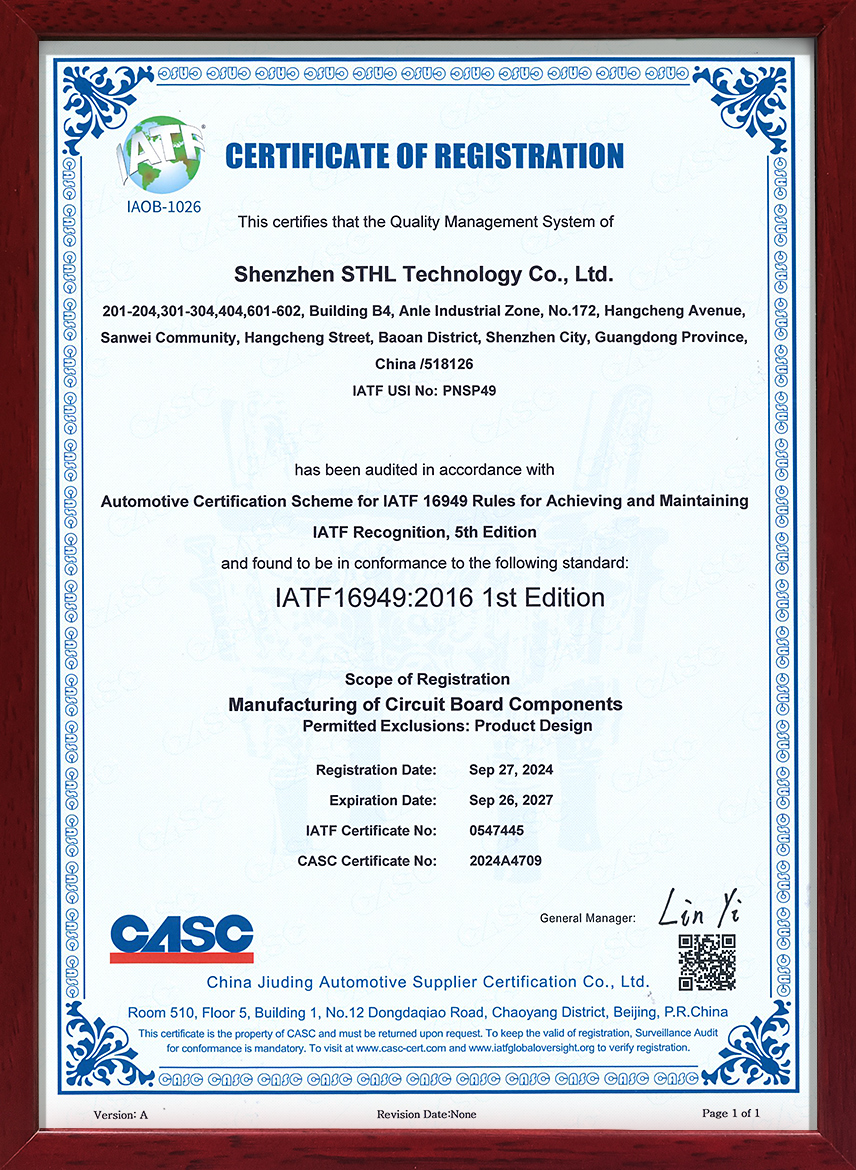
Automotive Quality Management
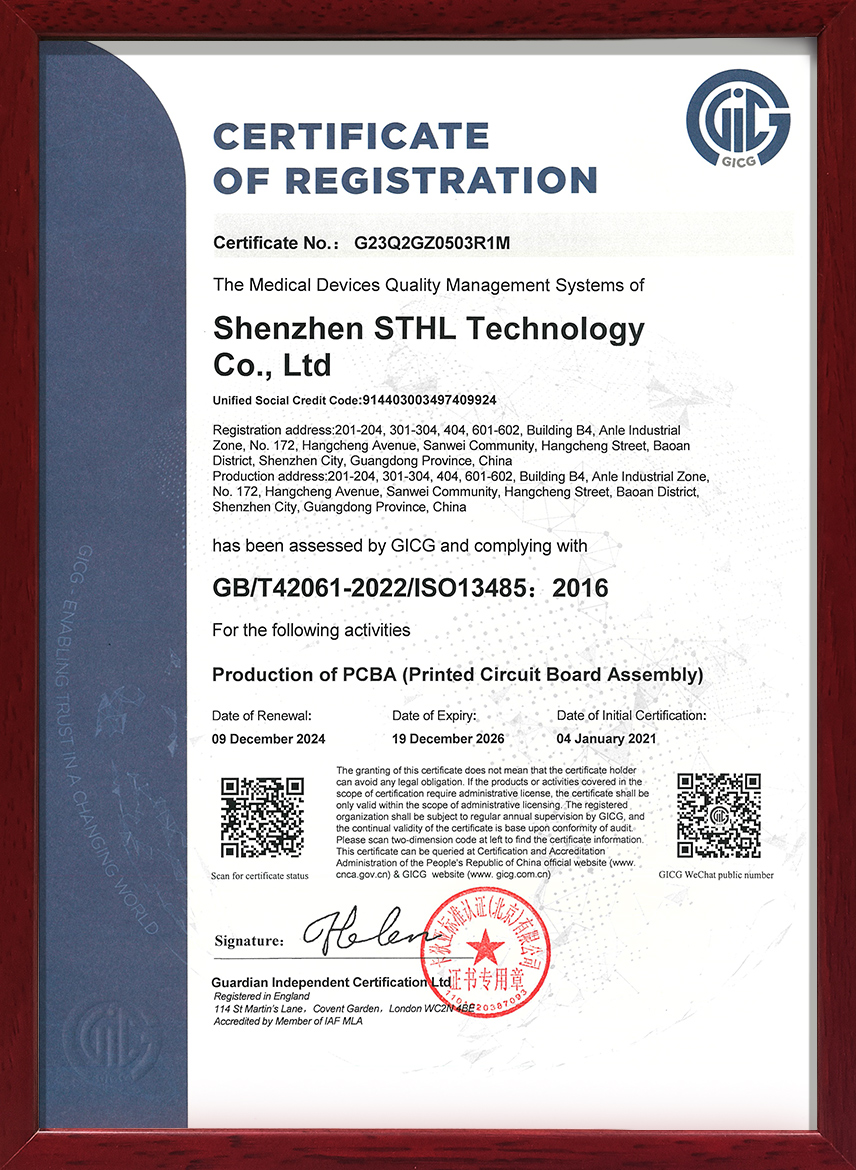
Medical Devices Quality Management
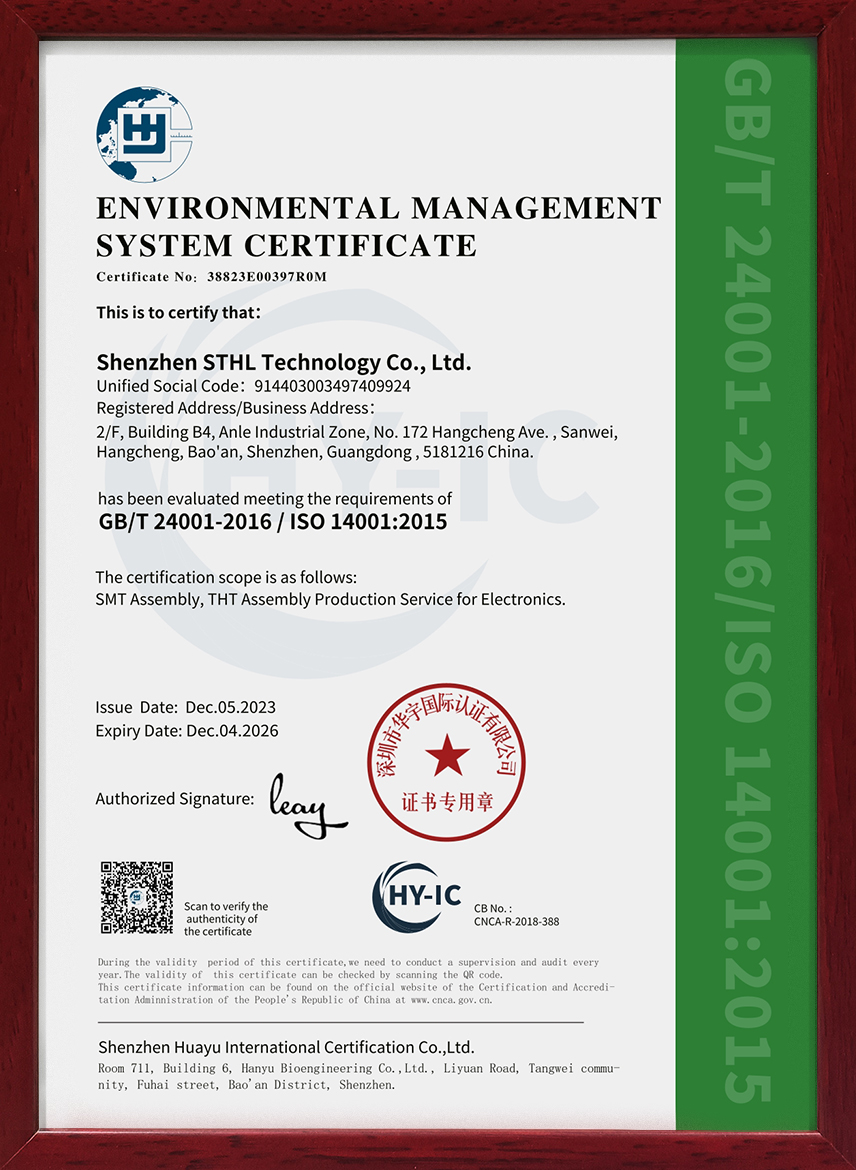
Environmental Management System
These answers combine the original STHL PCBA sourcing FAQs with Japan-focused aerospace considerations. For program-specific requirements, send the Gerber, BOM, pick-and-place file, and quality flow-down for engineering review.
Send Gerber files, a BOM with manufacturer part numbers, the pick-and-place (centroid) file, and assembly drawings. If you need IC programming or functional testing, include firmware and test procedures. Our engineers complete a DFM and BOM review before production starts.
No. STHL accepts prototype, low-volume, and high-volume PCB assembly orders, so you can validate a design and scale to mass production with the same supplier.
Yes. We offer full turnkey, partial turnkey, and consigned assembly. Our sourcing team works with 100+ agents and suppliers covering more than 500,000 part numbers, with incoming inspection and traceability from reel to finished board.
STHL is certified to IATF 16949, ISO 9001, ISO 14001, and ISO 13485, and produces RoHS-compliant assemblies. Boards are verified with AOI, X-ray, ICT, and functional testing.
We sign an NDA before RFQ, restrict project data to the assigned engineering team, and track every build through our ERP and MES systems.
Yes. Customers are welcome to visit our Shenzhen factory and R&D laboratory at any time, and a 360-degree virtual factory tour is available for remote evaluation.
STHL supports Japanese customers through English-speaking engineering communication, DFM/BOM review, no-MOQ prototype builds, component sourcing, SMT/THT assembly, testing, conformal coating, and export-ready documentation. For sensitive programs, NDA sign-off before RFQ and clearly defined data-handling rules are recommended.
Yes, documentation can be defined in the quality agreement. Typical items include first-article inspection, certificate of conformity, lot traceability, material declarations, test records, change notification, and packing records. Program-specific aerospace documentation must be agreed during RFQ.
STHL’s published certifications are IATF 16949, ISO 9001, ISO 14001, and ISO 13485. AS9100 and NADCAP are not claimed in the source information. For aerospace programs that require AS9100 or NADCAP special processes, the customer should define approved special-process partners, flow-down requirements, and audit responsibilities before production.
Yes. High-mix, low-volume production is a core part of the STHL model. The factory supports prototype and repeat builds without a minimum order quantity, using 7 SMT lines, 2 DIP/THT lines, AOI, X-ray, ICT, and functional testing.
BOM scrubbing, lifecycle review, approved alternate suggestions, sourcing through 100+ agents and suppliers, incoming inspection, moisture-sensitive device control, and reel-level traceability are used to reduce risk. For long programs, customers can define approved alternates, last-time-buy planning, and change-notification thresholds.
STHL is a China-based supplier and does not claim ITAR registration. Japanese customers must perform their own export-control, data-security, and national-security assessment. For ITAR-controlled or otherwise restricted technical data, a compliant program may require data segregation or a domestic supplier for controlled content.
Shipments can be packed with ESD-safe materials and documented with commercial invoice, packing list, certificate of conformity, and other agreed export records. Coordination with the customer’s freight forwarder for air or sea shipment to Japan can be supported.
Yes. Value-added services include IC programming, conformal coating, cable and wire harness assembly, and complete box build. Assembly drawings and process requirements should be provided during RFQ so that masking, material, cure, inspection, and rework requirements can be reviewed.
Send your Gerber, BOM, centroid file, assembly drawings, and quality flow-down. STHL will review manufacturability, component availability, testability, and documentation requirements before quotation.
These eight platforms complete the STHL aerospace product series. All original product images and product URLs are preserved for engineering review and quotation.
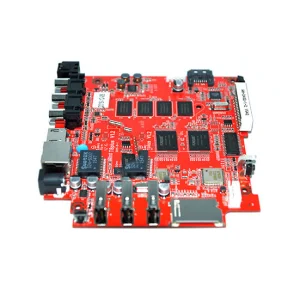
Original STHL series: OEM Magnetometer PCBA Assembly--STHL Supplier, Solutions
View Magnetometer PCBA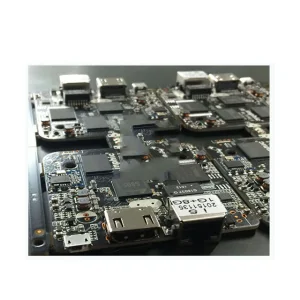
Original STHL series: High Quality Air Data Inertial Reference Unit (ADIRU) PCBA Assembly--STHL Service, Factories
View ADIRU PCBA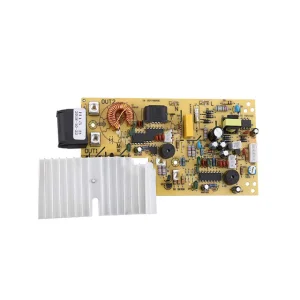
Original STHL series: China Leading Air Data Computer (ADC) PCBA Assembly--STHL Supplier, from China
View Air Data Computer PCBA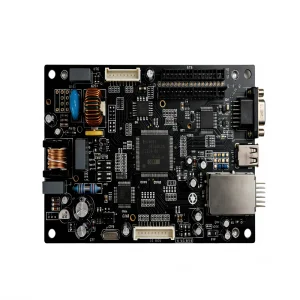
Original STHL series: China Top Engine Indicating and Crew Alerting System (EICAS) PCBA Assembly--STHL from China, Manufacturers
View EICAS PCBA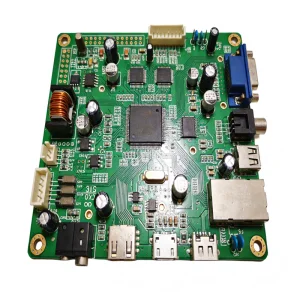
Original STHL series: OEM Heads-Up Display (HUD) PCBA Assembly--STHL from China, Manufacturers
View HUD PCBA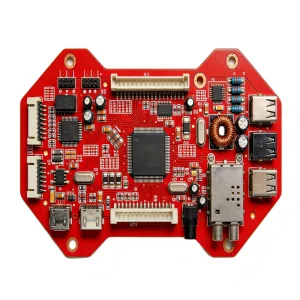
Original STHL series: High-Reliability Multifunction Display (MFD) PCBA Assembly--STHL Solutions, from China
View MFD PCBA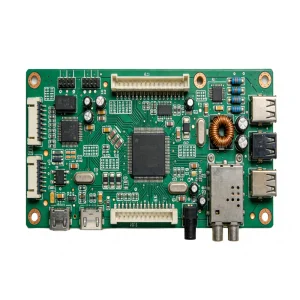
Original STHL series: Precision Primary Flight Display (PFD) PCBA Assembly--STHL Service, from China
View PFD PCBA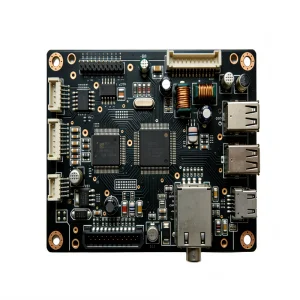
Original STHL series: Certified Electronic Flight Instrument System (EFIS) PCBA Assembly--STHL Manufacturer, Factories
View EFIS PCBA