
Consumer Electronics PCBA Programs for Irish Product Teams
These product series are a practical starting point for Irish OEMs developing connected devices for the EU market. They are supported by DFM review, BOM scrubbing, component sourcing, SMT and THT assembly, test engineering and box build. Every product link below is preserved for direct technical review.
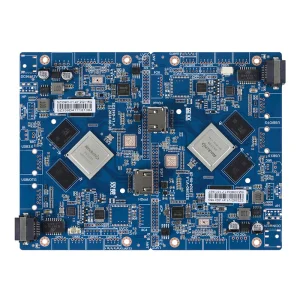
Top 10 Consumer Electronics PCBA Application: Powering the Devices of Tomorrow Supplier, Service
Ireland fit: smart home, wearables, connected consumer platforms and EU-ready product documentation.
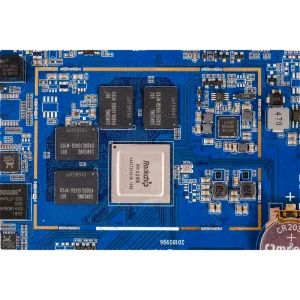
China Top Laptop PCB Assembly Partner, Service
Ireland fit: notebook peripherals, docking products, high-density boards and BGA-rich assemblies.
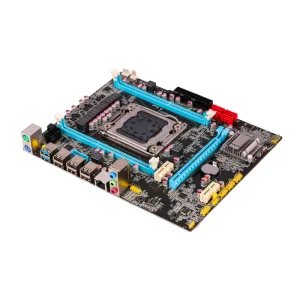
Professional Wireless Network Router PCB Assembly--STHL Company, Manufacturers
Ireland fit: Wi-Fi routers, mesh nodes, CPE, IoT gateways and RF-sensitive networking hardware.
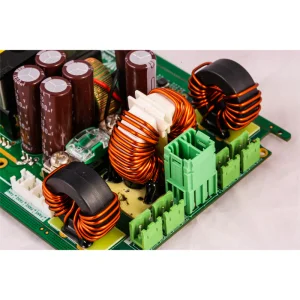
One-Stop Tablet PCB Assembly--STHL Service, Factories
Ireland fit: touch interfaces, battery-powered devices, display modules and prototype-to-volume builds.
Why Ireland Is a Distinctive Market for Consumer Electronics PCB Assembly
Ireland is not simply a small domestic market. It is an English-speaking EU gateway with a high-value technology, medtech and industrial base, where many product teams design locally while manufacturing through international EMS partners.
High-value EU gateway
Dublin, Cork, Galway, Limerick and Waterford host a mix of multinational R&D centres, medtech clusters, software-led product companies, industrial automation teams and export-focused entrepreneurs. The result is demand for precision PCBA rather than commodity board stuffing alone.
High-mix and low-volume pressure
Many Irish companies iterate quickly in software and system design, then need hardware batches that are too small for rigid high-volume factories but too complex for simple prototype shops. Mixed-technology SMT, fine-pitch, BGA, RF and test coverage become decisive.
Compliance is a design input
CE marking, EMC, RoHS, REACH, WEEE, packaging duties and medical-device requirements influence component choice, documentation, traceability and test records. Irish buyers need a supplier that can provide evidence, not just a shipment.
From a procurement perspective, Ireland also faces the practical reality of a relatively limited local high-volume electronics assembly footprint compared with Asia. That makes offshore EMS partnerships essential, but the selection criteria are more demanding than price. A Chinese PCBA factory serving Ireland must operate comfortably in English, provide clear DFM feedback, understand EU documentation expectations, manage component lifecycles and support both prototype and repeat production. Information gain: the real question is not “Can the supplier place components?” but “Can the supplier reduce technical and commercial uncertainty between an Irish design team and a shipping decision?” This is where STHL’s mix of DFM review, component sourcing, assembly, testing and box build becomes commercially relevant.
What “Precision” Means in Consumer Electronics PCBA—Not Just Tight Tolerances
A precision consumer electronics PCB assembly supplier must control design interpretation, material authenticity, process capability, metrology and documentation at the same time.
In consumer electronics, precision is a system-level result. A board may use 0201 or fine-pitch components, QFN or BGA packages, impedance-controlled RF traces, sensitive analog front ends, low-power wireless modules, display connectors or battery-management circuitry. The assembly team must understand how solder volume, stencil design, placement force, reflow profile, moisture sensitivity and inspection strategy interact. A single weak link can create field failures that are expensive to diagnose after product launch.
For Irish product teams, precision also includes documentation precision. The BOM must be reviewed for manufacturer part numbers, lifecycle status, alternates and RoHS/REACH status. The centroid file must match the Gerber. Test procedures must be written before mass production. Traceability must connect the incoming reel to the finished board, especially where reliability expectations are high. STHL engineers perform DFM and BOM review before material is ordered, so questions are raised at the quotation stage rather than after a line has started.
Our quality approach combines AOI, X-ray, ICT and functional testing where the product requires it. For high-reliability work, IPC-A-610 Class 2 or Class 3 criteria can be applied by agreement. For medical and automotive-adjacent projects, ISO 13485 and IATF 16949 systems provide the process discipline that Irish customers expect. The aim is not to impress a buyer with equipment lists, but to make every build predictable and auditable.
- Design review before spend: Gerber, BOM, pick-and-place and assembly drawing checked for manufacturability and mismatch.
- Component integrity: 100+ agents and suppliers, 500,000+ part numbers, alternate-part suggestions and incoming inspection.
- Process control: 7 SMT lines, 2 DIP/THT lines, 2 functional test lines and 2 box build lines.
- Verification depth: AOI, X-ray, ICT, FCT, IC programming and conformal coating options.
- Traceability: ERP and MES support lot-level visibility from material to shipment.
- Low-volume access: no MOQ, so Irish start-ups and scale-ups can validate before committing to volume.
Consumer Electronics PCBA Use Cases for Ireland
Irish demand is concentrated in connected, regulated and high-value products where reliability, documentation and fast engineering feedback matter. These are the scenarios where a precision PCBA partner makes the biggest difference.
Smart home and connected living
Matter/Thread gateways, smart thermostats, sensors, lighting controls and home hubs for Irish consumers and EU distributors. Low-power design, wireless coexistence and firmware programming are central.
Networking, routers and switches
Wireless routers, mesh nodes, modems, VoIP phones and network switches for Ireland’s enterprise, hospitality and telecom markets. RF layout, impedance control and functional test are critical.
Smartphones, tablets and laptops
High-density boards, connectors, cameras, power management and peripheral modules. Irish product owners benefit from rapid NPI, BGA inspection and supply-chain alternatives when parts are constrained.
Audio, wearables and smart speakers
Bluetooth headsets, prototype smart speakers, hearing-adjacent wearables and audio docks. Battery life, antenna placement, acoustic integration and small-form-factor assembly demand careful process control.
Intercoms, access control and security
Custom intercom PCBs, video doorbells, access readers, alarm panels and smart locks. Irish installers and distributors expect stable production, environmental protection and consistent test coverage.
Medtech, energy and industrial IoT
Medical monitoring, EV charging controls, agri-tech sensors, marine electronics and industrial gateways. STHL can align inspection, traceability and documentation with the risk level of the product.
Technology Roadmap and Future Outlook for Ireland’s Connected Products
Consumer electronics is moving toward more wireless standards, more sensing, more edge intelligence and tighter energy budgets. The PCBA partner must be ready before the product architecture is frozen.
Miniaturisation and HDI
Higher pin counts, fine-pitch packages, rigid-flex and HDI boards are becoming normal in wearables, cameras, medical monitors and compact gateways. Early stack-up review prevents yield loss later.
Wireless evolution
Wi-Fi 6E/7, Bluetooth LE Audio, Matter/Thread, UWB and private 5G create denser RF environments. Irish product teams should plan antenna clearance, coexistence testing and regulatory pre-compliance earlier.
Edge AI and sensor fusion
Local inference, camera modules, microphones, environmental sensors and vibration sensing increase BOM complexity. Assembly and test strategies must verify module interaction, not only solder joints.
Power efficiency and GaN
USB-C PD, battery management, GaN power stages and low-quiescent-current design are reshaping consumer power adapters and docking products. Thermal and creepage considerations belong in DFM.
Sustainability and material compliance
RoHS, REACH, packaging and WEEE expectations continue to evolve. Component documentation, low-halogen options and packaging decisions should be captured during NPI, not after the first shipment.
Digital traceability
ERP and MES records, reel-level material control, test logs and change notifications create a defensible quality trail for Irish brands selling into regulated or enterprise channels.
The practical roadmap for an Irish product team is to involve PCBA engineering before the layout is complete. A short DFM review can expose footprint problems, test-point shortages, component lifecycle risks, board-level EMC concerns and cost-driver choices while changes are still inexpensive. STHL’s engineering team supports this early-stage dialogue in English and can recommend alternates when specific devices are constrained. For future-facing products, the objective is to build a manufacturing route that survives the first prototype, the pilot build and the first volume forecast without forcing a redesign of the supply chain.
China Supply-Chain Resilience and Efficiency for Irish OEMs
Shenzhen’s electronics ecosystem is not only a cost base. It is an engineering and sourcing cluster where PCB fabrication, components, tooling, assembly, test and logistics are concentrated within a short distance.
STHL has operated in Shenzhen since 2006, supporting OEMs across the USA, Germany, Italy, the UK, Poland, New Zealand, Brazil and more than 90 other regions. Our 10,000+ m² facility runs 7 SMT assembly lines, 2 DIP/THT lines, 2 functional test lines and 2 box build lines, with 230+ staff and 50+ engineers. For Irish customers, this capacity is valuable because it supports high-mix production without forcing every project into a single rigid volume window.
Supply-chain resilience starts with visibility. Our sourcing team works with 100+ agents and suppliers covering more than 500,000 part numbers. During BOM review, we can flag end-of-life parts, suggest approved alternates, identify long lead-time devices and propose practical buffers. Incoming inspection, moisture-sensitive device control and reel-to-board traceability reduce the risk of counterfeit or mismatched components. ERP and MES support production tracking and lot traceability.
Efficiency is not simply a lower labour rate. It comes from fewer engineering loops, fewer late component surprises, fewer manual hand-offs and a documented path from prototype to repeat production. STHL accepts no MOQ and signs an NDA before RFQ, which matters to Irish start-ups and scale-ups that need supplier engagement before their design is public. Every build is RoHS-compliant and controlled under IATF 16949, ISO 9001, ISO 14001 and ISO 13485 systems, with factory visits and audits welcome.
Risk compression, not just unit price
Practical mitigation includes dual-source reviews, lifecycle checks, approved alternates, buffer analysis, incoming inspection, test coverage and shipment documentation. This is especially relevant for Irish teams that face long component lead times but cannot compromise on EU market requirements.
Years of EMS experience
m² production facility
Professional engineers
Production lines
On-time delivery
Qualified shipment rate
Consumer Electronics PCBA Supply in a Changing Global Landscape
Global consumer electronics manufacturing remains cyclical and highly competitive. Demand can shift quickly across smart home, networking, audio, wearables, computing and mobile accessories. Component allocation, end-of-life notices, freight variability and regulatory changes all affect the cost and timing of a product launch. At the same time, “China+1” and nearshoring strategies have encouraged some companies to add regional manufacturing options. For many Irish brands, the pragmatic answer is a hybrid model: retain strategic control in Ireland, use the depth of the Shenzhen supply chain for components and high-mix assembly, and plan compliance and logistics deliberately.
This is where a supplier’s operating model matters. A generic trading company may quote a price but leave engineering gaps to the customer. A capable PCBA manufacturer reviews the manufacturing data, provides DFM and BOM feedback, sources components transparently, executes SMT and THT assembly, supports test development and ships with appropriate documentation. STHL’s global service model is built around this end-to-end responsibility. Our teams support customers from first article to repeat production, with practical experience across consumer electronics, computer, communications, medical, automotive, industrial control, energy, security and smart-home applications.
For Ireland, the global dimension is amplified by EU single-market access. A product designed in Dublin or Cork may be sold across the EU, shipped to the UK, used by a multinational enterprise customer, or integrated into a regulated care pathway. The PCBA supplier therefore needs to produce boards that are consistent enough for repeat orders, documented enough for procurement and flexible enough for engineering change. The strongest supply relationships are not transactional; they are structured around data, accountability and clear communication.
Ireland and EU Compliance Support That Goes Beyond the Board
Irish buyers need a PCBA partner that understands the documentation trail behind CE-marked consumer products. STHL supports the manufacturing evidence; the brand owner remains responsible for final regulatory conformity.
EU market documentation
We can provide manufacturing information such as material declarations, RoHS statements, test records and traceability data where applicable. These support a customer’s CE technical file, REACH assessment, WEEE planning and packaging decisions. STHL is not a notified body and does not replace the brand owner’s regulatory obligations.
Quality systems and traceability
IATF 16949, ISO 9001, ISO 14001 and ISO 13485 systems support controlled production, environmental management and medical-device quality expectations. ERP and MES tracking help connect incoming material, assembly, inspection and shipment records.
IP protection and NDA discipline
An NDA is signed before RFQ, project data is restricted to the assigned team and every build is tracked through ERP and MES. For Irish startups and established OEMs alike, protecting hardware IP and product plans is non-negotiable.
Ireland-friendly communication
English-speaking project communication, scheduled calls during Irish business hours, transparent quotation assumptions and documented change control reduce the friction of working across time zones. For urgent engineering questions, clear written feedback is often as important as price.
Shipping and customs coordination
Air and sea freight options can be quoted with agreed Incoterms. We support commercial invoices, packing lists, HS-code information and product identification so Irish customs brokers can process shipments efficiently. Final import duties and VAT remain the buyer’s responsibility.
Remote and on-site audit support
Irish quality teams can review our Shenzhen factory remotely through a 360-degree virtual tour or arrange a visit. Audit access, documented answers and open discussion of process controls help procurement pre-qualify STHL before the first order.
Compliance note: STHL supplies manufacturing services and supporting quality documentation. CE marking, EU declarations of conformity, WEEE registration and market surveillance obligations remain with the responsible economic operator placing the finished product on the EU market.
Why Irish OEMs Choose STHL for Precision Consumer Electronics PCBA
Shenzhen manufacturing depth, documented quality systems and engineering support that reduces total cost—not just the quoted unit price.
Dust-free smart factory
10,000+ m² highly automated production space with controlled assembly and testing areas.
20 years of experience
Proven know-how across PCB and PCBA since 2006, with global OEM and ODM project exposure.
Global sourcing depth
500,000+ part numbers via 100+ agents and suppliers, with BOM review and alternate suggestions.
Fully certified systems
IATF 16949, ISO 9001, ISO 14001 and ISO 13485, with RoHS-compliant production.
ERP and MES tracking
Real-time production status and lot traceability from incoming material to finished shipment.
NDA before RFQ
Your design data and IP are protected from the first technical discussion.
No MOQ
Prototype, low-volume and high-volume orders are all supported under one supplier relationship.
Cost-down engineering
DFM and BOM optimisation by engineers who understand both manufacturability and component availability.
Fast, measured delivery
99.5% on-time delivery and a 99% qualified shipment rate across global shipments.
End-to-End PCBA Manufacturing Services for Irish Product Teams
One controlled workflow from component procurement to PCB fabrication, SMT/THT assembly, testing and box build.

Electronic Components Procurement
Full or partial turnkey sourcing through 100+ agents and suppliers, with BOM scrubbing, alternate-part suggestions and reel-level traceability.

PCB Fabrication
Standard, prototype, aluminum, flexible, rigid-flex, HDI, Rogers, ceramic, heavy-copper, high-Tg and halogen-free boards built to your stack-up.

SMT & THT PCB Assembly
Prototype, low-volume and high-volume assembly including fine-pitch, BGA and mixed-technology boards, verified by AOI and X-ray.

Value-Added Services
PCB layout and design, IC programming, ICT and functional testing, conformal coating, cable and wire harness, and complete box build assembly.
From Gerber Files to Shipment in 6 Controlled Steps
Knowing what happens after purchase order placement removes surprises and makes the supplier comparison more objective.
DFM & BOM Review
Engineers check Gerber, BOM and centroid data for manufacturability, footprint errors and end-of-life parts before material is ordered.
Component Sourcing
Parts are purchased through 100+ agents and suppliers, then pass incoming inspection and moisture-sensitive device control.
PCB Fabrication
Bare boards are produced to your stack-up, surface finish and impedance requirements, from single-layer to HDI and rigid-flex.
SMT & THT Assembly
7 SMT lines and 2 DIP/THT lines handle fine-pitch, BGA and mixed-technology boards for prototypes and mass production.
Inspection & Testing
AOI, X-ray, ICT and functional tests, plus IC programming and conformal coating, with results logged in our MES.
Box Build & Delivery
Cable assembly, enclosure integration and ESD-safe packaging, shipped to customers in 90+ countries and regions.
What Engineers and Buyers Say About STHL
Feedback from hardware engineers, designers and company owners across North America, Europe and beyond.
“Excellent team to work with and fast delivery with high-quality boards. We are very happy to work with such a good supplier. Thanks again.”

“Please extend my thanks to your team for your hard work in preparing these samples. This positive experience has strengthened my confidence in your company, and I'm looking forward to discussing bulk orders in the near future.”

“The order was perfect—exactly as specified with top quality. Highly recommend this reliable supplier.”

Certified Quality Management Systems
Independent third-party audits confirm that our processes meet the requirements of automotive, medical and industrial customers. Click any certificate to view it in full size.

ISO 9001
Quality Management System

IATF 16949
Automotive Quality Management

ISO 13485
Medical Devices Quality Management

ISO 14001
Environmental Management System
PCBA Insights and Factory News
Practical updates from our production floor—customer visits, traceability practices and what really drives PCBA lead time.

STHL Hosts Two European Visitors for an Early-Stage Healthcare Electronics Concept Review and Factory Tour
Company news · Nov 4, 2026

STHL Hosts Two German Visitors for an SMT, THT and Material Preparation Walkthrough
Factory visit · Nov 9, 2026

STHL PCBA Component Traceability: From Incoming Reel to Finished Board
Tech update · Nov 12, 2026
Consumer Electronics PCBA Sourcing FAQs for Ireland
Straight answers to the questions procurement, quality and engineering teams ask before choosing a PCB assembly manufacturer in China for the Irish and EU market.
What files do I need to submit for a PCBA project?
Send Gerber files, a BOM with manufacturer part numbers, the pick-and-place (centroid) file and assembly drawings. If you need IC programming or functional testing, include firmware and test procedures. Our engineers complete a DFM and BOM review before production starts.
Is there a minimum order quantity (MOQ)?
No. STHL accepts prototype, low-volume and high-volume PCB assembly orders, so you can validate a design and scale to mass production with the same supplier. This is especially useful for Irish start-ups and scale-ups that need to prove a product before forecasting volume.
Can STHL source all the electronic components?
Yes. We offer full turnkey, partial turnkey and consigned assembly. Our sourcing team works with 100+ agents and suppliers covering more than 500,000 part numbers, with incoming inspection and traceability from reel to finished board. If a part is constrained, we can review approved alternates and lifecycle risks.
Which quality certifications does STHL hold?
STHL is certified to IATF 16949, ISO 9001, ISO 14001 and ISO 13485, and produces RoHS-compliant assemblies. Boards are verified with AOI, X-ray, ICT and functional testing where required by the product and customer specification.
How do you protect our design files and IP?
We sign an NDA before RFQ, restrict project data to the assigned engineering team and track every build through our ERP and MES systems. Design files, BOMs and test information are treated as confidential customer property.
Can we audit or visit the factory?
Yes. Customers are welcome to visit our Shenzhen factory and R&D laboratory, and a 360-degree virtual factory tour is available for remote evaluation. Irish quality teams can use this for supplier pre-qualification before placing a first order.
How do you support Irish and EU compliance requirements?
We can provide manufacturing documentation such as RoHS statements, material declarations, test records and traceability data where applicable. These support your CE technical file, REACH assessment and WEEE planning. STHL is not a notified body; final CE marking and EU market obligations remain with the brand owner or responsible economic operator.
What lead times should an Irish buyer expect?
Lead time depends on PCB complexity, component availability, test requirements and order volume. After receiving Gerber, BOM and assembly data, STHL reviews manufacturability and component lead times, then provides a project schedule. For products with constrained components, early BOM review is the most effective way to reduce delay risk.
How is shipping to Ireland handled?
Air and sea freight options can be quoted with agreed Incoterms. We support commercial invoices, packing lists, HS-code information and product identification so Irish customs brokers can process shipments efficiently. Import duties, VAT and final customs clearance responsibilities depend on the agreed terms.
Can STHL support low-volume and prototype orders?
Yes. There is no MOQ, and we support prototype, pilot and volume production under one quality system. This creates a continuous path from first article validation to repeat orders without changing the manufacturing partner.
Does STHL provide conformal coating, IC programming and box build?
Yes. Value-added services include PCB layout support, IC programming, ICT and functional testing, conformal coating, cable and wire harness assembly, and complete box build. These can be combined with turnkey component sourcing for a single accountable workflow.
Can STHL support medical, automotive-related or industrial projects?
STHL operates under ISO 13485, IATF 16949, ISO 9001 and ISO 14001 systems. We review each project against its risk level, documentation requirements and test strategy. For regulated products, the customer remains responsible for final device certification and market access, while STHL supplies controlled manufacturing and quality records.
Additional Consumer Electronics PCB Assembly Products
These eight product programs complete the STHL consumer electronics PCBA portfolio. Each product image and URL is preserved for direct review by Irish engineering and procurement teams.
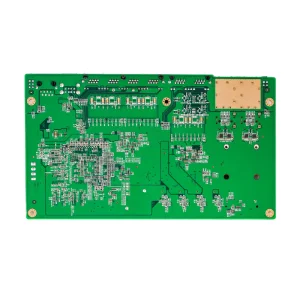
Reliable Smartphone PCB Assembly--STHL Supplier, in China
Ireland fit: mobile devices, compact cameras, power management and high-density interconnect boards.
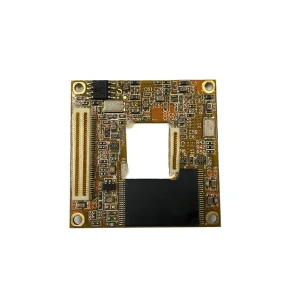
China Leading VoIP Phone PCB Assembly--STHL Solutions, Factories
Ireland fit: enterprise telephony, hospitality systems, voice gateways and network-connected audio.
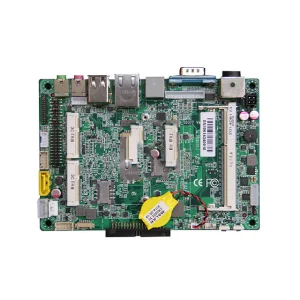
Top-Rated Modem PCB Assembly--STHL Service, Manufacturers
Ireland fit: broadband CPE, remote connectivity, telecom gateways and RF-sensitive assemblies.
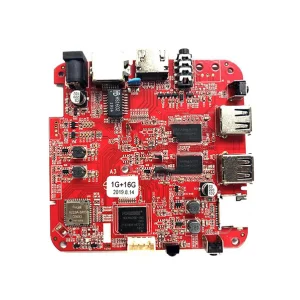
High Quality Network Switch PCB Assembly--STHL Partner, Solutions
Ireland fit: enterprise networking, data communications, PoE systems and industrial Ethernet.
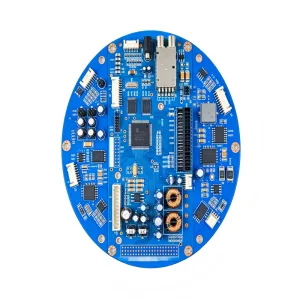
Reliable Bluetooth Headset PCB Assembly--STHL Solutions, Manufacturers
Ireland fit: audio wearables, office headsets, Bluetooth modules and battery-powered devices.
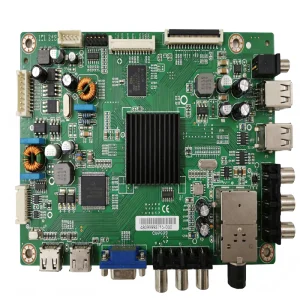
Custom Wireless Phone PCB Assembly--STHL Solutions, Factories
Ireland fit: wireless terminals, handheld devices, DECT-related hardware and custom RF products.
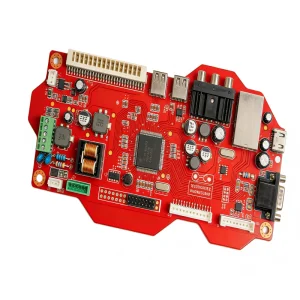
Custom Intercom PCB Assembly--STHL Service, Manufacturers
Ireland fit: access control, video doorbells, apartment intercoms and security installations.
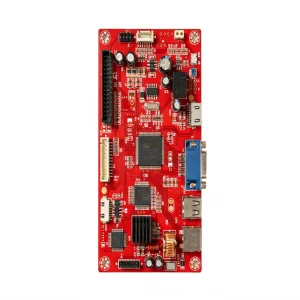
Prototype Smart Speaker PCB Assembly--STHL Manufacturer, Solution Provider
Ireland fit: voice assistants, smart-home audio, Wi-Fi/Bluetooth speakers and prototype-to-volume programs.
Planning a Consumer Electronics PCBA Build for Ireland?
Send your Gerber, BOM, centroid file and test requirements. STHL will review manufacturability, component sourcing risk, assembly strategy, test coverage and shipping options before quotation. NDA available before RFQ; no MOQ; English-speaking engineering support.
