
Medical PCB Assembly Solutions & Manufacturers in France
A France-focused, ISO 13485-oriented sourcing guide for medical device OEMs, diagnostics developers, imaging teams and healthcare technology companies comparing local manufacturing with a China Factory 4.0 PCBA partner. Built for EU MDR readiness, lot traceability, high-mix flexibility and resilient component sourcing.
Four Medical PCB Assembly Programs Frequently Requested by France-Linked Healthcare Teams
France’s medical electronics market is not a single buying centre. Hospital groups, diagnostics companies, imaging OEMs, home-care providers and clinical laboratories each define reliability, documentation and volume differently. The first four platforms below cover common France-oriented medical PCBA needs, from custom healthcare device assemblies to blood pressure monitoring, ECG and portable ultrasound. Each product URL is preserved and presented as an inquiry-ready button.
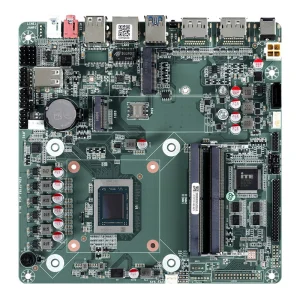
France Healthcare Program — Custom Medical PCBA Application: Precision and Reliability for Healthcare Devices Solution Provider, in China
View France Medical PCBA Solution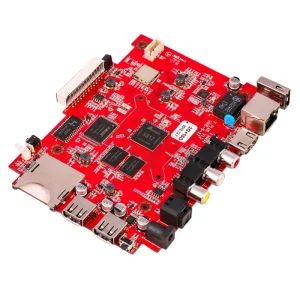
France Cardiology Program — Certified Blood Pressure Monitor PCB Assembly--STHL Company, in China
View France Medical PCBA Solution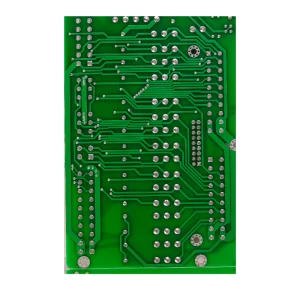
France Diagnostic Program — OEM ECG Monitor PCB Assembly--STHL Manufacturer, Supplier
View France Medical PCBA Solution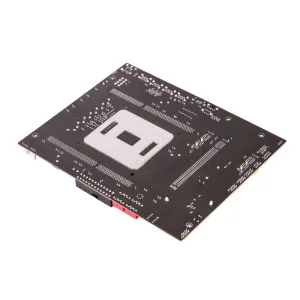
France Imaging Program — Prototype Portable Ultrasound Equipment PCB Assembly--STHL Company, in China
View France Medical PCBA SolutionMedical PCB Assembly in France: Local Industrial Reality, Regulatory Pressure and Supply-Chain Change
The phrase “Medical PCB Assembly Solutions & Manufacturers in France” sits at the intersection of healthcare regulation, electronics manufacturing and procurement risk. A useful supplier decision cannot be based only on a unit price. It must account for the French medtech ecosystem, EU MDR and IVDR documentation expectations, component availability, NPI speed, traceability and the ability to scale from a clinical prototype to serial production.
France is one of Europe’s most mature medical device and diagnostics markets. Its industrial landscape combines global healthcare groups with a dense base of SMEs, start-ups and specialised engineering firms across Paris-Saclay, Lyon, Grenoble, Toulouse, Bordeaux, Rennes and Strasbourg. University hospitals, private clinics, clinical laboratories, home-care providers and research institutes create demand for patient monitoring, diagnostic imaging, in-vitro diagnostics, infusion delivery, laboratory automation and connected health devices. With roughly one-fifth of the population aged 65 or older, chronic disease management and decentralised care are structural demand drivers rather than short-term trends.
The regulatory environment is rigorous. EU MDR and IVDR expectations, ISO 13485 quality systems, ISO 14971 risk management, IEC 60601 safety, UDI, cybersecurity and GDPR-related data protection flow down to PCBAs even though a PCBA supplier is not the legal manufacturer. French device teams increasingly ask for lot traceability, certificates of conformity, controlled change notification, test records and audit-ready documentation. A supplier that cannot support these expectations creates hidden cost long before a board reaches the hospital.
At the same time, French industrial economics favour a hybrid manufacturing model. Labour costs, small batch sizes and highly customised clinical configurations make it impractical for many OEMs to keep every SMT line in-house. They need partners for NPI, prototypes, low-volume high-mix production and volume transfer. China Factory 4.0 partners are often used for PCB fabrication, component sourcing, SMT/THT assembly and test, while final assembly, sterilisation, packaging or local customisation may remain close to the point of care in France or elsewhere in the EU.
This is why a France-oriented medical PCBA strategy should be built around controlled flexibility: the ability to handle engineering change, alternate components, regulated documentation and variable order quantities without turning every revision into a supply-chain crisis. The right partner should make the complex visible — BOM risk, lead-time risk, test coverage, traceability and change control — before production starts.
France-Facing Procurement Signals
French buyers rarely search with one intent. They may need a local contract manufacturer, an ISO 13485-certified offshore EMS partner, a turnkey BOM solution, a low-volume prototype line or a supplier able to support EU MDR technical documentation. A strong response should separate these needs instead of treating them as a single keyword.
Aging Population and Chronic Disease
France’s demographic profile supports long-term demand for blood pressure monitors, ECG devices, pulse oximeters, body temperature monitors, infusion pumps and remote patient monitoring. These products reward PCBA partners that can deliver stable quality across low and medium volumes, not only large consumer batches.
EU MDR and IVDR Flow-Down
Medical device manufacturers need supplier evidence for design transfer, process validation, change control, non-conforming material, CAPA and traceability. A PCBA supplier should understand why a “simple” component substitution may trigger a customer documentation review.
Diagnostics and Laboratory Automation
France has a strong diagnostics and life-science base. Biochemical analyzers, laboratory automation equipment, imaging systems and point-of-care devices require dense boards, controlled test coverage, precision assembly and reliable long-term component planning.
Portable and Connected Health
Home-care devices and wearables combine miniaturisation, wireless connectivity, low power consumption and cybersecurity concerns. Medical PCBA teams must support fine-pitch SMT, BGA, RF sections, firmware programming and functional testing.
De-Risking After component Shortages
Recent allocation cycles changed procurement behaviour. French buyers now ask more often for approved alternates, buffer strategies, lifecycle status, moisture sensitivity control and written notification before a component or process changes.
Eco-Design and Material Compliance
RoHS, REACH, halogen-free options, low-VOC conformal coating and packaging decisions are increasingly reviewed by European customers. A medical PCBA partner should be able to document material choices, surface finishes and process controls.
What “Medical PCB Assembly Manufacturers in France” Really Means to a Buyer
Google and procurement teams do not evaluate this query as a simple product keyword. The searcher may be comparing France-based EMS companies, looking for a China PCBA factory that serves French OEMs, verifying ISO 13485 evidence, seeking a turnkey medical BOM partner or checking whether a supplier can support EU MDR documentation. A high-value page must answer all relevant intents while making the commercial next step clear.
France-Based vs France-Serving
Some buyers need a manufacturer with a French site or EU-based logistics. Others are deliberately evaluating a China-based supplier that serves French OEMs. Clarify where engineering, manufacturing, testing and shipment occur, and how Incoterms, import VAT and customs documentation are handled.
ISO 13485 and Audit Evidence
A logo is not enough. The buyer wants to know which processes are controlled, how lot traceability works, how non-conformities are handled, how changes are notified and whether factory visits or remote audits are possible. Evidence reduces procurement scepticism.
Turnkey BOM and Component Risk
Medical buyers want fewer fragmented suppliers. They ask whether the EMS partner can source components, screen the BOM, propose approved alternates, manage moisture-sensitive devices and maintain reel-to-board traceability without compromising regulatory documentation.
Low-Volume High-Mix and Scale-Up
A French clinical device may start with a small build and grow after validation. Buyers search for a partner that accepts no MOQ or low MOQ, supports prototypes and can later transfer the same product to volume production with consistent process controls and test coverage.
EU MDR Technical File Support
Device manufacturers need supplier documentation for technical files and supplier qualification. Useful content should explain certificates of conformity, test records, material declarations, change notifications and the boundary between PCBA supplier responsibility and legal manufacturer responsibility.
NDA, IP Protection and Fast RFQ
Medical designs involve proprietary firmware, test methods and clinical requirements. A credible supplier should offer an NDA before detailed data exchange, restrict project data to assigned engineers and provide a structured RFQ path using Gerber, BOM, centroid and test requirements.
For SEO and conversion, the page should not hide behind generic claims. It should state the manufacturing scope, certifications, component-sourcing capability, documentation limits, sample process, lead-time drivers and a clear inquiry path. That is the information gain that separates a useful supplier page from a thin catalogue page.
Where Medical PCBAs Are Used Across the French Healthcare Ecosystem
France’s healthcare system creates application-specific demand. A board used in a university hospital imaging suite has a different risk profile from a home-care monitor, a laboratory analyzer or an emergency infusion pump. The PCBA partner must match process discipline, documentation and test method to the device’s intended use.
Hospital Patient Monitoring
Blood pressure monitors, pulse oximeters, body temperature monitors and multi-parameter monitors support wards, clinics, theatres and home follow-up. These devices need stable sensor interfaces, low-noise analogue design, reliable displays and functional testing that reflects clinical use.
Cardiology and ECG
ECG front ends, patient cables and telemetry modules demand low-noise signal chains, robust connectors and repeatable assembly. French cardiology teams increasingly value compact, connected devices with firmware programming, secure traceability and long product lifecycles.
Diagnostic Imaging
Portable ultrasound, CT scanners, digital X-ray and MRI systems depend on high-density PCBA, controlled impedance, thermal management and stringent inspection. A supplier must support BGA, fine-pitch, mixed-technology boards and systematic X-ray/AOI verification.
IVD and Laboratory Automation
Biochemical analyzers, sample handlers and laboratory automation equipment require reliable electromechanical control, sensor interfaces, precision test fixtures and component lifecycle planning. These systems often remain in service for many years, making BOM continuity a key procurement issue.
Infusion and Drug Delivery
Infusion pumps and drug-delivery systems are safety-critical. PCBAs must support precise motor control, sensor redundancy, alarms and validation evidence. Conformal coating, cable assembly and functional test integration can reduce the number of hand-offs.
Home-Care and Connected Health
France’s home-care market is growing around remote monitoring, chronic disease follow-up and ageing-in-place. Wearables and portable monitors require low power, wireless connectivity, cybersecurity-aware design and reliable small-batch production with clear traceability.
Supply-Chain Resilience and Efficiency for French Medical Device OEMs
Global procurement in medical electronics is no longer a simple price comparison. French and multinational healthcare buyers evaluate total risk: component authenticity, allocation, lead time, change notification, business continuity, customs, ESG and regulatory evidence. A China Factory 4.0 model creates value when it is transparent and auditable — not when it behaves like a black box.
STHL is a Shenzhen-based EMS and ODM provider established in 2006. Its manufacturing platform includes a 10,000+ m² facility, 220+ staff, 50+ engineers, 7 SMT assembly lines, 2 DIP/THT lines, 2 functional test lines and 2 box build lines. The company operates under IATF 16949, ISO 9001, ISO 14001 and ISO 13485 systems and supports customers in the USA, Germany, Italy, the UK, Poland, New Zealand, Brazil and 90+ other regions. For France-facing projects, the relevant value is not simply offshore pricing; it is the ability to combine engineering review, component sourcing, PCB fabrication, SMT/THT assembly, programming, testing and box build under one accountable workflow.
Factory 4.0 improves resilience in three practical ways. First, digital production information — ERP and MES tracking, BOM status, lot records and test logs — makes it easier to answer customer and auditor questions. Second, automated inspection such as AOI, X-ray, ICT and functional testing reduces dependence on visual luck. Third, high-mix scheduling and component-sourcing intelligence allow prototypes, clinical builds and volume orders to share the same controlled process route rather than being treated as disconnected projects.
Efficiency also comes from engineering discipline. DFM review before material purchase, BOM scrubbing, approved alternates, panelisation review, test-coverage planning and box-build integration can remove cost and delay. STHL states 99.5% on-time delivery and a 99% qualified shipment rate as internal KPIs; French buyers should still validate these figures through sampling, audits, pilot builds and contractual quality agreements. A trustworthy supplier should welcome that scrutiny.
Resilience does not mean pretending that a China-based supply chain has no risk. It means making the risk visible: approved vendor lists, long-lead-time buffers, moisture-sensitive device control, incoming inspection, counterfeit-avoidance procedures, documented PCN/CAPA processes and clear Incoterms. French OEMs often combine a China PCBA partner with local final assembly or a European distribution buffer. This hybrid approach can improve total landed cost while preserving regulatory ownership and service responsiveness.
Component-Sourcing Depth
100+ agents and suppliers, 500,000+ part numbers, full turnkey, partial turnkey and consigned assembly. Incoming inspection and reel-to-finished-board traceability support medical, automotive, industrial and consumer projects.
Audit and IP Readiness
NDA before RFQ, restricted project data access, ERP/MES tracking and factory visits. Medical customers can review SMT, THT, testing and warehouse areas before placing volume orders.
Resilience
Approved alternates, lifecycle review, buffer planning and documented change control reduce the risk that a single component shortage stops a French medical device build.
Efficiency
DFM, BOM optimisation, panel design, test planning and box-build integration reduce hand-offs between multiple suppliers and shorten the path from engineering release to shipment.
Evidence
Lot traceability, inspection records, functional test data and quality-system controls give French procurement and quality teams the evidence they need for supplier qualification.
One Accountable PCBA Workflow from Component Sourcing to Box Build
For French medical OEMs, a PCBA supplier is more than an SMT subcontractor. The partner must connect component procurement, bare-board fabrication, assembly, programming, test and final integration so accountability is not fragmented across five vendors. STHL’s model is designed around this single-workflow requirement.

A France-oriented medical PCBA project usually begins with an engineering conversation: Gerber data, BOM, centroid file, assembly drawing, firmware programming requirements and test specifications. The goal is not to “quote fast” and hide risk. It is to identify manufacturability issues, obsolete parts, long lead-time components, ambiguous footprints and missing test coverage before material is ordered.
STHL’s scope covers electronic components procurement, PCB fabrication, SMT and THT assembly, IC programming, conformal coating, cable and wire harness assembly, functional testing and box build. For medical devices, the most valuable projects are often high-mix and documentation-sensitive: a small clinical build that must be repeatable, a diagnostic platform with several board variants, or an imaging module that requires X-ray verification and controlled test records.
French buyers should ask for a clear responsibility matrix. Who owns component approval? Who signs the NDA? Who controls engineering changes? Who keeps test fixtures? Who issues the certificate of conformity? Who handles shipping and import documentation? A well-run China Factory 4.0 partner should answer these questions directly and put them into the quality agreement.
Electronic Components Procurement
Full or partial turnkey sourcing through 100+ agents and suppliers, with BOM scrubbing, alternate-part suggestions and reel-level traceability. More than 500,000 part numbers are available through STHL’s sourcing network.
PCB Fabrication
Standard, prototype, aluminium, flexible, rigid-flex, HDI, Rogers, ceramic, heavy-copper, high-Tg and halogen-free boards built to the project stack-up and surface-finish requirements.
SMT & THT PCB Assembly
Prototype, low-volume and high-volume assembly including fine-pitch, BGA and mixed-technology boards. Seven SMT lines and two DIP/THT lines are supported by AOI, X-ray and functional test resources.
Value-Added Services
PCB layout and design support, IC programming, ICT and functional testing, conformal coating, cable and wire harness assembly, and complete box build assembly under one roof.
From Gerber Files to Global Shipment in Six Controlled Steps
Knowing what happens after a purchase order removes surprises. This is how a medical PCBA project can move through a China Factory 4.0 workflow while remaining visible to a French engineering, quality and procurement team.
NDA, DFM and BOM Review
An NDA is signed before sensitive design data is exchanged. Engineers check Gerber, BOM, centroid and assembly drawings for manufacturability, footprint errors and end-of-life components before any material is ordered.
Component Sourcing
Parts are purchased through approved suppliers and agents, then pass incoming inspection and moisture-sensitive device control. Approved alternates are handled through documented customer communication rather than silent substitution.
PCB Fabrication
Bare boards are produced to the agreed stack-up, surface finish and impedance requirements, from single-layer prototypes to HDI and rigid-flex medical designs.
SMT and THT Assembly
Seven SMT lines and two DIP/THT lines handle fine-pitch, BGA and mixed-technology boards. High-mix scheduling allows prototype, clinical-build and volume orders to be managed with the same process discipline.
Inspection, Programming and Testing
AOI, X-ray, ICT and functional testing can be combined with IC programming and conformal coating. Results are logged for traceability, and test fixtures can be planned around the device’s clinical function.
Box Build and Delivery
Cable assembly, enclosure integration, ESD-safe packaging and shipment preparation can be completed before delivery. Incoterms, export documentation and import requirements should be agreed during RFQ.
Certification, Documentation and Audit Readiness for French Medical Device Teams
Medical sourcing decisions carry higher consequences than consumer electronics sourcing. French quality managers need evidence that the supplier’s system is repeatable, traceable and open to scrutiny. Certifications matter, but the real question is whether the daily process behaves as the certificate says it should.
STHL holds ISO 9001, IATF 16949, ISO 13485 and ISO 14001 certifications and produces RoHS-compliant assemblies. Boards can be verified with AOI, X-ray, ICT and functional testing. For medical customers, the most relevant system is ISO 13485 because it aligns the supplier’s quality management language with medical device expectations: document control, traceability, non-conforming product, corrective action and process validation.
However, certification is not a substitute for supplier qualification. A French medical device manufacturer remains the legal manufacturer of the finished device. The PCBA supplier supports the manufacturer’s quality system by providing controlled process records, component traceability, test results and change notifications. A trustworthy supplier should clearly state this boundary instead of implying that a PCBA certificate alone guarantees EU MDR compliance for the final device.
The strongest E-E-A-T signal is operational transparency. Can the supplier explain how a BOM change is approved? Can it show a lot traceability record? Can it provide a certificate of conformity and a functional-test report? Can it host a factory visit or a remote audit? Can it explain how IP is protected? These are the questions that separate a credible medical PCBA partner from a catalogue-only supplier.
STHL supports NDA-before-RFQ discussions, restricts project information to assigned engineering teams and tracks builds through ERP and MES systems. Customers are welcome to visit the Shenzhen factory and R&D laboratory, and a 360° virtual factory tour is available for preliminary remote review. For French teams, that virtual-first audit can reduce travel cost before a formal on-site qualification visit.

ISO 9001
Quality Management System
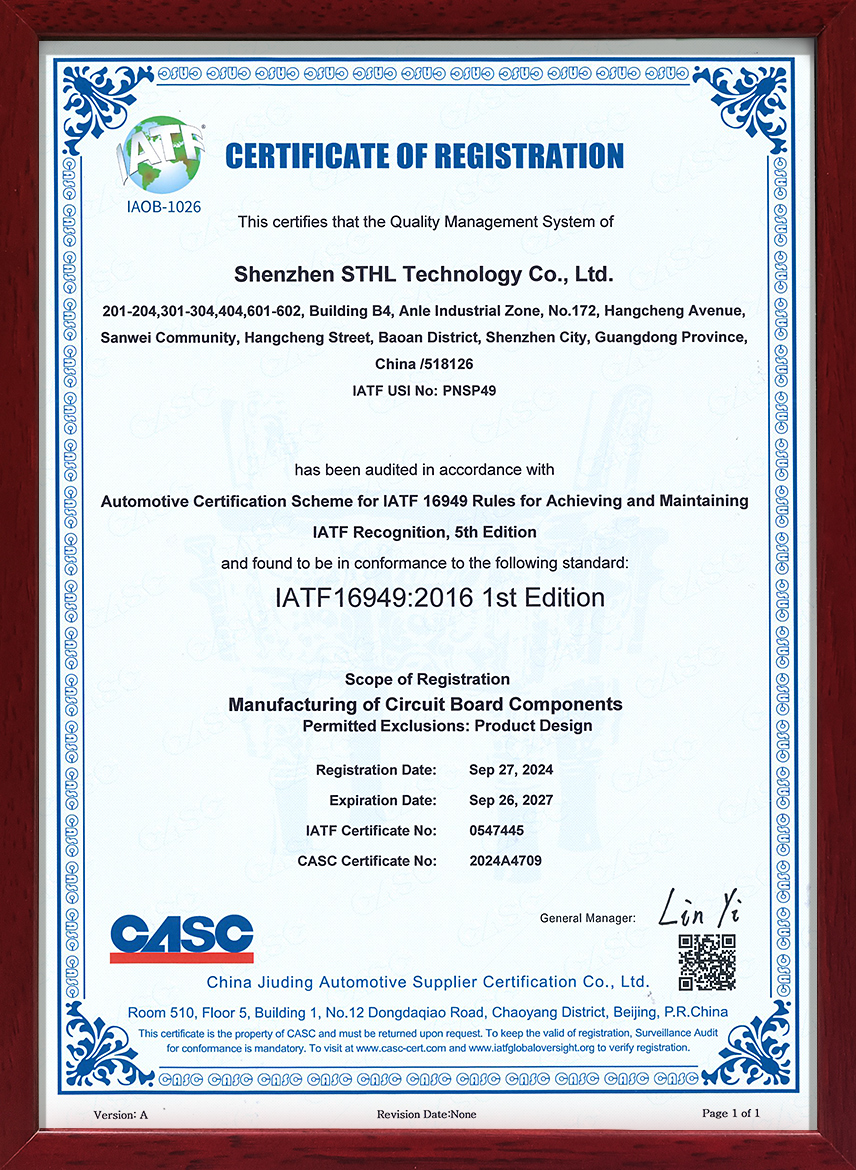
IATF 16949
Automotive Quality Management
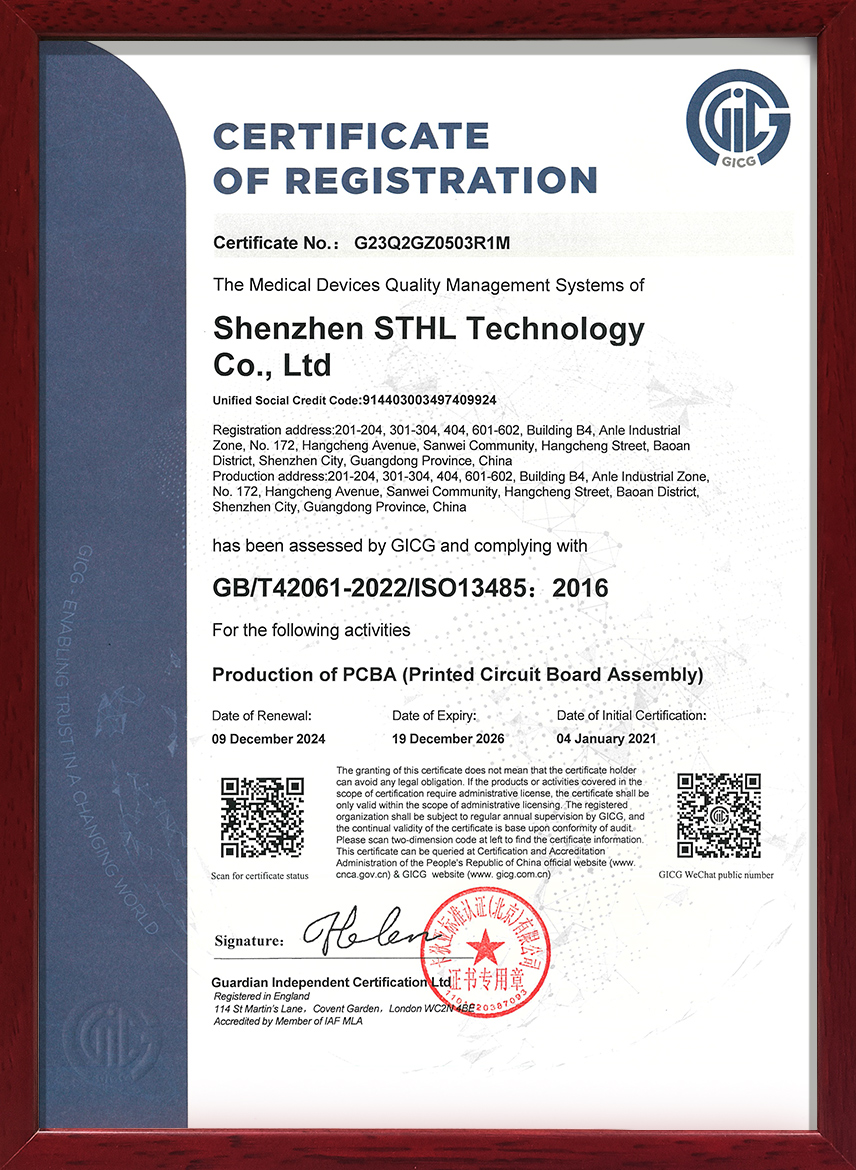
ISO 13485
Medical Devices Quality Management
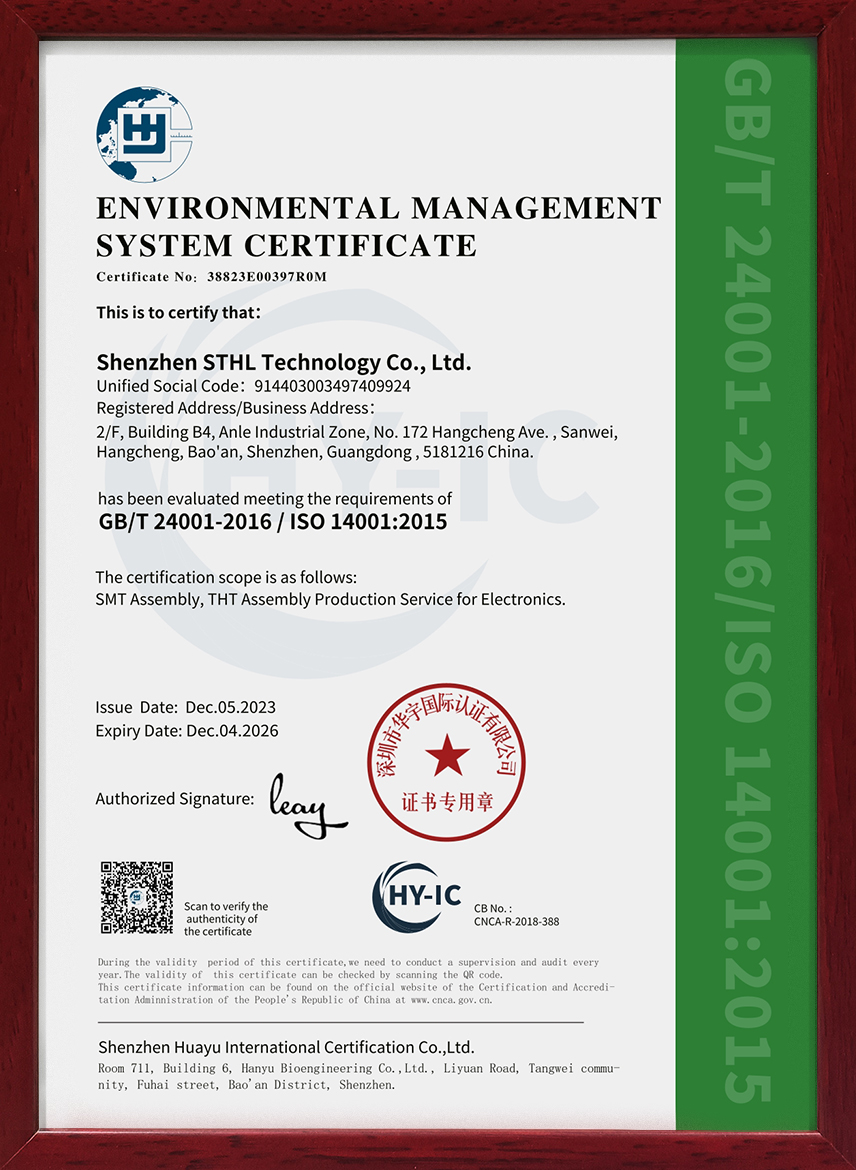
ISO 14001
Environmental Management System
IP, NDA and Data Control
Medical designs may include proprietary firmware, test limits, calibration procedures and clinical requirements. The supplier should sign an NDA before RFQ, restrict data access, control engineering changes and retain records according to the agreed quality agreement.
Medical PCB Assembly France: Frequently Asked Questions
Straight answers to the questions French procurement, quality and engineering teams ask before choosing a medical PCB assembly manufacturer in China or evaluating a France-serving PCBA partner.
Can STHL provide medical PCB assembly for French medical device companies?
Yes. STHL supports medical, diagnostics, imaging, laboratory and healthcare device projects with PCB fabrication, component sourcing, SMT/THT assembly, programming, testing and box build. The company operates ISO 13485, ISO 9001, IATF 16949 and ISO 14001 systems. French customers should still complete their own supplier qualification and define the quality agreement, documentation package and regulatory responsibilities in writing.
What files are needed to quote a medical PCBA project?
Send Gerber files, a BOM with manufacturer part numbers, the pick-and-place or centroid file, assembly drawings and any approved alternate parts. If IC programming, conformal coating or functional testing is required, include firmware, test procedures and fixture requirements. An NDA can be signed before detailed design data is exchanged, and DFM/BOM review should happen before production starts.
Is there a minimum order quantity for medical PCB assembly?
STHL accepts prototype, low-volume, high-mix and volume PCB assembly orders. There is no fixed MOQ model for every project, but actual commercial minimums may depend on board complexity, component availability, test fixtures, programming and packaging requirements. This should be confirmed during RFQ.
How does STHL support EU MDR and ISO 13485 documentation expectations?
The PCBA supplier is not the legal manufacturer of the finished medical device, so EU MDR compliance remains the device manufacturer’s responsibility. STHL can support customer qualification through quality-system controls, lot traceability, inspection and test records, certificates of conformity, component documentation and change communication. The scope of documentation should be agreed before production.
Can STHL source all electronic components for a medical BOM?
STHL offers full turnkey, partial turnkey and consigned assembly. Its sourcing network includes 100+ agents and suppliers and more than 500,000 part numbers. For medical projects, buyers should agree an approved vendor list, alternate-part policy, counterfeit-avoidance requirements, moisture-sensitive device control and traceability expectations.
How are design files and intellectual property protected?
An NDA can be signed before RFQ. Project data should be restricted to the assigned engineering team, and every build can be tracked through ERP and MES systems. French customers should also specify data-retention, access-control and change-notification requirements in the supplier agreement.
Can French customers audit or visit the STHL factory?
Yes. Factory visits and audit discussions are welcome. A remote review may start with a 360° virtual factory tour, followed by a formal on-site audit of SMT, THT, testing, material preparation and warehouse areas before volume release.
How are shipments to France handled?
Shipment terms should be agreed during RFQ. French buyers typically discuss Incoterms, export documentation, HS codes, import VAT, customs brokerage and whether a European distribution buffer is needed. The supplier should provide commercial invoices, packing lists and relevant conformity documents in the agreed format.
What lead-time factors matter most for a France medical PCBA project?
Lead time is driven by PCB fabrication, component availability, BOM approvals, test-fixture design, programming, conformal coating, inspection requirements and shipping. A project with long-lead-time medical components or new test fixtures needs earlier planning than a mature repeat order. DFM and BOM review should happen before promise-date commitment.
Can STHL support low-volume clinical builds and later scale up?
Yes. The manufacturing model is designed for prototype, low-volume and high-volume work. For medical projects, the key is to lock the process route, test coverage, material approvals and documentation early so that a clinical build can later scale without silent changes. Repeat orders should follow the same approved change-control path.
What quality inspections are available for medical PCBAs?
Available inspections include AOI, X-ray, ICT and functional testing, supported by incoming component inspection and lot traceability. Medical projects may also require conformal coating inspection, programming verification, visual criteria, packaging checks and specific test reports. The exact inspection plan should be defined during NPI or RFQ.
How should a French OEM compare a local manufacturer with a China PCBA partner?
Compare total landed cost, quality evidence, regulatory support, engineering responsiveness, IP protection, logistics, lead time and business continuity. A local manufacturer may offer proximity and faster meetings; a China Factory 4.0 partner may offer component depth, cost efficiency and high-mix capacity. Many medical teams use a hybrid model: design and final device compliance in France, PCBA manufacturing and testing with an audited offshore partner.
More Medical PCB Assembly Programs for French Healthcare Applications
The final eight platforms cover patient monitoring, CT and digital X-ray imaging, biochemical analysis, MRI, infusion delivery, laboratory automation and body temperature monitoring. Each product title is localised for France-oriented search intent while the original product URL and image are preserved.
France Monitoring Program — Top 10 Pulse Oximeter PCB Assembly--STHL Company, Solutions
View France Medical PCBA Solution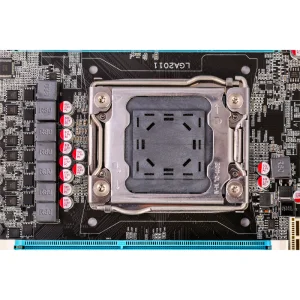
France Imaging Program — Top 10 CT Scanner PCB Assembly--STHL Supplier, Partner
View France Medical PCBA Solution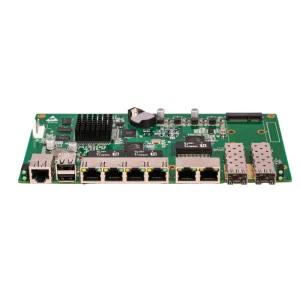
France Radiology Program — China Digital X-ray Machine PCB Assembly--STHL Manufacturer, Partner
View France Medical PCBA Solution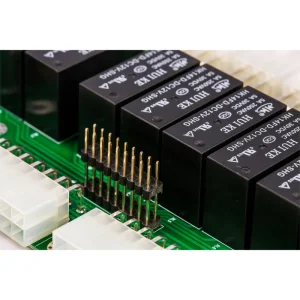
France IVD Program — One-Stop Biochemical Analyzer PCB Assembly--STHL Manufacturer, Factory
View France Medical PCBA Solution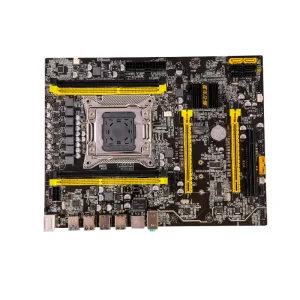
France Imaging Program — Reliable MRI Imaging System PCB Assembly--STHL Factory, Company
View France Medical PCBA Solution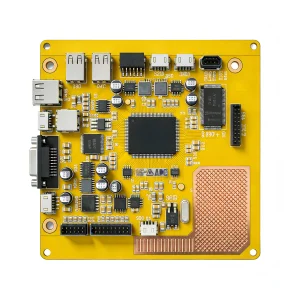
France Drug Delivery Program — China Leading Infusion Pump PCB Assembly--STHL Supplier, from China
View France Medical PCBA Solution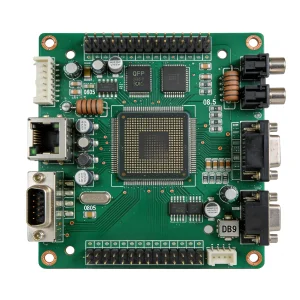
France Laboratory Program — Top 10 Laboratory Automation Equipment PCB Assembly--STHL Manufacturers, Factories
View France Medical PCBA Solution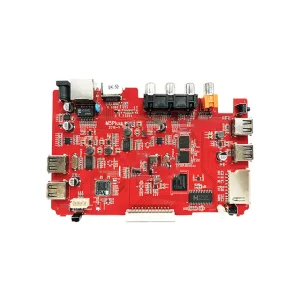
France Patient Monitoring Program — Certified Body Temperature Monitor PCB Assembly--STHL Partner, Factories
View France Medical PCBA SolutionPlanning a Medical PCBA Build for the French Market?
Send your Gerber, BOM, centroid file, test requirements and target schedule. STHL can review the project under NDA, identify component and DFM risk, and propose a medical PCBA route covering fabrication, sourcing, SMT/THT assembly, programming, testing and box build.