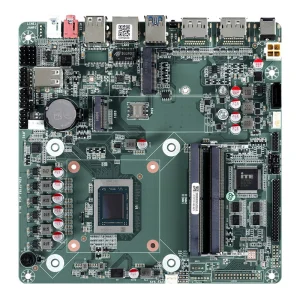

Priority Medical PCBA Platforms
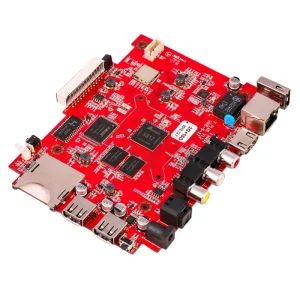
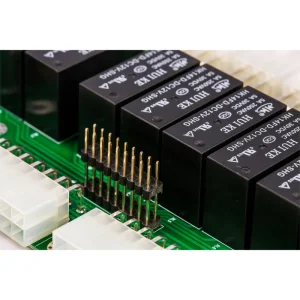
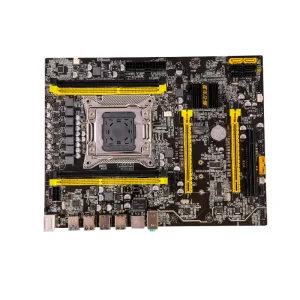
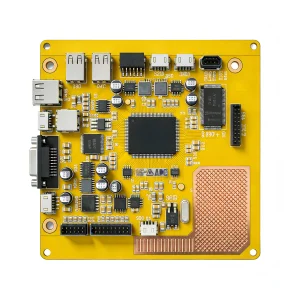
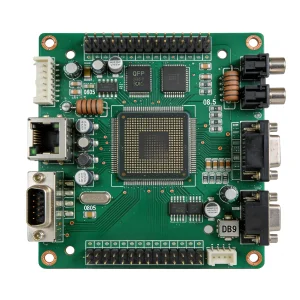
Four Medical PCB Assembly Platforms for Uzbekistan Clinical Programs
These four platforms are frequently shortlisted by procurement teams searching for a Medical PCB Assembly Manufacturer & Company for Uzbekistan. Each product URL is retained so engineering teams can request drawings, process controls and quotations without losing the original STHL product reference.
Uzbekistan Market Intelligence
Medical PCB Assembly in Uzbekistan: Where Clinical Reliability Meets Local Market Reality
Uzbekistan is no longer only an import market for healthcare equipment. Public health modernization, digital health programs, local assembly initiatives and procurement reform are creating a more sophisticated demand for medical PCB assembly that combines global quality systems with locally usable documentation, logistics and supplier accountability.
For a Medical PCB Assembly Manufacturer & Company for Uzbekistan, the commercial question is not simply “Can you assemble a board?” The real question is whether the supplier can support a healthcare product through design review, component traceability, verification testing, import documentation and repeat production while remaining responsive to Uzbekistan’s procurement cycles and regional service needs.
Uzbekistan’s healthcare system is expanding primary care, diagnostic capacity and digital infrastructure. This creates demand for blood pressure monitors, ECG systems, pulse oximeters, portable ultrasound devices, infusion pumps, laboratory automation equipment and imaging electronics. At the same time, hospitals and distributors increasingly expect suppliers to understand national registration files, customs documentation and long-term spare-part availability rather than treating Central Asia as a generic export destination.
STHL’s role is to reduce the gap between a medical device design team and a production-ready PCB assembly. For Uzbekistan-focused projects, that means ISO 13485-aligned process control, IPC-A-610 Class 3 workmanship expectations, BOM risk screening and export-ready traceability, supported by Shenzhen-based engineering and a global sourcing team.
Procurement teams searching for a medical PCBA partner for Uzbekistan usually have four intent clusters: supplier qualification, regulatory and documentation readiness, prototype-to-volume scalability, and local field support. A supplier that answers only the first cluster is easy to find. A supplier that documents all four is a lower-risk partner for healthcare programs.
Local Demand Signals
- Primary care and rural telemedicine driving portable diagnostics.
- Hospital modernization increasing imaging and laboratory electronics.
- Local assembly initiatives requiring CKD/SKD documentation discipline.
- Public procurement demanding traceability and repeatable quality.
- Distributors seeking lower total cost without sacrificing compliance.
20+
Years in EMS & PCBA since 2006
10,000+
m² production facility
50+
Professional engineers
7SMT
SMT assembly lines
99.5%
On-time delivery target
99%
Qualified shipment rate
Global Medical Electronics Outlook
Global Medical PCB Assembly Trends That Affect Uzbekistan Procurement
Global medical electronics manufacturing is moving toward smaller devices, more distributed care, higher software content and stricter supply-chain evidence. Uzbekistan buyers benefit when their manufacturing partner can translate these trends into practical documentation and process controls, not marketing language.
Miniaturization & Wearables
Fine-pitch SMT, HDI, rigid-flex and low-power design are shifting medical devices closer to patients. Manufacturing partners must control ESD, cleanliness, stencil design and inspection resolution.
Point-of-Care Diagnostics
ECG, pulse oximetry, blood pressure and portable ultrasound platforms need stable analog performance, repeatable calibration support and documented test coverage.
Imaging & Laboratory Data
CT, MRI, digital X-ray and biochemical analyzers depend on high-density boards, thermal management and robust signal integrity. Traceability becomes part of clinical risk management.
Regulatory Evidence
ISO 13485, IEC 60601, ISO 14971 risk files and UDI expectations push OEMs to request lot traceability, change notification and controlled documentation from EMS partners.
Supply-Chain Resilience
Post-pandemic sourcing strategies favor dual-approved components, incoming inspection, counterfeit mitigation and transparent alternates. This is especially important for long-life medical platforms.
Sustainability & Material Control
RoHS, REACH, conflict-minerals declarations and packaging waste expectations are becoming standard RFQ attachments for European and Central Asian healthcare buyers.
Localized Support & Compliance
Localized Support and Compliance Assurance for Uzbekistan
Compliance is not a certificate hanging on a wall. For Uzbekistan projects, it is a working package of drawings, declarations, inspection records, traceability data and communication discipline that helps the local registration holder, importer and service team work from the same facts.
What “Localized Support” Means in Practice
STHL supports Uzbekistan-focused medical PCB assembly through English-language engineering communication, export packaging, BOM and DFM review, documentation preparation and scalable production controls. The final medical device registration remains the responsibility of the local registration holder, but the manufacturing evidence should be complete, consistent and easy to review.
| Compliance Area | Practical Support for Uzbekistan Projects | Buyer Benefit |
|---|---|---|
| Quality system | ISO 13485-aligned process control; ISO 9001, IATF 16949, ISO 14001 systems | Confidence in repeatability and corrective-action discipline |
| Workmanship | IPC-A-610 Class 3 expectations, J-STD-001 controls, AOI, X-ray, ICT and FCT options | Lower risk of latent solder, placement and functional defects |
| Traceability | Lot-level material records, reel-to-board mapping, date-code and change control | Faster audits, complaint investigation and recall containment |
| Materials | RoHS/REACH declarations, conflict-minerals statements, MSL and ESD controls | Cleaner import documentation and environmental compliance |
| Registration file | Manufacturing declarations, test reports, drawings, BOM and process summaries | More efficient review by local regulatory and procurement teams |
| Logistics | Export packing, labelling coordination, shipment documentation and spare-part planning | Better planning for Tashkent, Samarkand and regional distribution |
Uzbekistan follows national medical device and conformity pathways rather than relying automatically on other regional certificates. A serious supplier should therefore avoid claiming “Uzbekistan certification” without a local registration holder. Instead, ask for the manufacturing evidence that the local applicant can actually use.
Documentation Pack
- Certificate copies: ISO 13485, ISO 9001, IATF 16949, ISO 14001.
- Lot traceability, inspection results and functional test summaries.
- Material declarations for RoHS, REACH and conflict minerals.
- Change notification and PCN workflow for approved medical BOMs.
- Packaging, label and shipment documentation support.
Commercial & Logistics Support
No MOQ, prototype-to-volume continuity, NDA before RFQ, export packaging and shipment coordination for Uzbekistan. For repeat programs, STHL can discuss forecast planning, safety stock and local distributor collaboration.
Send Inquiry Now
Localized Application Scenarios
Where Medical PCB Assembly Creates Value Across Uzbekistan
Uzbekistan’s clinical needs are not identical to those of Western Europe or North America. Dust, heat, transport vibration, voltage stability, maintenance distance and spare-part logistics should influence design reviews and manufacturing validation.
Primary Care & Rural Screening
Blood pressure monitors, pulse oximeters, ECG front ends and body temperature monitors require stable analog performance, low-power design and long service intervals for distributed clinics.
Hospital Imaging
CT, MRI and digital X-ray electronics demand high-density assembly, controlled impedance, thermal management and rigorous inspection coverage.
Emergency & Infusion Therapy
Infusion pumps and patient-monitoring boards require fail-safe design support, alarm-circuit reliability, verification testing and controlled component sourcing.
Laboratory Automation
Biochemical analyzers and lab automation equipment need precise motion control, sensor interfacing, cleanliness control and reliable batch traceability.
Portable Ultrasound & Maternal Care
Portable ultrasound platforms benefit from rigid-flex options, fine-pitch SMT, low-noise analog design and ruggedized enclosures for mobile clinics.
Public Health & Telemedicine
Connected diagnostics require secure firmware programming, stable communication modules and documented change control for multi-year public health programs.
Technical Roadmap & Future Outlook
Medical PCBA Technology Roadmap for Uzbekistan-Focused Healthcare Programs
The next generation of medical electronics in Central Asia will be judged by total lifecycle value: reliability in hot and dusty environments, secure supply of critical components, digital traceability and local service responsiveness. This roadmap is a practical planning framework for OEMs and distributors.
2026–2027: Design for Local Conditions
Review thermal margin, EMC, ESD, dust exposure and voltage fluctuation. Add conformal coating options and serviceable test points for regional maintenance teams.
2027–2028: Digital Traceability
Expand reel-to-board traceability, PCN workflows and electronic test records so Uzbekistan registration holders can answer audits and complaints faster.
2028–2029: Higher Density & Portability
Adopt HDI, rigid-flex and fine-pitch assembly for portable diagnostics, wearable monitoring and compact imaging modules with lower power budgets.
2029–2030: Resilient Local Ecosystems
Support CKD/SKD assembly, local box-build partnerships, spare-part pools and data-driven forecast planning for Uzbekistan and neighbouring markets.
Uzbekistan Medical PCBA Localization Readiness Matrix
Documentation readinessHigh priority
Traceability & change controlCritical
Prototype-to-volume scalabilityHigh
Spare-part & lifecycle planningImportant
Future-Facing Procurement Questions
- Can the supplier show component lifecycle risk before production?
- Will the same process and traceability remain after scale-up?
- Can test records be linked to serial numbers or lots?
- Is there a documented route for EOL and last-time buys?
- Can local assembly partners receive controlled kits and documentation?
Macro Industry Solutions
From Gerber to Box Build: Medical PCBA Manufacturing for Uzbekistan Programs
STHL’s vertical integration reduces hand-offs between PCB fabrication, component sourcing, SMT/THT assembly, testing and final assembly. For medical programs, fewer hand-offs usually mean clearer accountability and faster corrective action.

Electronic Components Procurement
Full or partial turnkey sourcing through 100+ agents and suppliers, BOM scrubbing, alternate-part recommendations and reel-level traceability.
Learn More
PCB Fabrication
Rigid, flex, rigid-flex, HDI, aluminum, Rogers, ceramic, heavy-copper and high-Tg boards built to the stack-up required by the medical device.
Learn More
SMT & THT PCB Assembly
7 SMT lines and 2 DIP/THT lines for prototypes, low-volume builds and serial medical production, supported by AOI, X-ray, ICT and FCT options.
Learn More
Value-Added Services
PCB layout, IC programming, conformal coating, cable assembly, enclosure integration, functional testing and box build assembly.
Learn More01
DFM & BOM Review
Engineers check Gerber, BOM, centroid data, footprints and end-of-life risk before material is ordered.
02
Component Sourcing
Approved sourcing channels, incoming inspection, MSL control and traceability from reel to finished board.
03
PCB Fabrication
Bare boards are produced to the required stack-up, surface finish, impedance and reliability class.
04
Assembly & Testing
SMT/THT assembly, AOI, X-ray, ICT, functional testing, programming and conformal coating where required.
Information gain: for Uzbekistan projects, STHL recommends adding a “transport and storage validation” review to the normal DFM checklist. Heat exposure, dust ingress, long transport routes and regional power quality can affect electronics that pass laboratory testing but fail in field deployment.
Supplier Qualification
Why STHL Is a Practical Medical PCB Assembly Company for Uzbekistan
STHL combines certified manufacturing systems with engineering support and global sourcing. The goal is not simply the lowest unit price; it is lower total risk across design, qualification, importation and repeat production.
Shenzhen STHL Electronics Co., Ltd. at a Glance
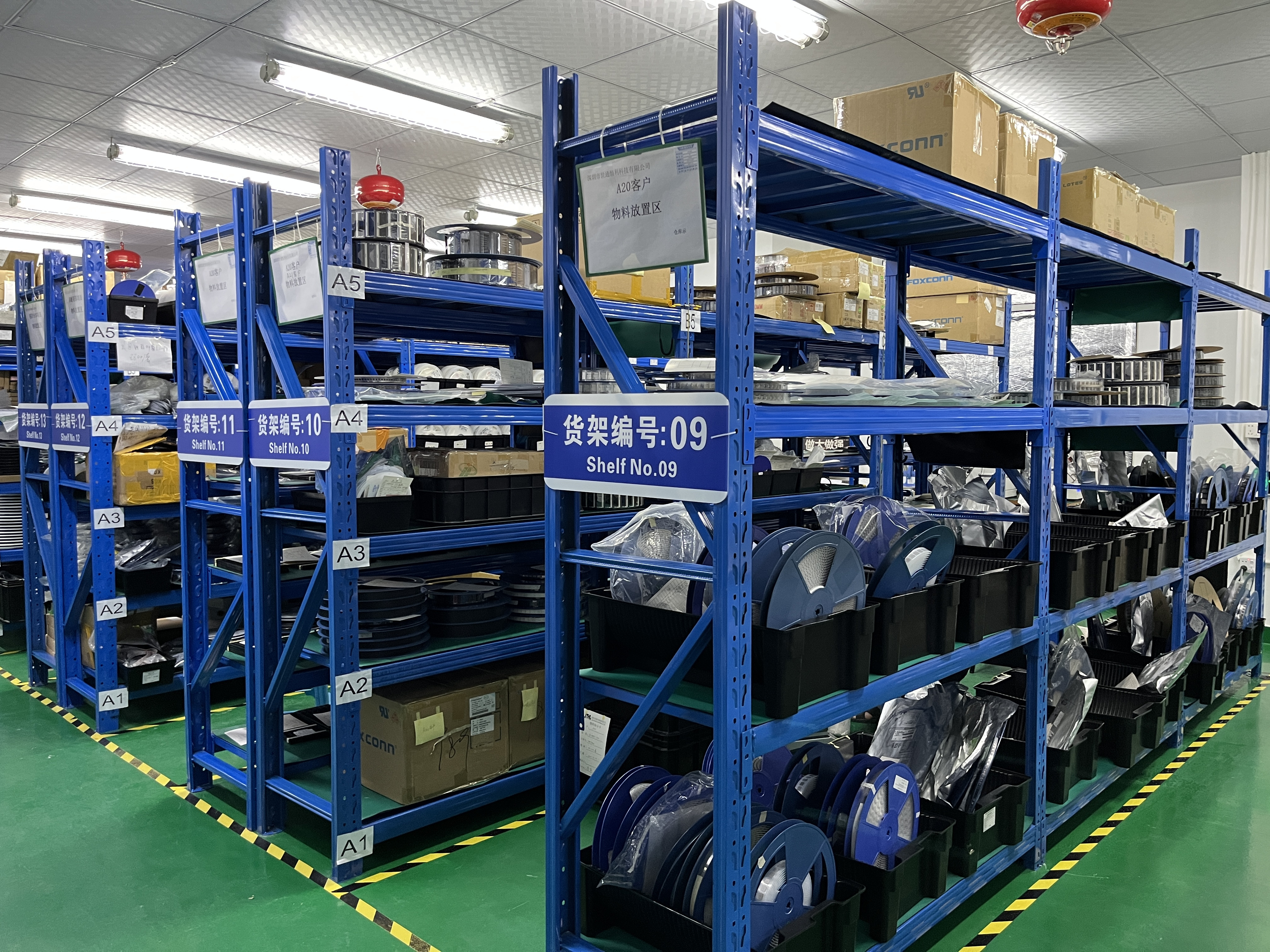
Founded in 2006, STHL is a certified EMS and ODM provider in Shenzhen, China. The company supports PCB layout, component sourcing, PCB fabrication, SMT/THT assembly, cable assembly, box build and full testing. Its 10,000+ m² facility and 220+ staff, including 50+ engineers, serve OEMs in 90+ regions.
For Uzbekistan-focused medical programs, STHL can act as a single accountable manufacturing partner while providing the documentation package that local importers and registration holders need for supplier qualification.
- IATF 16949, ISO 9001, ISO 14001 and ISO 13485 certified systems.
- NDA before RFQ and restricted project-data access.
- No MOQ for prototype and low-volume medical PCB assembly.
- ERP and MES-based production tracking and lot traceability.
- Factory audits and remote 360° VR factory evaluation available.
 ▶

Dust-Free Smart Factory
10,000+ m² highly automated production space with controlled processes.

20 Years of Experience
Proven EMS know-how across PCB and PCBA since 2006.

Global Sourcing
500,000+ part numbers through 100+ agents and suppliers.

Fully Certified
IATF 16949, ISO 9001, ISO 14001 and ISO 13485 systems.

ERP & MES Tracking
Real-time production status and lot traceability.

Cost-Down Engineering
DFM and BOM optimisation by the engineering team.

No MOQ
Prototype and large-quantity orders both welcome.

NDA Before RFQ
Design data and IP are protected from day one.

Fast Delivery
99.5% on-time delivery target across global shipments.
Certified Quality Systems
Certifications and Quality Assurance for Medical PCBA Buyers
Independent certification supports supplier qualification, but the buyer should still verify scope, validity and process fit. Click any certificate preview to open the original full-size image.

ISO 9001
Quality Management System

IATF 16949
Automotive Quality Management

ISO 13485
Medical Devices Quality Management

ISO 14001
Environmental Management System
Client Feedback & Factory Insight
What Engineers and Buyers Value in a Medical PCBA Partner
Experienced buyers look beyond quotations. They evaluate communication speed, documentation quality, build consistency and how a supplier reacts when a question becomes technical.
“Excellent team to work with and fast delivery with high-quality boards. We are very happy to work with such a good supplier.”

PauloR&D Engineer · United States
“Please extend my thanks to your team for your hard work in preparing these samples. This positive experience has strengthened my confidence in your company.”

OliviaHardware Engineer · Germany
“We are satisfied with the last order. You did a great job on those boards and the lead time was short. I will place a new order soon.”

WilliamCEO · Italy
“Exciting! Very fast delivery, a professional supplier and a professional product. We will place a new order very soon!”

SohiabHardware Engineer · Turkey



Q&A / FAQ
Medical PCB Assembly for Uzbekistan: Frequently Asked Questions
These answers reflect the questions procurement, quality and engineering teams usually ask when evaluating an overseas medical PCBA manufacturer for Uzbekistan projects.
What is medical PCB assembly and why does it matter for Uzbekistan?
Medical PCB assembly is the controlled manufacturing of printed circuit boards used in diagnostic, monitoring, therapeutic and laboratory devices. For Uzbekistan, it matters because healthcare modernization depends on reliable devices, documented quality and long-term spare-part availability. A low-cost board that fails in a rural clinic or a hospital imaging suite creates much higher lifecycle cost than a properly controlled assembly.
Can STHL supply medical PCBA to Uzbekistan-based OEMs, distributors and local assembly partners?
Yes. STHL supports direct OEM customers, distributors and local assembly partners with prototype, low-volume and serial production. The manufacturing file, BOM, test requirements and documentation package can be discussed before quotation. STHL does not replace the local registration holder, but can provide manufacturing evidence for qualification.
What documents should I prepare before requesting a medical PCBA quotation?
Prepare Gerber files, a BOM with manufacturer part numbers, the pick-and-place or centroid file, assembly drawings and any approved alternate parts. If the board requires IC programming, functional testing or conformal coating, include firmware, test procedures, coating areas and acceptance criteria. For medical programs, also share risk-control requirements, serialization needs and traceability expectations.
Which quality standards are relevant to medical PCB assembly?
Common expectations include ISO 13485-aligned process control, IPC-A-610 Class 3 workmanship for high-reliability products, J-STD-001 soldering controls, ESD control, lot traceability and RoHS/REACH material declarations. Depending on the final device, IEC 60601 safety and EMC requirements and ISO 14971 risk management may also affect design and verification decisions.
Does STHL support prototypes and low-volume medical PCB assembly without MOQ?
Yes. STHL accepts prototype, low-volume and high-volume assembly with no MOQ requirement. This allows Uzbekistan customers to validate a healthcare design, run clinical or engineering samples, and scale to repeat production using the same supplier and process controls.
How is component traceability handled for medical PCB assemblies?
STHL uses ERP and MES-supported production tracking, incoming inspection records and reel-to-board traceability where required. For medical projects, the quotation can specify lot records, date codes, serialization, test results and change-notification expectations. Buyers should define traceability requirements before production, not after shipment.
Can STHL help with Uzbekistan registration and import documentation?
STHL can provide manufacturing declarations, certificate copies, test reports, material declarations, drawings, BOM summaries and shipment documentation. Medical device registration in Uzbekistan should be handled by the local registration holder or authorized representative under national requirements. Buyers should verify the exact current pathway with their local regulatory consultant.
How do you protect design files and intellectual property?
STHL signs an NDA before RFQ, restricts project data to the assigned engineering and production team, and tracks builds through controlled ERP and MES systems. Customers can request confidentiality terms, document-control expectations and access limitations during supplier qualification.
Can we audit the factory or review the production line remotely?
Yes. Customers are welcome to visit the Shenzhen factory and R&D laboratory. A 360° virtual factory tour is also available for remote evaluation. For Uzbekistan buyers, a remote review can be combined with document checks, video walkthroughs and sample-build verification before serial production.
What is the best way to start a medical PCBA project for Uzbekistan?
Send your Gerber, BOM, centroid file, target quantity, test requirements and compliance expectations to STHL. The engineering team can review DFM and BOM risks, suggest alternates, clarify documentation needs and prepare a quotation. Use the inquiry button to start the discussion.
Talk to a Medical PCBA Engineer
[email protected] +86 135 1018 8049 WhatsApp: +86 135 1018 8049 Send Inquiry Now
Eight Further Medical PCBA Solutions
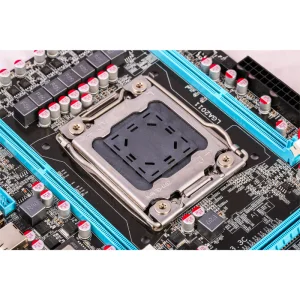
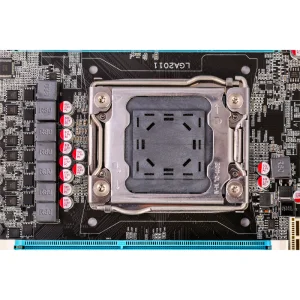
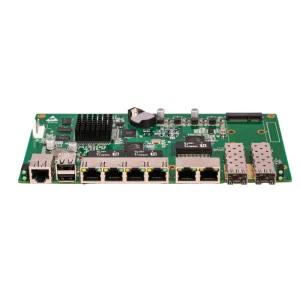
Eight Additional Medical PCB Assembly Products for Uzbekistan Healthcare Projects
These eight platforms complete STHL’s medical PCBA portfolio for Uzbekistan. The original product URLs are preserved; titles are localized for Uzbekistan search intent while the underlying product pages remain unchanged.
Planning a Medical PCBA Program for Uzbekistan?
Send your Gerber, BOM, test requirements and target quantity. STHL can review DFM, component risk, traceability needs and documentation expectations for your Uzbekistan healthcare project.
