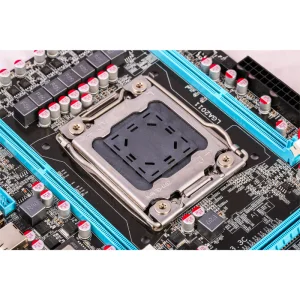
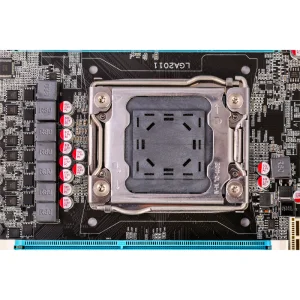
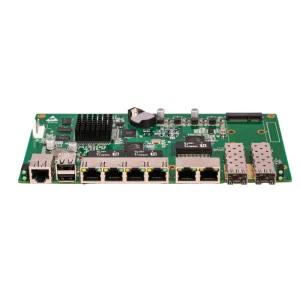
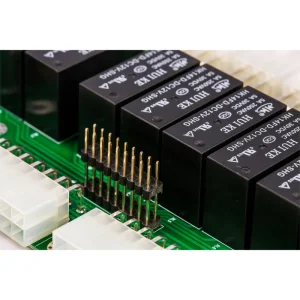
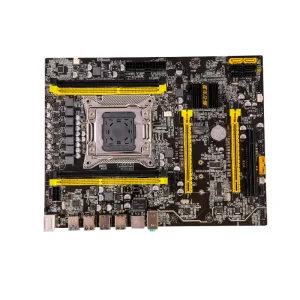
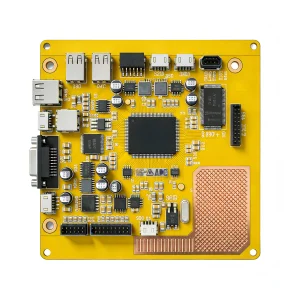
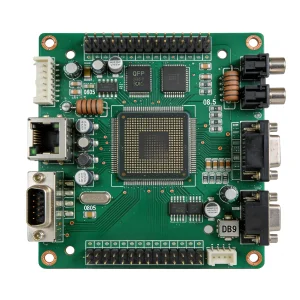
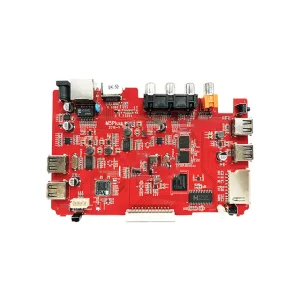
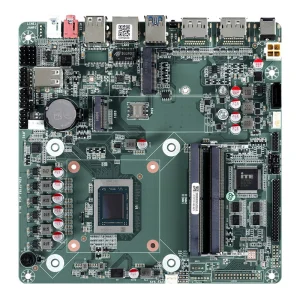
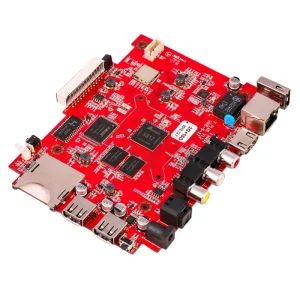
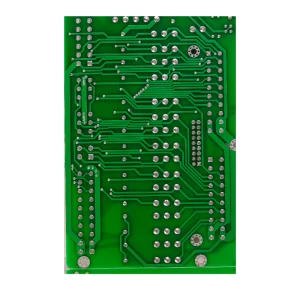
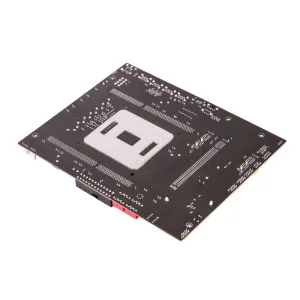
Four Austria-Ready Medical PCB Assembly Product Families
These original STHL medical PCBA product families are relevant to Austrian diagnostic, monitoring, imaging, laboratory and point-of-care device programs. Each platform can be adapted for Austrian OEM requirements, including MDR-aligned documentation support, serial traceability, functional test procedures and export packing.
Austria’s Medical Electronics Landscape: Why Local Relevance Matters
Austria is a demanding, engineering-led medical technology market. It combines globally active device companies, specialized SMEs, research-intensive universities, hospital engineering teams and a strong culture of clinical quality. For a medical PCB assembly factory, that means technical depth matters as much as production capacity.
Austria’s healthcare ecosystem is concentrated around centers such as Vienna, Graz, Linz, Salzburg and Innsbruck. Device developers often work in high-mix, low-to-medium-volume programs: newer diagnostic instruments, patient monitoring platforms, laboratory automation modules, portable ultrasound devices, infusion systems, imaging subassemblies and sensor-rich wearable products. Many of these programs are exported across the EU, which increases the need for consistent documentation, change control and lot traceability.
For Austrian procurement teams, the real question is not simply “Which factory can place components?” It is “Which supplier can provide stable process control, component risk management, engineering feedback and evidence pack support without slowing down product introduction?” Medical PCB assembly is a regulated production activity. A missing change notification, an unapproved alternate component or an incomplete test record can create months of revalidation work. STHL’s Austria-focused support model is built around these practical procurement risks.
Local commercial relevance also matters because Austrian buyers often coordinate with German-speaking customers, EU notified bodies, clinical partners and logistics providers. English project management is essential, but so is the ability to prepare structured documentation that can be routed through an EU authorized representative, distributor or legal manufacturer. This is where information gain becomes a competitive advantage: not just a certificate image, but a clear explanation of how the factory controls BOM, assembly, test, traceability and change notification.
High-Mix MedTech Programs
Austrian device teams often need prototype, pilot and serial production from one controlled supplier. STHL supports low-volume flexibility with 7 SMT lines, 2 THT lines, functional test capability and engineering review before material commitment.
MDR/IVDR Documentation Pressure
EU MDR and IVDR increase the value of supplier evidence. STHL provides ISO 13485-controlled manufacturing records, lot traceability, material declarations, inspection reports and change control support for Austrian legal manufacturers.
Central European Logistics
Shipments to Vienna, Graz, Linz, Salzburg, Innsbruck and other Austrian destinations can be quoted with EXW or DDP options, export packing, commercial invoices, packing lists and compliance documents for efficient customs clearance.
Global OEM Procurement Demand: What Austrian Buyers Expect from a Medical PCBA Partner
Global medical device companies and Austrian SMEs are converging on a similar sourcing model: keep design ownership, clinical validation and regulatory responsibility close to the legal manufacturer, while using specialized manufacturing partners for PCB fabrication, component sourcing, assembly, testing and box build. The decision is no longer a simple “China or Europe” choice. It is a portfolio decision balanced by quality evidence, supply continuity, engineering responsiveness and total cost of ownership.
Medical procurement teams typically ask for more than a quotation. They ask for a supplier qualification pack. They want to know who owns the BOM, how obsolete components are handled, how moisture-sensitive devices are controlled, how serial numbers are tracked, how deviations are approved and how changes are communicated. These questions are especially important in Austria, where many device companies are small enough to need external manufacturing depth but large enough to be audited by hospital groups, distributors, notified bodies or international customers.
| Austrian Buyer Expectation | STHL Control Response | Typical Evidence |
|---|---|---|
| Certified quality system for medical electronics | ISO 13485, ISO 9001, IATF 16949 and ISO 14001 systems; RoHS-compliant assemblies; AOI, X-ray, ICT and functional testing | Certificate copies, control plan, inspection reports, first article inspection, test logs |
| Traceability from component reel to finished board | ERP and MES tracking, incoming inspection, lot controls and reel-level material traceability | Lot reports, device history record support, material traceability summary |
| BOM resilience and component risk reduction | 100+ agents and suppliers covering 500,000+ part numbers; alternate-part suggestions; DFM/BOM review before material commitment | BOM risk report, approved alternate list, change notification workflow |
| Delivery reliability to Austria and the EU | Export packaging, commercial invoice, packing list, compliance declarations and EXW/DDP shipment options | Shipping documents, certificate of conformity, packing records |
| NPI speed without uncontrolled changes | 50+ engineers, in-house R&D laboratory, prototype and low-volume support, no MOQ for prototypes | DFM report, FAI report, test procedure, sample approval record |
For Austrian buyers, a strong medical PCB assembly factory should also be fluent in total cost of ownership. A low unit price can hide redesign loops, excess inventory, delayed test fixtures, repeat qualification or customs delays. STHL’s engineering-led approach focuses on reducing those hidden costs through early manufacturability review, controlled sourcing and documentation readiness.
Medical PCB Assembly Trends Reshaping Austrian Device Programs
Medical electronics in Austria is moving toward smaller devices, more connected care, stronger cybersecurity expectations and tighter supplier traceability. These trends influence PCB design, assembly process control and procurement documentation.
Miniaturization and High-Density Boards
Portable diagnostics, wearables and handheld monitoring devices continue to shrink. Fine-pitch components, BGA packages, rigid-flex structures and HDI boards require controlled SMT assembly, X-ray inspection and careful stencil/printing development.
Digital Health and Connected Devices
Connected medical equipment creates demand for reliable RF sections, sensor interfaces, low-power design and secure firmware programming. Assembly partners must support IC programming, functional test and serialized traceability.
Supply Resilience and Component Engineering
Medical programs cannot stop when a component goes end-of-life. BOM scrubbing, alternate-part validation, approved vendor control and PCN monitoring are now core procurement capabilities, not side services.
AI-Assisted Inspection and Traceability
AOI, X-ray and test data are increasingly connected. The future factory uses data to detect drift earlier, link test results to serial numbers and generate audit-ready records faster.
Sustainability and Material Compliance
RoHS, REACH, WEEE and customer-specific environmental requirements affect material selection and documentation. Austrian OEMs increasingly expect suppliers to provide clear declarations and controlled packaging decisions.
Regulatory Convergence and Evidence
EU MDR and IVDR have raised the bar for supplier evidence. Documentation quality, change notification and lot consistency are now part of commercial competitiveness.
Technology Roadmap and Future Outlook for Medical PCBA in Austria
A medical PCB assembly roadmap should be practical, not decorative. Austrian device programs need a supplier that can introduce advanced processes without disrupting existing validations. The following roadmap reflects how STHL supports the next generation of medical electronics.
2025–2026: NPI Acceleration
Earlier DFM/BOM review, faster engineering feedback, prototype assembly, test fixture planning and controlled sample approval for Austrian startups and established OEMs.
2026–2027: HDI and Rigid-Flex
More miniaturized medical modules will use fine-pitch SMT, HDI, rigid-flex, sensor integration and conformal coating. Process windows must be validated without weakening traceability.
2027–2028: Digital Thread
ERP/MES integration, serialized test data, AOI/X-ray records and supplier change alerts will become a stronger differentiator for regulated medical PCBA procurement.
2028+: Sustainable Manufacturing
Material declarations, energy-aware production, recyclable packaging and lower-waste SMT processes will increasingly influence supplier scorecards for European healthcare customers.
The future outlook is not about replacing the legal manufacturer’s responsibility. It is about giving Austrian medical device teams a manufacturing partner that can produce clear, auditable evidence while remaining flexible enough for design iterations, component changes and changing clinical requirements.
Macro Industry Solutions: Turnkey Medical PCB Assembly from NPI to Serial Production
STHL combines component procurement, PCB fabrication, SMT and THT assembly, testing, cable assembly, box build and conformal coating into one controlled workflow. For Austrian medical programs, this reduces supplier interfaces and improves accountability from prototype to serial supply.

Electronic Components Procurement
Full or partial turnkey sourcing through 100+ agents and suppliers, BOM scrubbing, alternate-part suggestions and reel-level traceability for medical electronics.
Learn More
PCB Fabrication
Standard, prototype, aluminum, flexible, rigid-flex, HDI, Rogers, ceramic, heavy-copper, high-Tg and halogen-free boards built to your stack-up.
Learn More
SMT & THT PCB Assembly
Prototype, low-volume and high-volume assembly including fine-pitch, BGA and mixed-technology boards, verified by AOI and X-ray inspection.
Learn More
Value-Added Services
PCB layout and design, IC programming, ICT and functional testing, conformal coating, cable and wire harness, and complete box build assembly.
Learn More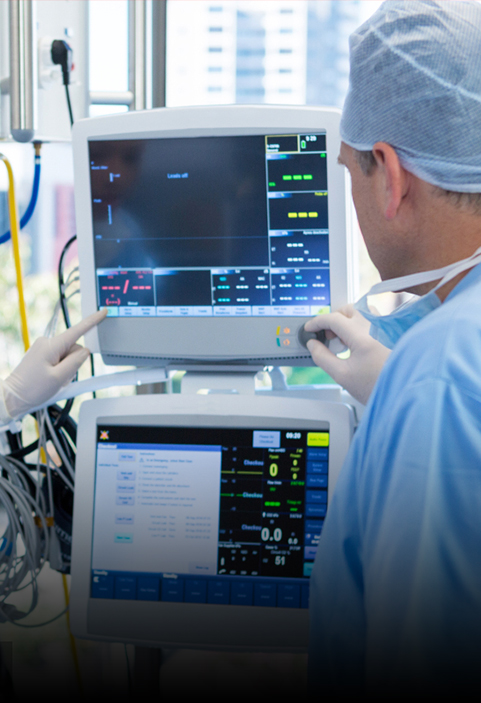
Medical & Healthcare
ISO 13485-controlled assembly for monitoring, diagnostic, imaging and wearable devices with lot traceability and documentation support.

Automotive Electronics
IATF 16949 processes for control modules, lighting and charging electronics that must survive heat, vibration and long service life.
Computer & Storage
High-density, BGA-rich boards for computing, storage and peripherals, verified by X-ray inspection and functional test.
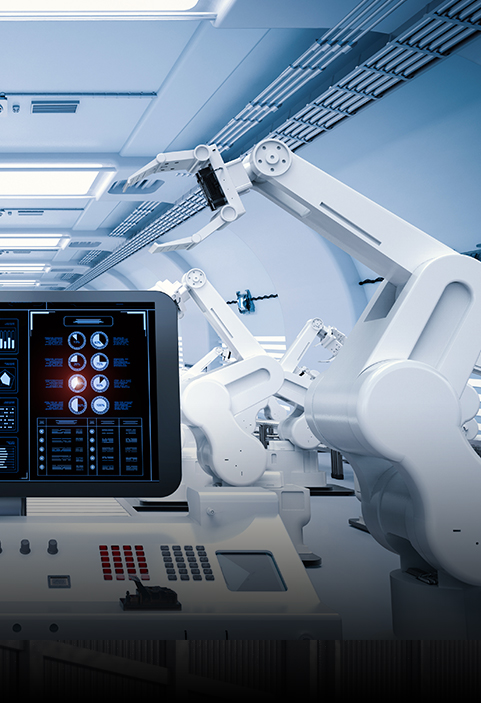
Industrial Control
Robust PCBAs for PLCs, motor drives and automation equipment, with conformal coating and long-life component options.
Localized Support and EU Compliance Assurance for Austrian Medical Device Teams
Austrian medical device companies operate under EU MDR 2017/745 or IVDR 2017/746 depending on product classification. STHL does not replace the legal manufacturer, but a well-prepared manufacturing partner can make compliance work faster and more predictable.
Compliance Evidence Support
- ISO 13485-controlled production and DHR support
- IEC 60601-1 assembly and test support without replacing certification bodies
- ISO 14971 risk documentation collaboration where required
- RoHS 2011/65/EU and REACH declarations
- Conflict minerals, UDI support and change notification
- NDA before RFQ and restricted project data access
Austria-Oriented Collaboration
- English-speaking project management with CET-friendly communication windows
- German-language documentation routing support through your EU representative or translation partner
- DFM, BOM and testability review before material commitment
- EXW or DDP quotations for Vienna, Graz, Linz, Salzburg and Innsbruck
- Serial number and lot traceability for audit and service operations
- Prototype, pilot build and serial production under one supplier workflow
For Austrian device teams, a key benefit is documentation readiness. The factory should be able to explain its process controls clearly, provide records that match the legal manufacturer’s quality agreement and respond to change requests without ambiguity. This level of transparency is more valuable than a generic certificate wall, because it directly supports supplier qualification and technical file maintenance.
Technical Route: Six Controlled Steps from Gerber to Austrian Receiving Dock
Knowing what happens after you place a purchase order removes surprises. This is how every STHL medical PCBA project moves through our factory, with engineering checks and documentation gates before shipment.
DFM & BOM Review
Engineers check Gerber, BOM and centroid data for manufacturability, footprint errors, end-of-life parts and testability before any material is ordered.
Component Sourcing
Parts are purchased through 100+ agents and suppliers, then pass incoming inspection and moisture-sensitive device control with reel-level traceability.
PCB Fabrication
Bare boards are produced to your stack-up, surface finish and impedance requirements, from single-layer to HDI and rigid-flex.
SMT & THT Assembly
7 SMT lines and 2 DIP/THT lines handle fine-pitch, BGA and mixed-technology boards for prototypes and mass production.
Inspection & Testing
AOI, X-ray, ICT and functional tests, plus IC programming and conformal coating, with results logged in our MES for audit support.
Box Build & Delivery
Cable assembly, enclosure integration and ESD-safe packaging, shipped to customers in 90+ countries and regions with export documentation.
Why Austrian OEMs Choose STHL as a Medical PCBA Factory
Shenzhen STHL Electronics Co., Ltd. is a certified electronics manufacturing services and ODM provider founded in 2006. We help hardware teams in the USA, Germany, Italy, the UK, Poland, New Zealand, Brazil and 90+ other regions move from schematic to shipped product—PCB layout, component sourcing, PCB fabrication, SMT/THT assembly, cable assembly, box build and full testing in one factory.

Our 220+ staff, including 50+ engineers, run a 10,000 m² facility with an in-house R&D laboratory for design verification and prototype testing. Every build is RoHS-compliant and controlled under IATF 16949, ISO 9001, ISO 14001 and ISO 13485 systems. Factory visits and audits are welcome at any time.
- 7 SMT assembly lines and 2 DIP/THT lines
- 2 functional test lines and 2 box build lines
- AOI, X-Ray, ICT and FCT inspection capability
- ERP and MES tracking with lot traceability
- No MOQ for prototypes; NDA before RFQ

Dust-Free Smart Factory
10,000+ m² highly automated production space for controlled medical electronics assembly.

20 Years of Experience
Proven know-how across PCB and PCBA since 2006 for global OEM programs.

Global Sourcing
500k+ parts via 100+ agents and suppliers, with alternate-part engineering support.

Fully Certified
IATF 16949, ISO 9001, ISO 14001 and ISO 13485 systems with RoHS-compliant output.

ERP & MES Tracking
Real-time production status, lot traceability and audit-ready manufacturing records.

Cost-Down Engineering
DFM and BOM optimisation by our engineering team to reduce total cost of ownership.

No MOQ
Prototype and large-quantity orders both welcome, so validation and scale-up stay with one supplier.

NDA Before RFQ
Your design data and IP are protected from day one through restricted project access.

Fast Delivery
99.5% on-time delivery across global shipments, with export packing and customs documents.
Certified Quality Systems and Audit Evidence
Independent third-party audits confirm that our processes meet the requirements of automotive, medical and industrial customers. Click a certificate to view it in full size.

ISO 9001
Quality Management System

IATF 16949
Automotive Quality Management

ISO 13485
Medical Devices Quality Management

ISO 14001
Environmental Management System
Brand Customers and Component Sourcing Network
Long-term cooperation with global brands and established component distributors helps keep your BOM genuine, traceable and available. For Austrian medical programs, this supply-chain depth supports risk reduction and continuity planning.
Brand Customers



















Component Sourcing Channels












What Engineers & Buyers Say About STHL
Feedback from hardware engineers, designers and company owners across North America, Europe and beyond. For Austrian buyers, these references show the consistency of communication, delivery and quality that STHL aims to bring to medical PCBA programs.
“Excellent team to work with and fast delivery with high-quality boards. We are very happy to work with such a good supplier. Thanks again.”

“Please extend my thanks to your team for your hard work in preparing these samples. This positive experience has strengthened my confidence in your company, and I'm looking forward to discussing bulk orders in the near future.”

“We are satisfied with the last order. You did a great job on those boards and the lead time was short. I will place a new order soon.”

“The order was perfect — exactly as specified with top quality. Highly recommend this reliable supplier.”

“Exciting! Very fast delivery, a professional supplier and a professional product. We will place a new order very soon!”

“We have tested all the boards and I am highly pleased. I will repeat my order soon. Thank you again for your excellent service.”

“It's always a pleasure ordering. Very professional team and good quality — thanks for your great service.”

“Satisfied with the sample products delivered. Very good product, quick delivery and a good understanding of my requirements.”

“The supplier's professionalism is evident in their seamless communication, efficient processing and reliable service. They are a trustworthy and commendable partner.”

Medical PCBA Insights and Factory News for Austrian Buyers
Practical updates from our production floor—customer visits, traceability practices and what really drives PCBA lead time.
 Company NewsNov 4, 2026
STHL Hosts Two European Visitors for an Early-Stage Healthcare Electronics Concept Review and Factory Tour
Read more Factory VisitNov 9, 2026
STHL Hosts Two German Visitors for an SMT, THT and Material Preparation Walkthrough
Read more Tech UpdateNov 12, 2026
STHL PCBA Component Traceability: From Incoming Reel to Finished Board
Read more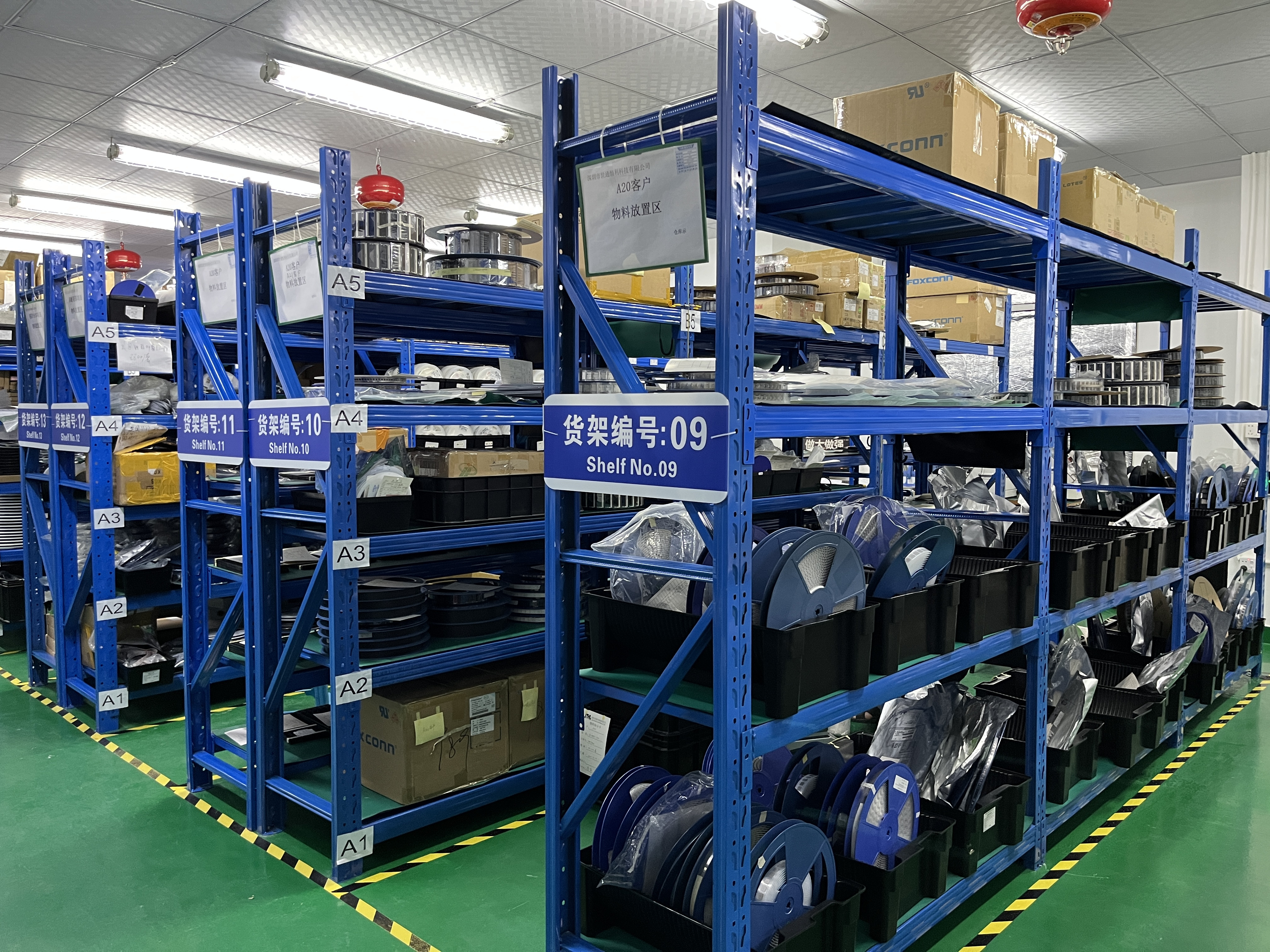 Industry NewsNov 10, 2026
PCBA Lead Time: Where the Days Go Between Purchase Order and Shipment
Read moreFrequently Asked Questions: Medical PCB Assembly Sourcing in Austria
Straight answers to the questions procurement and engineering teams ask before choosing a PCB assembly manufacturer in China for Austrian medical programs.
What files do I need to submit for a PCBA project?
Send Gerber files, a BOM with manufacturer part numbers, the pick-and-place (centroid) file and assembly drawings. If you need IC programming or functional testing, include firmware and test procedures. Our engineers complete a DFM and BOM review before production starts.
Is there a minimum order quantity (MOQ)?
No. STHL accepts prototype, low-volume and high-volume PCB assembly orders, so you can validate a design and scale to mass production with the same supplier.
Can STHL source all the electronic components?
Yes. We offer full turnkey, partial turnkey and consigned assembly. Our sourcing team works with 100+ agents and suppliers covering more than 500,000 part numbers, with incoming inspection and traceability from reel to finished board.
Which quality certifications does STHL hold?
STHL is certified to IATF 16949, ISO 9001, ISO 14001 and ISO 13485, and produces RoHS-compliant assemblies. Boards are verified with AOI, X-ray, ICT and functional testing.
How do you protect our design files and IP?
We sign an NDA before RFQ, restrict project data to the assigned engineering team and track every build through our ERP and MES systems.
Can we audit or visit the factory?
Yes. Customers are welcome to visit our Shenzhen factory and R&D laboratory at any time, and a 360-degree virtual factory tour is available for remote evaluation.
Do you support Austrian medical device companies with EU MDR technical documentation?
STHL supports the manufacturing evidence side of EU MDR readiness, including ISO 13485-controlled production records, lot traceability, inspection reports, material declarations and change notification. The legal manufacturer remains responsible for the technical file, clinical evaluation, risk management and CE marking.
How do you ship medical PCBAs to Austria?
We quote EXW or DDP options depending on your preference. Shipments can include commercial invoices, packing lists, certificates of conformity, material declarations and ESD-safe packaging. We regularly support international logistics to Austria and the wider EU.
Can STHL provide German-language support?
Project communication is typically in English, with CET-friendly scheduling for Austrian customers. German-language technical document routing can be arranged through your EU authorized representative, distributor or translation partner so the final documentation remains under your regulatory control.
What is the typical lead time for medical PCBA to Austria?
Lead time depends on PCB complexity, component availability, test scope and production capacity. After DFM/BOM review and material confirmation, STHL provides a project schedule covering fabrication, assembly, testing, documentation and shipping. Prototype and serial production can be coordinated under one workflow.
Talk to a Medical PCBA Engineer
Send drawings, BOM and test requirements for an Austria-specific medical PCBA review.
[email protected] +86 135 1018 8049 +86 755 8936 9123 WhatsApp: +86 135 1018 8049 Send Inquiry NowEight Additional Medical PCBA Platforms for Austrian Healthcare Programs
From pulse oximetry and CT imaging to laboratory automation, infusion pumps and body temperature monitoring, these eight original STHL medical PCBA product families support Austrian device programs across diagnosis, treatment, monitoring and clinical workflows.
Send Inquiry Now