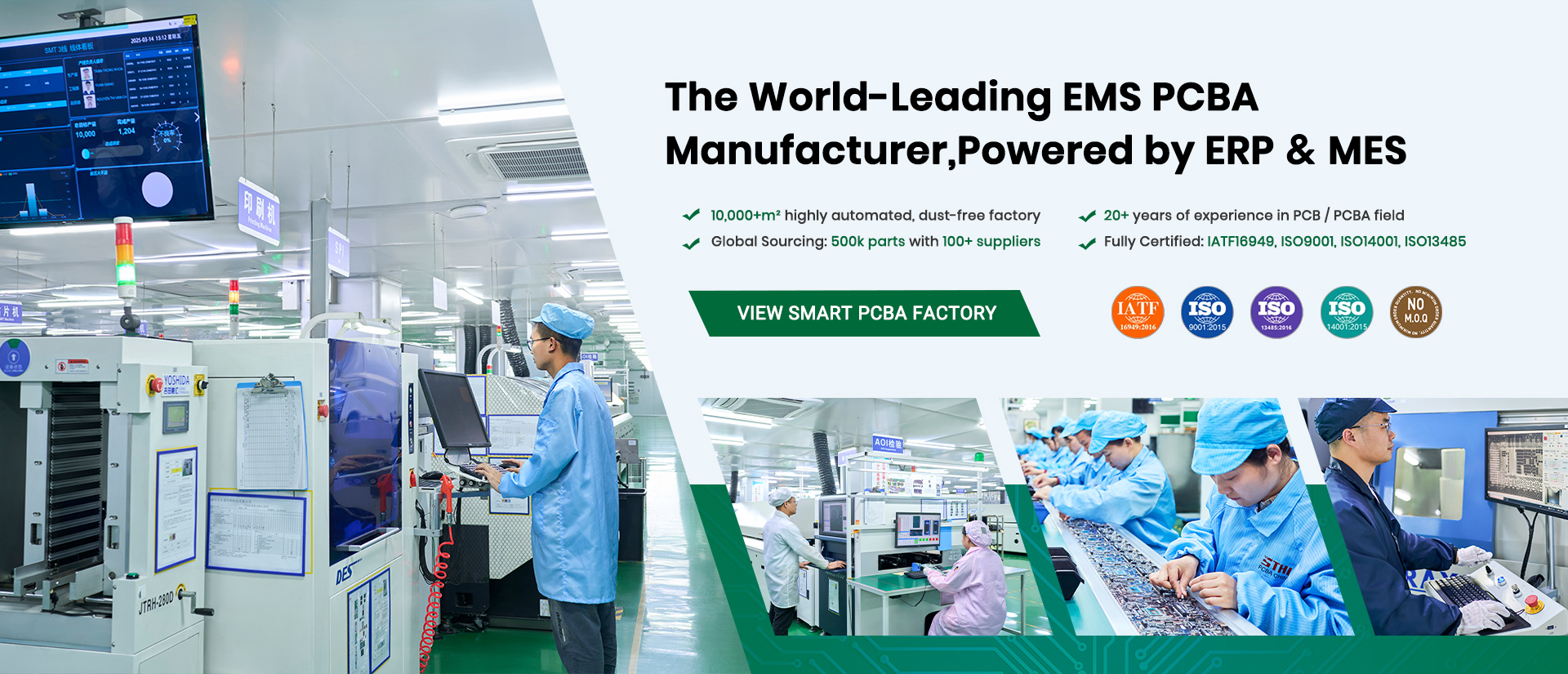
LED PCB Assembly Factory & Solutions in New Zealand
High-reliability LED PCB assembly for lighting brands, signage integrators, horticulture technology, transport displays and smart-building projects — engineered in Shenzhen, documented for New Zealand sourcing teams, and supported from prototype to repeat production.
Four Fast-Turn LED PCB Assembly Solutions for New Zealand Product Teams
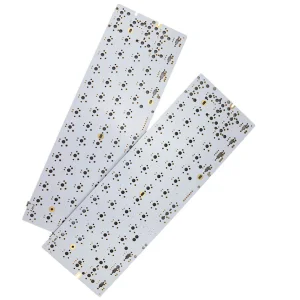
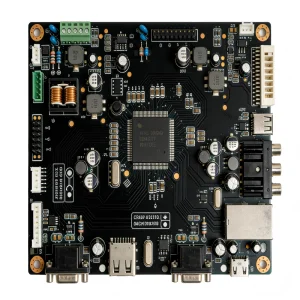
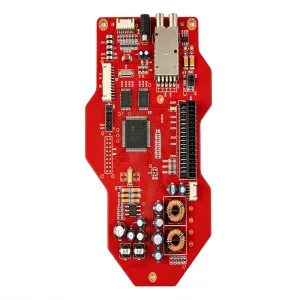
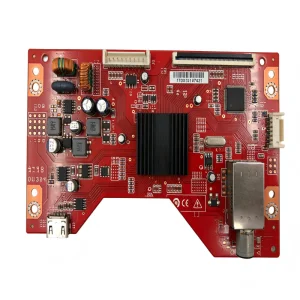
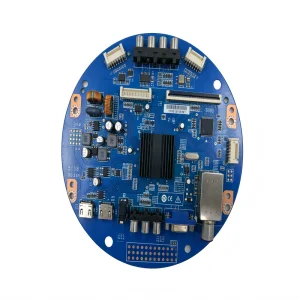
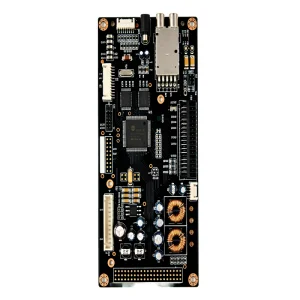
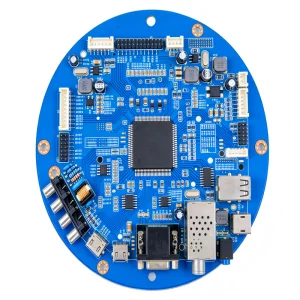
Start with the LED PCBA platform closest to your project. These four product families cover prototype validation, strip and tape lighting, architectural panel lighting and OEM light bars — each using the original STHL product URL for direct technical review.
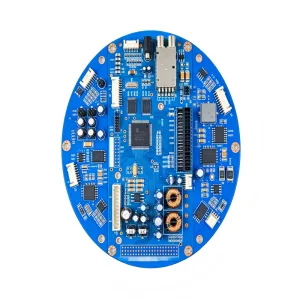
Why LED PCB Assembly in New Zealand Rewards Engineering Depth, Not Just Unit Price
New Zealand is a compact but demanding market for LED electronics. Its lighting sector is shaped by specialist lighting designers, electrical wholesalers, luminaire brands, installation contractors and project-based integrators serving commercial buildings, schools, healthcare facilities, transport infrastructure, tourism venues, horticulture and coastal residential developments. Local production volumes are usually lower than in the United States or Europe, so high-mix, low-volume LED PCBA manufacturing is often more valuable than a catalogue price list. A New Zealand buyer may need 20 prototype boards for a Wellington lighting trial, 500 boards for a hotel refurbishment, and repeat production for a nationwide retail rollout — all from the same controlled process.
Distance from Asian electronics clusters is a fact of life. Air freight can shorten the critical path for engineering samples, while sea freight supports production replenishment. The larger risk is not simply transit time; it is the cost of a late engineering change, an LED colour-bin mismatch, a component shortage discovered after PCB fabrication, or a driver/board combination that fails during site commissioning. For New Zealand brands, an LED PCB assembly partner must therefore combine factory automation with DFM review, BOM scrubbing, approved alternates, lot traceability and documentation that can be shared with electrical contractors, testing laboratories and end customers.
In practical terms, the buyer is not purchasing only a board. They are purchasing thermal headroom, optical consistency, ingress protection, surge tolerance, repeatability of the bill of materials, and confidence that a replacement batch behaves like the first. That is why searches such as LED PCB assembly New Zealand, LED PCBA manufacturer for New Zealand lighting brands and New Zealand LED strip PCB assembly increasingly reflect a need for an experienced manufacturing partner rather than a simple component quotation.
What New Zealand Buyers Typically Need to Verify
- LED bin, colour temperature and driver compatibility across production lots.
- Metal-core or high-Tg PCB construction matched to thermal load.
- Conformal coating, gasketing and IP strategy for coastal or humid sites.
- AOI, X-ray, ICT or functional test evidence before shipment.
- Approved alternates and PCN/EOL communication for long-life luminaires.
- Packaging and documentation suitable for local installation teams.
Where LED PCB Assembly Creates Commercial Value Across New Zealand
From Auckland commercial fit-outs to Canterbury horticulture and coastal infrastructure, the same LED PCBA must survive different thermal, moisture, optical and regulatory pressures. These are the application clusters where a specialist LED PCB assembly factory adds measurable value.
Architectural & Commercial Lighting
Office, hotel, retail and civic projects require consistent colour, dimming compatibility and thermal stability. LED PCB assembly can include aluminium substrates, high-density arrays, driver integration and test coverage that protects the luminaire brand at commissioning.
Horticulture & Agritech
LED grow-light boards need stable spectra, efficient thermal paths and resistance to warm, humid growing environments. New Zealand’s horticulture and controlled-environment agriculture sectors benefit from engineered LED PCBA rather than generic tape lighting.
Outdoor, Marine & Coastal Sites
Salt-laden air, UV exposure and condensation cycles challenge outdoor luminaires. Conformal coating, sealed assemblies, surge protection and material selection should be reviewed together with the enclosure and installation method.
Signage, Retail & Tourism
Illuminated signage and display systems demand repeatable brightness, clean driver integration and robust connectors. Turnkey LED signage board assembly supports retail chains, tourism operators and wayfinding projects with consistent batch quality.
Transport & Public Information
Display boards for transport, public information and infrastructure must tolerate vibration, temperature variation and long operating hours. High-reliability LED display PCB assembly combines inspection, test and traceability.
Smart Buildings & Emergency Lighting
DALI, wireless controls, sensor integration and emergency-lighting monitoring are moving into mainstream commercial projects. LED PCB assembly teams should support IC programming, functional testing and firmware-aware production controls.

The New Benchmark for LED PCBA Suppliers: Evidence, Traceability and Speed
Global OEM expectations have shifted. Price still matters, but the total acquisition cost of a non-conforming LED assembly is far higher than a small saving on a driver IC. Procurement teams now evaluate engineering response time, BOM transparency, component authenticity, thermal validation, test coverage, change notification, packaging and shipment consistency. They also want a supplier that can support both prototype and production orders without forcing a disruptive supplier change between validation and launch.
This trend is especially relevant for New Zealand importers because replacement cycles and site call-outs are expensive relative to the original board price. A lighting brand may design in Auckland, source drivers globally, assemble luminaires locally and install through contractors across multiple regions. When one batch differs in colour, flicker behaviour or thermal performance, the cost can reach well beyond the PCB assembly invoice. The supplier must therefore act as a manufacturing control point, not a passive build-to-print service.
Buyers increasingly ask for information-rich quotations: approved manufacturer part numbers, lifecycle risk notes, alternative components, panelisation and assembly drawings, test method assumptions, and traceability from incoming reel to finished board. In semantic-search terms, the intent behind “turnkey LED PCB assembly manufacturer” is not only sourcing; it is risk reduction, engineering feedback and repeatable production.
Qualitative weighting used to frame common LED PCBA sourcing discussions; actual priorities vary by project, certification path and end-market risk.
Supply-Chain Resilience & Efficiency for New Zealand LED Projects
Factory 4.0 is often presented as a robot story. For New Zealand buyers, its real value is orchestration: engineering review before material commitment, automated inspection, MES traceability, component sourcing discipline and a production path that can scale without changing the manufacturing owner.
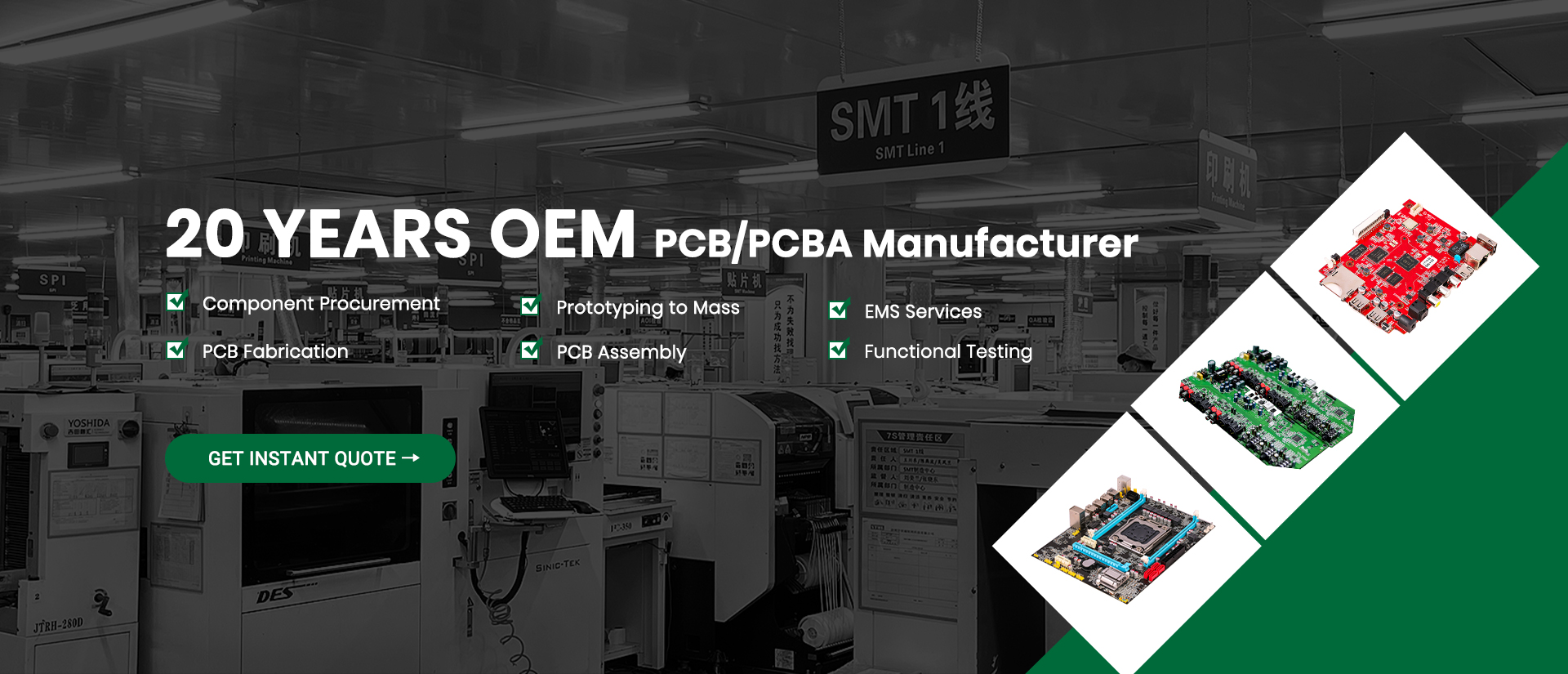
Shenzhen STHL Electronics Co., Ltd. operates a 10,000 m² facility with 220+ staff, including 50+ engineers, 7 SMT lines, 2 DIP/THT lines, 2 functional test lines, 2 box-build lines and an in-house R&D laboratory. The factory is controlled under IATF 16949, ISO 9001, ISO 14001 and ISO 13485 systems, with RoHS-compliant production and AOI, X-ray, ICT and functional testing used according to project risk.
For New Zealand LED projects, the advantage is not simply manufacturing capacity. It is the ability to convert a prototype request into a production-ready package: DFM feedback, BOM review, alternate-part suggestions, panelisation, stencil and fixture planning, IC programming, test procedure alignment and packaging. Component sourcing is supported through 100+ agents and suppliers covering more than 500,000 part numbers, with incoming inspection and traceability from reel to finished board.
Supply-chain resilience also comes from communication discipline. NDA before RFQ protects design data. ERP and MES records support production status and lot traceability. No-MOQ acceptance lets a New Zealand team validate a design before committing to volume. For repeat production, agreed alternates and change notifications reduce the risk of unexpected BOM drift.

Electronic Components Procurement
Full or partial turnkey sourcing with BOM scrubbing, approved alternates and reel-level traceability.
Learn more →
PCB Fabrication
Aluminum, FR4, flexible, rigid-flex, HDI and high-Tg boards built to LED thermal and mechanical needs.
Learn more →
SMT & THT PCB Assembly
Prototype, low-volume and high-volume LED PCBA with fine-pitch, BGA and mixed-technology capability.
Learn more →
Value-Added Services
IC programming, conformal coating, cable assembly, functional testing and box-build integration.
Learn more →Thermal, Moisture, Surge and Lifecycle Design for LED PCBA
A LED board that performs on a bench may still fail at a coastal site, in a humid grow room or behind a sealed luminaire. The most valuable information gain comes from aligning PCB construction, assembly materials, test coverage and installation assumptions before production begins.
Thermal Path & LED Life
Thermal vias, copper balance, metal-core PCB and interface materials should be reviewed together with LED spacing, drive current and enclosure airflow. Where required, production documentation can be aligned with LM-80/TM-21 data supplied by the LED manufacturer.
Moisture, Salt & UV
Conformal coating, gasketing, potting and material selection can support outdoor, marine and horticultural applications. The assembly should be specified with the enclosure and installation environment, not in isolation.
Surge, EMC & Driver Integration
Creepage and clearance, surge protection, inrush current and driver separation should be considered early. The factory can provide assembly records and build documentation to support the customer’s AS/NZS, RCM and EMC validation route with their certification partner.
Traceability & Lifecycle
ERP and MES records, lot codes, incoming inspection, approved alternates and PCN/EOL communication help New Zealand brands maintain repeatable LED PCBA supply over multi-year product life cycles.
From Gerber to Shipment: A Six-Step LED PCBA Path for New Zealand Buyers
Knowing what happens after a purchase order removes surprises. This is how an LED PCBA project moves through DFM, sourcing, fabrication, assembly, testing and delivery.
DFM & BOM Review
Engineers check Gerber, BOM and centroid data for manufacturability, footprint errors, thermal assumptions and end-of-life parts before material is ordered.
Component Sourcing
Parts are purchased through 100+ agents and suppliers, then pass incoming inspection, moisture-sensitive device control and traceability capture.
PCB Fabrication
Bare boards are produced to the agreed stack-up, surface finish and impedance requirements, including aluminium, FR4, flexible and rigid-flex options.
SMT & THT Assembly
7 SMT lines and 2 DIP/THT lines handle fine-pitch, BGA and mixed-technology boards for prototypes and repeat production.
Inspection & Testing
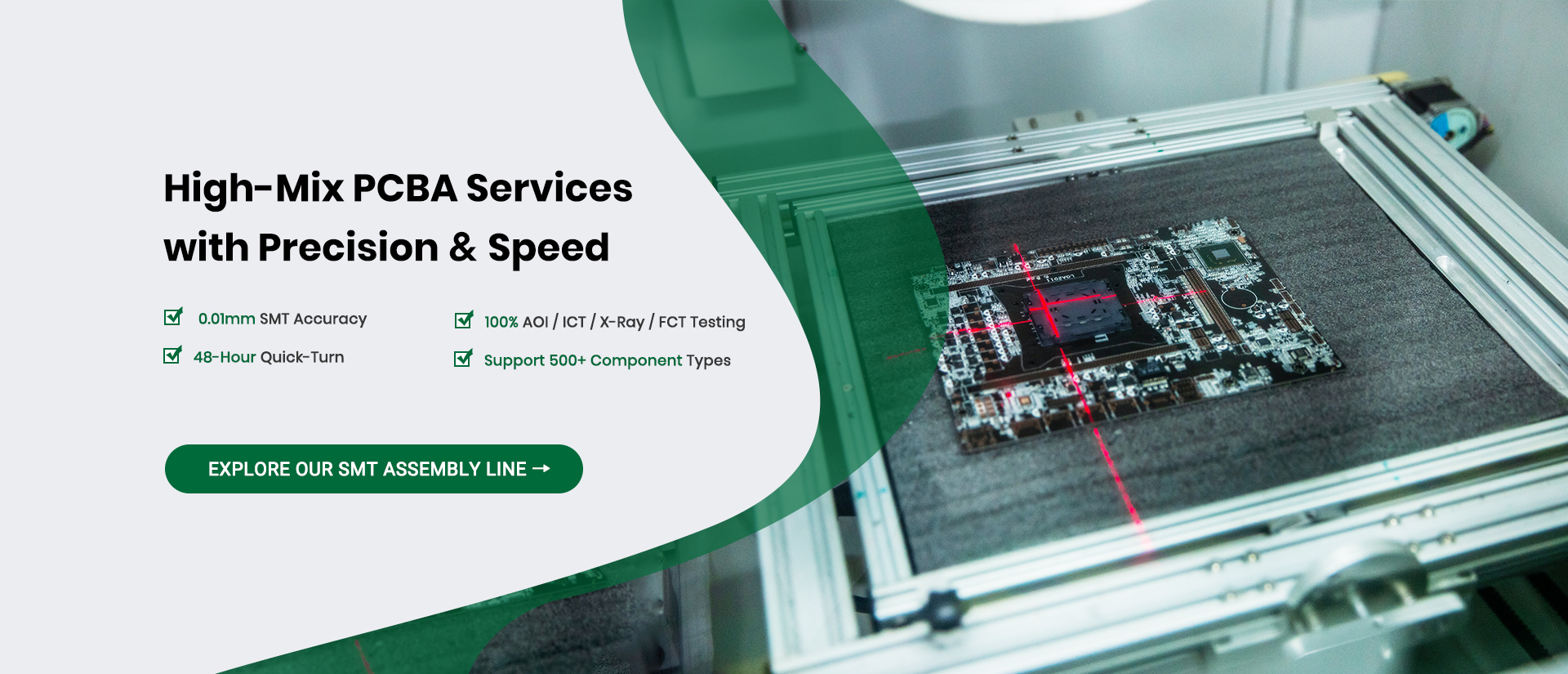
AOI, X-ray, ICT and functional testing can be combined with IC programming and conformal coating, with results logged for traceability.
Box Build & Delivery
Cable assembly, enclosure integration, ESD-safe packaging and shipment preparation support customers in New Zealand and 90+ other regions.
An LED PCB Assembly Factory Built for High-Mix, High-Reliability Sourcing
Measurable capacity, documented quality systems and engineering support that reduces total cost — not just the unit price.

Dust-Free Smart Factory
10,000+ m² automated production space.

20 Years of Experience
Proven know-how across PCB and PCBA since 2006.

Global Sourcing
500k+ parts via 100+ agents and suppliers.

Fully Certified
IATF 16949, ISO 9001, ISO 14001 and ISO 13485.

ERP & MES Tracking
Real-time production status and lot traceability.

Cost-Down Engineering
DFM and BOM optimisation by our engineering team.

No MOQ
Prototype and large-quantity orders both welcome.

NDA Before RFQ
Your design data and IP are protected from day one.

Fast Delivery
99.5% on-time delivery across global shipments.
Quality Systems That Support New Zealand Supplier Qualification
Independent third-party audits confirm that processes meet the requirements of automotive, medical, industrial and consumer-electronics customers. Click any certificate image to view the full-size file in its original location.



ISO 9001
Quality Management System

IATF 16949
Automotive Quality Management

ISO 13485
Medical Devices Quality Management

ISO 14001
Environmental Management System
What Engineers & Buyers Say About STHL LED PCBA Support
Feedback from hardware engineers, designers and company owners across North America, Europe, the Middle East, South America and New Zealand.
“Excellent team to work with and fast delivery with high-quality boards. We are very happy to work with such a good supplier. Thanks again.”

“Please extend my thanks to your team for your hard work in preparing these samples. This positive experience has strengthened my confidence in your company, and I'm looking forward to discussing bulk orders in the near future.”

“We are satisfied with the last order. You did a great job on those boards and the lead time was short. I will place a new order soon.”

“The order was perfect — exactly as specified with top quality. Highly recommend this reliable supplier.”

“Exciting! Very fast delivery, a professional supplier and a professional product. We will place a new order very soon!”

“We have tested all the boards and I am highly pleased. I will repeat my order soon. Thank you again for your excellent service.”

“It's always a pleasure ordering. Very professional team and good quality — thanks for your great service.”

“Satisfied with the sample products delivered. Very good product, quick delivery and a good understanding of my requirements.”

“The supplier's professionalism is evident in their seamless communication, efficient processing and reliable service. They are a trustworthy and commendable partner.”

Brands & Component Channels Behind Reliable LED PCBA Manufacturing
Long-term cooperation with global brands and established component distributors helps keep your BOM genuine, traceable and available.
Brand Customers




















Component Sourcing Channels












LED PCBA Insights and Factory Updates
Practical updates from the production floor — customer visits, traceability practices and what really drives PCBA lead time.




LED PCB Assembly in New Zealand: Frequently Asked Questions
Straight answers for procurement, hardware engineering and operations teams evaluating an overseas LED PCBA manufacturing partner.
What files do I need to submit for a PCBA project?
Send Gerber files, a BOM with manufacturer part numbers, the pick-and-place (centroid) file and assembly drawings. If you need IC programming or functional testing, include firmware and test procedures. Our engineers complete a DFM and BOM review before production starts.
Is there a minimum order quantity (MOQ)?
No. STHL accepts prototype, low-volume and high-volume PCB assembly orders, so you can validate a design and scale to mass production with the same supplier.
Can STHL source all the electronic components?
Yes. We offer full turnkey, partial turnkey and consigned assembly. Our sourcing team works with 100+ agents and suppliers covering more than 500,000 part numbers, with incoming inspection and traceability from reel to finished board.
Which quality certifications does STHL hold?
STHL is certified to IATF 16949, ISO 9001, ISO 14001 and ISO 13485, and produces RoHS-compliant assemblies. Boards are verified with AOI, X-ray, ICT and functional testing according to project requirements.
How do you protect our design files and IP?
We sign an NDA before RFQ, restrict project data to the assigned engineering team and track every build through our ERP and MES systems.
Can we audit or visit the factory?
Yes. Customers are welcome to visit our Shenzhen factory and R&D laboratory at any time, and a 360-degree virtual factory tour is available for remote evaluation.
Which LED PCB types are most common for New Zealand projects?
Common builds include aluminium and metal-core LED boards, FR4 control boards, flexible LED strip assemblies, rigid strip boards, LED module boards, display boards, backlight units and panel-light boards. The right construction depends on thermal load, enclosure design, flexing requirements and installation environment.
How do you support compliance documentation for AS/NZS and RCM pathways?
STHL can provide build documentation, material declarations, test records and traceability to support the customer’s own certification, AS/NZS and RCM validation activities with their accredited testing or certification partner. Final compliance responsibility remains with the product brand owner and its approved certification route.
Can STHL handle low-volume, high-mix orders for New Zealand?
Yes. New Zealand projects often involve multiple variants, lower volumes and frequent engineering changes. No-MOQ prototyping, DFM feedback, approved alternates and repeat-production planning help manage that complexity without changing suppliers between validation and launch.
How do you protect LED thermal performance and colour consistency?
We review PCB stack-up, copper balancing, thermal vias, LED footprint, solder profile and component sourcing assumptions. For colour-critical projects, the BOM should specify LED binning and approved alternates so that production lots remain consistent. Functional test and optical verification can be discussed according to project requirements.
What shipping and lead-time planning should New Zealand buyers consider?
Prototype orders often benefit from air freight, while production replenishment can be planned around sea freight. The most reliable approach is to agree the engineering freeze date, component lead-time risk, test requirements and shipment method early. STHL reports high on-time delivery performance, but New Zealand buyers should still plan buffer stock for critical launches and long-life products.
Can STHL support repeat production or buffer inventory discussions?
Yes. For repeat LED PCBA projects, we can discuss forecast visibility, component lifecycle risk, approved alternates, lot traceability and production scheduling. Any buffer-stock or consignment arrangement should be agreed in writing before volume production.
Discuss Your New Zealand LED PCBA Project with an Engineer
Share Gerber files, BOM, project volume and target application. We can review manufacturability, component risk, test strategy and the most practical production route before you commit to tooling or material.
Shenzhen STHL Electronics Co., Ltd.


Explore STHL Resources
More LED PCB Assembly Solutions for New Zealand Projects
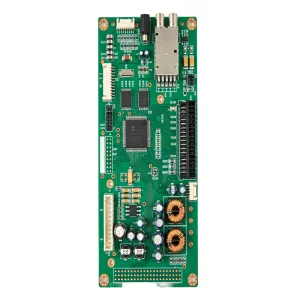
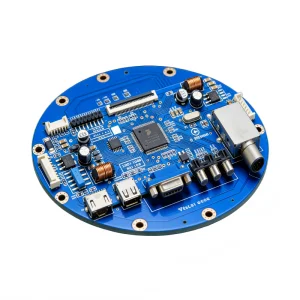
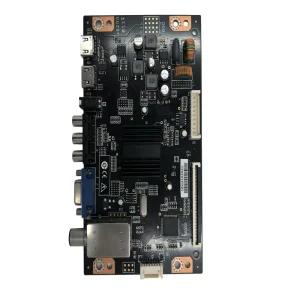
These eight product families complete the LED PCBA portfolio for New Zealand buyers — rigid strip lighting, flexible strip lighting, LED modules, signage, displays, backlight units, ceiling panels and floodlights. Every link below retains the original STHL product URL.
Ready to qualify an LED PCB assembly partner for New Zealand?
Send your Gerber, BOM, target volume and application details. We will review the LED PCBA route, component risk, test plan and production schedule.
