Four Kenya-Ready LED PCB Assembly Products
These four product routes are the fastest starting points for Kenyan lighting programmes: prototype LED boards, strip and tape assemblies, panel light assemblies, and OEM light bar assemblies. Each route can be quoted with MCPCB material, 240 V 50 Hz driver assumptions, surge protection targets, conformal coating options and export documentation.
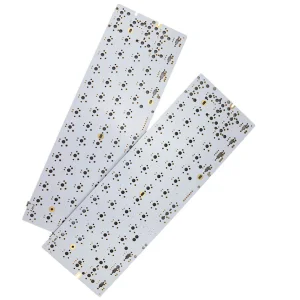
Prototype LED PCB Assembly: Revolutionizing Lighting Technology with Precision and Performance Manufacturer, in China
Suitable for Nairobi hardware teams, solar-lighting startups and industrial OEMs validating a new LED board before mass production.
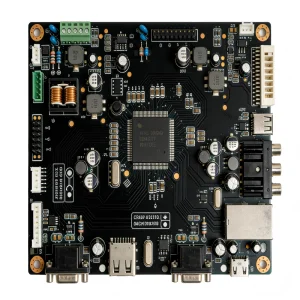
China Leading LED Strip Light (or LED Tape Light) PCB Assembly--STHL Supplier, in China
Used for retail, hospitality, signage and architectural lighting where colour consistency, adhesive stability and 12 V or 24 V DC design matter.
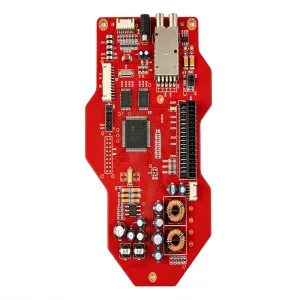
Prototype LED Panel Light PCB Assembly--STHL Solutions, in China
A practical route for offices, schools, clinics and commercial fit-outs in Nairobi and county towns that require uniform lighting and serviceable drivers.
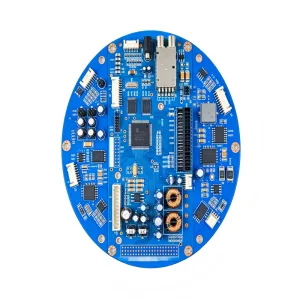
OEM LED Light Bar PCB Assembly--STHL Factory, Service
For warehouse, signage, vehicle, security and architectural light bars where LED pitch, heat spreading and mechanical fit must work together.
Why High-Reliability LED PCB Assembly Matters More Than Ever in Kenya
Kenya is a diverse LED lighting market. Urban commercial projects in Nairobi demand clean aesthetics, glare control, photometric consistency and reliable drivers. Coastal hospitality and logistics operations around Mombasa require corrosion resistance, humidity tolerance and stable operation under salt-laden air. Agricultural processing, cold-chain, education and healthcare applications need long service life and low maintenance. Solar mini-grids, off-grid systems and hybrid installations require electronics that tolerate voltage variation, surge events and high ambient temperatures.
For procurement teams, the lowest unit price is not the lowest total cost. A failed LED board can trigger site re-visits, lift access, hotel guest complaints, lost retail trading hours, production downtime or reputational damage. The real target is a thermally balanced, surge-aware, documentation-ready LED PCB assembly that can be repeated shipment after shipment and supported with traceable engineering decisions.
STHL’s positioning for Kenya combines China factory efficiency with an engineering-led quotation process. We review Gerber, BOM, LED binning, driver topology, thermal path, copper thickness, test coverage and packaging needs before production. The result is not simply a board shipment; it is a repeatable manufacturing route for Kenyan lighting brands, project contractors and industrial buyers.
Kenya design signals we check before quotation
These factors often decide whether an LED assembly survives its first rainy season, hot warehouse or unstable grid segment.
Kenya’s LED and Industrial Context: Demand Clusters, Power Reality and Local Expectations
Kenya’s lighting demand is shaped by urban growth, county-level infrastructure, tourism and hospitality, security investment, agricultural value addition, solar-powered systems and commercial construction. It is also shaped by local power quality, import logistics and the buyer’s ability to maintain equipment after installation.
Nairobi: commercial, signage and smart-building demand
Retail centres, offices, hotels, security systems and digital signage require consistent colour, low flicker and clean driver integration. Buyers increasingly compare total cost of ownership, spare-part availability and documentation quality, not only landed price per board.
Mombasa: port, coastal and hospitality reliability
Salt mist, humidity, strong UV and logistics warehouse duty cycles put corrosion resistance and enclosure sealing under pressure. LED assemblies for floodlights, high bays, canopy lighting and signage need conformal coating and connector choices that suit the coastal environment.
Solar, off-grid and hybrid systems
Solar street lights, solar home systems and hybrid commercial installations require LED boards and drivers that tolerate battery voltage ranges, charging transitions and surge events. Thermal design at the LED and driver interface is often the difference between a two-year and a longer-life luminaire.
Kisumu, Nakuru and Eldoret: agriculture and institutions
Tea, horticulture, dairy, cold-chain, education and healthcare facilities require dust-tolerant, serviceable lighting. High-bay, weatherproof and clean-area luminaires benefit from robust LED board design and clear maintenance procedures.
County lighting and public-space projects
Public lighting programmes require predictable bills of materials, IP-rated assemblies, surge protection expectations and spare-part planning. A manufacturer that can document LED binning, driver compatibility and test records reduces approval friction.
Konza and the digital economy
Digital infrastructure, smart poles, CCTV, access control and connected lighting are creating demand for lower-voltage, EMI-aware and firmware-enabled assemblies. These products require more than bare-board assembly; they need test fixtures, programming and traceability.
Localized LED PCB Assembly Scenarios for Kenyan Projects
Using LED PCB assembly in Kenya is not a single use case. It ranges from solar street lighting and commercial signage to hospitality lighting, agricultural processing, industrial high bays, security and smart-city infrastructure. Each scenario shifts the priority between thermal performance, surge tolerance, sealing, colour quality and maintainability.
Solar street lighting and off-grid lighting
Priorities: DC driver compatibility, battery voltage range, LED thermal pad design, surge protection, IP66 sealing, corrosion-resistant connectors and maintainable module replacement. For coastal and dusty sites, conformal coating and validated cleaning procedures are important.
Commercial signage and retail lighting
Priorities: LED binning, colour consistency, voltage-drop control on long strips, flicker performance for cameras, driver isolation and ease of service. Signage groups in Nairobi often need repeatable batches and clear labelling for installation teams.
Hospitality and architectural lighting
Priorities: CRI, colour temperature consistency, dimming compatibility, low flicker and aesthetic uniformity. Coastal hotels and lodges place extra value on humidity tolerance, salt-mist protection and quick spare-part availability.
Agriculture, tea and cold-chain facilities
Priorities: dust tolerance, humidity resistance, high-bay thermal design, 0–10 V or DALI dimming where needed, and robust electrical margins. Processing plants value serviceability because downtime costs more than the lighting hardware.
Ports, logistics and industrial floodlighting
Priorities: impact resistance, vibration tolerance, wide temperature margin, high-efficacy LED selection and driver surge immunity. Mombasa port and warehouse environments often demand IP66, IK08 and durable cable entry solutions.
Security, CCTV and smart-city lighting
Priorities: EMI-aware layout, stable low-voltage rails, low flicker for cameras, sensor integration and firmware programming. Connected lighting projects also need serial-number traceability and test records for future maintenance.
Technical Route Map: From 240 V Kenya Grid Conditions to Long-Life LED Assemblies
A Kenya-ready LED PCB assembly should be designed around the local operating environment rather than copied from a generic catalogue board. The route map below is the engineering logic we use in DFM review, BOM review and functional test planning.
Design for grid and climate
Clarify 230/240 V 50 Hz input, surge immunity target, isolated driver topology, power factor, THD, operating ambient, enclosure IP rating, coastal exposure and maintenance access. For exposed outdoor projects, the review should include lightning-induced surge paths and protective earthing strategy.
Thermal and photometric integration
Select aluminium or high-thermal-performance PCB material, copper weight, thermal via strategy and LED footprint. Review LM-80-style lumen maintenance intent, colour binning, forward-voltage grouping, CRI and flicker requirements. For cameras and video, flicker is a design requirement, not an afterthought.
Assembly and test discipline
Run SMT and THT assembly with AOI, X-ray where required, ICT or functional test, burn-in where the project justifies it and final visual inspection. LED assemblies should be checked for polarity, short circuits, open joints, driver compatibility, output consistency and packaging protection.
Traceability and repeat production
Use MES and ERP records, lot traceability, serialisation options, firmware programming records and controlled change notification. Kenyan buyers often need to re-order identical batches months later; a documented BOM and approved-alternate process prevents silent substitutions.
Quality and process coverage indicators
2025–2026: resilience-first design
Higher thermal margins, replaceable driver architecture, 6–10 kV surge protection discussions, improved conformal coating and better documentation for import and project approval.
2026–2028: connected lighting
DALI, 0–10 V, PWM, Zigbee, NB-IoT and sensor-ready assemblies; more firmware programming, serialisation and over-the-air update support for smart-city and security use cases.
2028–2030: circular and serviceable systems
Modular LED boards, repairable drivers, QR-based service records, lower-material-waste packaging and cleaner material declarations aligned with buyer ESG expectations.
China Factory Efficiency with Kenya-Facing Supply Resilience
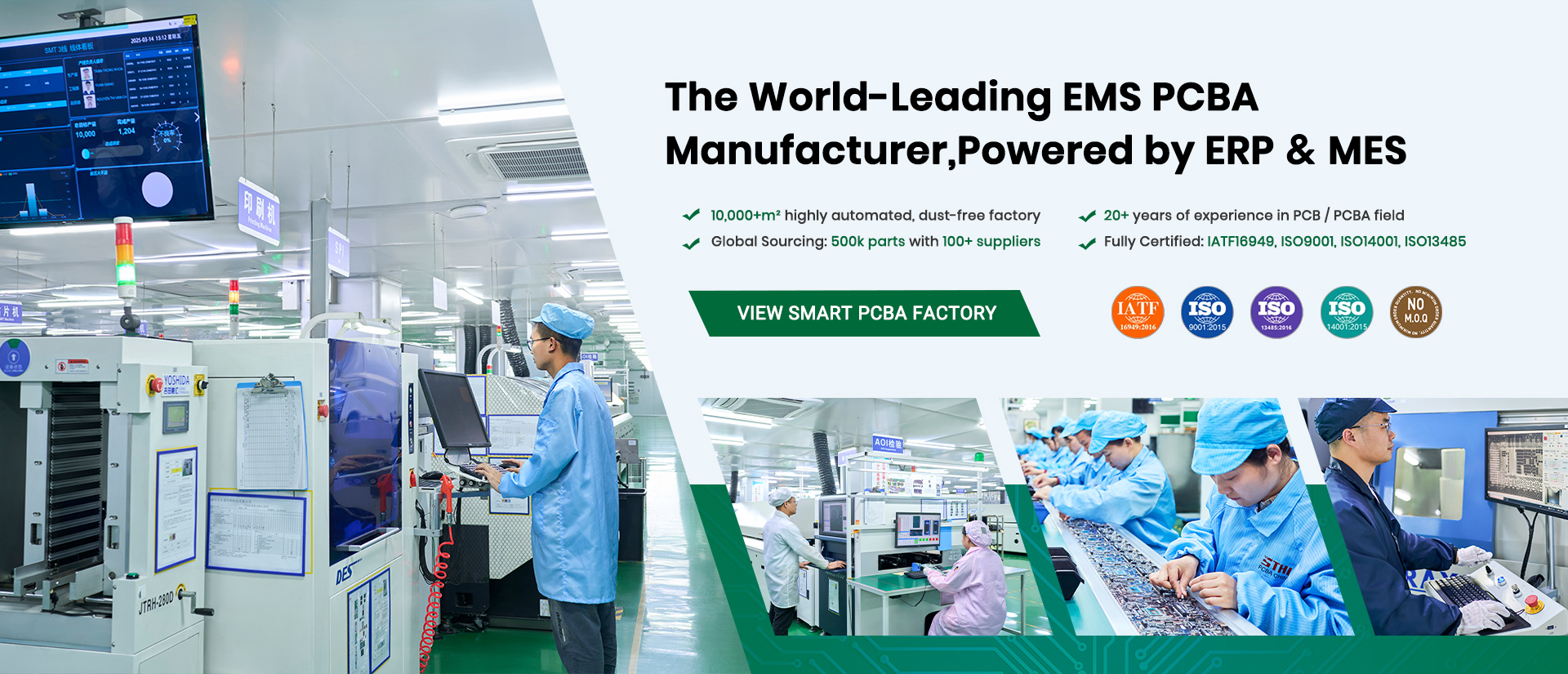
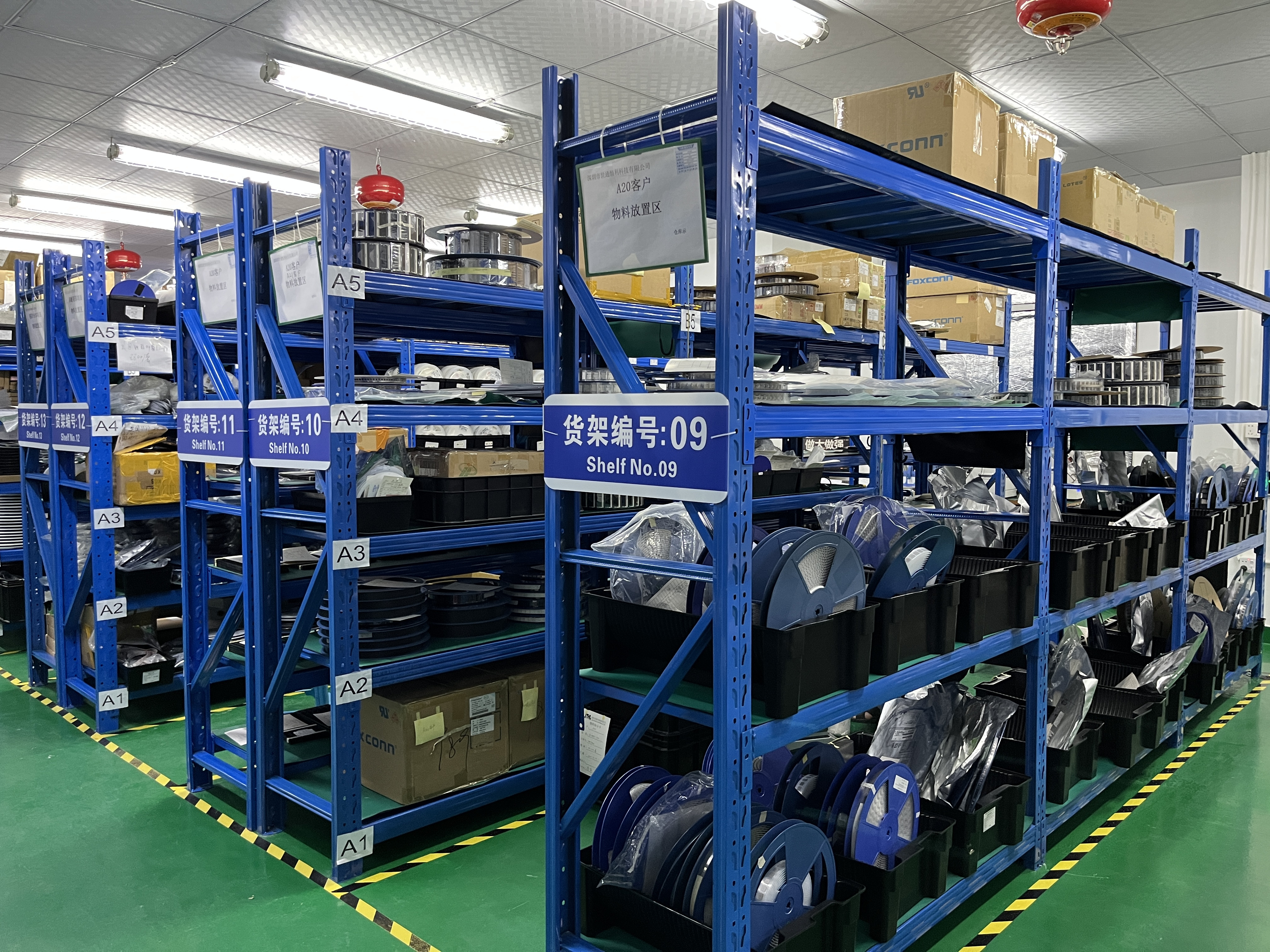
STHL operates from Shenzhen, one of the world’s densest electronics ecosystems. That location matters for Kenyan buyers because LED PCB assembly depends on component availability, fast engineering iteration, reliable PCB fabrication partners, test fixtures and export consolidation. Our project teams use 100+ agents and suppliers covering more than 500,000 part numbers, with BOM scrubbing, approved alternates and incoming inspection.
For projects in Kenya, supply-chain resilience is not only about price. It is about whether a second batch matches the first, whether a driver IC can be replaced without redesign, whether a shipment can be consolidated for Nairobi or Mombasa, and whether engineering changes are documented before production. STHL supports full turnkey, partial turnkey and consigned assembly, with no MOQ for prototype and low-volume work.
The factory operates 7 SMT assembly lines, 2 DIP/THT lines, 2 functional test lines, 2 box build lines, an in-house R&D laboratory and a 10,000 m² production facility. Every build is controlled under IATF 16949, ISO 9001, ISO 14001 and ISO 13485 systems, and boards are checked with AOI, X-ray, ICT and functional testing where the project requires it.
Global LED PCB Assembly Trends and What They Mean for Kenya
Globally, LED lighting is moving from a simple energy-saving replacement story to a reliability, connectivity and lifecycle story. Kenyan buyers can use this shift to leapfrog older designs by specifying serviceable electronics, better thermal design and documentation-ready assemblies from the beginning.
Efficiency and quality
High-efficacy LED packages, tight forward-voltage grouping, better optical control and low-flicker drivers are now expected in commercial projects. Kenya’s leading buyers compare luminaire efficacy and maintenance cost, not just initial price.
Connectivity and control
DALI, 0–10 V, PWM, wireless sensors and cloud dashboards are entering commercial buildings, campuses and public lighting. These systems demand firmware programming, EMI-aware layouts and serial-level traceability.
Resilience and sourcing
Global buyers are reducing single-source risk through approved alternates, last-time-buy planning and dual-region inventory. A China-based EMS partner with strong sourcing visibility can support Kenyan importers through component cycles.
Circular economy
Modular boards, replaceable drivers, repair-friendly enclosures and cleaner material declarations are becoming differentiators. For Kenya, durability and repairability directly reduce waste and foreign-exchange exposure.
Europe benchmark
RoHS, REACH, ErP and high efficacy expectations create a strong documentation culture. Kenyan exporters and premium project buyers can adopt similar discipline to reduce rejection risk.
North America benchmark
UL/ETL and DLC-style requirements emphasise safety, photometric performance and reliability. These principles are useful when Kenyan buyers specify outdoor, security and commercial lighting.
Middle East and Africa benchmark
High ambient temperatures, dust, voltage variation and maintenance access drive designs toward thermal headroom, surge protection and easy service. Kenya shares many of these operating realities.
From Gerber to Kenya Shipment: Six Controlled Production Steps
A clear production route reduces surprises for procurement and engineering teams. Every STHL LED PCB assembly project follows a documented flow from data review to shipment preparation.
01 · DFM and BOM review
Check Gerber, BOM, pick-and-place data, LED polarity, thermal pads, copper weight, footprint accuracy and end-of-life risk before material is ordered.
02 · Component sourcing
Purchase through qualified channels, verify incoming parts, control moisture-sensitive devices and propose approved alternates where lead time or lifecycle risk appears.
03 · PCB fabrication
Produce bare boards to the agreed stack-up, surface finish, impedance and material requirements, from standard FR4 to aluminium MCPCB and flexible options.
04 · SMT and THT assembly
Run high-mix and volume builds across 7 SMT lines and 2 DIP/THT lines, including fine-pitch, BGA, QFN and mixed-technology assemblies.
05 · Testing and programming
Apply AOI, X-ray, ICT, functional test and firmware programming as required, with results logged for traceability and future repeat orders.
06 · Box build and delivery
Add cable assembly, conformal coating, enclosure integration, ESD-safe packaging and shipment consolidation for air freight to Nairobi or sea freight to Mombasa.
Local Support, IP Protection and Compliance Documentation for Kenya
International sourcing works best when regulatory responsibilities and documentation expectations are clear before the purchase order. STHL supports the technical evidence package; the Kenyan importer or project owner remains responsible for final market approval, import declarations and site compliance.
Standards-aligned documentation
We can prepare BOM records, material declarations, RoHS/REACH information, test reports and inspection records. For regulated products, buyers may need to align with Kenya Bureau of Standards (KEBS) PVoC requirements and other applicable import controls.
Electrical safety and grid assumptions
Design reviews can target 230/240 V 50 Hz input, isolation, creepage and clearance, surge immunity and protective earthing. Energy and Petroleum Regulatory Authority (EPRA) and utility interconnection obligations should be confirmed with the project’s local engineer.
IP, NDA and change control
NDA before RFQ, restricted project access, documented engineering changes and controlled production files protect your LED design, firmware and supplier strategy. Every build can be tracked through ERP and MES records.
Logistics and after-sales planning
We support shipment consolidation, export packaging, spare-board planning and reorder documentation. Air freight to Nairobi and sea freight to Mombasa can be quoted under agreed Incoterms with clear lead-time assumptions.
Important compliance note for Kenyan buyers
KEBS, EPRA, NEMA, county approvals, PVoC, utility interconnection and tax requirements depend on the product, importer and project location. STHL provides manufacturing and technical documentation support; final regulatory classification and approval remain with the importer of record and its local professional advisers. This approach avoids overstating compliance and keeps the project audit-ready.
Certified Quality Systems Behind Every LED PCB Assembly
Independent third-party audits support our work with automotive, medical, industrial and commercial customers. Click a certificate to view the full-size image.

ISO 9001
Quality management system

IATF 16949
Automotive quality management

ISO 13485
Medical device quality management

ISO 14001
Environmental management system
What Engineers and Buyers Say About STHL
Feedback from hardware engineers, designers and business owners across North America, Europe and beyond reflects the operating discipline we bring to export projects.
“Excellent team to work with and fast delivery with high-quality boards. We are very happy to work with such a good supplier. Thanks again.”

“Please extend my thanks to your team for your hard work in preparing these samples. This positive experience has strengthened my confidence in your company, and I'm looking forward to discussing bulk orders in the near future.”

“We are satisfied with the last order. You did a great job on those boards and the lead time was short. I will place a new order soon.”

“The order was perfect — exactly as specified with top quality. Highly recommend this reliable supplier.”

PCBA Insights and Factory News
Practical updates from the production floor: factory visits, traceability practices and the real drivers of PCBA lead time. These insights help Kenyan buyers pre-qualify suppliers and plan launches with fewer surprises.



FAQ: LED PCB Assembly and Sourcing for Kenya
Straight answers for procurement, engineering and project teams evaluating a manufacturer for LED PCB assembly in Kenya.
What makes LED PCB assembly for Kenya different from a standard export build?
Kenya projects often face high ambient heat, dust, humidity, coastal salt exposure and voltage transients. A standard build may work technically, but a Kenya-ready build gives more attention to thermal headroom, copper weight, surge protection, conformal coating, connector selection, LED binning and serviceability. The documentation package should also support import review and local engineering approval.
Can STHL supply prototype and low-volume LED PCB assemblies?
Yes. There is no minimum order quantity for prototype and low-volume work. Kenyan startups, lighting designers and project engineers can validate a design, test a pilot batch and then scale to repeat production using the same controlled BOM and assembly process.
What files are needed for quotation?
Send Gerber files, a BOM with manufacturer part numbers, the pick-and-place or centroid file, assembly drawings and any LED or driver datasheets. If firmware programming or functional testing is required, include firmware, test procedures and fixture requirements. Our engineers complete DFM and BOM review before production.
How do you protect against surge and lightning effects?
We review the driver architecture, MOV/TVS placement, creepage and clearance, earthing strategy, isolation and enclosure wiring assumptions. For exposed outdoor lighting, the project should define a surge immunity target and test method. The final protection strategy depends on the complete luminaire, not the LED board alone.
Can you support KEBS, PVoC or other Kenya compliance documentation?
We can provide technical files such as BOM records, RoHS/REACH declarations, material information, test reports and traceability records. The Kenyan importer of record should confirm the exact KEBS PVoC route, EPRA requirements, NEMA or county approvals, labelling and tax obligations for each product and project.
What certification systems does STHL hold?
STHL is certified to IATF 16949, ISO 9001, ISO 14001 and ISO 13485, and produces RoHS-compliant assemblies. Boards are verified with AOI, X-ray, ICT and functional testing depending on the project requirements.
How are design files and IP protected?
We sign an NDA before RFQ, restrict project data to the assigned engineering team and track builds through ERP and MES systems. Controlled change management prevents undocumented substitutions between the pilot build and mass production.
Can you ship to Nairobi or Mombasa and support repeat orders?
Yes. We support air freight to Nairobi, sea freight to Mombasa and consolidated export packaging under agreed Incoterms. For repeat orders, we retain approved BOMs, test procedures, programming files where applicable, and traceability records so the next batch can match the approved build.
Can we audit the factory or review it remotely?
Yes. Customers are welcome to visit our Shenzhen factory and R&D laboratory. For remote evaluation, we can support documentation review and a virtual factory walkthrough before a purchase order.
Eight More LED PCB Assembly Products for Kenyan OEMs and Project Owners
These eight product routes cover rigid strip lighting, flexible strip lighting, LED module boards, signage, display boards, backlight units, ceiling panel lights and floodlights. Use them as starting points for Kenya-specific quotation with thermal, driver, IP, surge and documentation requirements.
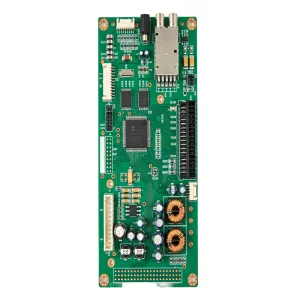
One-Stop LED Rigid Strip Light PCB Assembly--STHL in China, Factories
For linear lighting, shelving, display cases and architectural details requiring mechanical stability and repeatable LED spacing.
OEM LED Flexible Strip Light PCB Assembly--STHL Solutions, from China
For curved signage, cove lighting, hospitality fit-outs and display applications where bendability and adhesive reliability are important.
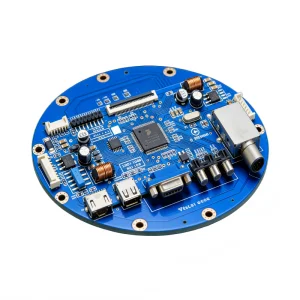
High Quality LED Module Board PCB Assembly--STHL Partner, Manufacturers
For downlights, spotlights, panel lights and luminaire brands that need consistent module performance and easy assembly.
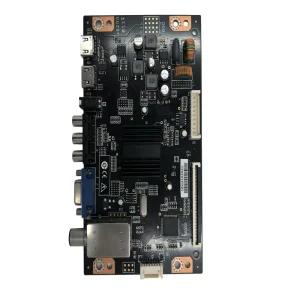
Turnkey LED Signage Board PCB Assembly--STHL Solutions, in China
For illuminated signs, channel letters, pylon signs and retail branding where colour consistency and service access matter.
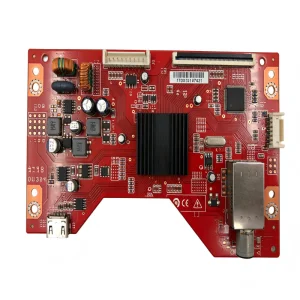
High-Reliability LED Display Board PCB Assembly--STHL Manufacturer, Partner
For information displays, scoreboards, transport signage and security systems requiring stable scanning and long operating hours.
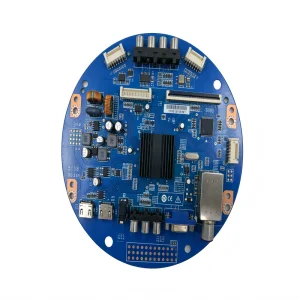
Prototype LED Backlight Unit (BLU) PCB Assembly--STHL Partner, Factories
For display, control panel, medical and instrumentation products where uniform backlighting and thin mechanical integration matter.
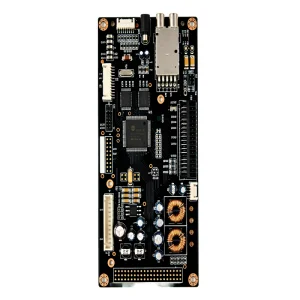
China Leading LED Ceiling Panel Light PCB Assembly--STHL Supplier, Company
For offices, clinics, schools, hotels and retail ceilings requiring low glare, uniform light and driver serviceability.
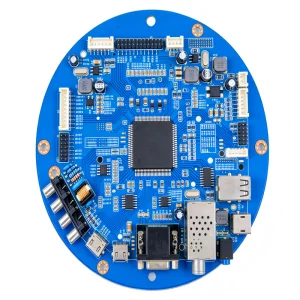
Top-Rated LED Floodlight PCB Assembly--STHL Supplier, Company
For perimeter security, car parks, warehouses, ports and sports lighting where surge, thermal and IP performance are critical.

PCBA & EMS since 2006
High-reliability LED PCB assembly, turnkey PCBA, component sourcing, SMT/THT assembly, testing and box build for Kenyan lighting brands, industrial buyers, signage groups and project owners.
Quick Links
PCBA Services
Contact STHL
For Kenyan projects, include destination city, estimated annual quantity, operating environment, IP rating, driver preference and any KEBS, EPRA or project documentation requirements in your RFQ.
