Seoul-fit LED PCB Assembly White Paper

High Quality LED PCB Assembly Supplier & Factories serving the Seoul market

An engineering-led procurement guide for Korean OEMs, lighting brands, display integrators, design houses, and EMS teams sourcing prototype-to-volume LED PCB assembly for Seoul, Gyeonggi-do, and Incheon.

Core four product platforms

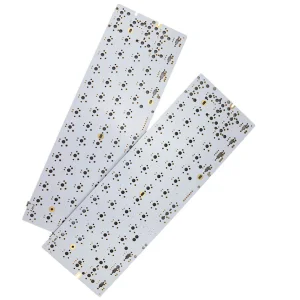
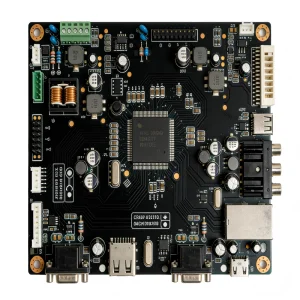
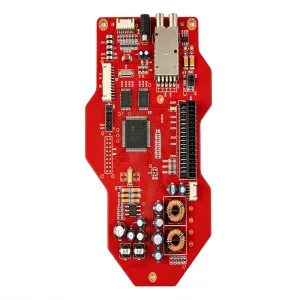
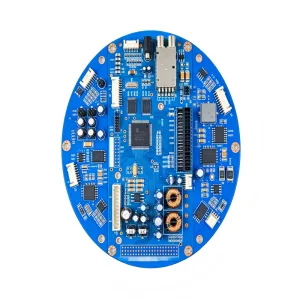
Seoul-Ready LED PCB Assembly Platforms: Prototype, Strip, Panel, and Light Bar

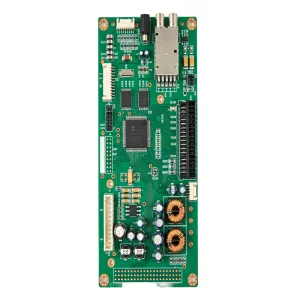
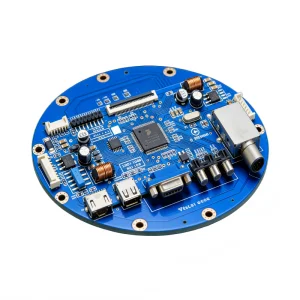
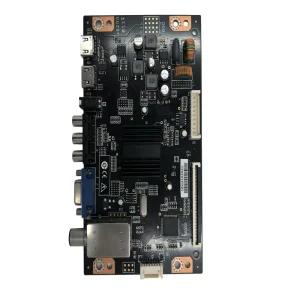
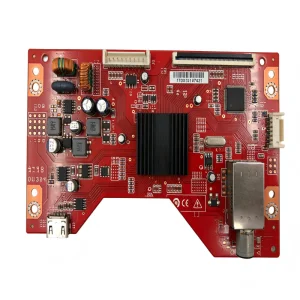
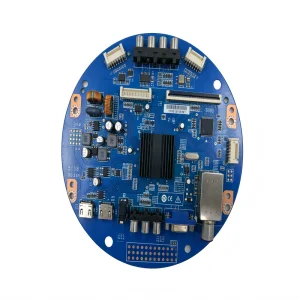
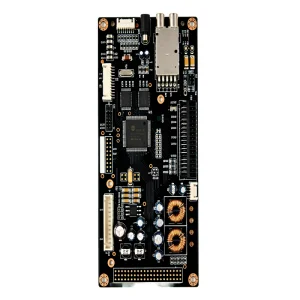
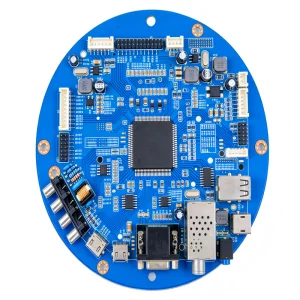
These four platforms map directly to Seoul-area NPI programs: rapid LED lighting prototypes, strip and tape light redesigns, commercial panel fixtures, and OEM light bars for signage and architectural systems. Each product link and image is retained for direct technical review.

Seoul market snapshot

Why Seoul Is a High-Value Market for LED PCB Assembly

Seoul is not only a consumer market; it is a specification market. Engineering, procurement, certification, and product management teams in the Seoul Capital Area often sit between global product owners, Korean design houses, and manufacturing partners across Asia. They need suppliers who can answer with evidence, not just a unit price.

20+Years of PCB & EMS experience
10,000+m² production facility
50+Professional engineers
7+SMT assembly lines
13+Production lines in total
99.5%On-time delivery record
Commercial demand

Lighting, signage, display, and smart building

Seoul’s dense commercial districts, transport hubs, retail environments, and smart-building programs create continuous demand for LED lighting, signage, display modules, and control electronics. Buyers need boards that pass thermal, optical, and EMC expectations while supporting rapid product refreshes.

Procurement behavior

Documented quality, fast NPI, and traceability

Seoul-area buyers commonly request DFM feedback, BOM risk review, sample builds, functional test evidence, RoHS and REACH declarations, and lot traceability. A factory that treats these as afterthoughts creates delays during qualification.

Industrial reality

High-mix, high-reliability, and localized support

Seoul Capital Area product teams work across consumer electronics, automotive electronics, medical devices, industrial controls, and semiconductor-related equipment. That variety rewards suppliers with flexible SMT/THT capability, engineering discipline, and responsive English-language project management.

Industry white paper

Seoul Market Conditions: Local Industry, Procurement Demand, and Engineering Expectations

To buy well in Seoul, it helps to understand what the market is asking suppliers to prove. The city and surrounding Gyeonggi-do and Incheon areas combine product definition, advanced engineering, certification planning, and global sourcing in a compact business geography.

Local commercial and industrial context

Seoul is one of Asia’s most concentrated markets for digital services, connected devices, retail experiences, smart buildings, and advanced manufacturing coordination. LED PCB assembly demand is not limited to generic lighting. It extends from architectural lighting and digital signage to display modules, automotive interior and exterior lighting, medical and safety devices, smart-home controls, and industrial equipment. Many Seoul product companies define the product locally, buy electronics manufacturing from China or other Asian suppliers, and retain quality and compliance control in Korea.

That operating model makes supplier responsiveness and evidence-based manufacturing more important than a low quote alone. A Seoul buyer may be coordinating a Korean brand owner, a Gyeonggi-do design team, a Seoul certification consultant, and an Incheon logistics team. Every engineering change, shortage, test failure, or documentation gap becomes a schedule risk across that network.

The practical result is a preference for factories that can support prototype-to-production continuity. Buyers want early engineering input, stable process controls, consistent LED placement, repeatable color and brightness results, and order data that can be audited after shipment.

What Seoul buyers expect from a factory

Procurement teams in Seoul typically expect more than SMT capacity. They want a supplier to behave like a controlled engineering partner: clear RFQ response, DFM notes, BOM lifecycle checks, counterfeit-risk mitigation, moisture-sensitive device handling, ESD discipline, and test records. For LED products, they also expect attention to thermal pad soldering, die-attach quality, lens and reflector placement, connector orientation, and wavelength or brightness binning.

Global procurement pressures add another layer. Component allocation risk, end-of-life notices, environmental declarations, conflict-mineral statements, and supplier audits are now standard topics. The best LED PCB assembly suppliers provide information gain—not just a promise of quality, but process data, inspection evidence, traceability logic, and a practical roadmap for qualification.

  • Clear DFM and BOM feedback before tooling or material purchase.
  • First-article inspection, functional test, and traceable production records.
  • Environmental and material declarations aligned with Korean and export-market documentation needs.
  • Packaging, labeling, and shipping discipline compatible with Incheon air freight and Korean receiving teams.
Engineering audit points

High-Quality LED PCB Assembly: What Seoul Buyers Should Audit

LED PCB assembly looks similar to general PCBA at a glance, but the failure modes are different. Heat, optical consistency, moisture, contamination, and mechanical stress can turn a visually acceptable board into a field-return problem. These are the audit points that matter for Seoul programs.

Thermal path and material choice

Confirm the substrate strategy: FR-4, high-Tg FR-4, aluminum or metal-core PCB, ceramic, or rigid-flex. Review copper balance, thermal vias, solder-mask openings, paste volume, and reflow profile. For high-power Seoul lighting and signage products, thermal design must be validated—not assumed.

Optical consistency and binning

LED brightness, color temperature, and wavelength variation can create visible mismatch in panel lights, light bars, display modules, and strip lighting. Buyers should require binning rules, reel control, and assembly sequencing that keep a finished product within the intended optical window.

EMC and driver integration

LED boards often sit close to switching drivers, wireless controls, sensors, and power conversion. Layout, grounding, shielding, and connector placement influence EMC performance. A supplier should support design-for-EMC reviews and functional test plans rather than only board assembly.

Environmental durability

Seoul experiences humid summers, cold winters, and seasonal fine-dust conditions. Depending on the product, conformal coating, creepage and clearance review, gasket sealing, and contamination control can be more important than a generic “waterproof” claim. Test plans should match the installation environment.

Inspection and test coverage

AOI, X-ray, ICT, functional test, IC programming, and visual inspection should be selected by risk—not by habit. For LED products, test coverage may include open/short checks, driver output, color and brightness verification, thermal soak, and aging or burn-in where the application requires it.

Traceability from reel to board

A Seoul procurement or quality team should be able to trace a finished LED board to material lots, production date, inspection result, and firmware version where applicable. ERP and MES tracking reduce the cost of investigations and make repeat orders more predictable.

Localized support & compliance

Localized Support and Compliance for Seoul Market Programs

For Seoul buyers, compliance is not a single certificate. It is a chain of declarations, test reports, process controls, and documentation that supports the product’s Korean market launch and any export markets the brand serves. The table below is a practical procurement scorecard; it is not legal advice, and the final regulatory pathway should be confirmed with the brand owner and a qualified Korean certification body.

Seoul-market requirement What the procurement team should request How a high-quality LED PCBA supplier supports it
RFQ and engineering communication Gerber, BOM with MPN, centroid file, assembly drawings, test specification, and target schedule. Confirm time-zone response expectations and change-control method. DFM review, BOM risk check, alternate-part proposals, English-language engineering feedback, and a documented quotation assumption list before production.
KC, safety, and EMC readiness Material declarations, critical-component list, insulation and creepage data, driver and control details, and test support for the final product certification route. Assembly documentation, RoHS-compliant builds, process controls, and support for sample testing. Final KC marking and product-level certification remain the brand owner’s responsibility.
Environmental documentation RoHS declaration, REACH information where applicable, conflict-mineral statement, and packaging material details. Controlled sourcing, incoming material records, RoHS-compliant assembly, and traceability data to support customer declarations.
Quality system evidence IATF 16949, ISO 9001, ISO 14001, ISO 13485 evidence where relevant; IPC-A-610 class target; AOI, X-ray, ICT, and FCT records. STHL operates certified quality and environmental systems and verifies boards with AOI, X-ray, ICT, and functional testing according to project requirements.
Logistics through Incheon and Korea Incoterms, ESD-safe packaging, carton labeling, shipping documents, and whether consolidated or direct shipment is preferred. Packaging and delivery planning aligned to Incheon air freight or sea freight, with shipment records and traceability. Seoul is one hour ahead of Shenzhen, which supports same-day overlap for urgent questions.
IP and design-file protection NDA before RFQ, file-access controls, project-team restrictions, and data-retention policy. NDA before RFQ, restricted project data access, and ERP/MES tracking for builds. Customers can request factory audits and virtual review where physical travel is limited.
Reliability for Seoul’s urban environment Thermal cycling, humidity exposure, conformal-coating requirement, vibration expectation, and installation environment. Design-for-manufacturing feedback, conformal coating, controlled reflow, first-article inspection, and test plans matched to the product’s use case.
Global procurement & macro solutions

Global Procurement Demand and Macro LED PCBA Solutions

Global OEMs increasingly buy manufacturing as a controlled workflow: engineering review, component risk management, assembly, test, documentation, and logistics. Seoul programs benefit when the same factory can support a prototype, a pilot build, and a repeat production order without changing process ownership.

Prototype and NPI support

Quick-turn fabrication and assembly for design validation, pilot production, and first-article approval. No MOQ means a Seoul design house can test a concept before committing to volume.

Low, medium, and high volume

Scalable SMT and THT assembly with 7 SMT lines, 2 DIP/THT lines, 2 functional test lines, and 2 box build lines. High-mix LED programs can move from samples to repeat production with the same supplier.

Turnkey component sourcing

Full turnkey, partial turnkey, and consigned assembly. Sourcing through 100+ agents and suppliers covering 500,000+ part numbers, with incoming inspection and reel-level traceability.

Rigid, flex, aluminum, and HDI boards

LED products may require FR-4, aluminum, flexible, rigid-flex, HDI, heavy-copper, high-Tg, or halogen-free boards. The assembly process and inspection plan should be matched to the substrate and thermal requirement.

Testing and value-added services

IC programming, ICT, functional testing, conformal coating, cable and wire harness, and box build assembly. These services reduce the number of suppliers a Seoul buyer must manage.

Risk mitigation and repeatability

BOM scrubbing, alternate-part planning, ESD control, moisture-sensitive device handling, MES traceability, and documented inspection reduce supply-chain surprises after the pilot build.

Factory workflow

From Gerber Files to Incheon-Bound Shipment in Six Controlled Steps

A Seoul buyer should know where the project can slow down. This is the practical workflow used to move an LED PCB assembly program from data package to repeatable shipment.

01

DFM and BOM review

Engineers check Gerber, BOM, centroid data, footprints, end-of-life risk, and assembly feasibility before material is ordered.

02

Component sourcing

Parts are purchased through qualified channels, inspected on receipt, and controlled for moisture sensitivity and traceability.

03

PCB fabrication

Bare boards are produced to the approved stack-up, surface finish, impedance, and thermal requirements.

04

SMT and THT assembly

Fine-pitch, BGA, mixed-technology, and LED-specific assemblies are built with controlled paste, placement, and reflow.

05

Inspection and testing

AOI, X-ray, ICT, functional test, IC programming, and conformal coating are applied according to risk and product requirements.

06

Box build and delivery

Cable assembly, enclosure integration, ESD-safe packaging, and shipping documentation are prepared for Seoul-bound delivery.

Technology roadmap

Technology Roadmap and Future Outlook for LED PCB Assembly in Seoul

Seoul’s product cycles favor suppliers that can prepare for the next requirement before it becomes a purchase order. LED PCB assembly is moving toward tighter thermal control, higher interconnect density, more integrated sensing and connectivity, and stronger digital traceability.

Five trends shaping the next sourcing cycle

1. Mini and micro LED progression. Display, signage, automotive, and specialty lighting programs are pushing finer pitch, tighter placement, and more demanding inspection. Suppliers need strong AOI, X-ray, and reflow control.

2. Thermal material innovation. High-power LED lighting and compact fixtures require better heat spreading. Aluminum, metal-core, ceramic, heavy-copper, and advanced thermal-via designs will continue to grow.

3. Connectivity and smart controls. LED products increasingly include sensors, wireless modules, and power-control electronics. This raises the value of EMC review, firmware programming, and functional test.

4. Digital traceability. Seoul buyers want lot-level evidence for quality investigations and supplier audits. ERP and MES tracking will become a baseline expectation for serious OEM programs.

5. Sustainability and material compliance. RoHS, REACH, halogen-free options, packaging reduction, and transparent material declarations are becoming part of supplier qualification.

What Seoul buyers should plan now

The strongest procurement strategy is to treat LED PCB assembly as a lifecycle decision, not a one-off quote. Build a data package that can move from prototype to production, define the test and documentation level early, and ask the supplier to identify risks before the first order. For products with Korean market certification, plan the sample and test route before the PCB layout is frozen. For high-volume programs, define the alternate-part policy and traceability requirement in the supplier agreement.

STHL’s experience since 2006, 220+ staff, 50+ engineers, 10,000+ m² facility, and IATF 16949, ISO 9001, ISO 14001, and ISO 13485 systems provide a practical foundation for Seoul buyers who need a supplier that can discuss both assembly detail and supply-chain risk. The goal is not simply to make a board; it is to make the next repeat order predictable.

7SMT lines
50+Engineers
500k+Component part numbers
90+Regions served
E-E-A-T evidence

Why STHL Fits the Seoul LED PCBA Sourcing Brief

Experience, expertise, authoritativeness, and trustworthiness are not slogans in electronics manufacturing. They appear in certifications, process controls, engineering depth, and the ability to answer a Seoul buyer’s audit questions with evidence.

STHL PCBA manufacturer logo

20+ years of EMS and PCBA experience

Shenzhen STHL Electronics Co., Ltd. has served global OEMs since 2006. The factory combines PCB fabrication coordination, component sourcing, SMT/THT assembly, testing, cable assembly, and box build under one controlled workflow.

For Seoul programs, that means fewer handoffs between engineering, production, and logistics. The same supplier can support a prototype review, a pilot run, and a repeat production order with consistent documentation.

IATF 16949 ISO 9001 ISO 14001 ISO 13485

Capacity and engineering depth

STHL operates a 10,000+ m² facility with 220+ staff, including 50+ engineers, 7 SMT assembly lines, 2 DIP/THT lines, 2 functional test lines, 2 box build lines, and an in-house R&D laboratory. The scope covers rigid, flex, rigid-flex, aluminum, HDI, Rogers, ceramic, heavy-copper, high-Tg, and halogen-free boards.

Seoul buyers can use this capacity for high-mix LED lighting, display, signage, automotive, medical, industrial, and consumer programs. No MOQ supports early-stage validation, while the same process platform supports volume production.

Explore STHL PCBA products and services or review the LED PCB assembly solution page.

STHL ISO 9001 quality management certificate

ISO 9001

Quality Management System

STHL IATF 16949 automotive quality certificate

IATF 16949

Automotive Quality Management

STHL ISO 13485 medical device quality certificate

ISO 13485

Medical Devices Quality Management

STHL ISO 14001 environmental management certificate

ISO 14001

Environmental Management System

Q&A / FAQ

LED PCB Assembly Sourcing FAQs for Seoul Buyers

These answers address the practical questions Seoul-area procurement, engineering, and quality teams ask before placing an LED PCB assembly order.

What files do I need to submit for a PCBA project?

Send Gerber files, a BOM with manufacturer part numbers, the pick-and-place or centroid file, and assembly drawings. If you need IC programming, conformal coating, or functional testing, include firmware, coating requirements, and test procedures. Our engineers complete a DFM and BOM review before production starts.

Is there a minimum order quantity?

No. STHL accepts prototype, low-volume, and high-volume PCB assembly orders, so a Seoul design team can validate a concept and scale to mass production with the same supplier.

Can STHL source all the electronic components?

Yes. We offer full turnkey, partial turnkey, and consigned assembly. Our sourcing team works with 100+ agents and suppliers covering more than 500,000 part numbers, with incoming inspection and traceability from reel to finished board.

Which quality certifications does STHL hold?

STHL is certified to IATF 16949, ISO 9001, ISO 14001, and ISO 13485, and produces RoHS-compliant assemblies. Boards are verified with AOI, X-ray, ICT, and functional testing according to project requirements.

How do you protect our design files and IP?

We sign an NDA before RFQ, restrict project data to the assigned engineering team, and track every build through our ERP and MES systems. Access controls and project-based file handling reduce exposure across the supply chain.

Can we audit or visit the factory?

Yes. Customers are welcome to visit our Shenzhen factory and R&D laboratory, and a 360-degree virtual factory tour is available for remote evaluation. Seoul buyers can combine a virtual pre-audit with an on-site visit before volume production.

How does STHL support Seoul projects logistically?

Seoul is one hour ahead of Shenzhen, which creates useful same-day overlap for engineering questions. Shipments can be planned for Incheon air freight or sea freight with ESD-safe packaging and export documentation. The exact Incoterm, labeling, and consolidation plan should be agreed during RFQ.

Which documents should a Seoul buyer request for LED PCB assembly?

At minimum, request DFM notes, BOM risk feedback, first-article inspection, assembly drawings, test records, RoHS and material declarations, and traceability data. For regulated products, include the applicable quality-system evidence and product-level certification support requirements in the supplier agreement.

How do you control LED thermal and color consistency?

Control starts with the substrate and thermal design, continues through paste volume, placement, reflow profile, and inspection, and includes LED binning rules. For color-critical products, define the acceptable wavelength and brightness range, reel-control method, and functional test criteria before production.

What is a realistic NPI path from prototype to production?

A practical path is data review, DFM/BOM feedback, prototype assembly, first-article inspection, functional test, design revision if needed, pilot build, and then repeat production. The schedule depends on board complexity, component lead time, tooling, and test requirements, so the RFQ should include target quantities and milestones.

More Seoul-fit platforms

Eight Additional LED PCB Assembly Platforms for Seoul Programs

From rigid strip lighting and flexible tape light to modules, signage, display, backlight, ceiling panel, and floodlight assemblies, these product platforms cover the broader LED PCBA requirements common in Seoul-area lighting, display, and electronics projects.

Start your Seoul LED PCBA inquiry

Planning a High-Quality LED PCB Assembly Program for Seoul?

Send your Gerber, BOM, centroid file, target quantity, and compliance expectations. STHL will review manufacturability, component risk, test requirements, and the practical path from prototype to repeat production.