

Electronic Components Procurement
Full or partial turnkey sourcing through 100+ agents and suppliers, BOM scrubbing, alternate-part suggestions, incoming inspection and reel-level traceability.
Learn MoreIATF 16949, ISO 13485, ISO 9001 and ISO 14001 turnkey PCBA from Shenzhen—engineered for Peruvian automotive aftermarket, LED lighting, mining, signage, transport and smart-energy projects, with bilingual documentation, export-ready compliance and a 20-year EMS track record since 2006.
These four platforms are practical starting points for Peruvian brands, contractors and technical distributors seeking China PCBA supply with clear application fit. Each product link is preserved for direct engineering review and RFQ follow-up.
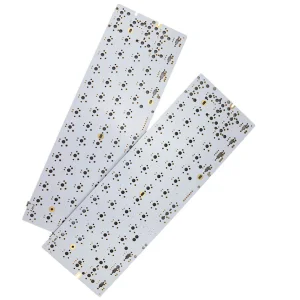
For Peruvian lighting start-ups, engineering labs and retrofit designers who need fast DFM review, component sourcing and pilot builds before local validation.
View Solution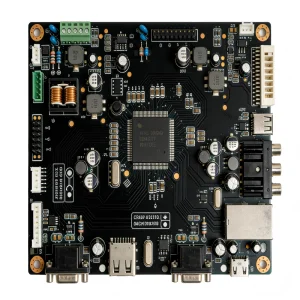
Ideal for Peruvian distributors and specifiers working on retail, hospitality, façade and architectural lighting where color consistency and thermal control matter.
View Solution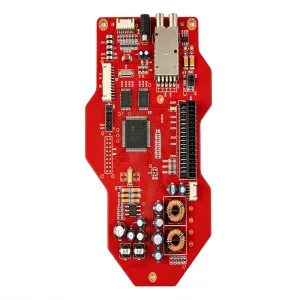
Supports office, education, healthcare and hospitality lighting programs where driver integration, flicker control and 220V/60Hz compatibility are critical.
View Solution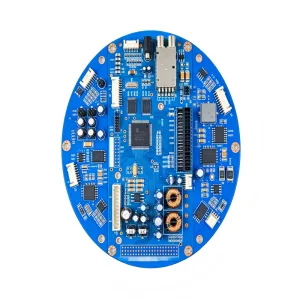
Built for trucks, buses, mining support vehicles and aftermarket LED bars that need vibration resistance, ingress protection and stable thermal design.
View SolutionThe title “China Top Automotive PCB Assembly Solutions & Factories for the Peru Market” is deliberately specific. Peru is not a copy-paste market for a standard overseas PCBA catalog, because purchasing risk, local operating conditions and compliance expectations differ from those in North America or Europe.
Peru’s automotive sector is shaped more by imported vehicles, fleet operators, CKD/SKD assembly, mining transport, aftermarket service and public mobility projects than by a single high-volume domestic automotive OEM. This means many Peruvian buyers need high-mix, low-to-medium-volume PCBAs with fast engineering feedback: LED lighting boards, control modules, chargers, instrument-cluster electronics, telematics accessories, sensors, signage controllers and power boards.
Peru’s LED market is similarly practical. Public lighting upgrades, commercial construction, ports, mining camps, cold-chain facilities, tourism infrastructure and retail signage all demand boards that tolerate 220V/60Hz driver architectures, humidity in coastal Lima, dust in mining regions and high-altitude operation in the Andes. A PCBA supplier that only quotes unit price without addressing these conditions creates hidden cost later.
This guide adds information gain beyond a product list: Peru-specific environmental requirements, import documentation expectations, automotive-grade quality controls, LED thermal design, supply-continuity planning and after-sales traceability. The goal is to help Peruvian engineers and procurement teams compare a China PCBA factory on total technical fit—not on price alone.
Peru’s opportunity is not only in domestic consumption. Its ports, mining economy, transport corridors and infrastructure programs create a practical demand base for rugged, documented and serviceable electronics.
Peru’s vehicle parc is strongly influenced by imported passenger cars, buses, trucks, mining vehicles and aftermarket parts. Buyers need reliable LED lighting boards, control electronics, chargers, sensors and telematics accessories that can survive heat, vibration, dust and long service intervals.
Retail, hospitality, transport hubs, public lighting and commercial buildings are moving toward efficient LED systems. For Peru, 220V/60Hz driver design, surge tolerance, IP-rated housings and thermal management often matter more than headline lumen claims.
Mining camps, ports, logistics corridors and construction projects require robust electronics with conformal coating, salt-spray awareness and stable performance in dusty or humid conditions. These are engineering requirements, not marketing preferences.
Many Peruvian buyers import through Callao, and the broader logistics system is continuing to evolve with new port infrastructure and trade connectivity. A technically good board can still become expensive if the documentation package, Incoterm, packaging standard or origin certificate is incomplete. This is why a Peru-focused PCBA supplier should support commercial invoice, packing list, bill of lading, certificate of origin under the China–Peru trade framework, test reports, RoHS/REACH declarations and traceability records before shipment.
For automotive and LED projects, buyers should also confirm how the supplier handles engineering changes, approved alternate parts, last-time buys and warranty claims after arrival. These details are especially important when a Peruvian distributor carries inventory across regions with different environmental conditions.
Power: plan for 220V/60Hz driver and lighting electronics.
Environment: design for coastal humidity, Andean altitude and mining dust.
Language: request Spanish labels, bilingual test summaries and English engineering drawings.
Logistics: align FOB, CIF, DAP or DDP terms with your customs broker before RFQ.
The bidding criteria for overseas PCB assembly have shifted. Serious buyers compare the supplier’s ability to prevent defects, protect IP, document decisions and keep production moving when the component market changes.
Automotive buyers expect IATF 16949 discipline: APQP, PFMEA, control plans, MSA, SPC thinking, PPAP-style submission and 8D response. LED and industrial buyers benefit from the same controlled workflow, even when the product is not a full automotive ECU.
Global supply disruptions have made approved alternates, last-time buys, moisture-sensitive device control and counterfeit avoidance non-negotiable. STHL combines BOM scrubbing, lifecycle checks and access to a broad sourcing network to reduce line-down risk.
Requests for NDAs before RFQ, restricted project access, ERP/MES traceability and reel-to-board records are now common. Buyers want to know exactly which lot was used, how it was inspected and how a future failure will be investigated.
Procurement teams are not buying “cheap boards”; they are buying lower total cost. DFM review, panelization, test strategy, component selection and packaging all influence landed cost in Peru, including inspection, rework and warranty exposure.
For Peru, the winning supplier must align factory quality records with customs and buyers’ compliance requests. RoHS/REACH declarations, material data, certificate of origin, test summaries and harmonized packaging labels reduce friction at SUNAT and with local auditors.
Shenzhen and Peru are separated by 13 hours in most of the year. Clear English or Spanish communication, morning/evening overlap windows, recorded decisions and disciplined engineering-change control matter as much as machine capability.
Instead of treating PCB fabrication, component sourcing, assembly and testing as separate transactions, a Peru-ready project should be designed as one controlled value chain from engineering files to after-sales evidence.
Translate the Peru use case into board requirements: operating voltage, surge, thermal load, enclosure, altitude, humidity, vibration, lifetime target and test method. This prevents “good boards for the wrong environment”.
Control PCB fabrication, incoming component inspection, SMT/THT assembly, AOI, X-ray, ICT/FCT, conformal coating, cable assembly and box build under one traceable workflow.
Build a shipment file aligned with Incoterms, certificate of origin, commercial invoice, test reports, RoHS/REACH statements and buyer-specific labeling. Confirm applicable electrical or radio approvals with local counsel.
Agree on RMA rules, failure-analysis turnaround, corrective-action reporting and spare-part strategy before mass production. A documented 8D process protects both the distributor and the end customer.
This roadmap is directional rather than a guarantee. It helps Peruvian buyers plan supplier discussions around technology readiness, documentation depth and validation capability instead of single-order pricing.
Focus on IATF 16949 process control, PPAP-style documentation, AOI/X-ray traceability, fine-pitch and BGA assembly, aluminum and high-Tg PCB fabrication, and LED thermal validation. For Peru, prioritize 220V/60Hz driver designs, surge protection and moisture-resistant coating for coastal and mining environments.
Expect growth in CAN/LIN networking, adaptive LED drivers, telematics accessories, EV charging indicators, smart-city signage, sensor fusion and remote diagnostics. Buyers will ask for firmware programming, test fixtures, cybersecurity-aware processes and more field data from installed systems.
AI-assisted AOI, digital-twin process planning, higher-density rigid-flex, advanced power electronics such as SiC/GaN, mini/micro LED approaches and circular-material requirements will shape premium programs. Peru-specific validation for altitude, corrosion and heat will become a stronger differentiator.
Global manufacturing is not simply leaving China. It is diversifying. Large OEMs are adding Mexico, Eastern Europe, India and Southeast Asia capacity to reduce risk, but China remains central for high-mix PCB assembly because of its deep component ecosystem, engineering talent, PCB fabrication network and mature EMS infrastructure.
For Peru, the most practical model is often China-based PCBA manufacturing combined with local integration, installation and service partners. This allows Peruvian brands to access competitive engineering and sourcing while keeping final configuration, Spanish documentation, warranty handling and customer relationships close to the market.
The global procurement trend is clear: buyers want dual sourcing, transparent traceability, ESG evidence, conflict-mineral awareness, counterfeit prevention and better lifecycle data. A China PCBA factory without disciplined documentation is difficult to qualify, no matter how competitive the first quote appears.
Localization is not just translation. It is aligning engineering assumptions, documentation, packaging, logistics and service communication with the way Peruvian buyers actually work.
Engineering drawings, Gerber feedback, BOM questions and test reports can be organized for English-speaking engineering teams, with Spanish-facing summaries for local procurement and installation partners where required.
Typical documents include commercial invoice, packing list, bill of lading, certificate of origin, test records, RoHS/REACH declarations, material declarations and product labeling data. Buyers should confirm the latest SUNAT and product-specific requirements with their broker.
Automotive programs can align to IATF 16949, IPC-A-610 Class 2/3 and agreed PPAP expectations. LED and lighting projects commonly reference IEC 60598, IEC 61347, LM-80/TM-21 data and IP-rated enclosure requirements. Final compliance remains the buyer’s responsibility.
For LED PCB assemblies and driver boards, STHL engineering reviews surge protection, creepage/clearance, thermal pad design, connector strain relief, conformal coating and enclosure assumptions for coastal humidity, dust and altitude.
ESD-safe packaging, moisture barrier bags, desiccant, reel/ tray labeling and drop-tested cartons can be planned for consolidated shipments via Callao or other routes. Incoterms should be agreed before RFQ to avoid hidden landed-cost surprises.
Every production batch can be linked to material lots and inspection records. If a field issue occurs, the team can support containment, root-cause analysis and corrective-action reporting suitable for distributor and OEM review.
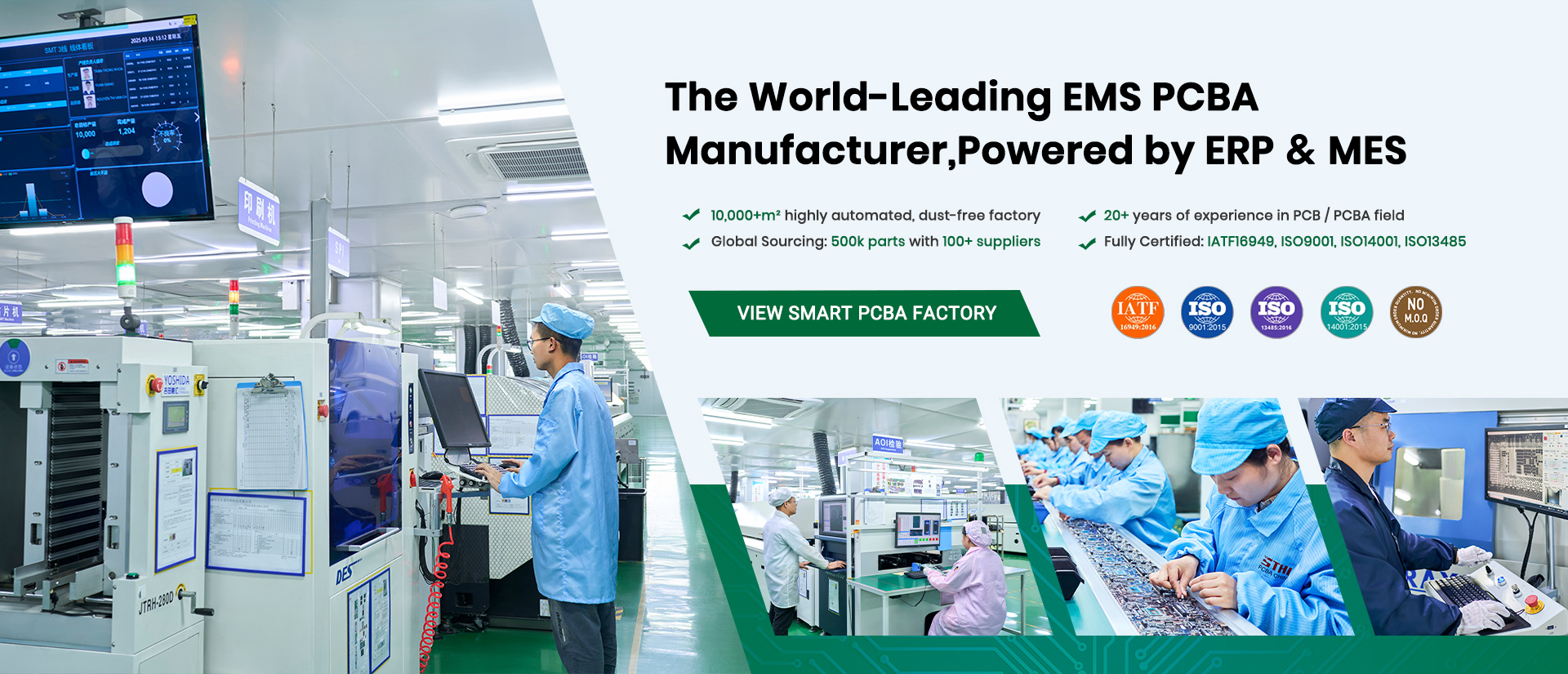
Shenzhen STHL Electronics Co., Ltd. has served global OEMs, distributors and engineering teams since 2006. The factory combines component sourcing, PCB fabrication coordination, SMT/THT assembly, testing, cable assembly, conformal coating and box build under one accountable workflow.
STHL operates with a 220+ person team, including 50+ engineers, in a 10,000 m² facility with an in-house R&D laboratory for design verification and prototype testing. The production base includes 7 SMT assembly lines, 2 DIP/THT lines, 2 functional test lines and 2 box-build lines.
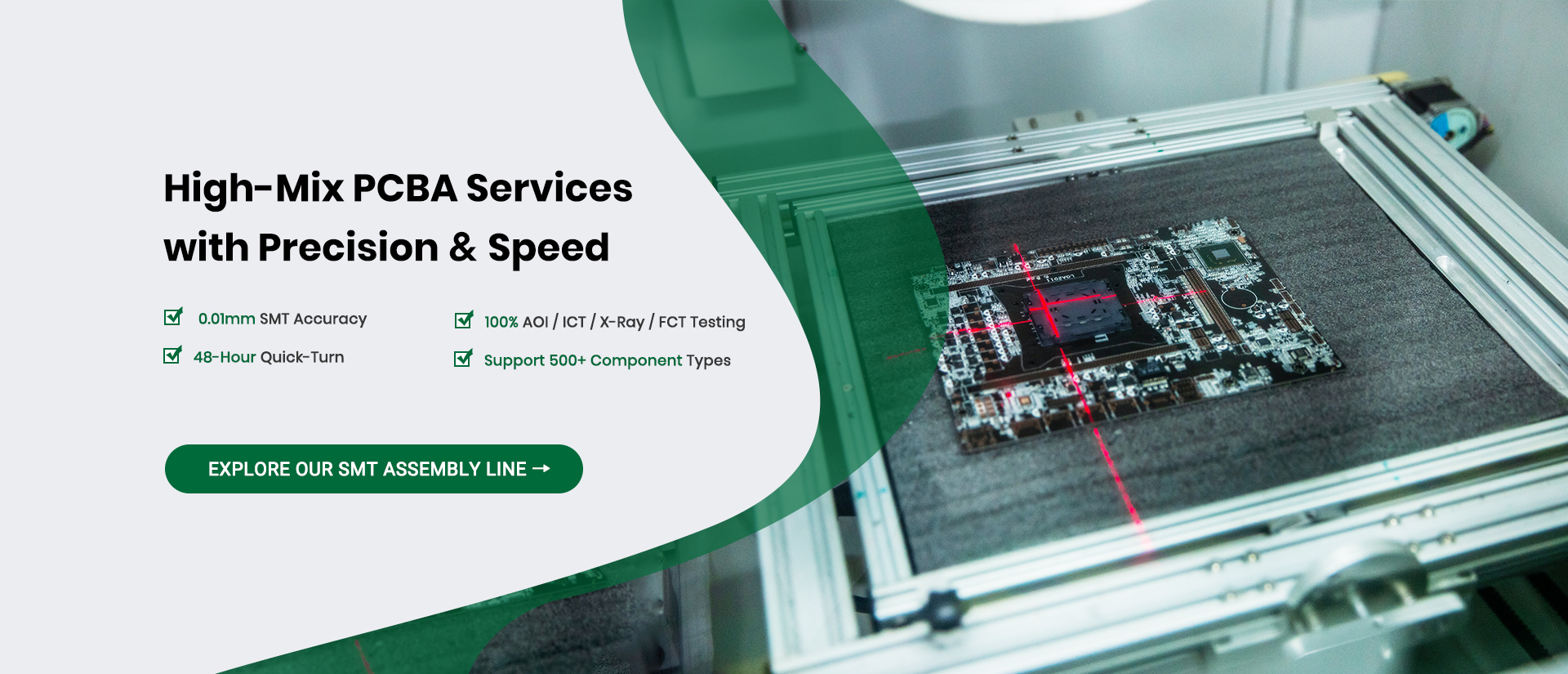
The quality system is built around IATF 16949, ISO 9001, ISO 14001 and ISO 13485, with RoHS-compliant output and inspection through AOI, X-ray, ICT and functional testing. Every build can be tracked through ERP and MES records. An NDA can be signed before RFQ, and factory visits or remote audits are welcome.
No MOQ allows Peruvian buyers to validate prototypes, low-volume custom lighting projects and niche automotive aftermarket parts before scaling to repeat production. A 360° virtual factory tour is available for remote supplier qualification.
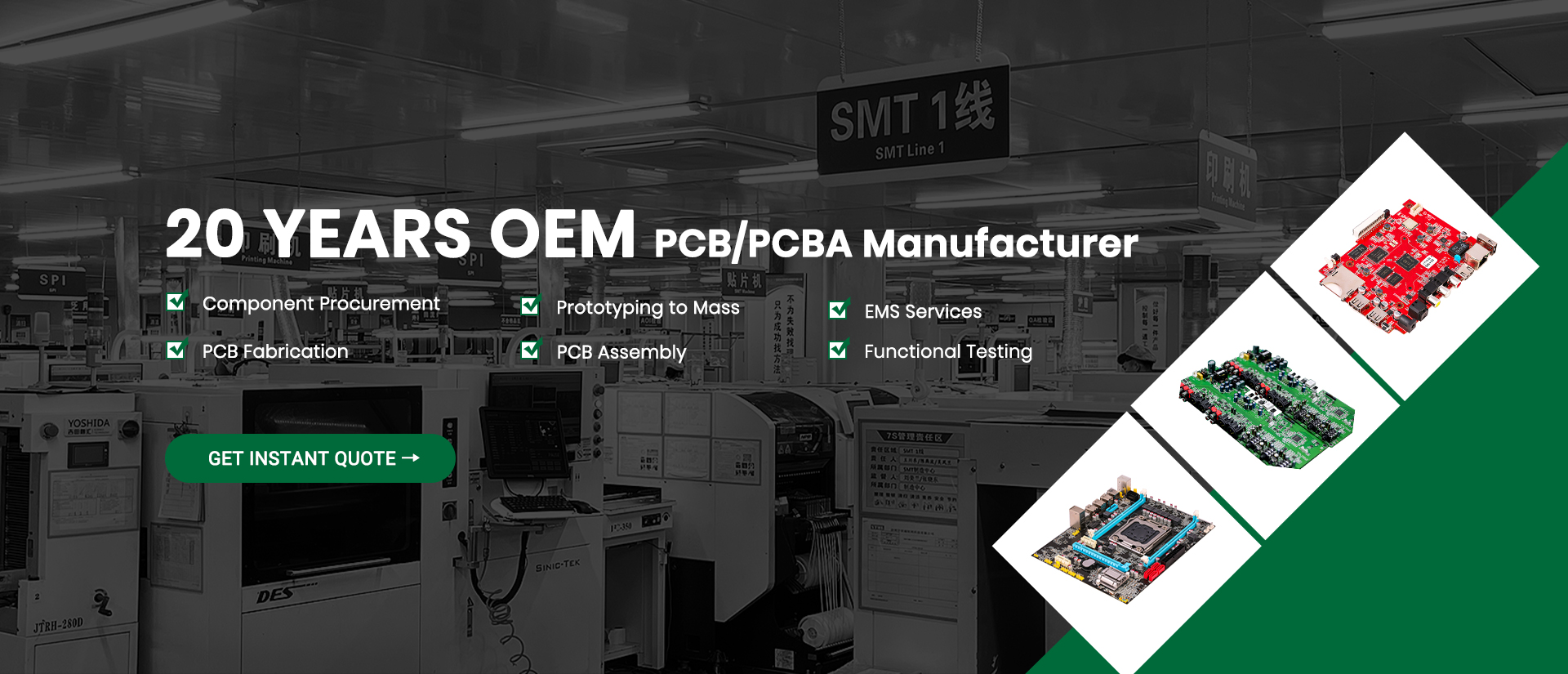
Full or partial turnkey sourcing through 100+ agents and suppliers, BOM scrubbing, alternate-part suggestions, incoming inspection and reel-level traceability.
Learn More
Standard, prototype, aluminum, flexible, rigid-flex, HDI, Rogers, ceramic, heavy-copper, high-Tg and halogen-free boards built to your stack-up and thermal requirements.
Learn More
Prototype, low-volume and high-volume assembly including fine-pitch, BGA and mixed-technology boards, verified by AOI and X-ray inspection.
Learn More
PCB layout support, IC programming, ICT and functional testing, conformal coating, cable and wire harness, and complete box build assembly.
Learn MoreEngineers check Gerber, BOM and centroid data for manufacturability, footprint errors, end-of-life parts and Peru-specific application risks before material is ordered.
Parts are purchased through approved channels, then pass incoming inspection and moisture-sensitive device control with traceability records.
Bare boards are produced to your stack-up, surface finish, impedance and thermal requirements, from single-layer to HDI and rigid-flex.
7 SMT lines and 2 DIP/THT lines handle fine-pitch, BGA and mixed-technology boards for prototypes and repeat production.
AOI, X-ray, ICT and functional tests, plus IC programming and conformal coating, with results logged in ERP/MES systems.
Cable assembly, enclosure integration, ESD-safe packaging and export labeling for shipment to Peru and global markets.
Measurable capacity, documented quality systems and engineering support that reduces total cost—not just the unit price.

10,000+ m² highly automated production space with controlled material flow across SMT, THT, test and box-build areas.

Proven know-how across PCB and PCBA projects, from prototypes to repeat production for customers in 90+ regions.

500,000+ part numbers accessible through 100+ agents and suppliers, with BOM lifecycle checks and counterfeit-risk controls.

IATF 16949, ISO 9001, ISO 14001 and ISO 13485 systems support automotive, medical, industrial and lighting customers.

Real-time production status, lot traceability and inspection records that support audits, RMA investigation and 8D reporting.

Prototype and large-quantity orders are both welcome, while design files and IP are protected before quotation begins.

Quality Management System

Automotive Quality Management

Medical Devices Quality Management

Environmental Management System








“Excellent team to work with and fast delivery with high-quality boards. We are very happy to work with such a good supplier. Thanks again.”

“Please extend my thanks to your team for your hard work in preparing these samples. This positive experience has strengthened my confidence in your company, and I'm looking forward to discussing bulk orders in the near future.”

“We are satisfied with the last order. You did a great job on those boards and the lead time was short. I will place a new order soon.”


Customer visits, concept reviews and supplier qualification are part of the engineering support process.
Read More
A practical view of material preparation, line control and inspection discipline for overseas buyers.
Read More
Why reel-to-board traceability matters when buyers need audits, failure analysis or repeat production.
Read MoreStraight answers to the questions procurement and engineering teams ask before choosing a PCB assembly manufacturer in China for Peruvian projects.
Send Gerber files, a BOM with manufacturer part numbers, the pick-and-place (centroid) file and assembly drawings. If you need IC programming or functional testing, include firmware and test procedures. Our engineers complete a DFM and BOM review before production starts.
No. STHL accepts prototype, low-volume and high-volume PCB assembly orders, so you can validate a design and scale to mass production with the same supplier.
Yes. We offer full turnkey, partial turnkey and consigned assembly. Our sourcing team works with 100+ agents and suppliers covering more than 500,000 part numbers, with incoming inspection and traceability from reel to finished board.
STHL is certified to IATF 16949, ISO 9001, ISO 14001 and ISO 13485, and produces RoHS-compliant assemblies. Boards are verified with AOI, X-ray, ICT and functional testing.
We sign an NDA before RFQ, restrict project data to the assigned engineering team and track every build through our ERP and MES systems.
Yes. Customers are welcome to visit our Shenzhen factory and R&D laboratory at any time, and a 360-degree virtual factory tour is available for remote evaluation.
We can prepare commercial invoices, packing lists, product test summaries, RoHS/REACH declarations and origin-related documents for your customs broker. Shipping terms can be discussed as FOB, CIF, DAP or DDP depending on the project. Final import requirements should be confirmed with your SUNAT broker and local counsel.
Yes, 220V/60Hz driver and lighting requirements should be specified in the RFQ. Engineering can review creepage, clearance, surge protection, thermal design, connector selection and conformal coating based on the enclosure and installation environment.
The project should define the operating environment during RFQ. Depending on the application, STHL can discuss conformal coating, insulation margins, thermal derating, corrosion-aware materials, connector protection and test criteria. These choices must be validated against the final enclosure and installation conditions.
STHL operates under IATF 16949 systems and can discuss PPAP-style documentation, control plans, inspection records and traceability aligned with the project’s risk level. The exact submission package should be agreed before production.
Send Gerber, BOM, quantity forecast, target application, operating environment and any compliance or labeling requirements to our team through the contact page. An NDA can be signed before files are shared. We will return DFM questions, sourcing risks and a quotation path.
These eight solutions complete the product series and are arranged in two full rows for efficient comparison. Each original product image and URL is retained for direct engineering review.
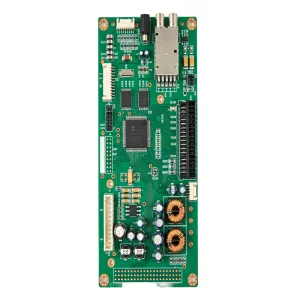
For cabinet, shelf, industrial and architectural lighting where rigid construction and repeatable assembly are preferred.
View SolutionFlexible LED boards for curved surfaces, signage, hotel interiors and display lighting with controlled color consistency.
View Solution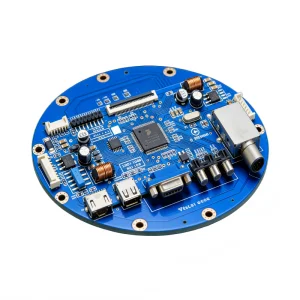
Module boards for backlighting, signage, instruments and lighting products requiring stable thermal and optical performance.
View Solution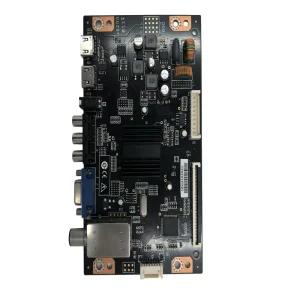
Turnkey support for signage controllers, LED driver boards and display electronics used in retail and public environments.
View Solution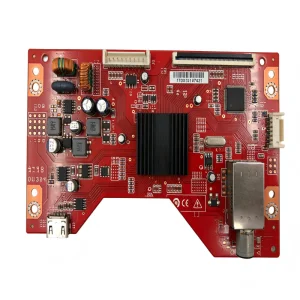
For transport information, control-room displays, signage networks and industrial monitoring where uptime matters.
View Solution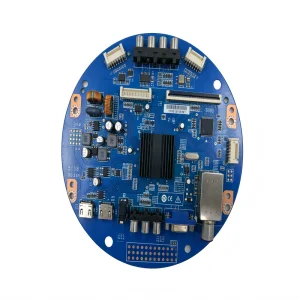
Prototype and production support for backlight units used in displays, instruments, kiosks and industrial terminals.
View Solution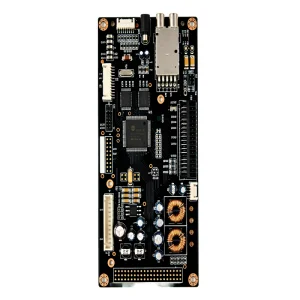
Panel-light PCBAs for offices, schools, clinics and commercial buildings seeking energy-efficient 220V/60Hz lighting.
View Solution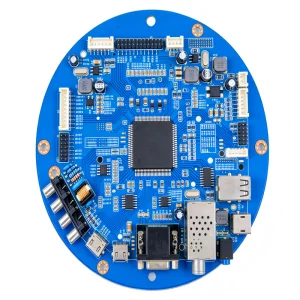
High-power floodlight boards for demanding outdoor environments where thermal design, surge resilience and service life are key.
View SolutionTell us your application, operating environment, annual demand and preferred Incoterm. STHL will review manufacturability, component risk and documentation needs before quotation.
