
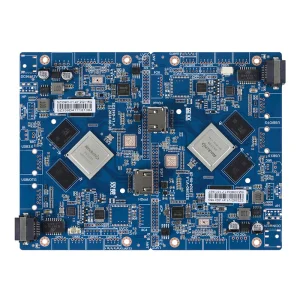
Top Consumer Electronics PCBA Applications for Turkey’s Smart Device Brands
Application map for smart home, audio, charging, wearables, TV accessories and connected appliances.
Turnkey SMT/THT PCBA for Turkish OEMs, brands and hardware startups — from DFM and BOM review, component sourcing and PCB fabrication to functional testing, box build and export documentation.
These four product lines are immediately relevant to Turkish appliance brands, telecom distributors, education hardware importers, retail technology integrators and consumer-device start-ups. Each product URL is preserved below; each page should be used as a technical and commercial starting point for an RFQ.
Application map for smart home, audio, charging, wearables, TV accessories and connected appliances.
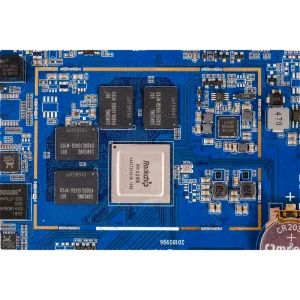
High-density boards, BGA rework control, thermal considerations and prototype-to-volume support.
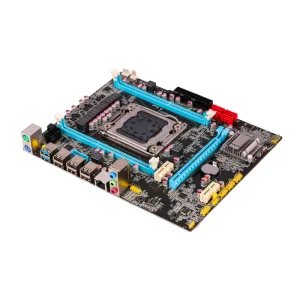
RF layout review, Wi-Fi module integration, shielding, functional test fixtures and batch traceability.
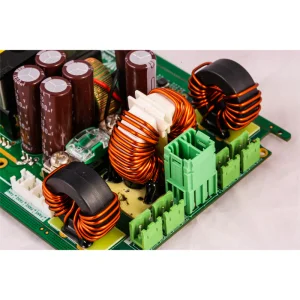
Display interface, battery charging, touch controller, camera and wireless coexistence validation.
Turkey is not only a consumer market; it is also a manufacturing and re-export platform linking Europe, the Middle East, North Africa and Central Asia. For Chinese PCBA factories, the opportunity is not simply to quote a lower unit price. The real value is to reduce engineering friction, shipment uncertainty and compliance risk for Turkish buyers.
Turkey has a substantial white-goods, appliance, television, set-top box, audio, networking equipment and small-electronics ecosystem. Clusters around Istanbul, Kocaeli, Bursa, Izmir, Ankara and Gaziantep bring together OEMs, contract manufacturers, component distributors, design houses and export-focused brands. Many Turkish companies assemble final products locally while importing bare PCBAs, modules or complete electronic sub-assemblies. That creates a clear need for a China PCBA company that can act as a technically accountable extension of the Turkish buyer’s engineering team.
For consumer electronics, the purchasing pattern is often high-mix, low-to-medium volume: multiple product variants, shorter retail seasons, private-label programmes and regional certification requirements. A supplier that only accepts large minimum order quantities creates cash-flow and warehousing pressure in Turkey, especially when Turkish lira volatility makes long inventory positions expensive. STHL’s no-MOQ policy, prototype capability and flexible call-off planning are therefore commercially valuable, not just technically convenient.
Turkey’s air and sea routes are well developed. Istanbul Airport supports urgent prototype and sample shipments; Ambarlı, Gemlik, Mersin and Izmir support container and consolidated sea freight. For repeat PCBA orders, the optimal model is usually a mix of air freight for first articles and sea freight for stable volume. A Shenzhen PCBA factory serving Turkey should provide clean export documents, consistent packaging, moisture-sensitive device control, ESD protection and shipment labelling that matches the importer’s ERP or warehouse requirements.
Consumer electronics entering Turkey commonly require CE-related EMC and safety evidence, RoHS and REACH declarations, WEEE considerations and, for wireless products, BTK-related market access preparation. Some product categories also involve TSE expectations or retailer-specific test requirements. The Chinese PCBA factory does not replace the Turkish importer’s legal responsibility, but it can supply the technical file inputs, material declarations, test records, firmware version controls and traceability that make certification and customs clearance smoother.
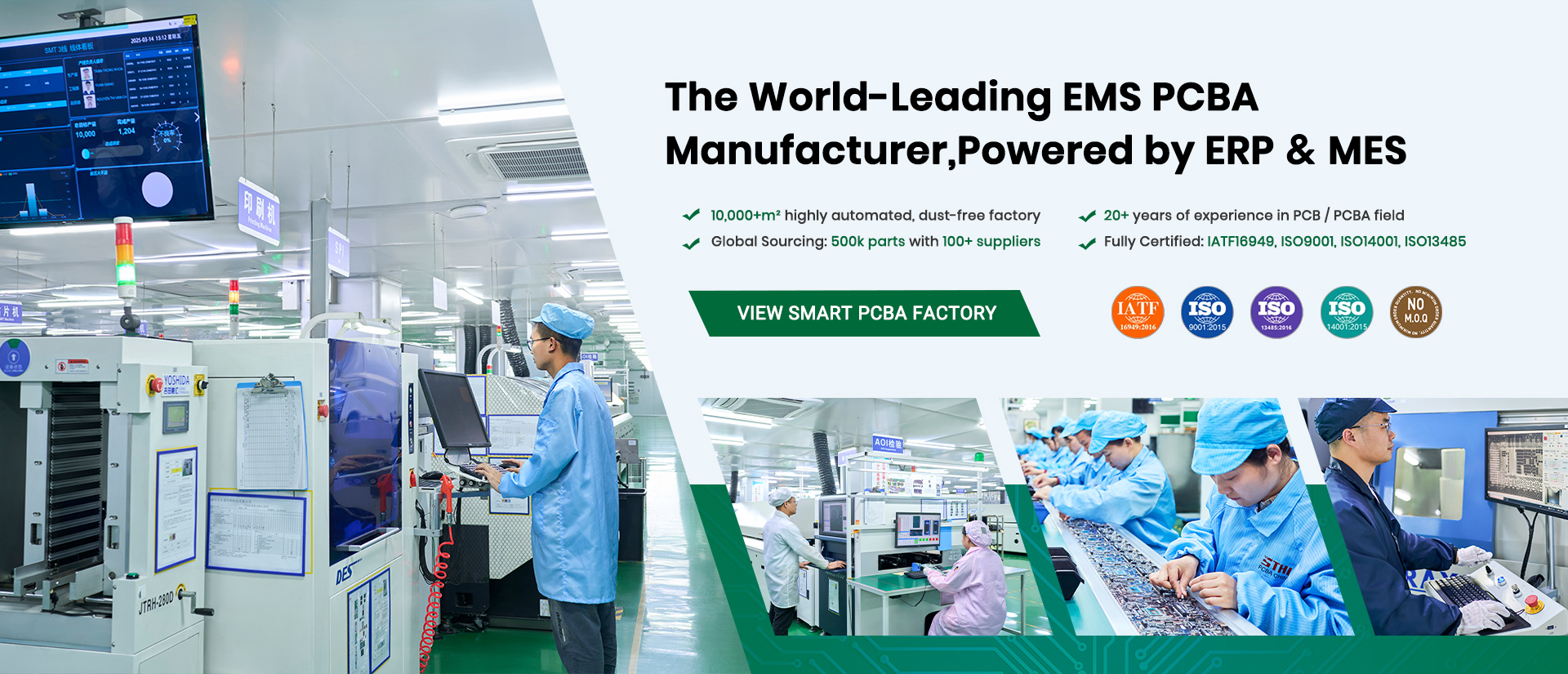
Shenzhen STHL Electronics Co., Ltd. is a certified EMS and ODM provider established in 2006. The team combines PCB layout support, component procurement, PCB fabrication, SMT and THT assembly, cable assembly, testing and box build under one controlled workflow. For a Turkish brand, this means fewer hand-offs between a Chinese PCB shop, a separate component broker, an assembly house and a final test contractor.
The 10,000 m² facility is supported by more than 220 staff, including 50+ engineers, 7 SMT lines, 2 DIP/THT lines, 2 functional test lines, 2 box-build lines and an in-house R&D laboratory. Production is controlled under IATF 16949, ISO 9001, ISO 14001 and ISO 13485 systems, with RoHS-compliant assemblies and AOI, X-ray, ICT and functional test coverage. For consumer electronics, this quality infrastructure matters because a board that passes visual inspection can still fail in the field due to thermal, EMC, charging or firmware-related issues.
STHL also operates with no MOQ and signs an NDA before RFQ, which is practical for Turkish start-ups, design houses and importers that need to validate a product before committing to container-level volume. Global sourcing covers 100+ agents and suppliers and more than 500,000 part numbers, with incoming inspection and reel-to-board traceability.

Full or partial turnkey sourcing, BOM scrubbing, alternate-part suggestions and traceability.

Rigid, flex, rigid-flex, HDI, aluminum, high-Tg and heavy-copper boards built to the stack-up.

Fine-pitch, BGA and mixed-technology assembly for prototypes, pilot runs and repeat production.

IC programming, conformal coating, cable harness, functional testing and box build.
Turkey-specific product requirements often include 220–240 V AC operation, 50 Hz mains, voltage fluctuation tolerance, high ambient temperatures in summer, dust in field-service equipment, Turkish-language user interfaces and CE-oriented EMC planning. The following application scenarios are especially relevant for Turkish OEMs, distributors and integrators.

Control boards, Wi-Fi modules, sensor interfaces and power management for Turkish white-goods and smart-home brands.

RF-conscious layout, shielding, Ethernet magnetics and functional test support for Turkish broadband distributors.
Compact boards for retail terminals, Bluetooth audio, charging accessories and portable consumer devices.

Reliable PCBA for apartment intercoms, door entry, access control and building automation integrators.
Consumer electronics PCBA requirements are shifting from simple connectivity to secure, energy-efficient, software-defined products. Turkish brands that plan certification and retail launch cycles should align PCB design, component selection and test strategy early.
Wi-Fi 6E/7 modules, Matter-ready smart home devices, USB-C PD, GaN chargers, low-power MCUs and stronger EMC margins for CE-market access.
Edge AI inference, camera and voice interfaces, secure elements, eSIM/GSM fallback and battery-management systems for portable consumer devices.
Higher HDI and rigid-flex adoption, miniaturized sensor fusion, wide-bandgap power stages and recyclable or low-halogen material preferences.
Digital traceability, firmware version control, cybersecurity hygiene, component lifecycle management and digital product passport readiness.
Thermal derating, surge protection, dust-tolerant coatings and 220–240 V AC safety margins.
ICT, functional test and RF validation planned before pilot production, not after retail orders are confirmed.
BOM risk reports, alternate parts and last-time-buy planning for MCUs, modules and power devices.
Secure boot, debug-port control, unique device identity and firmware traceability for GDPR-sensitive products.
The Shenzhen electronics ecosystem remains difficult to replicate at speed. It combines PCB fabrication, component distribution, SMT capacity, tooling, test fixtures, enclosure suppliers, cable harness shops and logistics services within a short geographic radius. For a Turkish buyer, that density translates into faster engineering iterations and more options when a designated part is constrained.
STHL’s sourcing team works with 100+ agents and suppliers covering more than 500,000 part numbers. For consumer electronics PCBA projects, this is used to screen BOM risks, propose approved alternates, secure long-lead modules and maintain reel-level traceability. The factory’s 7 SMT lines, 2 DIP/THT lines, 2 functional test lines and 2 box-build lines support high-mix production without forcing every customer into a single high-volume mould.
The practical benefit for Turkey is a balanced model: engineer in Turkey, source and build in Shenzhen, hold flexibility in the supply plan, and ship to Istanbul or Mersin on an agreed schedule. With 99.5% on-time delivery and a 99% qualified shipment rate, the aim is to reduce the hidden cost of missed retail windows, repeated rework and emergency air freight.
“Exciting! Very fast delivery, a professional supplier and a professional product. We will place a new order very soon!”

A Turkey-based engineering voice attached to a real production relationship is stronger evidence than generic “global customer” claims. The same accountability applies to samples, pilot runs and repeat orders.
“Compliant” does not mean the factory issues a CE certificate on behalf of the Turkish importer. It means the factory supplies consistent manufacturing records, material declarations, controlled BOMs, test results and change notifications that let the importer, notified body and local distributor do their jobs without avoidable delays.
Design-for-EMC review, critical component lists, test fixture records and manufacturing consistency for CE technical files.
Material declarations, RoHS-compliant assembly and documentation support for importer environmental obligations.
Wireless product documentation, labelling inputs and technical data support for Turkish market-access processes.
Secure boot, unique identity, firmware version control and data-minimization discussions for connected products.
English-speaking engineering and sales contacts, NDA before RFQ, DFM feedback before tooling, and a factory audit path that includes a 360° virtual tour for Turkish procurement teams that cannot travel immediately. Customers are welcome to visit the Shenzhen factory and R&D laboratory, and remote pre-qualification can begin with the virtual factory tour and documentation review.
For repeat orders, STHL can align packaging, labels, firmware version and inspection criteria with the Turkish importer’s warehouse and retail requirements. This is especially useful for consumer electronics where carton labelling, barcode placement and master-carton data affect distribution centre receipt.
Procurement teams should not accept “high quality” as an adjective. They should ask for the quality system, the test method, the traceability model and the escalation process. STHL operates under IATF 16949, ISO 9001, ISO 14001 and ISO 13485 systems, with RoHS-compliant assemblies and testing that includes AOI, X-ray, ICT and functional test.

Quality management system
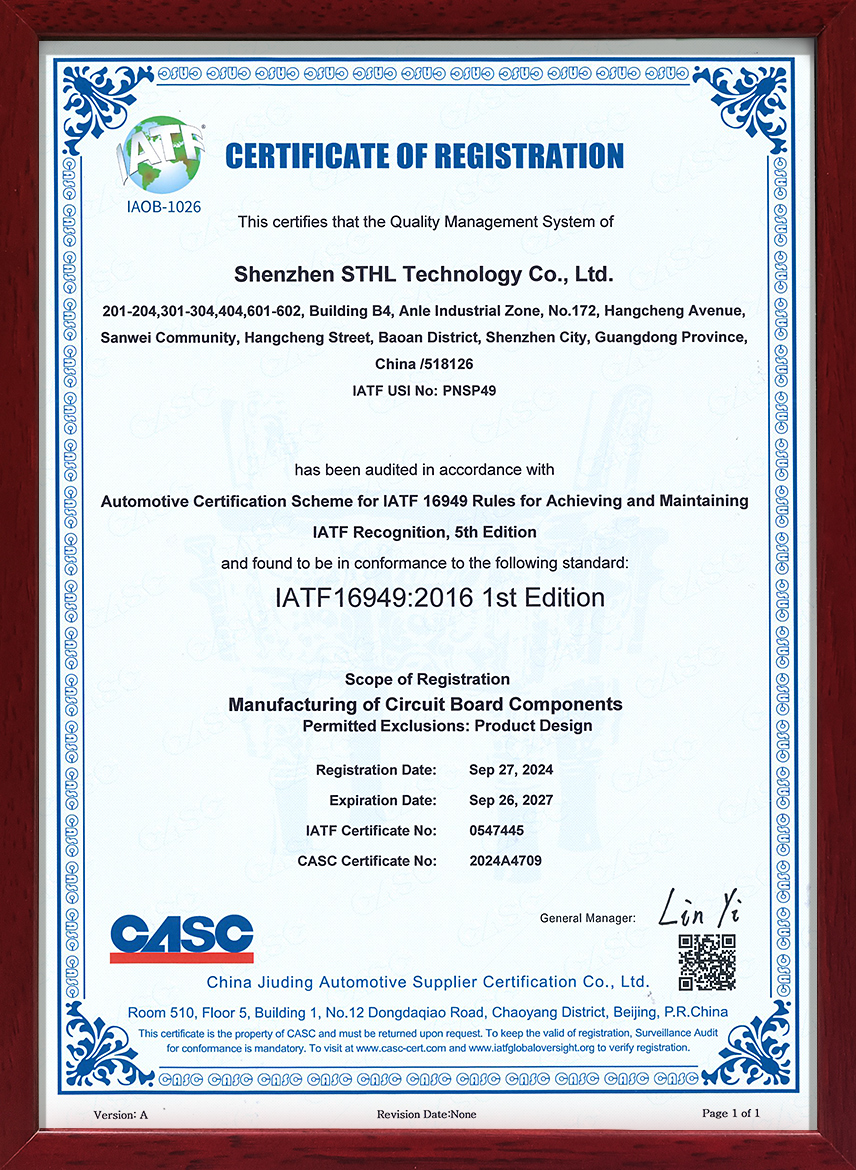
Automotive quality management
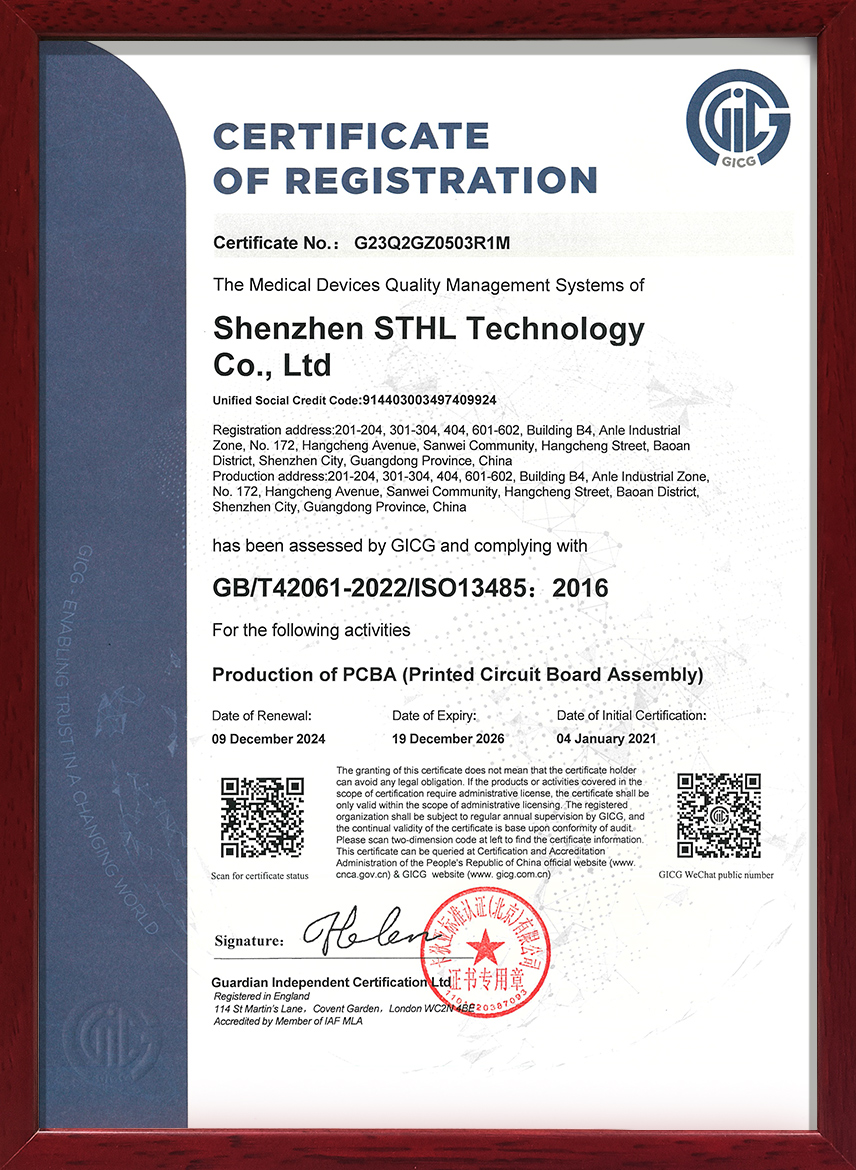
Medical devices quality management
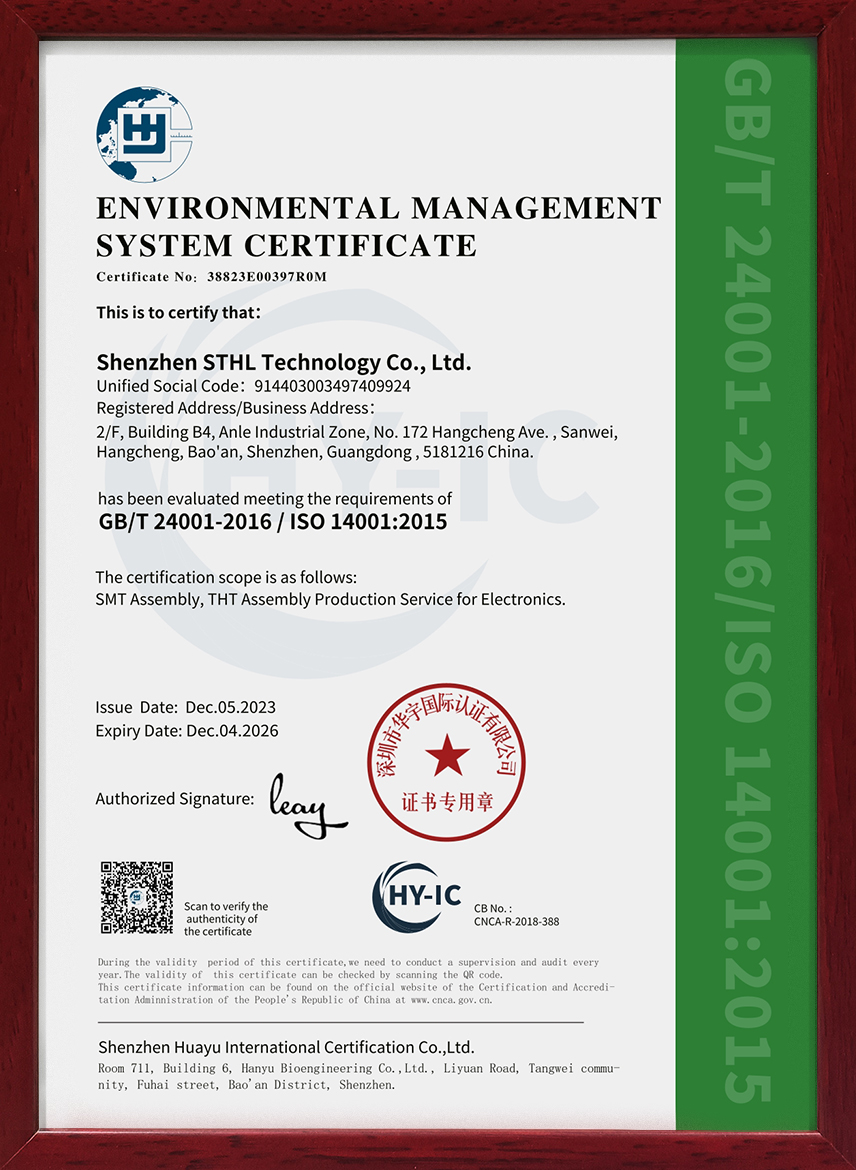
Environmental management system
Footprint checks, assembly clearances, panelization feedback and end-of-life screening.
Supplier verification, moisture-sensitive device control and reel-level traceability.
Process and product verification matched to the product’s risk and volume.
NDA before RFQ, restricted project access and ERP/MES tracking for every build.








Global electronics sourcing is being reshaped by component allocation, regional trade policy, energy costs, AI-enabled devices and sustainability reporting. For Turkey, the strongest procurement strategy is not to chase the lowest quote every quarter. It is to build a repeatable engineering and supply relationship with a Chinese PCBA company that can demonstrate process control, component transparency and stable communication.
European and Middle Eastern buyers continue to diversify final assembly and warehousing, while still relying on Asia’s component and PCBA ecosystem for speed and breadth.
MCUs, Wi-Fi modules, memory and power devices can change allocation quickly. BOM risk screening and approved alternates are now part of commercial planning.
Edge AI, voice control, secure connectivity and app ecosystems increase PCB complexity and make firmware/test traceability more important.
Low-power design, GaN power stages, recyclable packaging and RoHS/REACH discipline are becoming retail and tender requirements.
Accurate HS codes, country-of-origin data, material declarations and consistent invoices reduce customs delays and audit risk.
ERP/MES tracking, lot traceability and change notification are expected by serious distributors, not only by automotive or medical customers.
Practical answers for Turkish procurement managers, hardware engineers, importers and brand owners evaluating a China consumer electronics PCB assembly factory.
Send Gerber files, a BOM with manufacturer part numbers, the pick-and-place (centroid) file and assembly drawings. If you need IC programming or functional testing, include firmware and test procedures. Our engineers complete a DFM and BOM review before production starts.
No. STHL accepts prototype, low-volume and high-volume PCB assembly orders, so Turkish customers can validate a design and scale to mass production with the same supplier. This is especially useful for retail pilot runs, distributor samples and product variants.
Yes. We offer full turnkey, partial turnkey and consigned assembly. Our sourcing team works with 100+ agents and suppliers covering more than 500,000 part numbers, with incoming inspection and traceability from reel to finished board.
STHL is certified to IATF 16949, ISO 9001, ISO 14001 and ISO 13485, and produces RoHS-compliant assemblies. Boards are verified with AOI, X-ray, ICT and functional testing.
We sign an NDA before RFQ, restrict project data to the assigned engineering team and track every build through our ERP and MES systems.
Yes. Customers are welcome to visit our Shenzhen factory and R&D laboratory at any time, and a 360-degree virtual factory tour is available for remote evaluation. This helps Turkish procurement and quality teams pre-qualify the supplier before travel.
We provide manufacturing records, BOM data, material declarations, test records, labelling inputs and technical information that support the Turkish importer’s certification and market-access work. The legal certificate holder and importer remain responsible for CE, BTK, TSE or other local requirements, but the factory can reduce documentation gaps.
Incoterms and lead times depend on component availability, PCB complexity, assembly process and test requirements. Prototype orders can use air freight to Istanbul; repeat volume can use sea freight via Ambarlı, Gemlik, Mersin or Izmir. STHL provides shipment planning, ESD-safe packaging and export documents to match the buyer’s customs broker.
Yes. We screen BOM risks, propose approved alternates, flag near-end-of-life parts and support last-time-buy planning. For Turkish brands with multiple retail variants, this is often more valuable than a lower initial quotation.
These eight product URLs complete STHL’s consumer electronics PCBA series. They are relevant to Turkish mobile accessory importers, call-centre equipment distributors, ISP and enterprise network integrators, audio brands, access-control companies and voice-AI product teams.
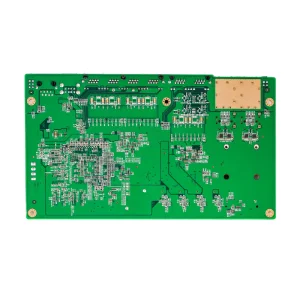
Compact boards, fine-pitch assembly, battery interface and test coverage for mobile products.
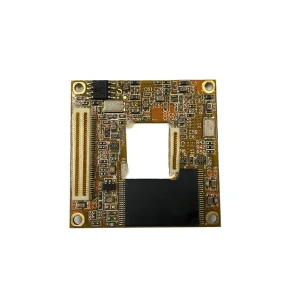
Audio quality, Ethernet, power interface and keypad/display integration for business phones.
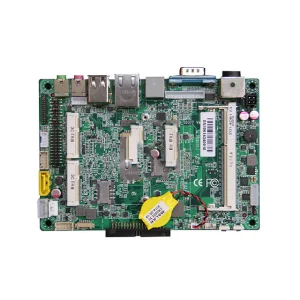
DSL/fibre CPE boards, RF shielding, thermal planning and mass-production test fixtures.
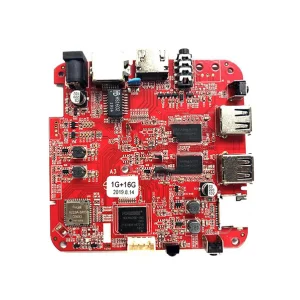
High-speed board fabrication, BGA assembly, thermal design and enterprise-grade testing.
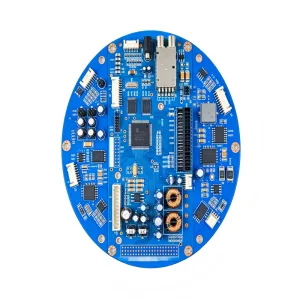
Small-form-factor assembly, antenna sensitivity, battery charging and acoustic validation support.
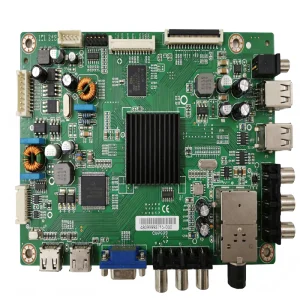
Rugged handhelds, retail mobility, field-service terminals and wireless communication boards.
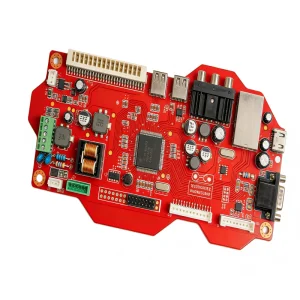
Apartment intercoms, door entry, audio/video modules and access-control electronics.
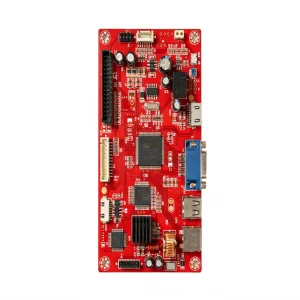
Fast prototype cycles, microphones, amplifiers, wireless modules and design-for-test feedback.
Send Gerber files, BOM, pick-and-place data and target quantities for a DFM and BOM review. Include your destination city in Turkey, target certification requirements and preferred Incoterm so the quotation matches the real project conditions.
Shenzhen STHL Electronics Co., Ltd. · B4, AnLe Industrial Zone, No.172 Hangcheng Blvd, Bao'an Xixiang District, Shenzhen, 518126 China · [email protected] · +86 135 1018 8049