


 Certified quality & environmental systems
China Communication PCB Assembly Manufacturer & Service for Kuala Lumpur
Turnkey communication PCB assembly, engineering review, component sourcing, SMT/THT, testing and box build for Kuala Lumpur telecom, data-centre, enterprise network and smart-city hardware teams.
Four Communication PCB Assembly Products for Kuala Lumpur Buyers
These four product families are often requested by Kuala Lumpur network integrators, telecom equipment builders, enterprise IT teams and government-linked smart-city projects. Each product link is retained from the original portfolio, while the positioning has been adapted for Kuala Lumpur procurement and deployment realities.
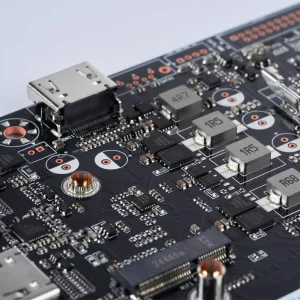
OEM Communication PCBA Application for Kuala Lumpur: Connecting the World with Precision Supplier, Factory
View Product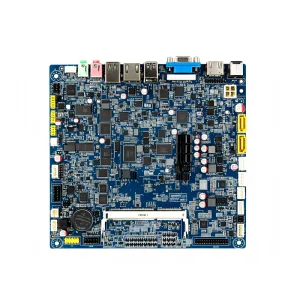
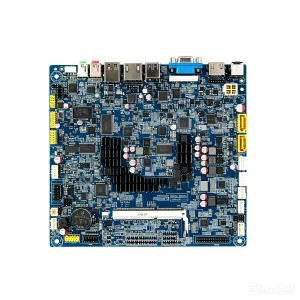
Top 10 Base Station PCB Assembly Factory & Solution Provider for Kuala Lumpur
View Product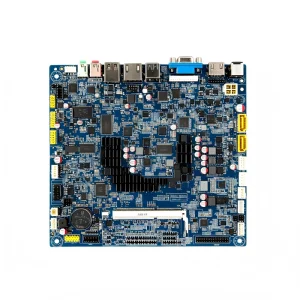
China Wireless Access Point PCB Assembly Manufacturer & Company for Kuala Lumpur
View ProductWhy Kuala Lumpur Is a Strategic Market for Communication PCB Assembly
Kuala Lumpur is not only Malaysia’s financial and administrative centre; it is the commercial gateway through which communication hardware projects are specified, funded and supported across the Klang Valley and the wider ASEAN market.
Kuala Lumpur and the surrounding Klang Valley host telecom operator headquarters, network systems integrators, cloud and data-centre teams, enterprise ICT buyers, cybersecurity providers and smart-city programme offices. This creates a demand profile that is more demanding than generic consumer electronics. Communication PCB assemblies deployed from Kuala Lumpur must support carrier-grade uptime, data-centre throughput, enterprise security, public-sector accountability and long field-service life. Buyers need more than a factory that can place components; they need a manufacturing partner that can interpret RF, optical, high-speed digital and power designs, protect intellectual property and keep documentation traceable from prototype through repeat production.
Malaysia’s digital economy agenda, 5G rollout, fibre-to-the-premises expansion, cloud regions, data-centre investment and enterprise Wi-Fi refresh cycles all increase demand for routers, switches, gateways, firewalls, optical network units, optical line terminals, optical transceivers, repeaters, base stations and wireless access points. Global enterprises often compare China-based PCBA manufacturers for speed, engineering depth and component access, yet they still expect Kuala Lumpur-level responsiveness: English communication, same-day technical clarification, structured NDA processes, audit-ready records and reliable logistics through KLIA and Port Klang.
A China Communication PCB Assembly Manufacturer & Service for Kuala Lumpur must therefore combine factory discipline with localisation awareness. That means understanding tropical humidity, lightning and surge exposure, heat dissipation in dense enclosures, high-speed impedance control, optical module thermal behaviour and the documentation needed for Malaysian import, deployment and end-product certification support.
Engineering teams are asked to shorten NPI cycles, buyers are asked to reduce landed cost and manage component risk, and quality teams are asked to prove traceability. A PCBA supplier that can handle DFM review, BOM scrubbing, alternate-part proposals, SMT/THT assembly, AOI, X-ray, ICT and functional testing under one workflow reduces coordination risk across all three groups.
Years of EMS experience
m² production facility
Professional engineers
On-time delivery
Part numbers sourced
Regions served
What Global Enterprises Now Expect from a Kuala Lumpur PCBA Partner
Buyers in Kuala Lumpur are not only comparing unit price. They are evaluating total landed cost, engineering responsiveness, supply-chain resilience, compliance evidence and the ability to scale from a handful of prototypes to repeat production without changing suppliers.
DFM, BOM and centroid review should happen before components are ordered. Global buyers expect footprint validation, end-of-life risk flags, alternate-part suggestions, panelisation advice and testability feedback so that communication boards are not delayed by avoidable design issues.
Communication equipment often requires serialisation, lot control and evidence of incoming inspection. A supplier with ERP and MES tracking, moisture-sensitive device control and documented component traceability is easier to qualify and easier to audit after deployment.
Kuala Lumpur engineering teams routinely handle proprietary network designs, firmware and test procedures. NDA execution before RFQ, restricted access to project files and controlled engineering communication are non-negotiable requirements for serious OEMs and product owners.
Communication hardware portfolios often include multiple SKUs, regional variants, firmware configurations and small qualification batches. No-MOQ prototyping and repeatable low-volume production let Kuala Lumpur teams validate designs before committing to volume forecasts.
Global procurement teams expect visibility into component availability, approved alternates and long-lead items. Access to a broad supplier network, BOM scrubbing and engineering cost-down support helps protect schedules when allocation shifts.
Kuala Lumpur-bound shipments need ESD-safe packing, accurate commercial documentation and flexible air or sea freight planning. A PCBA supplier that understands KLIA/Port Klang routing and Incoterms reduces friction between factory completion and local delivery.
Building Communication PCBAs That Survive Real Networks
Communication PCB assembly is a discipline of trade-offs: signal integrity versus thermal density, RF performance versus enclosure constraints, optical sensitivity versus manufacturability, and cost versus long-term reliability.
Routers, switches, gateways and firewalls increasingly carry high-speed differential pairs, dense BGA packages and impedance-sensitive traces. Stack-up planning, controlled impedance, via optimisation and assembly cleanliness directly influence link stability and manufacturing yield.
Base station, access point and repeater boards require disciplined RF assembly: material selection, ground-plane integrity, shielding, connector placement, solder-joint quality and test fixtures. Process variation that is acceptable on low-speed boards can be critical on RF modules.
ONU, OLT and optical transceiver PCBAs demand careful thermal management, contamination control and test coverage. Optical modules can be sensitive to residue, mechanical stress and heat, so assembly, cleaning, coating and functional testing must be aligned with the end-product environment.
Communication equipment often combines sensitive analogue/RF circuits with high-current power stages. Copper balance, thermal relief, heavy-copper capability, component derating and functional burn-in help ensure stable performance in tropical operating conditions.
Kuala Lumpur deployments include offices, towers, data halls and outdoor cabinets. Grounding strategy, shielding cans, cable routing, conformal coating and connector selection should be considered together, because a board that passes bench tests may still fail in the final enclosure.
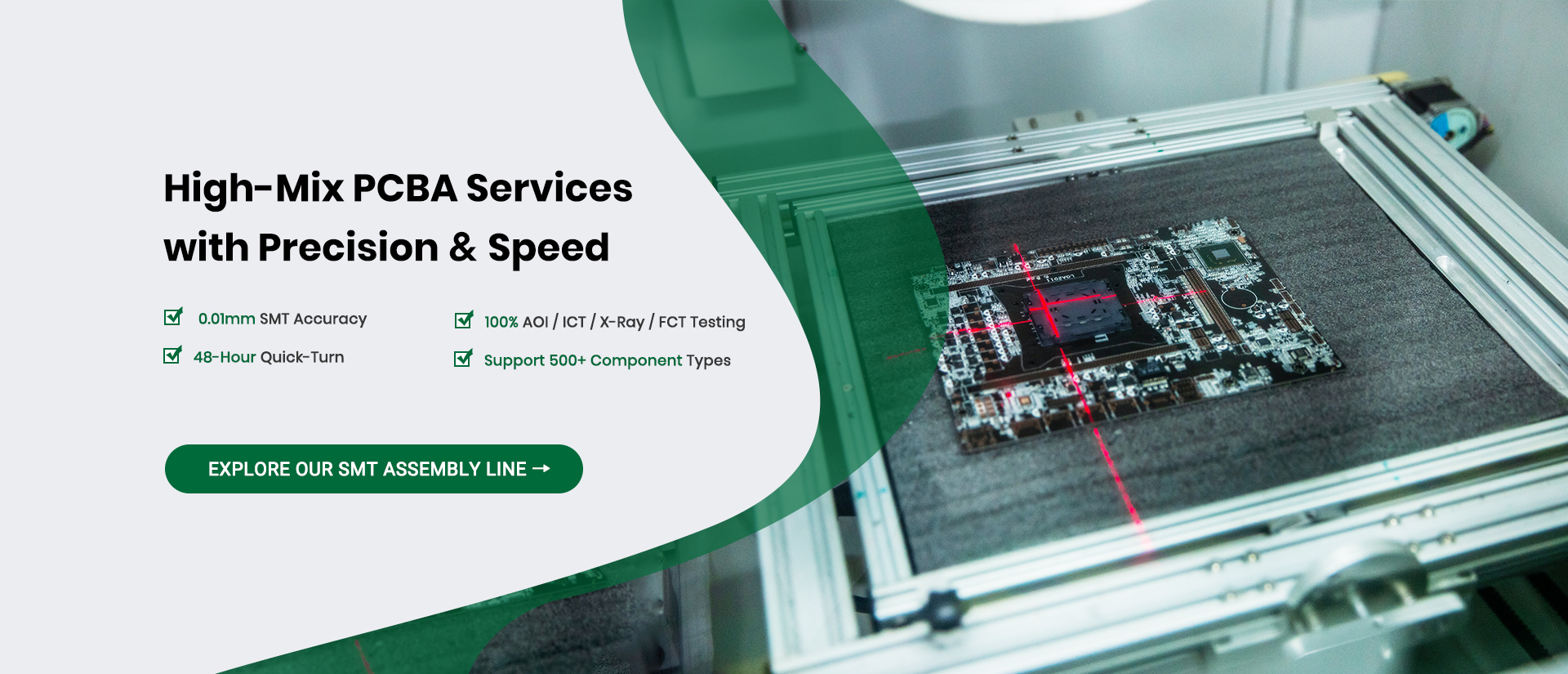
AOI, X-ray, ICT, boundary scan, RF functional test, optical test and burn-in can be combined according to product criticality. Test procedures and firmware programming should be defined before production so that first-article approval is meaningful, not cosmetic.
One PCBA Partner Across the Communication Stack
From customer-premises equipment to optical access and core-network edge devices, the same manufacturing discipline can be adapted to different communication product families.
Routers, CPE and Enterprise Gateways
Prototype and volume router PCB assembly requires dense digital layout, Wi-Fi shielding, thermal planning and stable firmware programming. Kuala Lumpur distributors and enterprise buyers often need multiple regional SKUs, small qualification batches and repeat production with consistent traceability.
Base Stations, Repeaters and Radio Units
Base station and repeater PCBAs require robust RF assembly, high-reliability connectors, thermal management and test coverage. For 5G and private-network deployments, quality evidence and long-term component availability matter as much as initial unit cost.
Wireless Access Points and Smart-City Nodes
Wireless access points for offices, campuses, hospitality and smart-city infrastructure combine wireless performance, PoE power, enclosure constraints and public-network cybersecurity expectations. Conformal coating and surge-related design review can be relevant for outdoor or semi-outdoor installations.
Ethernet Switches and Data-Centre Interconnects
Higher port density and faster Ethernet standards increase the importance of high-speed stack-ups, thermal vias, BGA assembly and X-ray verification. A PCBA manufacturer supporting Kuala Lumpur data-centre projects must be comfortable with fine-pitch components and tight process windows.
Firewalls, Security Appliances and Modems
Security appliances and high-reliability modems require controlled assembly, firmware loading, serialisation and functional testing. Buyers value suppliers that can protect design data, support NDA workflows and maintain consistency across hardware revisions.
ONU, OLT and Optical Transceivers
Fibre access and optical transport products are central to Malaysia’s broadband and data-centre growth. ONU, OLT and transceiver PCB assembly benefits from contamination control, thermal-aware layout support, optical test coordination and packaging that protects sensitive interfaces.
Communication PCBA Technology Roadmap and Future Outlook
For Kuala Lumpur buyers, supplier selection should account for the next hardware cycle, not only the current BOM. The most valuable PCBA partners are those that can absorb higher speeds, denser packages, stronger traceability and sustainability expectations.
Wi-Fi 7, 5G-Advanced and NPI Acceleration
Enterprise Wi-Fi refresh, private 5G, edge gateways and higher-speed optical links will push demand for fine-pitch assembly, thermal-aware layout, firmware programming and faster first-article cycles. Kuala Lumpur teams should prioritise suppliers with DFM feedback, prototype speed and stable documentation.
AI-Assisted Inspection and Digital Traceability
AOI and X-ray verification will become more data-driven, while ERP/MES traceability moves from a nice-to-have to a qualification requirement. Buyers will increasingly ask for production records, lot genealogy, test logs and faster deviation management from their communication PCBA partner.
Higher-Speed Networking and Advanced Packaging
As data-centre and carrier networks move toward higher bandwidth and denser switching, board complexity, thermal density and signal-integrity demands will rise. Advanced stack-ups, HDI, sophisticated test coverage and stronger component lifecycle planning will differentiate PCBA factories.
Supply-Chain Regionalisation and Sustainability
Global OEMs will continue to balance China manufacturing efficiency with regional buffers, approved alternates and environmental reporting. A communication PCBA supplier that supports RoHS compliance, material declarations and flexible logistics gives Kuala Lumpur procurement teams more options during disruption.
Kuala Lumpur Localisation Support, Compliance and Logistics
An effective China PCBA service for Kuala Lumpur should remove distance friction. Shenzhen and Kuala Lumpur share the UTC+8 time zone, which makes engineering clarification, production updates and procurement communication more efficient than many alternative sourcing regions.
Kuala Lumpur customers typically require English-language engineering support, fast quotation turnaround, structured NDA handling and clear documentation for internal supplier qualification. Before RFQ, design files can be protected by NDA; during production, project data should be restricted to the assigned engineering team and traceable through ERP/MES records. After production, shipments should include commercial invoice, packing list, RoHS/REACH declarations where applicable, traceability information and ESD-safe packaging suitable for air or sea freight.
Compliance expectations vary by end product. A communication PCBA manufacturer should be ready to support IPC-A-610 Class 2 or Class 3 requirements, J-STD-001 process controls, ISO 9001, IATF 16949, ISO 14001 and ISO 13485 systems depending on the application. For Malaysian end products, suppliers can assist by providing technical documentation and material declarations that support the customer’s own SIRIM or regulatory process. The PCBA supplier’s responsibility is to keep manufacturing evidence accurate, repeatable and available for audit.
Logistics planning should be part of the quotation conversation, not an afterthought. Kuala Lumpur-bound orders can be coordinated through air freight via KLIA or sea freight through Port Klang, with Incoterms and packaging agreed before shipment. For high-value communication boards, moisture-barrier packing, ESD protection and drop-tested cartons are practical safeguards against avoidable damage.
Compliance and qualification support
- NDA before RFQ
- ERP / MES traceability
- RoHS & REACH declarations
- IPC-A-610 / J-STD-001 awareness
- IATF 16949, ISO 9001, ISO 14001, ISO 13485
- KLIA / Port Klang shipment coordination
- AOI, X-ray, ICT and FCT records
- No MOQ for prototype validation
Inside STHL: 20 Years of Communication PCBA Experience
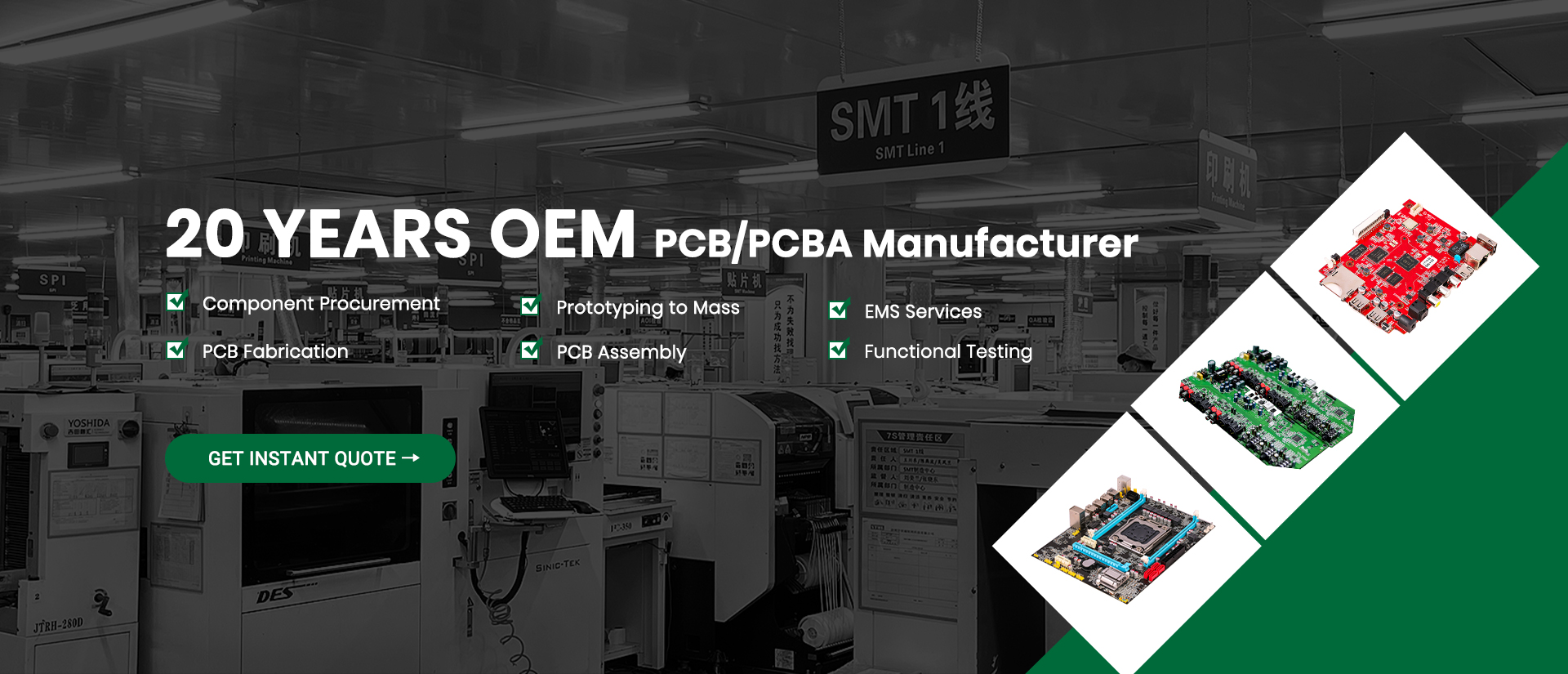
Shenzhen STHL Electronics Co., Ltd. is a certified EMS and ODM provider that helps hardware teams move from schematic to shipped product with PCB layout, component sourcing, PCB fabrication, SMT/THT assembly, cable assembly, box build and testing under one factory system.
Founded in 2006, STHL supports customers in the USA, Germany, Italy, the UK, Poland, New Zealand, Brazil and more than 90 other regions. The 10,000+ m² facility is operated by 220+ staff, including 50+ engineers, with an in-house R&D laboratory for design verification and prototype testing. Production is controlled under IATF 16949, ISO 9001, ISO 14001 and ISO 13485 systems, and assemblies are produced with RoHS compliance in mind.
For communication PCB assembly, the practical value of this structure is fewer handoffs. Engineering review, component procurement, PCB fabrication, SMT/THT assembly, inspection, programming, coating, cable assembly and box build can be coordinated inside one accountable workflow. That matters to Kuala Lumpur buyers who need to compare prototype samples, first-article reports, test results and repeat-production consistency without managing multiple suppliers.
- 7 SMT assembly lines
- 2 DIP / THT lines
- 2 functional test lines
- 2 box build lines
- In-house R&D laboratory
- AOI · X-Ray · ICT · FCT

Years of EMS experience
m² production facility
Professional engineers
Production lines
On-time delivery
Qualified shipment rate
End-to-End PCBA Manufacturing Services for Kuala Lumpur
STHL combines component procurement, PCB fabrication, SMT and THT assembly, and functional testing into one controlled workflow so that Kuala Lumpur customers deal with one accountable supplier from first article to repeat production.

Electronic Components Procurement
Full or partial turnkey sourcing through 100+ agents and suppliers, with BOM scrubbing, alternate-part suggestions and reel-level traceability covering more than 500,000 part numbers.
Learn more
PCB Fabrication
Standard, prototype, aluminum, flexible, rigid-flex, HDI, Rogers, ceramic, heavy-copper, high-Tg and halogen-free boards built to your stack-up and communication product requirements.
Learn more
SMT & THT PCB Assembly
Prototype, low-volume and high-volume assembly including fine-pitch, BGA and mixed-technology boards, verified by AOI and X-ray with functional test support.
Learn more
Value-Added Services
PCB layout and design support, IC programming, ICT and functional testing, conformal coating, cable and wire harness, and complete box build assembly.
Learn morePCB Assembly for Demanding Industries
From in-vehicle electronics to medical devices and industrial control, the same process controls can be tuned to the reliability and compliance level each market requires.

Medical & Healthcare
ISO 13485-controlled assembly for monitoring, diagnostic and wearable devices with full lot traceability.

Automotive Electronics
IATF 16949 processes for control modules, lighting and charging electronics that must survive heat and vibration.
Computer & Storage
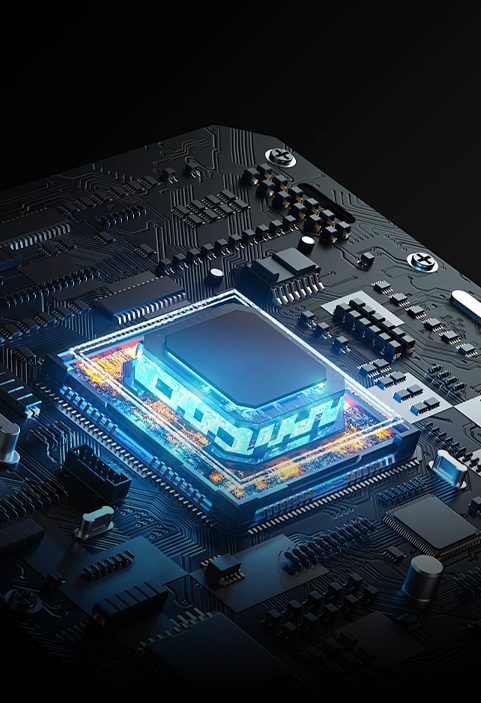
High-density, BGA-rich boards for computing, storage and peripherals, verified by X-ray inspection.

Industrial Control
Robust PCBAs for PLCs, motor drives and automation equipment, with conformal coating options.
Certified Quality Management Systems
Independent third-party audits confirm that STHL processes meet the requirements of automotive, medical and industrial customers. Click any certificate to view it in full size.




Brands & Supply-Chain Partners
Long-term cooperation with global brands and established component distributors supports genuine, traceable and available BOMs for communication PCB assembly projects.
Brand Customers



















Component Sourcing Channels












What Engineers & Buyers Say About STHL
Feedback from hardware engineers, designers and company owners across North America, Europe and beyond.
“Excellent team to work with and fast delivery with high-quality boards. We are very happy to work with such a good supplier. Thanks again.”

“Please extend my thanks to your team for your hard work in preparing these samples. This positive experience has strengthened my confidence in your company, and I'm looking forward to discussing bulk orders in the near future.”

“We are satisfied with the last order. You did a great job on those boards and the lead time was short. I will place a new order soon.”

“The order was perfect — exactly as specified with top quality. Highly recommend this reliable supplier.”

“Exciting! Very fast delivery, a professional supplier and a professional product. We will place a new order very soon!”

“We have tested all the boards and I am highly pleased. I will repeat my order soon. Thank you again for your excellent service.”

“It's always a pleasure ordering. Very professional team and good quality — thanks for your great service.”

“Satisfied with the sample products delivered. Very good product, quick delivery and a good understanding of my requirements.”

“The supplier's professionalism is evident in their seamless communication, efficient processing and reliable service. They are a trustworthy and commendable partner.”

PCBA Insights & Factory News
Practical updates from the production floor — customer visits, traceability practices and what really drives PCBA lead time.




Frequently Asked Questions: Communication PCB Assembly for Kuala Lumpur
Straight answers to the questions procurement and engineering teams ask before choosing a PCB assembly manufacturer in China for Kuala Lumpur projects.
What files do I need to submit for a communication PCBA project?
Send Gerber files, a BOM with manufacturer part numbers, the pick-and-place centroid file and assembly drawings. If you need IC programming, RF testing, optical testing or functional testing, include firmware and test procedures. Engineers should complete DFM and BOM review before production starts.
Is there a minimum order quantity for Kuala Lumpur customers?
No. STHL accepts prototype, low-volume and high-volume PCB assembly orders, so Kuala Lumpur teams can validate a communication design and scale to mass production with the same supplier.
Can you source all electronic components for communication PCB assemblies?
Yes. Full turnkey, partial turnkey and consigned assembly are supported. The sourcing team works with 100+ agents and suppliers covering more than 500,000 part numbers, with incoming inspection and traceability from reel to finished board.
Which quality certifications does STHL hold?
STHL is certified to IATF 16949, ISO 9001, ISO 14001 and ISO 13485, and produces RoHS-compliant assemblies. Boards can be verified with AOI, X-ray, ICT and functional testing according to project requirements.
How do you protect design files and intellectual property?
An NDA can be signed before RFQ. Project data is restricted to the assigned engineering team and every build can be tracked through ERP and MES systems. This is especially important for communication hardware, where firmware, RF layouts and test procedures are sensitive.
Can we audit or visit the factory?
Yes. Customers are welcome to visit the Shenzhen factory and R&D laboratory, and a 360-degree virtual factory tour can be arranged for remote evaluation. Kuala Lumpur buyers can combine factory review with sample builds before volume production.
How do you support Kuala Lumpur logistics and time-zone communication?
Shenzhen and Kuala Lumpur share the UTC+8 time zone, which simplifies engineering calls and production updates. Shipments can be coordinated by air via KLIA or by sea through Port Klang, with packaging, Incoterms and documentation agreed before dispatch.
Can you support high-speed, RF and optical communication designs?
Yes. Communication PCB assembly projects can include high-speed digital, RF, power, optical modules and mixed-technology boards. The exact process depends on stack-up, BGA/fine-pitch requirements, test coverage and reliability targets. Sharing Gerber, BOM, stack-up and test expectations allows the engineering team to provide a practical manufacturing route.
More Communication PCB Assembly Products for Kuala Lumpur
The remaining product families from the original communication PCB assembly portfolio are shown below. Each card keeps the original product URL and image, with Kuala Lumpur-focused positioning for local buyers.
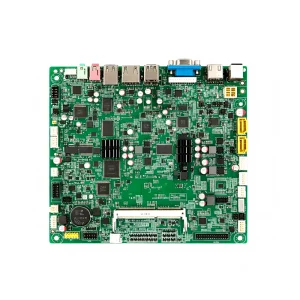
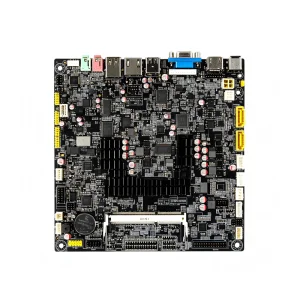
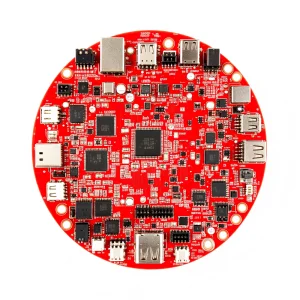
Top-Rated Ethernet Switch PCB Assembly Factory & Solutions for Kuala Lumpur
View Product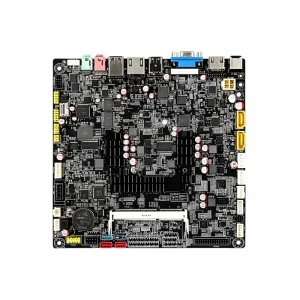
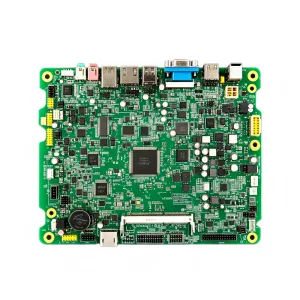
Reliable Optical Network Unit (ONU) PCB Assembly Manufacturer & Solution Provider for Kuala Lumpur
View Product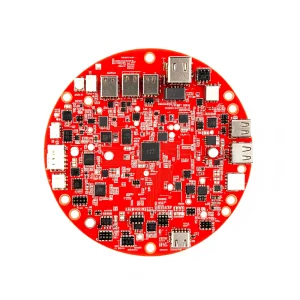
Custom Optical Line Terminal (OLT) PCB Assembly Solutions & Factories for Kuala Lumpur
View Product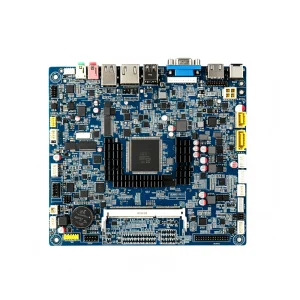
One-Stop Optical Transceiver PCB Assembly Partner & Service for Kuala Lumpur
View Product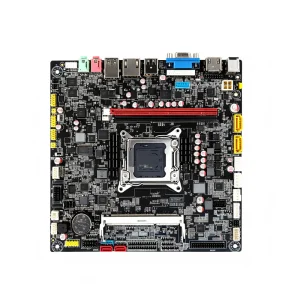
High Quality Repeater PCB Assembly Manufacturer & Manufacturers for Kuala Lumpur
View ProductSend Your Kuala Lumpur Communication PCBA Project for Review
Share Gerber files, BOM, centroid data, assembly drawings and test requirements. The engineering team can review manufacturability, component sourcing risk, test coverage and production routing before you commit to a build. NDA support is available before RFQ.