What files do I need to submit for a PCBA project?
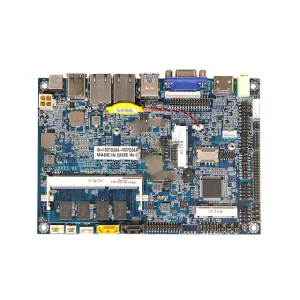
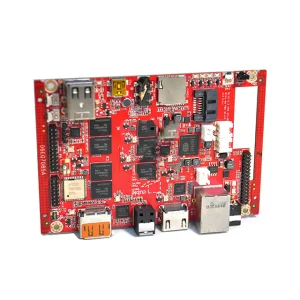
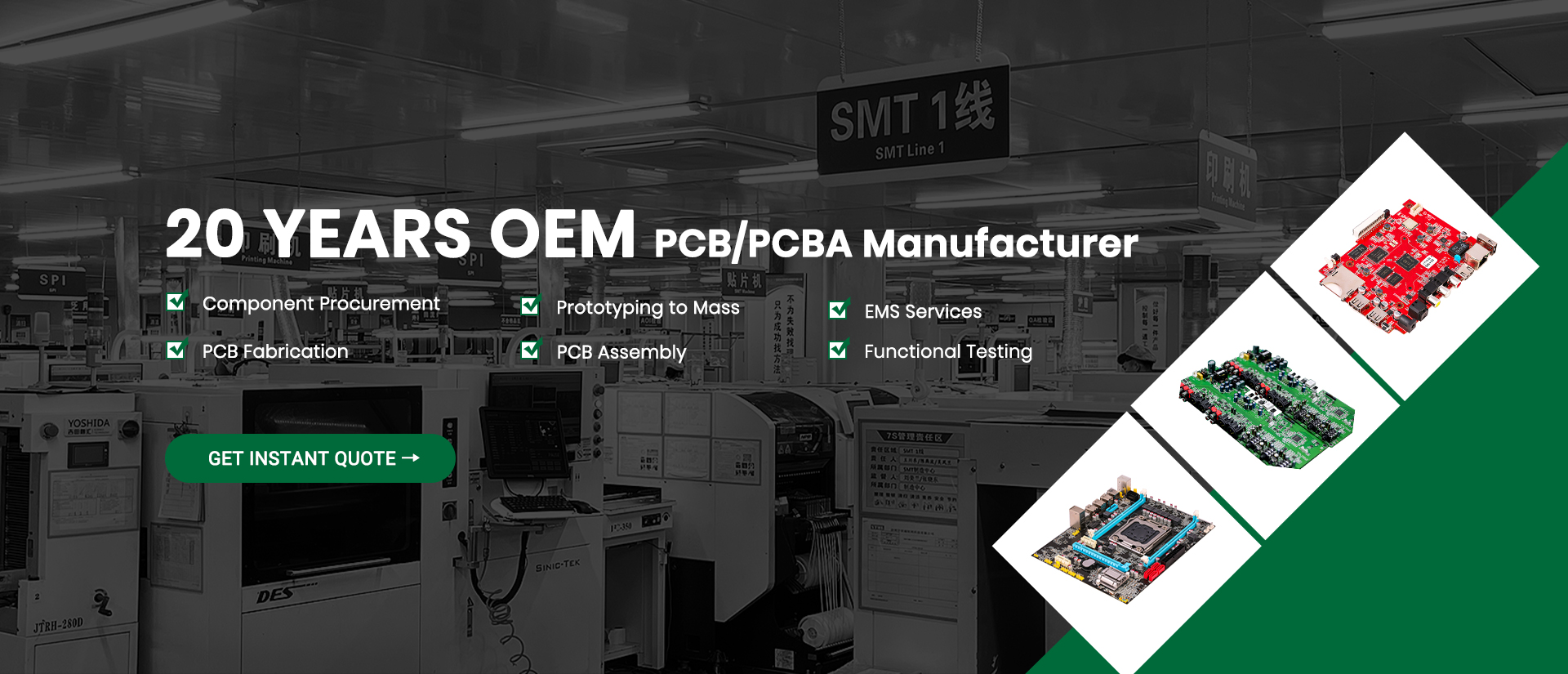
Send Gerber files, a BOM with manufacturer part numbers, the pick-and-place (centroid) file and assembly drawings. If you need IC programming or functional testing, include firmware and test procedures. Our engineers complete a DFM and BOM review before production starts.
Is there a minimum order quantity (MOQ)?
No. STHL accepts prototype, low-volume and high-volume PCB assembly orders, so you can validate a design and scale to mass production with the same supplier.
Can STHL source all the electronic components?
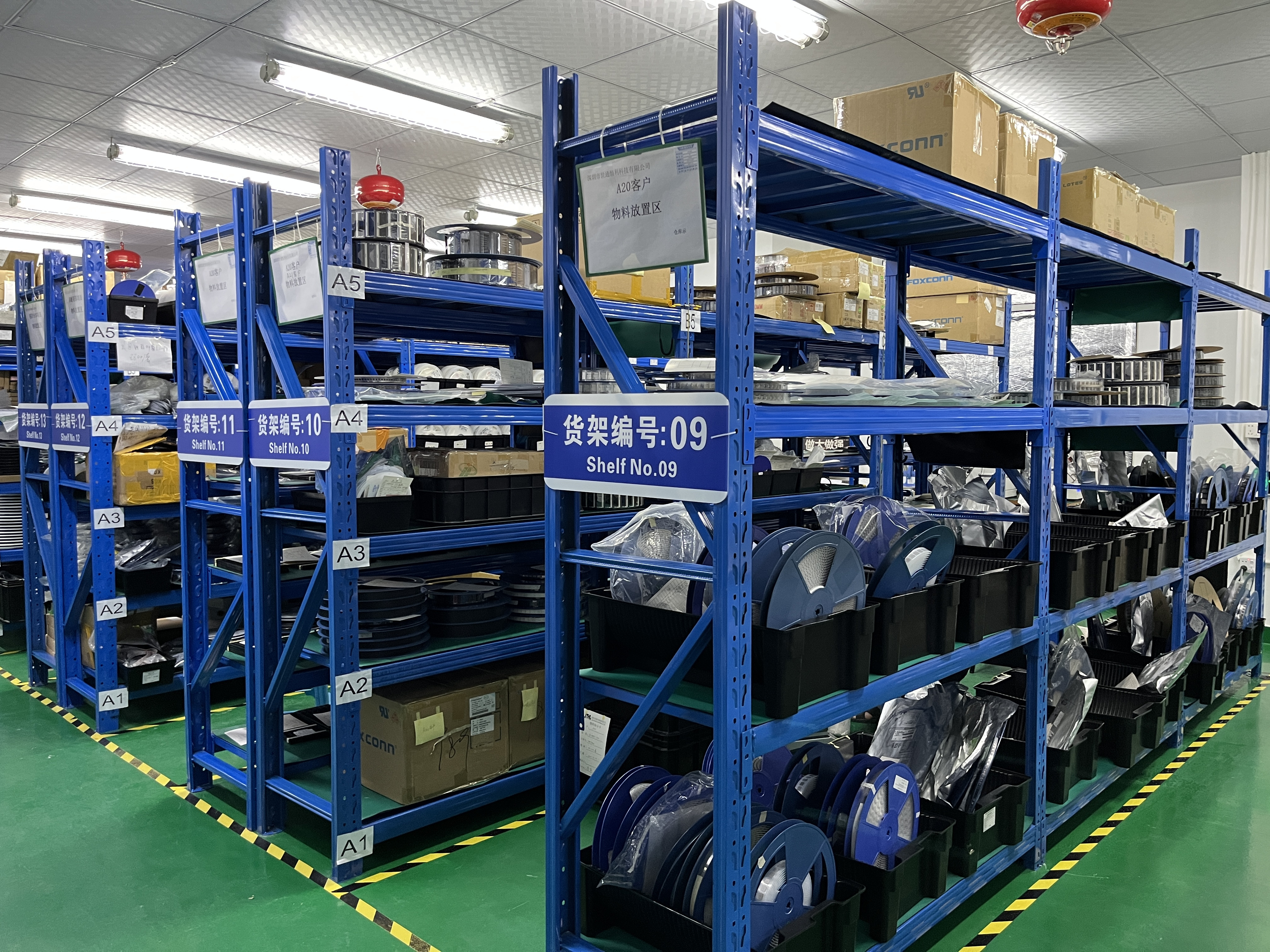
Yes. We offer full turnkey, partial turnkey and consigned assembly. Our sourcing team works with 100+ agents and suppliers covering more than 500,000 part numbers, with incoming inspection and traceability from reel to finished board.
Which quality certifications does STHL hold?
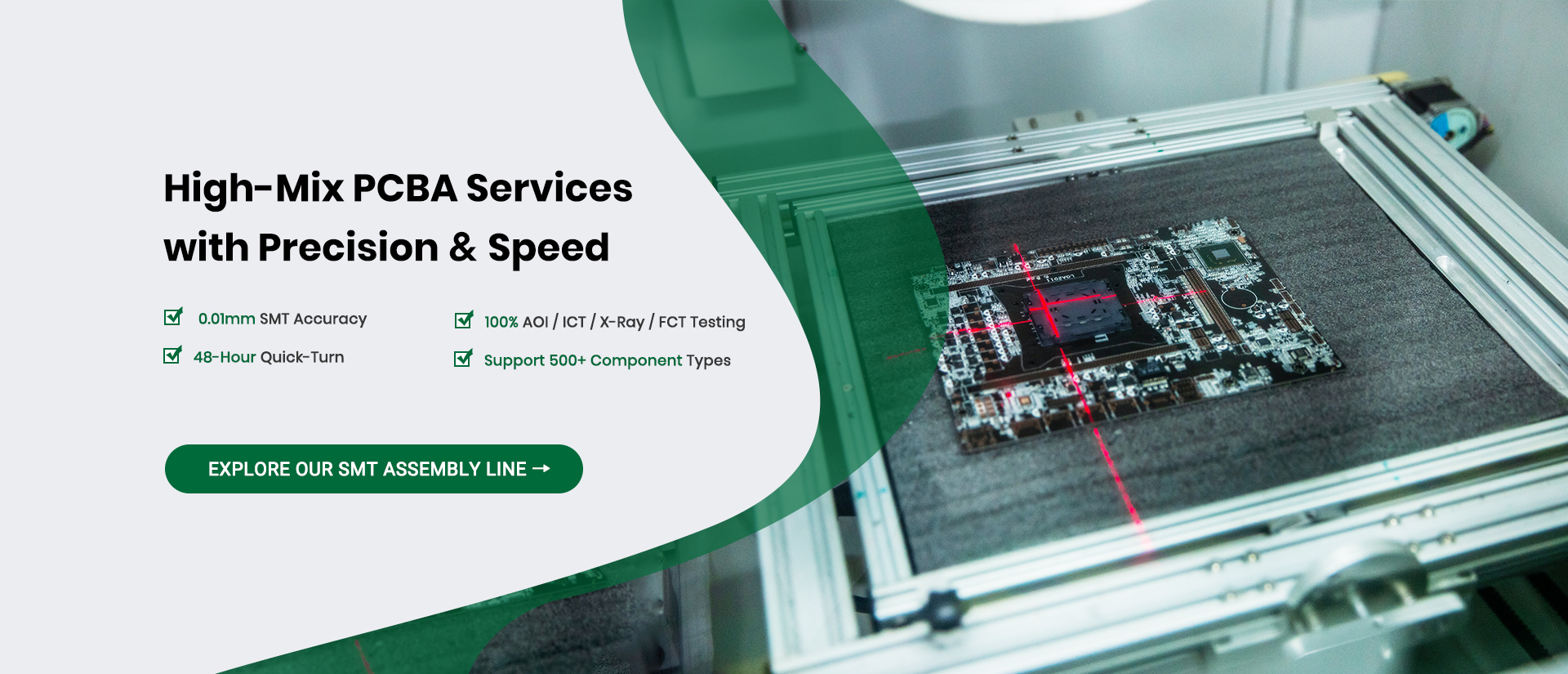
STHL is certified to IATF 16949, ISO 9001, ISO 14001 and ISO 13485, and produces RoHS-compliant assemblies. Boards are verified with AOI, X-ray, ICT and functional testing.
How do you protect our design files and IP?
We sign an NDA before RFQ, restrict project data to the assigned engineering team and track every build through our ERP and MES systems.
Can we audit or visit the factory?
Yes. Customers are welcome to visit our Shenzhen factory and R&D laboratory at any time, and a 360-degree virtual factory tour is available for remote evaluation.
How do you support Nagoya OEMs with PPAP, APQP and Japanese documentation?
During RFQ, we confirm the required PPAP level, APQP deliverables, control-plan format, inspection records and language expectations. We can prepare English documentation and coordinate bilingual technical reviews. Customer-specific forms, J-Moss or IMDS data, and Japanese-language work instructions are reviewed case by case so the final deliverable matches the program’s supplier-quality agreement.
What shipping routes and Incoterms work best for Nagoya?
Depending on volume, schedule and cargo value, shipments can be coordinated to Nagoya Port, Chubu Centrair or a designated forwarder hub. Common options include EXW, FOB, DAP and DDP, subject to contract review. For repeat automotive programs, we can discuss buffer stock, scheduled releases, kitting and consolidated shipments to reduce line-side risk.
Can you support AEC-Q100/Q200, IMDS, J-MOSS and ELV documentation?
We align documentation with customer and end-market requirements. This can include material declarations, IMDS inputs, REACH and ELV data requests, conflict-mineral inquiries and J-Moss information support. Automotive qualification tests, if required, should be defined during RFQ so the test plan, sampling and acceptance criteria are agreed before production.
How do you handle high-mix low-volume automotive programs?
High-mix programs depend on controlled changeovers, clear kitting, revision control and inspection planning. STHL uses DFM/BOM review, feeder and stencil planning, AOI/X-ray recipes, functional test procedures and MES tracking to keep small and large builds under the same quality discipline. For Nagoya buyers, we recommend a formal RFQ matrix that lists annual volume, forecast variability, revision frequency and delivery cadence.












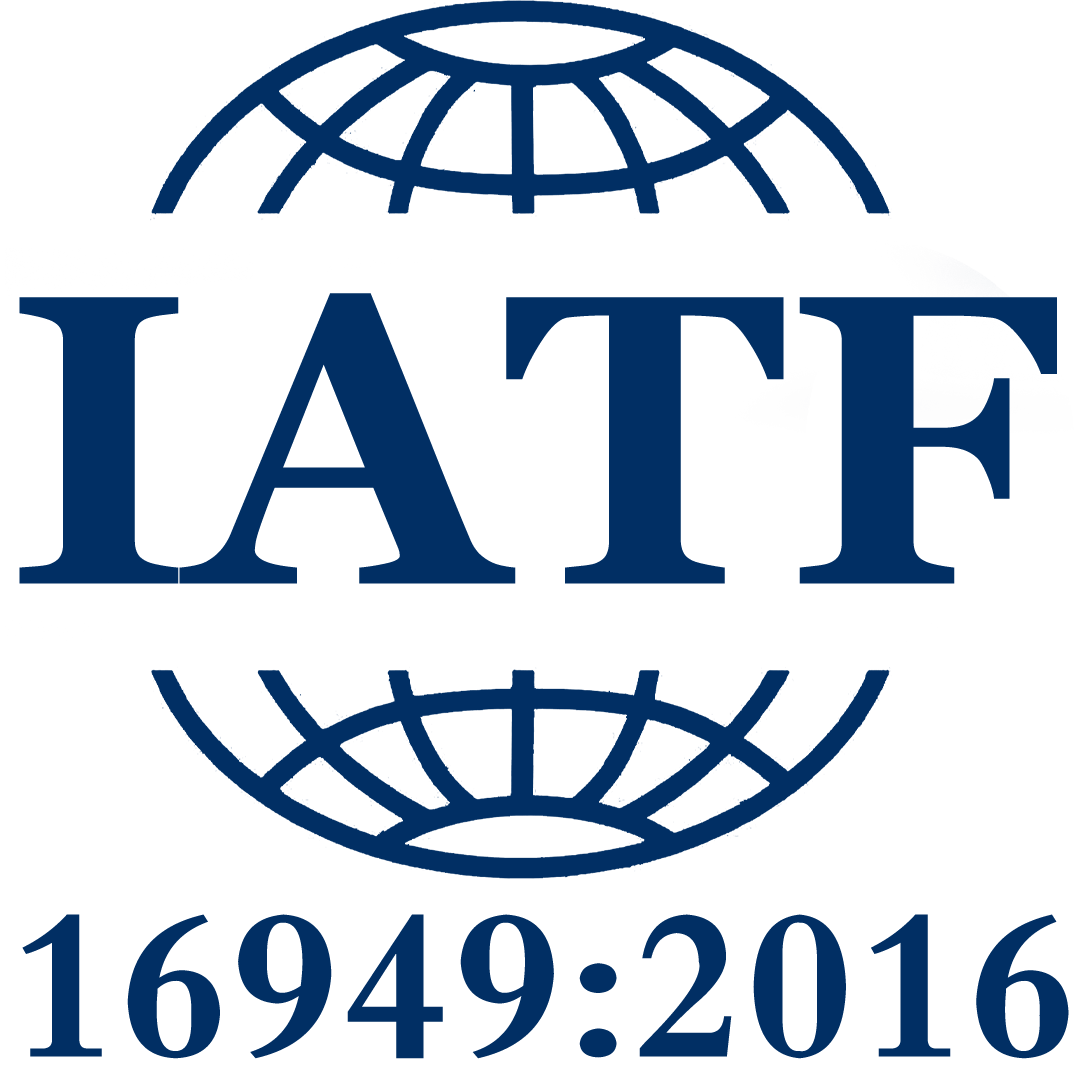 IATF 16949
 ISO Certified
 ISO 9001
 ISO 14001