Automotive PCB Assembly Service & Solutions Serving the Toronto Market
A Toronto-focused PCBA sourcing guide for OEMs, Tier 1 / Tier 2 suppliers, EV programs, ADAS teams, fleet-electronics companies and industrial automation builders — combining Shenzhen manufacturing depth with Toronto-serving engineering and documentation support.
Four core automotive PCB assembly platforms for Toronto programs
High-mix automotive electronics from prototype to volume production: housings, robotics, transmission control and engine control. All product images and original product URLs are preserved below.
-
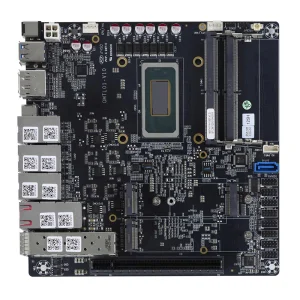
High Quality High Quality Automotive PCBA Factory PCB Housing Service Double Side PCBA Supplier, Company Toronto housing & double-side PCBA
Toronto use case: enclosure-integrated control boards, cabin electronics, fleet telematics and automotive industrial controllers.
Send Inquiry Now -
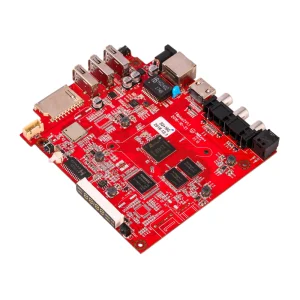
OEM Robots Printed Circuit Board Assembly (PCBA): The Neural Core of Precise Robotics-1 Manufacturer, Service Toronto robotics & automation PCBA
Toronto use case: collaborative robots, vision-guided handling, EV battery plant automation and advanced manufacturing cells.
Send Inquiry Now -
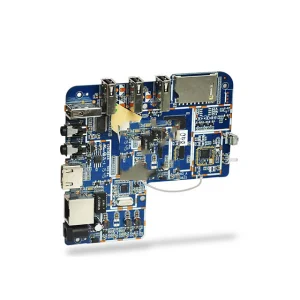
High-Reliability Transmission Control Unit (TCU) PCB Assembly Partner, Factories Toronto drivetrain & TCU PCBA
Toronto use case: transmission control, thermal cycling, vibration-exposed drivetrain modules and commercial fleet electronics.
Send Inquiry Now -
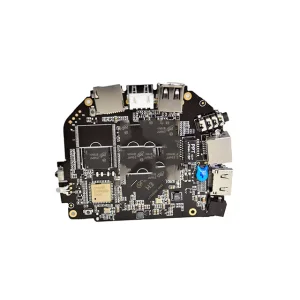
China Leading Electronic Control Unit (ECU) PCB Assembly Solution Provider, from China Toronto ECU & domain-control PCBA
Toronto use case: engine control, domain controllers, body electronics and mixed-technology automotive control modules.
Send Inquiry Now
Why Toronto Is a Strategic Hub for Automotive PCB Assembly
Toronto is not only Canada’s largest financial and technology market; it sits inside a broader Ontario automotive corridor that connects vehicle assembly, parts manufacturing, EV battery investment, automotive software, robotics and advanced electronics. That combination changes what a PCBA supplier must provide.
Oshawa, Oakville, Windsor and the GTA supply belt
Toronto-region automotive programs work with vehicle assembly and parts ecosystems extending from Oshawa and Oakville to Windsor, Brampton, Cambridge, Kitchener-Waterloo and Markham. A Toronto-focused PCBA partner must understand Tier 1 / Tier 2 documentation, launch timing and change-control discipline — not merely sell bare boards.
EV, battery, charging and smart-mobility activity
Ontario’s EV and battery supply chain creates demand for BMS, OBC, DC-DC converter, VCU and MCU assemblies. Toronto also hosts software, AI, mobility, cleantech and engineering teams that influence vehicle electronics architecture before production is released.
High-mix, high-reliability procurement
Toronto-area buyers often need prototypes, validation builds, bridge production and volume ramp with the same traceability package. The ideal model is one accountable PCBA workflow from Gerber and BOM review through SMT, THT, testing, conformal coating and box build.
Where Automotive PCB Assembly Is Used in the Toronto Market
Toronto-serving automotive PCBA demand spans vehicle platforms, aftermarket fleets, charging infrastructure, robotics and industrial mobility. Each application has different priorities for thermal management, signal integrity, traceability and documentation.
EV powertrain & charging
OBC, DC-DC converter, MCU and charging-control PCBAs require high-voltage spacing, thermal design, isolation and robust testing. Product links are preserved in the bottom automotive PCBA gallery.
Battery management systems
BMS boards must support cell sensing, balancing, communication, isolation and fault logging. Toronto battery and fleet programs increasingly ask for lot traceability from incoming reel to finished assembly.
ADAS, sensing & domain control
Camera, radar, sensor-fusion and domain-control modules need fine-pitch SMT, BGA inspection, impedance awareness and functional test coverage that matches the safety context of the vehicle program.
Body, comfort & telematics
BCM, cabin electronics, access control, fleet telematics and comfort modules depend on stable sourcing, ESD-safe handling and repeatable SMT / THT assembly for high-mix builds.
Industrial automation & robotics
Toronto manufacturers, battery plants and logistics hubs use robotics, vision systems and motor drives that rely on precise PCBA quality, firmware programming and functional testing.
Fleet, aftermarket & specialty vehicles
Toronto’s dense commercial fleet base drives demand for telematics, safety monitoring, power conversion and aftermarket control electronics that must survive real Canadian temperature swings.
Automotive PCBA Technology Roadmap for Toronto’s Next Vehicle Platforms
Toronto’s automotive and mobility ecosystem is moving toward software-defined vehicles, electrified powertrains and AI-assisted safety. The PCBA supplier roadmap should support that transition without compromising current production discipline.
Now: mixed-technology reliability
High-mix SMT / THT, fine-pitch, BGA, rigid-flex, conformal coating, AOI, X-ray, ICT, FCT and ERP / MES traceability. This is the baseline for Toronto ECU, TCU, BCM, BMS, OBC and DC-DC programs.
2026–2028: 48V, SiC / GaN and zonal control
Higher voltage isolation, thermal-interface control, heavy-copper and advanced inspection become more important as zonal architectures and compact power electronics enter EV and commercial vehicle designs.
2028–2030: software-defined vehicle electronics
Domain controllers, sensor fusion, OTA-ready telematics and cybersecurity-aware module design demand tighter change control, firmware programming discipline and traceability across the build.
Toronto advantage: AI + mobility + manufacturing
Toronto’s AI, software and engineering talent can accelerate product definition. Manufacturing execution must then translate that innovation into repeatable automotive PCBAs with documented quality evidence.
Signal integrity, power integrity and EMC
Toronto automotive electronics teams increasingly combine high-speed sensing, communication and power switching on compact boards. Early DFM review should examine stack-up, impedance, thermal relief, creepage and clearance before tooling.
What Toronto buyers should build into the RFQ
Ask for a control plan, change-notification process, MSL handling record, approved alternate part logic, test coverage statement, and a clear split between design responsibility and manufacturing responsibility. These details reduce launch risk more than a headline price.
Send Inquiry NowWhat Toronto Automotive OEMs Should Require from a PCBA Supplier
Semantic search visibility is not enough. Toronto automotive buyers need evidence. The checklist below is written for engineering, quality and procurement teams evaluating a China PCBA partner for a Canadian automotive or mobility program.
| Requirement area | What to ask for | Why it matters for Toronto programs |
|---|---|---|
| Quality system | IATF 16949, ISO 9001, ISO 14001 and ISO 13485 certificates; scope and validity dates; audit reports on request. | Automotive, medical-adjacent and industrial customers in the GTA often need supplier qualification evidence before sample approval. |
| Launch documentation | APQP-style plan, PPAP documentation support, FAI, control plan, PFMEA, MSA and SPC where applicable. | Toronto Tier 1 / Tier 2 programs need a launch package that matches their customer’s requirements, not generic marketing claims. |
| Component integrity | Incoming inspection, MSL control, reel-to-board traceability, approved alternates, counterfeit-avoidance process. | Supply-chain volatility makes BOM integrity and documented substitutions essential for production continuity. |
| Process capability | IPC-A-610 Class 3 capability where required, AEC-Q component selection, AOI, X-ray, ICT and functional testing. | Automotive electronics in Toronto must survive vibration, thermal cycling, humidity and long field life. |
| Compliance documentation | RoHS / REACH declarations, material data support, IMDS input where requested, CoC and test reports. | Canadian OEMs and their customers need a documentation trail that supports product-level regulatory review. |
| IP protection | NDA before RFQ, restricted project data access, ERP / MES project traceability. | Toronto hardware teams often protect proprietary firmware, sensor designs and vehicle-interface electronics. |
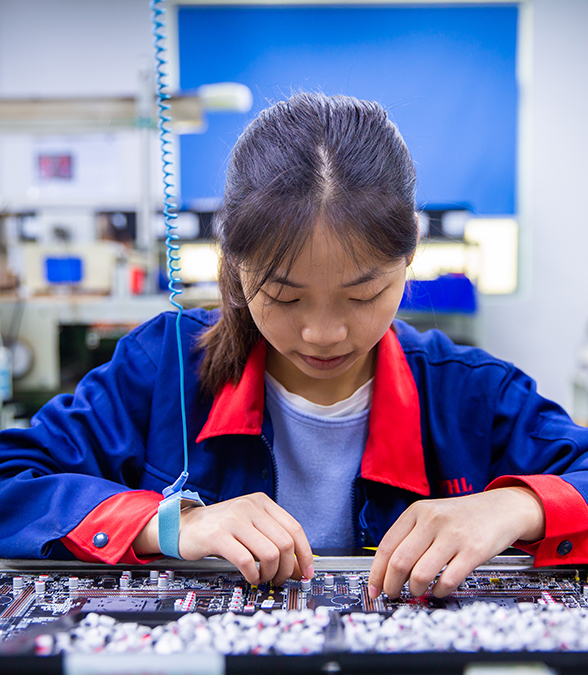
China Factory Depth, Toronto-Serving Efficiency
For Toronto automotive programs, China is not only a cost geography. It is an industrial cluster where PCB fabrication, component sourcing, SMT tooling, inspection, conformal coating, cable assembly and box build can be coordinated inside a controlled workflow. The value is speed, engineering feedback and supply continuity when a product moves from validation to volume.
Shenzhen STHL Electronics Co., Ltd. has operated since 2006 with 220+ staff, including 50+ engineers, in a 10,000+ m² facility. The production footprint includes 7 SMT assembly lines, 2 DIP / THT lines, 2 functional test lines and 2 box build lines. The sourcing team works with 100+ agents and suppliers covering more than 500,000 part numbers, with incoming inspection and reel-level traceability.
- Full turnkey, partial turnkey and consigned assembly
- BOM scrubbing and alternate-part recommendations
- DFM review before material is committed
- MSL control and ESD-safe production
- AOI, X-ray, ICT and functional testing
- ERP and MES project tracking
Toronto-Serving Support Without Compromising Automotive Discipline
A China-based PCBA factory can serve Toronto effectively when communication, documentation and shipment planning are designed for the local program rhythm. This is especially important for automotive customers who cannot accept vague status updates.
Toronto-overlap communication
Engineering questions, DFM feedback and production status can be scheduled around Toronto business windows. The Shenzhen team can use overnight build cycles to return next-day responses for urgent NPI questions.
Documentation package
Programs can request CoC, test data, traceability records, material declarations, FAI and PPAP-support documents. Requirements should be defined in the RFQ so the build is documented correctly from the first article.
Shipment resilience for Toronto
Consolidated air freight into Toronto Pearson, land-border options via Windsor / Detroit or Buffalo / Fort Erie, and planned buffer inventory can be discussed for production programs. The correct plan depends on value density, urgency and launch risk.
Automotive change control
Toronto buyers should require a PCN process for material, process or sub-supplier changes. This protects PPAP status, traceability and customer approvals after SOP.
Standards awareness
IATF 16949, IPC-A-610 Class 3, AEC-Q100 / Q101 / Q200 component considerations, ISO 26262 functional-safety context and ISO/SAE 21434 cybersecurity context may apply depending on the product. These are program requirements, not generic labels.
Canadian product-level compliance
Electrical safety marks such as UL / CSA apply to the final product and must be validated by the product owner. STHL can support manufacturing documentation, but Toronto customers remain responsible for final vehicle- or device-level compliance.
A Turnkey PCBA & ODM Partner in Shenzhen Since 2006
Shenzhen STHL Electronics Co., Ltd. supports hardware teams in the USA, Germany, Italy, the UK, Poland, New Zealand, Brazil and 90+ other regions. The same controlled workflow can serve Toronto automotive, industrial and mobility programs.

Dust-Free Smart Factory
10,000+ m² highly automated production space.

20 Years of Experience
Proven know-how across PCB and PCBA since 2006.

Global Sourcing
500k+ parts via 100+ agents and suppliers.

Fully Certified
IATF 16949, ISO 9001, ISO 14001, ISO 13485.

ERP & MES Tracking
Real-time production status and lot traceability.

Cost-Down Engineering
DFM and BOM optimisation by our engineering team.

No MOQ
Prototype and large-quantity orders both welcome.

NDA Before RFQ
Your design data and IP are protected from day one.

Fast Delivery
99.5% on-time delivery across global shipments.
From Gerber to Box Build, One Controlled Workflow
Understanding what happens after purchase order placement removes surprises. Toronto buyers can qualify a PCBA supplier faster when the process is transparent, measurable and tied to documentation.
- DFM & BOM review before material order
- PCB fabrication to stack-up and finish
- SMT, THT and mixed-technology assembly
- IC programming, coating, test and box build
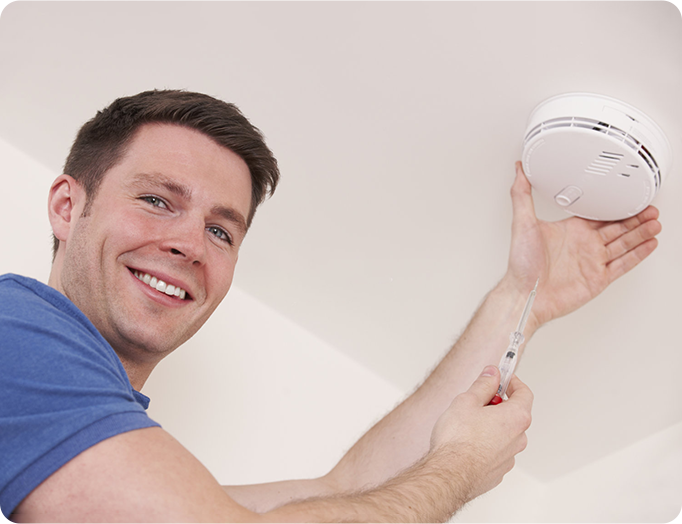
End-to-End PCBA Manufacturing Services for Toronto Programs
One accountable supplier from component procurement to PCB fabrication, SMT / THT assembly, testing and final assembly reduces coordination risk for Toronto engineering and procurement teams.

Electronic Components Procurement
Full or partial turnkey sourcing through 100+ agents and suppliers, BOM scrubbing, alternate-part suggestions and reel-level traceability.
Learn more
PCB Fabrication
Standard, prototype, aluminum, flexible, rigid-flex, HDI, Rogers, ceramic, heavy-copper, high-Tg and halogen-free boards built to your stack-up.
Learn more
SMT & THT PCB Assembly
Prototype, low-volume and high-volume assembly including fine-pitch, BGA and mixed-technology boards, verified by AOI and X-ray.
Learn more
Value-Added Services
PCB layout support, IC programming, ICT and functional testing, conformal coating, cable and wire harness, and complete box build assembly.
Learn morePCB Assembly for Demanding Industries
From in-vehicle electronics to medical devices and smart IoT products, process controls are matched to the reliability and compliance level each market requires.
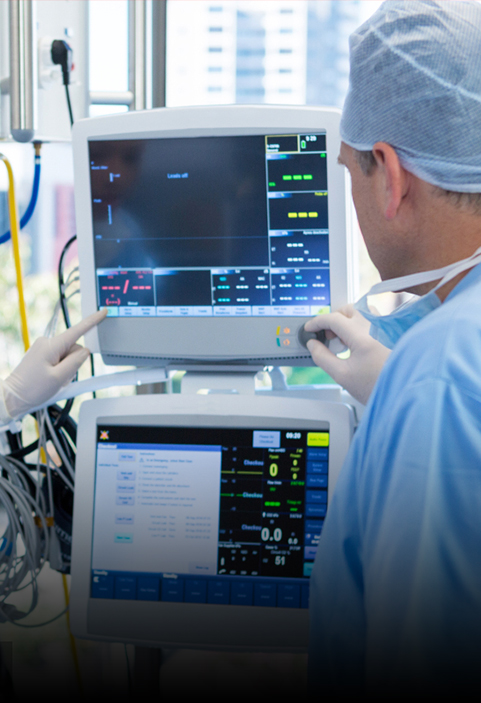
Medical & Healthcare
ISO 13485-controlled assembly for monitoring, diagnostic and wearable devices with full lot traceability.
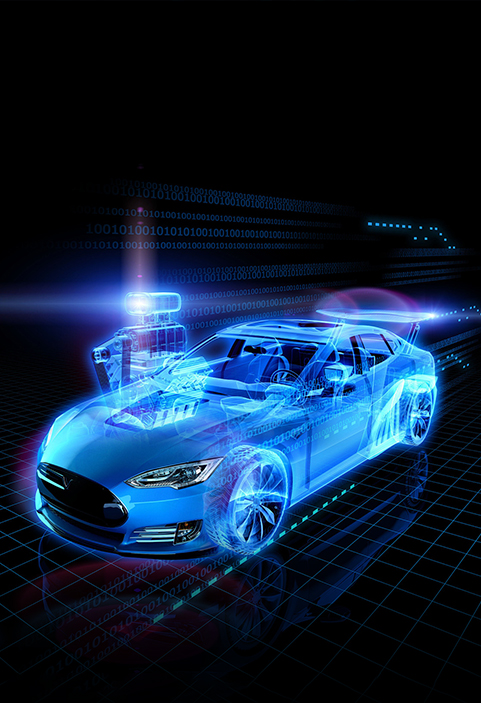
Automotive Electronics
IATF 16949 processes for control modules, lighting and charging electronics that must survive heat and vibration.
Computer & Storage
High-density, BGA-rich boards for computing, storage and peripherals, verified by X-ray inspection.
Industrial Control
Robust PCBAs for PLCs, motor drives and automation equipment, with conformal coating options.
Certified Quality Management Systems
Independent third-party audits confirm that processes meet automotive, medical and industrial customer requirements. Click any certificate image to view the full-size file.

ISO 9001
Quality Management System

IATF 16949
Automotive Quality Management

ISO 13485
Medical Devices Quality Management

ISO 14001
Environmental Management System

Brands & Supply-Chain Partners
Long-term cooperation with global brands and established component distributors keeps your BOM genuine, traceable and available.
Brand customers



















Component sourcing channels












What Engineers & Buyers Say About STHL
Feedback from hardware engineers, designers and company owners across North America, Europe and beyond.
“Excellent team to work with and fast delivery with high-quality boards. We are very happy to work with such a good supplier. Thanks again.”

“Please extend my thanks to your team for your hard work in preparing these samples. This positive experience has strengthened my confidence in your company, and I'm looking forward to discussing bulk orders in the near future.”

“We are satisfied with the last order. You did a great job on those boards and the lead time was short. I will place a new order soon.”

“The order was perfect — exactly as specified with top quality. Highly recommend this reliable supplier.”

“Exciting! Very fast delivery, a professional supplier and a professional product. We will place a new order very soon!”

“We have tested all the boards and I am highly pleased. I will repeat my order soon. Thank you again for your excellent service.”

“It's always a pleasure ordering. Very professional team and good quality — thanks for your great service.”

“Satisfied with the sample products delivered. Very good product, quick delivery and a good understanding of my requirements.”

“The supplier's professionalism is evident in their seamless communication, efficient processing and reliable service. They are a trustworthy and commendable partner.”

PCBA Insights & Factory News
Practical updates from production — customer visits, traceability practices and what really drives PCBA lead time.




Automotive PCBA Sourcing FAQs for Toronto Buyers
Straight answers for procurement, engineering and quality teams comparing a China PCBA manufacturer for Toronto automotive and mobility programs.
What files do I need to submit for a Toronto automotive PCBA project?
Send Gerber files, a BOM with manufacturer part numbers, the pick-and-place / centroid file and assembly drawings. For automotive programs, also include any approved alternate parts, test specifications, firmware for IC programming, coating requirements and traceability expectations. Our engineers complete a DFM and BOM review before production starts.
Is there a minimum order quantity (MOQ)?
No. STHL accepts prototype, low-volume and high-volume PCB assembly orders, so Toronto teams can validate a design and scale to mass production with the same supplier. No-MOQ does not replace a proper launch plan, but it reduces the friction between sample builds and production orders.
Can STHL source all the electronic components?
Yes. We offer full turnkey, partial turnkey and consigned assembly. Our sourcing team works with 100+ agents and suppliers covering more than 500,000 part numbers, with incoming inspection and traceability from reel to finished board. For automotive projects, approved alternates and change notifications should be defined before production.
Which quality certifications does STHL hold?
STHL is certified to IATF 16949, ISO 9001, ISO 14001 and ISO 13485, and produces RoHS-compliant assemblies. Boards can be verified with AOI, X-ray, ICT and functional testing. Certification scope and project-specific requirements should be reviewed during supplier qualification.
How do you protect our design files and IP?
We sign an NDA before RFQ, restrict project data to the assigned engineering team and track every build through our ERP and MES systems. Toronto customers can define additional access-control expectations before file transfer.
Can we audit or visit the factory?
Yes. Customers are welcome to visit our Shenzhen factory and R&D laboratory at any time, and a 360-degree virtual factory tour is available for remote evaluation. Visits can be combined with documentation review and project kick-off meetings.
Can a China PCBA factory effectively serve Toronto automotive programs?
Yes, when communication and documentation are designed for the program. Toronto-serving support can include overlapping communication windows, overnight engineering feedback, controlled shipment planning, and documentation packages such as FAI, CoC, test data and PPAP-support records. The key is to define these requirements in the RFQ, not after production begins.
Which automotive standards should a Toronto PCBA quote reference?
A quote should state how the supplier will support IATF 16949 process control, IPC-A-610 Class 3 requirements where applicable, AEC-Q component selection, and the customer’s own PPAP / APQP requirements. Functional safety and cybersecurity topics such as ISO 26262 and ISO/SAE 21434 are program-level responsibilities and must be defined by the product owner.
How do you help keep lead times stable for Toronto programs?
Stability comes from early DFM review, BOM risk screening, approved alternate parts, pre-production material planning, buffer strategies for long-lead components and clear shipment options. For urgent Toronto requirements, air freight into Toronto Pearson and land-border routing via Windsor / Detroit or Buffalo / Fort Erie can be evaluated.
Can you provide PPAP, IMDS and traceability documentation?
Project-specific documentation can be discussed during RFQ. This may include FAI, control plan, test reports, CoC, material declarations, IMDS input where requested and lot traceability. Not every program needs the same package, so the documentation scope should be fixed before the first production build.
Eight Additional Automotive PCB Assembly Solutions for Toronto Programs
EV power conversion, battery management, motor control, vehicle control, braking, body control and power supply assemblies. All original product images and URLs are preserved.
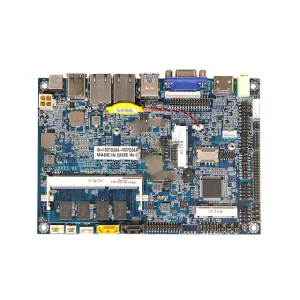
High Quality DC Converter PCB Assembly Factory, in China Toronto DC-DC & power conversion
Toronto use case: EV auxiliary power, fleet conversion, charging infrastructure and industrial power modules.
Send Inquiry Now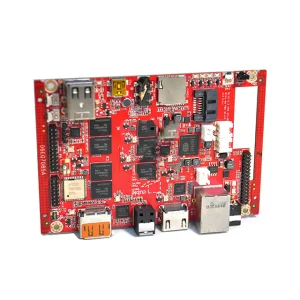
Reliable On-board Charger (OBC) PCB Assembly Solutions, Manufacturers Toronto OBC & charging electronics
Toronto use case: on-board charging, high-voltage isolation, thermal management and EV platform electronics.
Send Inquiry Now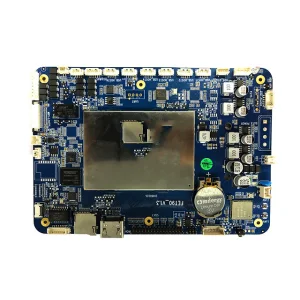
Custom Motor Control Unit (MCU) PCB Assembly Solution Provider, from China Toronto motor control & robotics
Toronto use case: traction motors, pumps, robotics, HVAC and industrial drive electronics.
Send Inquiry Now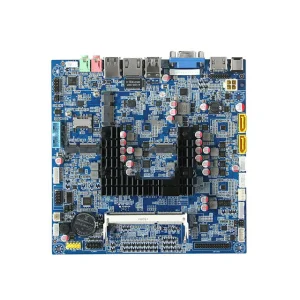
Certified Vehicle Control Unit (VCU) PCB Assembly Supplier, Solution Provider Toronto VCU & domain control
Toronto use case: EV supervisory control, torque management, vehicle integration and fleet electrification.
Send Inquiry Now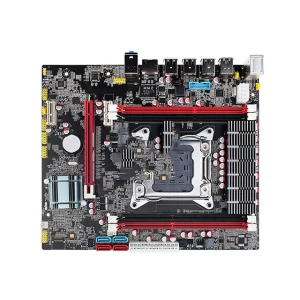
High-Reliability Battery Management System (BMS) PCB Assembly--STHL Factory, Solutions Toronto BMS & battery electronics
Toronto use case: EV battery packs, stationary storage, fleet batteries and charging safety electronics.
Send Inquiry NowChina Anti-lock Braking System (ABS) PCB Assembly Manufacturer, Partner Toronto ABS & safety electronics
Toronto use case: braking control, safety-critical telematics, commercial fleet electronics and specialty vehicles.
Send Inquiry Now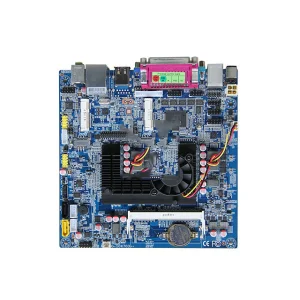
High-Reliability Body Control Module (BCM) PCB Assembly Manufacturer, Factory Toronto BCM & body electronics
Toronto use case: lighting, access, comfort, cabin electronics and vehicle body control modules.
Send Inquiry Now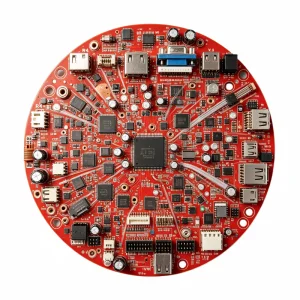
Custom Rack Mount Power Supply PCB Assembly--STHL Supplier, Factory Toronto power supply & test equipment
Toronto use case: charging test systems, lab power, industrial control racks and automotive validation equipment.
Send Inquiry Now
Send Inquiry Now for Your Toronto Automotive PCBA Program
Share Gerber files, BOM, centroid data, test requirements, target volume and any PPAP / traceability expectations. The team can review manufacturability and respond with a practical next step for prototype, validation or production.
- [email protected]
- +86 135 1018 8049
+86 755 8936 9123 - B4, AnLe Industrial Zone, No.172 Hangcheng Blvd, Bao'an Xixiang District, Shenzhen, 518126 China



Toronto-Focused Information Gain, Not a Generic PCBA Pitch
Toronto automotive buyers do not need another page that repeats “high quality, fast delivery.” They need to know how a supplier will handle launch documentation, component risk, traceability, Canadian compliance context and shipment continuity. That is why this page focuses on the questions that influence supplier qualification: evidence, change control, testing depth and local communication rhythm.
STHL combines a Shenzhen manufacturing base with a Toronto-serving support model for automotive, industrial, robotics, medical-adjacent and power-electronics programs. The company holds IATF 16949, ISO 9001, ISO 14001 and ISO 13485 certifications, operates 7 SMT assembly lines and 2 DIP / THT lines, and provides AOI, X-ray, ICT and functional test coverage. Factory visits and remote audits are welcome.
Planning an Automotive PCBA Build for Toronto?
Send your Gerber, BOM, centroid file and program requirements. Get a DFM review, sourcing feedback and a practical manufacturing path for prototype, validation or production.
