What files do I need to submit for a PCBA project?
Send Gerber files, a BOM with manufacturer part numbers, the pick-and-place (centroid) file and assembly drawings. If you need IC programming or functional testing, include firmware and test procedures. Our engineers complete a DFM and BOM review before production starts.
Is there a minimum order quantity (MOQ)?
No. STHL accepts prototype, low-volume and high-volume PCB assembly orders, so you can validate a design and scale to mass production with the same supplier.
Can STHL source all the electronic components?
Yes. We offer full turnkey, partial turnkey and consigned assembly. Our sourcing team works with 100+ agents and suppliers covering more than 500,000 part numbers, with incoming inspection and traceability from reel to finished board.
Which quality certifications does STHL hold?
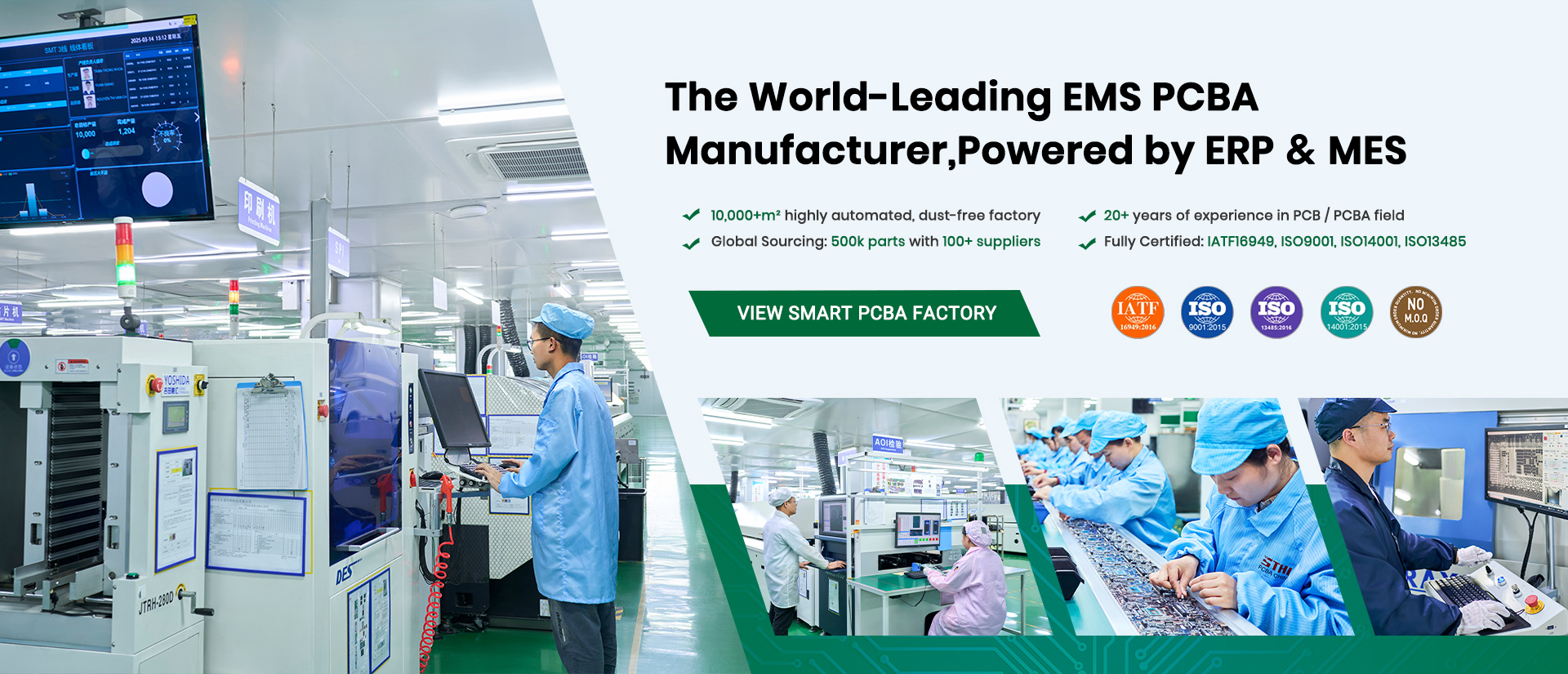
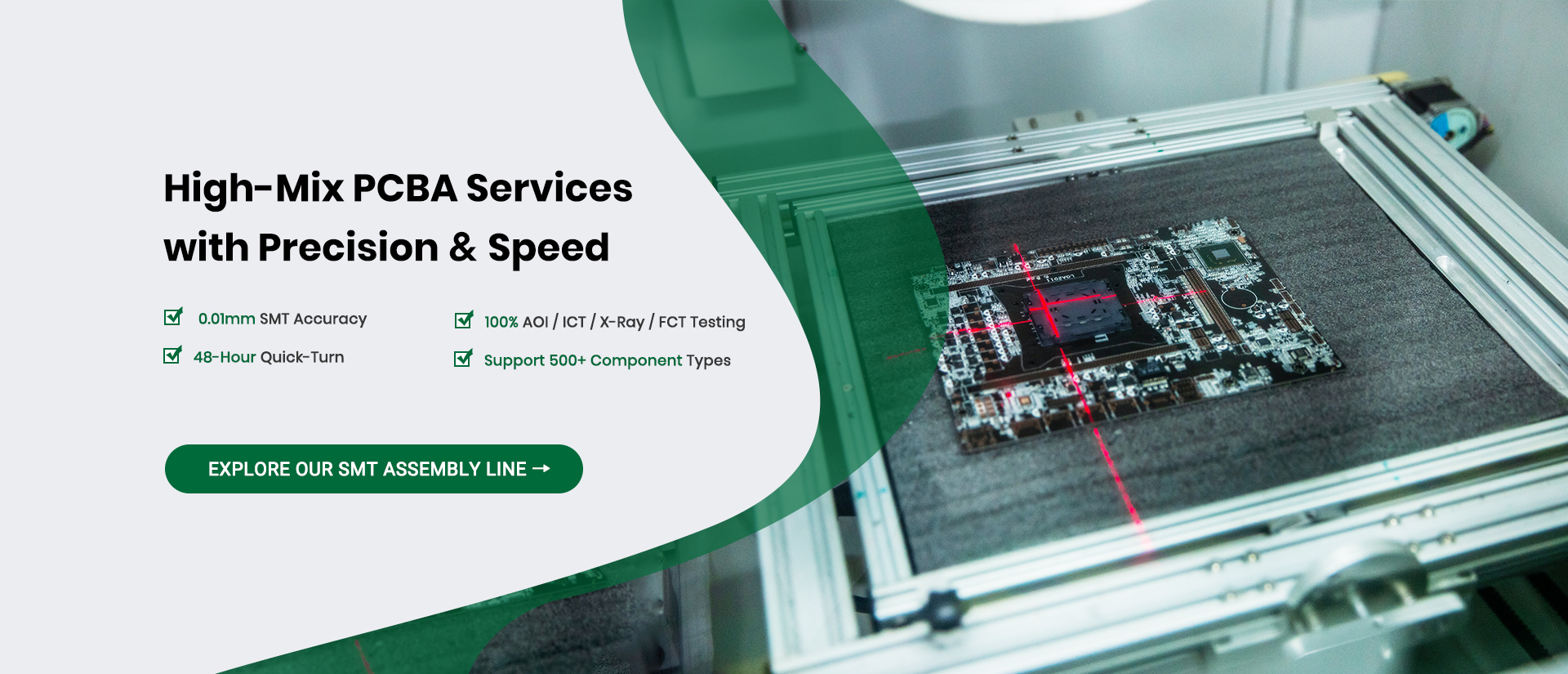
STHL is certified to IATF 16949, ISO 9001, ISO 14001 and ISO 13485, and produces RoHS-compliant assemblies. Boards are verified with AOI, X-ray, ICT and functional testing.
How do you protect our design files and IP?
We sign an NDA before RFQ, restrict project data to the assigned engineering team and track every build through our ERP and MES systems.
Can we audit or visit the factory?
Yes. Customers are welcome to visit our Shenzhen factory and R&D laboratory at any time, and a 360-degree virtual factory tour is available for remote evaluation.
Do you ship to Israel and support customs paperwork?
Yes. STHL exports to 90+ regions and can coordinate with freight partners for air or sea shipment to Israel. Commercial invoice, packing list, HS code, country-of-origin statement and certificate of origin can be prepared according to the agreed Incoterm and customs broker instructions.
Can you support PPAP and IATF 16949 documentation for Israeli Tier-1 programs?
STHL operates under an IATF 16949 quality management system and can support the documentation package agreed during RFQ, such as control plan, PFMEA, MSA, SPC, first-article inspection, traceability records and PPAP evidence at the required level.
Can you handle low-volume NPI for Israeli mobility start-ups and scale to mass production?
Yes. No-MOQ prototyping is available, and the same factory can support repeat production with seven SMT lines, two DIP/THT lines, two functional test lines and two box-build lines.
How do you manage automotive component obsolescence and change control?
BOM scrubbing, alternate-part review, last-time-buy planning and product-change-notification rules can be agreed before production. The aim is to avoid unapproved substitutions and keep automotive programs predictable.
What about Hebrew labels and local documentation?
Where the customer provides Hebrew label artwork, packaging specifications and serialization rules, STHL can apply controlled label data, barcode content and packaging instructions. This supports Israeli distributors, aftermarket teams and system integrators.
What are the usual shipping options and lead times to Israel?
Air freight through Ben Gurion airport is common for urgent production and prototypes; sea freight through Haifa or Ashdod is used for larger repeat orders. Lead time depends on component availability, PCB fabrication, assembly, testing and the selected Incoterm. A written schedule should be agreed in the PO.