
Aerospace PCBA Building Blocks for Manila Programs
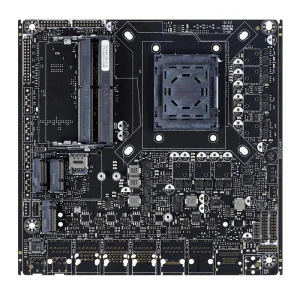
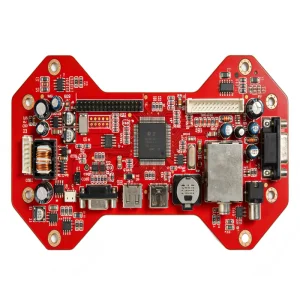
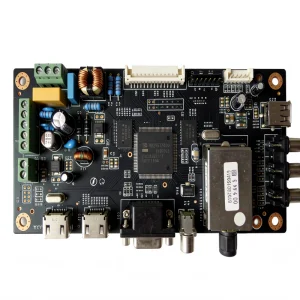
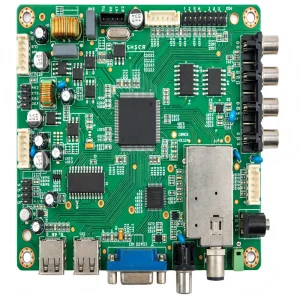
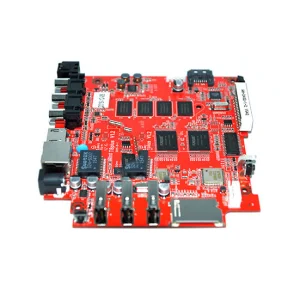
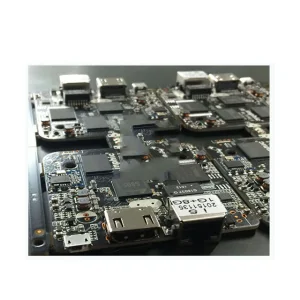
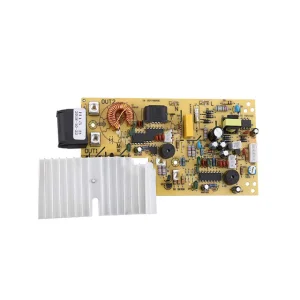
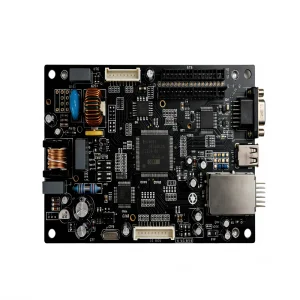
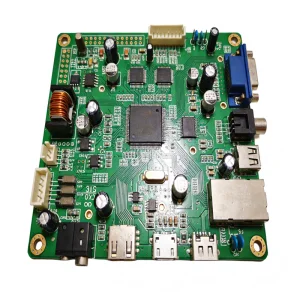
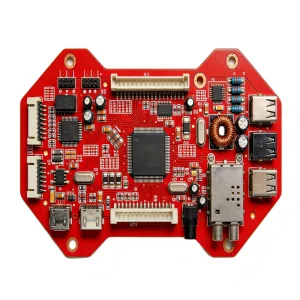
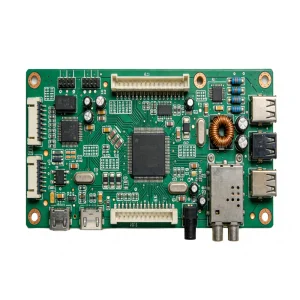
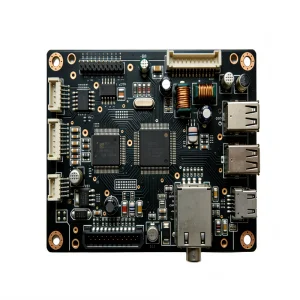
These are the first four original STHL product platforms that map directly to Manila market demand: extreme-environment aerospace boards, autopilot modules, flight control computers and fly-by-wire control units. Each product link preserves the original destination URL.
Aerospace PCB Assembly in Manila: Local Industry Reality and Buyer Demand
The Manila market is not a single aerospace factory cluster. It is a procurement, engineering and MRO gateway that connects the National Capital Region with Clark, Subic, Laguna, Cavite, Batangas and the wider Calabarzon electronics corridor. Aviation maintenance, repair and overhaul operations around NAIA, growing aerospace parts and electronics activity in Central Luzon, defense modernization programs, unmanned aircraft development and maritime surveillance all create demand for high-mix, low-volume aerospace PCB assembly that can be documented, repeated and exported.
For a Manila buyer, aerospace PCB assembly is rarely a simple price comparison. The real requirement is controlled reliability: IPC-A-610 Class 3 workmanship, solder-joint verification, lot traceability, first article inspection support, material declarations, conformal coating control and a supplier that can explain what changed between builds. The local market has capable engineering talent and strong English communication, but complex aerospace PCB assembly still depends heavily on specialist factories with dense component sourcing, HDI, rigid-flex, RF, BGA and testing capability.
This is the practical gap STHL fills. Our Shenzhen factory is in the same UTC+8 working day as Manila, which makes engineering reviews, production updates and corrective-action discussions faster than working with suppliers in Europe or North America. Components, bare boards, SMT, THT, testing, cable assembly and box build can be coordinated under one controlled workflow, then shipped to Manila by air or sea with export documentation matched to the program.
The right procurement model is not “local assembly at any cost” or “offshore everything.” Manila aerospace teams should split work into three lanes: engineering prototypes for design validation, MRO spares with unpredictable demand, and repeat production builds. Each lane needs different qualification evidence, buffer strategy and change-control discipline. That segmentation is where a China-based PCBA partner with aerospace-style documentation becomes commercially useful.
Why Manila Programs Should Care About the PCBA Supplier’s Documentation Model
For aerospace PCBA, the most expensive defect is often not a bad solder joint. It is missing evidence: an unknown component lot, an unapproved alternate part, an undocumented coating thickness, or a process change made without notice. STHL addresses that risk with BOM review, incoming inspection, ERP/MES tracking and AOI, X-ray, ICT and functional testing options.
Manila Aerospace PCBA Application Scenarios
The most realistic Manila demand is not a single aircraft program. It is a portfolio of avionics, training, MRO, defense, maritime and unmanned systems that all need reliable boards with different qualification gates.
Avionics LRUs and Flight Control Computers
Line-replaceable units, flight control computers and actuator-control boards for UAV, helicopter and special-mission platforms. Critical requirements include Class 3 assembly, controlled impedance, thermal management and build-to-print discipline.
UAV and Urban Air Mobility Controls
Autopilot, flight-control and fly-by-wire modules used by Manila-area UAV developers, research groups and defense integrators. Low-volume NPI support and fast ECO turnaround matter more than pure unit price.
Flight Training Simulators and Displays
HUD, PFD, MFD and EFIS boards for simulation, cabin training and ground-support equipment. These programs need stable BOMs, display-interface expertise and repeatable batch quality.
MRO Spares and Legacy Avionics
ADIRU, ADC, EICAS and older avionics assemblies often face obsolescence. Last-time buys, approved alternates, reverse-engineering documentation and limited-run manufacturing are essential.
SATCOM, Radar and Maritime Patrol
Ground terminals, radar interface boards and maritime surveillance electronics require RF-aware layout, shielding, environmental protection and strong connector/cable integration.
Defense and Secure Communications
Manila defense modernization and secure-communications programs demand IP protection, export-control screening, tamper-aware handling and strict documentation. ITAR-controlled work must be reviewed before quotation.
Technology Roadmap for Aerospace PCB Assembly in the Manila Supply Chain
Aerospace PCBA roadmaps should be tied to qualification evidence, not marketing language. The following roadmap reflects what Manila buyers can realistically plan for when working with a China-based high-mix PCBA factory.
Design for Reliability
IPC Class 3 assembly, controlled impedance, rigid-flex, HDI, RF/microwave boards, thermal management, staking, underfill and conformal coating. The focus is first-pass yield and documented process windows.
Traceability and Automation
ERP/MES lot tracking, automated AOI data retention, near-line X-ray review, reel-to-board traceability, dual-source BOM planning and PCN control for long-life aerospace programs.
Advanced Packaging and RF
Higher-density assembly, advanced thermal materials, RF tuning support, mixed-technology boards and more formal FAI/AS9102-style documentation for Manila aerospace subcontractors.
Digital and Sustainable Manufacturing
Data-driven yield analytics, digital work instructions, cleaner lead-free processes, lower-waste coating methods and stronger supply-chain transparency for export-oriented aerospace programs.
China Factory Supply Chain Resilience and Efficiency for Manila Aerospace PCBA
Aerospace PCB assembly competitiveness is not only a labour-rate question. It is decided by component access, engineering depth, process control, test coverage and the ability to keep a BOM alive after the first build.
STHL’s operating model is built around high-mix manufacturing. That matters for Manila aerospace buyers because the same factory can support a five-board engineering batch, a 200-piece MRO spare order and a repeat production build without forcing the customer into a different supplier each time. Our sourcing team works with 100+ agents and suppliers covering more than 500,000 part numbers, with full turnkey, partial turnkey and consigned assembly options.
Resilience comes from preparation. For aerospace PCBA projects, we review long-lead ICs, end-of-life risks and approved alternates before production. Critical parts can be dual-sourced where the customer permits it. Moisture-sensitive devices are controlled, incoming inspection is performed and reel-to-board traceability is available through our ERP and MES systems. When a component cannot be sourced, the engineering team can propose form-fit-function alternatives for customer approval rather than quietly changing the BOM.
| Manila Buyer Priority | STHL Supply-Chain and Production Response |
|---|---|
| Complex aerospace BOM with mixed SMT, BGA, THT and connectors | DFM/BOM review, 7 SMT lines, 2 DIP/THT lines, AOI, X-ray, ICT and functional test options |
| Low-volume engineering builds before a program is funded | No MOQ; prototype and low-volume PCBA supported alongside volume production |
| Obsolescence and long-life avionics programs | Last-time-buy planning, approved alternates, BOM scrubbing and change-control discussion |
| Export documentation and traceability | Lot tracking, CoC support, material declarations, packing lists and shipment documentation |
| IP protection during RFQ and NPI | NDA before RFQ, restricted project access and controlled engineering communications |
| Schedule visibility | ERP/MES production tracking and 99.5% on-time delivery target for qualified builds |
Note: delivery performance depends on BOM readiness, component availability, test complexity and customer approval speed. Aerospace programs requiring AS9100, NADCAP or special-process certification must be reviewed before purchase order.
Global Aerospace PCBA Landscape and What It Means for Manila
Global aerospace electronics demand is being reshaped by avionics modernization, unmanned systems, defense spending, MRO recovery and supply-chain diversification. Manila buyers are not isolated from these forces.
Illustrative Demand Mix for Aerospace PCBA Programs
Illustrative planning mix based on common high-reliability PCBA demand patterns, not a market forecast.
Three Global Pressures Manila Buyers Should Price Into the RFQ
Component volatility: aerospace-grade ICs, connectors and RF parts can move from allocated to unavailable quickly. A supplier without BOM engineering will pass that risk straight to you.
Certification expectations: global aerospace customers increasingly ask for FAI, lot traceability, change notification and special-process evidence. The quotation should state what is included, not leave it to a later surprise.
Supply-chain diversification: “China plus one” is real, but it often means adding assembly or test nodes while retaining China for complex PCB fabrication, component sourcing and high-mix SMT. Manila programs can use China for capability and local partners for responsiveness.
Localized Support and Compliance Assurance for Manila Aerospace Projects
Aerospace PCBA procurement is a chain of evidence. The supplier must be able to show who built the board, which lot was used, what was inspected, what changed and how the shipment is protected.
IP and NDA Protection
NDA before RFQ, restricted project access and controlled communication for Gerber, BOM, firmware and test procedures. This is especially important for defense-adjacent and proprietary UAV programs.
FAI and CoC Support
First article inspection support, certificate of conformance, lot traceability, AOI/X-ray records and test logs can be scoped into the quotation for aerospace PCBA builds.
Materials and Environmental Compliance
RoHS-compliant assembly, REACH and conflict-mineral declarations where required, ESD-safe packaging and moisture-barrier packing for high-reliability boards.
Manila Logistics and Communication
Same time zone, English-language engineering communication, air freight to NAIA and sea freight options. Export documentation can be aligned with the customer’s freight forwarder.
Documentation Package That Should Be Defined Before PO
- BOM revision and approved alternate list
- Assembly drawing and workmanship standard
- FAI report scope and sample size
- CoC, test data and X-ray/AOI retention
- Conformal-coating thickness and cure record
- Packing, ESD and moisture-barrier requirements
Export-Control Discipline
Manila aerospace and defense programs may involve export-control obligations. Controlled technical data should be identified before RFQ. ITAR-controlled manufacturing, classified work and restricted-party transactions require legal review. STHL can support normal commercial aerospace PCBA documentation, but we do not represent that every facility or program is ITAR-registered. The correct approach is to screen the project first, then quote.
Aerospace PCBA Procurement Playbook for Manila Buyers
1. Classify the Board by Criticality
Separate flight-critical avionics from ground-support, simulator and test equipment. A flight-critical board may need Class 3 assembly, FAI, traceability and customer-approved special processes; a test fixture may not. Over-specifying everything raises cost, while under-specifying flight hardware creates unacceptable risk.
2. Lock the BOM and Obsolescence Plan
Before production, confirm manufacturer part numbers, approved alternates, last-time-buy exposure, firmware/programming requirements and component authenticity expectations. Request a BOM risk report for long-life aerospace programs.
3. Require Process Change Notification
Aerospace customers need to know when a PCB stack-up, solder paste, conformal coating, test method, component source or assembly location changes. Put the PCN expectation in writing before the first build.
4. Validate Special Processes
Conformal coating, staking, underfill, shielding, RF tuning and cable assembly are often more difficult than SMT itself. Request process evidence, sample photos, thickness data and test results where relevant.
5. Plan Manila Logistics and Buffer Stock
For MRO spares, keep a small buffer of long-lead components or finished boards. For production, align shipment mode with program risk: air freight for urgent AOG or NPI needs, sea freight for planned replenishment.
6. Audit the Data, Not Only the Factory
A factory tour is useful, but the stronger audit is a data audit: traceability records, X-ray images, FAI reports, corrective actions, test logs and change-control history. Ask for a sample documentation package with the RFQ.
End-to-End PCBA Manufacturing Services
For 20 years, STHL has combined component procurement, PCB fabrication, SMT and THT assembly and functional testing into one controlled workflow, so Manila customers can deal with one accountable supplier from first article to repeat production.

Electronic Components Procurement
Full or partial turnkey sourcing through 100+ agents and suppliers, with BOM scrubbing, alternate-part suggestions and reel-level traceability.
Learn more
PCB Fabrication
Standard, prototype, aluminum, flexible, rigid-flex, HDI, Rogers, ceramic, heavy-copper, high-Tg and halogen-free boards built to your stack-up.
Learn more
SMT & THT PCB Assembly
Prototype, low-volume and high-volume assembly including fine-pitch, BGA and mixed-technology boards, verified by AOI and X-ray.
Learn more
Value-Added Services
PCB layout, IC programming, ICT and functional testing, conformal coating, cable and wire harness, and complete box build assembly.
Learn moreFrom Gerber Files to Manila Shipment in Six Controlled Steps
DFM & BOM Review
Engineers check Gerber, BOM and centroid data for manufacturability, footprint errors and end-of-life parts before material is ordered.
Component Sourcing
Parts are purchased through 100+ agents and suppliers, then pass incoming inspection and moisture-sensitive device control.
PCB Fabrication
Bare boards are produced to your stack-up, surface finish and impedance requirements, from single-layer to HDI and rigid-flex.
SMT & THT Assembly
7 SMT lines and 2 DIP/THT lines handle fine-pitch, BGA and mixed-technology boards for prototypes and production.
Inspection & Testing
AOI, X-ray, ICT and functional tests, plus IC programming and conformal coating, with results logged in our MES.
Box Build & Delivery
Cable assembly, enclosure integration and ESD-safe packaging, shipped to customers in 90+ countries and regions.
Why Manila Aerospace Buyers Choose STHL for PCB Assembly
Measurable capacity, documented quality systems and engineering support that reduces total cost, not just the unit price.

Dust-Free Smart Factory
10,000+ m² highly automated production space.

20 Years of Experience
Proven know-how across PCB and PCBA since 2006.

Global Sourcing
500k+ parts via 100+ agents and suppliers.

Fully Certified
IATF 16949, ISO 9001, ISO 14001, ISO 13485.

ERP & MES Tracking
Real-time production status and lot traceability.

Cost-Down Engineering
DFM and BOM optimisation by our engineering team.

No MOQ
Prototype and large-quantity orders both welcome.

NDA Before RFQ
Your design data and IP are protected from day one.

Fast Delivery
99.5% on-time delivery across global shipments.
Certified Quality Management Systems
Independent third-party audits confirm that our processes meet automotive, medical and industrial customer requirements. Click any certificate to view it in full size.

ISO 9001
Quality Management System

IATF 16949
Automotive Quality Management

ISO 13485
Medical Devices Quality Management

ISO 14001
Environmental Management System
What Engineers and Buyers Say About STHL
Feedback from hardware engineers, designers and company owners across North America, Europe, South America and beyond.
“Excellent team to work with and fast delivery with high-quality boards. We are very happy to work with such a good supplier. Thanks again.”

“Please extend my thanks to your team for your hard work in preparing these samples. This positive experience has strengthened my confidence in your company.”

“We are satisfied with the last order. You did a great job on those boards and the lead time was short. I will place a new order soon.”

“The order was perfect — exactly as specified with top quality. Highly recommend this reliable supplier.”

“Exciting! Very fast delivery, a professional supplier and a professional product. We will place a new order very soon!”

“We have tested all the boards and I am highly pleased. I will repeat my order soon. Thank you again for your excellent service.”

“It's always a pleasure ordering. Very professional team and good quality — thanks for your great service.”

“Satisfied with the sample products delivered. Very good product, quick delivery and a good understanding of my requirements.”

“The supplier's professionalism is evident in their seamless communication, efficient processing and reliable service. They are a trustworthy and commendable partner.”

Brands and Supply-Chain Partners We Work With
Long-term cooperation with global brands and established component distributors keeps BOMs genuine, traceable and available.
Brand Customers








Component Sourcing Channels








PCBA Insights and Factory News
Practical updates from our production floor: customer visits, traceability practices and what really drives PCBA lead time.


STHL Hosts Two German Visitors for an SMT, THT and Material Preparation Walkthrough
Nov 9, 2026
Read More
STHL PCBA Component Traceability: From Incoming Reel to Finished Board
Nov 12, 2026
Read More
PCBA Lead Time: Where the Days Go Between Purchase Order and Shipment
Nov 10, 2026
Read MoreAerospace PCBA Sourcing FAQs for Manila Buyers
Direct answers to the questions procurement and engineering teams ask before choosing a PCB assembly manufacturer in China for Manila delivery.
What files do I need to submit for an aerospace PCBA project?
Send Gerber files, a BOM with manufacturer part numbers, the pick-and-place (centroid) file and assembly drawings. If you need IC programming or functional testing, include firmware and test procedures. For aerospace builds, also state the workmanship standard, FAI requirement, traceability expectation and any special-process flow-downs. Our engineers complete a DFM and BOM review before production starts.
Is there a minimum order quantity (MOQ)?
No. STHL accepts prototype, low-volume and high-volume PCB assembly orders, so you can validate a design and scale to mass production with the same supplier.
Can STHL source all electronic components for a Manila aerospace program?
We offer full turnkey, partial turnkey and consigned assembly. Our sourcing team works with 100+ agents and suppliers covering more than 500,000 part numbers, with incoming inspection and traceability from reel to finished board. For aerospace projects, approved alternates and last-time-buy decisions should be agreed in writing.
Which quality certifications does STHL hold?
STHL is certified to IATF 16949, ISO 9001, ISO 14001 and ISO 13485, and produces RoHS-compliant assemblies. Boards are verified with AOI, X-ray, ICT and functional testing. We do not claim AS9100 or NADCAP unless separately confirmed in writing for a specific program.
How do you protect our design files and IP?
We sign an NDA before RFQ, restrict project data to the assigned engineering team and track every build through our ERP and MES systems. For defense-adjacent or export-controlled programs, the compliance scope should be reviewed before files are shared.
Can we audit or visit the factory?
Yes. Customers are welcome to visit our Shenzhen factory and R&D laboratory at any time, and a 360-degree virtual factory tour is available for remote evaluation. For Manila buyers, a remote document audit plus sample-build verification is often the fastest first step.
Do you provide local support for the Manila market?
We support Manila customers through English-language engineering communication, the same UTC+8 working day, China-based production and international freight to NAIA or the customer’s forwarder. Local physical presence is coordinated through the customer’s logistics and quality team.
Can you support AS9102-style first article inspection?
We can discuss FAI documentation scope, sample size and evidence requirements before quotation. If a customer requires formal AS9100 or NADCAP-approved special processes, those requirements must be reviewed for sub-tier capability and documented before order acceptance.
How long does production and delivery to Manila take?
Lead time depends on PCB fabrication, component availability, assembly complexity, testing and documentation. Air freight to Manila is typically faster for urgent builds, while sea freight is cost-effective for planned replenishment. The RFQ should state the required delivery mode and any AOG or program criticality.
How do you handle aerospace obsolescence?
We review the BOM for end-of-life risk, propose approved alternates where permitted, support last-time buys and document any change for customer approval. For legacy avionics and MRO spares, early obsolescence planning is more effective than waiting until production release.
Can you assemble rigid-flex, HDI, RF and mixed-technology boards?
Yes. Our service scope includes standard and advanced PCB fabrication, SMT and THT assembly, BGA and fine-pitch placement, conformal coating, cable assembly and box build. The exact stack-up, impedance, RF tuning and inspection requirements should be included in the RFQ.
What should a Manila buyer include in the RFQ to get an accurate quotation?
Include Gerber, BOM, centroid, assembly drawings, quantity, target delivery date, workmanship class, test requirements, coating requirements, FAI/documentation expectations and shipping terms. If the program is aerospace or defense-adjacent, state the compliance flow-down immediately so the quote reflects the true qualification burden.
Aerospace PCBA Product Portfolio for Manila Supply Chains
The remaining eight original STHL aerospace product platforms support avionics sensing, air-data processing, engine indication, cockpit displays and electronic flight instruments. Product URLs are preserved exactly and each title link uses a button-style presentation.
Talk to an Aerospace PCBA Engineer
Send your Gerber, BOM, centroid, quantity, test requirements and compliance flow-down. We will review manufacturability, component risk, documentation scope and delivery to Manila before quoting.
