Through Hole Assembly Applications Built for Real Procurement Programs
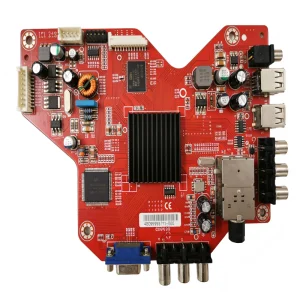
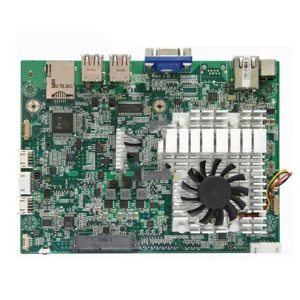
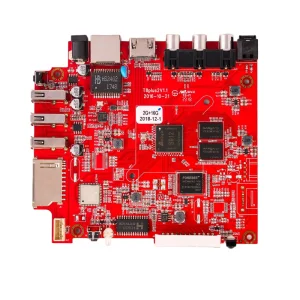
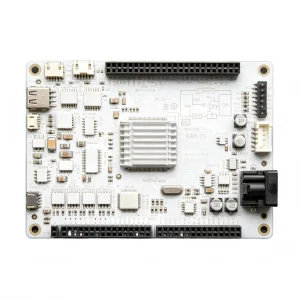
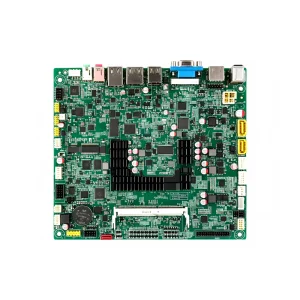
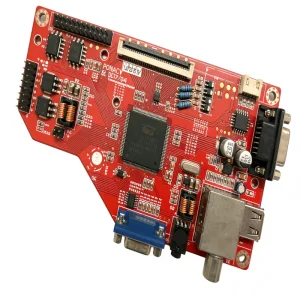
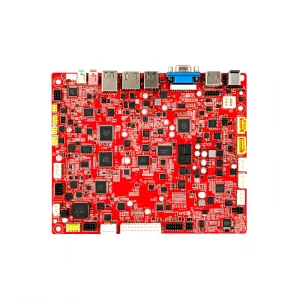
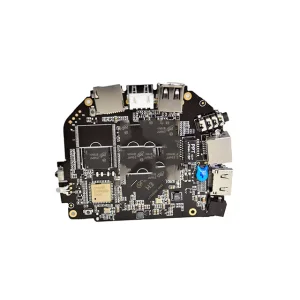
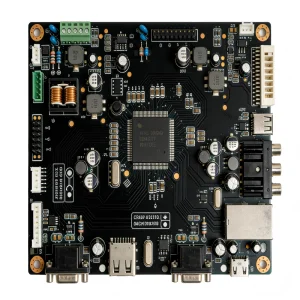
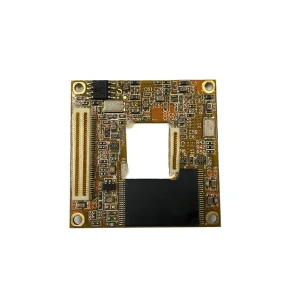
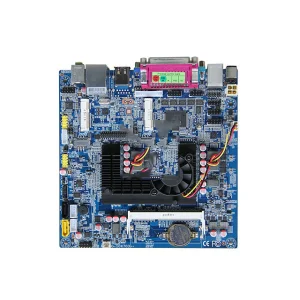
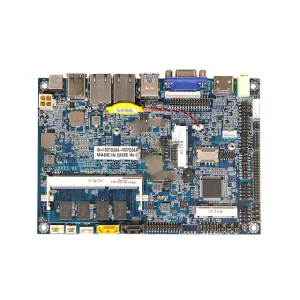
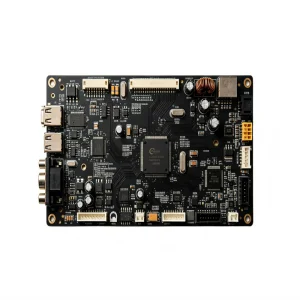
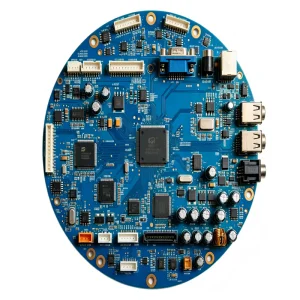
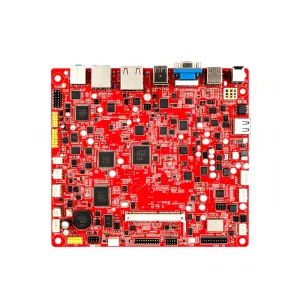
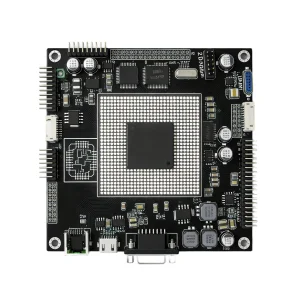
These eight reference builds show how turnkey through-hole assembly in China connects PCB fabrication, component sourcing, SMT/THT assembly, testing, and box build for networking, communications, power electronics, motion sensing, and environmental monitoring products.
THT Assembly Is a Risk-Control Strategy, Not a Legacy Process
Turnkey through-hole assembly remains essential in power supplies, industrial controls, automotive electronics, medical monitoring, communications equipment, and mixed-technology boards where mechanical strength, thermal robustness, high-voltage clearance, or field serviceability matter. In these products, THT is not a fallback for older designs; it is a deliberate reliability choice. The procurement question is therefore not whether THT still matters, but which Chinese EMS partner can integrate THT, SMT, sourcing, testing, traceability, and box build under one accountable quality system.
At Shenzhen STHL Electronics Co., Ltd., our production experience shows that the most expensive THT problems are rarely caused by the soldering iron. They begin earlier: an incomplete BOM, a footprint mismatch, a missing moisture-sensitivity control, an unapproved alternate part, a test plan that does not reproduce field conditions, or a supplier that cannot show lot-level traceability. A mature turnkey through-hole assembly service removes these risks through DFM review, component engineering, automated and selective soldering, AOI/X-ray inspection, ICT/FCT testing, and documented MES/ERP control. That is the practical meaning of information gain in procurement: a supplier must add engineering evidence, not just capacity.
This white paper is based on STHL’s hands-on EMS work with global OEMs in 90+ regions, supported by a 10,000+ m² facility, 220+ staff, 50+ engineers, 7 SMT lines, 2 DIP/THT lines, 2 functional test lines, and 2 box build lines. Our systems are certified to IATF 16949, ISO 9001, ISO 14001, and ISO 13485, with RoHS-compliant production and NDA protection before RFQ.
What “Turnkey Through Hole Assembly in China” Actually Includes
A true turnkey THT service is an end-to-end manufacturing workflow. It starts with engineering review and ends with a tested, traceable, packaged assembly ready for the next production stage.
Electronic Components Procurement
Full turnkey, partial turnkey, and consigned assembly models are supported. BOM scrubbing, alternate-part review, lifecycle checks, incoming inspection, and reel-level traceability help control counterfeit and end-of-life risk.
PCB Fabrication
Standard, prototype, aluminum, flexible, rigid-flex, HDI, Rogers, ceramic, heavy-copper, high-Tg, and halogen-free boards are built to the required stack-up, surface finish, and impedance target.
SMT & THT PCB Assembly
Mixed-technology boards combine fine-pitch SMT, BGA, through-hole connectors, press-fit parts, and large thermal-mass components. Wave soldering, selective soldering, and manual DIP lines are matched to the product design.
Value-Added Services
PCB layout and design support, IC programming, ICT and functional testing, conformal coating, cable and wire harness assembly, and complete box build are available under one controlled workflow.
The difference between a low-cost THT quote and a reliable turnkey program is usually invisible at the unit-price stage: it appears later in rework cost, field failure risk, line-down exposure, and engineering time. Buyers should compare total cost of ownership, not only assembly labor.
Six THT Trends Reshaping Global EMS Procurement
Through-hole assembly is evolving with automation, mixed-technology design, power electronics, and digital traceability. These trends affect should-cost models, supplier qualification, and long-term supply security.
Mixed-Technology Is the Default
Most industrial and automotive boards are no longer purely SMT or purely THT. They combine fine-pitch SMT, BGAs, connectors, relays, terminals, and high-mass through-hole parts. This increases the value of a supplier that controls SMT and DIP/THT under one roof, because process interactions, cleaning, inspection, and test strategy remain aligned.
Selective Soldering & Automation
Selective soldering reduces thermal stress and improves repeatability for connectors, shielding, and densely packed boards. Automated nozzle Cleaning, nitrogen control, and recipe management matter more than ever in high-mix production. Buyers should ask how a factory qualifies a selective-solder recipe and proves repeatability across lots.
High-Mix, Low-Volume Demand
Global OEMs increasingly launch more variants and smaller batches to serve regional markets. A THT partner must be strong in NPI, quick-turn prototyping, and high-mix low-volume production without sacrificing documentation or traceability. Flexibility without process discipline creates hidden quality risk.
Power Electronics & EV Growth
EV charging, energy storage, DIN-rail power, and motor-drive products demand robust current paths, thermal management, creepage/clearance control, and ruggedized assembly. THT terminals, relays, and power components remain central. This is one reason power electronics procurement cannot be reduced to a generic PCB assembly quote.
Compliance & Reliability Pressure
Automotive, medical, and industrial customers expect IATF 16949, ISO 13485, ISO 9001, and ISO 14001 discipline, plus RoHS compliance and documented change control. In practice, compliance is proven through audits, FAIR/PPAP-style documentation, MES traceability, and test records — not through a certificate image alone.
Factory 4.0 Traceability
Digital work instructions, MES status, material genealogy, AOI/X-ray data, and test logs are becoming procurement requirements. A Factory 4.0-ready EMS partner can shorten root-cause analysis, support audit preparation, and reduce the risk of mixed lots, missing parts, or uncontrolled substitutions.
What Global Buyers Now Expect from a China THT Assembly Partner
Global sourcing has moved from “find the lowest quote” to “secure a qualified, auditable, and resilient source.” The current industrial cycle rewards suppliers who can document capability, manage component risk, and support dual-sourcing plans.
Total Cost, Not Unit Price
Buyers compare engineering hours, rework, expedite fees, inventory carrying cost, inspection burden, and field-risk exposure. A slightly higher THT quote with DFM discipline, traceability, and test coverage can be materially cheaper over the product lifecycle.
Resilience & China+1 Thinking
Many OEMs are not abandoning China manufacturing; they are rebalancing risk. A China partner should support alternate component approval, multi-plant sourcing strategy, buffer planning, and transparent lead-time communication so the customer can build a credible dual-source model.
Auditable Quality Systems
Procurement teams need more than a certificate catalogue. They need evidence of incoming inspection, MSD control, solder-paste management, ESD control, calibration, first-article review, nonconformance handling, and corrective-action discipline. These are the real interface between E-E-A-T and factory performance.
Engineering Collaboration
Global OEMs expect manufacturing engineers to challenge the design before tooling is built. DFM feedback, BOM risk flags, alternative packages, panelization advice, and test-coverage recommendations reduce cost and protect schedules. A turnkey partner should behave like an extension of the customer’s NPI team.
Lifecycle & Allocation Risk
Component shortages and EOL notices remain a practical threat. Buyers should ask how a supplier scrubs BOMs, checks lifecycle status, proposes approved alternates, controls moisture-sensitive devices, and records reel-to-board genealogy. This is especially important for long-life industrial and medical products.
Trust Built on Evidence
Reliability comes from repeatable evidence: test data, traceability, sample validation, process capability, and responsive engineering communication. For overseas buyers, a virtual factory tour and live audit are often the fastest way to pre-qualify a new EMS supplier before placing a production order.
Supply-Chain Resilience & Efficiency Inside a Chinese THT Factory
Industry 4.0 is valuable only when it changes the customer’s risk profile. At STHL, digital control supports speed, traceability, and engineering response across high-mix and volume programs.
Supply-chain resilience is not a slogan; it is a set of operating routines. For a THT program, resilience means knowing where every critical component came from, which lots were affected by a process change, which boards passed functional testing, and how quickly an alternate part can be approved without compromising reliability. China’s electronics ecosystem still offers deep supplier density, fast engineering support, mature PCB fabrication capacity, and experienced labor. The advantage is strongest when those resources are coordinated by digital systems rather than manual spreadsheets.
Efficiency in Factory 4.0 also changes unit economics. MES-driven work instructions reduce operator variation; ERP material control improves kitting accuracy; AOI and X-ray catch defects earlier; test data accelerates root-cause analysis; and production dashboards improve promise-date accuracy. For global buyers, these controls translate into fewer surprises, shorter engineering loops, and more reliable ramp-up from prototype to mass production.
STHL operates a 10,000+ m² highly automated facility with 7 SMT lines, 2 DIP/THT lines, 2 functional test lines, and 2 box build lines. Our 50+ engineers work with 100+ agents and suppliers covering more than 500,000 part numbers, supported by ERP and MES tracking, AOI, X-ray, ICT, FCT, and an in-house R&D laboratory for design verification and prototype testing.
- ✓Digital BOM and material traceability
- ✓MSD and ESD process control
- ✓Selective soldering recipes and monitoring
- ✓AOI, X-ray, ICT and functional testing
- ✓NDA before RFQ and IP restriction
- ✓No MOQ for prototype and volume orders
 20+ years · PCBA & EMS since 2006
Digital MES & ERP Control
Real-time production status, material genealogy, work-order history, and test records support audits and fast root-cause analysis.
Automated THT / SMT Lines
7 SMT lines and 2 DIP/THT lines handle mixed-technology, fine-pitch, BGA, connector, and high-thermal-mass assembly requirements.
Component Sourcing Depth
100+ agents and suppliers, 500,000+ part numbers, BOM scrubbing, alternates, incoming inspection, and reel-level traceability.
Quality Laboratory
AOI, X-ray, ICT, FCT, first-article review, calibration control, and nonconformance analysis protect shipment quality.
Engineering DFM Support
Footprint review, panelization, BOM risk, test strategy, and design-for-assembly feedback are completed before production starts.
Flexible Capacity
Prototype, low-volume, and high-volume orders share the same supplier, reducing re-qualification effort when a design scales.
From Gerber Files to Global Shipment in Six Controlled Steps
A transparent process is part of E-E-A-T. Buyers should know what happens after the purchase order and where risks are checked.
DFM & BOM Review
Engineers check Gerber, BOM, centroid data, footprints, stack-up, through-hole clearances, and end-of-life risks before material is ordered.
Component Sourcing
Parts are purchased through qualified agents and suppliers, then pass incoming inspection, MSD control, and traceability registration.
PCB Fabrication
Bare boards are produced to the required surface finish, impedance, layer count, and material specification, from single-layer to HDI and rigid-flex.
SMT & THT Assembly
SMT, wave solder, selective solder, and manual DIP processes are matched to thermal mass, connector density, and reliability requirements.
Inspection & Testing
AOI, X-ray, ICT, functional testing, IC programming, and conformal coating are logged against the work order and lot records.
Box Build & Delivery
Cable assembly, enclosure integration, ESD-safe packaging, and shipment preparation support customers in 90+ countries and regions.
Where Turnkey THT Assembly Creates the Most Value
Different regions qualify suppliers against different risks. A North American NPI team may prioritize speed and engineering access; a European industrial buyer may prioritize compliance and traceability; an Asian consumer-electronics team may prioritize ramp speed and cost control.
North America
Network printers, VoIP phones, data acquisition systems, security monitors, and wireless communication devices often require high-mix NPI support, fast samples, and clear DFM feedback. UL-oriented safety thinking and component availability are common procurement concerns.
Europe
Automotive ECU, SRS, in-vehicle communication, DIN-rail power, and operating-room video monitoring programs demand IATF 16949 or ISO 13485 discipline, RoHS compliance, change control, and audit-ready traceability. Documentation quality is part of the product.
Asia-Pacific
Smart home, garage-door openers, LED backlight, consumer devices, and wireless products require rapid ramp-up and cost control. Mixed SMT/THT assembly, IC programming, and box build integration reduce supplier count and improve speed to market.
Emerging & Industrial Markets
EV charging piles, exhaust-gas monitoring, motion sensors, and industrial monitoring systems need rugged assembly, thermal resilience, conformal coating options, and long-term component planning. These are exactly the programs where THT reliability remains compelling.
Certified Quality Management Systems for Demanding Industries
STHL is certified to IATF 16949, ISO 9001, ISO 14001, and ISO 13485. Every build is controlled for RoHS compliance and verified through AOI, X-ray, ICT, and functional testing as required by the product and customer specification.

ISO 9001
Quality Management System

IATF 16949
Automotive Quality Management

ISO 13485
Medical Devices Quality Management

ISO 14001
Environmental Management System
For THT assemblies, quality is proven at the process level: hole fill, barrel fill, wetting, flux residue, thermal profile, selective-solder nozzle condition, press-fit force, torque control, and final functional performance. Ask for the process evidence that matches your failure modes.
Why Global OEMs Choose STHL for Turnkey THT & PCBA Programs
Experience is demonstrated by production data, engineering depth, and repeatable quality systems. Expertise is demonstrated by how quickly a supplier identifies risk before it becomes scrap.
Shenzhen STHL Electronics Co., Ltd. has served electronics manufacturing customers since 2006 as a certified EMS and ODM provider. Our teams support PCB layout, component sourcing, PCB fabrication, SMT/THT assembly, cable assembly, box build, and full testing in one factory. That integrated model is particularly valuable for mixed-technology THT products because it keeps engineering, material control, assembly, and test data connected.
We work with hardware teams in the USA, Germany, Italy, the UK, Poland, New Zealand, Brazil, and 90+ other regions. Our 220+ staff include 50+ engineers, and our 10,000+ m² facility includes an in-house R&D laboratory for design verification and prototype testing. Factory visits and audits are welcome, and a 360-degree virtual factory tour is available for remote pre-qualification.
Our practical E-E-A-T commitments: NDA before RFQ; no MOQ so prototypes and volume orders can use the same process; DFM and BOM review before material commitment; 100+ sourcing agents and suppliers covering 500,000+ part numbers; ERP and MES tracking; AOI, X-ray, ICT, and FCT; and 99.5% on-time delivery.
 Shenzhen STHL Electronics Co., Ltd.
Brand Customers & Supply-Chain Partners Referenced in Our Capability Profile
What Engineers & Buyers Say About STHL
Feedback from hardware engineers, designers, and company owners across North America, Europe, Asia, and other regions.
“Excellent team to work with and fast delivery with high-quality boards. We are very happy to work with such a good supplier. Thanks again.”
“Please extend my thanks to your team for your hard work in preparing these samples. This positive experience has strengthened my confidence in your company, and I’m looking forward to discussing bulk orders in the near future.”
“We are satisfied with the last order. You did a great job on those boards and the lead time was short. I will place a new order soon.”
“The order was perfect — exactly as specified with top quality. Highly recommend this reliable supplier.”
“Exciting! Very fast delivery, a professional supplier and a professional product. We will place a new order very soon!”
“We have tested all the boards and I am highly pleased. I will repeat my order soon. Thank you again for your excellent service.”
“It’s always a pleasure ordering. Very professional team and good quality — thanks for your great service.”
“Satisfied with the sample products delivered. Very good product, quick delivery and a good understanding of my requirements.”
“The supplier’s professionalism is evident in their seamless communication, efficient processing and reliable service. They are a trustworthy and commendable partner.”
PCBA Insights & Factory News
Practical updates from the production floor: customer visits, traceability practices, and the real drivers of PCBA lead time.
STHL Hosts Two European Visitors for an Early-Stage Healthcare Electronics Concept Review and Factory Tour
Company news: engineering discussion, concept review, and production-floor walkthrough.
STHL Hosts Two German Visitors for an SMT, THT and Material Preparation Walkthrough
Factory visit: SMT, DIP/THT, material preparation, and quality-control review.
STHL PCBA Component Traceability: From Incoming Reel to Finished Board
Tech update: incoming inspection, MSD control, MES genealogy, and test records.
PCBA Lead Time: Where the Days Go Between Purchase Order and Shipment
Industry news: BOM readiness, component lead time, assembly, testing, and logistics.
Turnkey Through Hole Assembly FAQs for Overseas Buyers
Straight answers to the questions procurement and engineering teams ask before choosing a PCB assembly manufacturer in China.
What is turnkey through-hole assembly?
Turnkey through-hole assembly means the supplier manages the complete build: PCB fabrication, component sourcing, THT/DIP and SMT assembly, inspection, testing, programming, conformal coating when required, and box build. The customer provides design files, BOM, and test requirements; the supplier returns a tested assembly with material and process records.
What files do I need to submit for a PCBA project?
Send Gerber files, a BOM with manufacturer part numbers, the pick-and-place or centroid file, assembly drawings, and any approved alternate parts. If you need IC programming or functional testing, include firmware and test procedures. Our engineers complete a DFM and BOM review before production starts.
Is there a minimum order quantity?
No. STHL accepts prototype, low-volume, and high-volume PCB assembly orders. This allows you to validate a design and scale to mass production with the same supplier, process controls, and documentation system.
Can STHL source all electronic components?
Yes. We offer full turnkey, partial turnkey, and consigned assembly. Our sourcing team works with 100+ agents and suppliers covering more than 500,000 part numbers, with incoming inspection and traceability from reel to finished board.
Which quality certifications does STHL hold?
STHL is certified to IATF 16949, ISO 9001, ISO 14001, and ISO 13485, and produces RoHS-compliant assemblies. Boards are verified with AOI, X-ray, ICT, and functional testing according to project requirements.
How do you protect our design files and IP?
We sign an NDA before RFQ, restrict project data to the assigned engineering team, and track every build through ERP and MES systems. Customers can also request controlled communication channels and limited access to production documentation.
Can we audit or visit the factory?
Yes. Customers are welcome to visit our Shenzhen factory and R&D laboratory at any time. A 360-degree virtual factory tour is available for remote evaluation by procurement and quality teams.
When should we choose THT instead of SMT?
THT is often preferred where mechanical retention, high insertion force, connector robustness, thermal cycling, high voltage, or field serviceability is critical. Many products use both SMT and THT; the right process depends on component type, reliability target, thermal mass, and test strategy.
How is THT solder quality validated?
Quality checks can include visual inspection, AOI where applicable, X-ray for selected features, cross-section or micro-section when required, pull/shear testing, hole-fill and barrel-fill review, thermal-profile verification, and functional testing. Acceptance criteria should be agreed before production.
What affects THT lead time and cost?
Key factors are board size and layer count, through-hole density, thermal mass, connector count, selective-solder or wave-solder setup, pallet requirements, component lead time, testing coverage, programming, coating, and quantity. A complete BOM and clear test specification are the fastest ways to improve quote accuracy.
How does China Factory 4.0 improve supply-chain resilience?
Digital systems improve material traceability, work-order control, process monitoring, and test-data access. When a component or process issue occurs, the supplier can identify affected lots faster and reduce containment time. This is a resilience benefit, not only a production-efficiency benefit.
Can STHL support both low-volume high-mix and mass production?
Yes. The same factory can support prototype, NPI, low-volume high-mix, and higher-volume production. Using one supplier across phases reduces re-qualification effort, shortens learning curves, and keeps traceability continuous from first article to repeat orders.
Planning a Turnkey THT or Mixed-Technology PCBA Build?
Share Gerber files, BOM, centroid data, and test requirements for a DFM/BOM review. STHL can support prototype, low-volume, and volume production with NDA protection before RFQ, no MOQ, and one accountable workflow from material sourcing to box build.
B4, AnLe Industrial Zone, No.172 Hangcheng Blvd, Bao'an Xixiang District, Shenzhen, 518126 China · www.pcbassemblyfactory.com
Additional THT & PCBA Programs for Global Procurement Review
These eight additional product references cover security monitoring, automotive safety, medical video monitoring, smart access, LED backlight, DIN-rail power, and ECU control units — the kind of mixed-technology programs where a qualified Chinese EMS partner can add measurable engineering and supply-chain value.