Turnkey Harness Assemblies from China & Factories
How global OEMs de-risk cable, wire harness, PCBA and box-build programs with certified China manufacturing, localized engineering support and traceable quality systems.
Harness-Ready Assemblies and PCBA Platforms from STHL
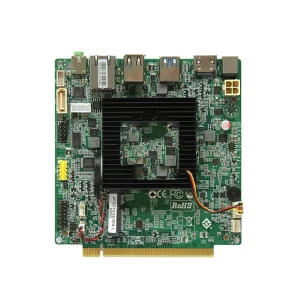
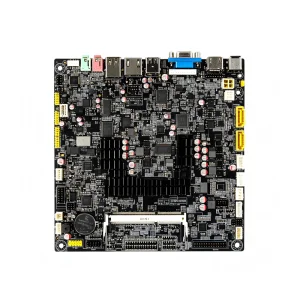
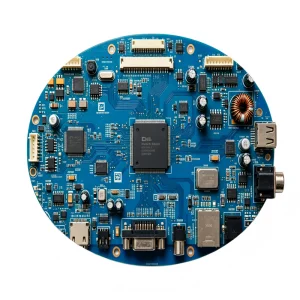
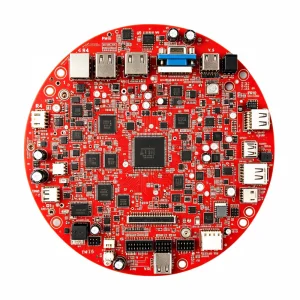
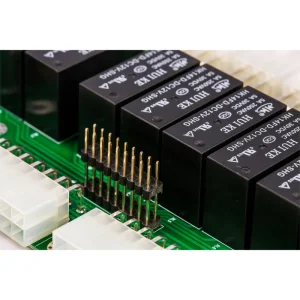
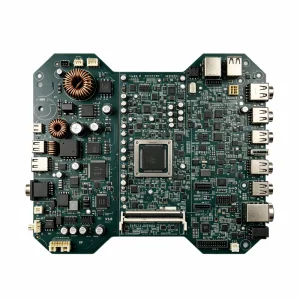
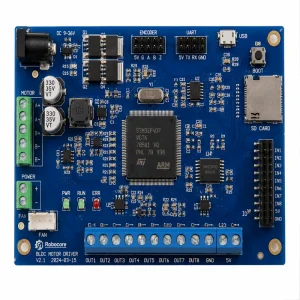
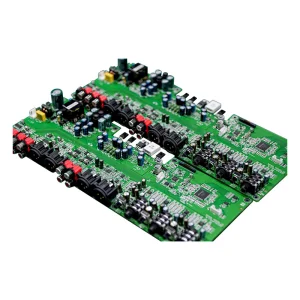
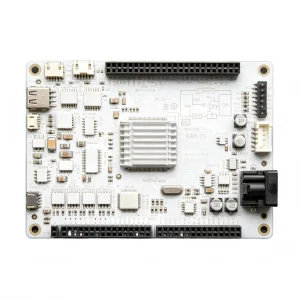
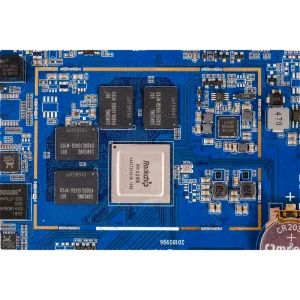
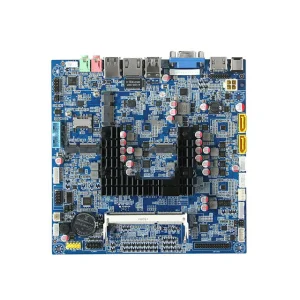
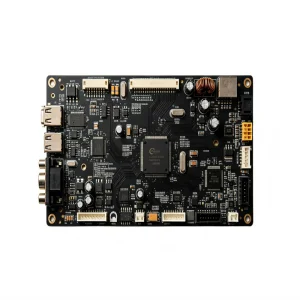
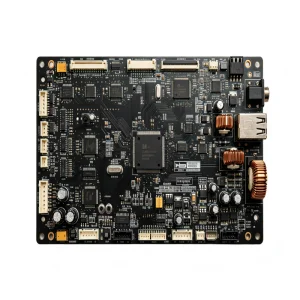
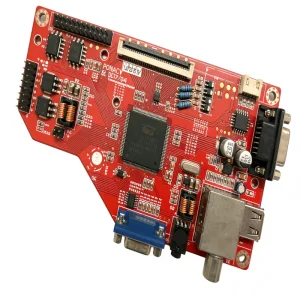
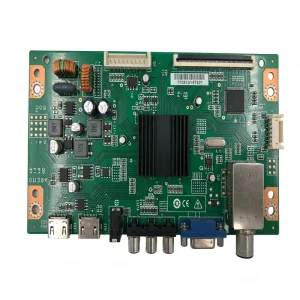
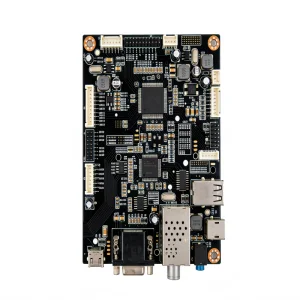
These original STHL assembly references show the breadth of products that often integrate with custom wire harnesses, cable assemblies, connectors and box-build hardware. Each image, title and product URL below is retained for direct product evaluation.
Turnkey Harness Assemblies from China as a Strategic Supply-Chain Lever
For OEMs in the United States, Germany, Italy, the United Kingdom, Poland, New Zealand, Brazil and more than 90 other regions, the sourcing question is no longer simply “Where can we buy cables?” It is: who can deliver a validated harness assembly that fits a PCBA, enclosure and test specification, while documenting every connector, wire, terminal and process parameter? That shift explains the growing search intent behind turnkey harness assemblies from China and “China wire harness factories.” Buyers want a manufacturing partner that can combine engineering review, component procurement, cable and wire harness assembly, PCB assembly, box build and functional testing under one controlled workflow.
Shenzhen STHL Electronics Co., Ltd. has operated as an EMS and ODM provider since 2006. Its 10,000+ m² facility, 220+ staff and 50+ engineers support high-mix production across 7 SMT lines, 2 DIP/THT lines, 2 functional test lines and 2 box build lines. For harness programs, that means a buyer can source cable assemblies alongside the PCBA that drives them, reduce supplier hand-offs, and use one NDA, one quality system and one traceability chain from incoming reel and wire lot to finished carton.
The information gain for procurement teams is measurable: fewer inbound inspections, shorter engineering loops, lower freight complexity and clearer accountability when a device fails at end-of-line. STHL supports prototype and low-volume builds with no MOQ, then scales to repeat production with the same process controls. The result is not simply a lower unit price; it is a lower total landed cost with audit-ready evidence for automotive, medical, industrial and IoT buyers.
What a Turnkey Harness RFQ Should Include
- Wire schedule: AWG, color, length, stripping, tinning, shielding, jacket material and bend-radius requirements.
- Connector AVL: approved brands, plating, keying, seals, retention features and alternate-part approval rules.
- Test plan: continuity, hipot, insulation resistance, pull-force monitoring, functional test, labeling and serialization.
- PCBA inputs: Gerber, BOM, centroid data, firmware, test procedure, conformal coating and packaging specification.
- Commercial context: prototype quantity, annual forecast, target landed cost, destination and compliance market.
- Compliance: RoHS/REACH, IATF 16949, ISO 13485, NDA before RFQ and IP-protection expectations.
Harness Assemblies at the Center of Electrification and Automation
Across global markets, harness assemblies have moved from commodity accessory to strategic subsystem. The strongest suppliers combine wire, connector, PCB, enclosure and test knowledge rather than quoting each item in isolation.
Electrification & Energy
Battery management systems, chargers, redundant power supplies and boost converters require crimp integrity, dielectric withstand, thermal awareness and traceable connector lots. Automotive and energy-storage programs increasingly audit these details before awarding production.
Automation & Industrial Control
PLC, motor-drive, sensor and power-supply assemblies must tolerate vibration, EMI, moisture and long field life. Conformal coating, strain relief, shielding and labeling are often as important as the electrical BOM.
Medical & Diagnostics
ISO 13485 process discipline matters for operating-room video monitoring, pacemakers, biochemical analyzers and patient-monitoring hardware. Buyers need lot traceability, clean assembly controls and reproducible test records.
Safety, IoT & Communications
Gas leak detectors, carbon monoxide detectors, explosion-proof equipment, portable Wi-Fi devices, wireless phones and headsets demand compact, repeatable assemblies that survive real-world handling and environmental stress.
What to Verify in a China Harness Factory Before You Release Production
A low piece price can hide total cost. The most useful due-diligence questions are engineering-led: how the factory prevents connector errors, manages wire lots, controls crimp height, proves test coverage and protects your design data.
Engineering DFM Review
Check whether the factory reviews wire gauge, bend radius, strain relief, connector selection, creepage/clearance, EMC, test points and PCBA-to-harness integration before quoting. DFM feedback should arrive before material is ordered.
Material & BOM Control
Ask for authorized-distributor sourcing, BOM scrubbing, alternate-part approval, counterfeit avoidance and lot traceability. STHL works with 100+ agents and suppliers covering 500,000+ part numbers, with incoming inspection and reel-to-board records.
Assembly Process Window
Confirm automated cutting and crimping, pull-force monitoring, ultrasonic welding, overmolding or potting, ESD handling, labeling and serialization. These process controls determine field reliability more than a catalog-grade connector ever can.
Test & Quality Gates
Continuity, hipot, insulation resistance, AOI, X-ray, ICT, functional test and final inspection should be documented in the MES/ERP record. The buyer should know exactly which tests are performed on every unit, not only on first articles.
STHL Turnkey Readiness Indicators
Compliance Assurance for Global Harness and PCBA Programs
Compliance is an operating system, not a certificate on a wall. It shapes how a factory reviews a BOM, controls a crimp tool, records a test result and responds to an audit.
For harness assemblies, IATF 16949 guides automotive programs through APQP, PPAP, change control and corrective-action discipline. ISO 13485 adds medical-device process discipline, including traceability and contamination-control expectations. ISO 9001 and ISO 14001 underpin overall quality and environmental management. STHL’s systems are supported by incoming inspection, moisture-sensitive device control, ESD controls and lot traceability across materials and finished assemblies.
For overseas buyers, localized support means responsive English communication, DFM feedback, NDA execution before RFQ, IP-restricted project teams, remote factory tours and audit-ready documentation. No MOQ lowers the barrier to prototype validation, while ERP/MES tracking keeps every build visible. Customers can visit the Shenzhen factory and R&D laboratory at any time, or pre-qualify the supplier through a 360-degree virtual factory tour before an onsite audit.
IATF 16949
Automotive quality management for control modules, BMS, chargers and safety-related assemblies with PPAP-ready documentation.
ISO 13485
Medical-device process discipline for monitoring, diagnostic and wearable assemblies with traceability and controlled assembly areas.
ISO 9001 & ISO 14001
Quality and environmental management systems that support consistent production and responsible factory operations.
NDA + MES Traceability
Design files are protected before quotation, while ERP/MES records connect material lots, process parameters and test results.
Where Harness and PCBA Integration Creates Value
STHL supports OEM teams across North America, Europe, Asia-Pacific and South America. The same factory can combine cable assemblies with the boards, power electronics and enclosure hardware required for a complete subsystem.
Medical & Diagnostics
Operating-room video monitoring, pacemaker, biochemical analyzer and patient-monitoring systems benefit from ISO 13485 discipline, high-reliability PCB assembly and controlled harness integration.
Automotive & EV
Battery management systems, battery chargers and control modules require IATF 16949 processes, high-voltage awareness, vibration resistance and production-part approval.
Industrial Control & Power
Redundant power supplies, boost converters, PLC and motor-drive electronics demand thermal management, conformal coating options and robust interconnect routing.
Communications & IoT
Portable Wi-Fi devices, wireless phones and Bluetooth headsets require compact assemblies, repeatable RF-friendly layouts and volume scaling from prototype to production.
Safety & Environmental Monitoring
Gas leak detectors, carbon monoxide detectors and explosion-proof equipment need harsh-environment assembly, reliable sensors, secure connectors and full test traceability.
Computing, Consumer & LED
Laptop, TV LED backlight and battery-charger assemblies benefit from high-mix SMT/THT capability, no-MOQ prototyping and consistent cosmetic standards.
From Cable Assembly to Intelligent Interconnect
The next five years will reward factories that treat harness assemblies as data-rich engineered products, not as disconnected wires and connectors.
Digital Traceability at Scale
MES serialization, QR-code travelers, wire-lot tracking and reel-to-board traceability will become baseline expectations for audits and field investigations.
High-Voltage & High-Speed Integration
EV and energy-storage programs will push 800V routing, shielding, thermal analysis, connector validation and mixed-power/data harnesses into the same assembly.
AI-Assisted Inspection & Automation
Crimp cross-section analytics, machine vision, predictive maintenance and digital-twin process planning will reduce variation and shorten new-product introduction.
Resilience & Sustainability
China+1 sourcing, localized kitting, RoHS/REACH compliance, recycled packaging and design-for-circularity will reshape supplier scorecards and total-cost models.
Quality Gates for Turnkey Harness and PCBA Projects
Every STHL project moves through controlled steps so the buyer knows what happens after the purchase order and before the shipment leaves Shenzhen.
RFQ, NDA & Requirements Review
Sign an NDA before RFQ, then clarify wire schedule, connector AVL, PCBA inputs, test plan, forecast, compliance market and packaging requirements.
DFM, BOM & AVL Validation
Engineers check Gerber, BOM, centroid data, harness drawings, footprint errors, end-of-life parts, assembly clearances and test coverage before ordering material.
Component & Material Sourcing
Parts are purchased through 100+ agents and suppliers, inspected on receipt and controlled for moisture sensitivity, authenticity and lot traceability.
Harness, SMT/THT & Box Build
7 SMT lines, 2 DIP/THT lines, 2 functional test lines and 2 box build lines support cable assembly, PCB assembly, enclosure integration and final hardware.
Inspection, Test & Traceability
AOI, X-ray, ICT, functional testing, continuity, hipot and insulation-resistance checks are logged in the MES/ERP system with serialized records where required.
Packaging & Global Delivery
ESD-safe packaging, labeling, box-build documentation and shipment preparation support customers in 90+ countries and regions with high on-time-delivery performance.
Why Global OEMs Choose STHL for Turnkey Harness and PCBA Programs
STHL is a single accountable EMS partner for engineering review, component sourcing, PCB fabrication, SMT/THT assembly, cable and wire harness assembly, testing and box build.
Years of EMS Experience
m² Production Facility
Professional Engineers
Production Lines
On-Time Delivery
Qualified Shipment Rate
Additional capability cluster: 220+ staff, 500,000+ sourced part numbers, 100+ agents and suppliers, no MOQ, NDA before RFQ, ERP/MES tracking and a 360° virtual factory tour. Explore STHL’s industry-specific assembly experience below.
FAQ: Turnkey Harness Assembly Sourcing from China
Straight answers for procurement and engineering teams evaluating a China harness factory, cable assembly supplier or integrated EMS partner.
What are turnkey harness assemblies, and how do they differ from buying cables and PCBAs separately?
A turnkey harness assembly is a finished, tested interconnect subsystem delivered by one supplier. It can include wire cutting, stripping, crimping, connectors, labeling, shielding, overmolding or potting, and may integrate a PCBA, enclosure or box build. Buying separately shifts integration risk, test responsibility and traceability gaps to your team. A turnkey factory owns the DFM review, material sourcing, assembly, test and documentation.
What files should we submit for a custom harness and PCBA RFQ?
Send a wire schedule, connector AVL, assembly drawing, strip/crimp specification, test plan and packaging requirement. For any integrated PCBA, include Gerber, BOM, centroid data, firmware and functional test procedure. STHL signs an NDA before RFQ and completes DFM/BOM review before production starts.
Can STHL support prototypes and low-volume production without MOQ?
Yes. STHL accepts prototype, low-volume and high-volume orders without MOQ. The same supplier can validate first articles and scale to repeat production, which is useful for medical, automotive, industrial, energy and IoT programs.
How is intellectual property protected during sourcing?
STHL signs an NDA before RFQ, restricts project data to the assigned engineering team and tracks each build through ERP and MES systems. Customers can request documentation and audit the factory before releasing production.
Which certifications and tests apply to automotive, medical and industrial harness assemblies?
STHL operates under IATF 16949, ISO 9001, ISO 14001 and ISO 13485 systems and produces RoHS-compliant assemblies. Board-level verification includes AOI, X-ray, ICT and functional testing. Harness-specific tests can include continuity, hipot, insulation resistance and pull-force monitoring depending on the drawing and end-market requirements.
How can overseas buyers audit or qualify STHL remotely?
Customers are welcome to visit the Shenzhen factory and R&D laboratory at any time. For remote evaluation, STHL offers a 360-degree virtual factory tour, certification copies, process documentation, sample builds and traceability records that support supplier qualification.
Planning a Turnkey Harness or PCBA Program?
Share your wire schedule, connector AVL, Gerber/BOM and test plan. STHL will sign an NDA before RFQ and return a manufacturability review for your China harness factory evaluation.
Additional STHL PCBA and Harness-Ready Product References
All original product images, titles and URLs are retained. Use these links to review additional assembly platforms that can be combined with cable, wire harness and box-build services.