Top-Rated Surface Mount SMT Factory & Factories
A white-paper buying guide for global OEMs: how to qualify an SMT factory, de-risk turnkey PCBA, and scale from prototype to box build with measurable quality, traceability, and engineering depth.
Surface Mount SMT Products Qualified for Global Programs
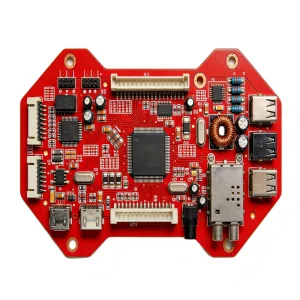
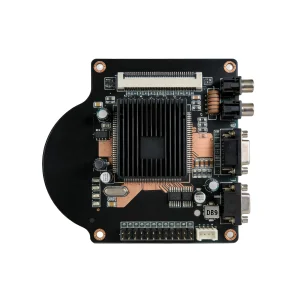
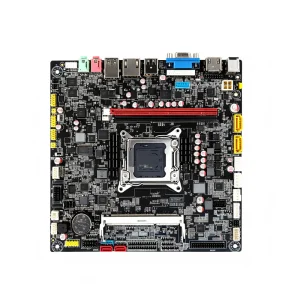
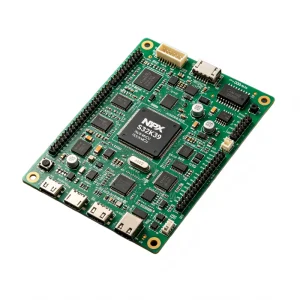
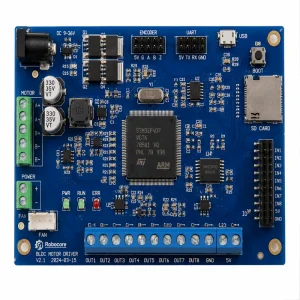
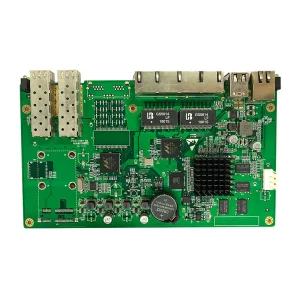
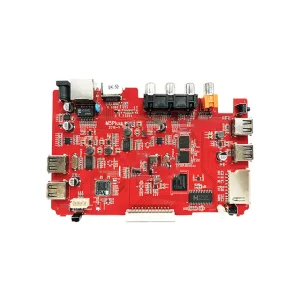
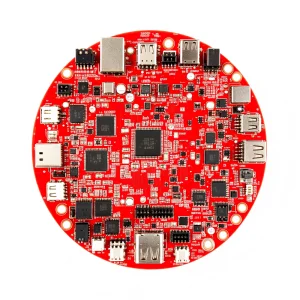
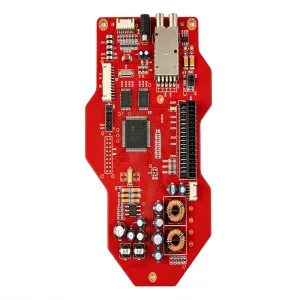
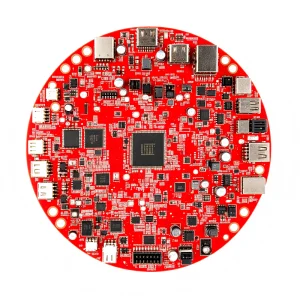
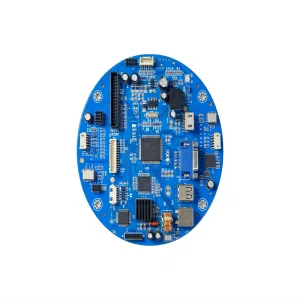
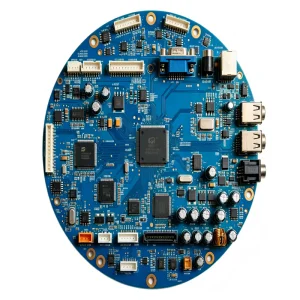
The product set below keeps the original factory URLs and images intact. These assemblies reflect the real application mix that drives high-intent searches for a surface mount SMT factory: displays, environmental sensing, repeaters, safety inspection, power conversion, security, inverters, and networking.
Why the Search for a Surface Mount SMT Factory Has Become a Supplier-Risk Decision
Buyers searching for a “top-rated surface mount SMT factory” are not looking for a generic directory. They are trying to answer a higher-stakes question: which factory can turn a validated design into repeatable, traceable, certified hardware without creating supply, quality, or IP risk?
The commodity trap
SMT assembly can look like a commodity on a quotation: placement speed, reel count, price per joint. In practice, the cost of a poor factory decision appears later—engineering change orders, component shortages, solder defects, delayed compliance documents, or a production line stopped in another time zone. A top-rated SMT factory is therefore not the one with the loudest marketing claim; it is the one that can prove process control, material traceability, engineering depth, and communication discipline.
The higher-intent question
High-intent buyers compare a surface mount SMT factory on five dimensions: certified quality systems, real SMT/THT capacity, component sourcing strength, test coverage, and scalability from prototype to volume. They also look for evidence: factory audits, MES/ERP records, traceability from reel to board, NDA processes, and references from engineers in their own market. That is why this guide combines global industry context with first-party STHL operating data rather than repeating a keyword.
For STHL, information gain means adding what a generic supplier directory cannot: a qualification framework, a localized application map, a technology roadmap, and a transparent view of how a Shenzhen factory with 20 years of EMS experience translates engineering inputs into shippable PCBA. The original product set remains visible above and again near the bottom—eight featured assemblies after the banner and eight additional assemblies at the end—so design teams can move from intent to a concrete RFQ without losing product context.
Global Surface Mount SMT Manufacturing: Commercial and Industrial Reality
Surface mount technology remains the backbone of modern electronics manufacturing. The commercial landscape has shifted from pure cost arbitrage to resilience-led sourcing, where capability, compliance, and communication matter as much as unit price.
Buyers still value Asia’s component ecosystem, engineering talent, and speed, but they now balance it with regional diversification, inventory strategy, and compliance risk. China’s Shenzhen–Pearl River Delta cluster continues to offer dense supplier networks and rapid NPI; Southeast Asia, Mexico, and Eastern Europe are expanding as complementary production bases. For OEMs, the practical answer is often a primary high-capability factory plus a regionally distributed contingency plan.
Industrial demand is being pulled by electrification, automation, medical monitoring, AI infrastructure, telecom, energy storage, smart security, and connected consumer devices. Each market imposes a different reliability envelope: automotive programs demand IATF 16949 discipline and PPAP-style evidence; medical devices require ISO 13485 controls and lot traceability; industrial controls prioritize robustness and conformal coating; consumer and IoT products optimize size, RF performance, and cost. Miniaturization, higher power density, and mixed-technology boards make SMT process windows narrower, so factory selection must be based on capability evidence, not only price.
Regional diversification
China remains a capability hub for NPI and component access, while Mexico, Southeast Asia, and Eastern Europe absorb tariff, logistics, and regional-content pressure.
High-mix, low-volume
More SKUs, shorter product life cycles, and mass customization reward factories with quick changeover, engineering support, and no-MOQ flexibility.
Traceability as standard
ERP/MES records, reel-to-board genealogy, and audit-ready documentation are now commercial requirements in automotive, medical, and industrial supply chains.
Advanced miniaturization
Fine-pitch, BGA, package-on-package, and mixed SMT/THT boards demand tighter process control, X-ray review, and mature DFM feedback.
Compliance convergence
Automotive and medical quality expectations are influencing industrial and consumer programs, raising the bar for inspection, documentation, and change control.
Sustainability and TCO
RoHS compliance, energy-aware reflow, packaging optimization, and yield improvement all contribute to total cost of ownership rather than headline unit price.
How to Qualify a Top-Rated Surface Mount SMT Factory
A factory is “top-rated” only when its claims can be verified. Use this eight-point framework to compare suppliers on evidence, not adjectives.
Certified quality system
IATF 16949, ISO 9001, ISO 13485, and ISO 14001 coverage; RoHS-compliant assembly; audit-ready records.
Real SMT and THT capacity
Multiple SMT lines, DIP/THT capability, fine-pitch and BGA experience, and a clear path from prototype to volume.
DFM and BOM engineering
Review before material order, footprint checks, end-of-life alerts, alternate-part suggestions, and testability feedback.
Component sourcing depth
Authorized channels, broad supplier network, incoming inspection, moisture-sensitive device control, and counterfeit mitigation.
Inspection and test
AOI, X-ray, ICT, functional testing, IC programming, conformal coating, and documented corrective action.
Traceability and digital control
ERP/MES visibility, lot genealogy, process logs, and the ability to answer a quality question with data.
IP protection and fit
NDA before RFQ, restricted project data, no-MOQ prototype support, and commercial terms aligned to scale.
Auditability and communication
Factory visits, 360° virtual tours, English-speaking engineers, fast RFQ response, and clear escalation paths.
STHL Factory Evidence: 20 Years of SMT and Turnkey PCBA Execution

STHL is a Shenzhen-based EMS and ODM provider founded in 2006. The factory operates more than 10,000 m² with 220+ staff, including 50+ engineers, and runs 7 SMT lines, 2 DIP/THT lines, 2 functional test lines, and 2 box-build lines. Production is controlled under IATF 16949, ISO 9001, ISO 14001, and ISO 13485, with RoHS-compliant assemblies and AOI, X-ray, ICT, and functional testing.
The company serves OEMs in the USA, Germany, Italy, the UK, Poland, New Zealand, Brazil, and 90+ other regions, with 99.5% on-time delivery and a 99% qualified shipment rate. Component sourcing is handled through 100+ agents and suppliers covering more than 500,000 part numbers, with incoming inspection, moisture-sensitive device control, and traceability from reel to finished board.
Projects are NDA-protected before RFQ, and customers can audit the Shenzhen factory or take a 360° virtual tour. For buyers comparing factories, this is the kind of first-party evidence that turns a “top-rated” claim into a verifiable supply decision.
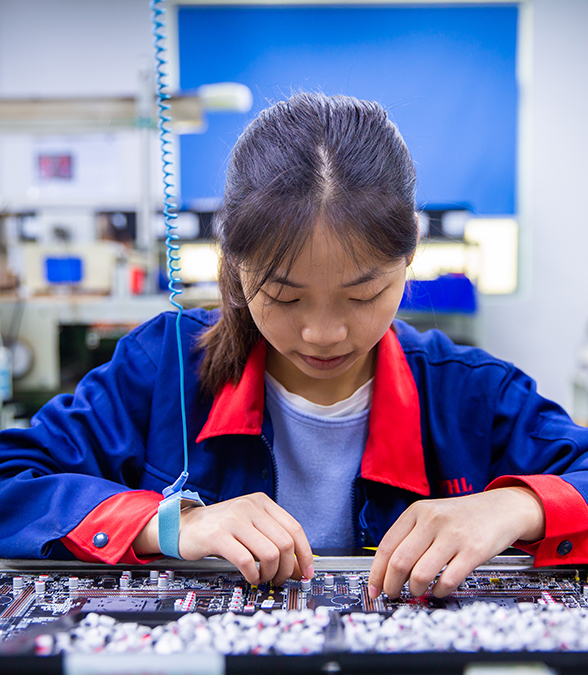
Capacity snapshot
Turnkey PCBA Manufacturing Services Under One Controlled Workflow
For 20 years, STHL has combined component procurement, PCB fabrication, SMT and THT assembly, and functional testing into one accountable process—so buyers deal with one supplier from first article to repeat production.

Electronic Components Procurement
Full or partial turnkey sourcing through 100+ agents and suppliers, with BOM scrubbing, alternate-part suggestions, and reel-level traceability.

PCB Fabrication
Standard, prototype, aluminum, flexible, rigid-flex, HDI, Rogers, ceramic, heavy-copper, high-Tg, and halogen-free boards built to your stack-up.

SMT & THT PCB Assembly
Prototype, low-volume, and high-volume assembly including fine-pitch, BGA, and mixed-technology boards, verified by AOI and X-ray.

Value-Added Services
PCB layout and design, IC programming, ICT and functional testing, conformal coating, cable and wire harness, and complete box-build assembly.
Where Surface Mount SMT PCBA Creates Competitive Advantage
Localized demand is not only about geography. It is about the reliability envelope, regulatory path, and operating environment of the end product. These eight application scenarios show how SMT factory capability maps to real programs.
Automotive & EV
IATF-controlled modules, lighting, charging, and in-vehicle communication for North America, Europe, and China programs.
Medical & Healthcare
ISO 13485 assembly for monitoring, diagnostics, surgical navigation, and wearable devices with lot traceability.
Industrial Automation
PLCs, motor drives, sensors, and robotics boards that require robustness, conformal coating, and long-life supply.
Smart Home & IoT
Security cameras, repeaters, modems, and smart access products with RF, low-power, and miniaturization constraints.
Safety & Security
Inspection equipment, access control, and surveillance systems that must perform reliably in connected protection networks.
Communication & Networking
Ethernet switches, GNSS modules, repeaters, and modems where signal integrity and thermal control are critical.
Power & Energy
Inverters, boost converters, energy storage, and ecological monitoring equipment with high-voltage clearance and test needs.
LED & Lighting
Plant grow lights, panel lights, and driver boards where thermal management and color consistency drive the process.
Surface Mount SMT Technology Roadmap and Future Outlook
The next competitive gap will not be placement speed alone. It will be the ability to combine advanced packaging, digital traceability, and engineering feedback at the speed of product change.
Fine-pitch and package complexity
More BGA, package-on-package, and mixed-technology assemblies demand tighter process windows, X-ray review, and mature DFM feedback.
Digital traceability as standard
ERP/MES records, reel-to-board genealogy, AI-assisted AOI, and review workflows become baseline expectations for regulated industries.
High-mix automation
Quick-change feeders, smart line balancing, and NPI acceleration improve the economics of low-volume, high-mix production.
SiP and rigid-flex convergence
System-in-package, HDI, rigid-flex, embedded components, and thermal-aware layouts push factories toward multidisciplinary process control.
Sustainability roadmap
Lead-free processes, energy-aware reflow, waste reduction, RoHS/REACH compliance, and packaging optimization support global ESG goals.
Factory-level digital twin
Simulation, closed-loop inspection, predictive maintenance, and capacity planning will differentiate factories that can scale without losing quality.
Macro Solutions for OEMs Building Through an SMT Factory
A strong SMT factory does more than place components. It absorbs complexity across NPI, sourcing, testing, compliance, and system integration.
NPI and prototype-to-production
One supplier for DFM, BOM review, functional test, and scale-up; no MOQ so design validation does not become a procurement barrier.
High-mix low-volume programs
Quick changeover, mixed boards, engineering support, kitting discipline, and traceability for programs with many SKUs and short cycles.
Mass production and cost-down
BOM optimization, alternate-part qualification, yield learning, and test strategy refinement that lower total cost without hiding risk.
Turnkey supply chain
Full turnkey, partial turnkey, and consigned assembly supported by 100+ agents and suppliers, incoming inspection, and counterfeit mitigation.
Box build and integration
Cable assembly, enclosure integration, ESD-safe packaging, and global shipment for a complete system rather than bare boards alone.
Compliance and audit support
IATF 16949, ISO 13485, ISO 9001, ISO 14001, RoHS documentation, lot records, factory audits, and virtual tours for remote qualification.
From Gerber Files to Global Shipment in 6 Controlled Steps
Knowing what happens after a purchase order removes surprises. This is how every STHL PCBA project moves through the factory.
DFM & BOM Review
Engineers check Gerber, BOM, and centroid data for manufacturability, footprint errors, and end-of-life parts before any material is ordered.
Component Sourcing
Parts are purchased through 100+ agents and suppliers, then pass incoming inspection and moisture-sensitive device control.
PCB Fabrication
Bare boards are produced to your stack-up, surface finish, and impedance requirements, from single-layer to HDI and rigid-flex.
SMT & THT Assembly
7 SMT lines and 2 DIP/THT lines handle fine-pitch, BGA, and mixed-technology boards for prototypes and mass production.
Inspection & Testing
AOI, X-ray, ICT, and functional tests, plus IC programming and conformal coating, with results logged in the MES.
Box Build & Delivery
Cable assembly, enclosure integration, and ESD-safe packaging shipped to customers in 90+ countries and regions.
Why Global OEMs Choose STHL for Surface Mount SMT and Turnkey PCBA
Measurable capacity, documented quality systems, and engineering support that reduces total cost—not just the unit price.

Dust-Free Smart Factory
10,000+ m² highly automated production space.

20 Years of Experience
Proven know-how across PCB and PCBA since 2006.

Global Sourcing
500k+ parts via 100+ agents and suppliers.

Fully Certified
IATF 16949, ISO 9001, ISO 14001, ISO 13485.

ERP & MES Tracking
Real-time production status and lot traceability.

Cost-Down Engineering
DFM and BOM optimization by the engineering team.

No MOQ
Prototype and large-quantity orders both welcome.

NDA Before RFQ
Your design data and IP are protected from day one.
Certified Quality Management Systems
Independent third-party audits confirm that STHL processes meet the requirements of automotive, medical, and industrial customers.

ISO 9001
Quality Management System.
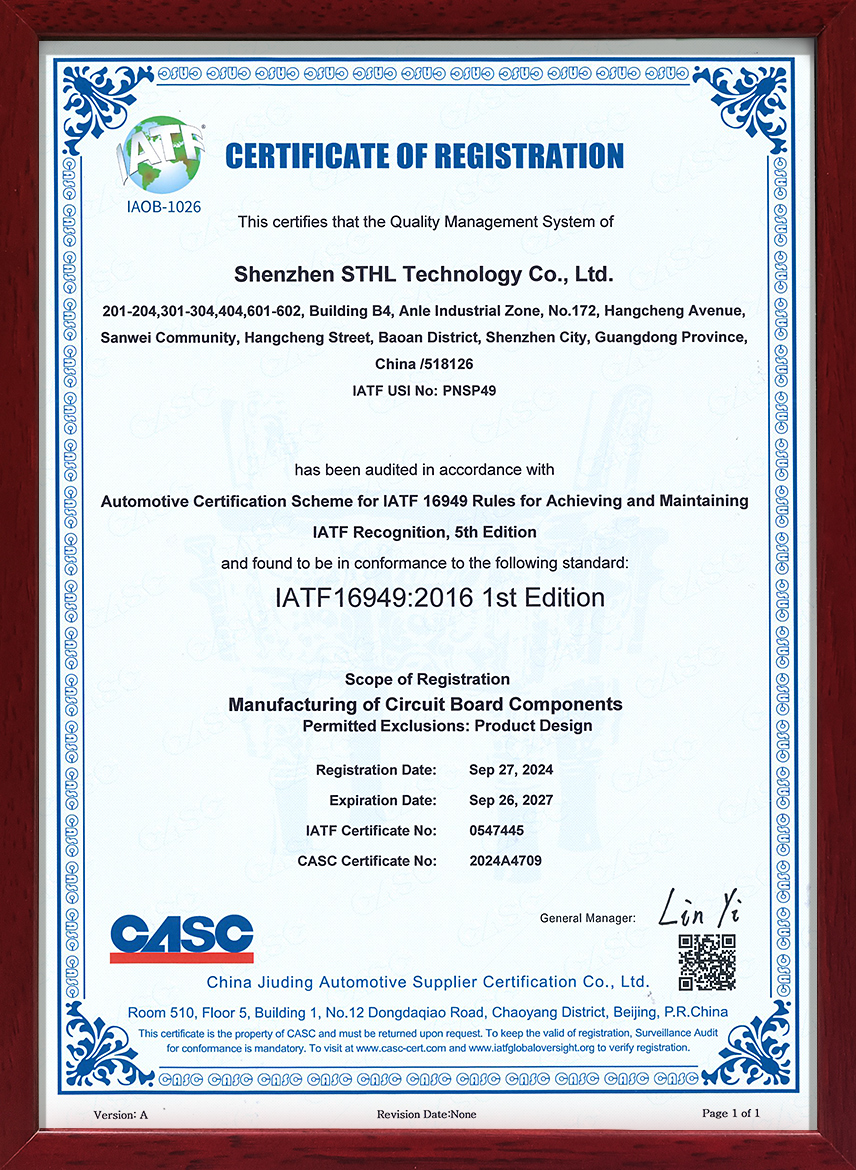
IATF 16949
Automotive Quality Management.
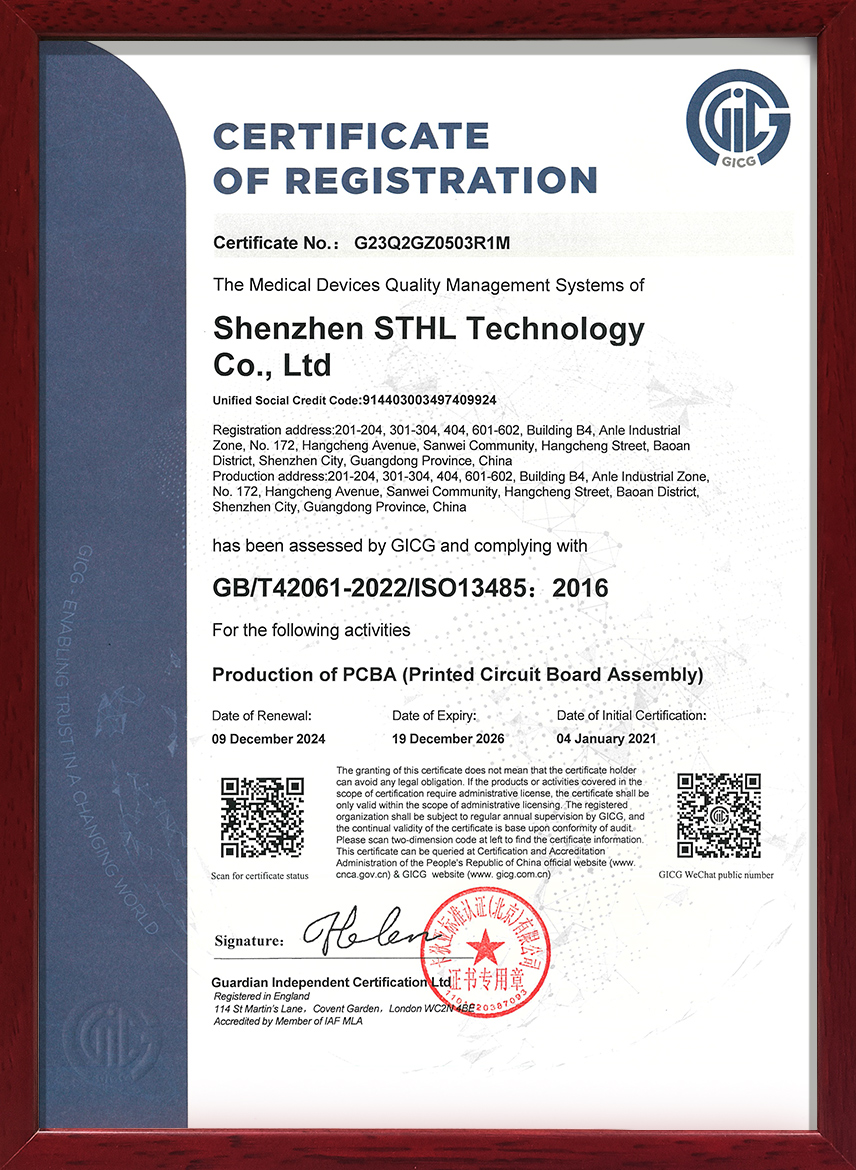
ISO 13485
Medical Devices Quality Management.
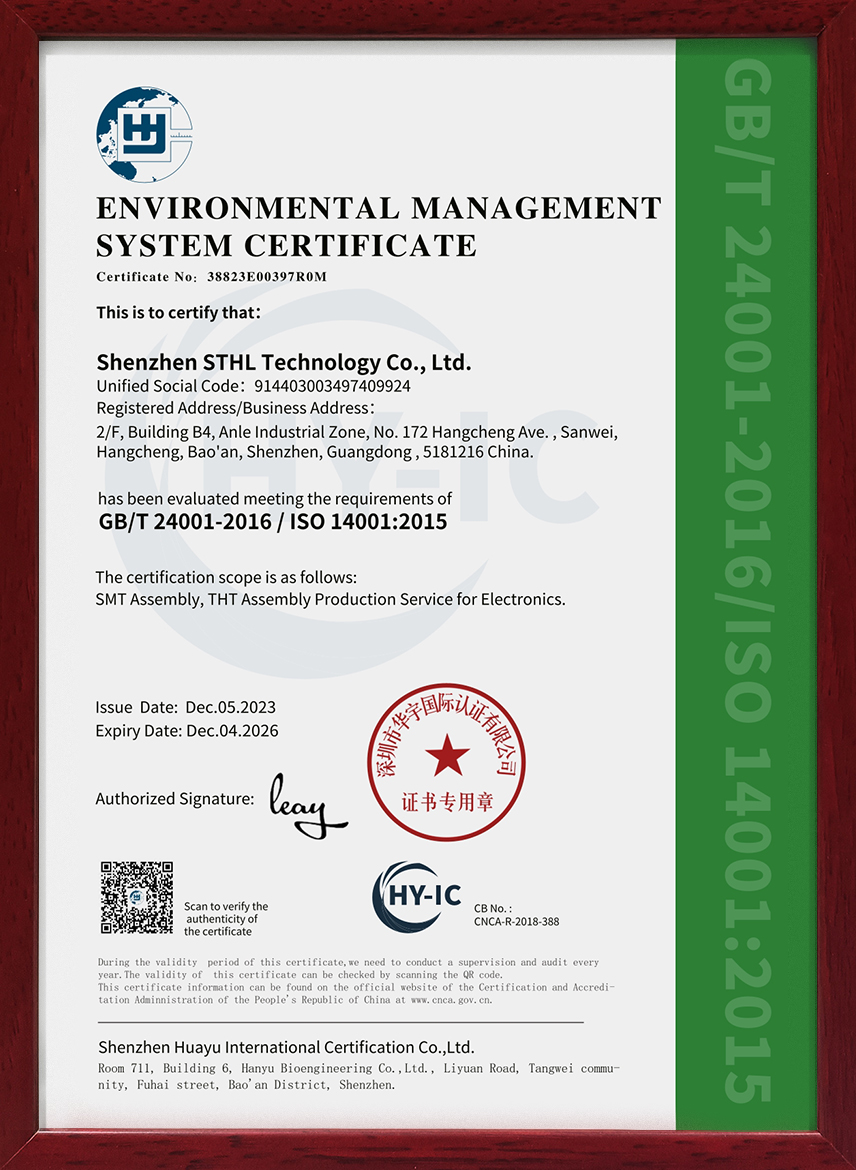
ISO 14001
Environmental Management System.
What Engineers and Buyers Say About STHL
Feedback from hardware engineers, designers, and company owners across North America, Europe, and beyond.
“Excellent team to work with and fast delivery with high-quality boards. We are very happy to work with such a good supplier. Thanks again.”

“Please extend my thanks to your team for your hard work in preparing these samples. This positive experience has strengthened my confidence in your company, and I'm looking forward to discussing bulk orders in the near future.”

“We are satisfied with the last order. You did a great job on those boards and the lead time was short. I will place a new order soon.”

“The order was perfect—exactly as specified with top quality. Highly recommend this reliable supplier.”

Surface Mount SMT Factory FAQs for Overseas Buyers
Straight answers to the questions procurement and engineering teams ask before choosing a PCB assembly manufacturer in China.
What files do I need to submit for a PCBA project?
Send Gerber files, a BOM with manufacturer part numbers, the pick-and-place (centroid) file, and assembly drawings. If you need IC programming or functional testing, include firmware and test procedures. Our engineers complete a DFM and BOM review before production starts.
Is there a minimum order quantity (MOQ)?
No. STHL accepts prototype, low-volume, and high-volume PCB assembly orders, so you can validate a design and scale to mass production with the same supplier.
Can STHL source all the electronic components?
Yes. We offer full turnkey, partial turnkey, and consigned assembly. Our sourcing team works with 100+ agents and suppliers covering more than 500,000 part numbers, with incoming inspection and traceability from reel to finished board.
Which quality certifications does STHL hold?
STHL is certified to IATF 16949, ISO 9001, ISO 14001, and ISO 13485, and produces RoHS-compliant assemblies. Boards are verified with AOI, X-ray, ICT, and functional testing.
How do you protect our design files and IP?
We sign an NDA before RFQ, restrict project data to the assigned engineering team, and track every build through our ERP and MES systems.
Can we audit or visit the factory?
Yes. Customers are welcome to visit our Shenzhen factory and R&D laboratory at any time, and a 360-degree virtual factory tour is available for remote evaluation.
How do you control quality from reel to finished board?
Incoming inspection, moisture-sensitive device control, ERP/MES routing, AOI, X-ray, ICT, functional testing, and lot-level traceability combine to keep material and process records connected.
Can you support both prototype and mass production?
Yes. No-MOQ prototypes, low-volume builds, and mass production use the same engineering and quality framework, which reduces transfer risk when a design moves from validation to volume.
Additional Surface Mount SMT Factory Products
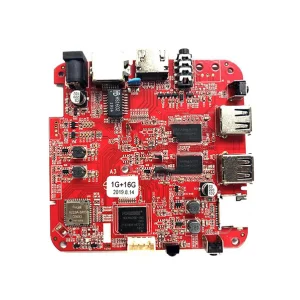
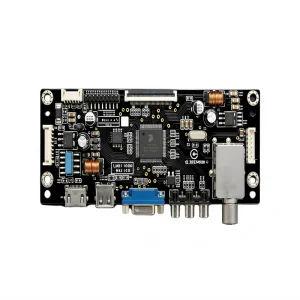
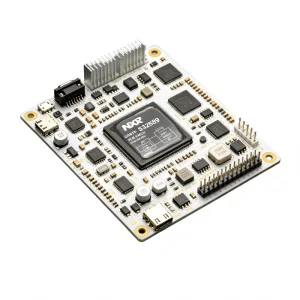
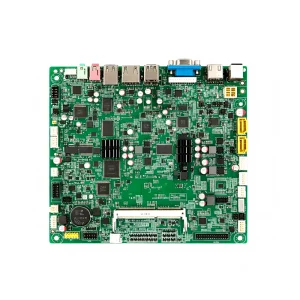
These eight assemblies complete the original product set, preserving every supplied product URL and image while keeping the page focused on SMT factory qualification and turnkey PCBA execution.
Request a Data-Backed Surface Mount SMT Factory Quote
Send Gerber, BOM, centroid, assembly drawings, and firmware or test steps if required. STHL reviews DFM and BOM before quotation, signs an NDA before RFQ, and supports prototype through mass production from its Shenzhen factory.