
▣Top-Rated PCB Wiring Harness-Ready Products
The product families below are representative of STHL’s high-mix PCBA experience and are frequently paired with custom cable, connector, terminal, wire-harness and box-build work. Every product image and link below is preserved for direct evaluation.
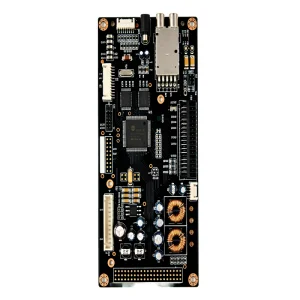
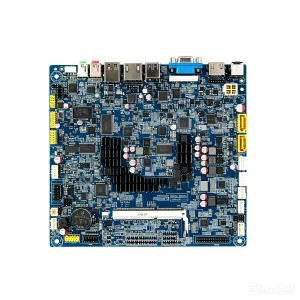
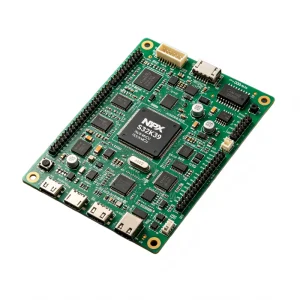
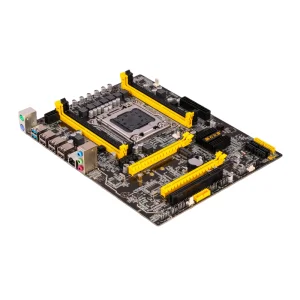
Top 10 NVR PCB Assembly--STHL: Engineering Stable Storage for High-Definition Video-1 Service, Manufacturers
View Product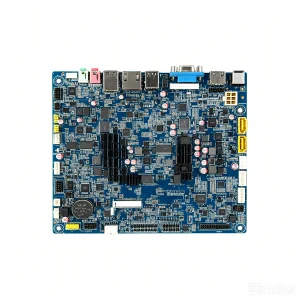
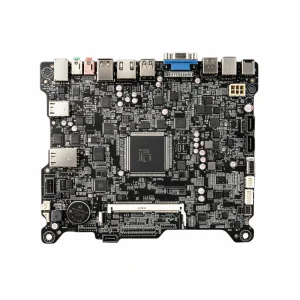
Professional Uninterruptible Power Supply (UPS) PCB Assembly--STHL Manufacturer, in China
View Product
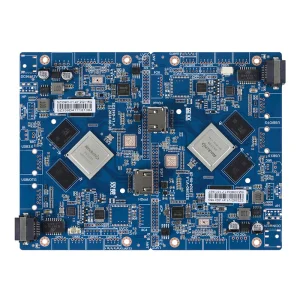
Top 10 Consumer Electronics PCBA Application: Powering the Devices of Tomorrow Supplier, Service
View Product⌁Why PCB Wiring Harness Integration Is a Board-Level Business Decision
A PCB wiring harness is no longer a commodity accessory purchased after the board is designed. It is the physical interface between electronics, power, sensors, actuators, displays and the outside environment. For OEMs, the supplier search for “PCB wiring harness service” or “PCB wiring harness factories” usually signals a deeper need: to reduce interface failures, consolidate vendors, improve traceability and shorten the path from prototype to production.
In a conventional sourcing model, a hardware team buys bare PCB fabrication, PCB assembly, connectors, cable preparation and final box build from separate suppliers. The model can work for simple products, but it becomes fragile when a board must fit into an enclosure, mate with a locking connector, survive vibration, carry high voltage, pass EMI/EMC, or be installed in a medical cart, vehicle, telecom cabinet or industrial control panel. The failure may appear in the harness, but the root cause may sit at the PCB footprint, the connector selection, the strain relief, the crimp height, the wire routing, the test method or the documentation package.
A top-rated PCB wiring harness factory therefore behaves more like an engineering partner than a cable cutter. It reviews the board-to-harness interface, the connector library, the current path and the assembly sequence together. It asks whether the PCB pad geometry can survive repeated mating cycles; whether the chosen terminal is approved for the wire gauge and insulation diameter; whether the harness bend radius will load the connector; whether the test fixture can validate continuity, polarity, shielding, dielectric withstand and functional behavior; and whether serialization can trace a finished assembly back to the PCB lot, component reel and wire batch.
STHL’s E-E-A-T position is built on this integrated view. Since 2006, the company has operated as a certified EMS and ODM provider in Shenzhen, combining PCB fabrication, component sourcing, SMT/THT assembly, cable assembly, wire harness work, conformal coating, IC programming, functional testing and box build under one quality system. Instead of treating the harness as an afterthought, STHL engineers can help define a harness-first NPI plan that aligns PCB assembly, cable preparation, mechanical assembly and final test.
- Consolidated supplier accountability from bare board to finished harness-enabled assembly
- Earlier DFM and DFA feedback on connectors, pads, strain relief, routing and test access
- Traceability that links PCB serial numbers, component lots, wire batches and crimp records
- Documented quality systems: IATF 16949, ISO 9001, ISO 14001 and ISO 13485
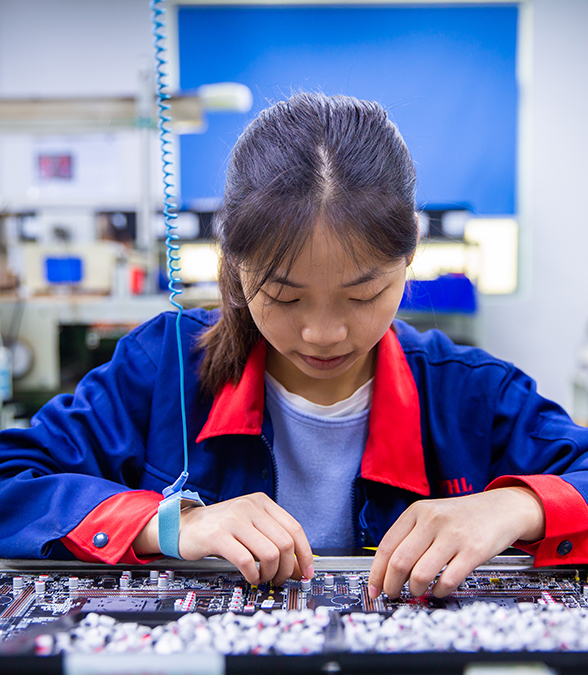
◫The Global Commercial and Industrial Status of PCB Wiring Harness Manufacturing
The wiring harness supply chain is being reshaped by electrification, automation, connectivity, medical device complexity, data-center growth and supply-chain resilience. Buyers are not only comparing unit prices; they are comparing engineering responsiveness, compliance depth, traceability, change control and the cost of a failure in the field.
Directionally, demand for PCB wiring harness services tracks five large commercial engines: automotive and electric vehicles, industrial automation and robotics, medical and healthcare electronics, communication and data infrastructure, and consumer/smart-home devices. Each engine has a different failure cost. A loose terminal in a consumer speaker is inconvenient; a loose terminal in an EV battery-management circuit, a portable ultrasound device, a base station, an uninterruptible power supply or a safety inspection system is a serious reliability, regulatory or safety event. This asymmetry explains why OEMs increasingly ask for harness and PCBA control under one quality system.
Geographically, Asia remains the densest manufacturing base for PCB fabrication, component sourcing, SMT assembly and cable processing. China, Taiwan, Vietnam, Thailand, Malaysia, India, Japan and Korea form a deep electronics ecosystem. At the same time, North American and European OEMs are pursuing dual sourcing, nearshoring and regional final assembly. Mexico, Eastern Europe and Southeast Asia are becoming important for harness pre-assembly and box build, while high-value PCB assembly, engineering review and final test often remain centralized with certified EMS partners. The winning supply model is rarely “lowest cost only”; it is a balanced model of landed cost, engineering speed, compliance evidence and supply resilience.
| Region | Typical Buying Priorities | Harness/PCBA Implication |
|---|---|---|
| North America | Fast NPI, UL/CSA evidence, design support, supply resilience | High-mix/low-volume builds, engineering documentation and rapid change control |
| Europe | CE/UKCA, REACH/RoHS, quality maturity, traceability | Robust compliance files, material declarations and controlled special processes |
| China and broader APAC | Scale, speed, component access and cost optimization | Integrated SMT, cable processing, testing and box build under one roof |
| Southeast Asia | Regional diversification and volume flexibility | Dual-source planning and scalable harness pre-assembly |
| Latin America & Middle East | Nearshoring, logistics and localized final assembly | Modular harness kits, late-stage configuration and shipment-ready packaging |
↗Eight Trends Reshaping PCB Wiring Harness Factories
The strongest suppliers are investing in design collaboration, process automation, digital traceability and compliance evidence. The trends below are practical evaluation criteria for OEM buyers.
1. PCBA + Harness Co-Design
Connector footprints, current paths, strain relief and enclosure routing are reviewed together before release. This reduces late-stage rework and connector stress.
2. High-Voltage & EV Growth
Battery management, charging, motor control and energy storage demand creepage/clearance control, thermal planning, terminal validation and hipot testing.
3. Miniaturization & Fine Pitch
HDI, rigid-flex, fine-pitch connectors and micro-coax assemblies push factories toward advanced inspection, tooling and operator training.
4. Digital Traceability
MES/ERP integration, serialization, reel-to-board traceability and harness batch records make field investigations faster and more defensible.
5. Automation in Cable Processing
Automated cut, strip, crimp, seal insertion and vision inspection improve repeatability for high-mix harness production.
6. Supply-Chain Resilience
Dual sourcing, alternate connectors, BOM scrubbing and proactive lifecycle checks protect programs from allocation and end-of-life shocks.
7. Sustainability & Compliance
RoHS, REACH, halogen-free options, lower-loss wire, recyclable packaging and energy monitoring are becoming procurement requirements.
8. Quality & Cybersecurity
NDA-controlled data, restricted project access, documented change control and test records protect IP while supporting regulated audits.
⌖Where Harness-Enabled PCBAs Create Value in Local Markets
Application context changes the reliability requirement. A smart-home controller, an industrial inspection device and a portable ultrasound system may all use a PCB and a harness, but they need different validation depth, documentation and process controls.
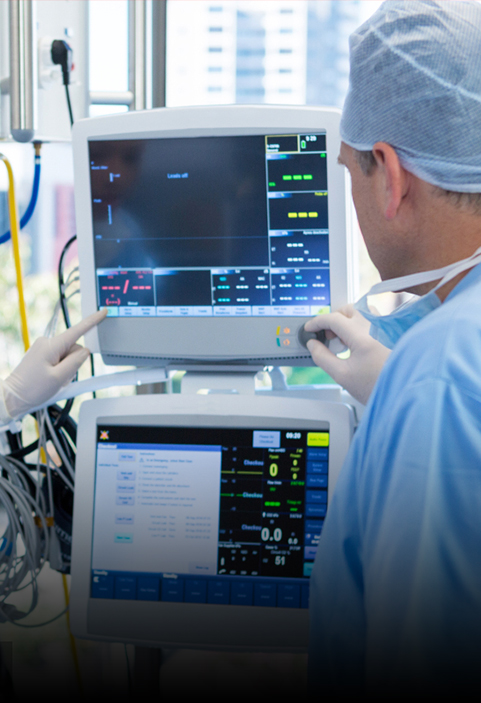
Medical & Healthcare
Portable ultrasound, monitoring, diagnostic and wearable devices require ISO 13485-controlled assembly, clean handling, validated test fixtures and full lot traceability.
Explore medical PCBA →
Automotive & EV
Lighting, charging, control modules and battery-adjacent electronics need IATF 16949 discipline, vibration resistance, thermal planning and robust connector systems.
Explore automotive PCBA →
Computer, NVR & Video
NVR, video server, network interface card and storage products demand high-speed layout discipline, stable power delivery, thermal management and reliable data connections.
Explore computer PCBA →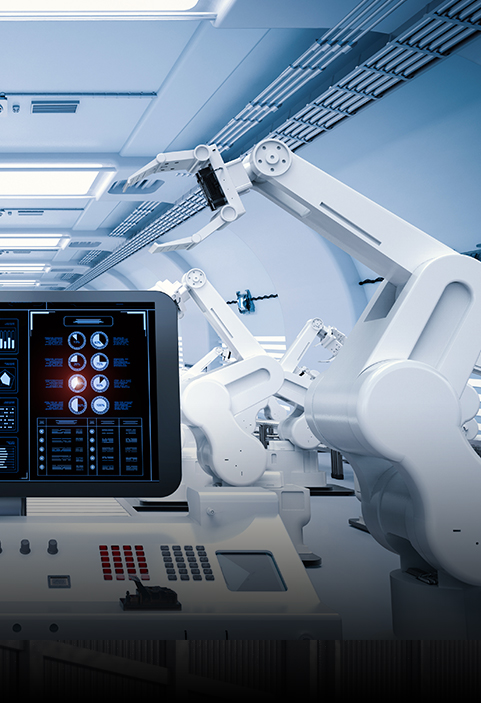
Industrial Control
Safety inspection, PLC, motor drive and automation equipment require robust EMC behavior, serviceable connectors, conformal coating options and long lifecycle support.
Explore industrial PCBA →Smart Home & IoT
Smart speakers, Bluetooth modules, routers and connected appliances need compact PCBA, antenna-aware layout, stable firmware programming and cost-effective harness kits.
Explore smart-home PCBA →Power, UPS & Energy
UPS, power supply, energy storage and LED grow-light systems require creepage control, thermal margin, high-current terminals and functional testing under load.
Explore power PCBA →Communication & Data
Base stations, routers and network equipment need impedance control, shielding strategy, reliable RF connectors and strict test coverage for high-speed interfaces.
Explore communication PCBA →Safety, Security & Lighting
Security lighting, LED ceiling panels, inspection equipment and building systems require stable drivers, moisture protection and clean cable routing for long service life.
Explore safety & security PCBA →◎Technology Roadmap and Future Outlook for PCB Wiring Harness Services
From 2025 to 2030, the competitive advantage of a wiring harness factory will come from how well it connects design data, process data and field data. The roadmap below is a practical way for OEMs to evaluate whether a supplier can scale with the product.
Digital Design Review
Connector libraries, 3D enclosure checks, harness drawing review, DFM/DFA and test-access planning move upstream. The goal is to eliminate interface surprises before tooling and material commitments.
Advanced Materials & Processes
High-temperature insulation, high-voltage cable, halogen-free options, ultrasonic welding, laser stripping and sealed connector overmolding support EV, medical and outdoor applications.
Automated Harness Build
Automated cut/strip/crimp, vision-assisted inspection, press-fit connectors and error-proof assembly stations improve repeatability for high-mix production.
Test & Traceability
Continuity, polarity, hipot, insulation resistance, functional test, boundary scan and serialization connect the harness record to the PCBA record and the final product.
Industry 4.0 / 5.0
AI-assisted defect detection, predictive maintenance, energy monitoring and digital work instructions help suppliers improve yield, reduce downtime and document capability.
Global Service Models
Regional kitting, postponed configuration, vendor-managed inventory, circular design and localized final assembly allow OEMs to balance resilience, cost and speed.
▦Macro Industry Solutions: Co-Engineered PCBA and Wiring Harness Manufacturing
STHL’s value is not a single machine or a single process. It is the controlled handoff between PCB fabrication, component sourcing, SMT/THT assembly, cable and harness preparation, test and final assembly.

Electronic Components Procurement
Full or partial turnkey sourcing through 100+ agents and suppliers, with BOM scrubbing, alternate-part suggestions and reel-level traceability.

PCB Fabrication
Standard, prototype, aluminum, flexible, rigid-flex, HDI, Rogers, ceramic, heavy-copper, high-Tg and halogen-free boards built to the stack-up.

SMT & THT PCB Assembly
Prototype, low-volume and high-volume assembly including fine-pitch, BGA and mixed-technology boards, verified by AOI and X-ray.

Value-Added Services
PCB layout, IC programming, ICT/FCT, conformal coating, cable and wire harness assembly, and complete box build under one supplier.
| Harness-Enabled Product | Interface Challenge | STHL Solution | Validation Focus |
|---|---|---|---|
| LED ceiling panels and security lighting | Driver-to-LED connection, moisture, thermal cycling | SMT assembly, wire preparation, connector crimping, functional test | Polarity, continuity, hipot, thermal stability |
| Base stations, routers and NICs | High-speed signal integrity, shielding, grounding | Impedance-controlled PCB, RF/coax harness, AOI/X-ray, RF test support | Insertion loss, return loss, shielding continuity |
| UPS and power supplies | High current, creepage, terminal heating | Heavy-copper PCB, busbar/cable assembly, load testing | Voltage drop, hipot, dielectric withstand, thermal rise |
| NVR, video server and storage | Stable power, storage reliability, enclosure routing | High-density PCBA, harness kits, burn-in and functional test | Power integrity, signal continuity, data throughput |
| Portable ultrasound and medical devices | Clean handling, patient safety, traceability | ISO 13485 workflow, medical cable assembly, serialized test records | Electrical safety, functional performance, lot traceability |
| Smart speakers and audio amplifiers | Acoustic noise, connector fit, user handling | SMT/THT assembly, wire harness, final acoustic test support | Continuity, distortion, noise floor, drop robustness |
✓STHL’s Experience, Expertise, Authority and Trust Signals
For a whitepaper-level supplier evaluation, claims must be supported by capacity, process controls, certifications, client evidence and auditable records. STHL’s operating model is designed for buyers who need both engineering flexibility and documented quality discipline.
Shenzhen STHL Electronics Co., Ltd. is a certified electronics manufacturing services and ODM provider. The company supports hardware teams in the USA, Germany, Italy, the UK, Poland, New Zealand, Brazil and 90+ other regions, from PCB layout and component sourcing to PCB fabrication, SMT/THT assembly, cable assembly, box build and full testing.
The facility employs 220+ staff, including 50+ engineers, and operates a 10,000+ m² production site with an in-house R&D laboratory for design verification and prototype testing. Every build is RoHS-compliant and controlled under IATF 16949, ISO 9001, ISO 14001 and ISO 13485 management systems. Factory visits, supplier audits and remote evaluations are welcome.
- 7 SMT assembly lines, 2 DIP/THT lines, 2 functional test lines and 2 box-build lines
- In-house R&D laboratory with DFM, BOM review and prototype verification
- AOI, X-ray, ICT and FCT inspection capabilities
- ERP and MES tracking for production status and lot traceability
- NDA before RFQ, no MOQ policy and 99.5% on-time delivery target

ISO 9001
Quality Management System

IATF 16949
Automotive Quality Management

ISO 13485
Medical Devices Quality Management

ISO 14001
Environmental Management System
Brand & OEM Relationships
Long-term cooperation with global brands and established distributors helps keep BOMs genuine, traceable and available.
Component Sourcing Channels
STHL’s sourcing team works with 100+ agents and suppliers covering more than 500,000 part numbers, with incoming inspection and reel-to-board traceability.
Remote evaluation: a 360° virtual factory tour is available for procurement and quality teams. Launch the STHL 360° factory tour.
❝What Engineers and Buyers Say About STHL
Feedback from hardware engineers, designers and company owners across North America, Europe, South America, Turkey and New Zealand. These comments are retained as original client evidence.
“Excellent team to work with and fast delivery with high-quality boards. We are very happy to work with such a good supplier. Thanks again.”

“Please extend my thanks to your team for your hard work in preparing these samples. This positive experience has strengthened my confidence in your company, and I'm looking forward to discussing bulk orders in the near future.”

“We are satisfied with the last order. You did a great job on those boards and the lead time was short. I will place a new order soon.”

“The order was perfect — exactly as specified with top quality. Highly recommend this reliable supplier.”

“Exciting! Very fast delivery, a professional supplier and a professional product. We will place a new order very soon!”

“We have tested all the boards and I am highly pleased. I will repeat my order soon. Thank you again for your excellent service.”

“It's always a pleasure ordering. Very professional team and good quality — thanks for your great service.”

“Satisfied with the sample products delivered. Very good product, quick delivery and a good understanding of my requirements.”

“The supplier's professionalism is evident in their seamless communication, efficient processing and reliable service. They are a trustworthy and commendable partner.”

▤PCBA Insights and Factory News
Practical updates from the production floor — customer visits, traceability practices and the real factors that drive PCBA lead time.
 ◈ Nov 4, 2026 · Company News
STHL Hosts Two European Visitors for an Early-Stage Healthcare Electronics Concept Review and Factory Tour
Read more → ◈ Nov 9, 2026 · Factory Visit
STHL Hosts Two German Visitors for an SMT, THT and Material Preparation Walkthrough
Read more → ◈ Nov 12, 2026 · Tech Update
STHL PCBA Component Traceability: From Incoming Reel to Finished Board
Read more →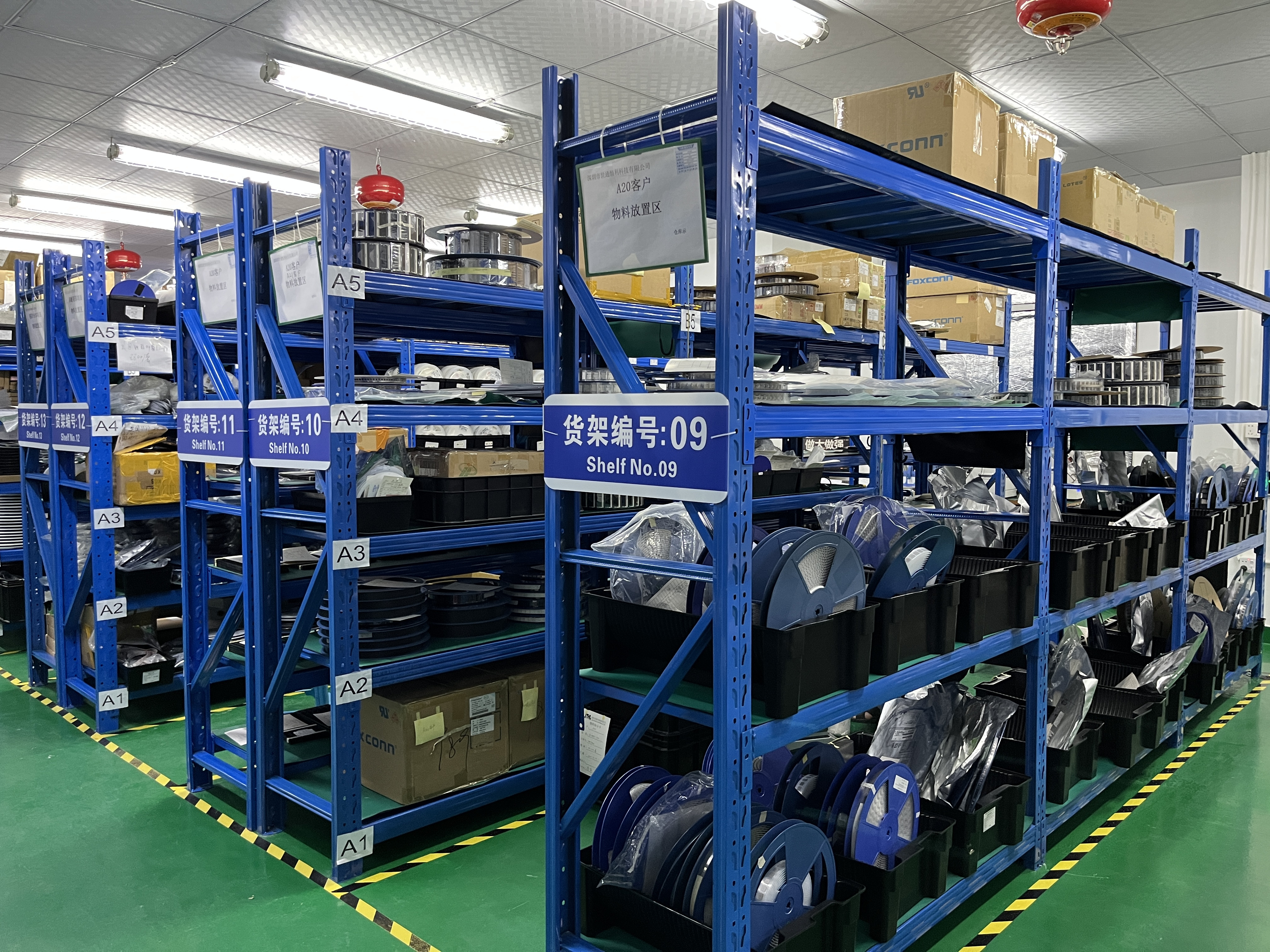 ◈ Nov 10, 2026 · Industry News
PCBA Lead Time: Where the Days Go Between Purchase Order and Shipment
Read more →?PCB Wiring Harness and PCBA Sourcing FAQs
Straight answers for procurement, engineering and quality teams evaluating a PCB wiring harness service or factory in China and other regions.
Talk to a PCBA & Harness Engineer
✉ [email protected] ☎ +86 135 1018 8049 ☎ +86 755 8936 9123 ◉ WhatsApp: +86 135 1018 8049What files do I need to submit for a PCBA project?
Send Gerber files, a BOM with manufacturer part numbers, the pick-and-place (centroid) file and assembly drawings. If you need IC programming or functional testing, include firmware and test procedures. Our engineers complete a DFM and BOM review before production starts.
Is there a minimum order quantity (MOQ)?
No. STHL accepts prototype, low-volume and high-volume PCB assembly orders, so you can validate a design and scale to mass production with the same supplier.
Can STHL source all the electronic components?
Yes. We offer full turnkey, partial turnkey and consigned assembly. Our sourcing team works with 100+ agents and suppliers covering more than 500,000 part numbers, with incoming inspection and traceability from reel to finished board.
Which quality certifications does STHL hold?
STHL is certified to IATF 16949, ISO 9001, ISO 14001 and ISO 13485, and produces RoHS-compliant assemblies. Boards are verified with AOI, X-ray, ICT and functional testing.
How do you protect our design files and IP?
We sign an NDA before RFQ, restrict project data to the assigned engineering team and track every build through our ERP and MES systems.
Can we audit or visit the factory?
Yes. Customers are welcome to visit our Shenzhen factory and R&D laboratory at any time, and a 360-degree virtual factory tour is available for remote evaluation.
Can STHL build both PCBAs and wire harnesses in one program?
Yes. STHL supports integrated programs that combine PCB fabrication, component sourcing, SMT/THT assembly, cable and wire harness preparation, conformal coating, IC programming, functional testing and box build. This reduces supplier handoffs and helps control the board-to-harness interface.
How do you ensure PCB-to-harness connection reliability?
Engineering reviews connector footprints, pad geometry, current paths, strain relief, wire gauge, terminal selection and assembly routing. Production controls include crimp verification, pull testing where applicable, continuity and polarity checks, hipot or insulation-resistance testing when required, and final functional test.
Which standards are commonly applied to harness and PCBA work?
Depending on the product and market, programs may reference IPC-A-610 for electronic assemblies, IPC/WHMA-A-620 for cable and wire harness assemblies, J-STD-001 for soldering, UL or CSA requirements, and industry-specific standards for automotive, medical or industrial products. The exact specification is confirmed during RFQ.
How is traceability maintained from PCB to harness?
Where required, serial numbers or lot codes can link the finished assembly to the PCBA lot, component reel, wire batch, connector batch, crimp setup and test record. MES/ERP controls help preserve production status and change history.
What is the typical NPI process for a harness-enabled PCBA?
A typical path is RFQ and NDA, DFM/BOM review, harness drawing and connector review, prototype sourcing, PCB fabrication, SMT/THT assembly, cable preparation, first-article inspection, functional test, packaging and production release. Lead time depends on components, PCB complexity, tooling and test requirements.
How do you support low-volume, high-mix production?
STHL is structured for high-mix PCBA and box-build work. Engineering support, flexible line setup, component sourcing, kitting and documented work instructions allow prototypes and small batches to move through the same quality system as volume production.
Can high-voltage EV or energy-storage harnesses be supported?
Projects are reviewed against creepage and clearance, insulation, terminal temperature rise, fusing, shielding, hipot and thermal requirements. The final manufacturing plan is defined after drawing review and testing requirements are confirmed.
▣More PCB Wiring Harness and PCBA Solutions
The second product set below completes the 16 original product links. Each item is suited to project-specific harness, connector, cable and enclosure integration discussions.
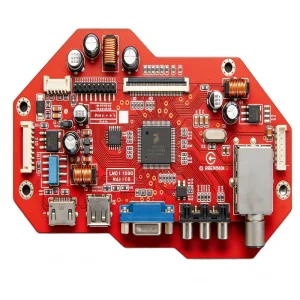
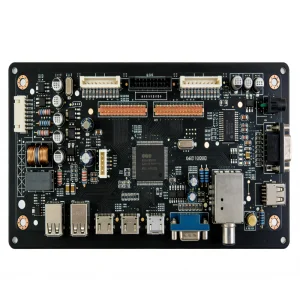
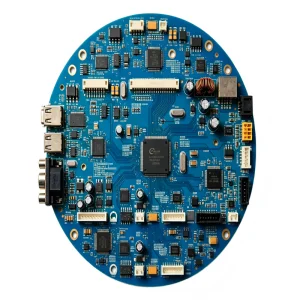
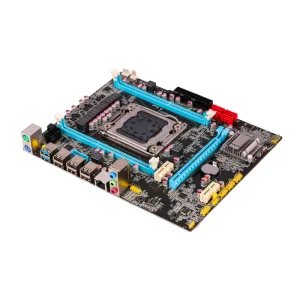
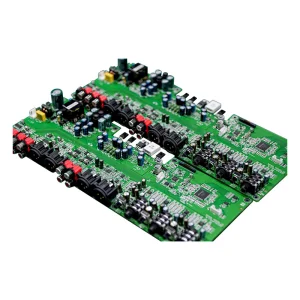
OEM Power Supply PCBA Applications: Reliable Power Management for Critical Systems Factory, Factories
View Product
Planning a PCB Wiring Harness Project?
Send Gerbers, BOM, harness drawings, connector specifications and test requirements. STHL can review the PCBA and harness interface together, sign an NDA before RFQ and propose a controlled path from prototype to production.
