Top-Rated PCB Production and Assembly Supplier from China
STHL combines 20 years of electronics manufacturing experience, IATF 16949 / ISO 13485 quality systems, turnkey component sourcing, SMT/THT PCB assembly, testing and box build in Shenzhen — giving global OEMs one accountable partner from prototype to volume.
Prototype-to-Production PCB Assembly Platforms from China
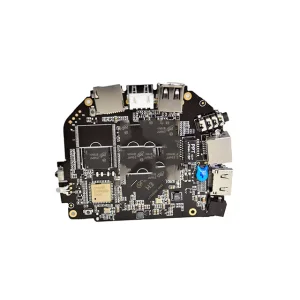
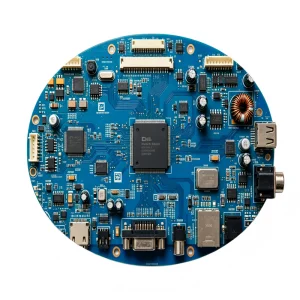
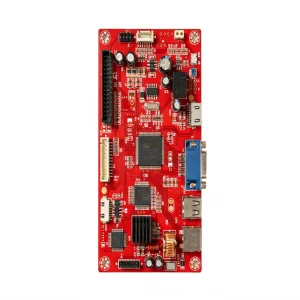
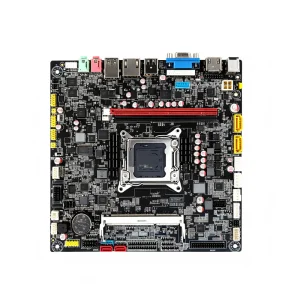
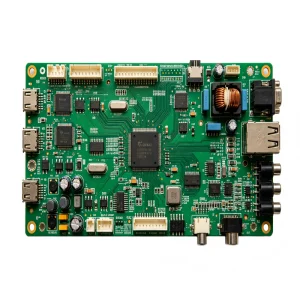
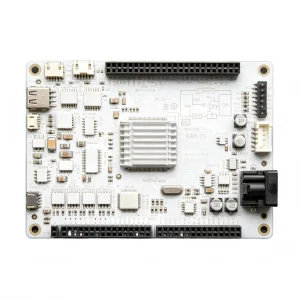
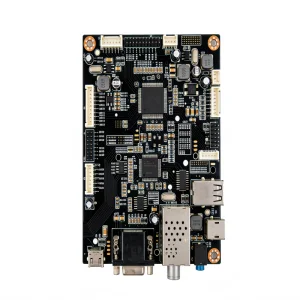
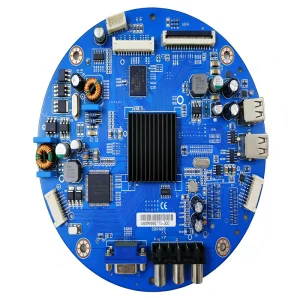
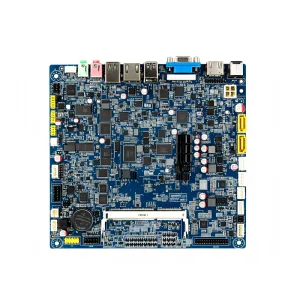
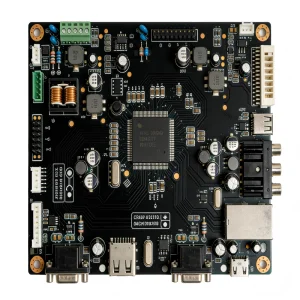
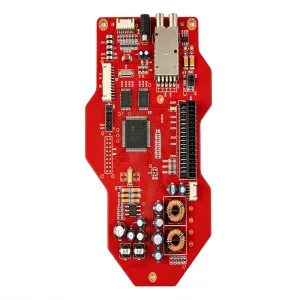
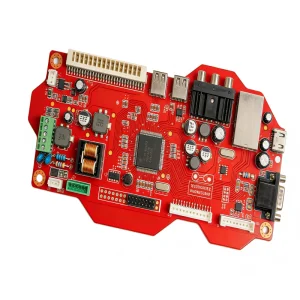
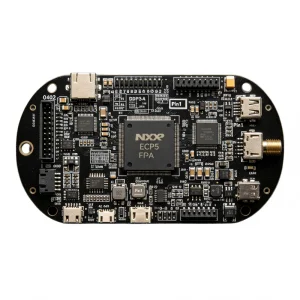
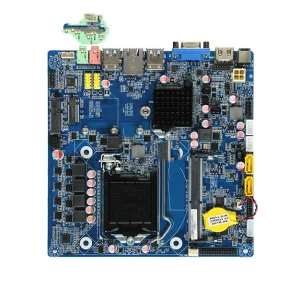
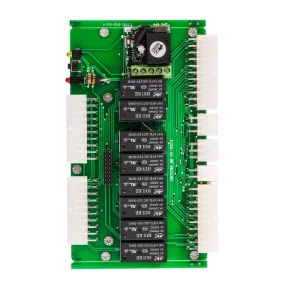
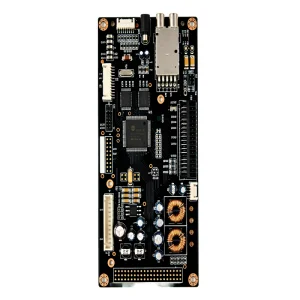
The first group of product families shows how STHL supports high-mix electronics programs: prototype router PCB assembly, OEM network printer PCBA, LED panel light assembly, custom intercom boards, video doorbell PCBA, water heater controllers, turnkey alarm systems and LED ceiling panel assemblies. Each program is backed by DFM review, BOM sourcing, SMT/THT assembly, AOI, X-ray, ICT, functional testing and export-ready documentation.
Why a Top-Rated PCB Production and Assembly Supplier Is More Than a Factory
A top-rated PCB production and assembly supplier from China is not defined by a slogan or a single low quotation. It is defined by evidence of process control, engineering judgement, supply-chain resilience and transparent communication. For global procurement teams, the real question is not “who can assemble a board?” but “who can keep the same board buildable, traceable and compliant across prototype, pilot and mass production?” That is the operational standard STHL has built around since 2006.
Experience that can be audited, not just described
Shenzhen STHL Electronics Co., Ltd. is a certified electronics manufacturing services (EMS) and ODM provider. The company helps hardware teams in the USA, Germany, Italy, the UK, Poland, New Zealand, Brazil and 90+ other regions move from schematic to shipped product: PCB layout, component sourcing, PCB fabrication, SMT/THT assembly, cable assembly, box build and full testing under one factory system. STHL operates a 10,000 m² facility with 220+ staff, including 50+ engineers, and an in-house R&D laboratory for design verification and prototype testing.
This matters because a PCB assembly supplier is judged at the point where engineering intent meets factory reality. A Gerber file can look perfect and still fail at stencil printing, reflow, test access or box build. A BOM can appear complete and still contain end-of-life parts, long lead-time semiconductors or counterfeit risk. A quotation can be attractive and still create hidden costs through rework, delayed documentation or poor change control. E-E-A-T in this sector means the supplier can show experience, expertise, authority and trust evidence in the form of process records, certificates, audits, test reports and repeat production performance.
Information gain for global buyers
The most useful information gain is not another list of machines. It is a clear explanation of how decisions are made. STHL’s process starts with DFM and BOM review before material is ordered. Engineers check footprint accuracy, panelization, test-point access, assembly drawings, component availability and lifecycle risk. The sourcing team then works through 100+ agents and suppliers covering more than 500,000 part numbers, with incoming inspection and reel-to-board traceability. Every build is controlled under IATF 16949, ISO 9001, ISO 14001 and ISO 13485 systems, and boards can be verified with AOI, X-ray, ICT and functional testing.
For buyers comparing China PCBA factories, this is the difference between a transactional assembler and a production partner: the ability to explain risk before it becomes scrap. It also explains why STHL can support no-MOQ prototypes, low-volume engineering builds and volume production with the same documentation discipline.
- NDA signed before RFQ; design data restricted to the assigned engineering team.
- ERP and MES tracking for production status, lot control and repeat-build consistency.
- Factory visits, customer audits and a 360-degree virtual factory tour for remote qualification.








One Controlled Workflow for PCB Production and Assembly
For 20 years, STHL has combined component procurement, PCB fabrication, SMT and THT assembly and functional testing into one controlled workflow — so buyers deal with one accountable supplier from first article to repeat production.

Electronic Components Procurement
Full or partial turnkey sourcing through 100+ agents and suppliers, with BOM scrubbing, alternate-part suggestions and reel-level traceability.
Learn more
PCB Fabrication
Standard, prototype, aluminum, flexible, rigid-flex, HDI, Rogers, ceramic, heavy-copper, high-Tg and halogen-free boards built to your stack-up.
Learn more
SMT & THT PCB Assembly
Prototype, low-volume and high-volume assembly including fine-pitch, BGA and mixed-technology boards, verified by AOI and X-ray.
Learn more
Value-Added Services
PCB layout and design, IC programming, ICT and functional testing, conformal coating, cable and wire harness, and complete box build assembly.
Learn moreWhy China Factory Supply-Chain Depth Still Matters
The advantage of a China PCB assembly factory is not simply labor cost. It is the density of the electronics ecosystem: PCB fabricators, component distributors, connectors, cables, sheet-metal suppliers, tooling shops, test houses and logistics partners within a short distance. For global enterprises, this ecosystem matters most when schedules compress and BOM risk appears.
Component Access and Alternates
STHL works with 100+ agents and suppliers and more than 500,000 part numbers. During allocation or obsolescence, engineers can propose validated alternates instead of simply reporting a shortage.
Scalable SMT & THT Capacity
The factory runs 7 SMT assembly lines, 2 DIP/THT lines, 2 functional test lines and 2 box build lines. This mix supports high-mix low-volume builds without separating prototypes from volume production.
DFM-to-Cost Engineering
DFM and BOM optimisation can reduce scrap, test time and assembly complexity. The goal is total cost, not an artificially low unit price that reappears later as rework or expedited freight.
Prototype-to-Volume Continuity
No MOQ. A customer can validate a design with a small prototype run, then scale to mass production with the same supplier, documentation and process controls.
High-Mix Flexibility
Fine-pitch, BGA, rigid, flex, rigid-flex, aluminum, HDI and mixed-technology assemblies can be planned through one production system rather than outsourced across uncontrolled subcontractors.
Export & Logistics Readiness
ESD-safe packaging, cable assembly, enclosure integration and shipment preparation are aligned with customers in 90+ regions, with 99.5% on-time delivery as the operating target.
Localization Is an Operating Model, Not a Postcode
For overseas buyers, “localized support” does not require a factory in every country. It requires a supplier that behaves locally: responds in the buyer’s working day, documents decisions in the buyer’s language, respects the buyer’s compliance obligations and anticipates the buyer’s audit expectations. STHL’s export experience across North America, Europe, the Middle East, South America, Oceania and Asia makes this an operational discipline rather than a sales promise.
NDA Before RFQ
Design files, BOMs, firmware and test procedures are protected before quotation. Project data is restricted to the assigned engineering team, and every build is tracked through ERP and MES systems.
Compliance Documentation
RoHS-compliant assemblies, material declarations, inspection records, test logs, Certificate of Conformance and traceability data can be prepared to support customer quality and ESG requirements.
Time-Zone Communication
English and Chinese communication, structured RFQ responses and production updates help global teams avoid the “send and wait” cycle that often slows overseas PCBA projects.
Test Evidence, Not Test Claims
AOI, X-ray, ICT and functional testing produce records that can be reviewed during supplier qualification. For critical programs, test procedures and acceptance criteria are agreed before production.
Audit & Factory Visit Support
Customers can audit or visit the Shenzhen factory and R&D laboratory. Remote teams can use a 360-degree virtual factory tour to pre-qualify SMT, THT, testing and warehouse areas.
Change Control & Lifecycle Support
BOM revisions, alternate parts, end-of-life notices and process changes are handled through documented review. This helps global buyers protect field reliability after the first shipment.
What Global Enterprises Actually Evaluate in a PCBA Supplier
Procurement teams rarely buy PCB assembly as an isolated transaction. They buy risk reduction. A supplier must satisfy engineering, quality, compliance, finance and logistics stakeholders at the same time. That is why a serious RFQ includes questions about documentation, scalability, auditability and total cost of ownership — not only unit price.
Supplier Qualification
Certificates, process controls, sample-build evidence and audit readiness must align. IATF 16949, ISO 9001, ISO 14001 and ISO 13485 systems provide a framework for automotive, industrial, medical and consumer programs.
Total Cost of Ownership
Cheap parts can create expensive failures. DFM, BOM scrubbing, test strategy and packaging discipline reduce hidden costs across yield, rework, freight and field returns.
Supply-Chain Resilience
Buyers need alternates, lifecycle visibility and communication before shortages become line-down events. A 500,000+ part-number sourcing network only matters if it is paired with engineering validation.
Scalability & Repeatability
Prototype success is not enough. The supplier must transfer the same BOM, process recipe, test method and documentation into repeat production without drift.
Industry Trends Reshaping PCB Production and Assembly
The PCBA market is moving in two directions at once: greater product complexity and greater supply-chain scrutiny. Hardware teams want faster prototypes, smaller boards, more traceability and stronger compliance evidence, while procurement teams want less risk and clearer total cost. A China PCBA supplier that only competes on price will struggle to support both.
High-Mix, Low-Volume Production
More products now launch in smaller batches before scaling. Factories need quick changeover, reliable stencil and program management, and a quality system that works for 50 boards as well as 50,000.
China Plus One, Not China Only
Many global enterprises are adding second sources, but China remains central to electronics because of component depth, engineering talent and process maturity. The realistic strategy is dual sourcing with one tightly controlled technical partner.
Traceability as a Product Feature
Regulated markets increasingly expect lot-level traceability, test evidence and change history. Traceability is no longer a warehouse function; it is part of product quality and brand protection.
Miniaturization & Advanced Assembly
Fine-pitch, BGA, HDI, rigid-flex and mixed-technology assemblies demand stronger process engineering. X-ray and AOI data become more valuable as solder joints become harder to inspect visually.
Regulatory Convergence
Medical, automotive, industrial and consumer products increasingly share expectations for documentation, cybersecurity awareness, material compliance and lifecycle management.
ESG & Responsible Sourcing
ISO 14001 environmental management and RoHS-compliant production help buyers align supplier selection with sustainability goals, without treating compliance as an afterthought.
PCB Assembly for Demanding Industries and Regional Markets
Different markets localize the same PCBA capability into different evidence requirements. A medical buyer may emphasize ISO 13485 and lot traceability. An automotive buyer may emphasize IATF 16949 and PPAP-style discipline. A smart-home brand may prioritize fast iteration, RF testing and cost control. STHL’s process controls are matched to the reliability and compliance level each application requires.
Medical & Healthcare
ISO 13485-controlled assembly for monitoring, diagnostic and wearable devices with full lot traceability.
Automotive Electronics
IATF 16949 processes for control modules, lighting and charging electronics that must survive heat and vibration.
Computer & Storage
High-density, BGA-rich boards for computing, storage and peripherals, verified by X-ray inspection.
Industrial Control
Robust PCBAs for PLCs, motor drives and automation equipment, with conformal coating options.
Smart Home & IoT
Connected-device PCBA with IC programming, RF-aware layout support, test fixtures and fast iteration.
Communication
Networking, repeater, router and communication boards with controlled impedance and functional verification.
Power Supply
Power electronics, controllers and energy-related assemblies with inspection plans matched to thermal and safety risk.
Consumer Electronics
Fast-turn PCBA for audio, wearables, appliances and lifestyle products with scalable test and packaging.
From Gerber Files to Global Shipment in Six Controlled Steps
Knowing what happens after you place a purchase order removes surprises. This is how a typical STHL PCBA project moves through the factory, with engineering and quality checkpoints before shipment.
DFM & BOM Review
Engineers check Gerber, BOM and centroid data for manufacturability, footprint errors and end-of-life parts before any material is ordered.
Component Sourcing
Parts are purchased through 100+ agents and suppliers, then pass incoming inspection and moisture-sensitive device control.
PCB Fabrication
Bare boards are produced to your stack-up, surface finish and impedance requirements, from single-layer to HDI and rigid-flex.
SMT & THT Assembly
7 SMT lines and 2 DIP/THT lines handle fine-pitch, BGA and mixed-technology boards for prototypes and mass production.
Inspection & Testing
AOI, X-ray, ICT and functional tests, plus IC programming and conformal coating, with results logged in our MES.
Box Build & Delivery
Cable assembly, enclosure integration and ESD-safe packaging, shipped to customers in 90+ countries and regions.
Certified Quality Management Systems and Audit Evidence
Independent third-party audits confirm that STHL’s processes meet the requirements of automotive, medical and industrial customers. Certificates, test records, material declarations and audit access are part of the supplier qualification package, not a marketing afterthought.

ISO 9001
Quality Management System
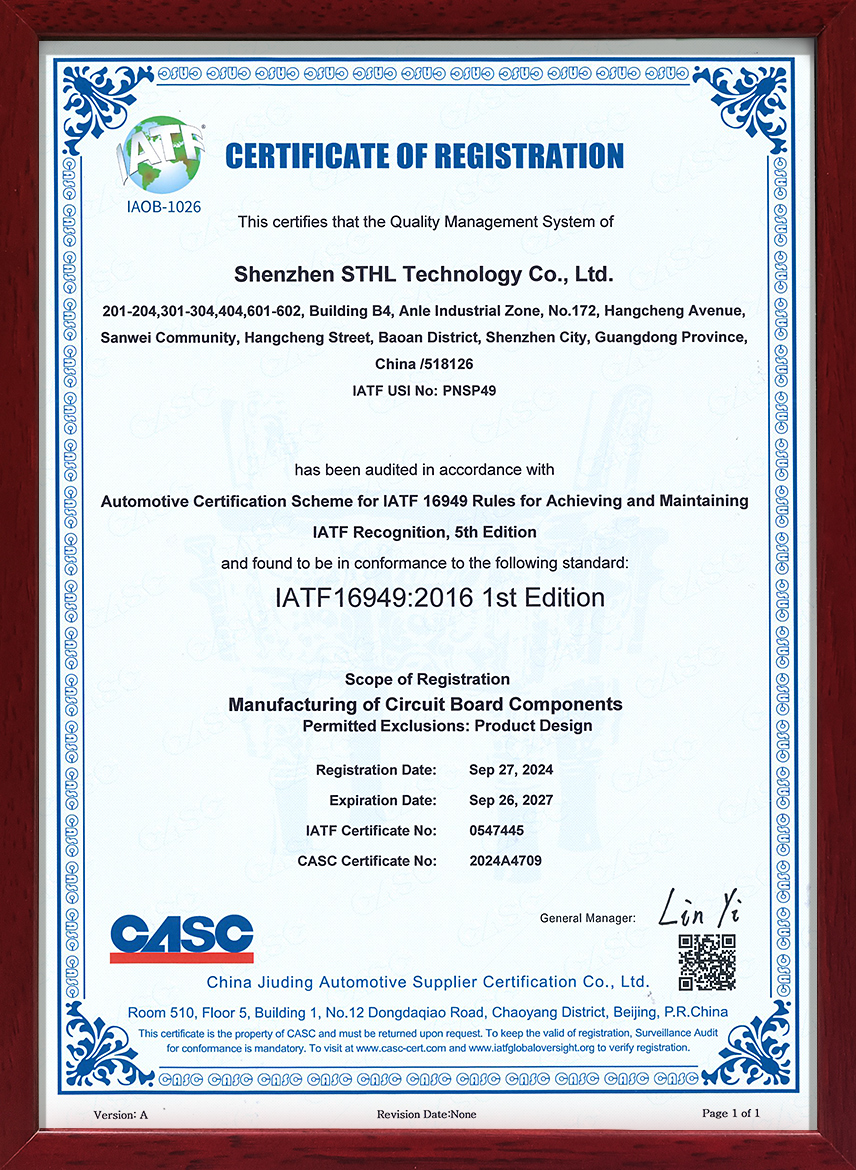
IATF 16949
Automotive Quality Management
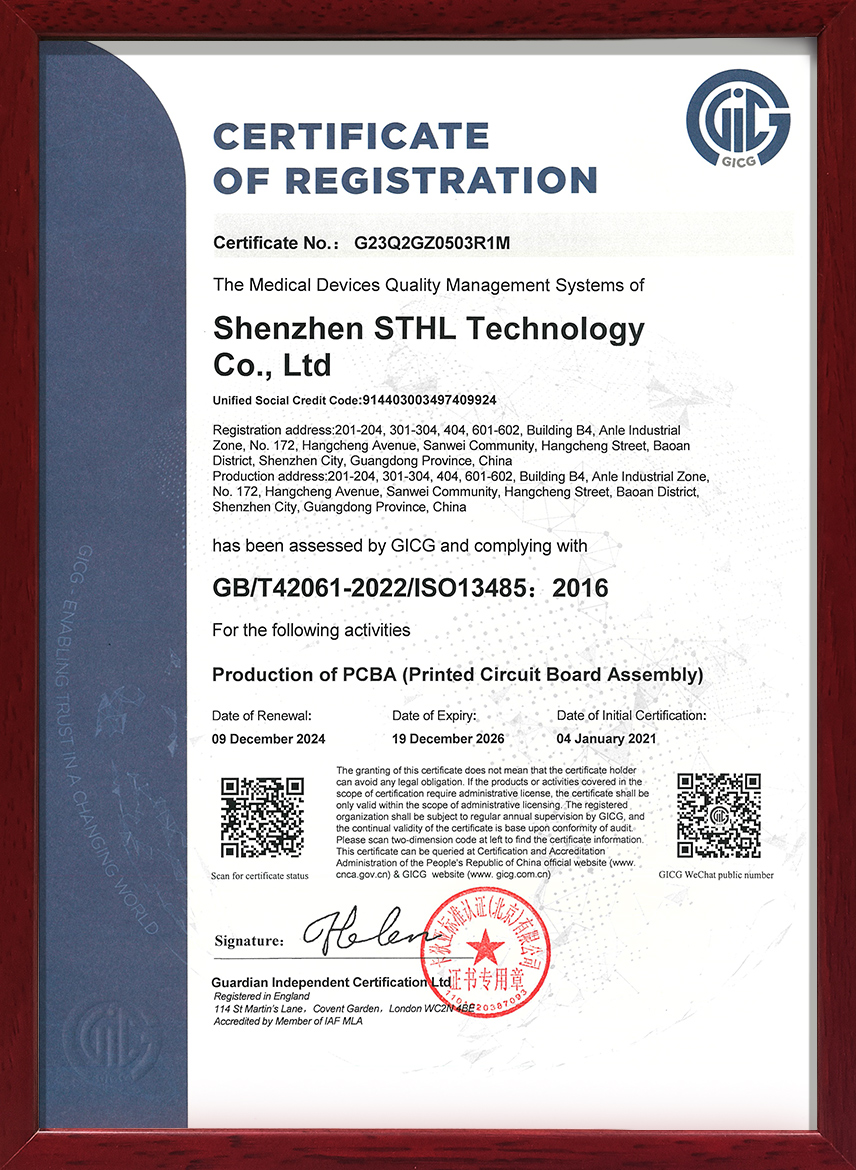
ISO 13485
Medical Devices Quality Management
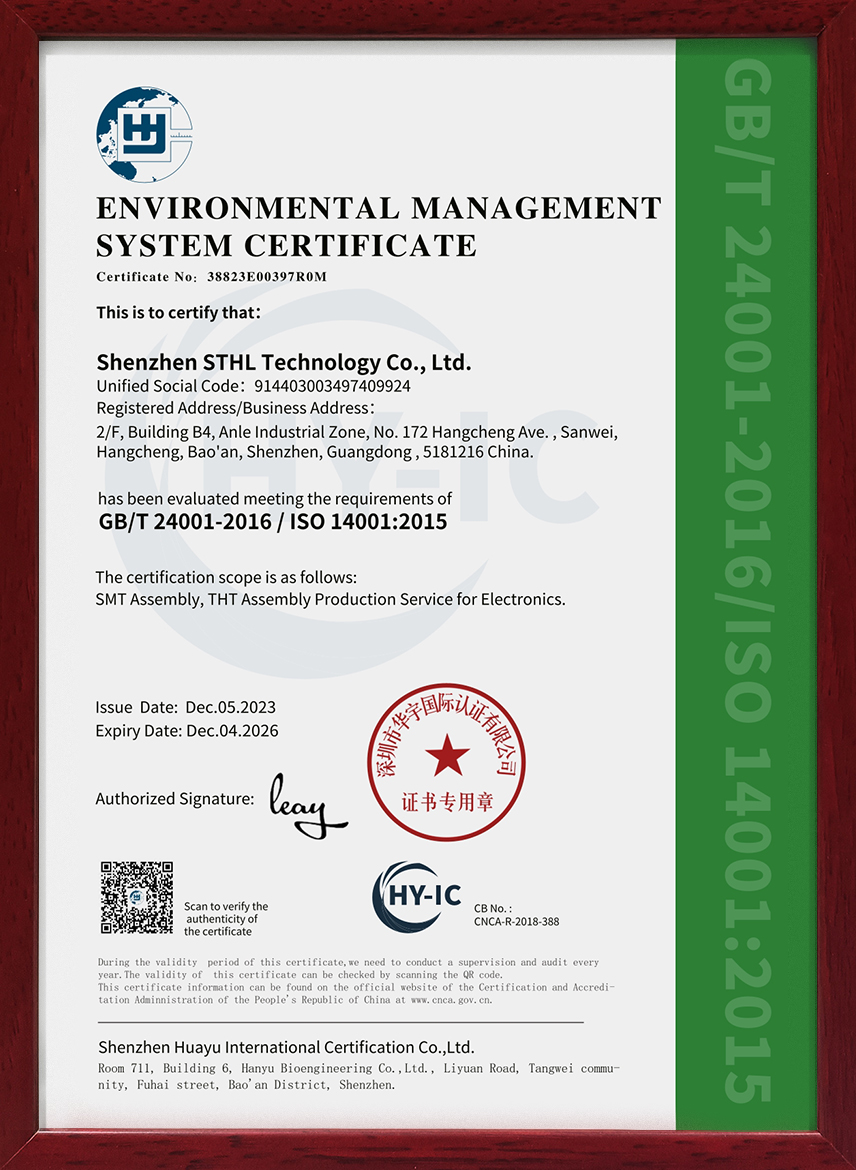
ISO 14001
Environmental Management System
What Engineers and Buyers Say About STHL
Feedback from hardware engineers, designers and company owners across North America, Europe and beyond. These comments reflect the practical concerns global buyers care about: communication, sample quality, delivery speed and repeatability.
“Excellent team to work with and fast delivery with high-quality boards. We are very happy to work with such a good supplier. Thanks again.”

“Please extend my thanks to your team for your hard work in preparing these samples. This positive experience has strengthened my confidence in your company, and I am looking forward to discussing bulk orders in the near future.”

“We are satisfied with the last order. You did a great job on those boards and the lead time was short. I will place a new order soon.”

“The order was perfect — exactly as specified with top quality. Highly recommend this reliable supplier.”

PCBA Sourcing FAQs for Overseas Buyers
These are the questions procurement and engineering teams most often ask before choosing a PCB assembly manufacturer in China. The answers are written for global RFQ processes and supplier qualification reviews.
What files do I need to submit for a PCBA project?
Send Gerber files, a BOM with manufacturer part numbers, the pick-and-place centroid file and assembly drawings. If you need IC programming or functional testing, include firmware and test procedures. STHL engineers complete a DFM and BOM review before production starts, so missing data is identified before material is ordered.
Is there a minimum order quantity?
No. STHL accepts prototype, low-volume and high-volume PCB assembly orders, so you can validate a design and scale to mass production with the same supplier. This is especially valuable for industrial, medical, smart-home and communication products that need engineering feedback before volume commitment.
Can STHL source all electronic components?
STHL offers full turnkey, partial turnkey and consigned assembly. The sourcing team works with 100+ agents and suppliers covering more than 500,000 part numbers, with incoming inspection and traceability from reel to finished board. When a part is constrained or obsolete, engineers can propose validated alternates rather than leaving the BOM unresolved.
Which quality certifications does STHL hold?
STHL is certified to IATF 16949, ISO 9001, ISO 14001 and ISO 13485, and produces RoHS-compliant assemblies. Boards are verified with AOI, X-ray, ICT and functional testing. Certificates are part of the supplier qualification pack, and customers can also request audit and factory visit support.
How do you protect our design files and IP?
STHL signs an NDA before RFQ, restricts project data to the assigned engineering team and tracks every build through ERP and MES systems. Design files, BOMs, firmware and test procedures should be shared through controlled channels, and access should be limited to the people who need it for review or production.
Can we audit or visit the factory?
Yes. Customers are welcome to visit the Shenzhen factory and R&D laboratory, and a 360-degree virtual factory tour is available for remote evaluation. For global procurement teams, this supports pre-qualification before an onsite audit and helps quality teams understand SMT, THT, testing and warehouse controls.
How do you support localized procurement and compliance?
Support includes English and Chinese communication, structured RFQ responses, RoHS-compliant production, traceability records, test evidence and documentation packages suitable for customer quality systems. STHL can also align inspection plans and acceptance criteria with customer-specific requirements for automotive, medical and industrial programs.
What lead time and logistics options are typical?
Lead time depends on board complexity, component availability, test requirements and order quantity. Prototype and low-volume builds can move faster when the BOM is clean and parts are in stock; volume builds require material planning and capacity scheduling. STHL provides export packaging, ESD-safe handling and shipment coordination for customers in 90+ regions.
Planning Your Next PCBA Build?
Get our capability catalog with PCB fabrication options, assembly processes, testing methods and industry references — everything your team needs to qualify STHL as a PCB production and assembly supplier from China.
B4, AnLe Industrial Zone, No.172 Hangcheng Blvd, Bao'an Xixiang District, Shenzhen, 518126 China
Talk to a PCBA Engineer
Prototype to volume
No MOQ
NDA before RFQ
Factory audit support
IATF 16949 · ISO 9001 · ISO 14001 · ISO 13485
Start Your RFQ Request a CatalogMore PCB Assembly Product Families from STHL
The remaining product platforms show the breadth of STHL’s turnkey PCBA support: automotive stability control, portable Wi-Fi devices, inertial navigation systems, repeaters, smartphones, operating-room video monitoring, smart blood glucose monitors and call-center phones. For buyers, this breadth matters because it demonstrates repeatable process control across different reliability, communication and human-interface requirements.