
Applied Protection Across Demanding Product Families
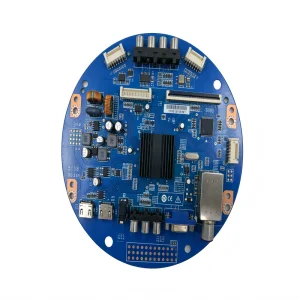
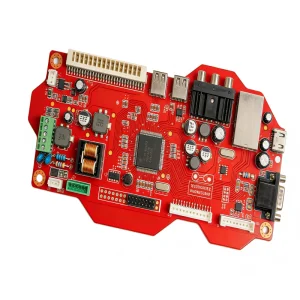
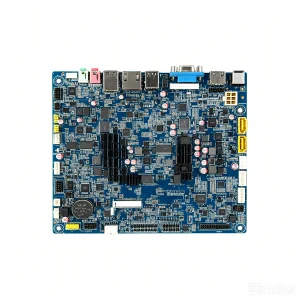
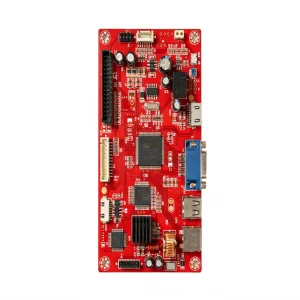
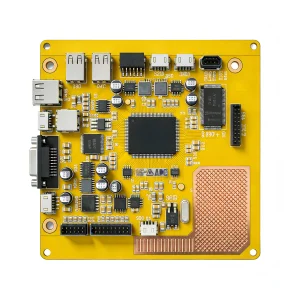
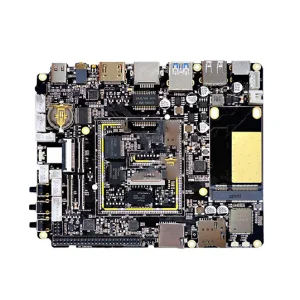
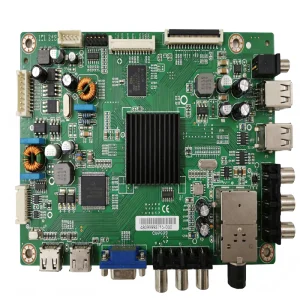
These eight product programs show how conformal coating, SMT/THT assembly, component sourcing, test and box build can be combined for real applications. Each product name below retains its original image and destination URL.
Conformal Coating Is a Reliability System, Not a Cosmetic Layer
Conformal coating is a thin, engineered polymer film applied to a printed circuit board assembly to protect conductors, solder joints, components and fine-pitch features from moisture, ionic contamination, corrosion, thermal shock, vibration and electrical arcing. It is not simply sprayed on at the end; it is a design decision that links material chemistry, board layout, cleanliness, masking, curing, inspection, rework and end-use environment.
For procurement teams comparing PCB conformal coating solutions and factories, the real differentiator is not the coating brand alone. It is the ability to define the right coating thickness, validate adhesion and coverage, prevent contamination before coating, document process parameters, and support rework without damaging the assembly. That is where STHL’s 20 years of EMS experience, 50+ engineers and documented quality systems create measurable value.
Moisture & Ionic Contamination
A qualified coating reduces leakage current and electrochemical migration caused by humidity, flux residue and handling. Cleanliness before coating is controlled because coating over contamination can trap failure mechanisms instead of stopping them.
Dielectric & High-Voltage Safety
Silicone, polyurethane and parylene systems can improve surface insulation resistance and creepage performance in power supplies, EV electronics and industrial controls where voltage stress and pollution degree matter.
Thermal Cycling & CTE Stress
Thin-film protection helps absorb thermo-mechanical stress around solder joints and large components. Material choice must be matched to CTE, glass transition temperature and the expected thermal profile.
Chemicals, Salt Fog & Fluids
Automotive, marine and outdoor electronics face salt fog, fuels, oils and cleaning agents. Selecting a coating with tested chemical resistance is more reliable than assuming a generic acrylic film will perform.
Vibration & Mechanical Isolation
Elastomeric silicone coatings can reduce stress on fragile joints and fine wires. For high-vibration products, coating selection should be validated together with staking, underfill and enclosure design.
Field-Life Cost & Warranty
Conformal coating is a targeted investment in reducing early-life field returns. The lowest unit price can become expensive when moisture-related failures trigger rework, freight, brand damage and warranty exposure.
How We Specify the Right Conformal Coating Material
No single coating chemistry is universally best. STHL evaluates operating environment, voltage stress, rework requirements, thermal limits, cure constraints, inspection method and regulatory obligations before recommending a material route.
Acrylic (AR)
Cost-effective general protection with easy rework and fast cure. Best for consumer, computer and general industrial boards where chemical exposure is moderate. Watch-outs: lower solvent resistance and potential stress on some sensitive components.
Polyurethane (UR)
Excellent abrasion and solvent resistance with strong dielectric properties. Often used in automotive, power and industrial assemblies. Watch-outs: longer cure, moisture sensitivity during processing and more difficult rework.
Silicone (SR)
Wide temperature range, flexibility and low modulus make silicone attractive for high-temperature, high-vibration and thermal-cycling applications. Watch-outs: contamination sensitivity during cure and possible silicone migration into sensitive areas.
Parylene (XY)
Vacuum-deposited ultra-thin barrier with excellent conformability and insulation. Suited to medical, aerospace and high-impedance electronics. Watch-outs: high cost, vacuum chamber constraints, complex masking and difficult rework.
UV-Curable & Dual-Cure
Fast curing supports high-throughput selective coating. UV fluorescence also helps inspection. Watch-outs: shadowed areas require secondary moisture or thermal cure, and coverage under low-clearance components must be validated.
PFAS-Free & Sustainable Routes
Regulatory pressure is accelerating the move toward PFAS-free, low-VOC and bio-based coating systems. Qualification must include dielectric performance, adhesion, repairability and long-term stability, not only environmental marketing claims.
Conformal Coating Process Route: From DFM to Validated Protection
An optimized coating process is repeatable, inspectable and repairable. STHL aligns coating parameters with IPC-CC-830 material expectations, J-STD-001 assembly controls and IPC-A-610 acceptance criteria when specified by the customer.
Design for Coating & Coating Map
Review connectors, test points, antennas, sensors, relays, openings and keep-out zones. A clear coating map prevents blocked connectors, contaminated optics and unnecessary masking cost.
Cleanliness & Surface Energy
Flux residue, oils and mold release agents can cause dewetting and poor adhesion. Cleaning, plasma treatment and ionic contamination checks are selected according to board complexity and coating chemistry.
Masking & Selective Protection
High-mix assemblies often need selective robotic coating, precision dispensing, dipping or spray. Masking strategy is reviewed with testability, rework and connector mating requirements in mind.
Application & Thickness Window
Coating thickness is specified by material and risk profile. Acrylic, urethane and silicone systems typically require a different wet-film target from parylene. Thickness must be verified, not assumed.
Cure & Environmental Control
UV, thermal, moisture and dual-cure routes require different handling windows. Humidity, dwell time, oven profile and shadow-area cure must be documented to avoid tacky films or incomplete polymerization.
Inspection, Test & Rework
UV fluorescence, visual coverage checks, thickness measurement, adhesion testing and electrical tests can be combined. Rework procedures are defined before production so repair does not damage neighboring components.
Where PCB Conformal Coating Is Heading Next
The next coating generation will be judged by more than dielectric strength. OEMs are asking for lower environmental impact, better repairability, faster cure, higher inspection confidence and data-backed process validation across global supply chains.
STHL’s roadmap view is practical rather than speculative: qualify materials that can be controlled on the factory floor, document process windows, and connect coating quality to field reliability. For high-reliability customers, the future belongs to selective automation plus measurable process evidence, not a single miracle chemistry.
PFAS-Free & REACH-Driven Substitution
Material restrictions will continue to push coating suppliers and EMS factories toward alternatives with lower persistence and toxicity. The winning factories will have qualification protocols for drop-in replacements, not last-minute substitutions.
Ultra-Thin Parylene & High-Barrier Films
Medical, aerospace and high-impedance electronics will keep adopting parylene and hybrid barrier systems where ultra-thin coverage and low added mass are essential. Masking and rework remain the adoption bottlenecks.
Selective Robotics & Digital Twin Recipes
Robot paths, dispense volumes and spray patterns are increasingly digitized. A digital coating recipe can be transferred between lines and audited, reducing dependence on individual operator technique.
AI-Assisted Coverage Inspection
UV imaging, machine vision and AI-assisted anomaly detection can help detect dewetting, voids, bubbles and missing coating. Human inspection remains important, but data capture improves repeatability and traceability.
Lower-Energy Curing & Faster Throughput
UV-LED, dual-cure and moisture-tolerant systems are evolving to reduce energy use and shorten work-in-process time. The trade-off is that shadow areas and adhesion still require validation under real assembly geometry.
Adaptive Protection for EV & Medical
High-voltage EV electronics and miniaturized medical devices need protection tuned to local stress. Hybrid coating, selective underfill, edge sealing and encapsulation will be combined rather than treated as separate processes.
PCB Assembly & Coating Solutions by Industry
From in-vehicle electronics to medical devices and smart IoT products, process controls are matched to the reliability and compliance level each market requires. Coating decisions are made in the context of the entire assembly, not as an isolated step.
Medical & Healthcare
ISO 13485-controlled assembly for monitoring, diagnostic and wearable devices with lot traceability. Coating validation may include adhesion, coverage and cleaning compatibility.
Medical PCB AssemblyAutomotive Electronics
IATF 16949 processes for control modules, lighting and charging electronics that must survive heat, vibration and humidity. Coating can support long-term insulation and corrosion resistance.
Automotive PCB AssemblyIndustrial Control
Robust PCBAs for PLCs, motor drives and automation equipment. Coating options help manage dust, humidity, corrosive gases and wide temperature swings in factories and outdoor cabinets.
Industrial Control PCB AssemblyPower Supply & Energy
High-voltage creepage, pollution degree and thermal stress demand material-specific validation. Coating supports open-frame power supplies, DC converters and distributed generation controls.
Power Supply PCB AssemblyAerospace & Defense
High-reliability assemblies require disciplined change control, traceability and inspection. Coating material selection must balance outgassing, thermal limits, repairability and long service life.
Aerospace PCB AssemblySmart Home & IoT
Compact wireless products need selective coating around antennas, sensors and connectors. Process control protects electronics without changing RF performance or blocking user interfaces.
Smart Home PCB AssemblySafety & Security
Alarm systems, access control and surveillance products often operate in humid or uncontrolled environments. Coating supports long service life when masking and enclosure design are aligned.
Safety & Security PCB AssemblyCommunication Systems
Wireless boosters, gateways and communication boards require protection without disturbing impedance, shielding or thermal paths. Coating maps are reviewed with RF and mechanical teams.
Communication PCB AssemblyDocumentation, IP Protection and Compliance for Global Buyers
International OEMs do not only buy assembly capacity. They buy confidence that specifications will be understood, records will be available and compliance evidence will stand up to internal audit and customer review.
English-Language Project Support
RFQ review, DFM feedback, BOM questions, coating recommendations and production updates are communicated in clear English so engineering, procurement and quality teams can move without translation gaps.
NDA Before Detailed RFQ
Design files, firmware, test procedures and BOM intelligence are sensitive. STHL signs an NDA before detailed RFQ, restricts data to the assigned team and tracks builds through ERP and MES systems.
RoHS, REACH & Material Declarations
Where required, coating material data sheets, SDS information, RoHS declarations and material traceability records can be prepared for customer compliance files and regional market requirements.
Certified Quality Systems
STHL is certified to IATF 16949, ISO 9001, ISO 14001 and ISO 13485, and produces RoHS-compliant assemblies. Boards are verified with AOI, X-ray, ICT and functional testing.
Audit & First Article Readiness
Customers can review process flows, inspection records, traceability and coating parameters. Factory visits and audits are welcome, and a 360-degree virtual tour supports remote pre-qualification.
Repair & Change Control
Coating rework, material substitutions and process changes require documented approval. Change control protects long-life programs from silent deviations after first article approval.
Supply-Chain Resilience & Efficiency Advantages
China remains a deep electronics manufacturing ecosystem, but resilience comes from how a factory manages information, material risk and process discipline. STHL combines a 10,000 m² facility, 220+ staff, 50+ engineers, 7 SMT lines, 2 DIP/THT lines, 2 functional test lines and 2 box build lines with ERP and MES tracking.
One Controlled Workflow from Gerber to Box Build
PCB fabrication, component sourcing, SMT/THT assembly, IC programming, conformal coating, cable assembly, testing and box build can be coordinated under one accountable supplier. This reduces handoff risk between multiple vendors and makes engineering change control easier to audit.
For conformal coating projects, the advantage is practical: the team that reviews the Gerber and BOM also understands test points, connectors, rework strategy and enclosure fit. Coating decisions are made before production, not after boards are already built.
Material Risk Management
Sourcing teams work with 100+ agents and suppliers covering more than 500,000 part numbers. Alternate parts, end-of-life notices and long-lead items are reviewed before they become production blockers.
High-Mix, Low-Volume Efficiency
No MOQ allows prototypes, pilot builds and volume production to run with the same supplier. That continuity matters when a coating process must be validated on samples and then scaled without changing documentation ownership.
Traceability from Reel to Board
Incoming inspection, moisture-sensitive device control and MES tracking support lot traceability. For regulated customers, process records can be tied to specific builds, materials and test results.
What Global Enterprises Expect from a Coating Supplier
Enterprise procurement teams evaluate conformal coating factories through a broader lens than price per board. They need evidence that the supplier can protect schedule, IP, quality and compliance across the product lifecycle.
Supplier Due Diligence
Certificates, audit results, process capability, coating material traceability and inspection methods must be available. A supplier that cannot explain its process is difficult to qualify for critical programs.
Total Landed Cost
Freight, duty, rework, yield, inventory and field failure cost can outweigh unit price. A coating process that is robust and inspectable usually lowers total cost over the program life.
Dual-Source & Continuity Planning
Component shortages and material restrictions require early warning. BOM scrubbing, alternate-part suggestions and documented change approval help maintain continuity without unapproved substitutions.
IP & Cybersecurity Awareness
NDA discipline, restricted project access and controlled file exchange protect design data. For connected products, firmware and test procedures require the same protection as the PCB layout.
Regulatory Evidence
RoHS, REACH, material declarations, coating SDS and process records may be requested by customers or auditors. Clear documentation reduces delay during supplier qualification and market launch.
Responsive Engineering
DFM questions, coating-map changes, test failures and schedule risks need fast technical response. A supplier with in-house engineering is better able to propose practical alternatives instead of simply quoting a specification.
Your Turnkey PCBA & ODM Partner in Shenzhen Since 2006
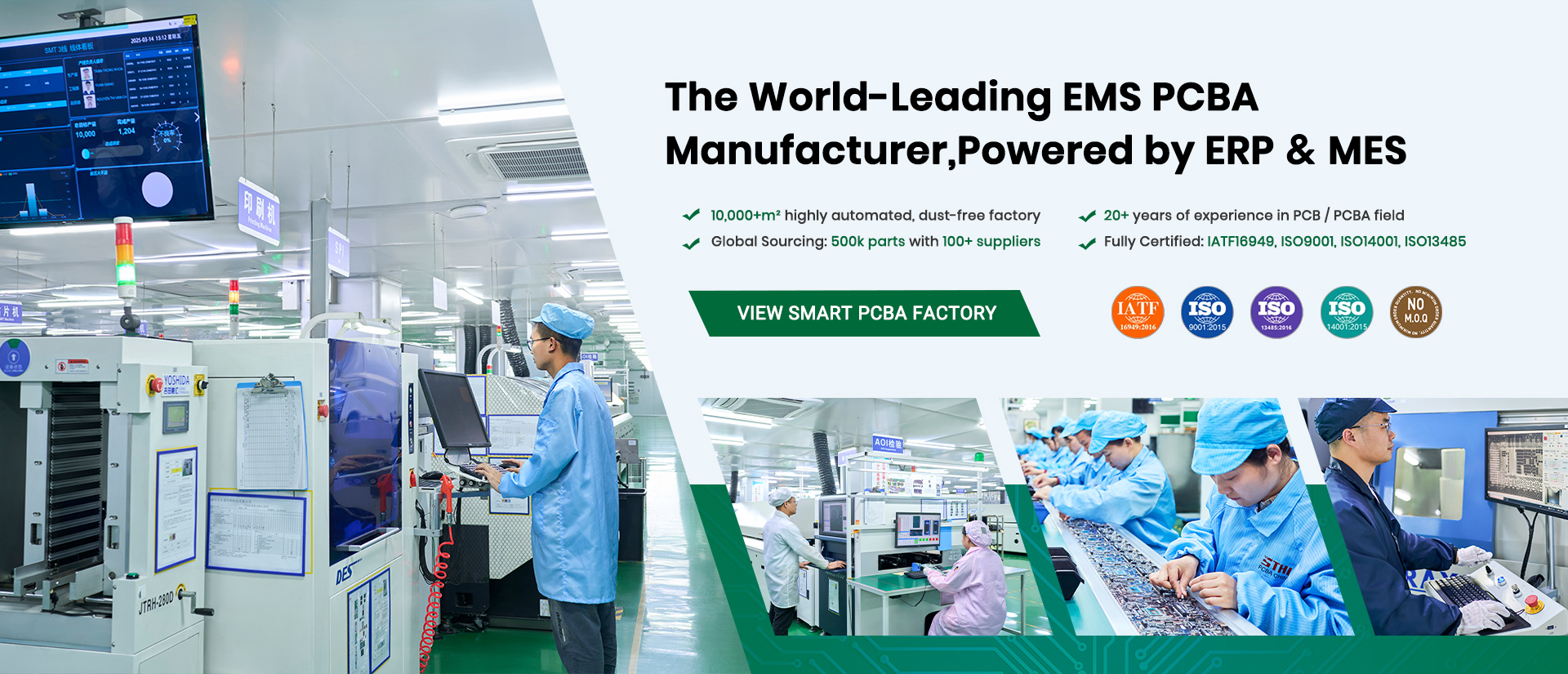
Shenzhen STHL Electronics Co., Ltd. is a certified electronics manufacturing services (EMS) and ODM provider. We help hardware teams in the USA, Germany, Italy, the UK, Poland, New Zealand, Brazil and 90+ other regions move from schematic to shipped product — PCB layout, component sourcing, PCB fabrication, SMT/THT assembly, cable assembly, box build and full testing in one factory.
Our 220+ staff, including 50+ engineers, run a 10,000 m² facility with an in-house R&D laboratory for design verification and prototype testing. Every build is RoHS-compliant and controlled under IATF 16949, ISO 9001, ISO 14001 and ISO 13485 systems. Factory visits and audits are welcome at any time.
- 7 SMT assembly lines
- 2 DIP / THT lines
- 2 functional test lines
- 2 box build lines
- In-house R&D laboratory
- AOI · X-Ray · ICT · FCT
End-to-End PCBA Manufacturing Services
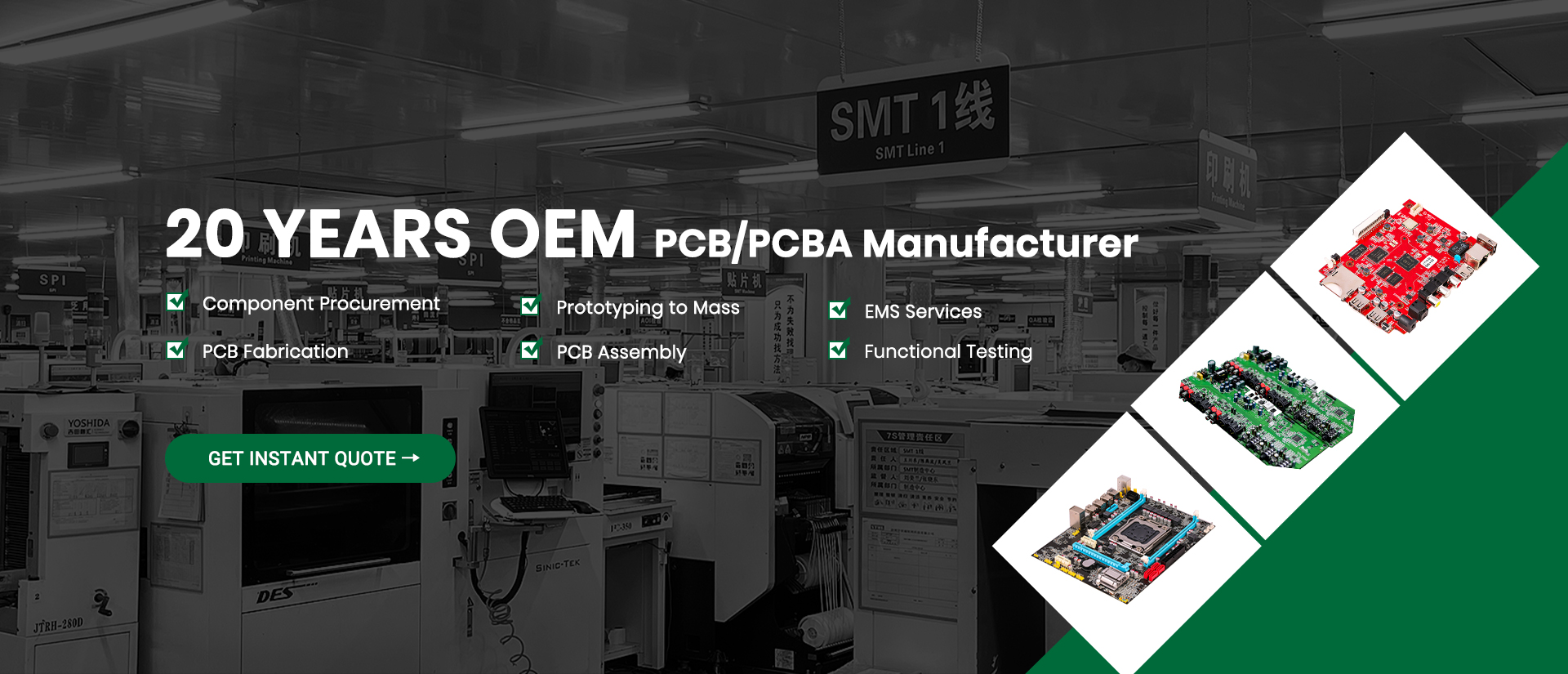
For 20 years, STHL has combined component procurement, PCB fabrication, SMT and THT assembly and functional testing into one controlled workflow — so you deal with one accountable supplier from first article to repeat production.

Electronic Components Procurement
Full or partial turnkey sourcing through 100+ agents and suppliers, with BOM scrubbing, alternate-part suggestions and reel-level traceability.
Learn more
PCB Fabrication
Standard, prototype, aluminum, flexible, rigid-flex, HDI, Rogers, ceramic, heavy-copper, high-Tg and halogen-free boards built to your stack-up.
Learn more
SMT & THT PCB Assembly
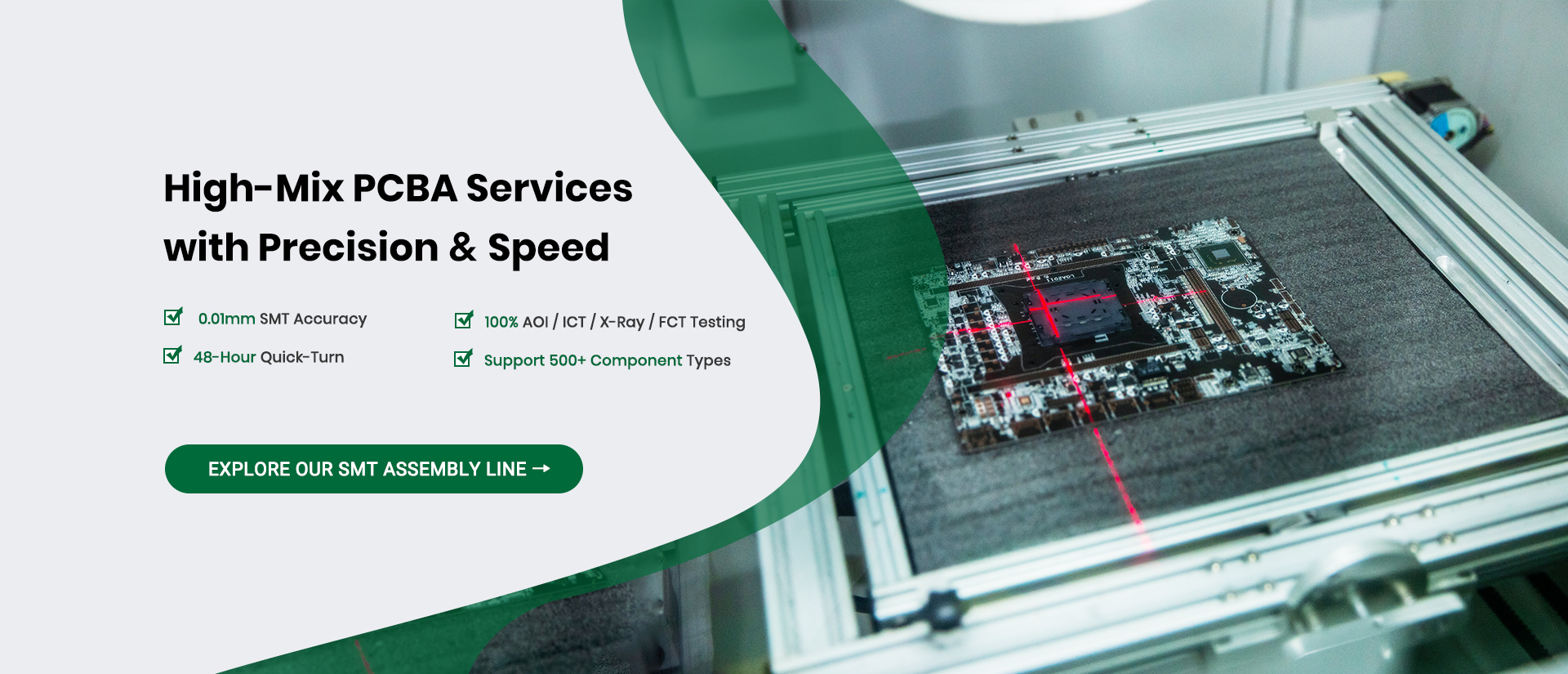
Prototype, low-volume and high-volume assembly including fine-pitch, BGA and mixed-technology boards, verified by AOI and X-ray.
Learn more
Value-Added Services
PCB layout and design, IC programming, ICT and functional testing, conformal coating, cable and wire harness, and complete box build assembly.
Learn morePCB Assembly for Demanding Industries
From in-vehicle electronics to medical devices and smart IoT products, our process controls are matched to the reliability and compliance level each market requires.
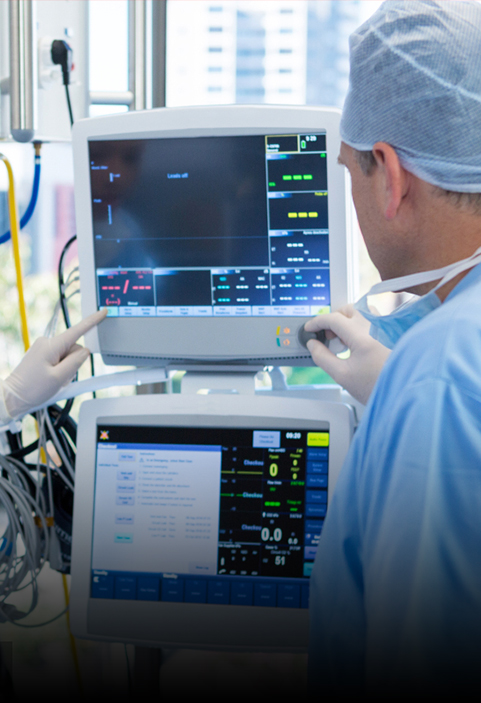
Medical & Healthcare
ISO 13485-controlled assembly for monitoring, diagnostic and wearable devices with full lot traceability.
Explore
Automotive Electronics
IATF 16949 processes for control modules, lighting and charging electronics that must survive heat and vibration.
Explore
Computer & Storage
High-density, BGA-rich boards for computing, storage and peripherals, verified by X-ray inspection.
Explore
Industrial Control
Robust PCBAs for PLCs, motor drives and automation equipment, with conformal coating options.
ExploreFrom Gerber Files to Global Shipment in 6 Controlled Steps
Knowing what happens after you place a purchase order removes surprises. This is how every STHL PCBA project moves through our factory.
DFM & BOM Review
Engineers check Gerber, BOM and centroid data for manufacturability, footprint errors and end-of-life parts before any material is ordered.
Component Sourcing
Parts are purchased through 100+ agents and suppliers, then pass incoming inspection and moisture-sensitive device control.
PCB Fabrication
Bare boards are produced to your stack-up, surface finish and impedance requirements, from single-layer to HDI and rigid-flex.
SMT & THT Assembly
7 SMT lines and 2 DIP/THT lines handle fine-pitch, BGA and mixed-technology boards for prototypes and mass production.
Inspection & Testing
AOI, X-ray, ICT and functional tests, plus IC programming and conformal coating, with results logged in our MES.
Box Build & Delivery
Cable assembly, enclosure integration and ESD-safe packaging, shipped to customers in 90+ countries and regions.
Why Global OEMs Choose STHL for PCB Assembly
Measurable capacity, documented quality systems and engineering support that reduces total cost — not just the unit price.

Dust-Free Smart Factory
10,000+ m² highly automated production space.

20 Years of Experience
Proven know-how across PCB and PCBA since 2006.

Global Sourcing
500k+ parts via 100+ agents and suppliers.

Fully Certified
IATF 16949, ISO 9001, ISO 14001, ISO 13485.

ERP & MES Tracking
Real-time production status and lot traceability.

Cost-Down Engineering
DFM and BOM optimisation by our engineering team.

No MOQ
Prototype and large-quantity orders both welcome.

NDA Before RFQ
Your design data and IP are protected from day one.

Fast Delivery
99.5% on-time delivery across global shipments.
Certified Quality Management Systems
Independent third-party audits confirm that our processes meet the requirements of automotive, medical and industrial customers. Click any certificate to view it in full size.

ISO 9001
Quality Management System

IATF 16949
Automotive Quality Management

ISO 13485
Medical Devices Quality Management

ISO 14001
Environmental Management System
Audit Our Factory Remotely with a 360° Virtual Tour
Walk through our SMT, THT, testing and warehouse areas before you visit. It is the fastest way for procurement and quality teams to pre-qualify a new PCBA supplier.
What Engineers & Buyers Say About STHL
Feedback from hardware engineers, designers and company owners across North America, Europe and beyond.
“Excellent team to work with and fast delivery with high-quality boards. We are very happy to work with such a good supplier. Thanks again.”

“Please extend my thanks to your team for your hard work in preparing these samples. This positive experience has strengthened my confidence in your company, and I'm looking forward to discussing bulk orders in the near future.”

“We are satisfied with the last order. You did a great job on those boards and the lead time was short. I will place a new order soon.”

“The order was perfect — exactly as specified with top quality. Highly recommend this reliable supplier.”

“Exciting! Very fast delivery, a professional supplier and a professional product. We will place a new order very soon!”

“We have tested all the boards and I am highly pleased. I will repeat my order soon. Thank you again for your excellent service.”

“It's always a pleasure ordering. Very professional team and good quality — thanks for your great service.”

“Satisfied with the sample products delivered. Very good product, quick delivery and a good understanding of my requirements.”

“The supplier's professionalism is evident in their seamless communication, efficient processing and reliable service. They are a trustworthy and commendable partner.”

Brands & Supply-Chain Partners We Work With
Long-term cooperation with global brands and established component distributors keeps your BOM genuine, traceable and available.
Brand Customers



















Component Sourcing Channels










PCBA Insights & Factory News
Practical updates from our production floor — customer visits, traceability practices and what really drives PCBA lead time.


STHL Hosts Two German Visitors for an SMT, THT and Material Preparation Walkthrough
Read more
STHL PCBA Component Traceability: From Incoming Reel to Finished Board
Read more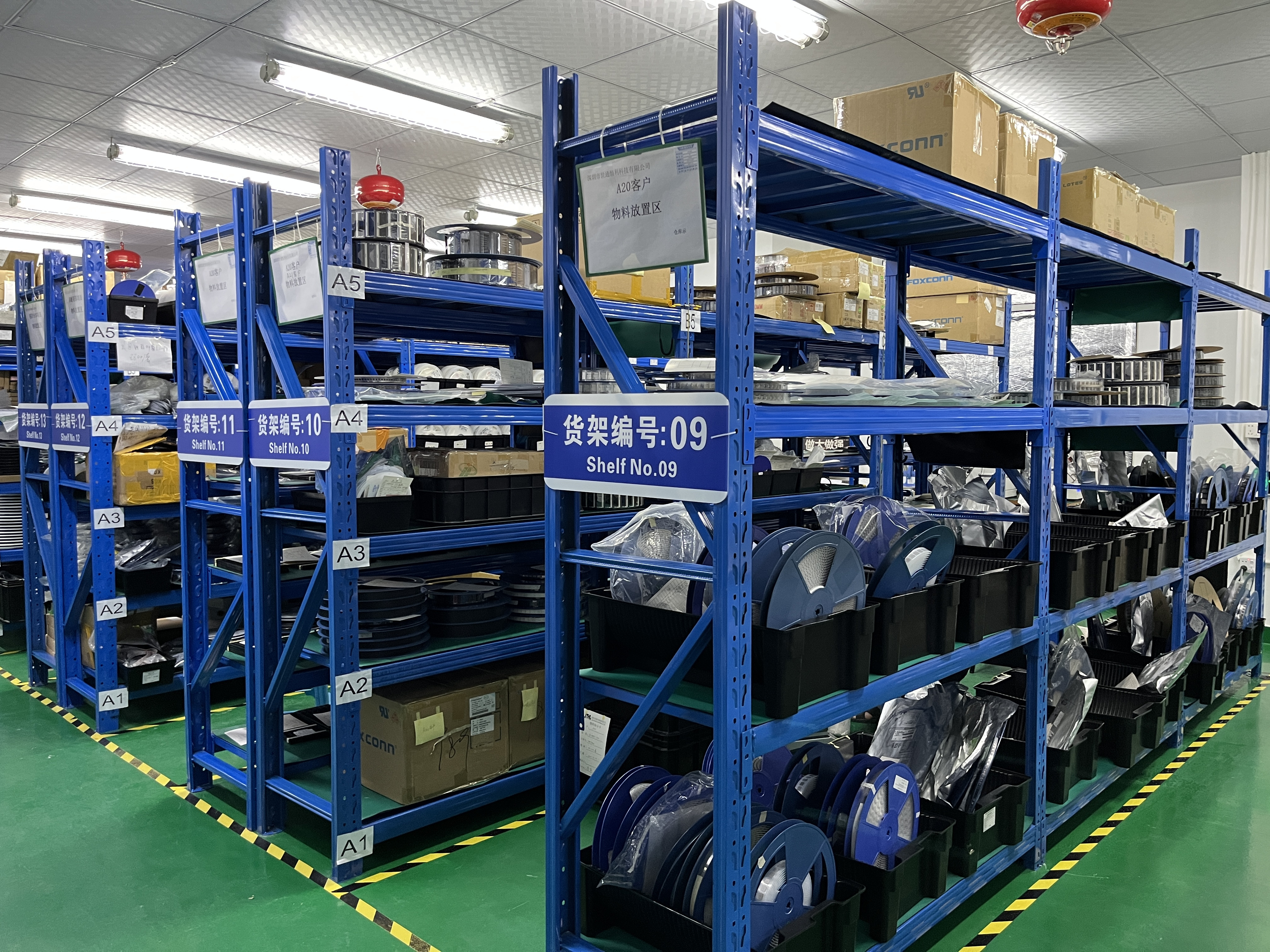
PCBA Lead Time: Where the Days Go Between Purchase Order and Shipment
Read moreMore Coating-Ready PCBA Solutions from STHL
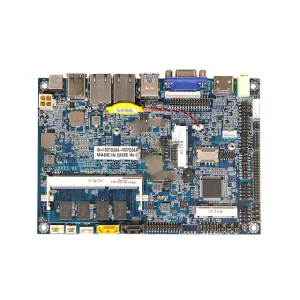
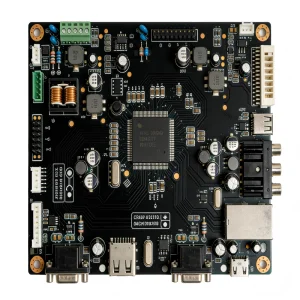
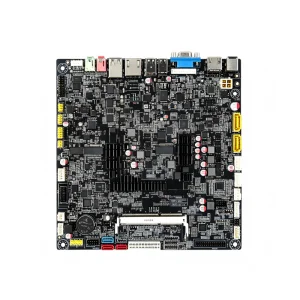
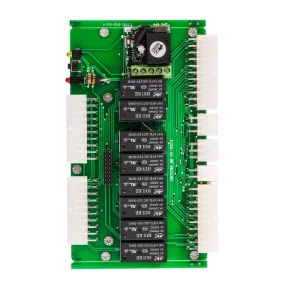
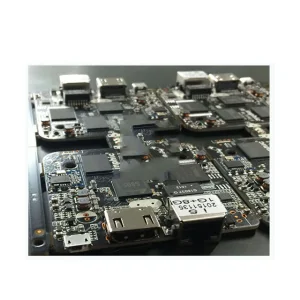
The second group of eight product programs below completes the original product set. Images, product titles and URLs are retained exactly for procurement and engineering reference.
PCBA Sourcing & Conformal Coating FAQs
Straight answers to the questions procurement and engineering teams ask before choosing a PCB assembly manufacturer in China.
What files do I need to submit for a PCBA project?
Send Gerber files, a BOM with manufacturer part numbers, the pick-and-place (centroid) file and assembly drawings. If you need IC programming or functional testing, include firmware and test procedures. Our engineers complete a DFM and BOM review before production starts.
Is there a minimum order quantity (MOQ)?
No. STHL accepts prototype, low-volume and high-volume PCB assembly orders, so you can validate a design and scale to mass production with the same supplier.
Can STHL source all the electronic components?
Yes. We offer full turnkey, partial turnkey and consigned assembly. Our sourcing team works with 100+ agents and suppliers covering more than 500,000 part numbers, with incoming inspection and traceability from reel to finished board.
Which quality certifications does STHL hold?
STHL is certified to IATF 16949, ISO 9001, ISO 14001 and ISO 13485, and produces RoHS-compliant assemblies. Boards are verified with AOI, X-ray, ICT and functional testing.
How do you protect our design files and IP?
We sign an NDA before RFQ, restrict project data to the assigned engineering team and track every build through our ERP and MES systems.
Can we audit or visit the factory?
Yes. Customers are welcome to visit our Shenzhen factory and R&D laboratory at any time, and a 360-degree virtual factory tour is available for remote evaluation.
Which conformal coating should I choose for my PCB?
The choice depends on moisture exposure, voltage stress, thermal cycling, chemical contact, rework needs and inspection method. Acrylic is economical and easy to repair; polyurethane offers chemical and abrasion resistance; silicone handles high temperature and flexibility; parylene provides an ultra-thin high-barrier film. STHL reviews the application before recommending a coating route.
How is conformal coating thickness and quality verified?
Depending on the material and customer specification, verification may include visual coverage inspection, UV fluorescence, thickness measurement, adhesion checks, cure checks and electrical tests. Process parameters, material lot information and inspection results can be documented for traceability.
Planning Your Next PCBA Build?
Get our capability catalog with PCB fabrication options, assembly processes, testing methods and industry case references — everything your team needs to qualify STHL as a supplier.
