
Top-Rated HDI Flex PCB Factory & Manufacturer in China
Turnkey HDI, flexible and rigid-flex PCB assembly for global OEMs — with DFM engineering, component sourcing, SMT/THT assembly, functional testing, box build and audit-ready traceability.
HDI Flex PCB and Turnkey PCBA Solutions for Global OEMs
Explore eight production-ready PCBA programs assembled at STHL’s Shenzhen factory. Each program can be combined with HDI, flexible, rigid-flex or standard PCB fabrication, component sourcing, testing and box build. All original product images and product URLs are preserved below for direct engineering review and RFQ escalation.
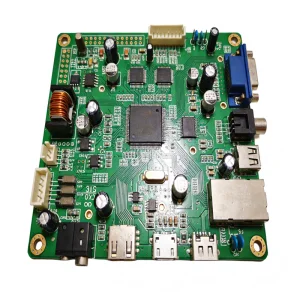
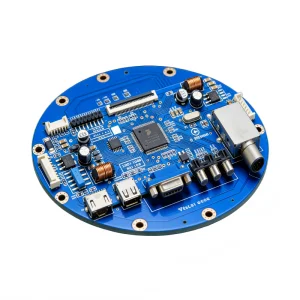
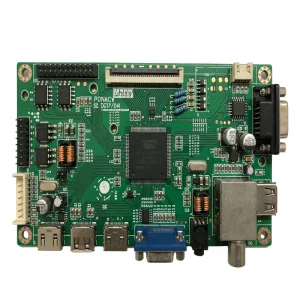
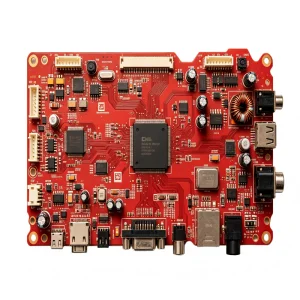
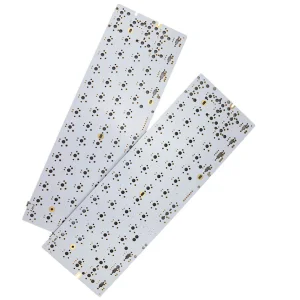
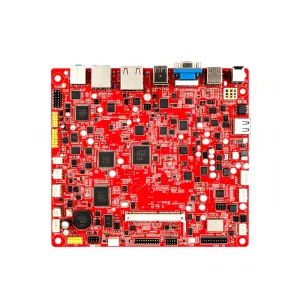
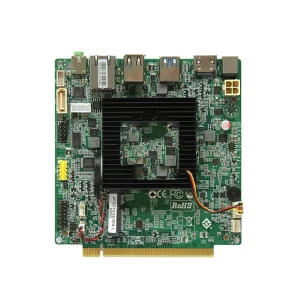
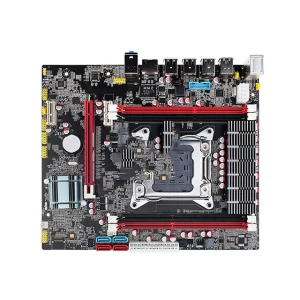
Need a custom stack-up? Send Gerber, BOM, centroid and test files to [email protected] for a DFM and BOM review.
A Manufacturing Base Built for High-Mix, High-Reliability HDI Flex PCB Programs
STHL combines PCB fabrication, component procurement, SMT/THT assembly, testing and box build in one controlled workflow. That structure reduces handoff risk for buyers sourcing flexible or rigid-flex electronics from China.
What Makes a Top-Rated HDI Flex PCB Factory in China?
A truly top-rated HDI flex PCB factory is not defined by layer count alone. It is defined by engineering judgment, process discipline, material control, traceability and the ability to move a design from prototype to repeat production without losing yield or documentation quality.
Engineering Depth
DFM review, stack-up consultation, BOM scrubbing and assembly risk analysis before material is ordered. STHL’s 50+ engineers support design verification and prototype testing.
Production Control
7 SMT lines, 2 DIP/THT lines, 2 functional test lines and 2 box build lines support high-mix builds without forcing every customer into a single volume model.
Supply Chain Reach
Full turnkey, partial turnkey and consigned assembly are available through 100+ agents and suppliers covering more than 500,000 part numbers.
Audit-Ready Systems
IATF 16949, ISO 9001, ISO 14001 and ISO 13485 systems, RoHS-compliant builds and ERP/MES traceability support procurement and quality teams.
This white paper is structured to provide information gain beyond a standard factory profile: procurement criteria, qualification questions, process trade-offs, compliance controls and a practical roadmap for HDI flex PCB sourcing in China.
Shenzhen STHL Electronics Co., Ltd. has operated as a certified EMS and ODM provider since 2006. The company serves hardware teams in the USA, Germany, Italy, the UK, Poland, New Zealand, Brazil and 90+ other regions. Its 220+ staff and 10,000 m² facility support PCB layout, component sourcing, PCB fabrication, SMT/THT assembly, cable assembly, box build and full testing. The practical value for buyers is simple: one accountable supplier can reduce coordination cost, shorten problem-resolution cycles and keep design intent aligned with manufacturing reality.
For HDI flex PCB projects, that accountability matters even more. Flexible circuits are sensitive to material selection, copper adhesion, bend radius, via placement, coverlay alignment and assembly handling. A factory that only sells bare boards may not understand how the flex circuit behaves after reflow, conformal coating or enclosure assembly. A factory that only performs assembly may not control the microvia and fine-line fabrication variables that determine long-term reliability. STHL’s position as a combined PCB fabrication and PCBA partner helps close that gap.
Global Enterprise Procurement Demand for HDI Flex PCBs
Demand is expanding because product teams are squeezing more electronics into smaller, thinner and more mechanically dynamic envelopes. The strongest demand is not for commodity flex circuits; it is for HDI flex and rigid-flex assemblies that combine fine features, controlled impedance, bend durability and assembly-ready documentation.
Miniaturization
Wearables, camera modules, medical catheters and automotive sensors require thinner dielectrics, fine lines, microvias and compact connector interfaces.
Reliability
Dynamic bend cycles, thermal cycling and vibration demand controlled materials, robust via structures and assembly methods that do not damage the flex body.
Speed to Volume
Prototype teams want fast turns, while procurement teams need a supplier that can scale from samples to repeat production without changing the process window.
Traceability
Regulated buyers ask for lot traceability, material declarations, NDA protection and documented inspection results from incoming reel to finished board.
Enterprise buyers are also changing how they evaluate China-based suppliers. Price remains important, but it is no longer the primary signal of supply security. Procurement teams are now comparing engineering responsiveness, DFM feedback quality, component authenticity controls, capacity visibility, IPC class capability, environmental compliance and exit risk. For HDI flex PCBs, a low quotation can be misleading if the supplier cannot control microvia plating, coverlay registration, bend testing or ESD-safe handling during assembly.
The most effective RFQ strategies separate total cost of ownership from unit price. A buyer should compare scrap rate, engineering change response time, rework policy, documentation completeness, freight consolidation options and the cost of managing multiple suppliers. A supplier that prevents one costly assembly re-spin often delivers more value than a vendor that only offers a lower bare-board price.
A practical procurement checklist for HDI flex PCB programs should include: defining bend cycles and bend radius in the drawing package; requiring microvia fill, plating and cross-section data; asking for material declarations for polyimide, adhesive, coverlay and surface finish; confirming both prototype and volume capacity; validating component authenticity and moisture-sensitive device controls; and agreeing NDA, IP ownership and change-notification rules before releasing design data.
- Define the flex stack-up by mechanical duty — static bend, dynamic bend or repeated flex — not only by layer count.
- Require evidence of microvia reliability through cross-sections, thermal cycling or bend testing appropriate to the application.
- Request a documented material declaration covering RoHS, REACH and applicable customer-specific restrictions.
- Review the supplier’s ability to handle HDI flex boards through SMT, conformal coating, singulation and final assembly.
- Confirm lot traceability from bare board and component reel to the finished PCBA.
- Check whether the factory can support low-volume prototypes and stable repeat production with the same engineering team.
Macro Industry Solutions: From Wearables to Automotive and Medical
HDI flex PCB technology is not a single market. It is a family of solutions shaped by mechanical space, environmental exposure, regulatory requirements and product lifecycle expectations. STHL aligns PCB fabrication and PCBA process controls to the reliability level of each application.
Consumer Electronics and Wearables
Smart bracelets, hearables, compact cameras and portable devices benefit from thin flex circuits, fine-pitch components and space-saving rigid-flex layouts. The priority is repeatable assembly with stable cosmetic quality.
Medical Devices and Health Monitoring
Patient monitoring, diagnostic devices, catheters and wearable health devices require ISO 13485-controlled assembly, lot traceability and careful management of residue, coating and cleaning.
Automotive and Transportation
HUD modules, sensor interfaces, ESP electronics and navigation systems must survive vibration, thermal stress and long service life. IATF 16949 process discipline supports automotive-grade sourcing.
Telecom, Base Stations and 5G
Base station and communication modules increasingly use high-density interconnect, controlled impedance and thermal-aware layouts. Test coverage and material consistency are critical.
Industrial Automation and Energy
Motion sensors, sensor interface modules, power controllers and wind power electronics require robust boards with conformal coating, connector integrity and long-term availability planning.
Aerospace, Security and Instrumentation
Security inspection systems, instrumentation and specialized communication equipment need documented process controls, ESD-safe handling and X-ray inspection for hidden joints.
The common thread is that HDI flex PCB buyers are not only purchasing a board. They are purchasing a manufacturing route that must remain stable through engineering changes, component substitutions, coating steps, cable assembly and final enclosure integration. That is why STHL’s one-stop model covers PCB fabrication, SMT/THT assembly, IC programming, functional testing, cable assembly and box build. It also explains why the same supplier should be involved early enough to comment on panelization, stiffeners, connectors, bend zones and test access.
Technical Roadmap and Future Outlook for HDI Flex PCB Manufacturing
Over the next five years, HDI flex PCB sourcing will be shaped by four engineering curves: finer feature density, advanced materials, heterogeneous integration and data-driven manufacturing.
Finer Features and Microvia Stacking
Designs continue to move toward fine line/space, laser-drilled microvias, stacked vias and thinner dielectric layers. Suppliers must control plating uniformity, registration and panel handling to maintain yield.
Advanced Flexible Materials
Polyimide, LCP and high-speed laminates are being selected for thermal, electrical and mechanical performance. Surface finishes such as ENIG and ENEPIG require careful process control for dense assemblies.
Embedding and Integration
Embedded components, rigid-flex integration, fine-pitch connectors and antenna-in-package architectures place more pressure on co-design between PCB fabrication and PCBA engineering.
Smart Manufacturing
MES traceability, automated optical inspection, X-ray, ICT/FCT data and supplier dashboards are becoming part of the buyer’s procurement experience, not just internal factory tools.
A forward-looking HDI flex PCB factory needs more than fabrication equipment. It needs a feedback loop between fabrication, assembly and test. If a bend crack, via void, coverlay misalignment or solder joint issue appears at functional test, the engineering team should be able to trace the cause back through the stack-up, panel process and assembly settings. This is the practical meaning of design for manufacturability in the flex PCB context.
For buyers, the roadmap also affects supplier selection. A supplier that is prepared for the next generation of HDI flex PCB work will typically show evidence of controlled DFM reviews, material qualification, documented change control, cross-functional engineering meetings, structured PFMEA and traceability at lot level. These signals are often more useful than a brochure claim about minimum line width.
Global Commercial and Industrial Status: Why China Remains Central to HDI Flex PCB Supply
China remains the world’s densest electronics manufacturing ecosystem for rigid PCB, flex PCB, HDI, component distribution and PCBA services. For enterprise buyers, the opportunity is not simply low cost; it is access to a deep process supply chain that can solve fabrication and assembly problems in one region.
Deep Supplier Cluster
Shenzhen and the Greater Bay Area provide access to PCB fabrication, components, tooling, connectors, cable assembly, testing and logistics partners within a concentrated geography.
Dual Sourcing Strategy
Many OEMs keep a China-based production supplier while qualifying regional alternatives for risk management. A well-documented factory in China can remain the primary source for complex HDI flex builds.
Compliance Expectations
Global buyers increasingly expect RoHS, REACH, conflict-mineral awareness, NDA protection, environmental management and social compliance evidence before placing volume orders.
Digital Procurement
Remote factory tours, online RFQ workflows, MES status updates and digital inspection records make it easier to qualify a China-based HDI flex PCB factory without sacrificing visibility.
The commercial picture is also more nuanced than a simple “China vs. local” decision. For high-volume, cost-sensitive boards, buyers may use multiple regions. For high-mix, engineering-intensive products such as medical wearables, automotive sensors and communication modules, the value of a supplier with integrated fabrication and assembly capability often outweighs a narrow price comparison. The strongest programs combine a primary China-based manufacturing partner with clear contingency planning, buffer inventory and documented change notification.
STHL’s experience serving 90+ regions since 2006 reflects this environment. Its factory and R&D laboratory are open to customer visits and audits, and remote evaluation is supported through a 360-degree virtual factory tour. For overseas procurement teams, that transparency is a key part of commercial confidence.
Localized Support, IP Protection and Compliance Assurance
For global OEMs, supplier localization does not mean moving production closer geographically in every case. It means receiving communication, documentation, quality evidence and logistics support in a format that fits the buyer’s operating model.
NDA Before RFQ
Design files, BOMs, firmware and test procedures are protected before pricing begins. STHL signs NDAs before RFQ and restricts project data to the assigned engineering team.
Certified Systems
IATF 16949, ISO 9001, ISO 14001 and ISO 13485 systems support automotive, medical, industrial and consumer electronics customers with different audit requirements.
Material Compliance
RoHS-compliant assemblies, material declarations and supplier controls help buyers meet environmental and customer-specific restricted-substance requirements.
Global Logistics
ESD-safe packaging, export documentation, freight coordination and 99.5% on-time delivery support shipment to customers across 90+ countries and regions.
Localized support can also include English-speaking project managers, time-zone-aligned communication, engineering change notifications, first-article inspection reports, material certificates, failure analysis support and traceability documentation. These are not administrative extras; they are part of the product. For an HDI flex PCB program, missing documentation can delay regulatory approval, stall an audit or hide a process drift that later becomes a field reliability problem.
STHL’s ERP and MES tracking systems allow production status and lot traceability to be reviewed throughout the build. Customers are welcome to visit the Shenzhen factory and R&D laboratory at any time, and a 360-degree virtual factory tour is available for remote evaluation by procurement and quality teams.
How STHL Controls Quality from Gerber to Box Build
Knowing what happens after a purchase order is placed removes surprises. Every STHL PCBA project moves through a controlled sequence that is designed to catch manufacturability, sourcing and test issues before they become shipment risks.
DFM & BOM Review
Engineers check Gerber, BOM and centroid data for manufacturability, footprint errors and end-of-life parts before any material is ordered.
Component Sourcing
Parts are purchased through 100+ agents and suppliers, then pass incoming inspection and moisture-sensitive device control.
PCB Fabrication
Bare boards are produced to your stack-up, surface finish and impedance requirements, from single-layer to HDI and rigid-flex.
SMT & THT Assembly
7 SMT lines and 2 DIP/THT lines handle fine-pitch, BGA and mixed-technology boards for prototypes and mass production.
Inspection & Testing
AOI, X-ray, ICT and functional tests, plus IC programming and conformal coating, with results logged in our MES.
Box Build & Delivery
Cable assembly, enclosure integration and ESD-safe packaging, shipped to customers in 90+ countries and regions.
Why Global OEMs Choose STHL for HDI Flex PCB and Turnkey PCBA
Global buyers choose STHL because the company combines engineering support, documented quality systems, component sourcing depth and flexible order models. The result is a supplier relationship designed to lower total cost, not just unit price.
Dust-Free Smart Factory
10,000+ m² highly automated production space with controlled assembly areas.
20 Years of Experience
Proven know-how across PCB and PCBA since 2006.
Global Sourcing
500k+ parts via 100+ agents and suppliers, with incoming inspection and traceability.
Fully Certified
IATF 16949, ISO 9001, ISO 14001 and ISO 13485 quality and environmental systems.
ERP & MES Tracking
Real-time production status and lot traceability from material to shipment.
Cost-Down Engineering
DFM and BOM optimization by an engineering team focused on yield and repeatability.
No MOQ
Prototype, low-volume and large-quantity orders are all welcome.
NDA Before RFQ
Your design data and IP are protected from day one.
Fast Delivery
99.5% on-time delivery across global shipments and repeat production programs.
Certifications, Traceability and Client Verification
Independent audits and customer feedback help procurement teams evaluate whether a factory can support automotive, medical, industrial and consumer electronics requirements over the full product lifecycle.

ISO 9001
Quality Management System
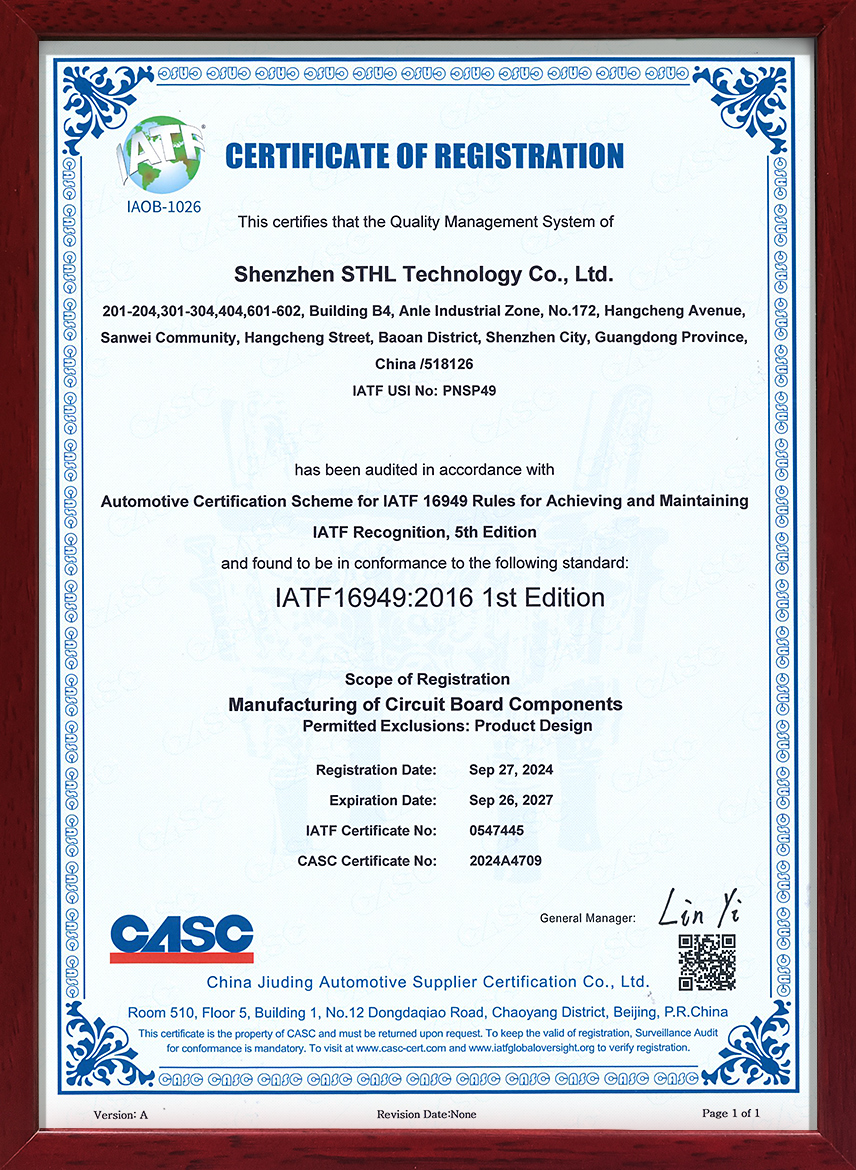
IATF 16949
Automotive Quality Management
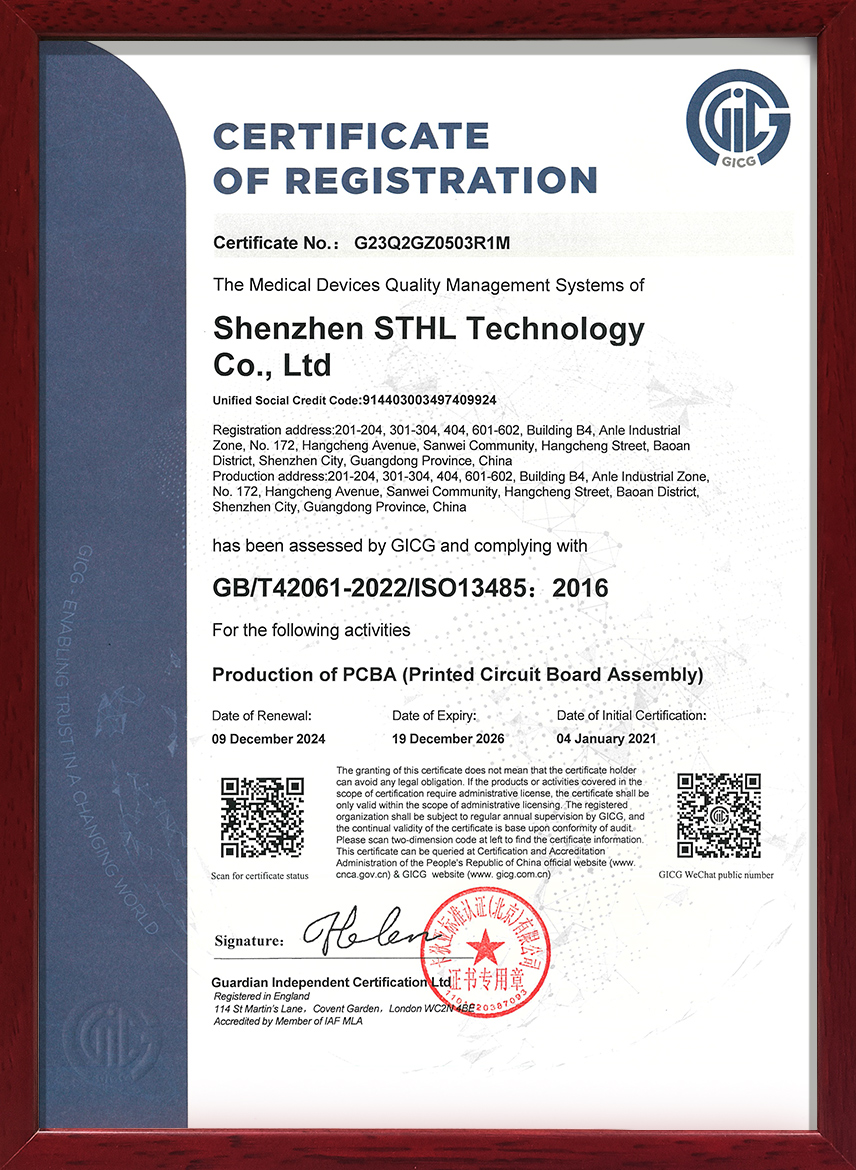
ISO 13485
Medical Devices Quality Management
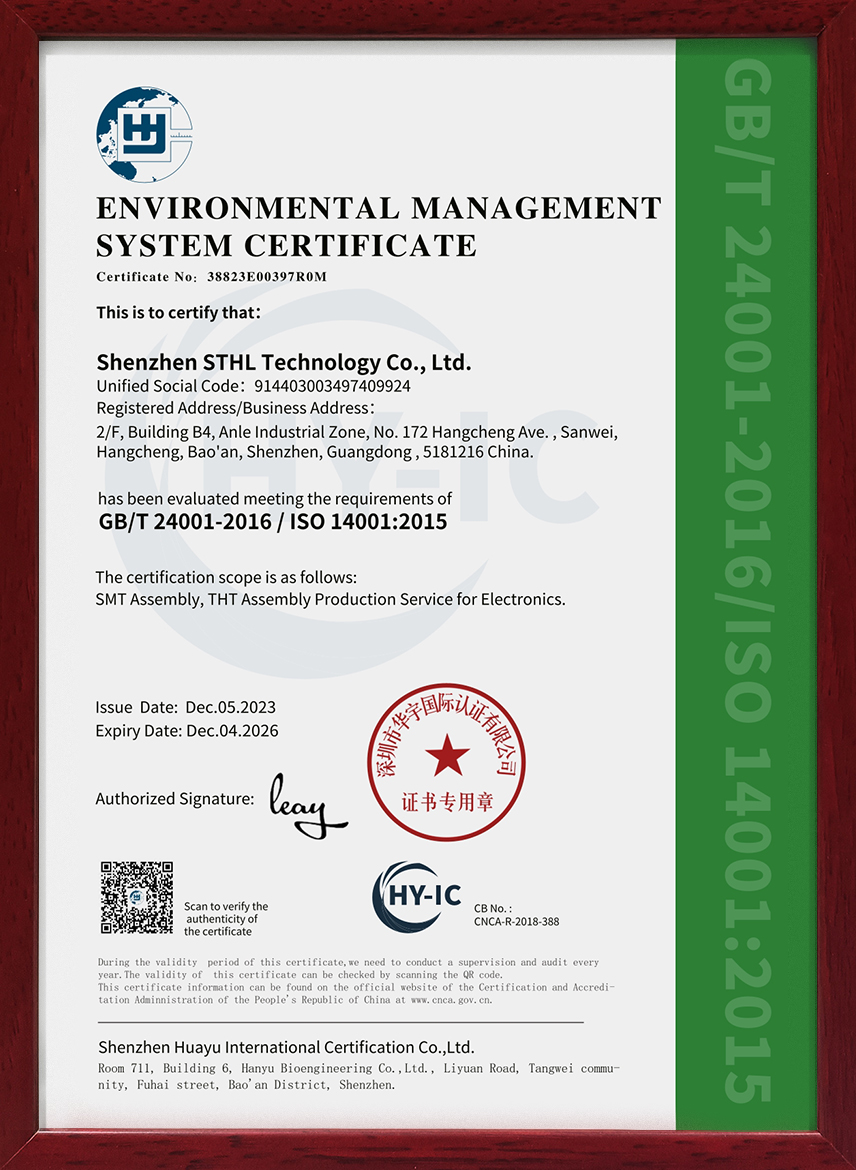
ISO 14001
Environmental Management System
Client feedback from engineers and buyers
Excellent team to work with and fast delivery with high-quality boards. We are very happy to work with such a good supplier. Thanks again.

Please extend my thanks to your team for your hard work in preparing these samples. This positive experience has strengthened my confidence in your company, and I am looking forward to discussing bulk orders in the near future.

We are satisfied with the last order. You did a great job on those boards and the lead time was short. I will place a new order soon.

Factory insights and sourcing updates



HDI Flex PCB Sourcing and Turnkey PCBA FAQ
Answers for procurement, engineering and quality teams evaluating a China-based HDI flex PCB factory or turnkey PCBA supplier.
What files do I need to submit for a PCBA project?
Send Gerber files, a BOM with manufacturer part numbers, the pick-and-place centroid file and assembly drawings. If you need IC programming or functional testing, include firmware and test procedures. Our engineers complete a DFM and BOM review before production starts.
Is there a minimum order quantity (MOQ)?
No. STHL accepts prototype, low-volume and high-volume PCB assembly orders, so you can validate a design and scale to mass production with the same supplier.
Can STHL source all the electronic components?
Yes. We offer full turnkey, partial turnkey and consigned assembly. Our sourcing team works with 100+ agents and suppliers covering more than 500,000 part numbers, with incoming inspection and traceability from reel to finished board.
Which quality certifications does STHL hold?
STHL is certified to IATF 16949, ISO 9001, ISO 14001 and ISO 13485, and produces RoHS-compliant assemblies. Boards are verified with AOI, X-ray, ICT and functional testing.
How do you protect our design files and IP?
We sign an NDA before RFQ, restrict project data to the assigned engineering team and track every build through our ERP and MES systems.
Can we audit or visit the factory?
Yes. Customers are welcome to visit our Shenzhen factory and R&D laboratory at any time, and a 360-degree virtual factory tour is available for remote evaluation.
What is an HDI flex PCB and when should we use one?
An HDI flex PCB uses high-density interconnect features such as laser-drilled microvias, fine lines and thin dielectric layers on a flexible or rigid-flex substrate. It is appropriate when space, weight, bendability or signal integrity makes a rigid board impractical, such as in wearables, medical devices, camera modules and compact automotive sensors.
How do you control microvia and bend reliability?
Reliability starts with stack-up review and material selection, followed by controlled laser drilling, plasma treatment, via fill and plating, coverlay alignment and assembly handling. Inspection can include AOI, X-ray, cross-sections, thermal cycling and application-specific bend testing. The correct test plan depends on whether the flex area is static, dynamic or repeatedly flexed in use.
Planning a High-Reliability HDI Flex PCB Build?
Send Gerber, BOM, centroid and test requirements for a DFM review. STHL supports prototype, low-volume and repeat production with NDA protection, component sourcing, SMT/THT assembly, testing and box build.
More Top-Rated HDI Flex PCB and PCBA Programs
These additional production programs show the breadth of STHL’s turnkey PCBA capability across smart home, LED lighting, base station, automotive, power conversion, navigation and sensor interface applications. Each product URL is preserved for direct engineering review.
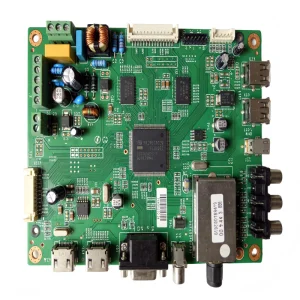
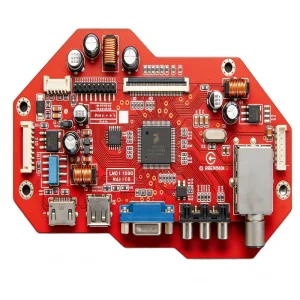
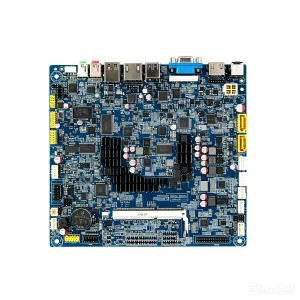
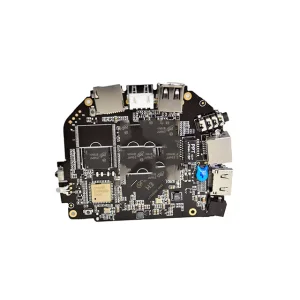
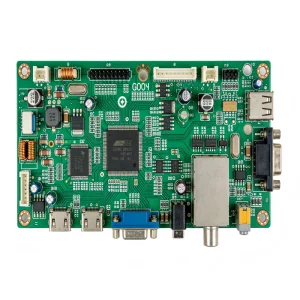
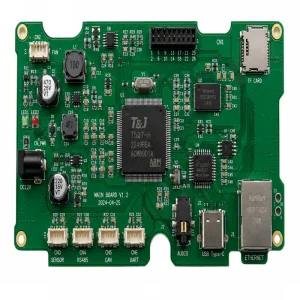
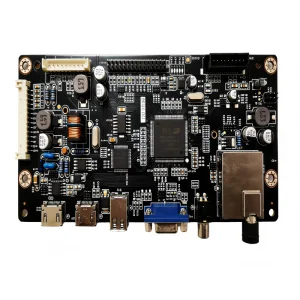
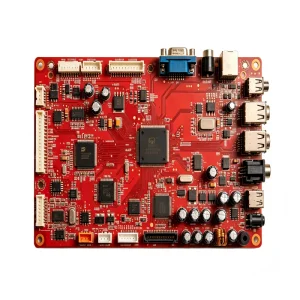
For RFQ, send Gerber, BOM, centroid and test files to [email protected]. STHL’s engineering team will review manufacturability, component availability, HDI/flex stack-up requirements and test strategy before quotation.