Fast PCBA Product Programs: Prototype Velocity Across High-Growth Applications
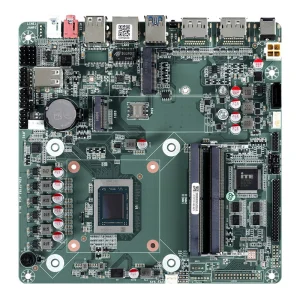
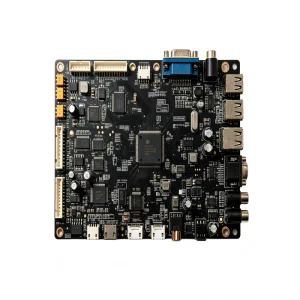
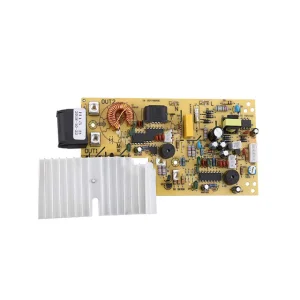
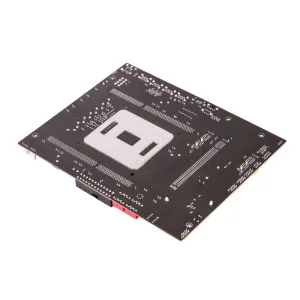
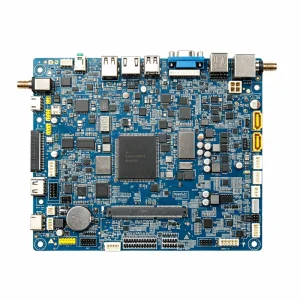
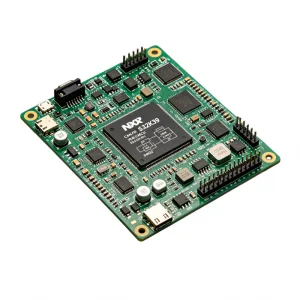
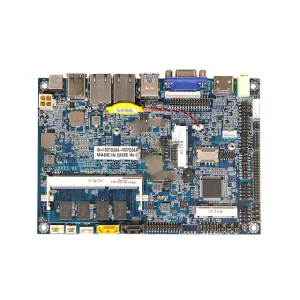
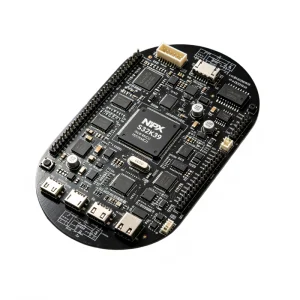
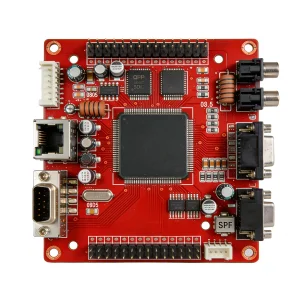
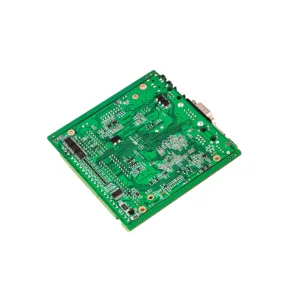
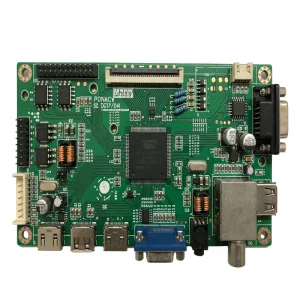
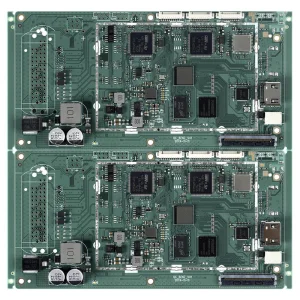
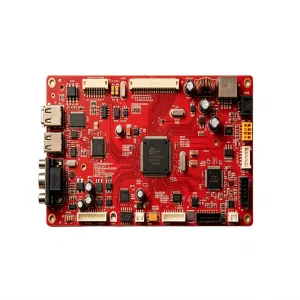
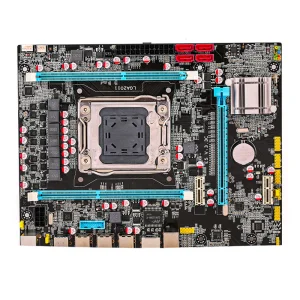
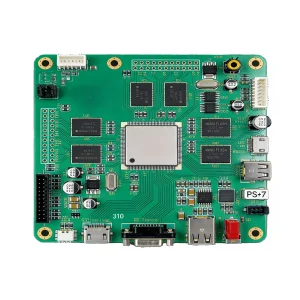
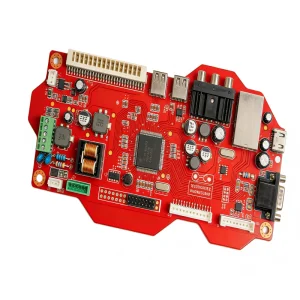
The fastest PCBA programs begin with a clear product platform, not a generic quotation. These eight programs represent recurring buyer intents across environmental monitoring, security, smart home, computing, solar energy and motion sensing. Each is supported by STHL’s turnkey workflow: BOM review, component sourcing, PCB fabrication, SMT/THT assembly, testing and delivery.
Fast PCBA Is a System, Not a Stopwatch
Buyers searching for fast PCBA manufacturers and factories usually need more than a short lead time. They need a manufacturing system that can absorb design changes, component shortages, compliance reviews and volume transitions without breaking the production plan. The numbers below show how capacity, engineering depth and process control combine to create reliable speed.
What Top-Rated Fast PCBA Manufacturers Actually Deliver
Speed is the visible outcome. The invisible work is engineering review, material planning, process discipline and test coverage. A top-rated fast PCBA factory should make that invisible work auditable, so procurement and engineering teams can see why a quotation is credible before they release a purchase order.
Engineering speed before production
A fast PCBA quote is only useful if it is manufacturable. STHL engineers review Gerber files, BOM data, pick-and-place centroid files and assembly drawings before material is ordered. DFM feedback, footprint checks and end-of-life part alerts reduce the risk of a second prototype cycle.
This is especially important for high-mix, low-volume products, where a single footprint error or missing alternate part can delay an entire launch.
Material velocity with traceability
Component sourcing is often the real lead-time driver. STHL works with 100+ agents and suppliers covering more than 500,000 part numbers, offering full turnkey, partial turnkey and consigned assembly. Incoming inspection and reel-level traceability connect the BOM to the finished board.
Fast factories do not simply guess at availability; they manage approved alternates, moisture-sensitive devices and lifecycle risk before the SMT line is scheduled.
Controlled high-mix production
Seven SMT lines, two DIP/THT lines, two functional test lines and two box build lines allow prototype, low-volume and volume production to run under one quality system. AOI, X-ray, ICT and functional testing are matched to the risk level of the product.
ERP and MES tracking give program managers real-time status and lot traceability, which is critical for medical, automotive and industrial buyers who cannot accept untraceable “fast” shipments.
Global Commercial and Industrial Reality of Fast PCBA
Fast PCBA has moved from a niche prototype service to a strategic capability. Hardware teams in the USA, Germany, Italy, the UK, Poland, New Zealand, Brazil and 90+ other regions are balancing launch speed, supply-chain resilience and total cost. The successful model is not a race to the lowest unit price; it is a controlled pathway from first article to repeat production.
Compressed NPI cycles
Product refreshes are faster, investor expectations are shorter and firmware iterations happen during hardware validation. Fast PCBA factories must support repeated engineering builds without resetting the quality system each time.
Resilience and China+1 thinking
Buyers still value Shenzhen’s electronics ecosystem, but they also want documented contingency planning, alternate component strategies and clear communication when global allocation changes. Traceability and auditability are now part of supply-chain resilience.
Component volatility
Long lead times, allocation and end-of-life notices can erase the benefit of a fast assembly line. Top-rated fast PCBA manufacturers invest in component engineering, approved alternates and proactive BOM scrubbing before production starts.
Compliance as market access
Medical devices, automotive modules and industrial controls require more than a working board. ISO 13485, IATF 16949, ISO 9001, ISO 14001 and RoHS-compliant assembly processes help buyers reduce supplier risk and satisfy their own customers.
Digital traceability expectations
Procurement teams increasingly ask for datasheets, inspection records, test logs and lot-level traceability. ERP and MES systems turn a “fast shipment” into a defensible delivery that can survive an internal audit or customer quality review.
Localized application demand
Different regions prioritize different applications: medical monitoring in Europe, consumer and smart-home devices in North America, industrial automation in Germany and Japan, solar energy in emerging markets, and security electronics across global cities.
Localized Application Scenarios: Where Fast PCBA Creates Value
Fast PCBA is not one product category. It is a delivery capability applied to very different environments: a hospital ward, a solar farm, a smart-home gateway, a factory floor, an aircraft system or a consumer wearable. Each scenario changes the test strategy, documentation burden and material plan.
Medical and healthcare
Patient monitoring, portable ultrasound, ward monitoring and diagnostic devices demand precision, reliability and traceability. ISO 13485-controlled assembly, inspection records and controlled changes are essential when a design moves from prototype to clinical validation.
Automotive and transport electronics
Control modules, lighting, charging electronics and sensing units must survive heat, vibration and long service life. IATF 16949 process discipline, robust inspection and component lifecycle management reduce field risk for automotive and transport buyers.
Industrial automation and PLCs
Programmable logic controllers, motor drives, sensors and emergency-button systems require stable performance in electrically noisy environments. Conformal coating, functional testing and high-reliability assembly help industrial OEMs reduce downtime.
Smart home, security and intercoms
Burglar alarms, intercoms, smart-home gateways and intelligent-living products combine wireless modules, sensors and user interfaces. Fast PCBA factories must support mixed-technology boards, firmware programming and repeatable test fixtures.
Energy and solar inverters
Solar inverter PCB assembly must handle power conversion, thermal stress and long field life. High-reliability assembly, heavy-copper board options and rigorous functional testing are central to solar, storage and energy-management applications.
Computing, communications and aerospace
Computers, PoE power supplies, air data computers and inertial measurement units require high-density layout, BGA inspection, fine-pitch assembly and strict test coverage. X-ray and functional testing help protect signal integrity and mission reliability.
Technical Roadmap and Future Outlook: From Quick Turn to Resilient Production
The next phase of fast PCBA competition will not be won by the supplier with the loudest “24-hour” claim. It will be won by manufacturers that combine advanced board capability, engineering information gain, test coverage and traceability into a repeatable production system. STHL’s roadmap follows that practical logic.
Design for speed
Gerber, BOM and centroid review before order release; DFM feedback, alternate-part suggestions, panelization review and testability checks that prevent avoidable re-spins.
Advanced boards and fine-pitch assembly
Rigid, flex, rigid-flex, HDI, aluminum, Rogers, ceramic, heavy-copper, high-Tg and halogen-free boards, with BGA, micro-BGA and mixed-technology assembly capability.
Verification and digital traceability
AOI, X-ray, ICT, functional testing, IC programming and conformal coating supported by ERP/MES records that connect incoming reels to finished serial numbers.
Box build and global delivery
Cable assembly, enclosure integration, ESD-safe packaging and shipment to 90+ regions, so the factory remains accountable beyond the bare board or PCBA stage.
Near-term roadmap signals: 2026–2028
Hardware teams should expect faster NPI feedback, more component engineering support and stronger digital records. The winning fast PCBA supplier will behave more like a manufacturing data partner than a simple build-to-print vendor.
- ✓AI-assisted AOI and X-ray review to shorten inspection cycles without lowering quality thresholds.
- ✓More rigorous lifecycle checks for end-of-life, allocation and counterfeit-risk components.
- ✓Greater demand for box build, cable assembly and firmware programming from a single supplier.
- ✓Environmental documentation and RoHS-compliant processes becoming standard procurement questions.
Long-term outlook: speed with resilience
The future of fast PCBA is not “faster at any cost.” It is faster feedback, faster qualification and faster recovery when supply conditions change. That requires deep engineering experience, documented process control and a culture of continuous improvement.
- ✓Higher-density boards and system-in-package trends will push inspection and thermal management requirements.
- ✓Regional supply-chain strategies will increase demand for transparent, auditable manufacturing partners.
- ✓Low-volume, high-mix production will remain strategically important for product launches and customization.
- ✓Factories that combine speed with traceability, compliance and engineering support will command the strongest long-term trust.
Macro Industry Solutions: One Accountable Turnkey PCBA Workflow
For OEMs, the most expensive hidden cost is supplier fragmentation. When PCB fabrication, component sourcing, SMT assembly, testing, cable assembly and box build are scattered across multiple vendors, every handoff creates delay and ambiguity. STHL combines these steps under one controlled workflow so that speed is supported by accountability.
Electronic components procurement
Full, partial or consigned sourcing through 100+ agents and suppliers, with BOM scrubbing, alternate-part recommendations and incoming inspection. Reel-level traceability supports quality investigations and repeat builds.
PCB fabrication
Standard, prototype, aluminum, flexible, rigid-flex, HDI, Rogers, ceramic, heavy-copper, high-Tg and halogen-free boards built to the stack-up, surface finish and impedance requirements of the product.
SMT and THT assembly
Seven SMT lines and two DIP/THT lines handle prototypes, low-volume runs and mass production, including fine-pitch, BGA and mixed-technology boards. AOI and X-ray inspection confirm solder joints before test.
Value-added services
PCB layout and design support, IC programming, ICT and functional testing, conformal coating, cable and wire harness assembly, and complete box build. One accountable supplier simplifies project management.
How STHL Reduces Risk in Fast PCBA Programs
Shenzhen STHL Electronics Co., Ltd. has operated as a certified EMS and ODM provider since 2006, serving OEMs in 90+ regions with PCB layout, component sourcing, PCB fabrication, SMT/THT assembly, cable assembly, box build and testing. The company’s 220+ staff include 50+ engineers, and its 10,000 m² facility includes an in-house R&D laboratory for design verification and prototype testing.
Certified quality systems
IATF 16949, ISO 9001, ISO 14001 and ISO 13485 systems support automotive, industrial, consumer and medical customers. Production is RoHS-compliant and verified with AOI, X-ray, ICT and functional testing.
IP protection before RFQ
NDA signing before quotation, restricted access to project data and ERP/MES tracking for every build help protect design files, firmware and proprietary product information.
Inspection and test coverage
AOI, X-ray, ICT and functional test lines are applied according to risk. IC programming, conformal coating and final assembly can be included without moving the project to another vendor.
Measured performance
99.5% on-time delivery, 99% qualified shipment rate, no MOQ and factory audits by appointment give buyers measurable reasons to trust the fast PCBA model.
“Excellent team to work with and fast delivery with high-quality boards. We are very happy to work with such a good supplier. Thanks again.”
PauloR&D Engineer · United States“Please extend my thanks to your team for your hard work in preparing these samples. This positive experience has strengthened my confidence in your company, and I’m looking forward to discussing bulk orders in the near future.”
OliviaHardware Engineer · Germany“We are satisfied with the last order. You did a great job on those boards and the lead time was short. I will place a new order soon.”
WilliamCEO · ItalyHow to Compare Fast PCBA Manufacturers: An 8-Point Checklist
Search intent for “fast PCBA manufacturers” is usually commercial investigation. Buyers want a shortlist, but they also need a repeatable way to compare suppliers beyond quoted unit price and advertised lead time.
Send the same data package
Compare suppliers using identical Gerber, BOM, centroid and assembly drawing files so responses are comparable.
Ask for DFM feedback
A serious fast PCBA manufacturer will flag footprint, panelization, testability and lifecycle risks before production.
Audit component sourcing
Check approved vendor channels, incoming inspection, moisture control and traceability from reel to finished board.
Verify certifications
Match certificates to your industry: IATF 16949 for automotive, ISO 13485 for medical and ISO 9001 for general quality.
Review test strategy
Confirm whether AOI, X-ray, ICT, functional test and programming are in-house and how results are recorded.
Confirm IP protection
Ask when the NDA is signed, who can access design files and how production data is restricted.
Match scale-up path
No MOQ is valuable only if the same supplier can scale from prototype to repeat production without restarting qualification.
Visit or audit the factory
Factory visits, audits and 360-degree virtual tours let quality teams pre-qualify a supplier before the first purchase order.
Fast PCBA Q&A: What Buyers Ask Before Choosing a Factory
These answers address the most common sourcing, engineering and quality questions raised by overseas buyers evaluating fast PCBA manufacturers in China.
What files do I need to submit for a PCBA project?
Send Gerber files, a BOM with manufacturer part numbers, the pick-and-place centroid file and assembly drawings. If you need IC programming or functional testing, include firmware and test procedures. STHL engineers complete DFM and BOM review before production starts.
Is there a minimum order quantity?
No. STHL accepts prototype, low-volume and high-volume PCB assembly orders, so you can validate a design and scale to mass production with the same supplier.
Can STHL source all the electronic components?
Yes. Full turnkey, partial turnkey and consigned assembly are available. The sourcing team works with 100+ agents and suppliers covering more than 500,000 part numbers, with incoming inspection and traceability from reel to finished board.
Which quality certifications does STHL hold?
STHL is certified to IATF 16949, ISO 9001, ISO 14001 and ISO 13485, and produces RoHS-compliant assemblies. Boards are verified with AOI, X-ray, ICT and functional testing.
How do you protect our design files and IP?
STHL signs an NDA before RFQ, restricts project data to the assigned engineering team and tracks every build through ERP and MES systems. Customers can discuss additional IP protection requirements during supplier qualification.
Can we audit or visit the factory?
Yes. Customers are welcome to visit the Shenzhen factory and R&D laboratory at any time, and a 360-degree virtual factory tour is available for remote evaluation by procurement and quality teams.
How fast can a fast PCBA order really be?
Lead time depends on board complexity, component availability, assembly process, testing and documentation. A clean data package and early DFM feedback usually remove more days than expedited shipping can. Prototype and low-volume orders can be scheduled quickly when parts are in stock or approved alternates are available.
How do fast PCBA factories support both low volume and mass production?
The strongest suppliers use the same controlled process for prototypes and volume, with scalable fixtures, test procedures and supply plans. STHL’s no-MOQ policy supports this path, while seven SMT lines, two DIP/THT lines and box build capacity support volume programs.
Planning Your Next Fast PCBA Build?
Get a capability catalog covering PCB fabrication options, assembly processes, testing methods, component sourcing and industry case references — everything your team needs to qualify a fast PCBA manufacturer with confidence.
Specialized Fast PCBA Programs for Medical, Aerospace, Communications and Industrial Control
The next eight programs show how fast PCBA capability becomes application-specific. Medical devices require controlled precision; smart watches and wearables demand miniaturization; air data computers and IMUs require robust verification; PoE and ward monitoring systems need reliable power and data integrity; PLCs and emergency buttons must perform in demanding industrial environments.