Production Assemblies Qualified for Demanding Environments
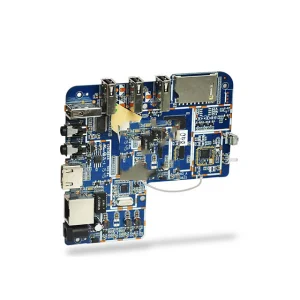
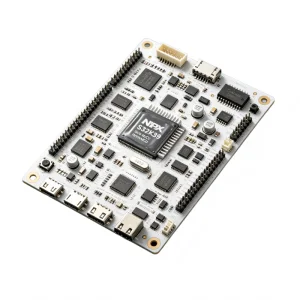
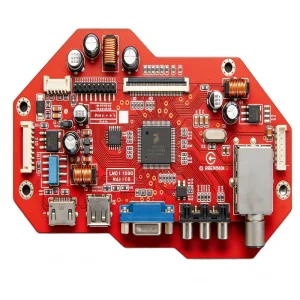
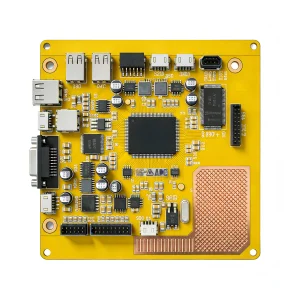
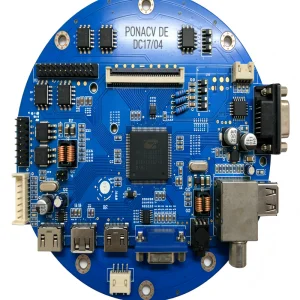
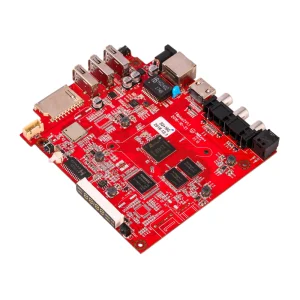
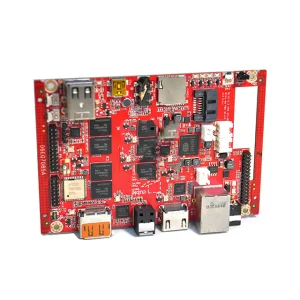
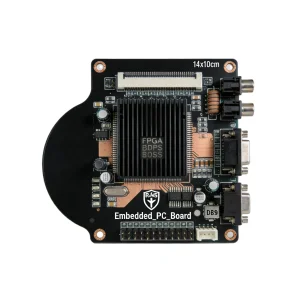
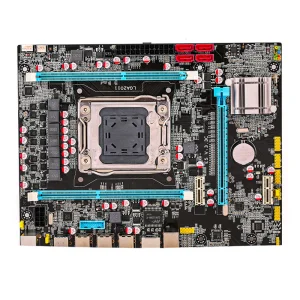
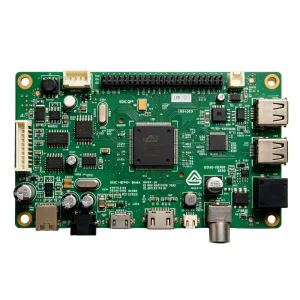
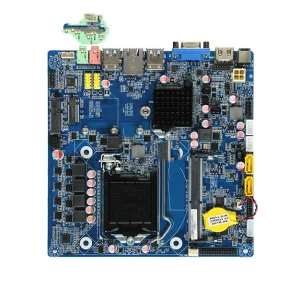
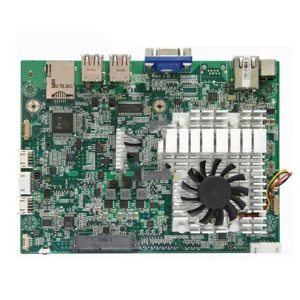
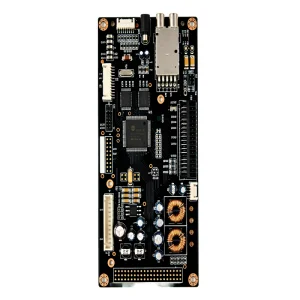
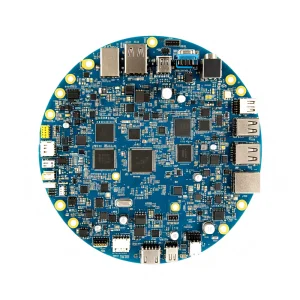
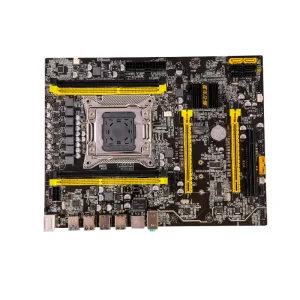
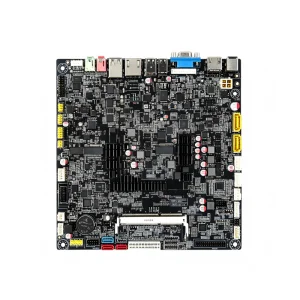
Conformal coating performance begins with the assembly beneath it. These PCBA platforms reflect the component mix, fine-pitch density and reliability requirements our engineers review every week for automotive, medical, industrial, energy and smart-infrastructure customers.
Conformal Coating Is a Reliability Control, Not a Commodity Spray
Conformal coating is often described in one sentence: a thin protective polymer applied to a printed circuit board assembly. In practice, that sentence hides the engineering that decides whether a product survives a decade of humidity, salt fog, thermal cycling and ionic contamination. A coating that is too thick can crack. A coating that is too thin may leave pinholes. A material that is compatible with one component may attack another. Masking that is incomplete can create a path for corrosion, dendrite growth or electrical leakage.
For OEMs in automotive, medical, industrial, aerospace and energy markets, the coating supplier is therefore not a consumable vendor. It is a reliability partner with process discipline, material knowledge, cleanliness control and traceability. The real question is not “Can you spray a board?” It is “Can you prove that the right material, at the right thickness, with the right cure and the right coverage, was applied to the right assembly — every time?”
STHL has operated in Shenzhen since 2006 and has grown into a certified EMS and ODM partner with more than 220 employees, 50+ engineers and a 10,000 m² production facility. Our conformal coating work is integrated with PCB fabrication, component sourcing, SMT/THT assembly, IC programming, functional testing and box build. Because coating is connected to the same ERP and MES systems that track reels, boards and test results, buyers can trace a finished assembly back to material lots and process parameters. We work under IATF 16949, ISO 9001, ISO 14001 and ISO 13485, and produce RoHS-compliant assemblies.
Our Coating Philosophy: Design, Cleanliness, Evidence
Three principles guide every conformal coating program we quote, qualify and release to production.
- Design for coating: review component heights, keep-out zones, connectors, test points and rework access before quoting.
- Cleanliness before coverage: control flux residue, ionic contamination and surface energy so the coating adheres instead of merely sitting on the board.
- Evidence after cure: document material lot, mix ratio, cure profile, coverage check, test result and shipment release.
- No MOQ: prototypes, low-volume builds and mass production can run through the same controlled process.
- NDA before RFQ: design files and IP are protected before we review your BOM, Gerber or coating drawing.
Six Forces Redefining Conformal Coating Through 2030
Conformal coating is being pulled upward by electrification, miniaturization, medical wearables and industrial IoT. It is also being pulled toward stricter material compliance and more resilient supply chains. These forces change both the chemistry and the process window.
Miniaturization and High-Density Assemblies
Finer pitch, lower standoff and higher component density make conventional dip or spray processes harder to control. Selective coating, low-viscosity materials and precise masking are becoming standard for boards with micro-BGA, 01005 components and tight keep-out zones.
Vehicle Electrification and High-Voltage Architectures
EV platforms, 800V architectures and advanced driver assistance push isolation, thermal shock and salt-spray requirements higher. Coatings must support high-voltage safety, vibration endurance and long service life while fitting IATF 16949 process controls and automotive traceability.
Medical Devices, Wearables and Sterilization
Medical electronics must survive cleaning agents, body fluids, sterilization and repeated handling. ISO 13485 environments favor thin, biocompatible and residue-controlled coatings, with validation evidence for adhesion, coverage and cure rather than a simple visual pass.
Industrial IoT and Harsh-Environment Electronics
Sensors, gateways and control modules now operate in humid factories, coastal installations, renewable-energy cabinets and outdoor enclosures. Sulfur, salt fog, dust, vibration and wide temperature swings drive demand for silicone, polyurethane and parylene coating options.
Sustainability and Material Compliance
Procurement teams increasingly ask about low-VOC chemistry, halogen-free materials, PFAS restrictions, RoHS and REACH compliance, energy-efficient cure and waste handling. A coating partner must document material declarations and control storage, mixing and disposal.
Supply-Chain Resilience and Localization
Global buyers are reducing single-source risk through dual sourcing, regional inventory and China+1 strategies. At the same time, they want the engineering depth and process maturity of a factory that can move from prototype to volume without changing the coating recipe or quality system.
What Global Buyers Audit Before They Award a Coating Program
Procurement teams no longer buy conformal coating by the liter. They audit process capability, material traceability, cleanliness, masking discipline, cure validation, coverage inspection and failure-analysis response. The shift is driven by product liability, warranty cost and the risk of line stoppages.
Years of EMS Experience
m² Production Facility
Professional Engineers
Production Lines
On-Time Delivery
Qualified Shipment Rate
Material and Lot Traceability
Buyers ask for coating material brand, batch number, expiry date, mix ratio and cure record. STHL links these records to the work order and finished board so a failure investigation can move from field return to material lot quickly.
Cleanliness and Surface Preparation
Coating adhesion depends on removing flux residue, oils and ionic contamination. We review cleaning method, surface energy, bake-out and handling time before coating, because a beautiful coating over a dirty board is still a reliability risk.
Qualification and Inspection Evidence
Visual inspection alone is not enough. Programs may require UV tracer checks, thickness measurement, adhesion testing, cross-section, cure validation, salt fog, thermal cycling or functional testing. The evidence package is agreed before production.
Capacity and Supply Resilience
Global OEMs want prototypes and volume from the same supplier. Our 7 SMT lines, 2 DIP/THT lines, 2 functional test lines and 2 box build lines support no-MOQ pilot builds and repeat production, with 99.5% on-time delivery performance.
Supply-Chain Resilience Now Lives Inside the Process
The old reason to manufacture in China was labor cost. The durable reason is integrated capability: engineering, component sourcing, PCB fabrication, assembly, coating, testing, box build and traceability under one quality system. That integration reduces handoffs, shortens problem-solving loops and makes supply-chain risk visible before it becomes a line stoppage.
Digital Thread: ERP and MES Traceability
Reels, boards, coating lots and test results are tracked through ERP and MES. Production status, material genealogy and shipment release are visible in real time, supporting audits and failure analysis.
Automated Capacity in a Dust-Free Facility
10,000+ m² of highly automated production space includes 7 SMT lines, 2 DIP/THT lines, 2 functional test lines and 2 box build lines. Capacity is structured for high-mix, high-reliability work.
Engineering Depth Before Production
50+ engineers review Gerber, BOM, centroid, coating drawings and test requirements. DFM feedback, alternate-part suggestions and cost-down proposals are completed before material is ordered.
Resilient Component Sourcing
Our sourcing team works with 100+ agents and suppliers covering more than 500,000 part numbers. Incoming inspection, moisture-sensitive device control and reel-level traceability reduce counterfeit and shortage risk.
One Factory, Four Capabilities That De-Risk Your Coating Program
Coating is only as reliable as the assembly beneath it. STHL combines component procurement, PCB fabrication, SMT/THT assembly and value-added services in one controlled workflow, so your conformal coating specification is not disconnected from board quality, cleanliness or test coverage.

Electronic Components Procurement
Full or partial turnkey sourcing through 100+ agents and suppliers, with BOM scrubbing, alternate-part suggestions and reel-level traceability.

PCB Fabrication
Standard, prototype, aluminum, flexible, rigid-flex, HDI, Rogers, ceramic, heavy-copper, high-Tg and halogen-free boards built to your stack-up.

SMT & THT PCB Assembly
Prototype, low-volume and high-volume assembly including fine-pitch, BGA and mixed-technology boards, verified by AOI and X-ray.

Value-Added Services
PCB layout and design, IC programming, ICT and functional testing, conformal coating, cable and wire harness, and complete box build assembly.
Material Selection Is an Engineering Decision
There is no universal conformal coating. The right chemistry depends on operating temperature, chemical exposure, salt fog, thermal shock, component height, rework strategy, cure constraints and regulatory requirements. We qualify the material and the process window together.
Acrylic (AR)
The workhorse of general electronics. Acrylic coatings offer fast cure, good moisture protection and easier rework, making them suitable for consumer, computer and industrial boards where chemical exposure is moderate and cost control matters.
Silicone (SR)
Flexible across a wide temperature range, silicone coatings resist thermal shock and remain compliant under vibration. They are common in automotive, power supply and energy electronics, but adhesion and contamination control are critical.
Polyurethane (UR)
Excellent chemical and abrasion resistance makes polyurethane a strong choice for harsh industrial, automotive and outdoor assemblies. It is tough and durable, though rework is harder and process control must manage moisture-cure sensitivity.
Parylene (XY)
Vacuum-deposited parylene creates an ultra-thin, pinhole-resistant barrier for medical, aerospace and high-impedance electronics. It offers excellent coverage on complex geometries but requires specialized equipment, masking and cost planning.
UV-Curable Coatings
UV-curable materials cure in seconds, improving throughput and reducing thermal exposure. Shadowed areas need a secondary cure strategy, so board layout and component geometry must be reviewed before the process is released.
Nano and Ultra-Thin Protection
Nano coatings create a low-surface-energy layer that repels moisture and contamination without the thickness of traditional coatings. They are useful for connectors, thermal-sensitive assemblies and rework-sensitive designs, but are not a universal replacement for harsh-environment films.
Where Conformal Coating Creates Measurable Reliability Value
From Shenzhen and the Greater Bay Area to global OEM programs, coating decisions are shaped by the local operating environment: humidity, salt fog, temperature swings, cleaning agents, vibration and regulatory audits. These are the application clusters our coating engineers support most often.
Automotive and EV Electronics
SRS controllers, HUD modules, water-heater controllers and open-frame power supplies demand IATF 16949 discipline, thermal-shock endurance, salt-spray resistance and vibration reliability. Coating must protect without interfering with connectors, sensors or high-voltage isolation.
Medical Devices and Diagnostics
MRI imaging systems, infusion pumps and medical barcode scanners require ISO 13485 controls, cleaning-agent resistance and lot traceability. Thin coatings and parylene options are evaluated when biocompatibility, sterilization or fine-pitch coverage is critical.
Industrial Automation and Control
Robot controllers, smart sensors, access-control systems and load-balancer boards operate in dust, humidity and continuous-duty environments. Coating helps suppress leakage current, dendrite growth and corrosion on exposed traces and component leads.
Energy Storage and Wind Power
Energy-storage controllers, wind-turbine control systems and power supplies face thermal cycling, humidity and salt fog over long service life. Silicone and polyurethane systems are often selected for flexibility, dielectric strength and environmental durability.
Computing, Networking and Smart Infrastructure
Computer PCBAs, load-balancer boards and LED ceiling-panel controls require signal integrity, thermal management and stable performance in distributed installations. Coating must be compatible with high-speed signals, connectors and thermal interfaces.
Consumer Electronics and Smart Home
Smart sensors, electronic-fence vibrators and access-control devices balance cost, appearance and reliability. Acrylic and UV-curable coatings are often appropriate when rework, throughput and moderate environmental protection are the primary requirements.
From Coating Drawing to Released Shipment in Six Controlled Steps
Knowing what happens after a purchase order removes surprises. This is how a conformal coating project moves through STHL — with engineering review, material validation, process control and documented release at each stage.
1. DFM, BOM and Coating Review
Engineers check Gerber, BOM, centroid, coating drawing, connectors, test points, rework access and component sensitivity. Potential masking conflicts and cure risks are identified before material is ordered.
2. Material Selection and Compatibility
We match chemistry to the environment, assembly, regulatory profile and rework plan. Material datasheets, shelf life, mix ratio, pot life and compatibility with components and conformal masking are reviewed.
3. Cleaning, Surface Prep and Masking
Flux residue, ionic contamination and handling oils are controlled before coating. Connectors, openings, test pads and heat-sensitive areas are masked to the approved drawing, then verified before application.
4. Selective Application
Depending on the design, we use selective spray, dip, brush or parylene deposition. The process is chosen for coverage, thickness control, shadowing risk, throughput and component protection rather than convenience.
5. Cure and Process Control
Cure temperature, time, humidity, UV dose and handling time are defined and recorded. The cure window is validated for the selected material and assembly so the coating reaches its intended electrical and mechanical properties.
6. Inspection, Test and Traceability
UV tracer, visual inspection, AOI, thickness checks, adhesion, cross-section, ICT and functional testing are applied as required. Results are logged against the lot and linked to shipment release.
Why Global OEMs Choose STHL for Coating-Integrated PCBA
Measurable capacity, documented quality systems and engineering support that reduces total cost — not just the unit price. Every reason below is part of how we protect coating quality from quotation to shipment.

Dust-Free Smart Factory
10,000+ m² highly automated production space with controlled environment and smart manufacturing systems.

20 Years of Experience
Proven know-how across PCB and PCBA since 2006, including high-mix and high-reliability builds.

Global Sourcing
500k+ parts via 100+ agents and suppliers, with alternate-part recommendations and incoming inspection.

Fully Certified
IATF 16949, ISO 9001, ISO 14001 and ISO 13485 systems support automotive, medical and industrial work.

ERP & MES Tracking
Real-time production status, material genealogy and lot traceability from incoming reel to finished board.

Cost-Down Engineering
DFM and BOM optimisation by our engineering team, including coating process simplification where appropriate.

No MOQ
Prototype, low-volume and large-quantity orders are welcome, so a design can scale with the same supplier.

NDA Before RFQ
Your design data and IP are protected from day one, before we review files or quote the coating process.

Fast Delivery
99.5% on-time delivery across global shipments, supported by production planning and shipment release controls.
Certified Quality Management Systems
Independent third-party audits confirm that our processes meet the requirements of automotive, medical and industrial customers. Click any certificate image to view the full-size document.

ISO 9001
Quality Management System

IATF 16949
Automotive Quality Management

ISO 13485
Medical Devices Quality Management

ISO 14001
Environmental Management System
Brands & Supply-Chain Partners We Work With
Long-term cooperation with global brands and established component distributors keeps your BOM genuine, traceable and available. These relationships matter when a coating project depends on consistent component quality and a resilient material plan.
Brand Customers



















Component Sourcing Channels












What Engineers & Buyers Say About STHL
Feedback from hardware engineers, designers and company owners across North America, Europe and beyond. Their experience reflects the communication, traceability and delivery discipline that coating programs depend on.
Excellent team to work with and fast delivery with high-quality boards. We are very happy to work with such a good supplier. Thanks again.

Please extend my thanks to your team for your hard work in preparing these samples. This positive experience has strengthened my confidence in your company, and I'm looking forward to discussing bulk orders in the near future.

We are satisfied with the last order. You did a great job on those boards and the lead time was short. I will place a new order soon.

The order was perfect — exactly as specified with top quality. Highly recommend this reliable supplier.

Exciting! Very fast delivery, a professional supplier and a professional product. We will place a new order very soon!

We have tested all the boards and I am highly pleased. I will repeat my order soon. Thank you again for your excellent service.

It's always a pleasure ordering. Very professional team and good quality — thanks for your great service.

Satisfied with the sample products delivered. Very good product, quick delivery and a good understanding of my requirements.

The supplier's professionalism is evident in their seamless communication, efficient processing and reliable service. They are a trustworthy and commendable partner.

PCBA Insights & Factory News
Practical updates from our production floor — customer visits, traceability practices and what really drives PCBA lead time. These insights also shape how we plan coating capacity and inspection resources.




Conformal Coating and PCBA Sourcing FAQs
Straight answers to the questions procurement, quality and engineering teams ask before choosing a conformal coating supplier and PCB assembly partner in China.
What files do I need to submit for a PCBA and coating project?
Send Gerber files, a BOM with manufacturer part numbers, the pick-and-place centroid file and assembly drawings. For conformal coating, include the coating drawing, approved material, keep-out and masking zones, cure requirements and any inspection standard. If you need IC programming or functional testing, include firmware and test procedures. Our engineers complete a DFM, BOM and coating review before production starts.
Is there a minimum order quantity?
No. STHL accepts prototype, low-volume and high-volume PCB assembly orders, so you can validate a design and scale to mass production with the same supplier. The same principle applies to conformal coating: we support pilot builds, process qualification lots and repeat production without forcing a large minimum batch.
Can STHL source all the electronic components?
Yes. We offer full turnkey, partial turnkey and consigned assembly. Our sourcing team works with 100+ agents and suppliers covering more than 500,000 part numbers, with incoming inspection and traceability from reel to finished board. For coating, we also document material lot, shelf life, mix ratio and cure records.
Which quality certifications does STHL hold?
STHL is certified to IATF 16949, ISO 9001, ISO 14001 and ISO 13485, and produces RoHS-compliant assemblies. Boards are verified with AOI, X-ray, ICT and functional testing as required. Coating inspection can include UV tracer, visual, thickness, adhesion, cross-section and environmental testing depending on the program.
How do you protect our design files and IP?
We sign an NDA before RFQ, restrict project data to the assigned engineering team and track every build through our ERP and MES systems. Coating drawings, material specifications and test requirements are handled under the same confidentiality controls as Gerber and BOM data.
Can we audit or visit the factory?
Yes. Customers are welcome to visit our Shenzhen factory and R&D laboratory at any time, and a 360-degree virtual factory tour is available for remote evaluation. We can also support quality audits that review material storage, masking, coating application, cure records and inspection traceability.
Which conformal coating material should I choose?
Selection depends on the operating environment, temperature range, chemical exposure, salt fog, rework strategy and regulatory profile. Acrylic is economical and easier to rework; silicone offers wide temperature range and flexibility; polyurethane provides chemical and abrasion resistance; parylene delivers ultra-thin barrier performance; UV-curable materials improve throughput; nano coatings suit thin, rework-sensitive designs. STHL reviews the assembly and application before recommending a material and process window.
How do you verify coating coverage and cure?
Verification is agreed before production and may include UV tracer inspection, visual inspection under controlled lighting, thickness measurement, adhesion testing, cross-section, cure checks, ionic cleanliness data, salt fog and thermal cycling. Results are logged against the lot and reviewed before shipment release. For high-reliability programs, we can build a first-article and process-qualification package.
Can you coat assemblies with connectors, openings and heat-sensitive parts?
Yes. We define masking and keep-out zones for connectors, test points, openings, sensors and heat-sensitive components. Selective spray, dip, brush and parylene processes can be matched to the assembly geometry. Where rework access is required, we review coating removability and touch-up procedures before release.
 STHL PCBA & EMS Since 2006
Plan Your Next Conformal Coating Build With STHL
Send us your Gerber, BOM, coating drawing and operating environment. Our team will review material compatibility, masking strategy, cure constraints, inspection requirements and production volume, then return a clear path from prototype to repeat shipment.
Email STHL
Call STHL
Factory Address
B4, AnLe Industrial Zone, No.172 Hangcheng Blvd, Bao'an Xixiang District, Shenzhen, 518126 China
Capability Catalog
Request the STHL catalog covering PCB fabrication, assembly, testing, conformal coating and box build.
Factory Tour
Launch 360° virtual factory tour and review SMT, THT, testing and warehouse areas remotely.
Start With an NDA
Contact our engineering team for an NDA before RFQ, then share your files securely for review.
More PCBA Platforms for Conformal Coating Qualification
Different products require different protection strategies. These additional PCBA platforms show the breadth of assemblies we build, test and prepare for coating in automotive, medical, robotics, energy and infrastructure applications.