
Europe-focused PCBA sourcing · E-E-A-T white paper · 2026 buyer guide
Top 10 PCB Assembly Europe Service & Solution Provider
How European OEMs should evaluate a turnkey PCBA partner for compliance, localization, engineering depth, Factory 4.0 resilience and long-term supply continuity.
Featured PCBA Platforms
Europe-Ready PCB Assembly Solutions: First 8 Product Platforms
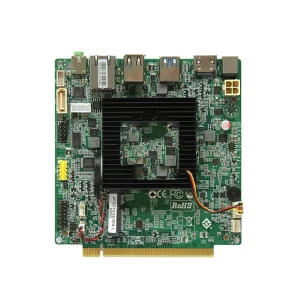
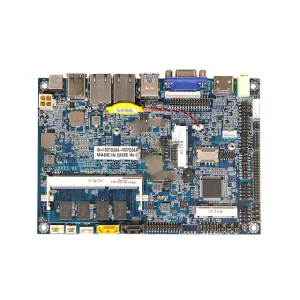
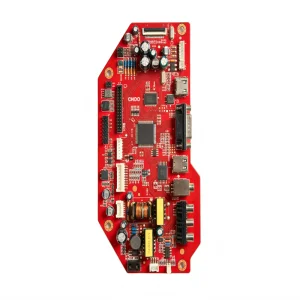
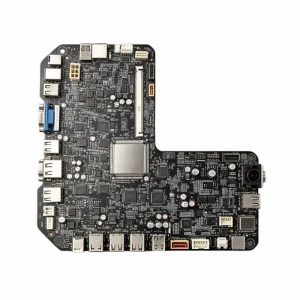
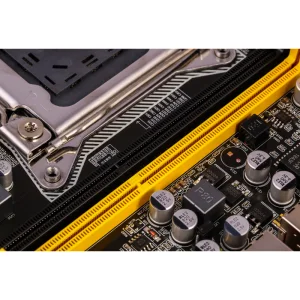
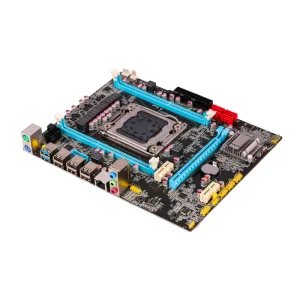
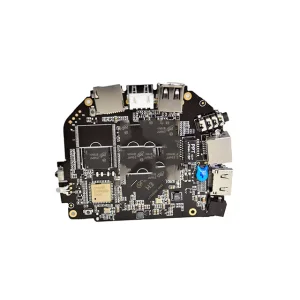
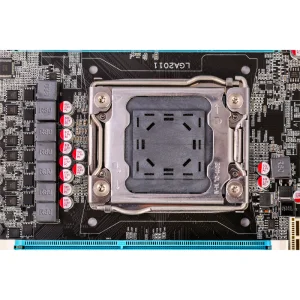
These product platforms reflect the high-mix, high-reliability demand pattern of European OEMs: safety monitoring, power conversion, smart control, medical diagnostics, industrial equipment, networking, automotive electronics and advanced imaging.
Executive Summary
Top 10 PCB Assembly Europe Service & Solution Provider: A Buyer’s Decision Framework
European procurement teams rarely choose a PCBA supplier on unit price alone. They need documented compliance, engineering responsiveness, supply-chain resilience, IP protection and a partner who can support both prototype validation and repeat production.
Compliance Is a Procurement Gate
CE, UKCA, RoHS, REACH, WEEE, medical-device quality and automotive PPAP expectations turn the supplier questionnaire into a risk-control exercise. The right partner supplies evidence, not just promises.
Engineering Depth Reduces Rework
DFM review, BOM scrubbing, alternate-part engineering and testability feedback often create more value than a marginal component discount. This is the information gain that separates a vendor from a solution provider.
Supply Continuity Beats Spot Pricing
Multi-source component access, lifecycle monitoring, approved alternates and MES traceability protect production plans when allocation, logistics or geopolitical disruptions appear.
This white paper uses the title Top 10 PCB Assembly Europe Service & Solution Provider as a shortlist framework — not as an unverifiable popularity ranking. The most useful “Top 10” is the ten capabilities that determine fit, risk and total landed cost for a European OEM.
10-Point Selection Matrix
What the Top 10 PCB Assembly Europe Service & Solution Provider Should Prove
Use these ten dimensions to compare quotations, supplier audits and technical responses. Each dimension should have a documented answer, an owner and a measurable acceptance criterion.
01 · DFM & NPI Engineering
Look for Gerber, BOM and centroid review before material purchase, plus clear feedback on footprints, panelization, test access and end-of-life risk.
02 · Compliance Evidence
IATF 16949, ISO 9001, ISO 14001 and ISO 13485 systems, RoHS declarations, material traceability and customer-specific quality documentation.
03 · Component Sourcing Power
Access to 100+ agents and suppliers, more than 500,000 part numbers, full or partial turnkey sourcing and controlled alternate-part proposals.
04 · Traceability & MES
Reel-to-board traceability, lot control, ERP/MES production status and inspection records that can be retrieved during audits or field investigations.
05 · High-Mix Flexibility
No-MOQ prototype support and stable scale-up. The same factory should handle low-volume validation, pilot builds and repeat mass production.
06 · Industry Process Controls
Medical, automotive, industrial, power, communication, security, LED and aerospace assemblies require different inspection and validation discipline.
07 · Supply-Chain Resilience
Lifecycle monitoring, multi-source strategy, buffer planning, PCN awareness and contingency procedures for long-lifecycle industrial products.
08 · Europe-Facing Communication
English engineering communication, time-zone overlap, clear release-to-ship milestones, shipment documentation and audit support.
09 · IP & Data Protection
NDA before RFQ, restricted project access, controlled CAD/BOM transfer and accountability through ERP/MES records.
10 · Sustainability & ESG
RoHS-compliant builds, ISO 14001 environmental management, packaging optimization and the ability to support customer carbon and waste targets.
Market Context
Why Europe Needs a Localized Service Model, Even With a China Factory
“Localized” does not always mean manufacturing must be inside the EU. It means documentation, communication, compliance interpretation, logistics planning and change control behave as if the supplier were next door.
Europe is not a single purchasing culture. A German automotive electronics team may prioritize PPAP discipline, traceability and change control. A UK medical-device OEM may focus on ISO 13485 evidence, validation records and post-market traceability. A Nordic industrial company may value sustainability documentation and long-lifecycle component availability. A French or Italian consumer-electronics brand may care most about rapid NPI cycles and flexible low-volume production.
The common thread is risk transfer with evidence. Procurement teams want a supplier who can explain what happens when a BOM line becomes obsolete, when a test yield drifts, when a customs document is queried, or when an engineer needs an alternate part recommendation within a short window. A Europe-facing service and solution provider must therefore combine factory execution with clear English communication and documented decision-making.
This is where STHL’s model fits the title of Top 10 PCB Assembly Europe Service & Solution Provider: not because a list of logos creates authority, but because a 20-year EMS operation, four management-system certifications, 100+ sourcing channels and a 10,000+ m² Shenzhen facility create repeatable evidence for European buyers.
- Documentation-led qualification: FAI, PPAP, material declarations, test reports and lot traceability.
- Engineering-led cost reduction: DFM improvements, BOM consolidation and alternate sourcing.
- Production-led continuity: the same factory supports prototypes, pilot runs and repeat volume builds.
 NDA before RFQ · ERP/MES traceability · Audit-ready
Technical Roadmap
Technical Roadmap & Future Outlook: 2026–2030
European OEMs are designing products that demand more computation, tighter power density, stronger connectivity and more complete lifecycle evidence. The PCBA partner’s roadmap must support those shifts without creating new supply risks.
2026–2027 · High-Density & Mixed Technology
Growth in HDI, rigid-flex, fine-pitch BGA, heavy copper and mixed SMT/THT assemblies. Success depends on early DFM review, X-ray capability and controlled reflow profiles.
2027–2028 · Power Electronics & Thermal Control
SiC/GaN adoption, battery management, fast charging and compact power supplies will push thermal via design, dielectric selection, conformal coating and reliability testing.
2028–2029 · Edge AI & Secure Connectivity
Edge AI modules, sensor fusion, Wi-Fi/5G/LPWAN gateways and secure firmware provisioning require tighter test coverage, IC programming discipline and cybersecurity-aware production data.
2029–2030 · Digital Twin & Carbon Evidence
The next competitive layer is data continuity: digital process twins, closed-loop traceability, supplier carbon data and predictive quality analytics shared with OEM procurement teams.
For European buyers, roadmap alignment should be tested with three questions: Can the supplier support the new package and test requirement? Can it document the process change? Can it keep the same traceability standard after scale-up?
Macro Industry Solutions
Industry-Specific PCBA Solutions for European Procurement Teams
Different end markets need different evidence. A medical monitor, an automotive control unit, a smart lock and an industrial drive may all use SMT lines, but they do not share the same risk profile.
Medical & Healthcare
ISO 13485-controlled assembly for monitoring, diagnostic, blood-pressure and wearable devices with lot traceability.
Medical PCB AssemblyAutomotive Electronics
IATF 16949-oriented processes for ECU, lighting, charging and in-vehicle electronics that must survive heat and vibration.
Automotive PCB AssemblyIndustrial Control
Robust PCBAs for PLCs, motor drives, drilling equipment and automation systems, with conformal coating options.
Industrial Control PCBAPower Supply & Energy
DC converters, hot-swappable power supplies, battery systems and energy-management electronics with thermal control.
Power Supply PCB AssemblyCommunication & Networking
Wireless routers, gateways and communication modules demanding RF-aware layout support and BGA inspection.
Communication PCB AssemblyComputer & Storage
High-density, BGA-rich boards for computing, storage and peripherals, verified with AOI and X-ray inspection.
Computer PCB AssemblySmart Home & IoT
Smart thermostat, smart speaker, smart lock and connected-home PCBA platforms with firmware programming support.
Smart Home PCBASafety & Security
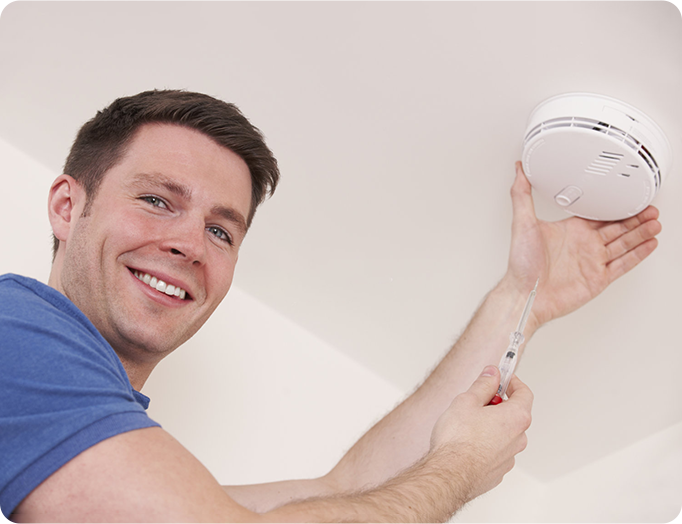
Burglar alarms, gas-leak detectors, access-control units and sensor-interface modules for safety-critical environments.
Safety & Security PCBALED & Display
Direct-lit LED backlight, driver boards and display electronics with thermal and optical consistency considerations.
LED PCB AssemblyAerospace & High-Reliability
High-reliability assemblies with controlled documentation, specialized inspection and robust change management.
Aerospace PCB Assembly
Localization & Compliance
Localized Support & Compliance Assurance for European OEMs
For a European buyer, localization is visible in the quality of documents, the speed of engineering answers, the clarity of change control and the predictability of shipping. The factory can be in Shenzhen while the service experience remains Europe-ready.
Documentation Package
BOM, Gerber, centroid, assembly drawings, FAI reports, CoC, inspection records, packing lists and HS-code data can be prepared for European supplier onboarding.
Market-Access Support
RoHS-compliant production, REACH material awareness and process evidence that supports the OEM’s own CE, UKCA, medical or automotive compliance responsibilities.
IP & NDA Control
NDA before RFQ, restricted access to design files and project data controlled by the assigned engineering team. ERP/MES records support accountability.
Audit & Remote Review
Factory visits, customer audits and a 360° virtual tour help European quality teams pre-qualify the Shenzhen facility before the first purchase order.
Logistics Coordination
ESD-safe packaging, consolidated shipments, export documentation and freight coordination support predictable delivery to European distribution centers.
IATF 16949
ISO 9001
ISO 14001
ISO 13485
RoHS-compliant builds
China Factory 4.0
China Factory 4.0: Supply-Chain Resilience & Efficiency Advantage
Factory 4.0 is not a slogan about robots. For a European OEM, it means the supplier can see, document and recover from production and sourcing variability before it becomes a delivery problem.
20+Years of EMS & PCBA experience since 2006
10,000+m² highly automated Shenzhen production facility
220+Staff supporting global OEM projects
50+Professional engineers in production and R&D
13+Production lines with SMT, THT, test and box build
99.5%On-time delivery performance across global shipments
STHL’s footprint includes 7 SMT assembly lines, 2 DIP/THT lines, 2 functional test lines and 2 box build lines. Every build is controlled under IATF 16949, ISO 9001, ISO 14001 and ISO 13485, with AOI, X-ray, ICT and functional testing available.
A European buyer does not need to know every machine model. The buyer needs to know that component sourcing, PCB fabrication, SMT/THT assembly, testing, conformal coating, cable assembly and box build can be coordinated under one accountable workflow. STHL’s 100+ agents and suppliers covering more than 500,000 part numbers create an operational buffer against allocation and obsolescence.
ERP and MES tracking connect incoming materials, production status and lot traceability. If a BOM line is at risk, engineering can propose approved alternates. If a test yield changes, inspection records can be reviewed. If a customer audit asks for reel-to-board evidence, the data path exists. That is the practical meaning of supply-chain resilience with efficiency.
No-MOQ support is also strategically important. European hardware teams can validate a prototype with the same supplier that later handles pilot and volume production, reducing the risk of a difficult technology transfer after design freeze.
 Watch: Inside the STHL PCBA Factory

Dust-Free Smart Factory
10,000+ m² of highly automated production space.

20 Years of Experience
Proven know-how across PCB and PCBA since 2006.

Global Sourcing
500k+ parts via 100+ agents and suppliers.

Fully Certified
IATF 16949, ISO 9001, ISO 14001 and ISO 13485.

ERP & MES Tracking
Real-time production status and lot traceability.

Cost-Down Engineering
DFM and BOM optimization by the engineering team.

No MOQ
Prototype and large-quantity orders are both welcome.

NDA Before RFQ
Design data and IP are protected from day one.

Fast Delivery
99.5% on-time delivery and 99% qualified shipment rate.
Global Procurement
Global Enterprise Procurement Requirements: 8-Point RFQ Checklist
Before a European buyer releases a purchase order, the supplier should survive a structured RFQ and audit conversation. This checklist helps separate marketing claims from operational evidence.
1 · Approved Supplier File
Company profile, certifications, factory footprint, equipment list, audit history and key contact matrix for engineering, quality and logistics.
2 · Technical File Pack
Gerber, BOM, centroid, assembly drawings, stack-up, test specification and firmware programming instructions, handled under NDA.
3 · Quality Agreement
Inspection standards, AQL, acceptance criteria, change notification, non-conformance handling and corrective-action responsibilities.
4 · Business Continuity Plan
Multi-source component strategy, alternate approvals, buffer planning, production capacity reservation and communication escalation.
5 · Compliance Evidence
RoHS/REACH declarations, material traceability, lot records, test logs, calibration status and applicable PPAP/FAI documentation.
6 · Total Landed Cost
Unit price, component risk, freight, duties, inventory carrying cost, engineering change cost and cost of poor quality.
7 · Lead Time & Buffer
Prototype, pilot and mass-production lead times, material readiness, capacity constraints and promised recovery plans.
8 · After-Sales & Change Control
RMA process, root-cause reporting, engineering change notices, last-time-buy planning and long-term support commitments.
Illustrative European buyer priority weighting — use this as a discussion model, then calibrate to your product risk class.
A low unit price cannot offset a missing certificate, an unexplained BOM change or a shipment held at customs. The weighted model should be adapted per industry.
STHL Fit
How STHL Maps to the Top 10 Europe Service & Solution Provider Framework
STHL is best evaluated as a qualified, evidence-based candidate for European OEMs that value turnkey execution, engineering support and traceable quality systems.
Shenzhen STHL Electronics Co., Ltd. has operated since 2006 as an EMS and ODM provider. Its 220+ staff, including 50+ engineers, support PCB layout, component sourcing, PCB fabrication, SMT/THT assembly, cable assembly, box build and testing. The 10,000 m² facility includes an in-house R&D laboratory for design verification and prototype testing.
For European buyers, the practical mapping is straightforward. Engineering support corresponds to DFM and BOM review. Compliance support corresponds to IATF 16949, ISO 9001, ISO 14001 and ISO 13485 systems. Supply-chain resilience corresponds to 100+ agents and 500,000+ part numbers. Delivery confidence corresponds to 99.5% on-time delivery and 99% qualified shipment rate. IP protection corresponds to NDA-before-RFQ and controlled project data.
The supplier serves customers in the USA, Germany, Italy, the UK, Poland, New Zealand, Brazil and 90+ other regions. That global service experience is relevant because European procurement teams often need a partner that can handle multiple product variants, mixed documentation requirements and shipment destinations without losing production discipline.
Quick qualification snapshot
- Founded in 2006 · 20+ years in EMS and PCBA.
- IATF 16949, ISO 9001, ISO 14001 and ISO 13485.
- No MOQ · prototype to volume · NDA before RFQ.
- 7 SMT lines, 2 DIP/THT lines, 2 functional test lines, 2 box build lines.
- AOI, X-ray, ICT and functional testing with ERP/MES tracking.
Quality & Process
From Gerber Files to Global Shipment in 6 Controlled Steps
Clear process visibility reduces project risk. This is how a typical STHL PCBA project moves from technical review to shipment.
DFM & BOM Review
Engineers check Gerber, BOM and centroid data for manufacturability, footprint errors and end-of-life parts before any material is ordered.
Component Sourcing
Parts are purchased through 100+ agents and suppliers, then pass incoming inspection and moisture-sensitive device control.
PCB Fabrication
Bare boards are produced to the required stack-up, surface finish and impedance requirements, from single-layer to HDI and rigid-flex.
SMT & THT Assembly
7 SMT lines and 2 DIP/THT lines handle fine-pitch, BGA and mixed-technology boards for prototypes and mass production.
Inspection & Testing
AOI, X-ray, ICT and functional tests, plus IC programming and conformal coating, with results logged in the MES.
Box Build & Delivery
Cable assembly, enclosure integration and ESD-safe packaging, shipped to customers in 90+ countries and regions.

ISO 9001
Quality Management System

IATF 16949
Automotive Quality Management

ISO 13485
Medical Devices Quality Management

ISO 14001
Environmental Management System
Customer Experience
What Engineers and Buyers Say About STHL
Feedback from hardware engineers, designers and company owners across North America, Europe and beyond. These comments reinforce the practical service experience behind the certification list.
“Excellent team to work with and fast delivery with high-quality boards. We are very happy to work with such a good supplier. Thanks again.”

PauloR&D Engineer · United States
“Please extend my thanks to your team for your hard work in preparing these samples. This positive experience has strengthened my confidence in your company, and I'm looking forward to discussing bulk orders in the near future.”

OliviaHardware Engineer · Germany
“We are satisfied with the last order. You did a great job on those boards and the lead time was short. I will place a new order soon.”

WilliamCEO · Italy
Schneider ElectricSiemensRazerAnkerCorsairHaierLogitechMindrayArrowAvnetDigi-KeyMouserSTMicroelectronicsTDK
News & Insights
PCBA Factory Insights for European Supply Teams
Practical updates from the production floor — customer visits, traceability practices and what really drives PCBA lead time.




FAQ
Q&A: PCB Assembly Europe Service & Solution Provider Questions
Straight answers to the questions procurement and engineering teams ask before choosing a PCB assembly manufacturer in China for European projects.
What files do I need to submit for a PCBA project?
Send Gerber files, a BOM with manufacturer part numbers, the pick-and-place (centroid) file and assembly drawings. If you need IC programming or functional testing, include firmware and test procedures. Our engineers complete a DFM and BOM review before production starts.
Is there a minimum order quantity (MOQ)?
No. STHL accepts prototype, low-volume and high-volume PCB assembly orders, so you can validate a design and scale to mass production with the same supplier.
Can STHL source all the electronic components?
Yes. We offer full turnkey, partial turnkey and consigned assembly. Our sourcing team works with 100+ agents and suppliers covering more than 500,000 part numbers, with incoming inspection and traceability from reel to finished board.
Which quality certifications does STHL hold?
STHL is certified to IATF 16949, ISO 9001, ISO 14001 and ISO 13485, and produces RoHS-compliant assemblies. Boards are verified with AOI, X-ray, ICT and functional testing.
How do you protect our design files and IP?
We sign an NDA before RFQ, restrict project data to the assigned engineering team and track every build through our ERP and MES systems.
Can we audit or visit the factory?
Yes. Customers are welcome to visit our Shenzhen factory and R&D laboratory at any time, and a 360-degree virtual factory tour is available for remote evaluation.
How does STHL support European compliance documentation?
STHL provides process evidence such as RoHS-compliant production records, material traceability, inspection reports and certificate copies. The OEM remains responsible for final CE/UKCA marking, medical-device validation or automotive product approval, but the supplier documentation supports those submissions.
What RFQ information should European buyers include?
Include target quantities, annual forecast, Gerber, BOM, centroid, assembly drawings, test requirements, firmware instructions, packaging needs, destination country, required certifications and any PPAP/FAI or traceability requirements. This allows faster engineering review and a more accurate total landed cost.
How is supply-chain resilience managed for long-lifecycle products?
Multi-source sourcing, lifecycle monitoring, alternate-part proposals, approved AVL/BOM control and ERP/MES traceability help manage obsolescence and allocation. For long-lifecycle industrial or medical products, last-time-buy planning and change notification should be agreed during supplier qualification.
Can STHL support both prototype and repeat production?
Yes. The factory supports prototypes, low-volume builds and volume PCBA production with the same quality system. That continuity reduces technology-transfer risk and helps European teams move from validation to market launch without changing suppliers at a critical stage.
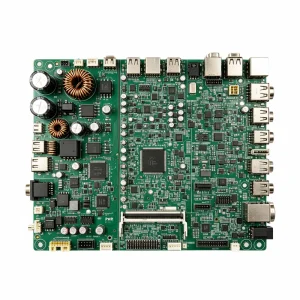
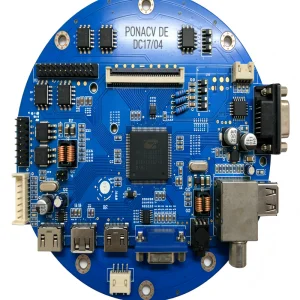
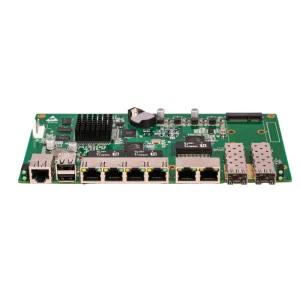
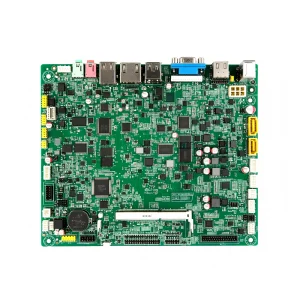
Additional Product Platforms
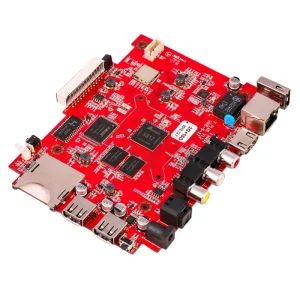
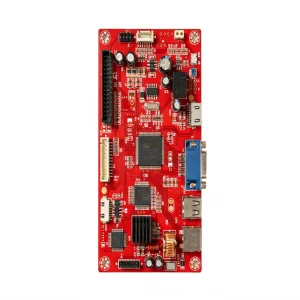
More Europe-Ready PCBA Assemblies: Final 8 Product Platforms
These additional platforms cover sensing, medical monitoring, security, consumer audio, medical power, LED backlighting, digital radiography and smart access — all relevant to European OEMs building differentiated connected products.
Next Step
Planning Your Next Europe-Focused PCBA Build?
Get the capability catalog with PCB fabrication options, assembly processes, testing methods and industry references — then ask for an NDA-backed RFQ review with an STHL engineer.
Talk to a PCBA Engineer
Share Gerber, BOM, centroid, testing requirements and target quantities. Ask for DFM feedback, component risk notes and a clear path from prototype to repeat production.
Europe-focused RFQ checklist
For a faster quotation, prepare Gerber, BOM, centroid, assembly drawings, test specification, firmware files, target quantity, annual forecast, destination country and any compliance or PPAP/FAI requirement. STHL can sign an NDA before RFQ and review the project under controlled data access.
Request a CatalogShenzhen STHL Electronics Co., Ltd. · B4, AnLe Industrial Zone, No.172 Hangcheng Blvd, Bao'an Xixiang District, Shenzhen, 518126 China
