PCB & Assembly Products for Real-World Hardware Programs
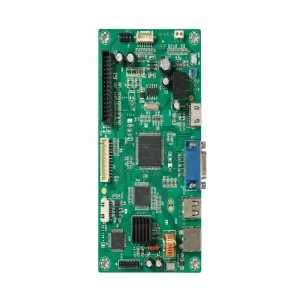
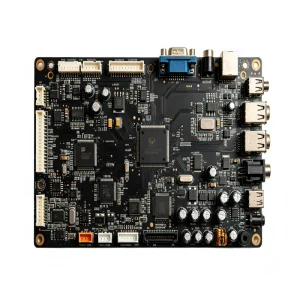
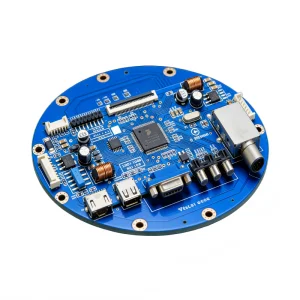
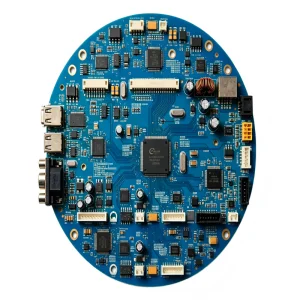
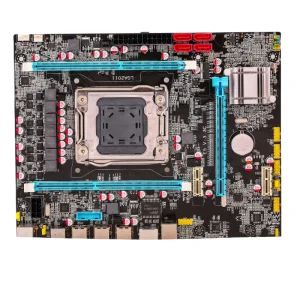
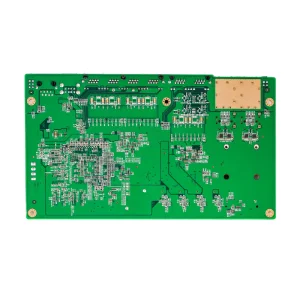
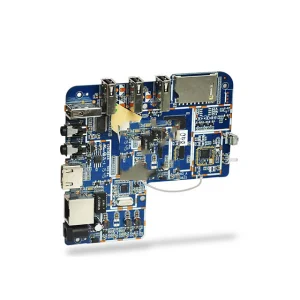
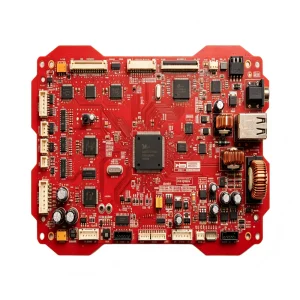
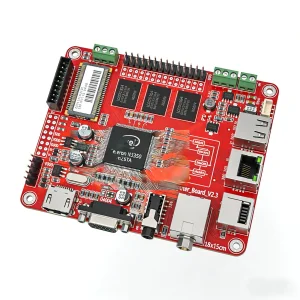
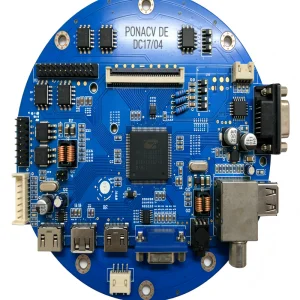
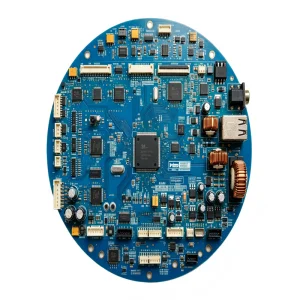
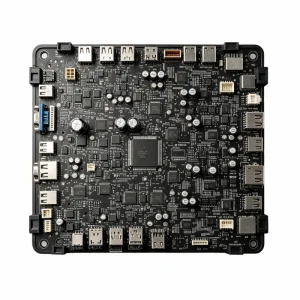
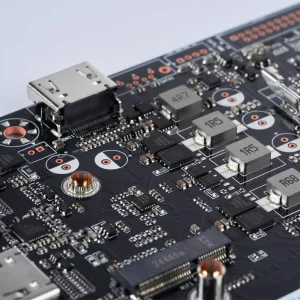
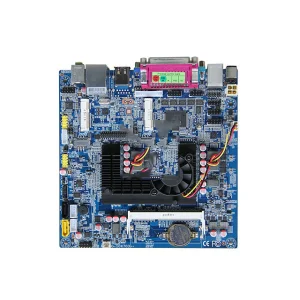
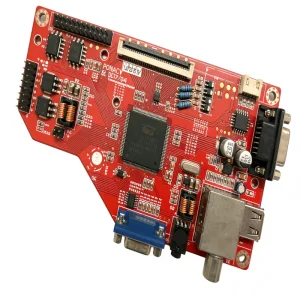
The product cards below preserve the original STHL product links and images. They illustrate the breadth of a high-mix PCBA portfolio, from VoIP phones and battery chargers to medical scanners, modems, power supplies, communication boards, sensors, LED backlights, GPS receivers, security lighting, in-vehicle Bluetooth devices, smart speakers, smartphones, and head-up displays.
Why “Top 10” Is Now a Question of Capability, Not Only Price
For procurement teams, the search for a PCB and assembly partner has changed. In the past, a buyer could compare quotations on board size, layer count, component cost, and lead time. Today, the stronger question is whether a manufacturer can support the entire product lifecycle: engineering review, component risk, traceability, compliance evidence, change management, mass production, box build, and after-sales responsiveness.
This is especially true for global OEMs managing high-mix, low-volume programs alongside volume production. A supplier that can move from prototype to pilot run to repeat production without changing process ownership reduces hidden cost. That hidden cost often appears as engineering rework, delayed NPI, component shortages, inconsistent inspection records, or compliance gaps that only surface during a customer audit.
Based on the operational profile described by Shenzhen STHL Electronics Co., Ltd., this guide uses a 10-point evaluation framework and adds procurement signals, macro industry solutions, localization support, compliance checks, a technical roadmap, and a practical FAQ. The goal is information gain: not just a list of names, but a usable decision model for qualifying a PCB assembly manufacturer in China or any other region.
1. Certified Quality Systems
IATF 16949, ISO 13485, ISO 9001, and ISO 14001 should be more than logos. Buyers should check scope, certificate validity, audit readiness, and how the quality system is actually used on the production floor.
2. DFM & NPI Engineering
A capable partner reviews Gerber, BOM, centroid, assembly drawings, and test requirements before material is ordered. Early DFM feedback prevents footprint errors, tombstoning, thermal issues, and avoidable re-spins.
3. SMT, THT & BGA Capability
Fine-pitch SMT, through-hole, mixed-technology, BGA, and rigid-flex or HDI boards demand different process controls. Capacity should match the actual technology roadmap, not only today’s prototype.
4. Component Sourcing Risk
Turnkey sourcing needs BOM scrubbing, approved alternates, supplier qualification, moisture-sensitive device control, and traceability from reel to finished board to reduce counterfeit and shortage risk.
5. Inspection, Test & Traceability
AOI, X-ray, ICT, functional test, IC programming, and MES/ERP records allow a buyer to verify what was built, when, with which lot, and against which revision.
6. Supply-Chain Resilience
Global procurement teams now ask how shortages, obsolescence, allocation, and logistics disruptions are handled. A strong partner provides visibility and documented mitigation, not last-minute surprises.
7. IP Protection & NDA
Design files and firmware are high-value assets. NDA-first RFQs, restricted project access, and controlled data sharing are essential before transferring Gerber and BOM packages.
8. Localization Support
Local support does not always mean a local factory. It means clear English communication, time-zone-aware project management, export documentation, shipping coordination, and audit support.
9. Scalability to Box Build
Prototype-friendly suppliers should also be able to scale into volume, cable assembly, enclosure integration, packaging, and final test without fragmenting accountability.
10. Environmental Compliance
RoHS, halogen-free options, waste control, and ISO 14001 processes increasingly appear in supplier scorecards, especially for European and North American enterprise buyers.
PCB & Assembly Trends Reshaping Global Procurement in 2026
Semantic search and buyer intent have shifted from “PCB assembly manufacturer” to more precise questions: Who can handle IATF 16949 automotive electronics? Who has ISO 13485 medical process control? Who can support flexible volumes without MOQ? Who can prove component traceability? Who offers fast NPI and box build? These are the questions that define a modern supplier shortlist.
High-Mix, Low-Volume NPI
Product teams are launching more variants and more frequent revisions. Manufacturing partners must support quick changeovers, small batches, and engineering feedback without treating prototypes as an exception.
Miniaturization & Advanced Boards
HDI, rigid-flex, fine-pitch BGA, high-Tg materials, heavy copper, and thermal management are becoming mainstream. Process capability must be verified with inspection data and not only sales claims.
Digital Traceability
ERP and MES adoption lets buyers see production status, lot records, test results, and revision control. Traceability is a quality tool and a commercial advantage when audits or recalls occur.
Regionalization & Compliance
Tariffs, export controls, environmental rules, and supply-chain diversification have made compliance documentation and dual-source planning part of every serious PCBA RFQ.
Figures are based on the company profile and production information published by Shenzhen STHL Electronics Co., Ltd. Buyers should validate current capacity, certificate scope, and delivery commitments during supplier qualification.
What Global Enterprise Buyers Really Need from a PCBA Partner
Large buyers rarely purchase a bare board in isolation. They purchase certainty: certainty that the BOM is genuine, the assembly is repeatable, the test coverage is adequate, the documentation is complete, and the supplier can communicate during a problem. That is why the most competitive PCBA manufacturers invest in engineering, quality systems, and supply-chain visibility rather than only SMT line speed.
In Europe and North America, procurement teams often need a China PCBA manufacturer that can act as an extension of their engineering team. They ask for DFM feedback before tooling, alternate parts during allocation, functional test support, export-ready packaging, and audit evidence. They also expect suppliers to protect IP through NDAs and data controls. STHL’s stated capabilities—including 100+ sourcing agents and suppliers, 500,000+ part numbers, seven SMT lines, two DIP/THT lines, two functional test lines, two box build lines, and an in-house R&D laboratory—map directly to these requirements.
The best RFQ process compares total cost of ownership, not only unit price. A lower quotation can become more expensive if it causes a late launch, a failed compliance audit, a counterfeit component incident, or a production stop. Buyers should score suppliers on engineering response time, defect containment, traceability, change control, documentation, and escalation discipline.
Engineering Depth
Ask who reviews the BOM, who owns DFM feedback, and how changes are controlled. A written engineering workflow is more reliable than a verbal promise.
Quality Evidence
Request inspection reports, AOI and X-ray capabilities, functional test procedures, lot traceability, and corrective-action examples from similar projects.
Component Assurance
Confirm incoming inspection, supplier qualification, alternate-part approval, and lifecycle management for long-term production programs.
Global Delivery
Check export experience, packaging standards, shipment documentation, and support for customers in 90+ countries and regions.
PCB Assembly for Demanding Industries and Application Segments
Different markets require different controls. Medical electronics may need ISO 13485 process discipline and lot traceability. Automotive modules may need IATF 16949 alignment and robustness against heat, vibration, and long-term reliability. Industrial control products may need conformal coating and wide-temperature components. Communication and consumer products may prioritize miniaturization, RF performance, and cost engineering. A capable PCBA partner should map process controls to the application, not apply one generic flow to every product.
Medical & Healthcare
Monitoring, diagnostic, and wearable devices require documented process control, traceability, and careful handling of critical components. ISO 13485 systems support medical device customers.
Automotive Electronics
Control modules, lighting, charging, and in-vehicle electronics demand robust assembly, inspection, and change control aligned with IATF 16949 expectations.
Industrial Control
PLCs, drives, sensors, and automation equipment benefit from conformal coating, wide-temperature BOM planning, and functional test coverage.
Communication & Networking
Modems, VoIP phones, RF boards, and communication PCBA applications require controlled impedance, fine-pitch assembly, and test discipline.
Consumer & Smart Home
Smart speakers, chargers, LED modules, and connected devices need cost engineering, fast NPI, and scalable assembly from prototype to volume.
Energy, LED & Power
Power supplies, LED backlights, security lighting, and energy products require thermal awareness, safety spacing, and reliable solder joints.
From NDA to Export Documentation: Reducing Cross-Border Friction
Localization support is often misunderstood. It does not require a factory in every market. It requires a supplier that can operate in the buyer’s language, understand regional compliance expectations, provide audit-ready records, and ship with predictable documentation. For a Shenzhen-based EMS partner, that means English-speaking project communication, NDA-first RFQ handling, RoHS-compliant assembly, and support for factory visits or remote audits.
Compliance also includes environmental management. ISO 14001 certification signals a structured approach to environmental controls, while RoHS-compliant assemblies help buyers meet market access requirements. Medical and automotive customers should go further and verify certificate scope, process validation, traceability, and change notification procedures. The most reliable approach is to request evidence before the first purchase order and to include quality agreements, revision controls, and escalation paths in the supplier contract.
NDA-First IP Protection
Sign an NDA before sharing Gerber, BOM, firmware, or test procedures. Limit project access to the assigned engineering team and maintain revision control.
Audit-Ready Certifications
IATF 16949, ISO 9001, ISO 13485, and ISO 14001 certificates should be checked for scope, expiry, and relevance to the actual production site.
Export & Logistics Support
Packaging, labeling, commercial invoices, traceability records, and shipping coordination reduce delays for customers in 90+ regions.
Factory Audit & VR Review
On-site visits and 360-degree virtual factory tours help procurement and quality teams pre-qualify a supplier before committing to volume.
Technical Roadmap and Future Outlook for PCB Assembly
The next stage of PCBA competition will be shaped by three forces: product complexity, supply-chain transparency, and sustainability. Products are becoming denser, faster, and more connected. Buyers are demanding digital records and faster engineering response. Regulators and enterprise customers are asking for environmental and compliance evidence. A manufacturer that invests only in soldering capacity will struggle to support these expectations.
A practical technology roadmap should include advanced board capability, design-for-excellence feedback, digital manufacturing records, test coverage, and sustainable materials. For buyers, the roadmap is a qualification checklist: Can the supplier support the next revision of the product? Can it handle a tighter pitch, a new package, a higher layer count, or a new compliance requirement without changing the quality system?
Advanced Board & Package Support
HDI, rigid-flex, fine-pitch BGA, heavy copper, high-Tg, ceramic, and halogen-free boards require controlled processes and inspection capability.
Design for Excellence
DFM, DFT, and DFA feedback reduces rework, improves test access, and lowers total cost. The earlier the engineering review, the greater the benefit.
Smart Factory Traceability
ERP and MES records, AOI and X-ray data, and lot-level traceability create a digital thread from incoming material to final shipment.
Sustainable Manufacturing
ISO 14001 systems, RoHS compliance, waste reduction, and energy management are becoming part of supplier scorecards and customer requirements.
From Gerber Files to Global Shipment in Six Steps
A transparent process lowers risk for both engineering and procurement. The following six steps reflect the typical flow described by STHL and can be used as a checklist when comparing PCB assembly manufacturers.
DFM & BOM Review
Engineering checks Gerber, BOM, centroid, and assembly drawings for manufacturability, footprint errors, end-of-life parts, and test access before materials are ordered.
Component Sourcing
Parts are purchased through qualified agents and suppliers, inspected on receipt, and controlled for moisture sensitivity and traceability.
PCB Fabrication
Bare boards are produced to the approved stack-up, surface finish, impedance, and material requirements, from single-layer to HDI and rigid-flex.
SMT & THT Assembly
Seven SMT lines and two DIP/THT lines support fine-pitch, BGA, mixed-technology, prototype, and volume production.
Inspection & Testing
AOI, X-ray, ICT, functional test, IC programming, and conformal coating are recorded to support quality verification and traceability.
Box Build & Delivery
Cable assembly, enclosure integration, ESD-safe packaging, and export coordination support shipment to customers in 90+ countries and regions.
Why Global OEMs Choose STHL for Turnkey PCBA and EMS
Shenzhen STHL Electronics Co., Ltd. is a certified electronics manufacturing services and ODM provider founded in 2006. The company reports 220+ staff, including 50+ engineers, a 10,000 m² facility, an in-house R&D laboratory, seven SMT lines, two DIP/THT lines, two functional test lines, and two box build lines. It serves customers in the USA, Germany, Italy, the UK, Poland, New Zealand, Brazil, and 90+ other regions.
For buyers, the value is one accountable workflow: PCB layout support, component sourcing, PCB fabrication, SMT/THT assembly, cable assembly, testing, and box build. STHL also reports no MOQ, NDA before RFQ, ERP and MES tracking, and a 99.5% on-time delivery target. These capabilities are not a substitute for buyer due diligence, but they provide a concrete basis for evaluating fit.
Certified Systems
IATF 16949, ISO 9001, ISO 14001, and ISO 13485 systems support automotive, industrial, medical, and general electronics programs.
Component Reach
100+ agents and suppliers covering 500,000+ part numbers, with incoming inspection and reel-to-board traceability.
High-Mix Production
Prototype, low-volume, and high-volume assembly in one factory, supported by engineering review and functional test.
Global Support
Export experience, English communication, factory visits, and a 360-degree virtual tour for remote evaluation.

Quality and Environmental Certifications Buyers Can Verify
Certifications are most useful when buyers check scope, validity, and relevance to the production site. The certificate images below are retained from the original STHL content and can be opened in full size for review.

ISO 9001
Quality Management System

IATF 16949
Automotive Quality Management

ISO 13485
Medical Devices Quality Management

ISO 14001
Environmental Management System
What Engineers and Buyers Say About STHL
Customer feedback can reveal how a supplier behaves under real project pressure. The testimonials below are retained from the original content and reflect comments from engineers, designers, and business owners in the United States, Germany, Italy, Brazil, Turkey, New Zealand, the United Kingdom, and Romania.
“Excellent team to work with and fast delivery with high-quality boards. We are very happy to work with such a good supplier. Thanks again.”

“Please extend my thanks to your team for your hard work in preparing these samples. This positive experience has strengthened my confidence in your company, and I'm looking forward to discussing bulk orders in the near future.”

“We are satisfied with the last order. You did a great job on those boards and the lead time was short. I will place a new order soon.”

“The order was perfect — exactly as specified with top quality. Highly recommend this reliable supplier.”

“Exciting! Very fast delivery, a professional supplier and a professional product. We will place a new order very soon!”

“We have tested all the boards and I am highly pleased. I will repeat my order soon. Thank you again for your excellent service.”

“It's always a pleasure ordering. Very professional team and good quality — thanks for your great service.”

“Satisfied with the sample products delivered. Very good product, quick delivery and a good understanding of my requirements.”

“The supplier's professionalism is evident in their seamless communication, efficient processing and reliable service. They are a trustworthy and commendable partner.”

PCBA Insights and Factory News
Supplier capability is also visible in how a factory communicates. These updates from STHL’s original content show customer visits, traceability practices, and lead-time factors that matter to international buyers.


STHL Hosts Two German Visitors for an SMT, THT and Material Preparation Walkthrough
Read more →
STHL PCBA Component Traceability: From Incoming Reel to Finished Board
Read more →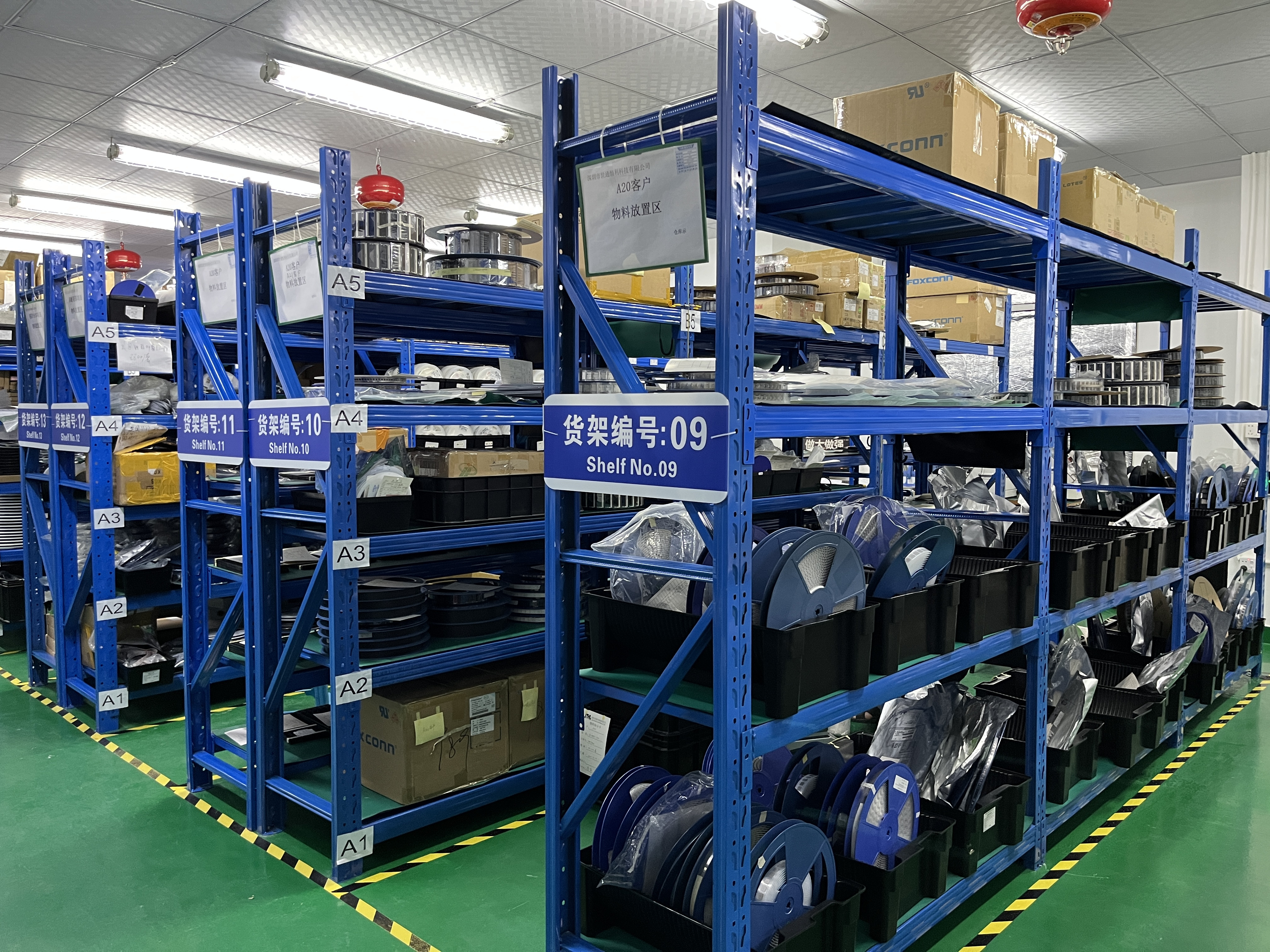
PCBA Lead Time: Where the Days Go Between Purchase Order and Shipment
Read more →Brands, Supply-Chain Partners, and Sourcing Channels
Long-term relationships with brands and component distributors can support BOM authenticity, availability, and traceability. The logos below retain the original partner and sourcing-channel images supplied in the source content.































PCBA Sourcing FAQs for Overseas Buyers
These answers combine the original STHL FAQ with additional buyer-intent questions that procurement and engineering teams commonly ask during supplier qualification.
What files do I need to submit for a PCBA project?
Send Gerber files, a BOM with manufacturer part numbers, the pick-and-place centroid file, and assembly drawings. If you need IC programming or functional testing, include firmware and test procedures. A DFM and BOM review should be completed before production starts.
Is there a minimum order quantity?
STHL accepts prototype, low-volume, and high-volume PCB assembly orders. A no-MOQ policy helps buyers validate a design and scale to mass production with the same supplier, subject to component availability and process review.
Can STHL source all the electronic components?
Full turnkey, partial turnkey, and consigned assembly are available. The sourcing team works with 100+ agents and suppliers covering more than 500,000 part numbers, with incoming inspection and traceability from reel to finished board.
Which quality certifications does STHL hold?
STHL is certified to IATF 16949, ISO 9001, ISO 14001, and ISO 13485, and produces RoHS-compliant assemblies. Boards can be verified with AOI, X-ray, ICT, and functional testing according to project requirements.
How do you protect our design files and IP?
An NDA is signed before RFQ, project data is restricted to the assigned engineering team, and builds are tracked through ERP and MES systems. Buyers should still confirm current data-security and access-control practices during onboarding.
Can we audit or visit the factory?
Yes. Customers are welcome to visit the Shenzhen factory and R&D laboratory, and a 360-degree virtual factory tour is available for remote evaluation. Audits should be scheduled in advance to align the right engineering and quality contacts.
How should OEMs compare PCB assembly quotes beyond unit price?
Compare DFM quality, component sourcing risk, test coverage, traceability, change control, compliance evidence, lead-time reliability, packaging, and communication. A lower quote can create higher total cost if it causes rework, delays, or audit findings.
What is the difference between turnkey, partial turnkey, and consigned PCBA?
Turnkey means the manufacturer sources components and builds the board. Partial turnkey splits sourcing between the buyer and supplier. Consigned assembly means the buyer supplies most or all components. Each model changes risk, traceability, and working-capital requirements.
How do you handle component shortages and obsolescence?
Ask for BOM scrubbing, approved alternates, lifecycle monitoring, supplier qualification, and documented change approval. For long-term programs, buyers should require notification before a part or process change and keep a validated alternate strategy.
Planning Your Next PCB Assembly Build?
Get the capability catalog with PCB fabrication options, assembly processes, testing methods, and industry references. Share Gerber, BOM, and test requirements under NDA to receive an engineering review and a practical next-step proposal.
Additional PCB & Assembly Products
The final eight product cards preserve the remaining original STHL product links and images, completing the full set of sixteen product references from the source content.