Integrated Cable Assembly & PCBA Platforms for Global OEM Programs
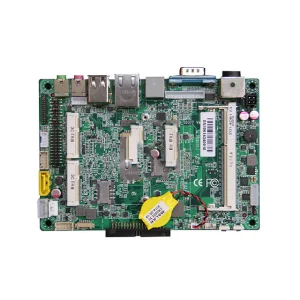
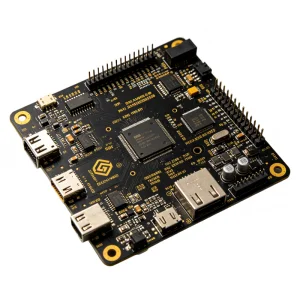
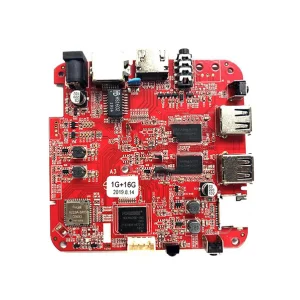
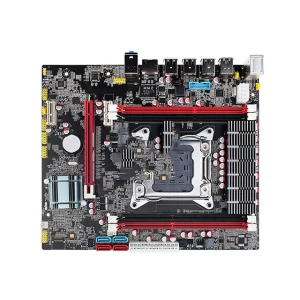
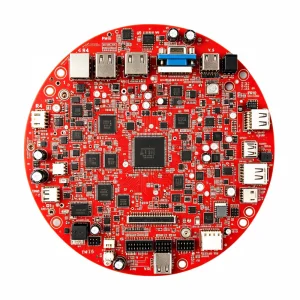
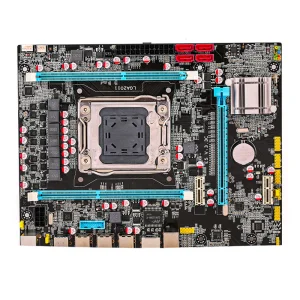
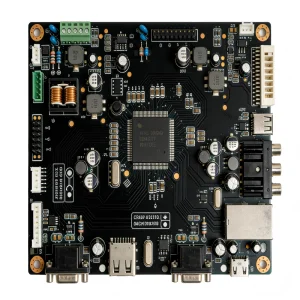
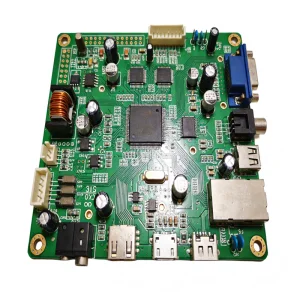
The first eight product references below preserve the original STHL PCBA images and hyperlinks. They illustrate the adjacent electronics, power, display, monitoring and control platforms that often require matched cable assemblies, wire harnesses, connector overmolding, test fixtures and box-build integration.
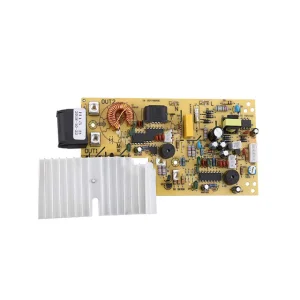
Custom New Energy Vehicle On-board Charging Equipment PCB Assembly in China, Manufacturers
View product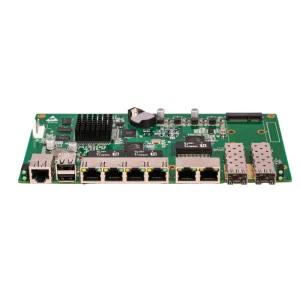
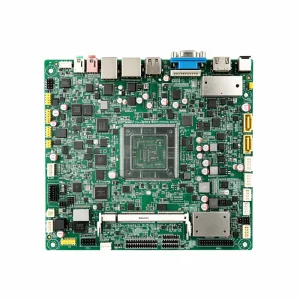
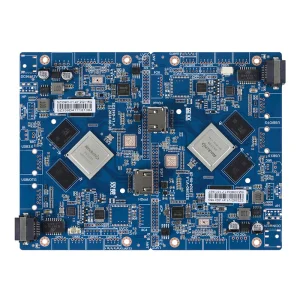
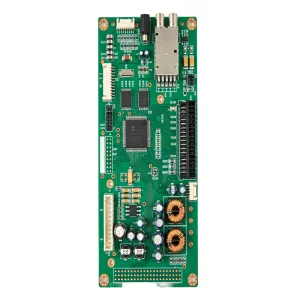
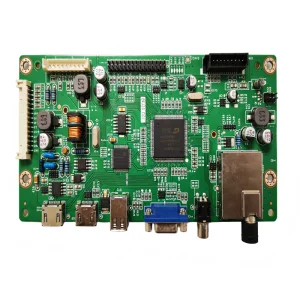
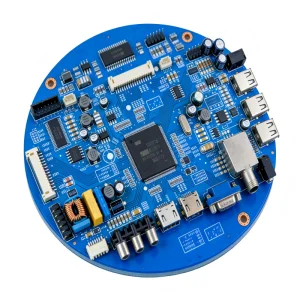
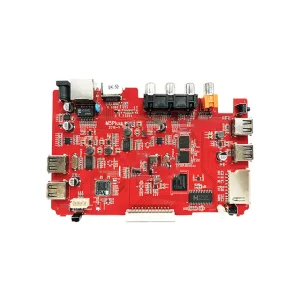
All images are displayed with object-fit contain behavior so the original product proportions remain complete and uncompressed.
What “Top 10 Industrial Cable Assemblies Manufacturer & Supplier” Really Means for Buyers
Most buyers searching for a Top 10 Industrial Cable Assemblies Manufacturer & Supplier are not collecting names for a popularity contest. They are trying to reduce technical, commercial and compliance risk before awarding a production program. An industrial cable assembly can look simple in a drawing, yet it may carry high voltage, safety-critical signals, continuous flex, chemical exposure, vibration, EMI, washdown or sterilization requirements. The supplier’s ability to control crimp height, pull force, seal integrity, connector provenance, routing, labeling, test data and change notification is often more valuable than a lower unit price.
A reliable shortlist should therefore be treated as a qualification framework, not a directory ranking. The strongest partners combine engineering review, global component sourcing, documented process control, scalable production and local support. They can move from prototype samples to repeat mass production without re-learning the product, and they can supply cable assemblies alongside PCB assembly, IC programming, conformal coating, testing and box build. This integrated model reduces coordination risk when a finished system includes both boards and harnesses.
Shenzhen STHL Electronics Co., Ltd. is useful reference context for this evaluation. Since 2006, STHL has provided EMS and ODM services from Shenzhen, China, with 220+ staff, 50+ engineers, a 10,000 m² facility and a certified quality system covering IATF 16949, ISO 9001, ISO 14001 and ISO 13485. Its documented capabilities include 7 SMT lines, 2 DIP/THT lines, 2 functional test lines, 2 box-build lines, an in-house R&D laboratory, AOI, X-ray, ICT and functional testing, ERP/MES tracking, NDA-before-RFQ support and no MOQ for prototype or volume orders. These capabilities matter because industrial cable assemblies are rarely isolated parts; they are part of a controlled electronics supply chain.
- Confirm process capability with evidence: crimp cross-sections, pull-test records, first article inspection and test logs.
- Check connector and wire sourcing: authorized channels, alternates, lifecycle status and lot traceability.
- Require documented compliance: IPC/WHMA-A-620 where applicable, RoHS, REACH, UL/IEC references, PPAP/FAI and CoC.
- Evaluate the total landed cost: scrap, rework, freight, debugging, downtime and engineering change risk.
What a serious supplier should show you
Ask for the documents that prove the process — not only the certificate wall. A mature cable assembly supplier can provide controlled drawings, BOM scrubbing, DFM/DFA feedback, material declarations, sample validation reports, traceability records and a clear change-notification workflow.
Manufacturing Metrics Behind a Reliable Cable Assembly Supplier
Capacity is only credible when it is backed by process discipline. The figures below reflect STHL’s published EMS/PCBA operating profile and show why an integrated cable assembly and electronics partner can shorten qualification and reduce supply-chain friction.
For cable assembly programs, these capabilities connect directly to practical controls: approved connector sourcing, traceable wire and terminal lots, controlled stripping and crimping, pull-force verification, continuity and hipot testing, labeling, packaging and shipment documentation.
Industrial Cable Assembly Trends Shaping 2026–2032 Procurement
Industrial cable assemblies are becoming more electrical, more digital and more application-specific. Demand is moving toward high-mix programs that still require automotive-level discipline, medical-grade traceability and industrial durability. A supplier that cannot support both NPI and volume production will eventually slow the program.
Electrification and high-voltage architectures
EV charging, battery energy storage, on-board charging and power distribution systems are pushing cable assemblies toward higher voltage, greater creepage and clearance control, shielded constructions, thermal management and stricter safety documentation. Buyers increasingly require hipot testing, insulation resistance records, keying and color-coding discipline, high-voltage interlocks and lot-level traceability. The cable assembly supplier must work closely with the PCBA and enclosure design teams to avoid late-stage fit, EMI or serviceability problems.
Automation, robotics and continuous flex
Factory automation, packaging equipment, collaborative robots and motion systems demand continuous-flex or torsion-rated cables that survive millions of cycles. The critical variables include conductor stranding, jacket material, bend radius, strain relief, connector retention and routing inside the machine. Procurement teams should ask for flex-life test data, not only a wire datasheet. A capable supplier will review the cable’s real duty cycle and propose a construction that balances flexibility, shielding and cost.
Renewable energy and energy storage
Photovoltaic monitoring, wind power controllers, inverters and battery storage systems operate outdoors, often under UV, humidity, salt fog or temperature cycling. Industrial cable assemblies for these markets need IP-rated connectors, robust overmolding, strain relief, chemical compatibility and reliable sealing. Suppliers serving renewable energy should also provide material declarations, RoHS/REACH compliance and packaging suitable for field installation.
Medical devices and wearables
Medical cable assemblies require clean documentation, lot traceability, controlled changes and often fine-wire or micro-coaxial construction. Devices such as patient monitors, diagnostic imaging systems, body temperature monitors and wearable sensors require consistent insertion force, reliable shielding and compatibility with cleaning or sterilization processes. ISO 13485-controlled suppliers can align cable assembly records with device history requirements and support validation samples without creating a parallel quality system.
Data center, telecom and high-speed signals
Data centers, network switches, PDU units and smart displays require cable assemblies that preserve signal integrity while supporting efficient assembly and service. Impedance control, crosstalk, shielding, connector quality and cable routing become more important as bandwidth increases. Design teams should involve the harness supplier early enough to review connector footprint, strain relief, cable exit direction, labeling and test coverage before tooling is released.
Sustainability, compliance and supply resilience
Global OEMs now ask for RoHS and REACH declarations, low-smoke halogen-free options, recycled or lower-carbon material proposals and packaging reduction. At the same time, connector shortages and allocation cycles have made dual sourcing and approved alternates essential. The best cable assembly manufacturers maintain strong distributor relationships, inspect incoming material, control counterfeit risk and provide change notification before a substitute part enters production.
The common thread is not simply “more cable.” It is more evidence, more customization and tighter integration between cable assembly, PCB assembly and final box build.
Macro Industry Solutions for Industrial Cable Assemblies
Global enterprises increasingly buy cable assemblies as a service: design support, sourcing, qualification samples, serial-production control, testing, packaging and logistics. The application determines the acceptance criteria, and the supplier must translate those criteria into drawings, work instructions and test fixtures.
Industrial automation & controls
Robust harnesses for PLCs, sensors, motor drives, safety circuits and control cabinets. Priorities include vibration resistance, strain relief, clear labeling and repeatable crimp quality. Explore industrial control PCBA.
EV, charging & mobility
High-voltage and signal harnesses for charging equipment, battery monitoring, lighting and in-vehicle electronics. Requirements include creepage, keying, hipot testing and IATF-aligned change control. Review automotive PCBA capabilities.
Renewable energy & storage
PV module monitoring, wind controllers, inverters and energy storage systems need sealed connectors, UV-resistant materials and field-ready packaging. See energy PCB assembly solutions.
Medical & diagnostics
Monitoring, imaging, temperature measurement and wearable devices require fine-wire handling, controlled documentation and ISO 13485 alignment. Explore medical PCBA solutions.
Data center & communications
Network switches, PDUs, servers and smart displays demand reliable signal integrity, consistent connector assembly and functional test coverage. Review communication PCB assembly.
Smart building & security
Smart wall switches, biometric locks, access control and sensor hubs benefit from compact harnesses, color-coded wiring and high-integrity connector crimps. See safety & security solutions.
Consumer & power electronics
Battery chargers, LED strip lighting, displays and consumer devices need cost-effective wire assemblies with consistent quality and scalable packaging. Explore consumer electronics PCBA.
Aerospace & harsh environments
Shielded, ruggedized and temperature-resistant cable assemblies for demanding equipment, with careful material selection and strict inspection. Review aerospace PCB assembly.
The Top 10 Qualification Criteria for Industrial Cable Assembly Suppliers
Use this framework to compare suppliers consistently. The goal is to identify who can deliver the required quality, documentation and responsiveness at the lowest total risk — not simply who quotes the lowest sample price.
Engineering & DFM review
Can the supplier review drawings, connector choices, routing, bend radius, strain relief and assembly sequence before tooling?
Connector & wire sourcing
Authorized channels, lifecycle checks, approved alternates, incoming inspection and counterfeit-risk control are essential.
Workmanship standards
Clear alignment with IPC/WHMA-A-620 requirements, customer drawings and documented crimp, strip and solder criteria.
Test & traceability
Continuity, hipot, pull force, retention, dimensional checks and lot traceability should be defined before production.
Harsh-environment validation
IP sealing, thermal cycling, vibration, UV, salt fog and chemical resistance should match the real installation environment.
Low-volume flexibility
Prototype and low-volume orders should use the same controlled process as mass production, with no hidden setup penalty.
Compliance & ESG
RoHS, REACH, material declarations, conflict-mineral posture, packaging reduction and environmental management matter.
Localized support
Responsive English communication, time-zone coverage, sample tracking, audit access and flexible shipping terms reduce friction.
Total cost of ownership
Evaluate scrap, rework, test yield, engineering changes, freight, inventory and production line downtime — not only unit price.
Program management
The supplier should control NPI, ECOs, PPAP/FAI, change notification, capacity planning and repeat-order consistency.
Technology Roadmap: Where Industrial Cable Assembly Is Heading
The next competitive advantage will come from digital process control, faster engineering iterations and the ability to integrate cable assemblies into a broader electronics manufacturing flow. The roadmap below is a practical outlook for OEMs planning multi-year supplier agreements.
Digital work instructions and crimp monitoring
More suppliers will connect stripping, crimping, sealing and test stations to MES records. Crimp force monitoring, tooling calibration and operator traceability will become normal expectations for safety-critical harnesses.
AI-assisted inspection and faster changeover
Vision inspection for connector orientation, wire color, label placement and terminal insertion will reduce dependence on manual visual checks. Automated changeover and digital travelers will make high-mix production more economical.
High-voltage and high-speed co-design
As power and data converge, cable suppliers will need earlier collaboration with PCB and enclosure engineers. Impedance, shielding, thermal rise, creepage and serviceability will be optimized together rather than in isolation.
Digital product passport and zero-defect programs
Material declarations, carbon data and full manufacturing history may follow each harness lot. Suppliers with strong MES, supplier quality and data discipline will be better positioned to support traceable, low-waste production.
A future-ready supplier is not necessarily the largest one. It is the one that can turn process data into predictable quality and communicate engineering changes before they become production surprises.
Localized Support and Compliance Assurance for Global Buyers
Industrial cable assembly programs rarely fail because a supplier cannot crimp a terminal. They fail because drawings are unclear, material changes are not communicated, test records are missing or support slows down during qualification. A strong supplier makes the commercial and compliance path as reliable as the manufacturing path.
IP protection and NDA discipline
NDA before RFQ, restricted access to drawings and controlled engineering release help protect customer designs. Project data should be limited to the assigned team and tracked through ERP/MES systems.
Certified quality systems
IATF 16949, ISO 9001, ISO 14001 and ISO 13485 provide a framework for automotive, industrial, medical and environmental requirements. RoHS-compliant assemblies and incoming material controls are baseline expectations.
Documentation and traceability
FAI, PPAP, CoC, test logs, material declarations, label records and lot traceability should be available as part of the approved submission package.
Global logistics support
Export packaging, ESD-safe handling, shipment consolidation, Incoterms support and coordination with PCBA and box-build schedules reduce total landed cost and avoid split shipments.
Responsive engineering communication
Clear English communication, fast RFQ feedback, sample tracking and time-zone-aware project updates are part of localization. Buyers should not have to chase basic status information.
Factory audit and virtual tour
Customers should be able to audit production areas, review equipment and inspect traceability practices. A 360-degree virtual factory tour can pre-qualify a supplier before an on-site visit.
STHL supports customers in the USA, Germany, Italy, the UK, Poland, New Zealand, Brazil and 90+ other regions, with factory visits and audits welcome at any time.
How a Qualified Supplier Controls Cable Assembly from RFQ to Shipment
Every repeatable industrial cable assembly program needs a controlled sequence. The same logic that STHL applies to turnkey PCBA — DFM review, sourcing, assembly, testing and box build — should be visible in the cable assembly workflow.
DFM, DFA and drawing review
Engineers check wire gauge, insulation, connector footprint, crimp tooling, bend radius, labeling and assembly sequence before material is ordered. Ambiguities are resolved before the first sample.
Component and raw-material sourcing
Connectors, terminals, wire, sleeving, heat-shrink and overmolding materials are purchased through approved channels. Incoming inspection checks packaging, quantity, part markings and storage conditions.
Cut, strip, crimp and solder
Work instructions define strip length, crimp height, pull force, solder conditions and tinning requirements. Tooling is calibrated and operators are trained for the specific product family.
Harness assembly and strain relief
Routing, connector insertion, overmolding, sleeving, shielding termination and labeling are controlled according to the drawing. Complex assemblies use fixtures and visual aids to prevent miswiring.
Electrical, mechanical and safety tests
Continuity, hipot, insulation resistance, pull force, retention and dimensional checks are applied where required. Test results are linked to the lot and stored for traceability.
Packaging, box build and shipment
Finished cable assemblies can be integrated with PCBA, enclosures and accessories in a box-build flow. ESD-safe packaging, labels, cartonization and shipment documentation protect the product in transit.
What Global Engineers and Buyers Value in an EMS Partner
Experience is measured by repeat orders, clear communication and production consistency. These representative customer comments from STHL’s original feedback highlight the commercial behaviors that matter alongside technical capability.
Excellent team to work with and fast delivery with high-quality boards. We are very happy to work with such a good supplier. Thanks again.
Please extend my thanks to your team for your hard work in preparing these samples. This positive experience has strengthened my confidence in your company, and I'm looking forward to discussing bulk orders in the near future.
The order was perfect — exactly as specified with top quality. Highly recommend this reliable supplier.
Industrial Cable Assembly & PCBA Sourcing FAQs
These answers address the questions procurement, quality and engineering teams ask before selecting a Top 10 industrial cable assemblies manufacturer and supplier.
What files do I need to submit for a cable assembly or PCBA project?
Is there a minimum order quantity for industrial cable assemblies?
Can a supplier source connectors, wire and electronic components?
Which quality certifications should an industrial cable assembly supplier hold?
How should high-voltage and harsh-environment cable assemblies be validated?
How do you protect our design files and IP?
Can we audit or visit the factory?
What is the difference between a cable assembly and a wire harness?
How can we reduce total cost without compromising quality?
What lead times are realistic for a custom cable assembly program?
Can STHL support both prototype and mass production?
How does STHL control quality from incoming material to shipment?
Planning a Cable Assembly or PCBA Program?
Use STHL as a single, accountable partner for PCB fabrication, component sourcing, SMT/THT assembly, cable and wire harness, IC programming, conformal coating, functional testing and box build. NDAs are available before RFQ, MOQs are flexible, and factory audit support is available for global buyers.
More Industrial Cable Assembly & PCBA Product References from STHL
The final eight references continue the original product set. Each image and hyperlink is preserved, and every product URL is presented with a button-style link for clear mobile and desktop interaction.