
Eight Production-Ready SMT Process Programs
These programs illustrate how experienced surface mount technology process manufacturers translate complex mixed-technology requirements into repeatable production. Each product link is retained below for direct evaluation.
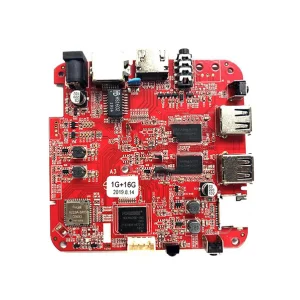
High Quality Network Switch PCB Assembly--STHL Partner, Solutions
High-density networking assemblies with controlled impedance, fine-pitch placement, and inspection strategies designed for stable data throughput.
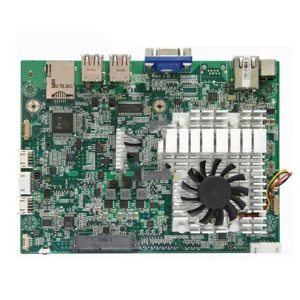
Prototype Water Pollution Early Warning System PCB Assembly Company, Manufacturers
Prototype-to-volume PCBA support for environmental sensing, data acquisition, and remote monitoring hardware with traceable material control.
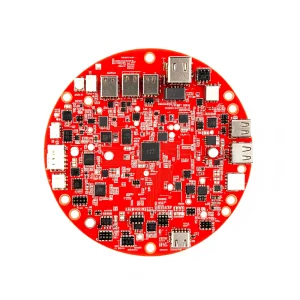
Custom Optical Line Terminal (OLT) PCB Assembly Solutions, Factories
SMT assembly for OLT and optical communication boards requiring high pin-count devices, thermal control, and rigorous functional verification.
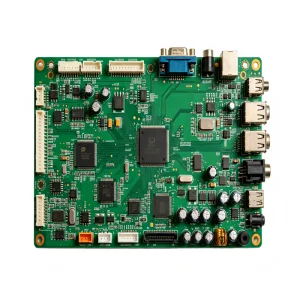
China E-book Readers PCBA Assembly--STHL Partner, Solution Provider
Compact consumer electronics PCBA with power-sensitive layout, mixed SMT/THT assembly, and cosmetics-aware handling for display-related products.
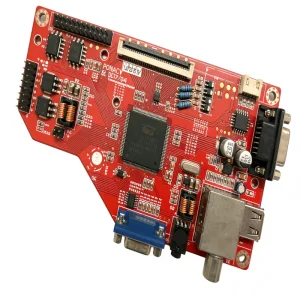
Certified Edge-Lit LED Backlight PCB Assembly--STHL Solution Provider, Manufacturers
Edge-lit LED backlight assemblies with thermal management, brightness consistency, and process controls for display and lighting applications.
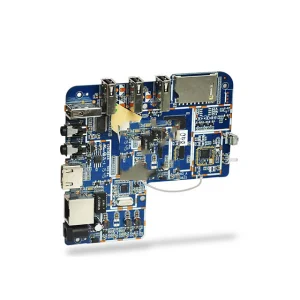
High Quality Online Water Quality Analyzer PCB Assembly Partner, in China
Instrument-grade PCBA for continuous water analysis, featuring low-noise signal paths, environmental protection, and field-serviceable design support.
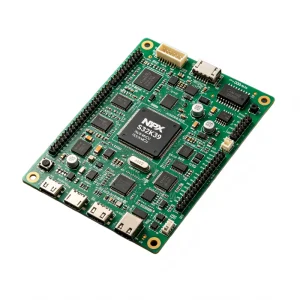
China Top Safety Inspection Equipment PCB Assembly--STHL Service, in China
Reliability-focused assembly for inspection and security systems, with controlled soldering profiles, functional testing, and lot-level traceability.
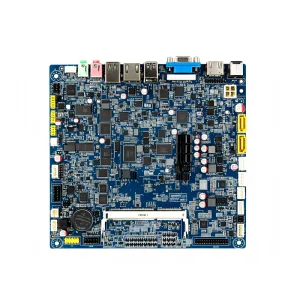
Prototype Router PCB Assembly Service, from China
Prototype router PCB assembly with fast DFM feedback, BGA/fine-pitch capability, and test development support for early network validation.
Why Surface Mount Technology Process Selection Is a Strategic Decision
Surface mount technology is no longer a commodity assembly step. It is a risk-control system that determines whether a product reaches the market with predictable yield, field reliability, and lifecycle cost.
For procurement teams, the phrase “reliable surface mount technology process manufacturers and factories” can produce dozens of apparently similar suppliers. The real difference is rarely visible on a quotation. It appears later: in first-article yield, engineering response time, component traceability, thermal repeatability, moisture-sensitive device control, and how quickly a factory can isolate a defect before it becomes a field return. A capable SMT process manufacturer does not simply place components. It converts design intent into a controlled manufacturing recipe and then proves that recipe with data.
This white paper is written from the perspective of a 20-year electronics manufacturing services partner in Shenzhen. Shenzhen STHL Electronics Co., Ltd. has supported OEMs across the USA, Germany, Italy, the UK, Poland, New Zealand, Brazil, and more than 90 other regions. Our process experience covers high-mix low-volume prototypes, repeat production, BGA and fine-pitch assemblies, rigid-flex boards, box build, and functional testing. The objective is not to repeat generic sourcing advice. It is to provide information gain: practical criteria that help engineering, quality, and supply-chain teams compare SMT factories with greater precision.
What this SMT industry white paper adds
It connects macro industry trends, localized compliance requirements, real application scenarios, technology roadmaps, and factory-level process controls. It also retains the original STHL product series links so buyers can move from strategic evaluation to specific PCBA program review without losing traceability. The content is reviewed from the perspective of the STHL Process Engineering Team and reflects a 10,000+ m² facility, 220+ staff, 50+ engineers, 7 SMT lines, 2 DIP/THT lines, 2 functional test lines, and 2 box build lines.
Where SMT Process Control Creates the Most Value
Different industries demand different evidence. An automotive customer may ask for IATF 16949 discipline and PPAP-style documentation. A medical customer may prioritize ISO 13485 controls and lot traceability. A communications customer may focus on impedance, signal integrity, and thermal behavior.
Automotive & EV Electronics
Battery management systems, on-board chargers, electronic stability programs, DC converters, lighting, and control modules require repeatable high-temperature soldering, traceability, and robust contamination control. IATF 16949 thinking must be visible in process approval, change control, and failure analysis.
Medical & Life Sciences
Glucose monitors, diagnostic instruments, wearable sensors, and monitoring devices demand stable low-defect assembly, clean handling, and documentation that supports ISO 13485 environments. Sterility, biocompatibility, and patient safety start with manufacturing discipline.
Industrial, Energy & Infrastructure
Electric cranes, high-voltage power supplies, water-quality analyzers, safety inspection equipment, and automation controllers often operate where heat, vibration, humidity, and electrical noise are normal. Conformal coating, heavy-copper handling, and functional test coverage become central.
Communications & Smart Devices
Network switches, OLT equipment, routers, e-book readers, smart wall switches, and edge-lit LED backlights depend on fine-pitch placement, high pin-count inspection, and clean RF or high-speed signal execution. DFM feedback before tooling can prevent expensive redesign loops.
The SMT Manufacturing Landscape in 2026
Global buyers are rebalancing cost, resilience, compliance, and speed. The strongest SMT factories are not simply larger; they are more transparent, more digitized, and better at managing mixed demand.
High-Mix, Low-Volume Demand
Product lifecycles are shorter, variants are more numerous, and launch windows are tighter. SMT factories must switch lines efficiently, control setup risk, and preserve first-article quality across small and large batches.
Regionalization & Dual Sourcing
OEMs increasingly combine a China-based manufacturing base with regional inventory, local field support, or secondary supply options. Documentation quality and remote audit capability become part of supplier selection.
Component Volatility & Counterfeit Risk
Allocation cycles, end-of-life notices, and broker-market pressure make sourcing governance essential. Approved suppliers, incoming inspection, moisture-sensitive device control, and reel-level traceability protect production continuity.
AI-Assisted Inspection
AOI, X-ray, and data analytics continue to improve defect detection, but their value depends on process discipline. AI is most useful when solder paste, placement, reflow, and test data are linked in a controlled workflow.
Regulatory Convergence
RoHS, REACH, conflict-minerals, automotive quality, and medical-device expectations increasingly overlap. Suppliers that can map requirements to documented process controls reduce audit friction for global customers.
Sustainability & Energy Efficiency
Low-temperature solders, energy recovery, waste reduction, and cleaner chemical management are moving from optional initiatives to procurement criteria. ISO 14001-aligned systems provide a useful foundation.
Global Manufacturing, Local Accountability
Localized support does not mean a sales office alone. It means engineering response in the buyer’s time zone, documentation matched to regional audits, packaging and logistics aligned with destination requirements, and a clear path for remote or on-site factory verification.
NDA Before RFQ
Design files, BOMs, firmware, and test procedures are restricted to the assigned engineering team. IP protection begins before quotation and continues through ERP/MES project controls.
Regional Compliance Mapping
RoHS-compliant assemblies, documentation for REACH and conflict-minerals requests, and material declarations can be aligned with North American, European, and Asia-Pacific customer requirements.
Audit-Ready Quality Systems
IATF 16949, ISO 9001, ISO 14001, and ISO 13485 systems support automotive, industrial, environmental, and medical customers. AOI, X-ray, ICT, and functional testing provide objective evidence.
Localized Logistics & Field Support
ESD-safe packaging, export documentation, shipment consolidation, and remote 360° factory tours help international buyers qualify a supplier before travel. Factory visits and audits are welcome at any time.
From Prototype to Field Deployment
An SMT process that works in one market may fail in another because of climate, grid stability, serviceability expectations, or certification pathways. These application scenarios show how process choices change with the deployment environment.
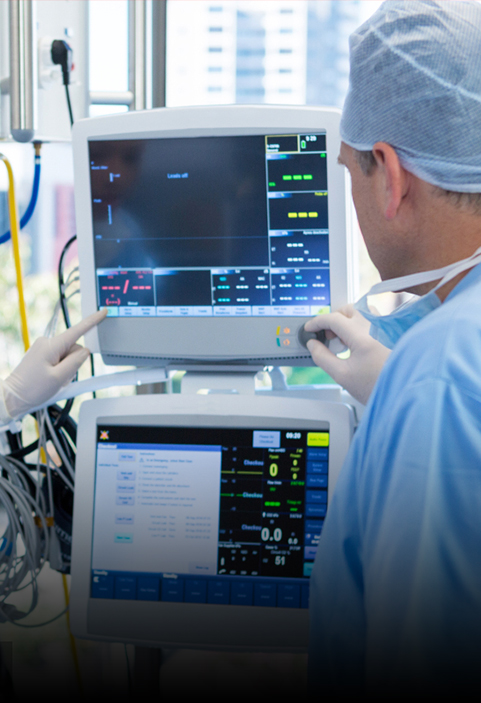
Diagnostics, Monitoring & Wearables
For European and North American healthcare products, process validation, lot traceability, and clean assembly practices matter as much as unit price. ISO 13485-aligned controls support glucose monitors, analyzers, and patient-monitoring hardware.

Charging, BMS, ESP & Power Control
EV on-board charging, battery management, and stability-control electronics require high-reliability joining, thermal management, and change control. IATF 16949 process discipline helps suppliers meet automotive audit expectations.
Switches, Routers, OLT & Storage
High-speed data products depend on impedance control, fine-pitch placement, and reliable inspection of hidden joints. X-ray and functional testing help verify BGA-rich communication boards before deployment.
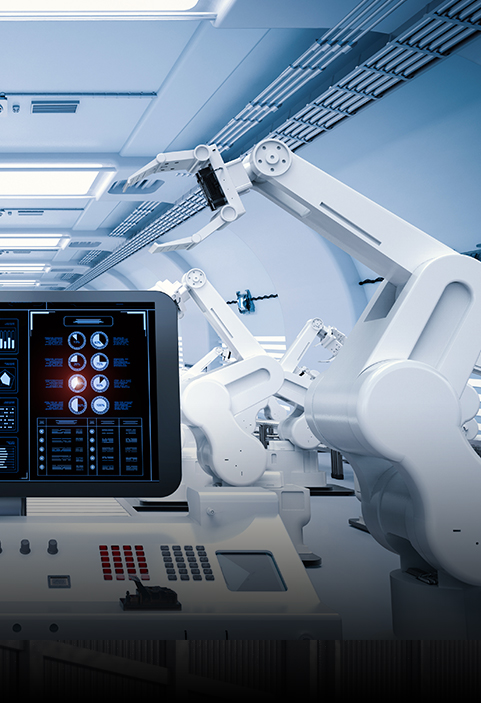
Automation, Energy & Environmental Systems
Industrial controllers, water-quality analyzers, safety inspection equipment, and power supplies often face vibration, humidity, and electrical noise. Conformal coating and robust test coverage improve field resilience.
What the Next SMT Process Cycle Will Demand
The next stage of SMT competitiveness will be defined less by machine count and more by closed-loop data, advanced package capability, and the ability to prove reliability across distributed supply chains.
Miniaturization & Fine-Pitch Stability
01005 and fine-pitch devices, dense boards, and mixed-technology assemblies will continue to challenge solder paste deposition and placement accuracy. Process window studies become a design deliverable, not a production afterthought.
AI-Assisted AOI, X-Ray & Closed-Loop Control
Inspection data will be linked with printer, placement, and reflow parameters. The goal is not autonomous production but faster root-cause isolation and earlier prevention of repeat defects.
Digital Thread & Unit-Level Traceability
Buyers will expect material genealogy, process parameters, operator records, and test results tied to a serialized unit. ERP and MES integration will become a baseline requirement for regulated industries.
Advanced Packaging Convergence
System-in-package, module-level integration, and high-density interconnect will blur traditional PCB assembly boundaries. SMT factories will need stronger engineering collaboration with IC, package, and thermal teams.
Thermal Management & High-Voltage Safety
EV charging, energy storage, industrial drives, and high-voltage power supplies require careful creepage, clearance, thermal via design, and solder void control. Process validation must reflect real operating stress.
Sustainable SMT Manufacturing
Low-temperature solders, energy monitoring, waste reduction, and cleaner material management will influence total cost and compliance. ISO 14001-aligned environmental systems provide a practical starting framework.
20 Years of SMT Process Manufacturing in Shenzhen
Shenzhen STHL Electronics Co., Ltd. is a certified electronics manufacturing services and ODM provider. The factory combines component sourcing, PCB fabrication, SMT/THT assembly, testing, cable assembly, and box build in one accountable workflow.
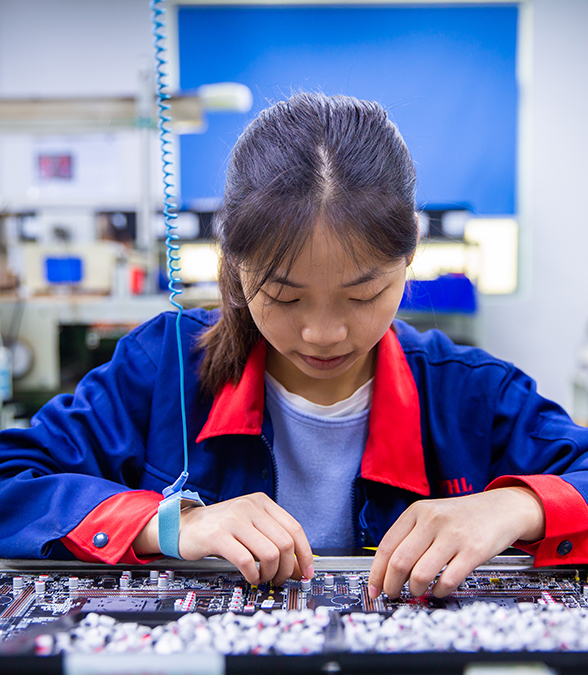
One factory, one controlled workflow
STHL serves OEMs in 90+ regions with a 220+ person team, including 50+ engineers, and a 10,000+ m² facility with an in-house R&D laboratory. The production footprint includes 7 SMT assembly lines, 2 DIP/THT lines, 2 functional test lines, 2 box build lines, and inspection capability spanning AOI, X-ray, ICT, and FCT.
Every build is RoHS-compliant and controlled under IATF 16949, ISO 9001, ISO 14001, and ISO 13485 systems. Customers are welcome to audit or visit the Shenzhen factory at any time, and a 360-degree virtual tour is available for remote evaluation.
Years of EMS & PCBA experience
m² production facility
Professional engineers
Production lines
On-time delivery
Qualified shipment rate
Electronic Components Procurement
Full or partial turnkey sourcing through 100+ agents and suppliers, with BOM scrubbing, alternate-part suggestions, incoming inspection, and reel-level traceability across more than 500,000 part numbers.
PCB Fabrication
Standard, prototype, aluminum, flexible, rigid-flex, HDI, Rogers, ceramic, heavy-copper, high-Tg, and halogen-free boards built to the required stack-up, surface finish, and impedance targets.
SMT & THT PCB Assembly
Prototype, low-volume, and high-volume assembly including fine-pitch, BGA, and mixed-technology boards, verified by AOI and X-ray inspection and supported by disciplined ESD control.
Value-Added Services
PCB layout and design support, IC programming, ICT and functional testing, conformal coating, cable and wire harness assembly, and complete box build for product-level delivery.
From Gerber Files to Global Shipment in Six Controlled Steps
A reliable SMT process factory makes the invisible visible. Every project should move through defined approval points, documented checks, and test evidence before shipment.
DFM & BOM Review
Engineers check Gerber, BOM, and centroid data for manufacturability, footprint errors, and end-of-life parts before any material is ordered.
Component Sourcing
Parts are purchased through approved agents and suppliers, then pass incoming inspection and moisture-sensitive device control.
PCB Fabrication
Bare boards are produced to the required stack-up, surface finish, and impedance requirements, from single-layer to HDI and rigid-flex.
SMT & THT Assembly
7 SMT lines and 2 DIP/THT lines handle fine-pitch, BGA, and mixed-technology boards for prototypes and mass production.
Inspection & Testing
AOI, X-ray, ICT, and functional testing, plus IC programming and conformal coating, with results logged in the MES.
Box Build & Delivery
Cable assembly, enclosure integration, and ESD-safe packaging, shipped to customers in 90+ countries and regions.
Why Global OEMs Choose STHL for PCB Assembly
Measurable capacity, documented quality systems, and engineering support that reduces total cost — not just the unit price.
Dust-Free Smart Factory
10,000+ m² highly automated production space with controlled handling and ESD discipline.
20 Years of Experience
Proven know-how across PCB and PCBA since 2006, from prototype validation to repeat production.
Global Sourcing
500k+ parts through 100+ agents and suppliers, with alternate-part and lifecycle-risk support.
Fully Certified
IATF 16949, ISO 9001, ISO 14001, and ISO 13485 systems with RoHS-compliant assemblies.
ERP & MES Tracking
Real-time production status, lot traceability, and project visibility throughout the build.
Cost-Down Engineering
DFM and BOM optimization by our engineering team to improve yield and reduce avoidable cost.
No MOQ
Prototype and large-quantity orders are both welcome, so teams can validate and scale with the same supplier.
NDA Before RFQ
Your design data and IP are protected from day one through restricted project access.
Fast Delivery
99.5% on-time delivery across global shipments with responsive engineering communication.
Certifications That Support Global Supplier Qualification
Independent third-party audits confirm that STHL processes meet the requirements of automotive, medical, industrial, and environmental customers.

ISO 9001
Quality Management System supporting consistent process control and customer-focused improvement.
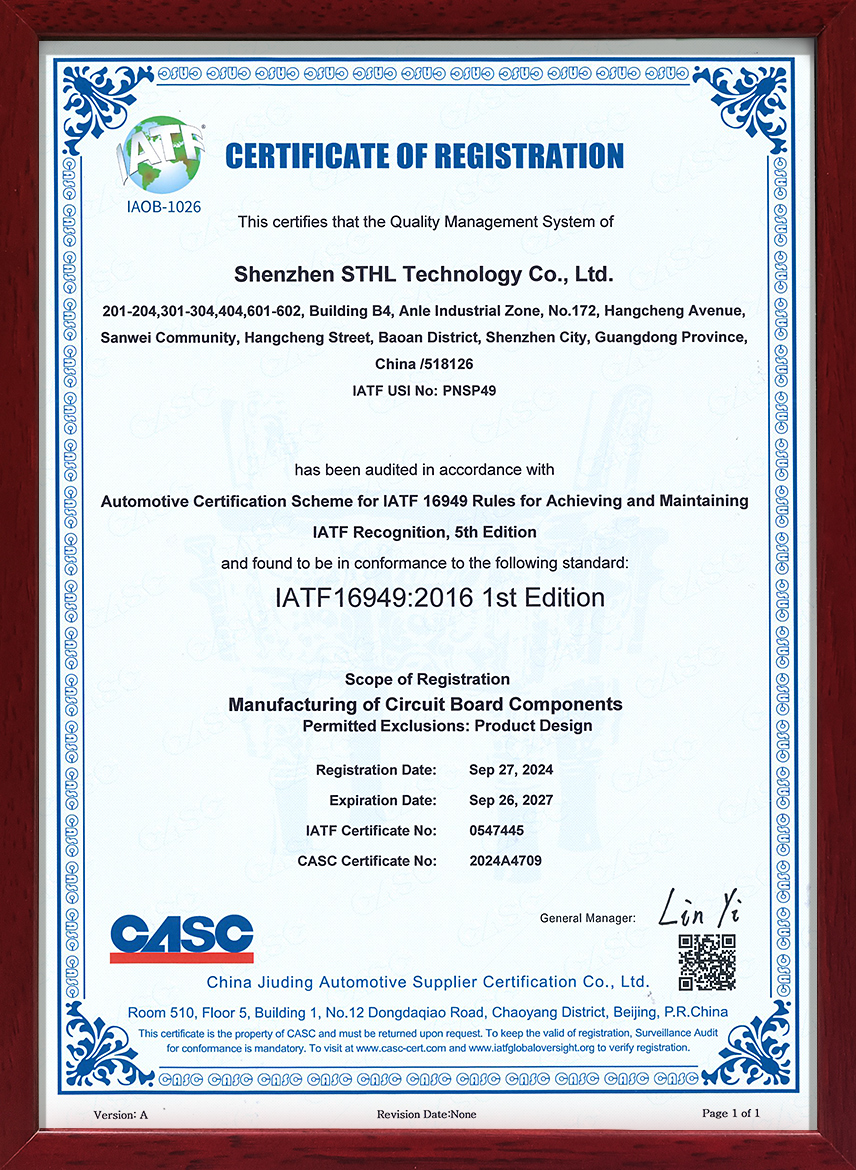
IATF 16949
Automotive Quality Management for control modules, charging electronics, BMS, and related assemblies.
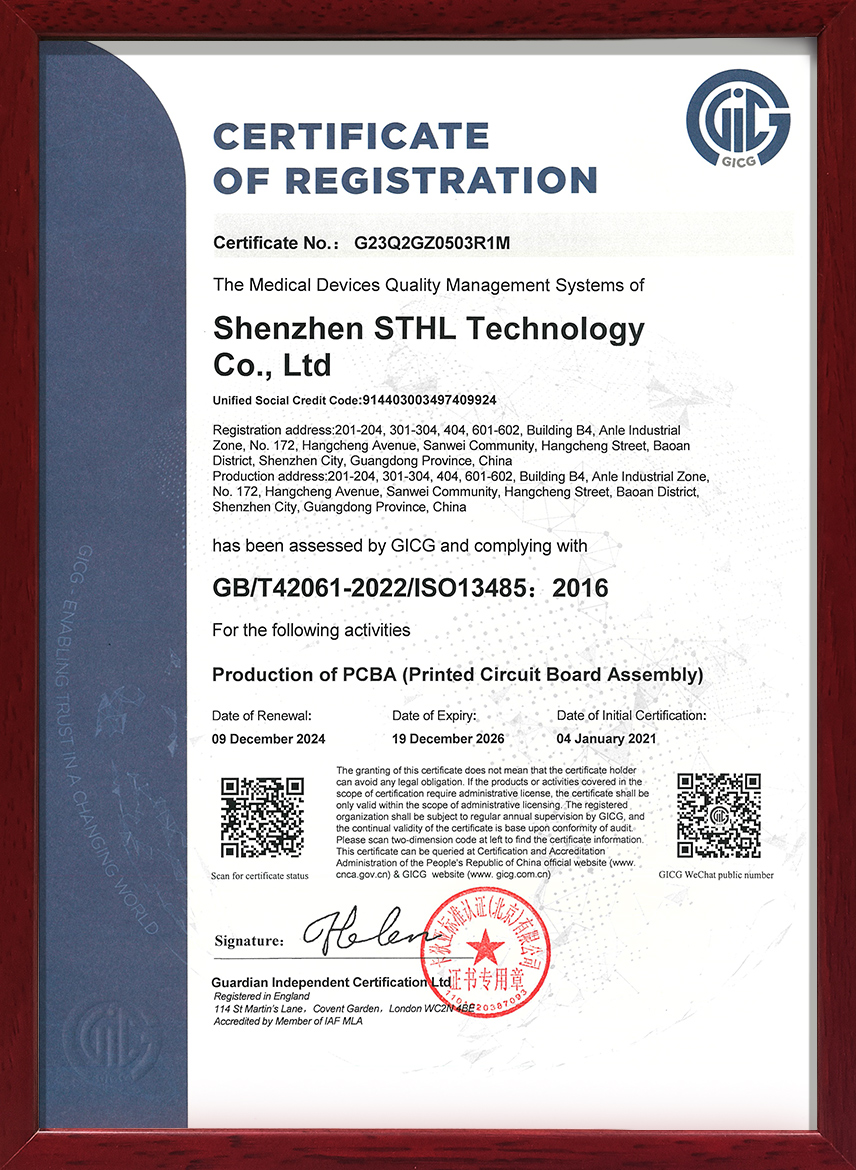
ISO 13485
Medical Devices Quality Management supporting traceability and controlled production for healthcare electronics.
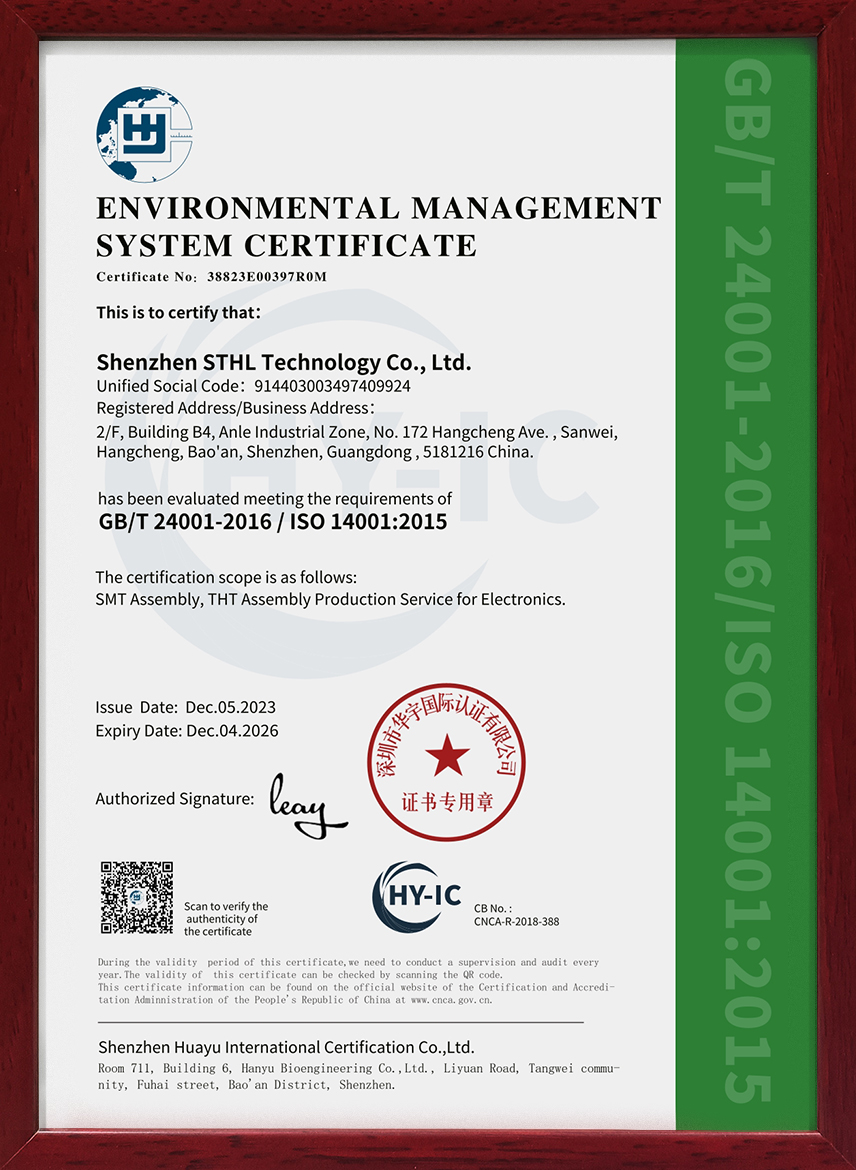
ISO 14001
Environmental Management System supporting cleaner operations and responsible manufacturing practices.
What Engineers & Buyers Say About STHL
Feedback from hardware engineers, designers, and company owners across North America, Europe, and beyond.
“Excellent team to work with and fast delivery with high-quality boards. We are very happy to work with such a good supplier. Thanks again.”

“Please extend my thanks to your team for your hard work in preparing these samples. This positive experience has strengthened my confidence in your company, and I'm looking forward to discussing bulk orders in the near future.”

“We are satisfied with the last order. You did a great job on those boards and the lead time was short. I will place a new order soon.”

SMT & PCBA Sourcing FAQs for Overseas Buyers
Straight answers to the questions procurement and engineering teams ask before choosing a surface mount technology process manufacturer in China.
What files do I need to submit for a PCBA project?
Send Gerber files, a BOM with manufacturer part numbers, the pick-and-place (centroid) file, and assembly drawings. If you need IC programming or functional testing, include firmware and test procedures. Our engineers complete a DFM and BOM review before production starts.
Is there a minimum order quantity (MOQ)?
No. STHL accepts prototype, low-volume, and high-volume PCB assembly orders, so you can validate a design and scale to mass production with the same supplier.
Can STHL source all the electronic components?
Yes. We offer full turnkey, partial turnkey, and consigned assembly. Our sourcing team works with 100+ agents and suppliers covering more than 500,000 part numbers, with incoming inspection and traceability from reel to finished board.
Which quality certifications does STHL hold?
STHL is certified to IATF 16949, ISO 9001, ISO 14001, and ISO 13485, and produces RoHS-compliant assemblies. Boards are verified with AOI, X-ray, ICT, and functional testing.
How do you protect our design files and IP?
We sign an NDA before RFQ, restrict project data to the assigned engineering team, and track every build through our ERP and MES systems.
Can we audit or visit the factory?
Yes. Customers are welcome to visit our Shenzhen factory and R&D laboratory at any time, and a 360-degree virtual factory tour is available for remote evaluation.
More SMT & PCBA Programs for Evaluation
The remaining eight STHL product programs are retained here for direct review, covering power conversion, heavy equipment, smart home, high voltage, medical diagnostics, EV charging, battery management, and automotive stability electronics.
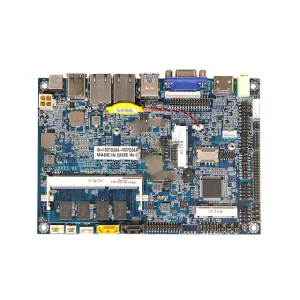
High Quality DC Converter PCB Assembly Factory, in China
DC converter assembly with thermal planning, magnetics handling, and test coverage for stable power delivery in industrial and consumer systems.
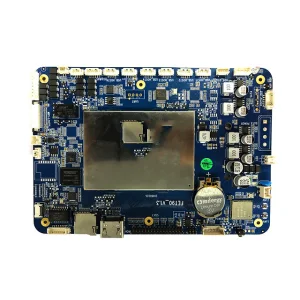
Certified Electric Cranes PCBA Assembly Service, Manufacturers
Robust PCBA for crane control and industrial machinery where vibration, dust, electrical noise, and long service life shape the process recipe.
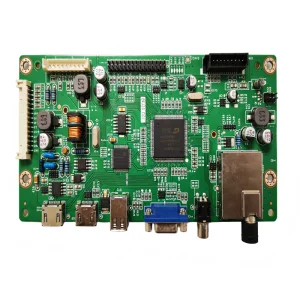
China Top Smart Wall Switch PCBA Assembly--STHL Company, Solutions
Compact smart home PCBA with low-power wireless modules, capacitive interfaces, and aesthetic integration support for consumer deployment.
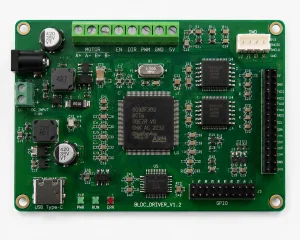
Top-Rated High Voltage Power Supply PCB Assembly--STHL Factory, Manufacturers
High-voltage power supply assembly with creepage, clearance, isolation, and safety-focused inspection built into the manufacturing plan.
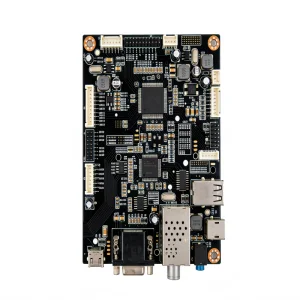
Precision Smart Blood Glucose Monitor PCB Assembly--STHL Supplier, Solution Provider
Precision medical PCBA for glucose monitoring, with clean handling, traceability, and test discipline aligned with healthcare expectations.
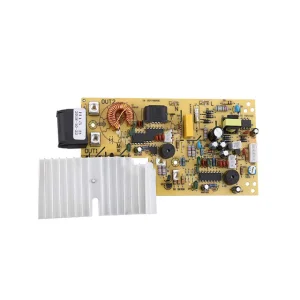
Custom New Energy Vehicle On-board Charging Equipment PCB Assembly in China, Manufacturers
On-board charging electronics with high-power thermal considerations, automotive quality discipline, and production traceability.
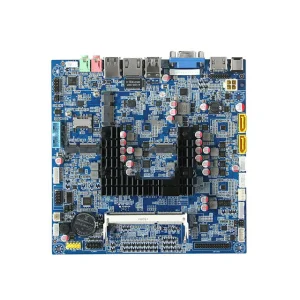
Top 10 Battery Management System (BMS) PCB Assembly-1 Company, in China
BMS PCBA for battery monitoring and protection, prioritizing safety, thermal stability, and consistent assembly quality under IATF-oriented controls.
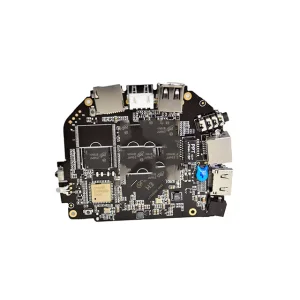
China Leading Electronic Stability Program (ESP) PCB Assembly Company, Service
Electronic stability program assembly for safety-critical automotive electronics, with process control, inspection depth, and change management aligned to IATF 16949 expectations.