Prototype SMT Surface Mount Technology Manufacturer & Manufacturers
Engineering-led prototype SMT assembly from Shenzhen for global OEMs — DFM review, turnkey component sourcing, SMT and THT assembly, AOI, X-ray, ICT, functional testing and scalable PCBA production under one accountable EMS workflow.
Prototype SMT & Surface Mount PCBA Programs for Validation, Pilot Runs and Volume Transfer
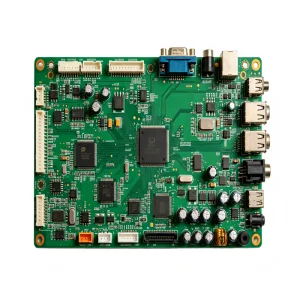
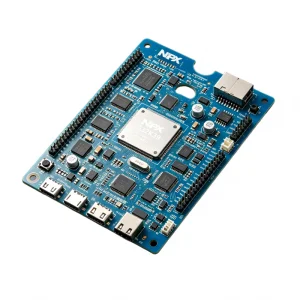
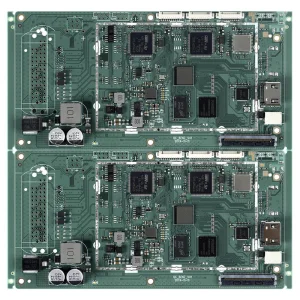
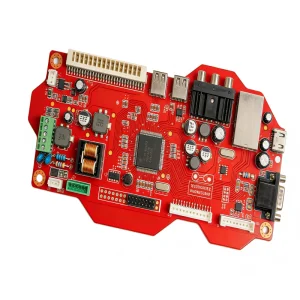
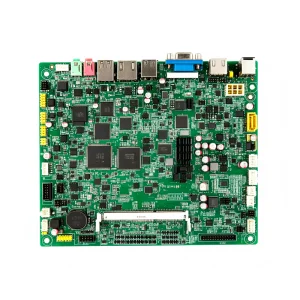
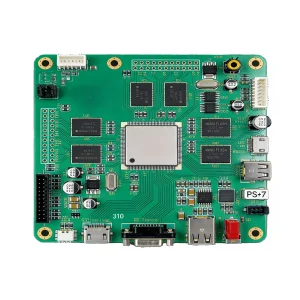
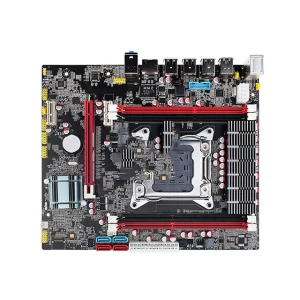
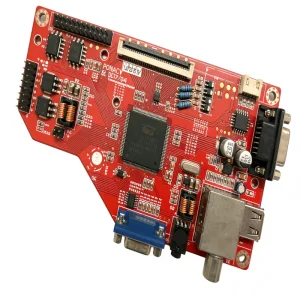
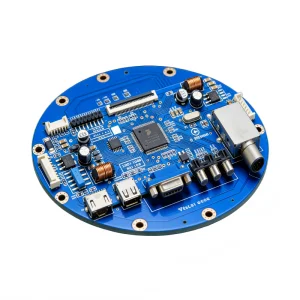
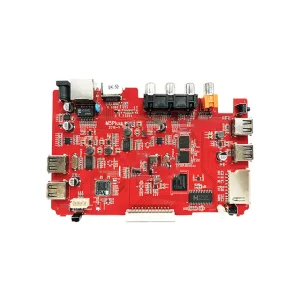
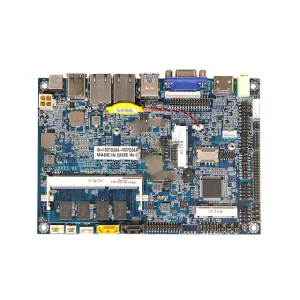
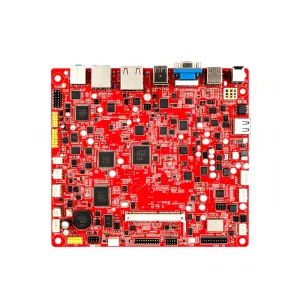
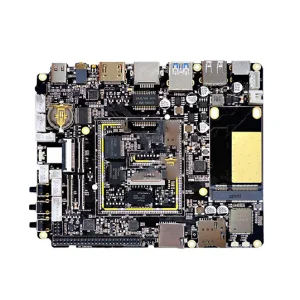
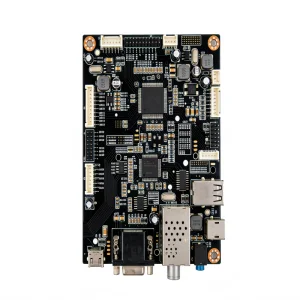
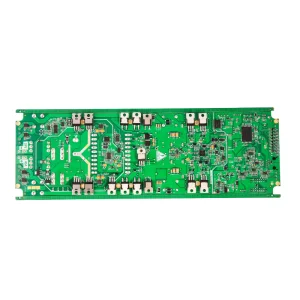
The eight product platforms below reflect the practical range of prototype SMT work: medical electronics, LED modules, environmental monitoring, programmable controls, motion sensing, wireless signal boosters, TV backlights and gas-leak alarms. Each program is supported by DFM review, turnkey component sourcing, SMT/THT assembly, inspection and test. For buyers comparing a prototype SMT surface mount technology manufacturer and manufacturers, this is the evidence base: the same factory can take a validated design into repeat production.
A Prototype SMT Manufacturer Built Around Engineering Evidence
Shenzhen STHL Electronics Co., Ltd. is a certified electronics manufacturing services (EMS) and ODM provider that has supported hardware teams since 2006. The company operates a 10,000 m² facility with more than 220 staff, including 50+ engineers, seven SMT assembly lines, two DIP/THT lines, two functional test lines and two box build lines. This combination matters for prototype SMT because engineering feedback, material sourcing and assembly are not separated across unrelated vendors.
STHL works with customers in the USA, Germany, Italy, the UK, Poland, New Zealand, Brazil and 90+ other regions. Quality systems include IATF 16949, ISO 9001, ISO 14001 and ISO 13485, with RoHS-compliant assemblies and process controls supported by AOI, X-ray, ICT and functional testing. The factory offers no MOQ, signs an NDA before RFQ, and uses ERP and MES systems for production status and lot traceability.
- 7 SMT assembly lines
- 2 DIP / THT lines
- 2 functional test lines
- 2 box build lines
- In-house R&D laboratory
- AOI · X-Ray · ICT · FCT


What Is Prototype SMT Surface Mount Technology?
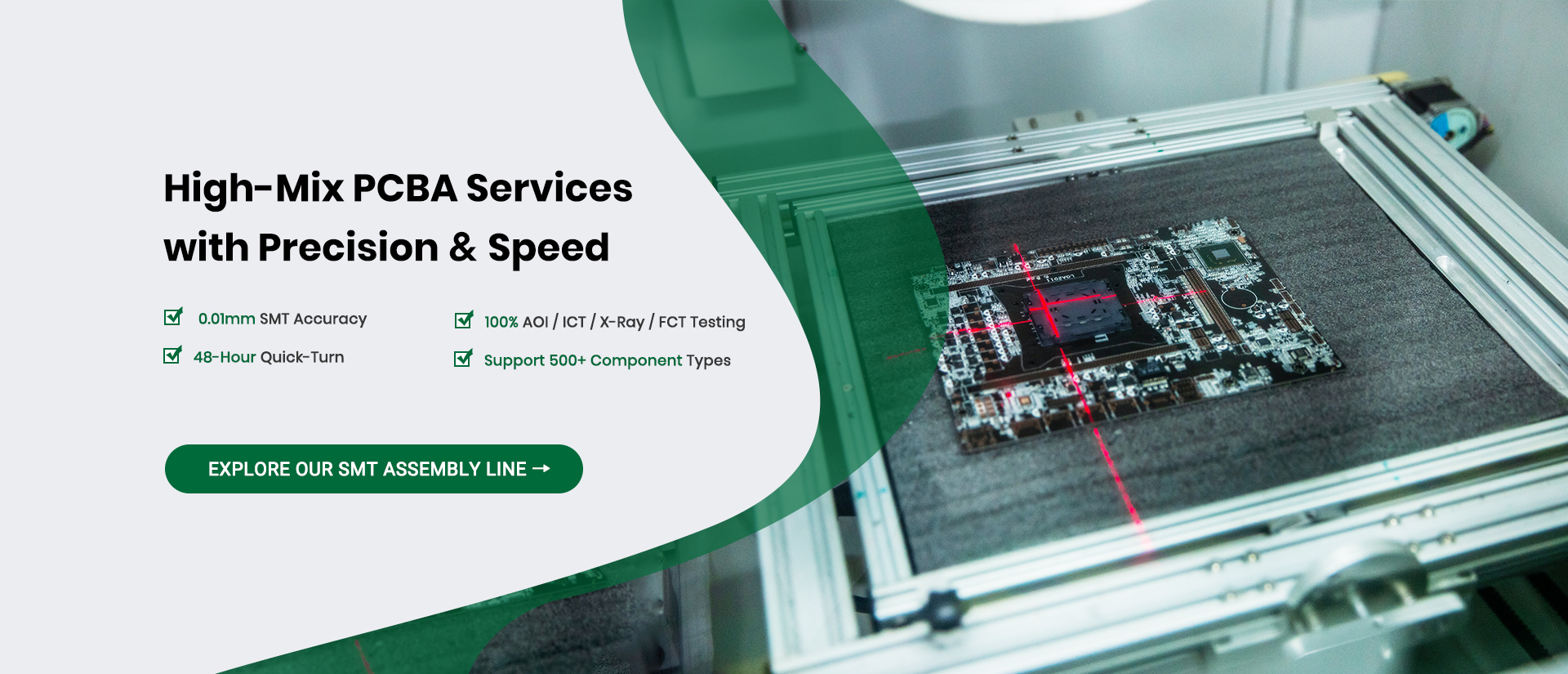
Surface mount technology, or SMT, is the board-level process of placing electronic components directly onto the surface of a printed circuit board, then securing them through stencil printing, pick-and-place and reflow soldering. Prototype SMT is not simply a small-volume version of mass production. It is the stage where the design, BOM, test plan and supply chain are tested for the first time. A reliable prototype SMT manufacturer therefore acts as an engineering filter: it finds footprint errors, end-of-life component risk, stencil and panelization issues, and test-access limitations before money is committed to tooling.
In practical terms, prototype SMT projects carry more uncertainty per unit than volume orders. A BOM may still be changing, one or two critical parts may be on allocation, and the customer may need both engineering samples and a production-intent build from the same documentation. That is why high-mix, low-volume SMT requires disciplined setup control: laser-cut stencils, verified feeder loading, first-article inspection, solder-paste volume checks and clear change records. The manufacturer must be able to explain what changed, why it changed and how the next build will be more robust.
STHL's workflow connects DFM and BOM review before material purchase, no-MOQ prototype assembly, the same factory for prototype and volume transfer, and quality evidence from AOI, X-ray, ICT and functional testing. The objective is information gain: each prototype lot should produce a documented learning that lowers risk in the next build, not just a board that passes a quick visual check.
Four decisions that determine prototype SMT success
Experienced buyers do not treat prototype SMT as a price-only purchase. They define the evidence they need before the first panel is assembled.
- Freeze the test plan before SMT: decide which functions, interfaces and environmental checks must be proven on the first articles.
- Validate alternates for long-lead parts: approve form-fit-function alternatives before they are needed, not after a line-stop event.
- Define traceability and first-article requirements: specify lot, date-code, serialization and inspection records for regulated products.
- Separate engineering confidence from production yield: use prototype data to improve DFM, stencil design, panelization and test coverage.
Global SMT Manufacturing Status: A High-Mix, Compliance-Driven Market
Globally, SMT remains the backbone of modern electronics assembly. Demand is no longer shaped only by consumer volume. Electrification in vehicles, distributed medical monitoring, industrial automation, energy storage, smart buildings, communications infrastructure and environmental sensing all depend on dense, reliable printed circuit board assemblies. The commercial landscape is therefore split between high-volume consumer production and high-mix, regulated, low-to-medium-volume work. Prototype SMT sits at the front of both flows.
Asia-Pacific still contains the densest electronics supply base, especially the Pearl River Delta around Shenzhen, where PCB fabrication, component distribution, SMT capacity, test engineering and export logistics are closely connected. At the same time, global OEMs are reducing single-site risk through dual sourcing, regional final assembly and more rigorous supplier qualification. The winning supplier is not simply the one with the lowest unit price; it is the one that can provide predictable engineering response, component transparency and quality evidence.
Dense Asia-Pacific cluster
Shenzhen and the wider Pearl River Delta combine PCB fabrication, component sourcing, SMT/THT assembly, testing and export logistics. For prototype SMT buyers, this density shortens the loop between design questions and physical builds.
Demand fragmentation
Medical, automotive, industrial, energy and IoT products now require different control levels from the same manufacturing base. High-mix SMT lines must switch quickly without losing setup discipline or traceability.
Compliance as a buying criterion
IATF 16949, ISO 13485, ISO 9001, ISO 14001, RoHS and customer-specific quality agreements are now part of supplier selection. A prototype SMT partner must show documented controls, not only machine capacity.
Commercial implication: the strongest prototype SMT manufacturers compete on engineering responsiveness, BOM transparency and quality evidence. That is how a prototype build becomes a lower-risk production transfer rather than a one-off sample.
Six Trends Shaping Surface Mount Technology in 2025 and Beyond
These trends explain why prototype SMT projects are becoming more technical, more data-driven and more closely linked to compliance. They also define what a capable manufacturer must be able to discuss before receiving a purchase order.
Miniaturization and fine-pitch assembly
Smaller packages, fine-pitch QFN, BGA and denser boards make stencil design, paste volume, placement accuracy and inspection strategy more critical. Prototype builds expose these risks early.
Automotive electrification
EV, charging, sensing, lighting and battery-management electronics demand IATF 16949 discipline, robust change control and resistance to heat, vibration and long service life.
Medical device traceability
ISO 13485 environments require lot traceability, controlled documentation and risk-aware manufacturing. Patient monitoring, diagnostics and wearables depend on repeatable SMT process control.
Industry 4.0 and the digital thread
ERP and MES records, serialization and inspection data connect the BOM to the finished board. Digital evidence is becoming as important as the physical assembly.
Supply-chain resilience
Dual sourcing, approved alternates, last-time buys and BOM scrubbing reduce line-stop risk. Prototype SMT is the best moment to validate these choices before volume.
Sustainable electronics
RoHS compliance, halogen-free options, energy monitoring, lower-temperature solder evaluation and recyclable packaging are moving from marketing language into supplier scorecards.
Technical Roadmap & Future Outlook for Prototype SMT Manufacturing
The next competitive advantage in SMT will come from connected quality data, not from adding more machines. The roadmap below shows how prototype work is likely to evolve for OEMs and their manufacturing partners.
Now: high-mix NPI discipline
DFM and BOM review, stencil and panelization checks, AOI, X-ray and functional test remain the foundation. The goal is to make the first build informative and the second build repeatable.
Next: connected quality
MES-linked serialization, inspection data and supplier records create a digital thread from incoming reel to finished board. This shortens root-cause analysis and supports regulated audits.
Emerging: advanced packaging readiness
HDI, rigid-flex, system-in-package, thermal challenges and denser interconnect require earlier collaboration between design, fabrication and assembly teams.
Future: green, zero-defect factories
Energy monitoring, low-temperature solder evaluation, closed-loop material flow and AI-assisted inspection will support lower waste and more predictable yield.
For buyers, the practical implication is to choose a manufacturer that can explain its data flow, not just its equipment list. A prototype SMT project should generate DFM findings, component-risk notes, first-article results, test records and corrective actions that remain useful when the product moves to volume.
Localized Application Scenarios for Prototype SMT
Prototype SMT requirements differ by region because compliance expectations, logistics and product priorities differ. STHL supports global teams by matching the manufacturing control plan to the target market and the product’s risk profile.
North America
Medical, industrial IoT, aerospace and communications prototypes often need NDA-first engagement, fast DFM feedback and clear documentation before a design freeze.
Europe
Automotive, energy infrastructure, measurement and medical products place heavy emphasis on IATF 16949, ISO 13485, RoHS, traceability and change control.
Asia-Pacific
Consumer electronics, smart home, communications and LED products demand rapid iterations, high-mix flexibility and close coordination between design and sourcing.
Latin America & Brazil
Industrial control, energy storage and metering programs benefit from dual sourcing, alternative-part planning and export-ready documentation.
Sector-specific control packages
Regulated sectors do not share the same definition of “quality.” The control package must reflect the failure mode that matters most: patient safety, vehicle reliability, industrial uptime, energy efficiency or data integrity.
Medical & Healthcare
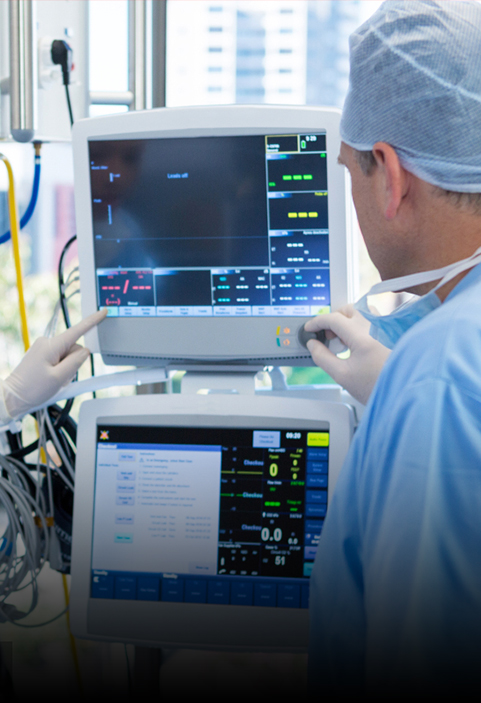
ISO 13485-controlled assembly for monitoring, diagnostic and wearable devices with lot traceability, inspection records and controlled changes.

Automotive Electronics
IATF 16949 processes for control modules, lighting, sensing and charging electronics that must survive heat, vibration and long-term service.
Computer & Storage
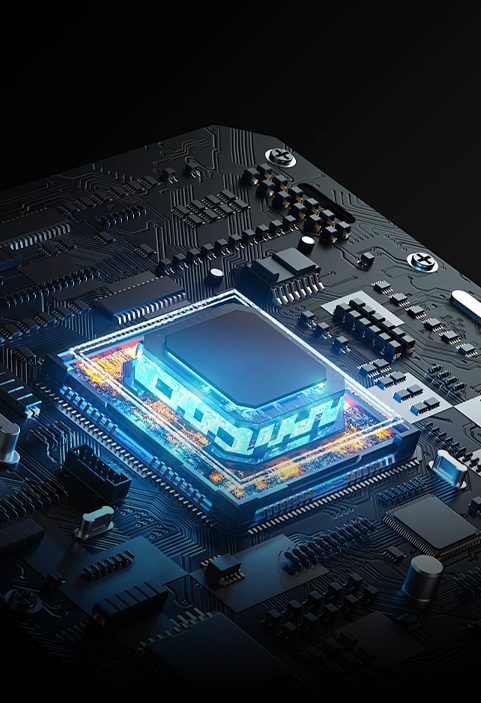
High-density, BGA-rich boards for computing, storage and peripherals, verified through X-ray inspection and functional test where required.
Industrial Control
Robust PCBAs for PLCs, motor drives, sensors and automation equipment, with conformal coating and long-life component strategies.
Macro Industry Solutions for Global OEMs
A prototype SMT manufacturer becomes strategically useful when it can connect engineering, sourcing, compliance and logistics into one operating model. These are the macro solutions that reduce total risk for global OEMs.
NPI and DFM program
Structured design-for-manufacture review, BOM scrubbing, panelization, stencil strategy and first-article planning before material is committed.
Turnkey and consigned hybrid BOM
Full turnkey, partial turnkey or consigned component models supported by 100+ agents and suppliers covering more than 500,000 part numbers.
Compliance-by-design
IATF 16949, ISO 13485, ISO 9001 and ISO 14001 controls translated into inspection plans, traceability rules and change records.
Digital traceability
ERP and MES tracking from incoming reel to finished board, supporting audits, failure analysis and repeat-order consistency.
Box build and global logistics
Cable assembly, enclosure integration, ESD-safe packaging and export preparation compress the distance between board-level validation and shipped product.
Supply-chain resilience
Alternate-part approval, last-time-buy planning, incoming inspection and shortage escalation reduce the risk of prototype delays and production stoppages.
End-to-End SMT & PCBA Manufacturing Services
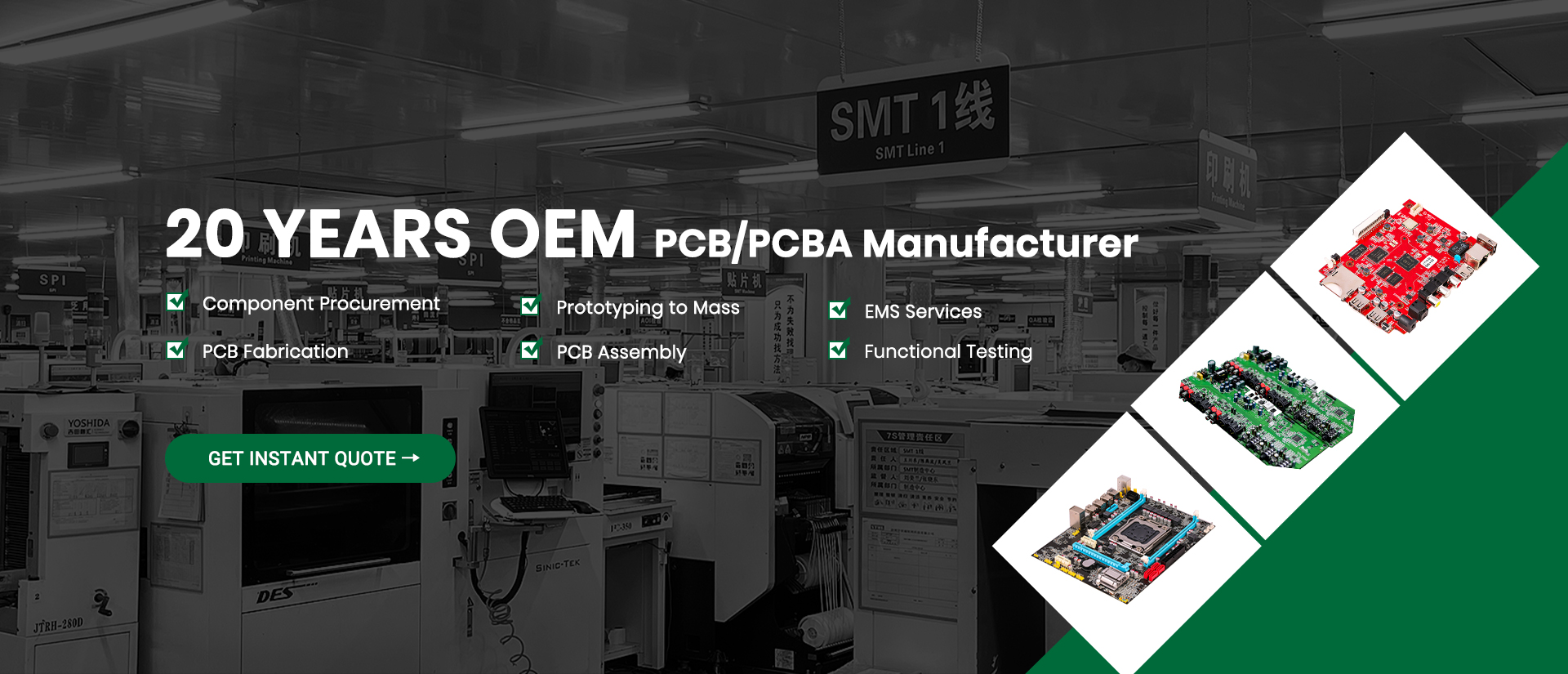
For 20 years, STHL has combined component procurement, PCB fabrication, SMT and THT assembly and functional testing into one controlled workflow — so buyers deal with one accountable supplier from first article to repeat production.

Electronic Components Procurement
Full or partial turnkey sourcing through 100+ agents and suppliers, with BOM scrubbing, alternate-part suggestions and reel-level traceability.
Learn more
PCB Fabrication
Standard, prototype, aluminum, flexible, rigid-flex, HDI, Rogers, ceramic, heavy-copper, high-Tg and halogen-free boards built to your stack-up.
Learn more
SMT & THT PCB Assembly
Prototype, low-volume and high-volume assembly including fine-pitch, BGA and mixed-technology boards, verified by AOI and X-ray.
Learn more
Value-Added Services
PCB layout and design support, IC programming, ICT and functional testing, conformal coating, cable and wire harness, and complete box build assembly.
Learn moreFrom Gerber Files to Global Shipment in Six Controlled Steps
Knowing what happens after you place a purchase order removes surprises. This is how every STHL PCBA project moves through the factory, whether the starting point is a single prototype panel or a repeat production release.
DFM & BOM Review
Engineers check Gerber, BOM and centroid data for manufacturability, footprint errors and end-of-life parts before any material is ordered.
Component Sourcing
Parts are purchased through 100+ agents and suppliers, then pass incoming inspection and moisture-sensitive device control.
PCB Fabrication
Bare boards are produced to your stack-up, surface finish and impedance requirements, from single-layer to HDI and rigid-flex.
SMT & THT Assembly
Seven SMT lines and two DIP/THT lines handle fine-pitch, BGA and mixed-technology boards for prototypes and mass production.
Inspection & Testing
AOI, X-ray, ICT and functional tests, plus IC programming and conformal coating, with results logged in our MES.
Box Build & Delivery
Cable assembly, enclosure integration and ESD-safe packaging, shipped to customers in 90+ countries and regions.
Why Global OEMs Choose STHL for Prototype SMT & PCBA
Measurable capacity, documented quality systems and engineering support that reduces total cost — not just the unit price. These nine operating advantages are especially relevant when a prototype build must become a repeatable product.

Dust-Free Smart Factory
10,000+ m² highly automated production space.

20 Years of Experience
Proven know-how across PCB and PCBA since 2006.

Global Sourcing
500k+ parts via 100+ agents and suppliers.

Fully Certified
IATF 16949, ISO 9001, ISO 14001, ISO 13485.

ERP & MES Tracking
Real-time production status and lot traceability.

Cost-Down Engineering
DFM and BOM optimisation by our engineering team.

No MOQ
Prototype and large-quantity orders both welcome.

NDA Before RFQ
Your design data and IP are protected from day one.

Fast Delivery
99.5% on-time delivery across global shipments.
Certified Quality Management Systems
Independent third-party audits confirm that our processes meet the requirements of automotive, medical and industrial customers. These certificates support supplier qualification and customer audits for prototype SMT and volume PCBA programs.

ISO 9001
Quality Management System.
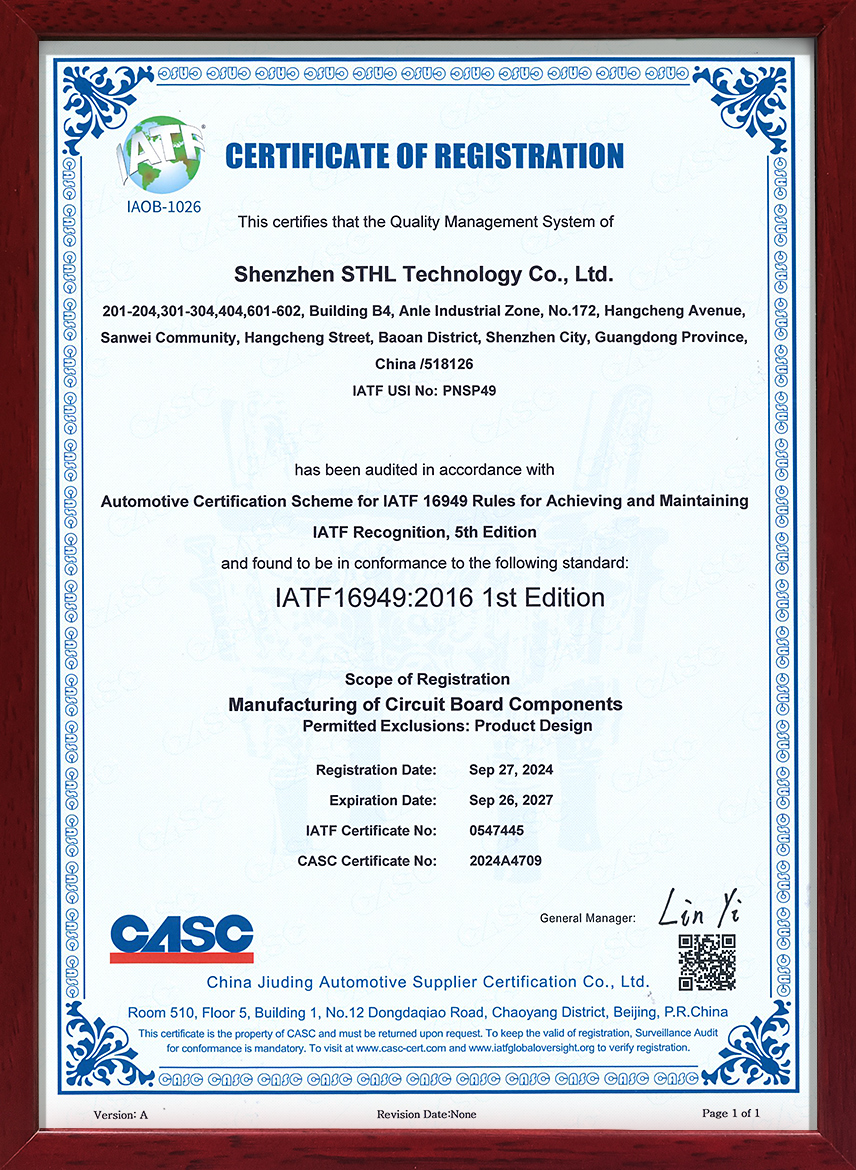
IATF 16949
Automotive Quality Management.
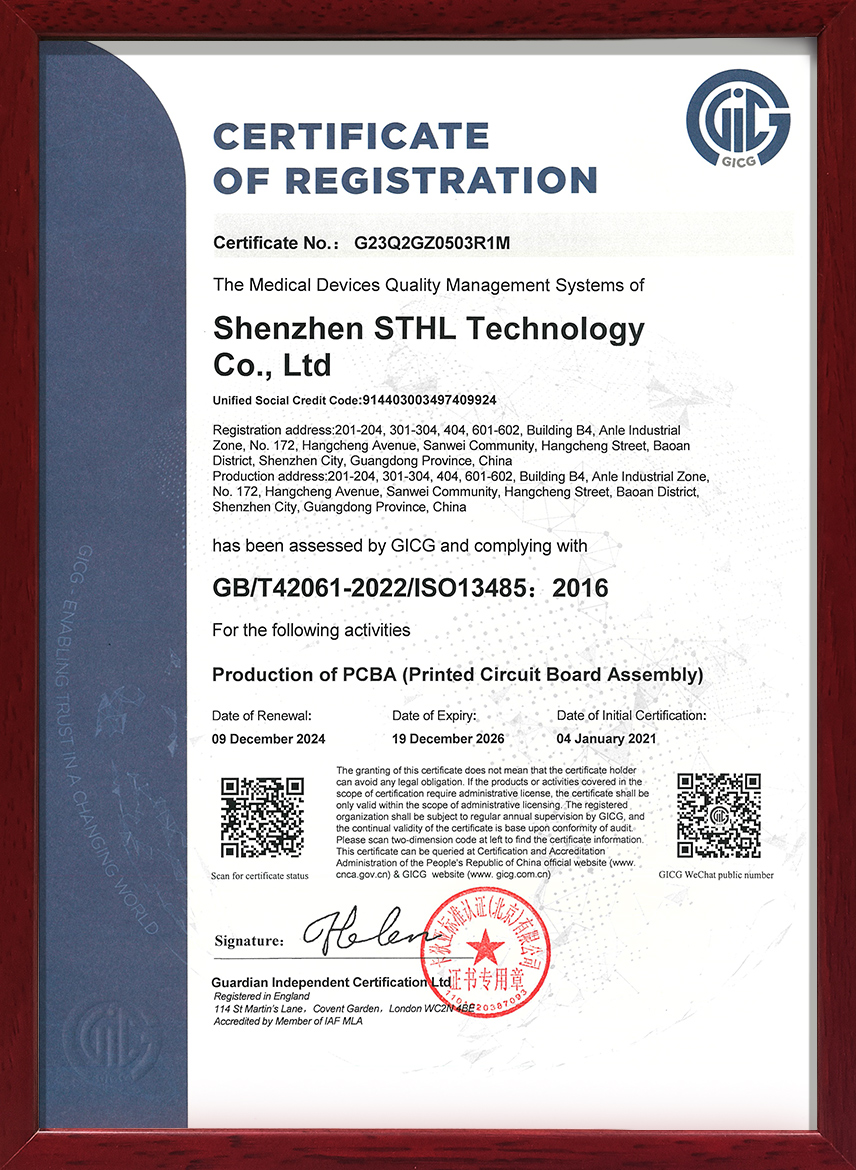
ISO 13485
Medical Devices Quality Management.
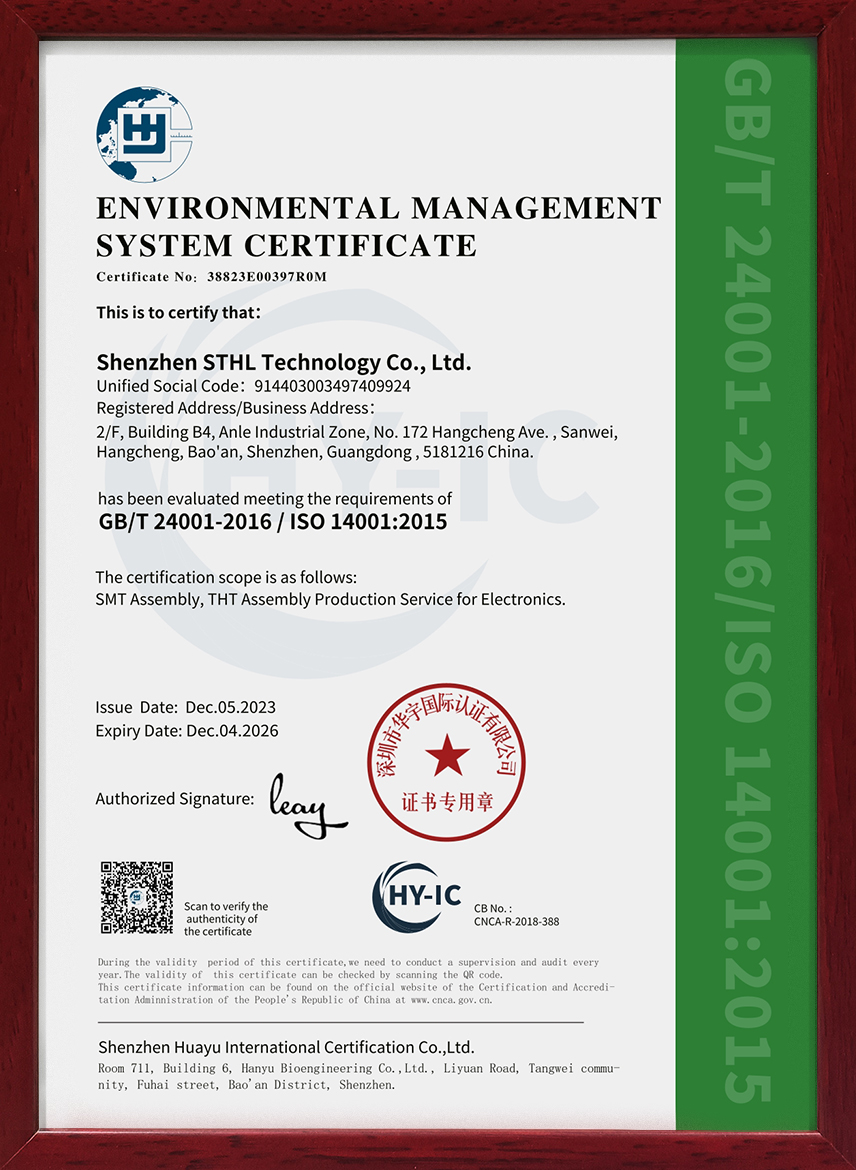
ISO 14001
Environmental Management System.
What Engineers & Buyers Say About STHL
Feedback from hardware engineers, designers and company owners across North America, Europe and beyond. These comments are useful evidence for procurement teams evaluating a prototype SMT supplier for the first time.
“Excellent team to work with and fast delivery with high-quality boards. We are very happy to work with such a good supplier. Thanks again.”

“Please extend my thanks to your team for your hard work in preparing these samples. This positive experience has strengthened my confidence in your company, and I'm looking forward to discussing bulk orders in the near future.”

“We are satisfied with the last order. You did a great job on those boards and the lead time was short. I will place a new order soon.”

“The order was perfect — exactly as specified with top quality. Highly recommend this reliable supplier.”

“Exciting! Very fast delivery, a professional supplier and a professional product. We will place a new order very soon!”

“We have tested all the boards and I am highly pleased. I will repeat my order soon. Thank you again for your excellent service.”

“It's always a pleasure ordering. Very professional team and good quality — thanks for your great service.”

“Satisfied with the sample products delivered. Very good product, quick delivery and a good understanding of my requirements.”

“The supplier's professionalism is evident in their seamless communication, efficient processing and reliable service. They are a trustworthy and commendable partner.”

PCBA Insights & Factory News
Practical updates from the production floor — customer visits, traceability practices and what really drives PCBA lead time. These notes are written for engineering and sourcing teams who need to understand how a supplier behaves after the quotation stage.

STHL Hosts Two European Visitors for an Early-Stage Healthcare Electronics Concept Review and Factory Tour
Read more
STHL Hosts Two German Visitors for an SMT, THT and Material Preparation Walkthrough
Read more
STHL PCBA Component Traceability: From Incoming Reel to Finished Board
Read more
PCBA Lead Time: Where the Days Go Between Purchase Order and Shipment
Read morePrototype SMT & PCBA Sourcing FAQs
Straight answers to the questions procurement and engineering teams ask before choosing a PCB assembly manufacturer in China. The answers below focus on prototype SMT, low-volume PCBA and transfer to repeat production.
Talk to a PCBA Engineer
Send Gerber, BOM and centroid files with your target schedule. An NDA can be signed before RFQ.
What files do I need to submit for a PCBA project?
Send Gerber files, a BOM with manufacturer part numbers, the pick-and-place (centroid) file and assembly drawings. If you need IC programming or functional testing, include firmware and test procedures. Our engineers complete a DFM and BOM review before production starts.
Is there a minimum order quantity (MOQ)?
No. STHL accepts prototype, low-volume and high-volume PCB assembly orders, so you can validate a design and scale to mass production with the same supplier.
Can STHL source all the electronic components?
Yes. We offer full turnkey, partial turnkey and consigned assembly. Our sourcing team works with 100+ agents and suppliers covering more than 500,000 part numbers, with incoming inspection and traceability from reel to finished board.
Which quality certifications does STHL hold?
STHL is certified to IATF 16949, ISO 9001, ISO 14001 and ISO 13485, and produces RoHS-compliant assemblies. Boards are verified with AOI, X-ray, ICT and functional testing.
How do you protect our design files and IP?
We sign an NDA before RFQ, restrict project data to the assigned engineering team and track every build through our ERP and MES systems.
Can we audit or visit the factory?
Yes. Customers are welcome to visit our Shenzhen factory and R&D laboratory at any time, and a 360-degree virtual factory tour is available for remote evaluation.
How do you support the transition from prototype SMT to volume production?
The same factory supports prototype and volume orders. DFM findings, BOM decisions, stencil and panelization choices, test coverage and inspection records are carried into repeat builds. This reduces the risk of a “prototype-only” supplier handing off an unproven design package.
How do you reduce counterfeit and shortage risk?
Components are purchased through approved agents and distributors, checked during incoming inspection and tracked from reel to finished board. For long-lead or allocated parts, the team proposes and validates alternates before production, subject to customer approval.
Planning a Prototype SMT Build?
Get a capability catalog with PCB fabrication options, assembly processes, testing methods and industry references — everything your team needs to qualify STHL as a prototype SMT and PCBA supplier. Factory visits, virtual audits and NDA-first RFQs are welcome.
Contact STHL
More Prototype SMT & PCBA Programs
The second group of product platforms covers e-book readers, electronic medical record systems, smart-home PCBA, inertial measurement units, programmable power supplies, solar inverters, anti-lock braking systems and energy-storage battery-pack management. Together with the first eight platforms, they show the breadth of prototype SMT and turnkey PCBA work supported by STHL.