IATF 16949ISO 13485No MOQNDA before RFQ7 SMT Lines
Prototype Smt Electronics from China & Factories
A procurement-grade guide for global OEMs: how to build low-volume, high-mix SMT prototypes in China, verify quality, protect IP, and scale into repeat production with certified PCBA factories.
Prototype SMT PCBA Showcase
Featured Prototype SMT Electronics from China Factories
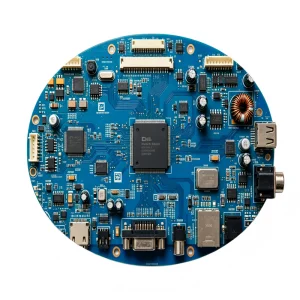
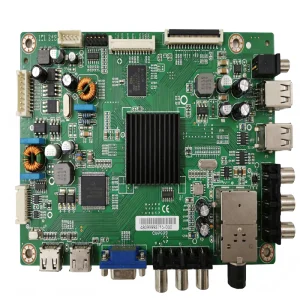
Eight representative PCBA programs show the spread of prototype SMT work sourced from China: medical receivers, environmental recorders, VoIP phones, noise monitoring equipment, wireless phones, AC-DC converters, smartphones, and soil detectors. Each link opens the original product page and each image is kept in its original proportion.
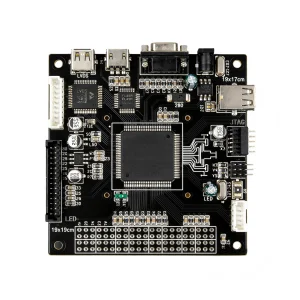
Top 10 Temperature and Humidity Recorder PCB Assembly Service, Manufacturers
View product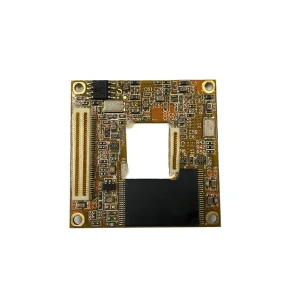
China Leading VoIP Phone PCB Assembly--STHL Solutions, Factories
View product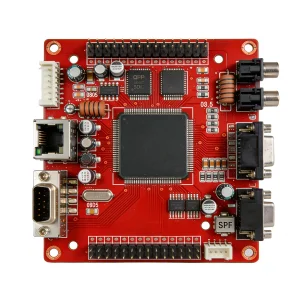
Professional Noise Monitoring Equipment PCB Assembly Manufacturer, Service
View productCustom Wireless Phone PCB Assembly--STHL Solutions, Factories
View product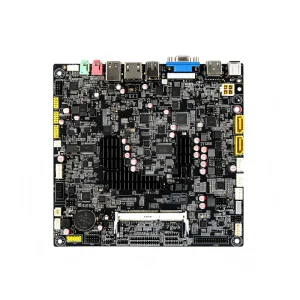
Custom AC-DC Converter PCB Assembly--STHL Service, Manufacturers
View product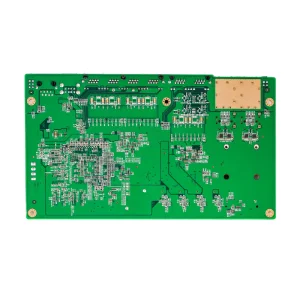
Reliable Smartphone PCB Assembly--STHL Supplier, in China
View product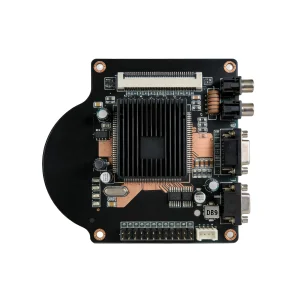
Custom Soil Detector PCB Assembly Manufacturer, Factories
View product
Global Market Context
The Global Role of Prototype SMT Electronics from China
Prototype SMT electronics from China now sit at the center of global new product introduction. A prototype SMT build is no longer just a quick sample; it is a controlled manufacturing event that proves design for manufacturability, component availability, test coverage, and supply-chain readiness before capital is committed to tooling and mass production.
From validation boards to launch-critical decisions
From wearable medical monitors and automotive control modules to Wi-Fi devices, VoIP phones, access-control terminals, ultrasound equipment, and industrial sensors, the first board build often determines the launch date of the entire product. Hardware teams need more than a factory that can place components. They need a partner that reviews Gerber files, scrubs the BOM, flags end-of-life parts, confirms test access, and documents traceability from incoming reel to finished board.
China's electronics manufacturing ecosystem around Shenzhen, Dongguan, and the Greater Bay Area remains the world's densest cluster of PCB fabrication, component distribution, SMT assembly, inspection, cable assembly, and box-build capacity. For prototype SMT projects, this density creates a practical advantage: engineers can move from Gerber review and BOM scrubbing to bare PCB fabrication, SMT placement, AOI, X-ray, ICT, and functional testing inside a short geographic radius. That is why global OEMs continue to source low-volume, high-mix prototypes from China even when final production is diversified across multiple regions.
What buyers compare beyond unit price
The commercial picture is equally important. Buyers are not only comparing unit price. They are comparing time-to-market, engineering response, NDA discipline, component traceability, lot control, and the supplier's ability to scale from five boards to five thousand without changing process ownership. A China factory that can support prototype SMT electronics with the same quality system used for volume production gives procurement teams a lower total cost of ownership, fewer handoffs, and faster design iterations.
That is why the strongest sourcing strategies treat prototype SMT as a supplier qualification process, not a one-off purchase. The prototype reveals how clearly the factory communicates, how carefully it handles engineering changes, how honestly it manages component risks, and whether its quality records can support an audit or a customer's regulated product file.
20+
Years of EMS experience
10,000+
m² production facility
50+
Professional engineers
13+
Production lines
99.5%
On-time delivery
99%
Qualified shipment rate
China Factory Efficiency
Why China Factories Deliver Efficiency for Prototype SMT Projects
China's advantage is not a single cost line. It is the combined effect of supplier density, engineering depth, high-mix production experience, and mature logistics. For prototypes, that combination reduces the time between design feedback and a build that can be tested.
Dense supply chain
PCB fabrication, component distribution, stencils, SMT assembly, testing, cable assembly, and enclosure integration are available close together, which shortens coordination time and reduces shipping friction.
Fast DFM feedback
Experienced China PCBA factories review footprints, panelization, solder masking, component clearances, and test points before production. Early DFM feedback prevents costly re-spins during a prototype build.
High-mix flexibility
Prototype lines must handle low volume, multiple BOMs, fine-pitch components, BGAs, through-hole parts, and mixed-technology boards. High-mix factories build this flexibility into their line changeover and material control.
Component sourcing depth
Authorized distributors, local agents, and excess-inventory channels give China factories broad access to active, long-lifecycle, and hard-to-find parts, with incoming inspection and traceability controls.
Engineering talent
Process engineers, test engineers, quality engineers, and DFM reviewers can work on the same build. For complex prototypes, that cross-functional response is often more valuable than a lower quotation.
Global logistics
Established export lanes, consolidated shipping, ESD-safe packaging, and documentation support make it practical for OEMs in the USA, Europe, Brazil, New Zealand, and other regions to manage prototype builds from China.
Localized Applications
Prototype SMT Electronics for Demanding Application Scenarios
Different product markets demand different process controls. A prototype SMT factory in China should be able to match the assembly, inspection, and documentation discipline to the final use case.
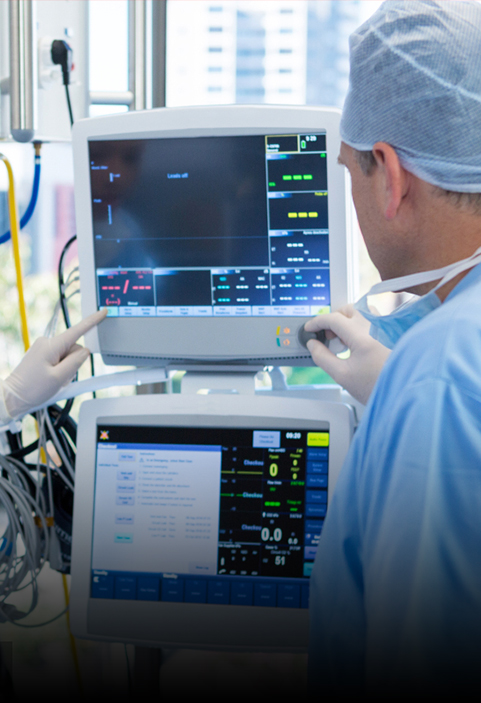
Medical & Healthcare
ISO 13485-controlled assembly for monitoring, diagnostic, and wearable devices with lot traceability, inspection records, and careful change control.
Explore medical PCBA →
Automotive Electronics
IATF 16949 processes for control modules, lighting, and charging electronics that must survive heat, vibration, and long field-life expectations.
Explore automotive PCBA →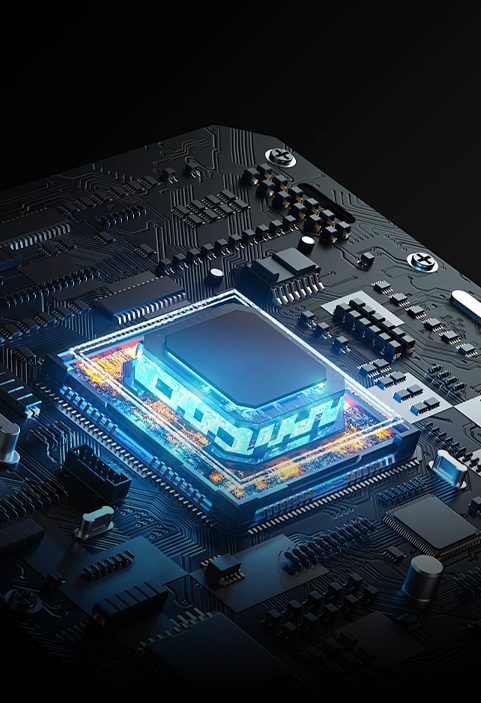
Computer & Storage
High-density, BGA-rich boards for computing, storage, and peripherals, verified with X-ray inspection and controlled reflow profiles.
Explore computer PCBA →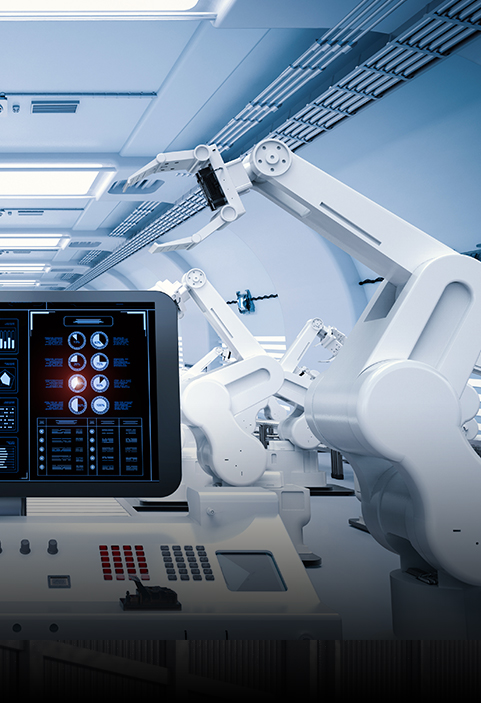
Industrial Control
Robust PCBAs for PLCs, motor drives, and automation equipment, with conformal coating options and functional test coverage for harsh environments.
Explore industrial PCBA →
Industry Trends
Trends Reshaping Prototype SMT Electronics and Global Procurement
Prototype SMT is being reshaped by miniaturization, high-mix demand, traceability expectations, and smarter inspection. Buyers should evaluate whether a China factory's processes are ready for the next product generation, not only the current build.
Miniaturization and fine-pitch assembly
Wearables, medical patches, and compact IoT devices push prototypes toward 01005 passives, fine-pitch ICs, BGA packages, and rigid-flex structures. Stencil design, placement accuracy, reflow control, and X-ray inspection become decisive.
High-mix, low-volume NPI
OEMs increasingly launch multiple product variants with shorter lifecycles. Prototype factories must handle frequent line changes, small material lots, and engineering changes without losing traceability.
Traceability from reel to board
Global buyers want material lots, date codes, assembly records, and test results tied to serial numbers. ERP and MES tracking help factories answer audits and field-quality questions quickly.
AI-assisted inspection and test
AOI, X-ray, ICT, and functional test remain essential, but data analysis is becoming more important. Inspection trends and failure patterns can be reviewed earlier to prevent repeat defects.
Sustainability and RoHS compliance
Environmental systems, RoHS-compliant materials, waste control, and energy management are now part of supplier qualification for many European and North American OEMs.
China plus one, but prototypes still move fast
Even when volume production is diversified, many teams keep prototype SMT in China because the ecosystem accelerates validation. The winning model is a qualified China partner combined with a transparent global supply plan.
Global Procurement Requirements
What Global Enterprises Expect from China SMT Factories
For international buyers, a prototype quote is only the entry point. The real evaluation covers IP protection, BOM transparency, component authenticity, certification fit, test strategy, and the supplier's ability to keep communication predictable.
NDA and IP protection
Design files, firmware, test procedures, and BOMs should be covered by an NDA before RFQ. Access should be limited to the assigned engineering team and logged through the factory's ERP or MES.
DFM and BOM review
Gerber, BOM, centroid, assembly drawings, firmware, and test requirements should be reviewed before material purchase. Alternate parts and end-of-life risks should be flagged in writing.
Authorized component sourcing
Full turnkey, partial turnkey, and consigned assembly models should be supported. Incoming inspection, moisture-sensitive device control, and reel-level traceability reduce counterfeit and quality risk.
Certification fit
IATF 16949, ISO 9001, ISO 14001, and ISO 13485 cover different market requirements. The factory should explain how its quality system applies to prototype lots, not only mass production.
Test coverage
AOI, X-ray, ICT, and functional testing should match the product risk. For critical prototypes, test procedures, fixtures, and pass/fail records should be defined before assembly begins.
Supply continuity
Global buyers need a plan for component shortages, alternates, last-time buys, and repeat production. A factory that documents sourcing assumptions helps procurement avoid surprises after prototype approval.
Certified EMS Partner
STHL: A Certified Prototype SMT Electronics Partner in Shenzhen Since 2006
Shenzhen STHL Electronics Co., Ltd. is a certified electronics manufacturing services (EMS) and ODM provider. We help hardware teams in the USA, Germany, Italy, the UK, Poland, New Zealand, Brazil, and 90+ other regions move from schematic to shipped product — PCB layout, component sourcing, PCB fabrication, SMT/THT assembly, cable assembly, box build, and full testing in one factory.

Engineering depth for prototype and volume builds
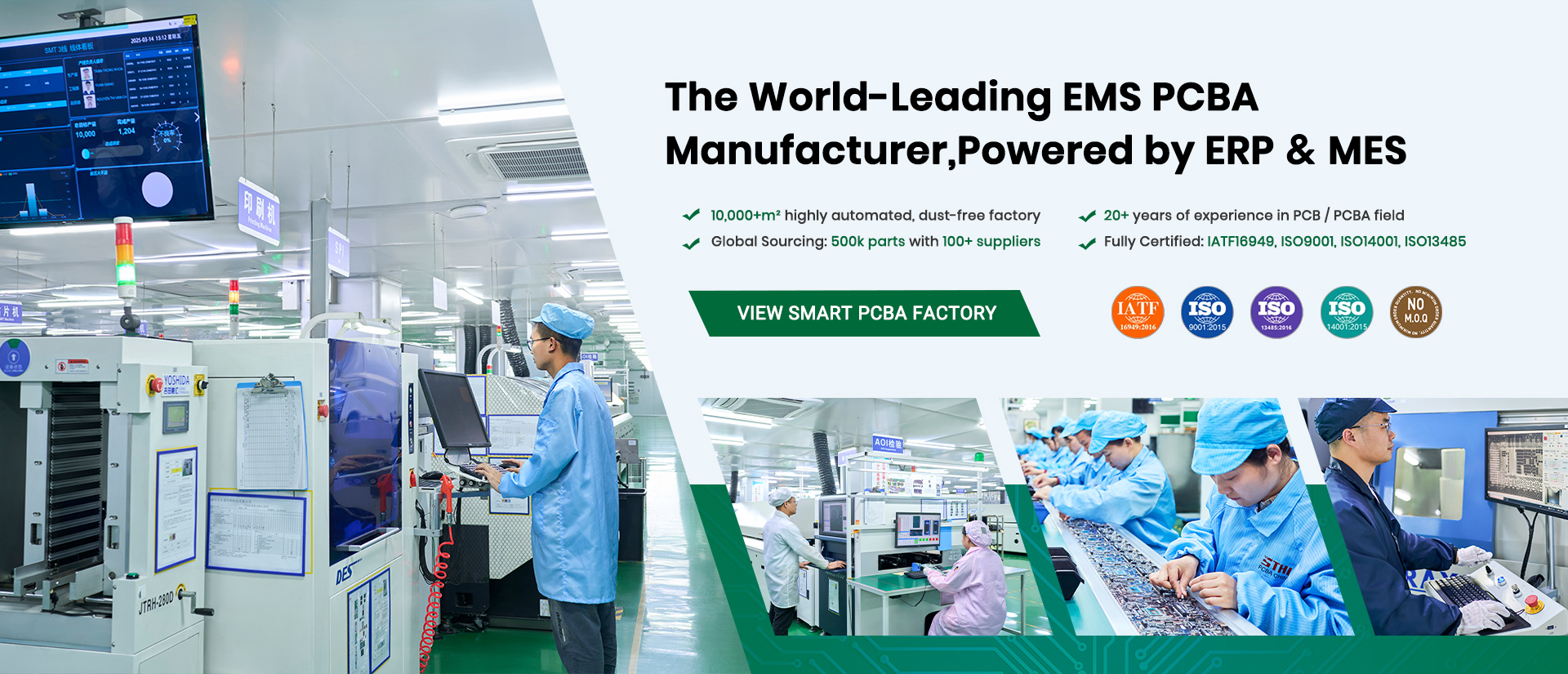
Our 220+ staff, including 50+ engineers, run a 10,000 m² facility with an in-house R&D laboratory for design verification and prototype testing. Every build is RoHS-compliant and controlled under IATF 16949, ISO 9001, ISO 14001, and ISO 13485 systems. Factory visits and audits are welcome at any time.
The team supports full turnkey, partial turnkey, and consigned assembly, with sourcing relationships covering 100+ agents and suppliers and more than 500,000 part numbers. Engineering reviews focus on manufacturability, component risk, test access, and cost-down opportunities that matter after the prototype is validated.
- 7 SMT assembly lines
- 2 DIP / THT lines
- 2 functional test lines
- 2 box build lines
- In-house R&D laboratory
- AOI · X-Ray · ICT · FCT

Watch: Inside the STHL PCBA Factory
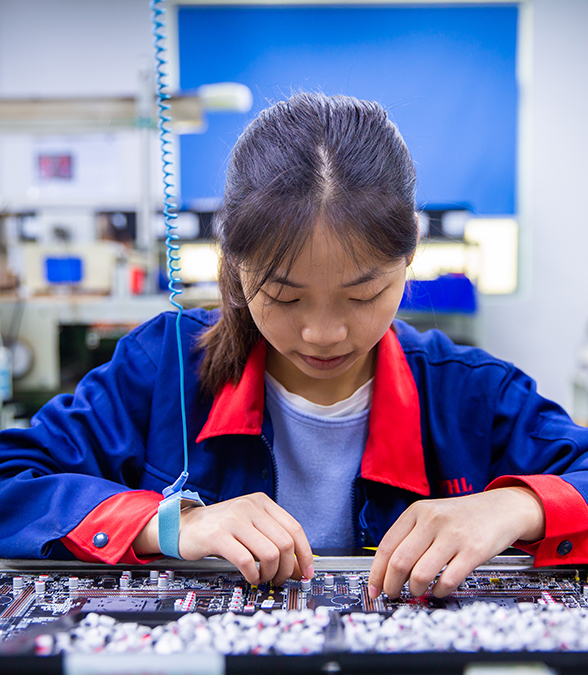
End-to-End PCBA Manufacturing Services
For 20 years, STHL has combined component procurement, PCB fabrication, SMT and THT assembly, and functional testing into one controlled workflow — so your team deals with one accountable supplier from first article to repeat production.

Electronic Components Procurement
Full or partial turnkey sourcing through 100+ agents and suppliers, with BOM scrubbing, alternate-part suggestions, incoming inspection, and reel-level traceability.

PCB Fabrication
Standard, prototype, aluminum, flexible, rigid-flex, HDI, Rogers, ceramic, heavy-copper, high-Tg, and halogen-free boards built to your stack-up and surface finish.

SMT & THT PCB Assembly
Prototype, low-volume, and high-volume assembly including fine-pitch, BGA, and mixed-technology boards, verified by AOI, X-ray, ICT, and functional testing.

Value-Added Services
PCB layout and design, IC programming, ICT and functional testing, conformal coating, cable and wire harness, and complete box build assembly under one roof.
Controlled Workflow
From Gerber Files to Global Shipment in Six Controlled Steps
Knowing what happens after a purchase order removes surprises. This is how every STHL PCBA project moves through the factory, whether the order is five prototype boards or a repeat production lot.
DFM & BOM Review
Engineers check Gerber, BOM, and centroid data for manufacturability, footprint errors, and end-of-life parts before any material is ordered.
Component Sourcing
Parts are purchased through 100+ agents and suppliers, then pass incoming inspection and moisture-sensitive device control.
PCB Fabrication
Bare boards are produced to your stack-up, surface finish, and impedance requirements, from single-layer to HDI and rigid-flex.
SMT & THT Assembly
7 SMT lines and 2 DIP/THT lines handle fine-pitch, BGA, and mixed-technology boards for prototypes and mass production.
Inspection & Testing
AOI, X-ray, ICT, and functional tests, plus IC programming and conformal coating, with results logged in our MES.
Box Build & Delivery
Cable assembly, enclosure integration, and ESD-safe packaging, shipped to customers in 90+ countries and regions.
Why Choose STHL
Why Global OEMs Choose STHL for Prototype SMT Electronics
Measurable capacity, documented quality systems, and engineering support reduce total cost — not just the unit price. These are the operational reasons buyers keep coming back.

Dust-Free Smart Factory
10,000+ m² highly automated production space.

20 Years of Experience
Proven know-how across PCB and PCBA since 2006.

Global Sourcing
500k+ parts via 100+ agents and suppliers.

Fully Certified
IATF 16949, ISO 9001, ISO 14001, ISO 13485.

ERP & MES Tracking
Real-time production status and lot traceability.

Cost-Down Engineering
DFM and BOM optimization by our engineering team.

No MOQ
Prototype and large-quantity orders both welcome.

NDA Before RFQ
Your design data and IP are protected from day one.

Fast Delivery
99.5% on-time delivery across global shipments.
Certified Quality Systems
Certifications That Support Global Supplier Qualification
Independent third-party audits confirm that STHL processes meet the requirements of automotive, medical, industrial, and consumer customers. The certificate images are shown in full proportion for procurement review.

ISO 9001
Quality Management System
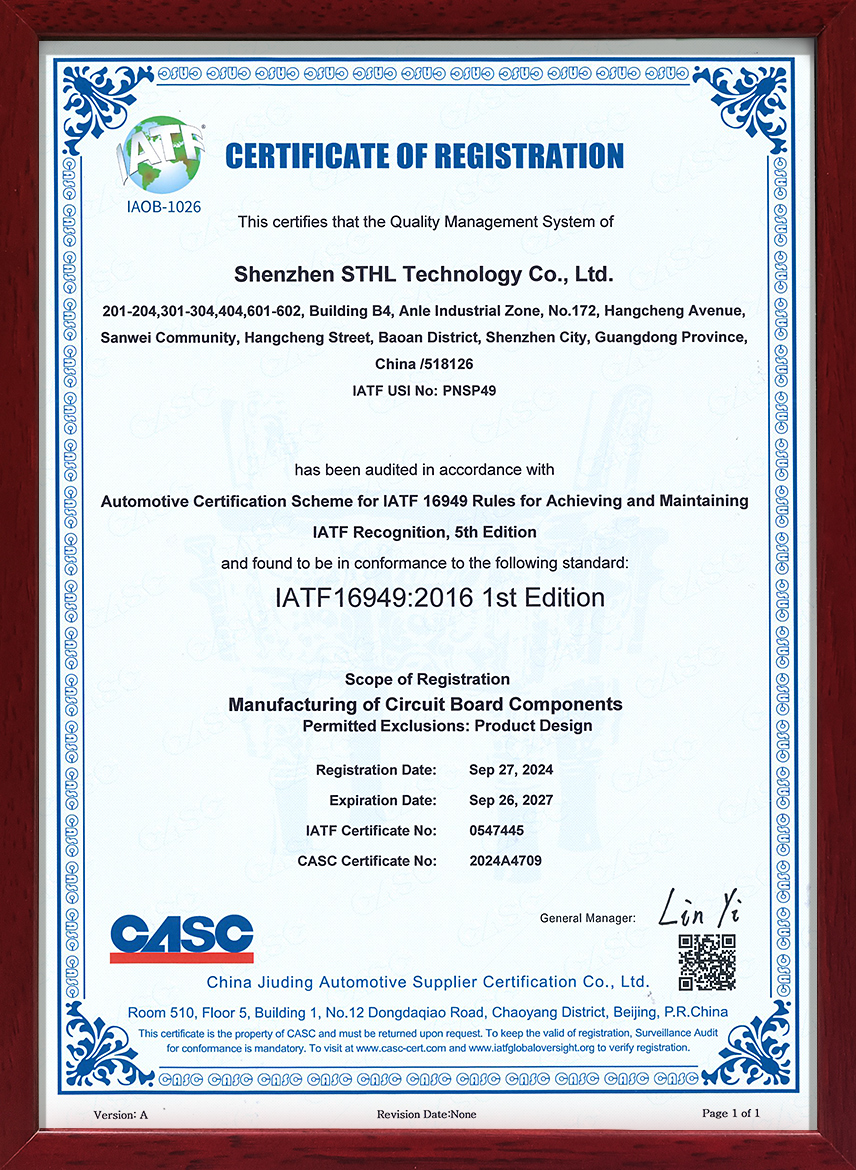
IATF 16949
Automotive Quality Management
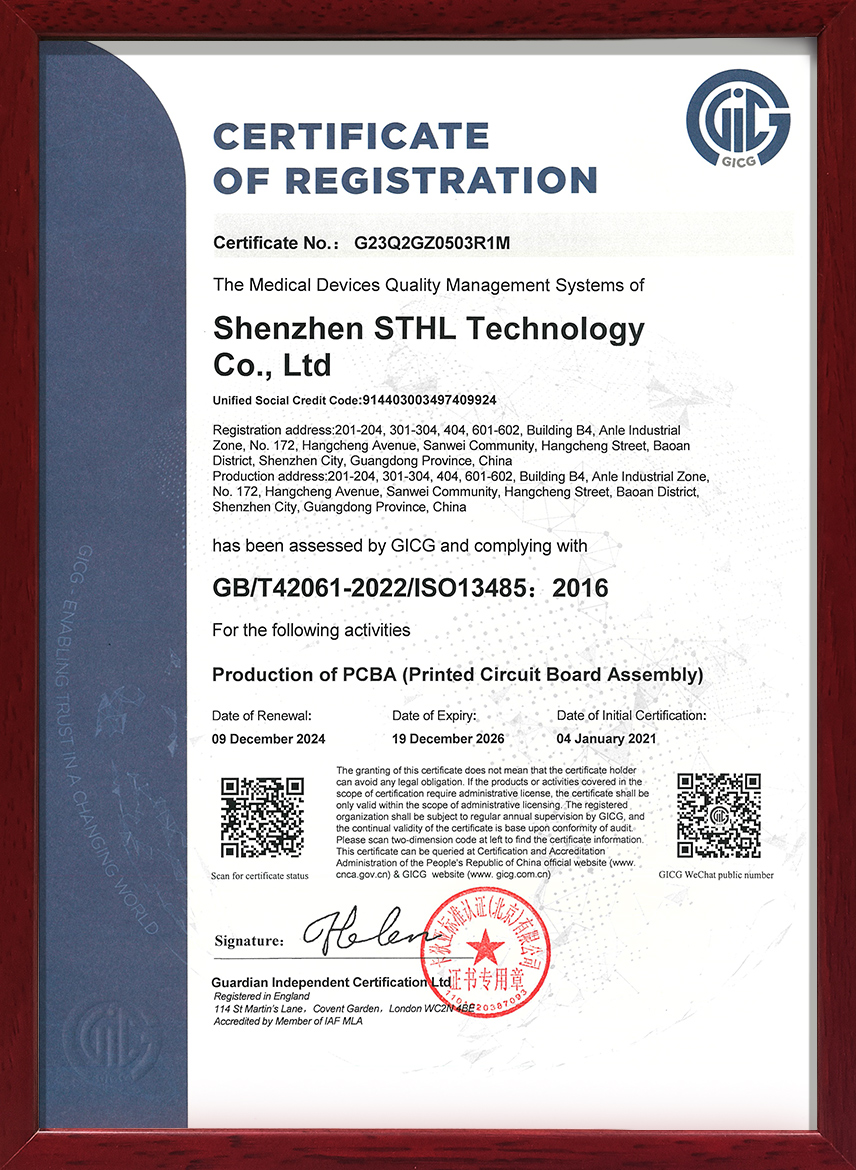
ISO 13485
Medical Devices Quality Management
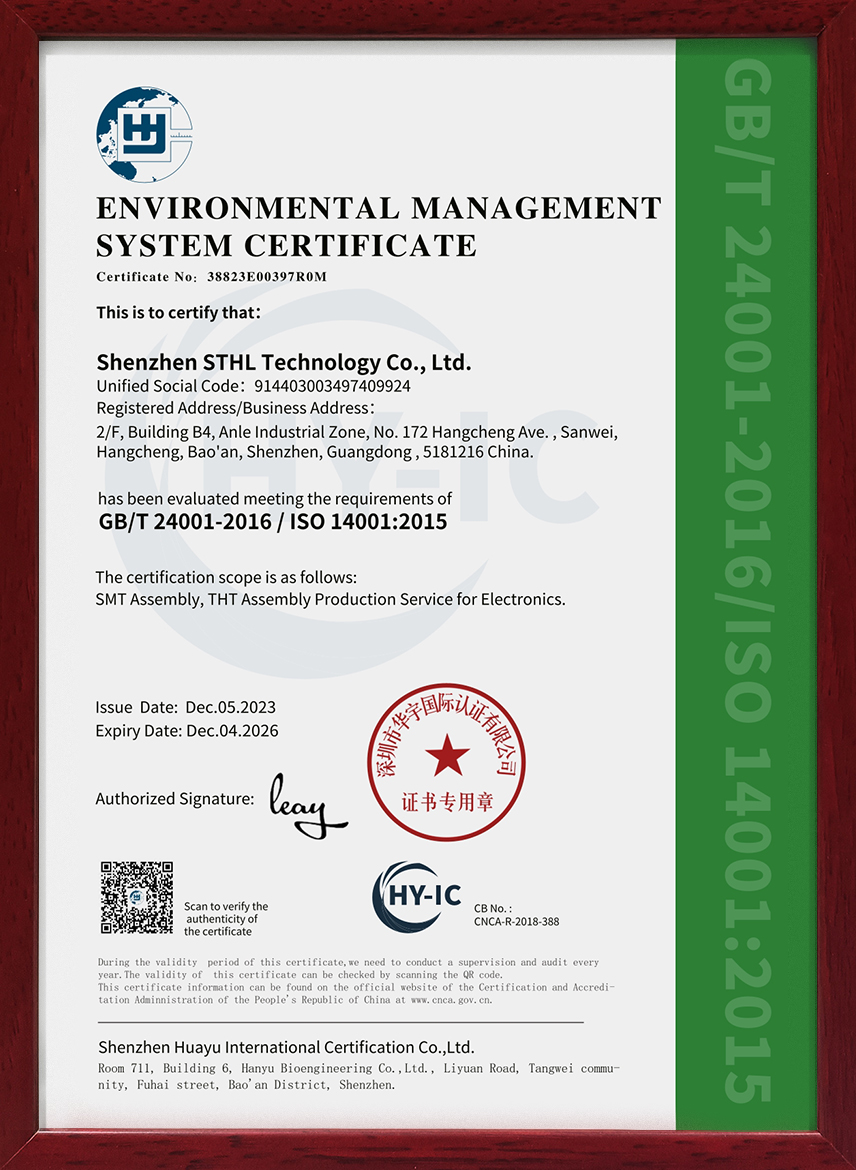
ISO 14001
Environmental Management System
Client Feedback
What Engineers and Buyers Say About STHL
Feedback from hardware engineers, designers, and company owners across North America, Europe, and beyond. These comments reflect the daily experience of managing prototype SMT builds across time zones.
Excellent team to work with and fast delivery with high-quality boards. We are very happy to work with such a good supplier. Thanks again.

PauloR&D Engineer · United States
Please extend my thanks to your team for your hard work in preparing these samples. This positive experience has strengthened my confidence in your company, and I'm looking forward to discussing bulk orders in the near future.

OliviaHardware Engineer · Germany
We are satisfied with the last order. You did a great job on those boards and the lead time was short. I will place a new order soon.

WilliamCEO · Italy
The order was perfect — exactly as specified with top quality. Highly recommend this reliable supplier.

DmitryCEO · Brazil
Exciting! Very fast delivery, a professional supplier and a professional product. We will place a new order very soon!

SohiabHardware Engineer · Turkey
We have tested all the boards and I am highly pleased. I will repeat my order soon. Thank you again for your excellent service.

AnnaSr. Hardware Designer · New Zealand
It's always a pleasure ordering. Very professional team and good quality — thanks for your great service.

JohnsonR&D Engineer · United States
Satisfied with the sample products delivered. Very good product, quick delivery and a good understanding of my requirements.

SarahHardware Engineer · United Kingdom
The supplier's professionalism is evident in their seamless communication, efficient processing and reliable service. They are a trustworthy and commendable partner.

Dmitry IvanovCEO · Romania
News & Insights
PCBA Insights and Factory News for Global Buyers
Practical updates from the production floor — customer visits, traceability practices, and what really drives PCBA lead time between purchase order and shipment.




FAQ
Prototype SMT Electronics from China: Buyer FAQs
Straight answers to the questions procurement and engineering teams ask before choosing a PCB assembly manufacturer in China.
What files do I need to submit for a PCBA project?
Send Gerber files, a BOM with manufacturer part numbers, the pick-and-place (centroid) file, and assembly drawings. If you need IC programming or functional testing, include firmware and test procedures. Our engineers complete a DFM and BOM review before production starts.
Is there a minimum order quantity (MOQ)?
No. STHL accepts prototype, low-volume, and high-volume PCB assembly orders, so you can validate a design and scale to mass production with the same supplier.
Can STHL source all the electronic components?
Yes. We offer full turnkey, partial turnkey, and consigned assembly. Our sourcing team works with 100+ agents and suppliers covering more than 500,000 part numbers, with incoming inspection and traceability from reel to finished board.
Which quality certifications does STHL hold?
STHL is certified to IATF 16949, ISO 9001, ISO 14001, and ISO 13485, and produces RoHS-compliant assemblies. Boards are verified with AOI, X-ray, ICT, and functional testing.
How do you protect our design files and IP?
We sign an NDA before RFQ, restrict project data to the assigned engineering team, and track every build through our ERP and MES systems.
Can we audit or visit the factory?
Yes. Customers are welcome to visit our Shenzhen factory and R&D laboratory at any time, and a 360-degree virtual factory tour is available for remote evaluation.
What is the typical lead time for prototype SMT electronics from China?
Lead time depends on PCB fabrication, component availability, assembly complexity, test requirements, and documentation review. Simple prototype SMT builds can move quickly when all files and parts are ready, while BGA, rigid-flex, medical, and automotive projects need more engineering and inspection time. STHL confirms the schedule after DFM and BOM review, not before the material risks are understood.
How should I compare Chinese SMT factories for a prototype build?
Compare engineering response, DFM quality, BOM transparency, component traceability, certification fit, test coverage, NDA discipline, and the ability to scale into repeat production. Ask for sample records, inspection methods, and a clear escalation path. A low quotation without a controlled process can cost more after rework, delays, or field failures.
Planning Your Next Prototype SMT Build?
Get our capability catalog with PCB fabrication options, assembly processes, testing methods, and industry case references — everything your team needs to qualify STHL as a supplier.
More PCBA Programs
More Prototype SMT Electronics from China Factories
Review additional PCBA programs spanning intercoms, access control, DC-DC converters, digital X-ray machines, portable ultrasound equipment, medical information terminals, optical line terminals, and portable Wi-Fi devices. All original product links and images are preserved below.
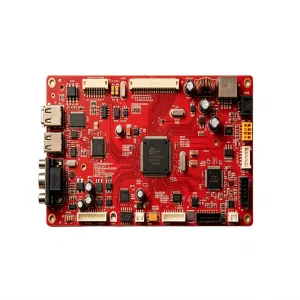
OEM Intercoms PCBA Assembly--STHL Factory, Service
View product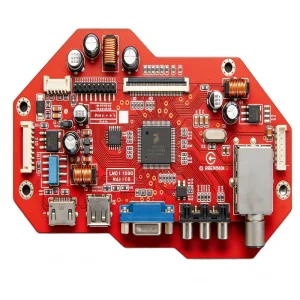
One-Stop Access Control System PCB Assembly--STHL Supplier, Solutions
View product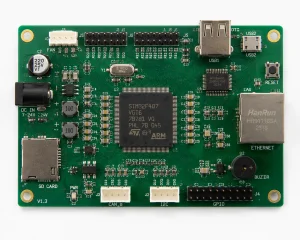
Top 10 Non-Isolated DC-DC Converter (Point-of-Load) PCB Assembly--STHL Factory, Manufacturers
View product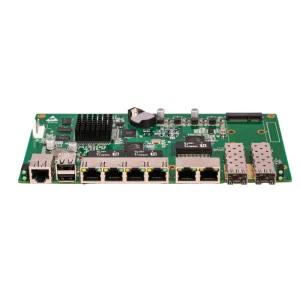
China Digital X-ray Machine PCB Assembly--STHL Manufacturer, Partner
View product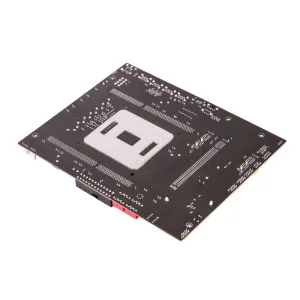
Prototype Portable Ultrasound Equipment PCB Assembly--STHL Company, in China
View product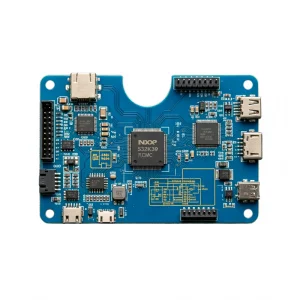
One-Stop Medical Information Terminal PCB Assembly--STHL Company, Manufacturers
View product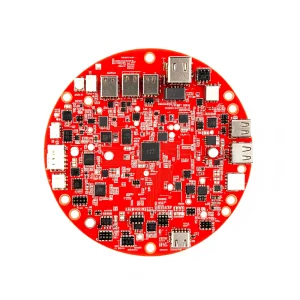
Custom Optical Line Terminal (OLT) PCB Assembly Solutions, Factories
View product