Prototype SMD Mount Supplier & from China
Turnkey SMT and THT assembly, component sourcing, DFM review, inspection, functional testing and box build for prototypes, NPI and volume production — engineered for global OEMs that need speed without losing process control.
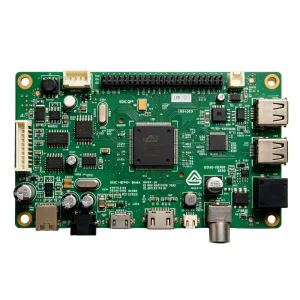
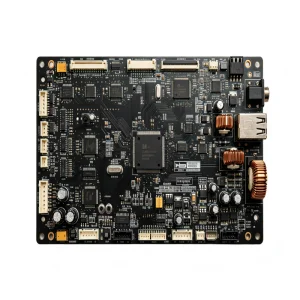
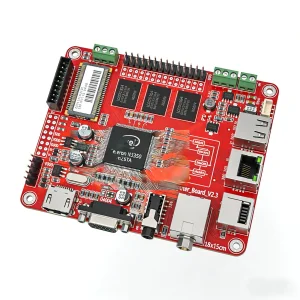
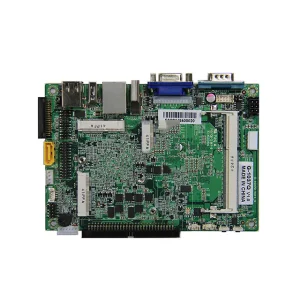
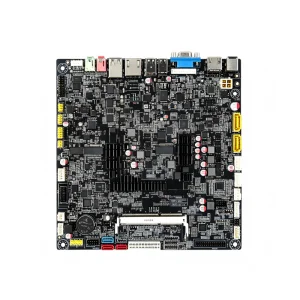
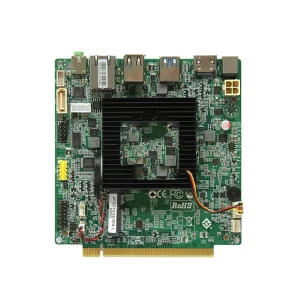
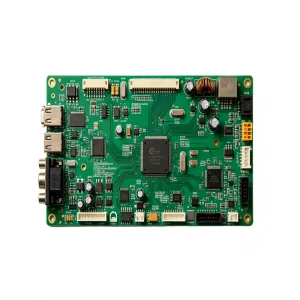
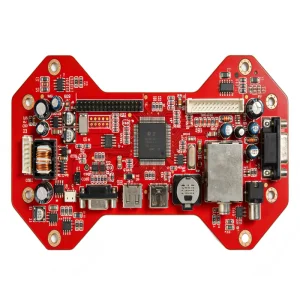
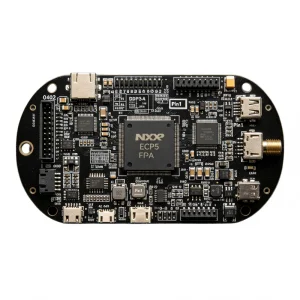
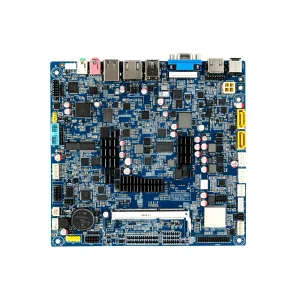
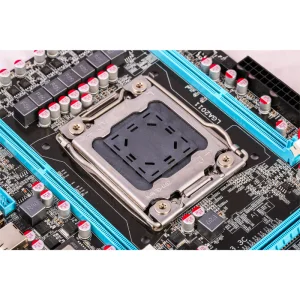
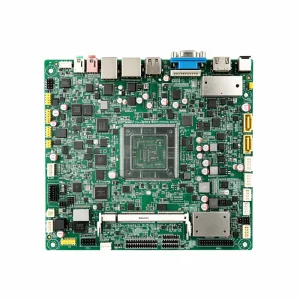
Eight SMD Mount and PCBA Platforms for Prototype-to-Volume Programs
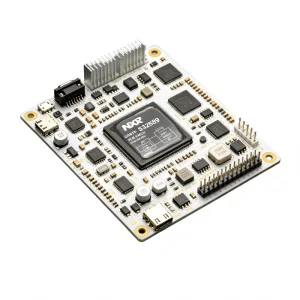
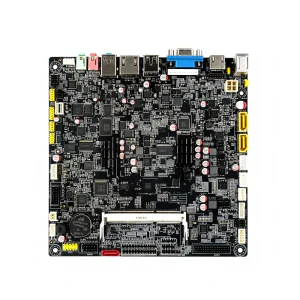
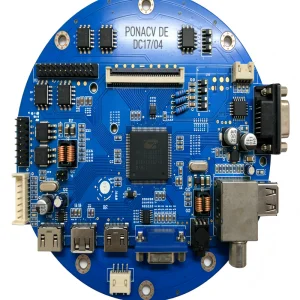
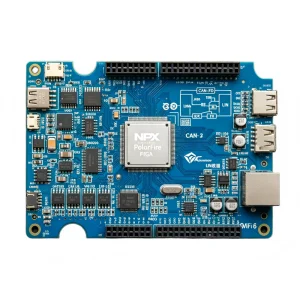
These product links preserve the original STHL solution pages while showing the breadth of SMD mounting and PCBA work that can be evaluated before a request for quotation.
What a Prototype SMD Mount Supplier from China Should Deliver
A prototype SMD mount project sits at the point where design intent becomes a manufacturable product. The right supplier is not simply a vendor that places surface-mount components on a small batch of boards.
The supplier must interpret Gerber data, scrub the bill of materials, flag end-of-life or long-lead parts, control moisture-sensitive devices, verify fine-pitch and BGA joints, and return documentation that allows the next build to repeat the same result. That difference matters when an overseas buyer compares quotations from China: the lowest unit price can hide engineering gaps that appear later as rework, schedule slips, or an unqualified first article.
STHL has operated as a Shenzhen-based EMS and PCBA provider since 2006. The company's 10,000 m² Shenzhen facility, 220+ staff and 50+ engineers support PCB fabrication, component sourcing, SMT and THT assembly, IC programming, functional testing, conformal coating, cable assembly and box build. Its quality systems include IATF 16949, ISO 9001, ISO 14001 and ISO 13485, and production is supported by AOI, X-ray, ICT and functional test. For prototype and low-volume programs, the practical advantage is that DFM review, sourcing, assembly and test can be completed under one accountable process instead of being split across several suppliers.
Information gain for buyers: define supplier capability in measurable terms. Ask how many SMT lines handle high-mix work, how incoming components are checked, how traceability is recorded from reel to finished board, and how nonconforming material is contained. A credible China prototype SMD mount supplier should be able to show a documented route from quotation to first article and from first article to repeat production.
DFM and BOM Review
A deep review before material is ordered is the cheapest place to remove cost, reduce risk and prevent avoidable first-article delays.
Quick-Turn NPI
Prototype speed must not bypass stencil, paste, reflow, inspection and test controls that make the build repeatable.
Component Integrity
Moisture-sensitive devices, counterfeit risk, end-of-life parts and alternates all need documented handling.
Risk-Matched Inspection
AOI, X-ray, ICT and functional testing should be selected according to package risk, board complexity and application.
Traceability & Documentation
Lot numbers, test logs and material records make the next build easier to audit, repeat and scale.
IP Protection
NDA before RFQ, restricted project data and controlled access protect design files from the first engineering exchange.
Manufacturing Evidence That Supports E-E-A-T
For procurement teams, supplier claims are only useful when they can be tied to capacity, process control and shipment performance. These are the operating signals STHL brings to prototype SMD mount and production PCBA programs.
Years of EMS Experience
m² Production Facility
Professional Engineers
Production Lines
On-Time Delivery
Qualified Shipment Rate
Why this matters: 7 SMT assembly lines, 2 DIP/THT lines, 2 functional test lines and 2 box build lines create a practical path from prototype validation to repeat production. The same supplier can support DFM feedback, sourcing, assembly, testing and final shipment without handing the project across multiple process owners.
Why Prototype SMD Mounting Is Not Just Small-Volume SMT
A prototype run must expose design problems early, while a production run must suppress variation. The process, documentation and communication have to serve both goals.
Design Intent Translation
Footprints, panelization, paste apertures, thermal relief and assembly drawings have to match the engineer's intent, not merely the CAD file.
Component and BOM Risk
Prototype builds often expose sourcing problems first. Alternate parts, package compatibility and lifecycle status must be reviewed before production.
First-Article Inspection
For fine-pitch, BGA, QFN and mixed-technology boards, inspection strategy should be agreed before the first board is assembled.
Repeatability at Scale
The records created during prototype assembly should become the baseline for repeat orders, ECOs and volume ramp-up with the same supplier.
A supplier that only quotes placement cost is answering a narrow question. A better RFQ asks for engineering feedback, component traceability, inspection coverage, test method, packaging standard and the handover documents that will allow another build to succeed without starting over.
What Global Enterprises Expect from a China PCBA Partner
Global OEMs and hardware startups are not sourcing prototype SMD mounting in isolation. They are building a supply chain that must survive engineering changes, component shortages, compliance audits and regional logistics.
Multi-Region Supplier Qualification
Buyers in the USA, Germany, Italy, the UK, Poland, New Zealand and Brazil need documentation that their quality and procurement teams can review remotely.
High-Mix, Low-Volume Flexibility
NPI teams need small batches, fast changeovers and engineering feedback before the design is frozen for mass production.
Dual Sourcing & Resilience
Component alternates, approved vendor lists and consistent documentation reduce exposure to allocation and lead-time shocks.
Total Landed Cost
Purchase price alone is not enough. Rework, freight, inspection, delays and engineering hours all affect the true cost of a build.
Compliance Evidence
Quality certificates, RoHS-compliant assemblies and test records help procurement and quality teams complete supplier onboarding.
Localized Engineering Support
English and Chinese communication, remote reviews and documented follow-up keep projects moving across time zones.
Trends Reshaping SMD Mounting and PCBA Sourcing
The direction is clear: SMD mounting is becoming more data-driven, more traceable and more tightly connected to the product lifecycle. Buyers should evaluate whether a supplier can follow that curve.
Miniaturization & Advanced Packages
Fine-pitch, BGA, QFN, HDI and rigid-flex designs place more demand on stencil design, placement accuracy, reflow profiling and X-ray inspection.
Digital Traceability
ERP and MES tracking connect material lots, process steps and test results. Traceability is becoming a procurement requirement, not an optional extra.
AI-Assisted Inspection
AOI and X-ray systems generate data that can be fed back into process improvement, reducing repeated defects in high-mix production.
Sustainability & Localization
Energy use, waste control, RoHS compliance and supply-chain resilience are moving from marketing language into supplier scorecards.
For a prototype SMD mount program, the practical takeaway is to ask whether the process data created during the first build can be reused. If the answer is no, the supplier may be able to place parts, but may not be able to support a predictable ramp to production.
PCBA Platforms for Demanding Applications
Different markets require different evidence. Medical buyers need controlled traceability, automotive buyers need IATF-aligned process discipline, and industrial buyers need robust boards that survive heat, vibration and long service life.
Medical & Healthcare
ISO 13485-controlled assembly for monitoring, diagnostic and wearable devices with lot traceability.
Explore medical PCBA →Automotive Electronics
IATF 16949 processes for control modules, lighting and charging electronics that must handle heat and vibration.
Explore automotive PCBA →Industrial Control
Robust PCBAs for PLCs, motor drives and automation equipment, with conformal coating options.
Explore industrial PCBA →Computer & Storage
High-density, BGA-rich boards for computing, storage and peripherals, verified by X-ray inspection.
Explore computer PCBA →Smart Home & IoT
Wireless, sensor and low-power assemblies for connected products that need compact SMD mounting.
Explore smart home PCBA →Power Supply & Energy
Open frame, bench supply, PDU, battery charger and power distribution assemblies for demanding loads.
Explore power PCBA →Safety & Security
Security cameras, video doorbells and access-control electronics built for continuous operation.
Explore security PCBA →Environmental Monitoring
Sensor interface and waste gas monitoring system PCBAs that depend on stable analog and digital signal integrity.
Explore monitoring PCBA →Compliance Assurance for Global Buyers
When a prototype SMD mount project is sourced from China, the relationship has to work across language, time zone and audit requirements. Compliance is not a certificate on a wall; it is the ability to produce the right evidence when a customer asks.
Certified Quality Systems
IATF 16949, ISO 9001, ISO 14001 and ISO 13485 systems support automotive, industrial, medical and environmental programs. Assemblies are RoHS-compliant.
NDA Before RFQ
Design files and IP are protected from the first engineering discussion. Project data is restricted to the assigned engineering team.
Documentation & Traceability
ERP and MES tracking connect builds to lot records, material traceability and test results for procurement and quality review.
Audit, Tour & Delivery
Customers can visit the Shenzhen factory and R&D laboratory, use a 360-degree virtual factory tour, and rely on global shipment support.
Buyers should ask for the evidence format they need before the order is placed: certificate copies, first-article records, inspection reports, test logs and packaging standards. A supplier that can provide these items consistently is easier to qualify, audit and retain.
From Gerber to Global Shipment: Six Controlled Steps
Knowing what happens after the purchase order removes surprises. This is how every STHL PCBA project moves through the factory, from prototype SMD mount validation to repeat production.
DFM & BOM Review
Engineers check Gerber, BOM and centroid data for manufacturability, footprint errors and end-of-life parts before material is ordered.
Component Sourcing
Parts are purchased through 100+ agents and suppliers, then pass incoming inspection and moisture-sensitive device control.
PCB Fabrication
Bare boards are produced to your stack-up, surface finish and impedance requirements, from single-layer to HDI and rigid-flex.
SMT & THT Assembly
7 SMT lines and 2 DIP/THT lines handle fine-pitch, BGA and mixed-technology boards for prototypes and mass production.
Inspection & Testing
AOI, X-ray, ICT and functional tests, plus IC programming and conformal coating, with results logged in the MES.
Box Build & Delivery
Cable assembly, enclosure integration and ESD-safe packaging, shipped to customers in 90+ countries and regions.
Future Outlook for Prototype SMD Mounting
The next stage of PCBA competition will not be decided by placement speed alone. It will be decided by how quickly a supplier can turn engineering data, process data and quality data into fewer surprises for the customer.
NPI Discipline
Prototype builds will continue to move faster, but the winning process will keep DFM, BOM risk and first-article inspection tight.
Digital Thread
ERP and MES integration will make material, process and test data easier to retrieve across prototype and volume builds.
Advanced Inspection
AOI, X-ray and functional test data will be used more actively to close the loop between defect detection and process improvement.
Sustainable Manufacturing
Energy use, waste control, RoHS compliance and supply-chain resilience will become normal parts of supplier evaluation.
Eight Checks Before You Approve a China SMD Mount Supplier
Use this checklist to compare quotations with the same evidence standard. It is designed for procurement, quality and engineering teams evaluating a prototype SMD mount supplier from China.
Certifications & Audit Readiness
Verify IATF 16949, ISO 9001, ISO 14001 and ISO 13485 status, plus the ability to host a factory audit or virtual tour.
Engineering Review Before Quote
Ask whether DFM, BOM and centroid files are reviewed before pricing, and whether the supplier proposes alternates with clear risk notes.
Component Sourcing Controls
Confirm supplier channels, incoming inspection, MSD control and traceability from reel to finished board.
Inspection & Test Coverage
Match AOI, X-ray, ICT and functional testing to package risk, board density and product application.
Traceability & Documentation
Request lot records, test logs, material certificates and packaging standards that your quality team can retain.
IP Protection
Confirm NDA before RFQ, restricted project access and a clear process for handling engineering changes.
Capacity & Scale-Up
Check whether the same factory can move from prototype to low-volume and volume production without changing process ownership.
Logistics & After-Sales
Review global shipment experience, packaging, response time and the escalation path for quality issues.
Prototype SMD Mount Supplier FAQ
Direct answers for procurement and engineering teams comparing a China prototype SMD mount supplier.
What files do I need for a prototype SMD mount quote?
Send Gerber files, a BOM with manufacturer part numbers, the pick-and-place / centroid file and assembly drawings. If you need IC programming or functional testing, include firmware and test procedures. STHL engineers complete a DFM and BOM review before production starts.
Is there a minimum order quantity?
No. STHL accepts prototype, low-volume and high-volume PCB assembly orders, so you can validate a design and scale to mass production with the same supplier.
Can STHL source all the electronic components?
Yes. Full turnkey, partial turnkey and consigned assembly are available. The sourcing team works with 100+ agents and suppliers covering more than 500,000 part numbers, with incoming inspection and traceability from reel to finished board.
Which quality certifications does STHL hold?
STHL is certified to IATF 16949, ISO 9001, ISO 14001 and ISO 13485, and produces RoHS-compliant assemblies. Boards are verified with AOI, X-ray, ICT and functional testing.
How do you protect our design files and IP?
An NDA is signed before RFQ, project data is restricted to the assigned engineering team, and every build is tracked through ERP and MES systems.
Can we audit or visit the factory?
Yes. Customers are welcome to visit the Shenzhen factory and R&D laboratory at any time, and a 360-degree virtual factory tour is available for remote evaluation.
Talk to a PCBA Engineer
Share your Gerber, BOM and prototype target date. STHL can review manufacturability, propose component options and outline a practical route from prototype SMD mount to repeat production.
Eight Additional SMD Mount and PCBA Product Solutions
Explore more original STHL product pages for medical, security, LED backlight, telemedicine, networking, Bluetooth, battery charging and environmental monitoring applications.