Product Highlights: Prototype SMD Assembly & Turnkey PCBA Applications
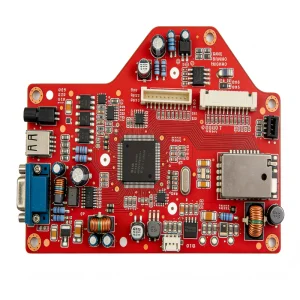
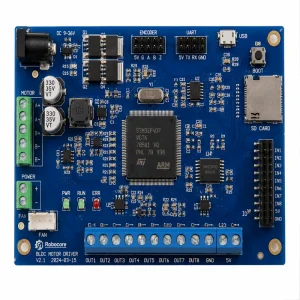
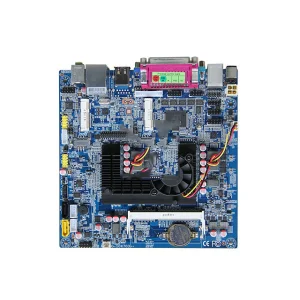
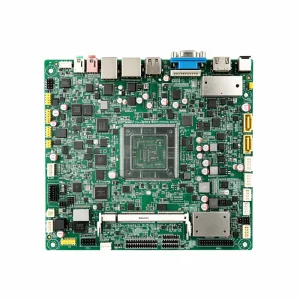
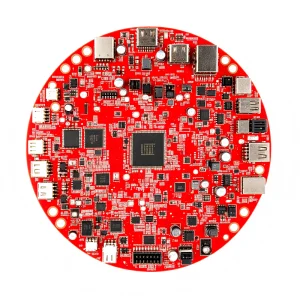
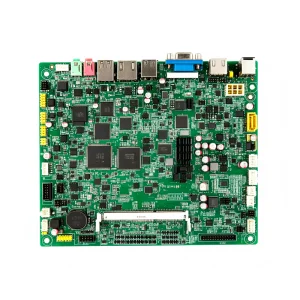
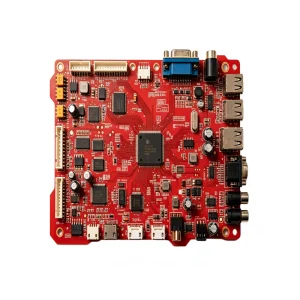
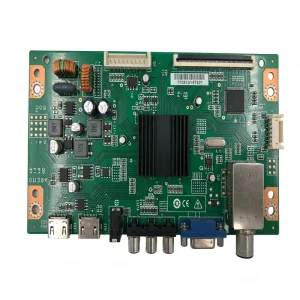
Eight representative product families from STHL’s PCBA portfolio, covering camera modules, boost converters, drug delivery systems, PDU boards, security cameras, programmable power supplies, home automation controllers and explosion-proof equipment.
Main Navigation
PCBA Solutions
- PCBA Solution
- LED PCB Assembly
- Aerospace PCB Assembly
- Smart Home PCB Assembly
- Safety & security PCB Assembly
- Communication PCB Assembly
- Power supply PCB Assembly
- Energy PCB Assembly
- Consumer electronics PCB Assembly
- Medical PCB Assembly
- Automotive PCB Assembly
- Computer PCB Assembly
- Industrial control PCB Assembly
- Environmental Monitoring Equipment PCB Assembly
Prototype SMD Assembly Line Factory & Company: A Practical Guide for Global OEMs
A prototype SMD assembly line is no longer a simple bench for first articles. It is the front end of a controlled manufacturing system that must connect DFM review, BOM sourcing, solder-paste printing, component placement, reflow, inspection, test, conformal coating, box build and shipment. For global OEMs, the choice of a prototype SMD assembly line factory and company directly affects NPI speed, design confidence, material risk and the total cost of scaling into volume.
Shenzhen STHL Electronics Co., Ltd. is a certified electronics manufacturing services (EMS) and ODM provider. We help hardware teams in the USA, Germany, Italy, the UK, Poland, New Zealand, Brazil and 90+ other regions move from schematic to shipped product — PCB layout, component sourcing, PCB fabrication, SMT/THT assembly, cable assembly, box build and full testing in one factory.
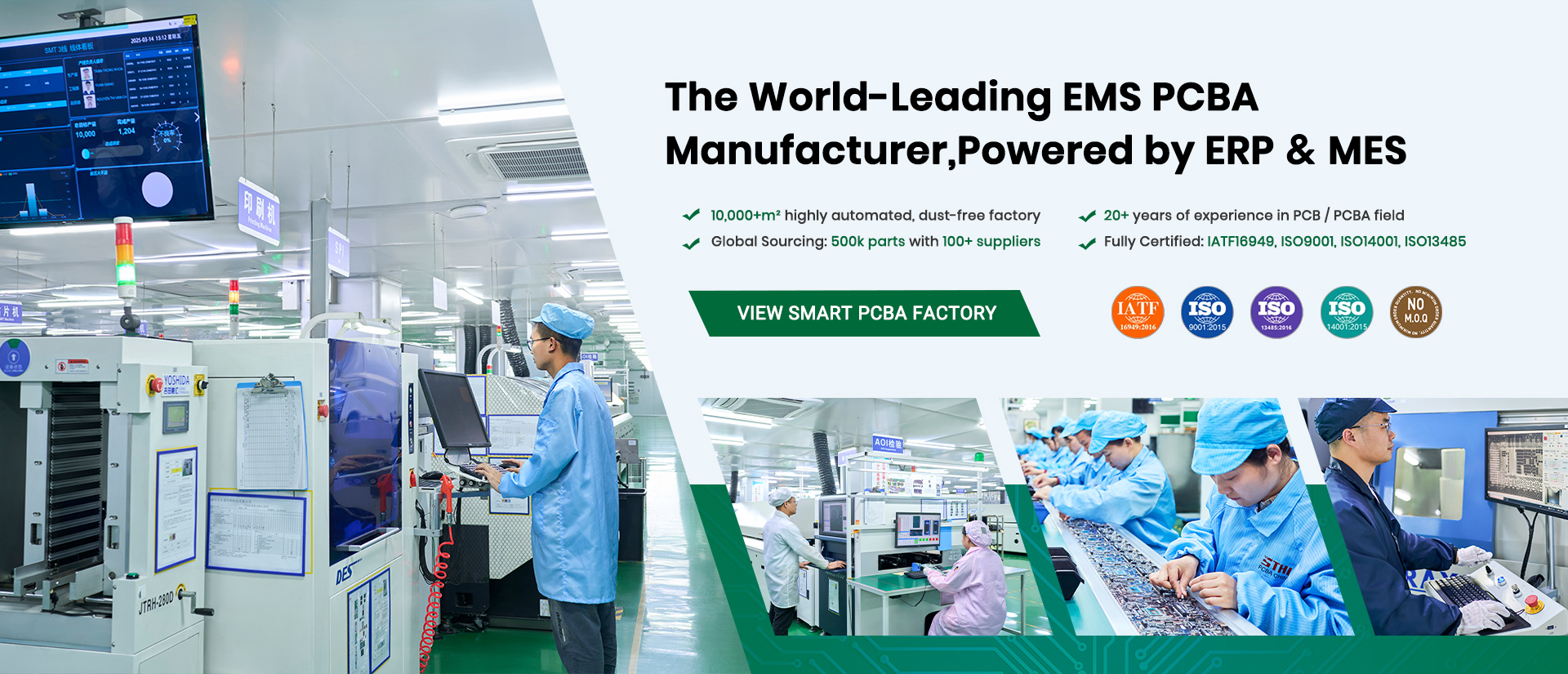
Our 220+ staff, including 50+ engineers, run a 10,000 m² facility with an in-house R&D laboratory for design verification and prototype testing. Every build is RoHS-compliant and controlled under IATF 16949, ISO 9001, ISO 14001 and ISO 13485 systems. Factory visits and audits are welcome at any time.
This guide is written for procurement, engineering and quality teams who need more than a unit-price quotation. It explains how high-mix SMD assembly lines are changing, what global buyers now demand, why China Factory 4.0 remains relevant in resilient supply chains, and how to qualify a prototype SMD assembly partner with evidence rather than assumptions.
- 7 SMT assembly lines
- 2 DIP / THT lines
- 2 functional test lines
- 2 box build lines
- In-house R&D laboratory
- AOI · X-Ray · ICT · FCT
Inside the STHL PCBA Factory
Watch the SMT lines, testing area and box build zone before you place an RFQ.
Play Factory Video
Certified Quality & environmental systems
Years of EMS Experience
m² Production Facility
Professional Engineers
Production Lines
On-Time Delivery
Qualified Shipment Rate
From Gerber to Box Build, One Factory
The same controlled workflow supports prototype validation, low-volume NPI and repeat mass production. These three factory views show how engineering, assembly and quality are connected.
End-to-End PCBA Manufacturing Services
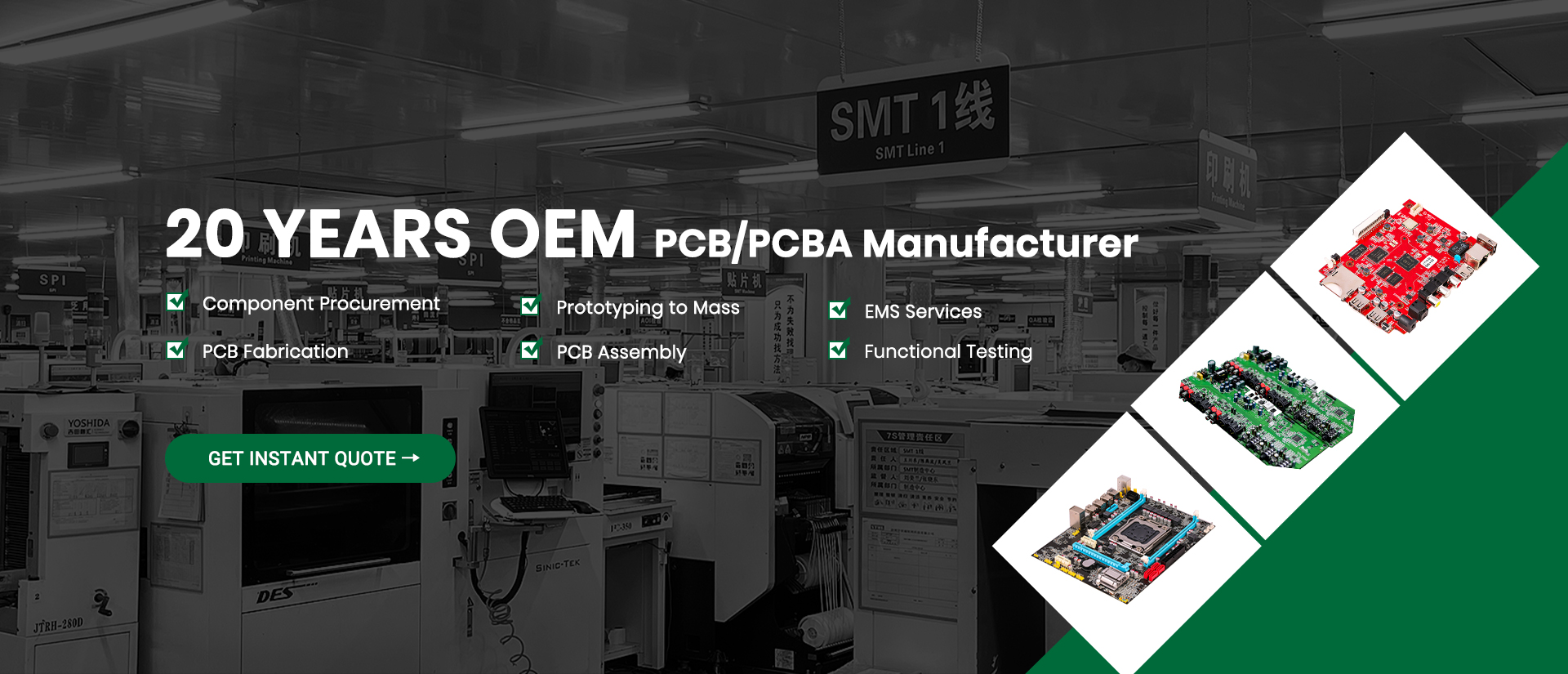
For 20 years, STHL has combined component procurement, PCB fabrication, SMT and THT assembly and functional testing into one controlled workflow — so you deal with one accountable supplier from first article to repeat production.

Electronic Components Procurement
Full or partial turnkey sourcing through 100+ agents and suppliers, with BOM scrubbing, alternate-part suggestions and reel-level traceability.
Learn more →
PCB Fabrication
Standard, prototype, aluminum, flexible, rigid-flex, HDI, Rogers, ceramic, heavy-copper, high-Tg and halogen-free boards built to your stack-up.
Learn more →
SMT & THT PCB Assembly
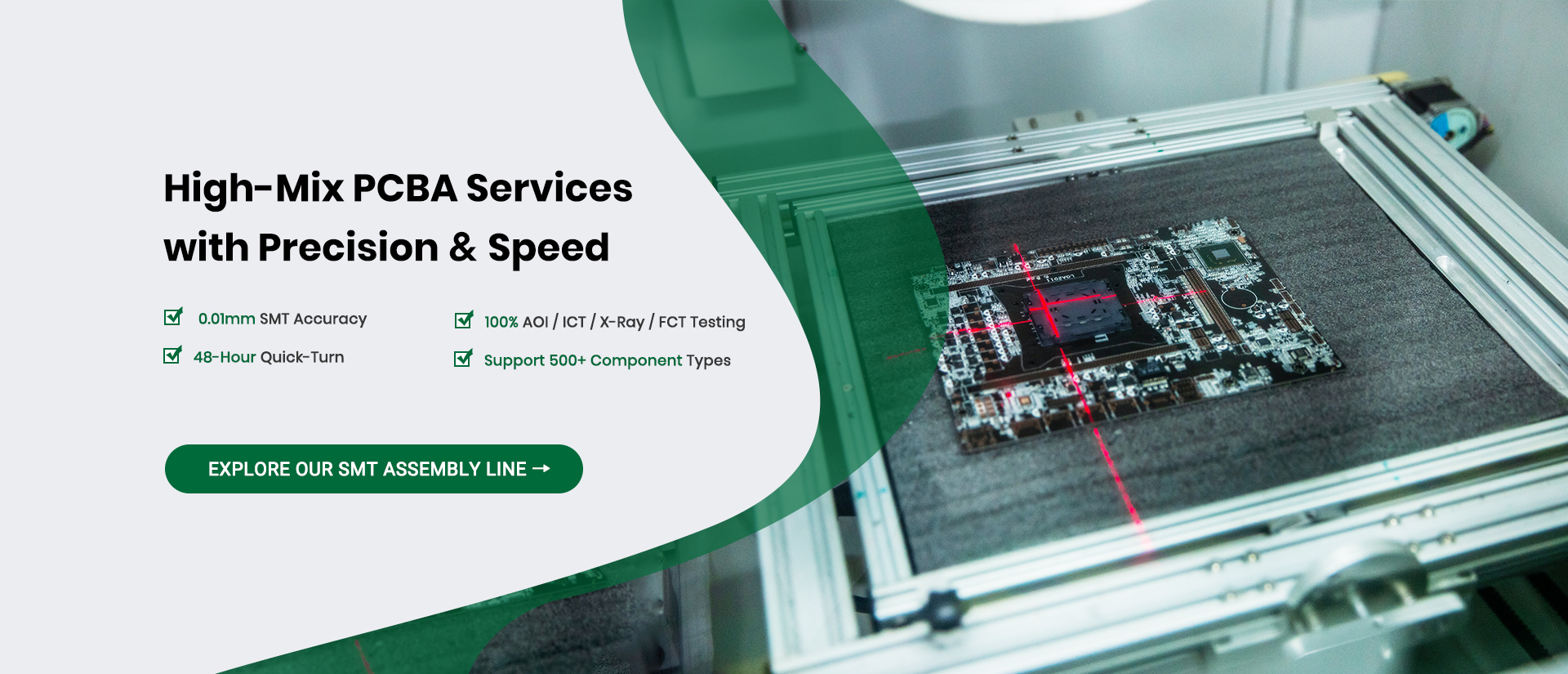
Prototype, low-volume and high-volume assembly including fine-pitch, BGA and mixed-technology boards, verified by AOI and X-ray.
Learn more →
Value-Added Services
PCB layout and design, IC programming, ICT and functional testing, conformal coating, cable and wire harness, and complete box build assembly.
Learn more →PCB Assembly for Demanding Industries
From in-vehicle electronics to medical devices and smart IoT products, our process controls are matched to the reliability and compliance level each market requires.
Medical & Healthcare
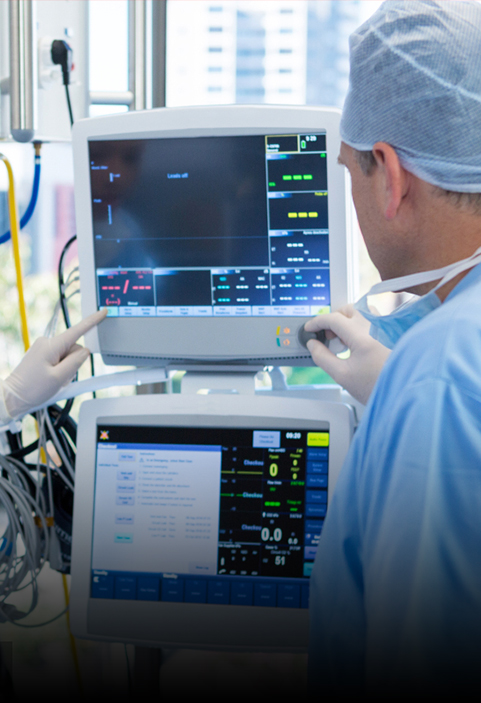
ISO 13485-controlled assembly for monitoring, diagnostic and wearable devices with full lot traceability.

Automotive Electronics
IATF 16949 processes for control modules, lighting and charging electronics that must survive heat and vibration.
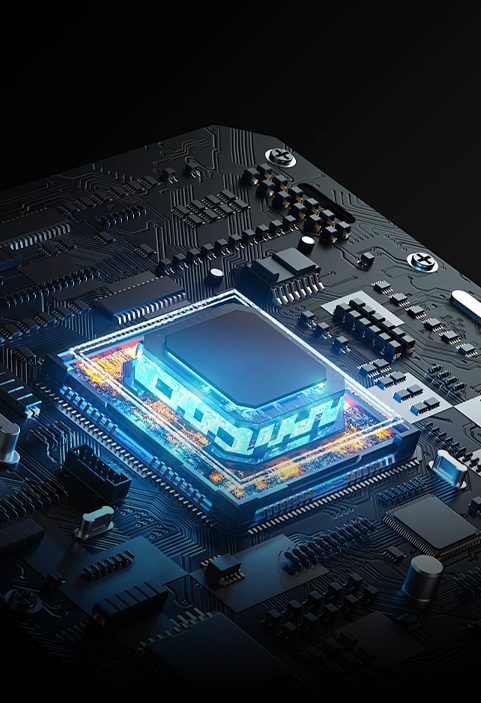
Computer & Storage
High-density, BGA-rich boards for computing, storage and peripherals, verified by X-ray inspection.
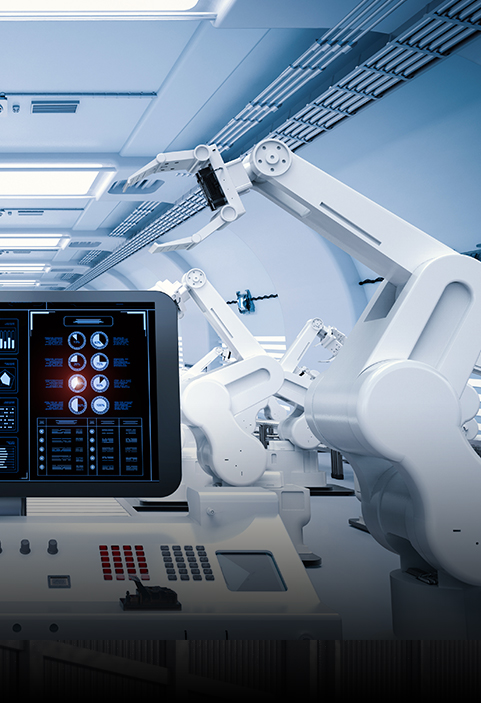
Industrial Control
Robust PCBAs for PLCs, motor drives and automation equipment, with conformal coating options.
From Gerber Files to Global Shipment in 6 Controlled Steps
Knowing what happens after you place a purchase order removes surprises. This is how every STHL PCBA project moves through our factory.
DFM & BOM Review
Engineers check Gerber, BOM and centroid data for manufacturability, footprint errors and end-of-life parts before any material is ordered.
Component Sourcing
Parts are purchased through 100+ agents and suppliers, then pass incoming inspection and moisture-sensitive device control.
PCB Fabrication
Bare boards are produced to your stack-up, surface finish and impedance requirements, from single-layer to HDI and rigid-flex.
SMT & THT Assembly
7 SMT lines and 2 DIP/THT lines handle fine-pitch, BGA and mixed-technology boards for prototypes and mass production.
Inspection & Testing
AOI, X-ray, ICT and functional tests, plus IC programming and conformal coating, with results logged in our MES.
Box Build & Delivery
Cable assembly, enclosure integration and ESD-safe packaging, shipped to customers in 90+ countries and regions.
Why Global OEMs Choose STHL for PCB Assembly
Measurable capacity, documented quality systems and engineering support that reduces your total cost — not just the unit price.

Dust-Free Smart Factory
10,000+ m² highly automated production space.

20 Years of Experience
Proven know-how across PCB and PCBA since 2006.

Global Sourcing
500k+ parts via 100+ agents and suppliers.

Fully Certified
IATF 16949, ISO 9001, ISO 14001, ISO 13485.

ERP & MES Tracking
Real-time production status and lot traceability.

Cost-Down Engineering
DFM and BOM optimisation by our engineering team.

No MOQ
Prototype and large-quantity orders both welcome.

NDA Before RFQ
Your design data and IP are protected from day one.

Fast Delivery
99.5% on-time delivery across global shipments.
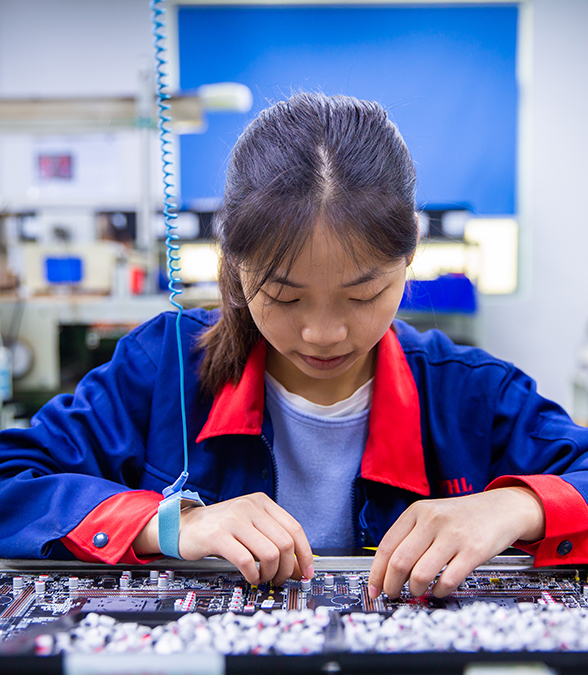
SMD Assembly Line Development Trends Reshaping Prototype-to-Volume Manufacturing
Prototype SMD assembly is becoming a data-rich, high-mix and compliance-driven service. The strongest factories are not simply adding machines; they are connecting engineering decisions, material traceability and quality evidence across the entire NPI-to-production lifecycle.
Miniaturization and Advanced Packaging
Fine-pitch QFN, BGA, 01005 passives, rigid-flex, HDI and high-density interconnect designs require tighter stencil control, placement accuracy and X-ray verification. A prototype line must reveal assembly risks early, before tooling and volume commitments are made.
High-Mix, Low-Volume NPI
Global OEMs increasingly launch multiple product variants with shorter lifecycles. Quick changeover, digital feeders, BOM scrubbing and no-MOQ policies matter more than ever. Prototype and low-volume orders must use the same traceability discipline as mass production.
Digital Thread and Traceability
ERP and MES tracking, reel-to-board material records, AOI/X-ray logs and ICT/FCT data create auditable evidence. For medical, automotive and industrial buyers, traceability is not a report at the end; it is a production requirement from the first article.
AI-Assisted Quality and Factory 4.0
Solder-paste inspection, smart feeders, automated optical inspection, X-ray and data dashboards reduce human variation. The goal is not a fully unmanned factory; it is faster engineering feedback and more consistent decisions across high-mix builds.
Supply-Chain Resilience
Component shortages and allocation cycles have made alternate-part engineering, approved vendor lists and dual sourcing essential. A prototype SMD assembly company should expose material risks during DFM, not after the line is already running.
Sustainability and Compliance
RoHS compliance, ISO 14001 environmental controls, energy-aware equipment and waste reduction are now part of supplier qualification. Buyers increasingly compare not only price and lead time, but also the evidence behind environmental and quality claims.
What Global Enterprises Now Expect from Prototype SMD Assembly Suppliers
Procurement teams are buying risk reduction as much as they are buying boards. The requirements below are common across North American, European and Asia-Pacific OEMs, especially for medical, automotive, industrial, security, energy and smart-home programs.
North America
NPI speed, engineering responsiveness, NDA discipline and quick-turn prototypes for IoT, security, medical and industrial controls. Buyers often request DFM feedback before releasing tooling.
Europe
Strong focus on technical documentation, traceability, RoHS compliance, ISO systems and stable repeat production. German, Italian, UK and Polish OEMs frequently audit process controls and material records.
Asia-Pacific
Fast prototyping, mixed-technology SMT/THT builds, box build and local sourcing flexibility. Consumer electronics, LED, power and communication applications demand short cycle times.
Latin America & Middle East
Power supply, security, environmental monitoring and industrial projects require reliable documentation, export packing and clear communication across time zones.
The strongest procurement strategies compare total landed cost, first-article quality, engineering change response, component risk and repeatability — not only the quoted assembly price. A prototype SMD assembly line factory and company that provides information gain during NPI can prevent expensive surprises in mass production.
Supply Chain Resilience & Efficiency Advantages
China remains a deep electronics manufacturing cluster for components, PCB fabrication, SMT assembly, tooling, cable assembly and box build. The advantage is not only scale. It is the density of suppliers, engineering talent and process knowledge that allows a high-mix prototype SMD assembly line to move faster with controlled risk.
At STHL, Factory 4.0 is applied pragmatically. ERP and MES systems track production status and lot traceability. Automated inspection supports AOI, X-ray, ICT and functional testing. Engineering teams review Gerber, BOM and centroid data before material is ordered. Sourcing teams work with 100+ agents and suppliers covering more than 500,000 part numbers, with incoming inspection and reel-level traceability.
For global buyers, this combination improves supply-chain resilience: fewer handoffs, faster identification of end-of-life parts, clearer alternate-part decisions and better visibility from first article to repeat shipment. The result is a shorter path from prototype validation to volume production, supported by IATF 16949, ISO 9001, ISO 14001 and ISO 13485 systems.
China Factory 4.0 also supports hybrid sourcing strategies. OEMs can keep critical IP and engineering decisions in-house, use Chinese rapid prototyping and volume assembly for speed, and qualify second-source suppliers where required. A transparent PCBA partner should support this “China plus one” logic with documentation, audits and data rather than resisting it.
Factory 4.0 Capability Snapshot
Global Industrial Status: Why NPI Quality Determines Volume Success
Industrial and commercial electronics programs are under pressure from shorter product cycles, component volatility, stricter compliance and distributed engineering teams. A design that passes bench testing can still fail volume production if the prototype SMD assembly process does not surface thermal, stencil, placement, test-access or material-availability risks.
This is why top-tier OEMs treat the prototype line as a strategic learning stage. They ask for DFM feedback, BOM risk reports, first-article inspection data and clear change control. They also expect the same factory to scale with them, so that process knowledge is not lost between prototype and production.
STHL supports this continuity with 7 SMT lines, 2 DIP/THT lines, 2 functional test lines, 2 box build lines, an in-house R&D laboratory and 50+ engineers. The factory serves customers in 90+ regions and maintains 99.5% on-time delivery and a 99% qualified shipment rate.
For buyers, the practical takeaway is simple: select a prototype SMD assembly line factory and company that can show evidence of process control, not only a catalog of equipment. That evidence should include certifications, traceability practices, inspection methods, NDA discipline and a clear path from first article to repeat production.
Where Prototype SMD Assembly Lines Create the Most Value
Different markets prioritize different evidence. The same high-mix SMD line can support very different products when engineering, material control and testing are adapted to the application.
Medical Drug Delivery & Monitoring
ISO 13485-controlled assembly, lot traceability, functional testing and documentation for drug delivery systems, monitors and wearables. Prototype builds must reveal testability and reliability risks early.
Automotive & EV Electronics
IATF 16949 processes for control modules, lighting, charging and sensor boards. Thermal management, vibration resistance and repeatability are critical before volume release.
Industrial Automation & PDU
Robust PCBAs for PLCs, power distribution units, motor drives and laboratory automation. Conformal coating, heavy-copper options and ICT/FCT coverage improve field reliability.
Smart Home & Security
Camera modules, controllers, access systems and security monitors require fast NPI, RF-aware layout support and stable component sourcing for high-mix SKUs.
Environmental Monitoring
Air quality, gas leak and water pollution early-warning systems need sensor integration, calibration support and reliable low-volume production with clear batch records.
Power, LED & Energy
Boost converters, programmable power supplies, LED grow lights and signage boards require thermal design, safety spacing and test plans that scale from prototype to volume.
Prototype SMD Assembly Supplier Checklist
Use these checks to compare factories with evidence. They are designed for engineering, procurement and quality teams evaluating a China PCBA manufacturer for prototype-to-volume programs.
- DFM and BOM review completed before quotation or material purchase.
- Clear NDA process before RFQ and restricted access to design files.
- Certified quality systems: IATF 16949, ISO 9001, ISO 13485 and ISO 14001 where applicable.
- Traceability from incoming reel to finished board, supported by ERP and MES records.
- Inspection coverage: AOI, X-ray, ICT and functional testing matched to product risk.
- Component sourcing strategy with alternate-part review, lifecycle checks and incoming inspection.
- Repeatable path from prototype and low-volume NPI to mass production with no MOQ barrier.
- Factory audit, video tour or 360-degree virtual tour available for remote qualification.
- Documented packaging, ESD control and export shipment process for global delivery.
- Engineering responsiveness for ECOs, test fixtures, IC programming and conformal coating.
Brands & Supply-Chain Partners We Work With
Long-term cooperation with global brands and established component distributors keeps your BOM genuine, traceable and available.
Brand Customers



















Component Sourcing Channels












Certified Quality Management Systems
Independent third-party audits confirm that our processes meet the requirements of automotive, medical and industrial customers. Click any certificate to view it in full size.

ISO 9001
Quality Management System

IATF 16949
Automotive Quality Management

ISO 13485
Medical Devices Quality Management

ISO 14001
Environmental Management System
Audit Our Factory Remotely with a 360° Virtual Tour
Walk through our SMT, THT, testing and warehouse areas before you visit. It is the fastest way for procurement and quality teams to pre-qualify a new PCBA supplier.
Interactive 360° panorama of the STHL Shenzhen production facility.
Review production layout, equipment zones and material flow before scheduling an on-site audit. Factory visits and audits remain welcome at any time.
Launch 360° Tour
What Engineers & Buyers Say About STHL
Feedback from hardware engineers, designers and company owners across North America, Europe and beyond.
Excellent team to work with and fast delivery with high-quality boards. We are very happy to work with such a good supplier. Thanks again.

Please extend my thanks to your team for your hard work in preparing these samples. This positive experience has strengthened my confidence in your company, and I'm looking forward to discussing bulk orders in the near future.

We are satisfied with the last order. You did a great job on those boards and the lead time was short. I will place a new order soon.

The order was perfect — exactly as specified with top quality. Highly recommend this reliable supplier.

Exciting! Very fast delivery, a professional supplier and a professional product. We will place a new order very soon!

We have tested all the boards and I am highly pleased. I will repeat my order soon. Thank you again for your excellent service.

It's always a pleasure ordering. Very professional team and good quality — thanks for your great service.

Satisfied with the sample products delivered. Very good product, quick delivery and a good understanding of my requirements.

The supplier's professionalism is evident in their seamless communication, efficient processing and reliable service. They are a trustworthy and commendable partner.

PCBA Insights & Factory News
Practical updates from our production floor — customer visits, traceability practices and what really drives PCBA lead time.




PCBA Sourcing FAQs for Overseas Buyers
Straight answers to the questions procurement and engineering teams ask before choosing a PCB assembly manufacturer in China.
Talk to a PCBA Engineer
✉️ [email protected] 📞 +86 135 1018 8049 💬 WhatsApp: +86 135 1018 8049 📘 Request a CatalogWhat files do I need to submit for a PCBA project?
Send Gerber files, a BOM with manufacturer part numbers, the pick-and-place (centroid) file and assembly drawings. If you need IC programming or functional testing, include firmware and test procedures. Our engineers complete a DFM and BOM review before production starts.
Is there a minimum order quantity (MOQ)?
No. STHL accepts prototype, low-volume and high-volume PCB assembly orders, so you can validate a design and scale to mass production with the same supplier.
Can STHL source all the electronic components?
Yes. We offer full turnkey, partial turnkey and consigned assembly. Our sourcing team works with 100+ agents and suppliers covering more than 500,000 part numbers, with incoming inspection and traceability from reel to finished board.
Which quality certifications does STHL hold?
STHL is certified to IATF 16949, ISO 9001, ISO 14001 and ISO 13485, and produces RoHS-compliant assemblies. Boards are verified with AOI, X-ray, ICT and functional testing.
How do you protect our design files and IP?
We sign an NDA before RFQ, restrict project data to the assigned engineering team and track every build through our ERP and MES systems.
Can we audit or visit the factory?
Yes. Customers are welcome to visit our Shenzhen factory and R&D laboratory at any time, and a 360-degree virtual factory tour is available for remote evaluation.
What is a prototype SMD assembly line and when should I use it?
A prototype SMD assembly line is a controlled SMT/THT production cell used to validate placement, solderability, test access and material choices before volume release. Use it when design risk, component availability or compliance evidence must be proven before tooling and mass-production commitments.
How does STHL control first-article quality during NPI?
Engineering reviews Gerber, BOM and centroid data, confirms stencil and placement requirements, checks material lifecycle status and defines AOI, X-ray, ICT or functional test coverage. First-article results and process records are retained for traceability.
Can STHL support China+1 or dual sourcing strategies?
Yes. We support documented BOM reviews, alternate-part engineering and audit-friendly traceability. OEMs can retain critical IP and engineering control while using STHL for rapid NPI and repeat production, then qualify additional sources where their risk model requires it.
What lead-time factors matter most for prototype SMT assembly?
File completeness, BOM accuracy, component availability, DFM closures, test-fixture requirements, IC programming, conformal coating and final inspection define most of the lead time. Early engineering review reduces avoidable delays.
Planning Your Next PCBA Build?
Get our capability catalog with PCB fabrication options, assembly processes, testing methods and industry case references — everything your team needs to qualify STHL as a supplier.
Additional Prototype & OEM PCBA Solutions
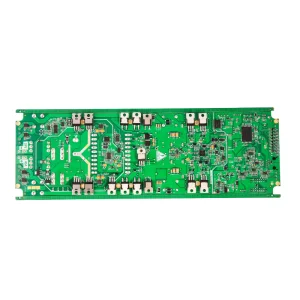
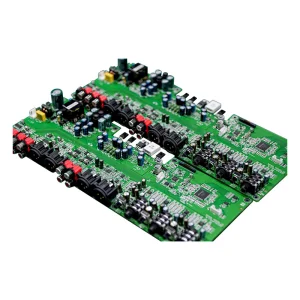
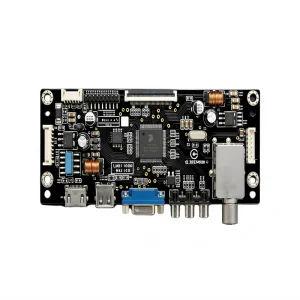
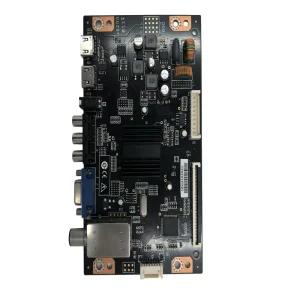
Eight more product families spanning environmental monitoring, gas detection, power management, LED lighting, signage, security monitoring, laboratory automation and water pollution early warning.
 STHLPCBA & EMS Since 2006
Certified EMS and ODM provider in Shenzhen, offering PCB layout, component sourcing, PCB fabrication, SMT/THT assembly, cable assembly, box build and testing.