Prototype EMS Electronic Manufacturing in China & from China
A procurement-ready white paper on turnkey PCB assembly, NPI engineering, supply-chain resilience and the China+ manufacturing model for global OEMs, hardware teams and industrial buyers.
Featured EMS Programs: The First 8 Product Spotlights
These programs show how prototype EMS electronic manufacturing in China can serve real product categories, from power distribution and outdoor security to energy, LED, tablet and safety-system electronics.
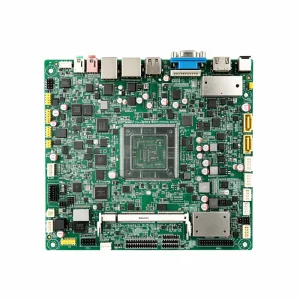
Turnkey Power Distribution Unit (PDU) PCB Assembly--STHL Company, Service
View product details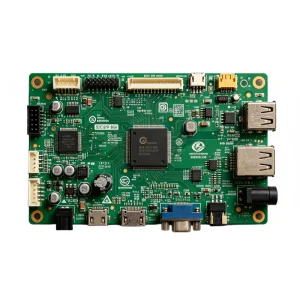
Certified Outdoor Security Camera PCBA Assembly--STHL Partner, from China
View product details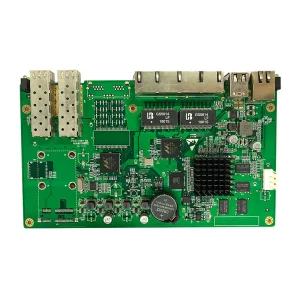
Precision Safety & Security PCBA Applications: Empowering Reliable Protection in a Connected World Factory, Solutions
View product details
China Power Tool Power Management Module PCB Assembly Service, Factories
View product details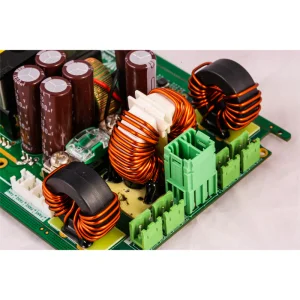
One-Stop Tablet PCB Assembly--STHL Service, Factories
View product details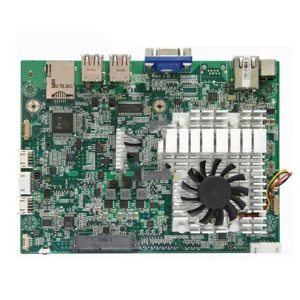
Top-Rated Supplemental Restraint System (SRS) PCB Assembly Partner, Manufacturers
View product details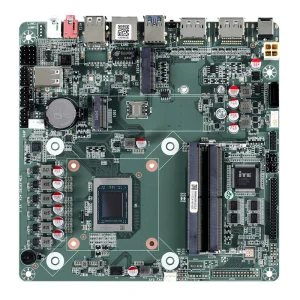
One-Stop Energy PCBA Application: Powering the Future of Renewable Energy from China, Factories
View product details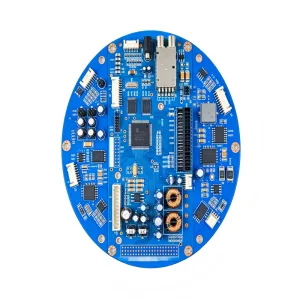
OEM LED Light Bar PCB Assembly--STHL Factory, Service
View product detailsWhy “in China” and “from China” Are Two Different EMS Decisions
Prototype EMS electronic manufacturing in China is no longer a simple unit-price comparison. It is an operating model for faster NPI, controlled sourcing, documented quality and a repeatable bridge from validation build to serial production.
For global OEMs, the important question is not whether a Chinese factory can place components on a board. The real question is whether the supplier can provide engineering evidence, BOM transparency, traceability and supply-chain resilience across the full product lifecycle. A low quotation that hides component risk, test gaps or documentation weakness is rarely the lowest total cost.
China remains a deep electronics cluster. Within a short manufacturing radius, buyers can access PCB fabrication, component distribution, tooling, injection molding, cable assembly, test-fixture design and export logistics. That density compresses the learning loop. A DFM question can be reviewed by engineering, sourcing and production in the same factory, and a prototype can be validated with the same process controls that will later support mass production. This is the practical difference between basic board assembly and a true prototype EMS partnership.
“In China” means manufacturing inside China for domestic or regional demand. “From China” means an export-oriented EMS partner that serves North America, Europe, Japan, Australia, Brazil, the Middle East and other markets from a Chinese production base. The second model depends on English documentation, NDA discipline, international logistics, DFM transparency and compliance with customer-specific quality agreements. Shenzhen STHL Electronics Co., Ltd. has operated in this export model since 2006, supporting customers in 90+ regions from Gerber and BOM review through SMT/THT assembly, testing and box build.
Years of EMS and PCBA experience since 2006
m² production facility with in-house R&D laboratory
Professional engineers supporting DFM, BOM and test
Regions served through export-oriented PCBA delivery
Information gain: the buyer should evaluate the learning loop, not only the line speed
A prototype EMS supplier adds value when engineering, sourcing, assembly and test data feed back into the next build. Ask for the DFM report, approved alternate list, traceability model and test coverage before comparing price. A supplier that can explain what changed between prototype, pilot and production is more valuable than a supplier that only reports machine capacity.
The NPI Engine: Six Controlled Steps from Gerber to Global Shipment
Prototype EMS is not only quick-turn assembly. A capable partner governs design for manufacturability, BOM risk, process repeatability, test coverage and the transfer path into volume production.
DFM & BOM Review
Engineers check Gerber, BOM, centroid data, footprints, panelization, end-of-life parts and moisture-sensitive devices before material is ordered. The most expensive defect is the one copied into a purchase order.
Component Sourcing
Full turnkey, partial turnkey and consigned assembly are supported through 100+ agents and suppliers covering more than 500,000 part numbers, with incoming inspection and reel-to-board traceability.
PCB Fabrication
Standard, prototype, aluminum, flexible, rigid-flex, HDI, Rogers, ceramic, heavy-copper, high-Tg and halogen-free boards are produced to the approved stack-up and surface finish.
SMT & THT Assembly
Seven SMT lines and two DIP/THT lines handle fine-pitch, BGA and mixed-technology boards for prototypes, low-volume builds and mass production without changing the quality system.
Inspection & Testing
AOI, X-ray, ICT and functional testing, plus IC programming and conformal coating, are logged through ERP and MES so failures can be isolated by lot, program and date code.
Box Build & Delivery
Cable assembly, enclosure integration, ESD-safe packaging and export documentation complete the workflow. No MOQ means a design can be validated with a small batch and scaled later.
What Is Reshaping EMS Electronic Manufacturing in China and Globally
Global buyers are balancing cost, speed, compliance and continuity. The strongest EMS partners respond with engineering depth, digital traceability and flexible high-mix production rather than a single low-cost promise.
High-Mix, Low-Volume NPI
Hardware teams increasingly launch multiple variants, smaller batches and faster revisions. EMS factories must switch programs quickly without losing setup discipline, material control or test coverage.
Miniaturization & Advanced Packaging
Fine-pitch, BGA, rigid-flex, HDI and mini-LED designs demand stronger process windows, X-ray inspection and engineering review before the first panel is released.
Edge AI & Connectivity
Smart cameras, gateways, medical terminals and industrial controllers combine wireless modules, sensors and edge computing. RF layout, thermal control and test strategy matter as much as placement speed.
Electrification & Energy Storage
EV charging, battery management, renewable energy and DIN-rail power products require robust PCBAs, conformal coating options and traceability for high-reliability applications.
China+1 & Supply Resilience
Global procurement teams are not abandoning China; they are mapping risk. Dual sourcing, approved alternates and supplier transparency are becoming standard requirements in RFQ packages.
Compliance & Data Traceability
Automotive, medical and industrial buyers expect certification fit, RoHS control, lot traceability, NDA protection and audit-ready records—not after-the-fact assurances.
What Global OEM Buyers Now Demand Before Sending a PO
The competitive RFQ is no longer only a price sheet. It is a risk file that shows how the supplier will protect schedule, quality, IP and continuity when the design moves from prototype to series production.
Transparent BOM & Approved Alternates
Buyers want manufacturer part numbers, approved vendor lists, alternate proposals and clear consigned versus turnkey boundaries. Hidden substitutions destroy trust and create validation risk.
Certification Fit by End Market
Automotive programs need IATF 16949 discipline; medical products need ISO 13485 controls; industrial and consumer projects still require ISO 9001 and RoHS process evidence.
Total Cost, Not Unit Price
Engineering rework, expedited freight, line stoppage and field failures can outweigh a lower assembly quote. Buyers now compare yield, test coverage, lead-time confidence and communication quality.
Dual Sourcing & Continuity Plans
Critical components, long lead-time connectors and single-source ICs need a documented plan. A good EMS partner identifies constrained parts early and proposes validated alternatives before the build starts.
IP Protection & NDA Discipline
Gerber, BOM, firmware and test procedures are sensitive assets. NDA signing before RFQ, restricted project access and ERP/MES tracking are now part of supplier qualification.
Delivery Reliability & Communication
Overseas buyers need clear owners, English documentation and proactive issue escalation. A 99.5% on-time delivery target is meaningful only when supported by production visibility.
Supply-Chain Resilience and Efficiency Inside the Factory
Resilience is not simply holding extra inventory. It is the ability to detect, decide and recover. Factory 4.0 supports that capability through digital production control, automated inspection, component traceability and engineering feedback.
A modern EMS factory connects the physical build with the digital record. At STHL, a 10,000+ m² facility, 220+ staff and 50+ engineers support seven SMT lines, two DIP/THT lines, two functional test lines and two box build lines. The in-house R&D laboratory helps verify designs and prototype test requirements before they reach mass production.
Supply-chain resilience begins with BOM segmentation. Critical parts receive multiple approved sources and early purchase commitments. Constrained parts are monitored with alternate validation. Commodity parts are consolidated to reduce administrative risk. Customer-consigned parts are controlled through incoming inspection and lot segregation. ERP and MES records then provide a digital thread from incoming reel to finished board, so a quality or availability issue can be isolated by lot, machine program and date code.
Efficiency is not about running machines faster. It is about reducing the number of preventable loops: missing BOM data, unapproved substitutes, incomplete test procedures, unclear acceptance criteria and late documentation. A controlled Factory 4.0 workflow reduces those loops and protects the customer’s launch window.
Factory capability snapshot
Digital Production Control
ERP and MES tracking connect project data, material status, machine programs, inspection results and shipment records for real-time visibility.
Automated Inspection
AOI, X-ray, ICT and functional testing are matched to the product risk level. Hidden-joint inspection is especially important for BGA and fine-pitch assemblies.
Component Traceability
Reel-level traceability supports root-cause analysis, lot containment and customer audit requirements from prototype through repeat production.
Flexible High-Mix Capacity
Prototype, low-volume and high-volume orders are accepted with no MOQ. High-mix switching is managed through documented setup, first-article review and process control.
Engineering Feedback Loop
DFM and BOM findings return to the customer as practical design decisions, not generic comments. The goal is to lower rework and improve production yield.
ESD, Cleanliness & Packaging
ESD-safe handling, moisture-sensitive device control and export packaging protect boards from factory release to customer receipt.
Where Prototype EMS and China PCBA Deliver the Most Value
Different markets need different evidence. The same factory can support multiple industries only when process controls, test methods and documentation are matched to the application risk.
Automotive Electronics & EV Charging
IATF 16949 process discipline for control modules, SRS electronics, lighting, charging piles and power management assemblies that must survive heat and vibration.
MedicalMedical Information Terminals
ISO 13485-controlled assembly for monitoring, diagnostic, terminal and wearable devices, with lot traceability and documentation suitable for regulated markets.
IndustrialIndustrial Control & Power Supplies
DIN-rail power supplies, PLC modules, motor drives and automation boards benefit from conformal coating, robust test coverage and component continuity planning.
EnergyEnergy Storage & Renewable Power
Battery pack management, renewable energy PCBA and energy infrastructure boards require careful sourcing, traceability and thermal-aware layout review.
SecuritySafety, Security & Outdoor Devices
Outdoor cameras, PDU boards, access-control electronics and connected protection systems need reliable assembly and environmental resilience.
Smart HomeConsumer, LED & Smart Home
LED light bars, backlight units, tablets and IoT products require fast NPI, cost-down engineering and consistent quality across repeat builds.
A Practical Checklist for Vetting an EMS Partner in China
Experience, expertise, authority and trust should be verified with evidence. This checklist helps engineering and procurement teams separate a capable prototype EMS partner from a trading intermediary.
Experience
Look for operating history, repeat customers and experience across prototype, low-volume and production builds. STHL has served EMS and PCBA customers since 2006.
Expertise
Ask for DFM feedback, BOM risk analysis and test recommendations. A real engineering team will challenge unclear data before production, not after defects appear.
Authority
Verify certifications such as IATF 16949, ISO 9001, ISO 14001 and ISO 13485. Confirm the scope and validity of the certificates, not only the logo.
Traceability
Ask how the supplier tracks components from reel to finished board. ERP and MES records are important for containment, audits and repeat production.
Audit Readiness
Factory visits and virtual tours should be welcome. A supplier confident in its process will show SMT, THT, test, warehouse and quality areas clearly.
IP Protection
NDA before RFQ, restricted project access and documented data handling are essential when sharing Gerber, BOM, firmware and test procedures.
Certified Systems and Documented Trust
Quality is not a final inspection. It is a sequence of controls that begins with data review and continues through incoming inspection, process monitoring, AOI, X-ray, ICT, functional testing and final shipment.

Shenzhen STHL Electronics Co., Ltd. is a certified EMS and ODM provider with 220+ staff, including 50+ engineers, operating a 10,000 m² facility in Shenzhen, China. Every build is RoHS-compliant and controlled under IATF 16949, ISO 9001, ISO 14001 and ISO 13485 systems.
For automotive customers, IATF 16949 discipline supports control modules, SRS electronics, lighting and charging products. For medical customers, ISO 13485 controls support monitoring, diagnostic and terminal devices. For industrial, energy and consumer buyers, ISO 9001 and ISO 14001 provide the baseline for repeatable quality and environmental management. RoHS compliance is supported by material declarations and process discipline.
IP protection is equally important. STHL signs an NDA before RFQ, restricts project data to the assigned engineering team and tracks every build through ERP and MES systems. Customers are welcome to visit the Shenzhen factory and R&D laboratory, and a 360-degree virtual factory tour is available for remote evaluation. These practices reduce the perceived risk of sending sensitive design files to an overseas manufacturing partner.
 ISO 9001
Quality Management
 IATF 16949
Automotive Quality
 ISO 13485
Medical Devices
 ISO 14001
Environmental System
Reported on-time delivery target across global shipments
Qualified shipment rate supported by inspection and test
Part numbers addressable through 100+ sourcing channels
Production lines across SMT, THT, test and box build
Where the Days and Dollars Actually Go
Prototype lead time is not a single number. It is a chain of engineering review, component sourcing, PCB fabrication, assembly, test and logistics. Buyers should ask for the critical path before confirming a schedule.
Engineering Review
DFM, BOM scrubbing, footprint checks and test-plan alignment commonly set the quality baseline. Missing data here creates expensive rework later.
Component Availability
A BOM is only as fast as its slowest part. Long lead-time connectors, single-source ICs and obsolete parts should be identified before the PO is released.
PCB Fabrication
Layer count, materials, surface finish and impedance requirements affect fabrication time. Prototype and HDI boards require early confirmation of the stack-up.
SMT & THT Assembly
Setup, stencil, programming, first-article inspection and reflow profile validation are necessary steps. High-mix production must plan them without cutting corners.
Testing & Programming
IC programming, ICT, functional test and conformal coating add time but reduce field risk. Test coverage should be defined with the engineering team, not guessed at shipment.
Logistics & Documentation
Export packaging, commercial invoices, customs data and freight choices affect final delivery. A complete document pack prevents avoidable clearance delays.
Cost insight: the cheapest quote can be the most expensive prototype
If a quotation omits engineering review, approved alternates or test coverage, the buyer may pay later through rework, expedited freight or a failed validation build. Compare total cost of ownership: data quality, yield, traceability, communication and repeatability across prototype, pilot and production.
Prototype EMS Electronic Manufacturing in China & from China: Q&A
Straight answers for procurement and engineering teams evaluating a China PCBA manufacturer for prototype, low-volume and production programs.
QWhat is prototype EMS?
Prototype EMS is an electronics manufacturing service for validation builds before mass production. It includes DFM review, BOM sourcing, PCB fabrication, SMT/THT assembly, inspection, testing and documentation. The goal is to prove design, process and supply readiness with a repeatable path to production.
QWhat is the difference between manufacturing “in China” and “from China”?
“In China” usually refers to production for domestic or regional demand. “From China” describes an export-oriented supplier serving overseas customers from a Chinese factory. The export model requires English communication, NDA discipline, international logistics and compliance with global customer quality agreements.
QWhat files are needed for a PCBA quotation?
Send Gerber files, a BOM with manufacturer part numbers, the pick-and-place centroid file and assembly drawings. If IC programming or functional testing is required, include firmware and test procedures. A DFM and BOM review should be completed before production starts.
QIs there a minimum order quantity for prototype PCBA?
STHL accepts prototype, low-volume and high-volume PCB assembly orders with no MOQ. This allows a hardware team to validate a design and scale to mass production with the same supplier, reducing re-qualification effort.
QHow is design data and IP protected?
An NDA is signed before RFQ. Project data is restricted to the assigned engineering team, and every build is tracked through ERP and MES systems. Customers can visit the factory or use a 360-degree virtual tour to evaluate the production environment.
QWhich certifications and quality systems should I verify?
Verify certification scope and validity for IATF 16949, ISO 9001, ISO 14001 and ISO 13485 where relevant. Also confirm RoHS control, AOI, X-ray, ICT and functional testing capability. STHL holds these systems and supports factory audits and virtual reviews.
Planning a Prototype or Turnkey PCBA Build?
Share your Gerber, BOM and test requirements. STHL’s engineering team can review manufacturability, component risk and the production path before you commit to tooling or volume.
Additional EMS Programs: The Second 8 Product Spotlights
These programs complete the product series and show how a China-based EMS partner can support power, medical, automotive, telecom, energy storage and environmental monitoring applications.
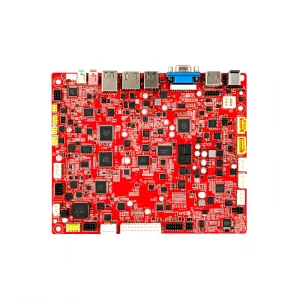
High Quality DIN Rail Power Supply PCB Assembly--STHL Supplier, Service
View product details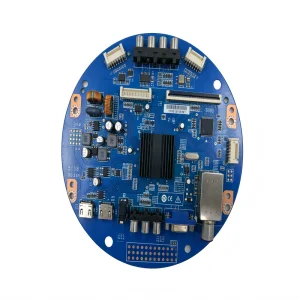
Prototype LED Backlight Unit (BLU) PCB Assembly--STHL Partner, Factories
View product details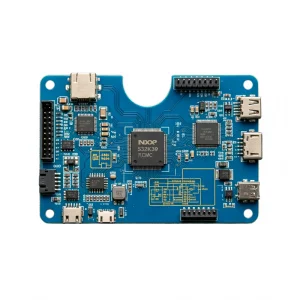
One-Stop Medical Information Terminal PCB Assembly--STHL Company, Manufacturers
View product details
Top-Rated Mini-LED Backlight PCB Assembly--STHL Partner, in China
View product details
Precision Electric Vehicle Charging Pile PCB Assembly Factory, Factories
View product details
Top 10 Base Station PCB Assembly Factory, Solution Provider
View product details
One-Stop Energy Storage Battery Pack Management System PCB Assembly Company, Factories
View product detailsPrototype Water Pollution Early Warning System PCB Assembly Company, Manufacturers
View product detailsAll product images and product URLs from the supplied source are retained and displayed above. Prototype EMS programs are subject to engineering review, BOM availability and final quality agreement.
