
Featured Prototype Electronics Sourcing Programs
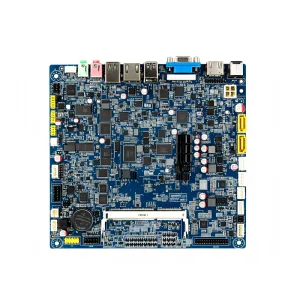
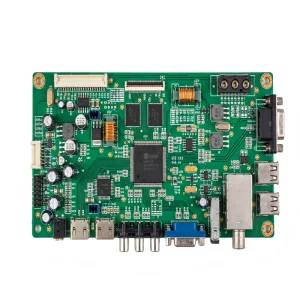
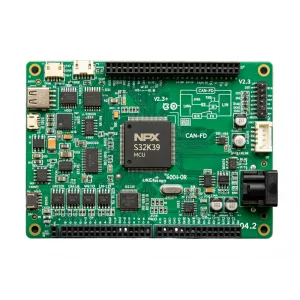
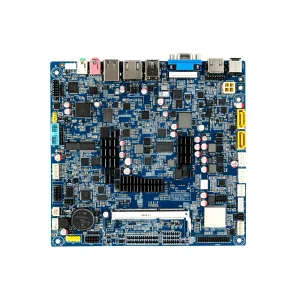
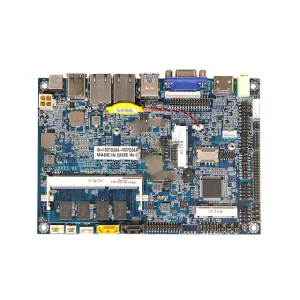
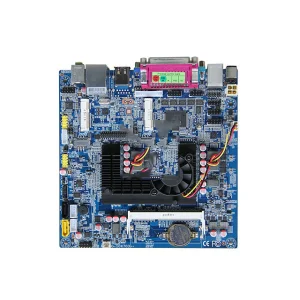
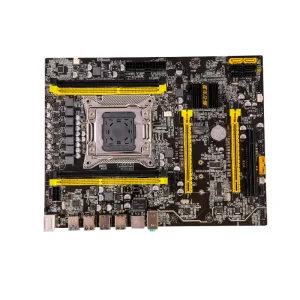
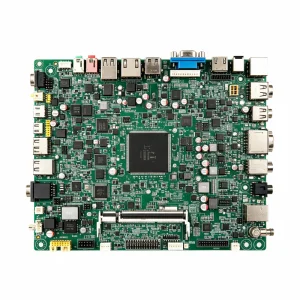
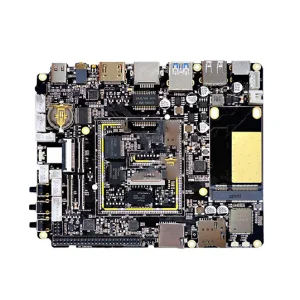
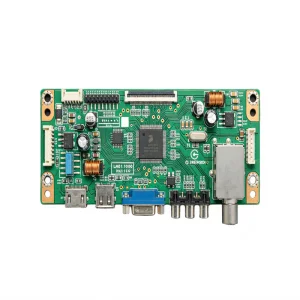
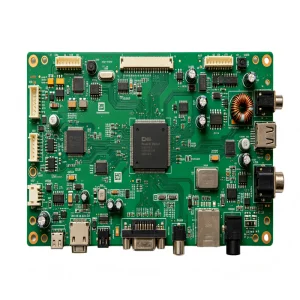
These prototype-ready programs reflect common buyer intents across router PCB assembly, medical imaging workstations, PLCs, bench power supplies, data acquisition systems, MRI electronics, smart speakers, and wall adapters. Each can be quoted as turnkey, partial turnkey, or consigned assembly, with NDA protection before RFQ and DFM/BOM review before production.
Why China Prototype Electronics Sourcing Still Wins on Speed, Depth and Resilience
Prototype electronics sourcing from China is no longer a price-only decision. For hardware teams in the United States, Germany, Italy, the United Kingdom, Poland, New Zealand, Brazil, and 90+ other regions, the strongest China manufacturers act as an extension of engineering: they review Gerber files, scrub the BOM, flag end-of-life parts, propose alternates, assemble SMT/THT boards, program ICs, run AOI, X-ray, ICT and functional tests, and prepare ESD-safe shipments. That combination compresses the loop between design intent and manufacturable reality.
Search behavior reflects this shift. Buyers now combine transactional queries such as turnkey PCBA manufacturer China and prototype PCB assembly service with risk-focused queries such as ISO 13485 PCBA supplier, IATF 16949 PCB assembly, no MOQ PCB assembly, and China Factory 4.0 electronics manufacturing. The winning supplier is the one that can answer both sets of intent with evidence: certificates, process data, traceability, and engineering feedback.
STHL, founded in Shenzhen in 2006, supports this model with 10,000+ m² of production space, 220+ staff, 50+ engineers, 7 SMT lines, 2 DIP/THT lines, 2 functional test lines, 2 box build lines, and sourcing access to 500,000+ part numbers through 100+ agents and suppliers. The practical result is a prototype path that does not need to be abandoned when the product moves into pilot or volume production.
- Select a manufacturer with end-market certifications and certificate scope that match your risk class.
- Require DFM and BOM feedback before material ordering.
- Verify component traceability, counterfeit controls, and moisture-sensitive device handling.
- Keep the same factory from prototype to volume to avoid hidden re-qualification costs.
- Sign an NDA before sharing Gerber, BOM, firmware, or test procedures.
- Compare total landed cost, quality escape cost, and lead-time risk—not unit price alone.
STHL Supplier Snapshot
Certifications: IATF 16949, ISO 9001, ISO 14001, ISO 13485. NDA before RFQ. Factory audits and a 360° virtual tour are available for remote supplier qualification.
Global Procurement Demand: Hybrid Supply Chains, Faster Cycles and More Accountability
Global electronics procurement is being rebuilt around resilience. Companies are not simply moving away from China; they are de-risking around it. A China+1 strategy may add a second assembly location in Southeast Asia, Mexico, or Eastern Europe, but the prototype and high-mix production hub often remains in Shenzhen because supplier density, engineering talent, and component access are difficult to replicate quickly. For many OEMs, China remains the fastest place to validate a design, while a second region provides geopolitical and logistics insurance.
At the same time, buyers are more accountable to internal stakeholders. A purchasing manager must demonstrate that a prototype supplier can support production, comply with end-market regulations, protect intellectual property, and recover from component shortages. That is why RFQs increasingly ask for NDA execution before BOM sharing, traceability from reel to board, test reports, RoHS/REACH declarations, and certificate scope—not just a unit price. For startups, speed dominates. For medical and automotive teams, compliance dominates. For industrial OEMs, longevity and change control dominate. A strong sourcing strategy maps the supplier’s intent to the product’s risk class: quick-turn prototypes for learning, controlled pilot builds for validation, and repeatable volume assembly for launch.
This is where a no-MOQ manufacturer with both high-mix flexibility and volume capacity creates information gain for buyers. The same quality system, engineering team, and traceability records can follow a product from first article to repeat production. That continuity reduces re-spins, audit fatigue, and the hidden cost of transferring a design to a new factory after the prototype is approved.
China Factory 4.0: Supply-Chain Resilience and Efficiency Advantages
China Factory 4.0 is not simply automation for its own sake. In a modern PCBA factory, it is a data-rich operating model: inline SPI, automated SMT placement, AOI, X-ray inspection, ICT, functional testing, smart warehousing, digital work instructions, ERP/MES integration, and ESD-safe material flow. Every build can be linked to component lots, machine parameters, inspection images, reflow profiles, and functional test results. That traceability turns a low prototype price into a defensible quality decision—especially for medical, automotive, and industrial buyers who must show evidence during audits.
The efficiency advantage is also geographic. The Pearl River Delta contains PCB fabrication, component distribution, connectors, displays, cables, enclosures, tooling, packaging, and export logistics within a compact ecosystem. Engineering changes move faster because multiple supply-chain steps can be coordinated in one region. When a BOM contains long-lead semiconductors, a capable manufacturer can propose approved alternates, place last-time buys, or hold safety stock for critical parts. When a product is ready for volume, the same factory can scale SMT, THT, test, coating, cable assembly, and box build without a costly handoff.
Automated SMT and inspection
High-mix SMT lines, AOI, X-ray, and functional test stations reduce variation and catch defects before shipment.
ERP and MES traceability
Lot-level material records, real-time WIP visibility, and test logs support audits, recalls, and repeat production.
Component engineering
BOM scrubbing, alternate-part suggestions, lifecycle checks, and authorized-channel sourcing protect availability.
Supply-chain cluster
PCB fabrication, components, tooling, cables, enclosures, and logistics can be coordinated within one region.
Eight Trends Shaping Prototype Electronics Sourcing in 2025–2030
Buyer intent is becoming more specific. The following trends explain why procurement teams are asking for faster prototypes, stronger traceability, and a China partner that can support both engineering discovery and production scale.
Edge AI and sensor fusion
On-device AI increases demand for high-speed layouts, power integrity, thermal control, and firmware validation in early prototypes.
Miniaturization
HDI, rigid-flex, fine-pitch BGA, and tiny passive components require DFM review, precise stencils, AOI, and X-ray inspection.
Electrification
EV, charging, and energy-storage electronics need high-voltage clearance, thermal reliability, and IATF 16949 process controls.
Medical compliance
ISO 13485 systems, risk management, lot traceability, and validation records are becoming baseline expectations for medical PCBA.
Industrial automation
PLCs, motor drives, gateways, and data acquisition systems demand EMC discipline, conformal coating options, and long lifecycle support.
Advanced connectivity
5G, Wi-Fi 6/7, LoRa, UWB, and wireless boosters require RF layout control, shielding, antenna tuning, and pre-compliance testing.
Regionalization and China+1
Dual sourcing is rising, but China’s scale and speed remain central. Buyers need transparent data, not vague assurances.
Sustainability and ESG
RoHS/REACH compliance, ISO 14001 systems, packaging efficiency, and component traceability are entering supplier scorecards.
How to Qualify a China Electronics Manufacturer: A Buyer’s Checklist
Supplier qualification should be evidence-based. Use these six checks to separate a capable prototype manufacturer from a trading intermediary that cannot control quality, traceability, or production scale-up.
End-market certifications
Confirm IATF 16949, ISO 13485, ISO 9001, and ISO 14001 scope, validity, and audit body. Match the certificate to the product risk class before releasing an RFQ.
DFM and BOM engineering
Ask for manufacturability feedback on Gerber, BOM, centroid, and assembly drawings. A strong partner flags footprint errors, end-of-life parts, and alternate options before ordering material.
Component integrity
Verify authorized channels, incoming inspection, counterfeit prevention, moisture-sensitive device control, and reel-to-board traceability. Component sourcing is a quality process, not a shopping task.
Test coverage
Define AOI, X-ray, ICT, and functional test requirements in the RFQ. For prototypes, early firmware programming and test-fixture planning can prevent expensive re-spins.
IP protection
Require an NDA before RFQ, restricted project access, controlled subcontracting, and documented data handling. Your Gerber, BOM, firmware, and test procedures are commercially sensitive assets.
Communication and audit
Evaluate English support, engineering responsiveness, online status updates, factory audit access, and virtual tour capability. A good supplier makes problems visible early.
Localized Application Scenarios Across High-Reliability Markets
Different markets localize the same PCBA capability into different compliance, testing, and lifecycle requirements. The right sourcing plan begins with the end application, not with a generic price list.
Medical & Healthcare
ISO 13485-controlled assembly for imaging, monitoring, diagnostic, and wearable devices with lot traceability.
Explore medical PCBAAutomotive Electronics
IATF 16949 processes for control modules, lighting, charging, and in-vehicle electronics that must survive heat and vibration.
Explore automotive PCBAIndustrial Control
Robust PCBAs for PLCs, motor drives, automation equipment, and data acquisition systems, with conformal coating options.
Explore industrial PCBAComputer & Storage
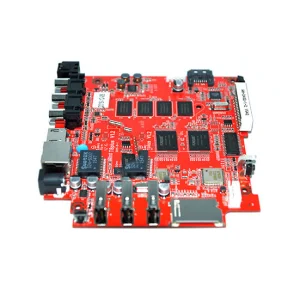
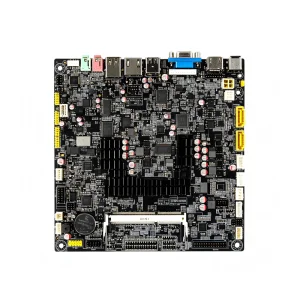
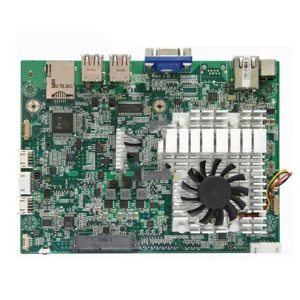
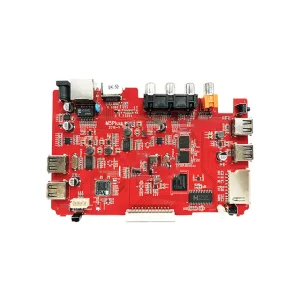
High-density, BGA-rich boards for computing, storage, and peripherals, verified by X-ray inspection and functional testing.
Explore computer PCBASmart Home & IoT
Wireless modules, gateways, sensors, and smart devices that require RF control, power optimization, and app-ready test coverage.
Explore smart home PCBAPower Supply
Bench power supplies, adapters, and wall plugs with attention to creepage, thermal design, isolation, and safety testing.
Explore power PCBACommunication
Wireless signal boosters, hotspots, gateways, and RF boards that demand impedance control, shielding, and stable assembly.
Explore communication PCBAEnvironmental Monitoring
Water pollution early-warning, wastewater monitoring, and sensor electronics for long-life field deployments.
Explore environmental PCBAFrom Gerber to Global Shipment: Six Controlled Steps
Knowing what happens after a purchase order removes surprises. This is how a prototype electronics sourcing project can move from engineering files to a tested, ESD-safe shipment.
DFM & BOM Review
Engineers check Gerber, BOM, and centroid data for manufacturability, footprint errors, and end-of-life parts before any material is ordered.
Component Sourcing
Parts are purchased through qualified agents and suppliers, then pass incoming inspection, counterfeit checks, and moisture-sensitive device control.
PCB Fabrication
Bare boards are produced to your stack-up, surface finish, and impedance requirements—from single-layer to HDI and rigid-flex.
SMT & THT Assembly
High-mix SMT and DIP/THT lines handle fine-pitch, BGA, and mixed-technology boards for prototypes and production batches.
Inspection & Testing
AOI, X-ray, ICT, and functional tests—plus IC programming and conformal coating—are logged for traceability and repeat builds.
Box Build & Delivery
Cable assembly, enclosure integration, and ESD-safe packaging prepare the product for shipment to customers in 90+ countries and regions.
Capacity and Data Points Buyers Can Verify
Prototype sourcing becomes easier to defend when the supplier’s operating data is visible. These figures summarize the STHL production base and quality performance model used for global OEM programs.
Years of EMS Experience
m² Production Facility
Professional Engineers
Production Lines
On-Time Delivery
Qualified Shipment Rate
Quality system scope: IATF 16949, ISO 9001, ISO 14001, and ISO 13485. RoHS-compliant assemblies are verified with AOI, X-ray, ICT, and functional testing. Factory visits and remote audits are welcome.
Supply-Chain Resilience in Practice: Three Controls That Protect Your Build
Material risk control
BOM health checks, end-of-life alerts, approved alternates, authorized-channel sourcing, last-time buys, and safety stock for long-lead components keep a prototype from stalling after design approval.
Process risk control
First-article inspection, MES/ERP traceability, AOI, X-ray, ICT, functional testing, and change-control procedures reduce process drift—especially when a prototype moves into repeat production.
Compliance risk control
Certificate scope, RoHS/REACH declarations, lot traceability, NDA protection, and audit access give procurement and quality teams the evidence they need for internal approval.
Unit Price vs. Total Landed Cost: The Real Decision Framework
At prototype stage, the cheapest quote can become the most expensive decision if it creates re-spins, expedited freight, quality escapes, or a late launch. A better framework compares the quoted assembly price with the cost of engineering support, material authenticity, test coverage, compliance evidence, and the supplier’s ability to scale. This is where information gain matters: buyers need specific data about how the factory will prevent problems, not broad claims about capability.
Engineering hours
DFM feedback, BOM alternates, footprint checks, and test-fixture planning can eliminate days of rework before the first board is built.
Quality escape cost
A failed field unit costs far more than a higher first-article inspection or X-ray check. Test coverage should be designed around product risk.
Inventory and lead time
Component availability, safety stock, and production scheduling affect cash flow. A no-MOQ partner helps validate demand without excess inventory.
Compliance and audit overhead
Certificates, traceability, and audit-ready records reduce the internal cost of supplier approval and keep launch schedules predictable.
FAQ: Prototype Electronics Sourcing from China & Manufacturers
These answers address the questions procurement and engineering teams ask before choosing a China PCBA manufacturer for prototype and production programs.
What files do I need to submit for a PCBA project?
Send Gerber files, a BOM with manufacturer part numbers, the pick-and-place (centroid) file, and assembly drawings. If you need IC programming or functional testing, include firmware and test procedures. Our engineers complete a DFM and BOM review before production starts.
Is there a minimum order quantity (MOQ)?
No. STHL accepts prototype, low-volume, and high-volume PCB assembly orders, so you can validate a design and scale to mass production with the same supplier.
Can STHL source all the electronic components?
Yes. We offer full turnkey, partial turnkey, and consigned assembly. Our sourcing team works with 100+ agents and suppliers covering more than 500,000 part numbers, with incoming inspection and traceability from reel to finished board.
Which quality certifications does STHL hold?
STHL is certified to IATF 16949, ISO 9001, ISO 14001, and ISO 13485, and produces RoHS-compliant assemblies. Boards are verified with AOI, X-ray, ICT, and functional testing.
How do you protect our design files and IP?
We sign an NDA before RFQ, restrict project data to the assigned engineering team, and track every build through our ERP and MES systems.
Can we audit or visit the factory?
Yes. Customers are welcome to visit our Shenzhen factory and R&D laboratory at any time, and a 360-degree virtual factory tour is available for remote evaluation.
How long does a prototype PCBA order take?
Lead time depends on PCB fabrication, component availability, assembly complexity, programming, and test requirements. Quick-turn prototypes can move through DFM, sourcing, SMT/THT, inspection, and testing faster when files are complete and critical parts are in stock or approved for alternates.
Can you support production scale-up after prototyping?
Yes. The same factory, quality system, and engineering team can support pilot builds and volume production. This reduces re-qualification effort and improves continuity between prototype validation and launch.
How do you handle component shortages or end-of-life parts?
We check BOM health, flag long-lead or obsolete parts, propose approved alternates, use authorized sourcing channels, and discuss last-time buys or safety stock for critical components. Early engineering review reduces last-minute line stops.
More Prototype Electronics Sourcing & Manufacturing Programs
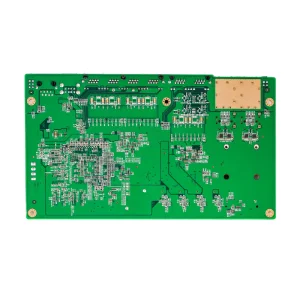
These additional programs show how prototype sourcing intent spans wireless signal boosters, LED matrix boards, mobile hotspots, smartphones, magnetometers, gateways, water pollution early-warning systems, and wastewater monitoring equipment.
Planning a Prototype Build or Production Scale-Up?
Send Gerber, BOM, centroid, firmware, and test requirements for an engineering-led review. STHL supports turnkey and consigned assembly, no-MOQ prototypes, SMT/THT production, IC programming, conformal coating, cable assembly, box build, and global shipment.
