
Prototype Double Sided Pcb Board Solution Provider & Factories
Engineering-led, quick-turn double-sided PCB fabrication and turnkey PCBA for prototypes, low-volume builds and scale production — supported by IATF 16949, ISO 9001, ISO 14001 and ISO 13485 quality systems.
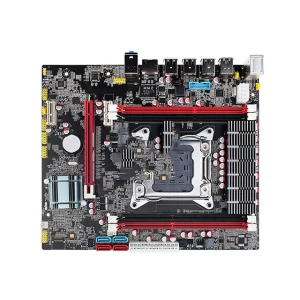
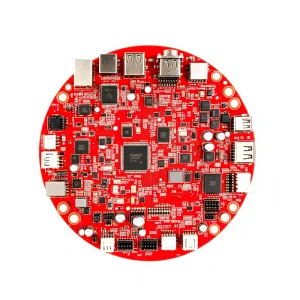
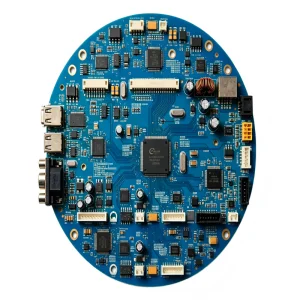
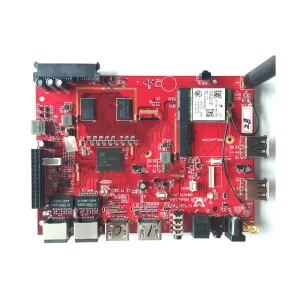
Prototype Double-Sided PCB & PCBA Solutions
Eight application-ready solution families built around double-sided PCB fabrication, component sourcing, SMT/THT assembly, testing and box build. Each solution below links to the original STHL product page and is supported by our Shenzhen factory team.
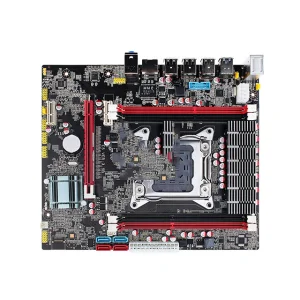
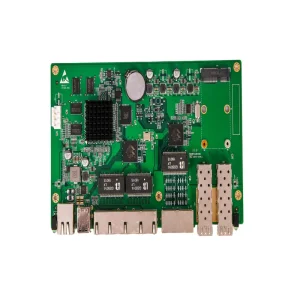
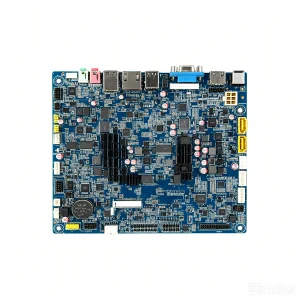
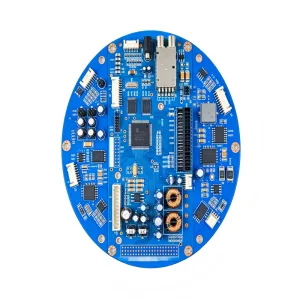
Why a Prototype Double-Sided PCB Board Still Decides Product Success
A double-sided PCB remains the practical workhorse between a proof of concept and a production-ready electronic product. It balances routing density, assembly flexibility, cost and speed better than almost any other stack-up.
A prototype double-sided PCB board uses copper circuitry on both sides of the substrate and plated through-holes to connect layers. Compared with a single-sided board, it enables denser routing, shorter signal paths and the ability to place SMT components on one or both sides while still accommodating through-hole parts. Compared with a multilayer board, it usually offers faster fabrication, simpler stack-up approval and a lower first-article cost — all critical when a hardware team needs to validate a circuit, firmware and mechanical fit in days rather than weeks.
At STHL, prototype double-sided PCB projects are handled inside a certified workflow that includes DFM and BOM review before material is ordered, component sourcing, PCB fabrication, SMT and THT assembly, AOI, X-ray, ICT and functional testing. Our Shenzhen factory has supported OEMs in 90+ regions since 2006, with 220+ staff, 50+ engineers, 10,000 m² of production space, 7 SMT lines, 2 DIP/THT lines, 2 functional test lines and 2 box build lines. The result is a prototype route that does not force a second supplier relationship when the design moves to low-volume or mass production.
For procurement teams, the decision is not simply “single-sided versus double-sided.” It is a trade-off between iteration speed, test coverage, component density and total landed cost. The table below gives a practical starting point for engineering and sourcing teams comparing prototype options.
| Prototype option | Best fit | Key advantage | When to consider multilayer |
|---|---|---|---|
| Single-sided PCB | Simple power, LED and control boards | Lowest fabrication cost and fastest bare-board route | Routing density or high-pin-count components exceed one side |
| Double-sided PCB | Most prototypes, IoT devices, power supplies, consumer electronics and industrial controllers | Good density, two-sided SMT/THT assembly and fast iteration | Impedance control, fine-pitch BGA escape routing or EMI constraints demand more layers |
| Multilayer PCB | High-speed, high-density and regulated electronics | More routing layers, better power integrity and controlled impedance | Prototype is already constrained by footprint, heat or EMI requirements |
Years of EMS and PCBA experience
m² production facility
Professional engineers
Production lines
On-time delivery
Qualified shipment rate
Component part numbers sourced
Regions served globally
Why Shenzhen Remains a Benchmark for Double-Sided PCB Prototypes
China’s electronics manufacturing advantage is not only unit cost. It is the density of component suppliers, engineering talent, quick-turn fabrication capacity and export logistics that surrounds a Shenzhen PCBA factory.
Dense Component Ecosystem
Shenzhen and the Greater Bay Area put connectors, ICs, passives, modules and tooling within a short supply radius. That shortens sourcing cycles and gives engineers more room to qualify alternates during prototype builds.
Quick-Turn Prototype Builds
STHL runs prototype, low-volume and high-volume orders with no MOQ. Seven SMT lines and two DIP/THT lines allow rapid first-article builds without separating prototype engineering from production discipline.
Engineering Depth
Fifty-plus engineers review Gerber data, BOMs, footprints, panelisation and test access. Their DFM feedback often removes cost and delay before fabrication starts, which is especially valuable in double-sided prototypes.
Certified Quality Systems
IATF 16949, ISO 9001, ISO 14001 and ISO 13485 systems support automotive, medical and industrial customers. RoHS-compliant assembly and documented inspection are standard parts of the process.
Cost Control with Traceability
Our sourcing team works with 100+ agents and suppliers covering more than 500,000 part numbers. Competitive purchasing does not replace incoming inspection, moisture-sensitive device control or reel-to-board traceability.
Prototype-to-Volume Scale
One factory can support engineering samples, pilot runs, bridge production and repeat mass production. That continuity reduces re-qualification effort and keeps process knowledge with the same engineering team.
IP and NDA Protection
We sign an NDA before RFQ, restrict project data to the assigned engineering team and track builds through ERP and MES systems. Design files, firmware and test procedures are handled as confidential customer assets.
Global Logistics
ESD-safe packaging, export documentation and shipment coordination support customers in North America, Europe, the Middle East, Latin America, Oceania and Asia. On-time delivery is tracked as a core operating metric.
Industry Trends Reshaping Double-Sided PCB Manufacturing
Double-sided boards are not standing still. They are absorbing higher component density, stricter traceability and faster design cycles while remaining the most practical prototype platform for many product teams.
Miniaturisation and Fine-Pitch Assembly
Smaller passives, fine-pitch ICs and space-constrained enclosures are pushing double-sided layouts toward tighter spacing and better panel utilisation. DFM review becomes a first-line defence against yield loss.
Thermal Management
Power supplies, LED drivers and motor controllers need copper balance, thermal relief and via placement planned during layout. Early thermal thinking avoids re-spins after the first prototype build.
High-Frequency and High-Speed
RF modules, camera boards and communication devices increasingly require controlled impedance, low-loss materials and careful via design. Suppliers must understand both fabrication and assembly consequences.
Rigid-Flex and HDI Crossover
Products that begin on double-sided rigid boards may later adopt rigid-flex or HDI sections. Choosing a factory with broader stack-up experience protects the roadmap without forcing a new qualification cycle.
Digital Traceability
MES and ERP tracking connect incoming reels, assembly lots, inspection results and shipment records. For regulated buyers, traceability from component reel to finished board is becoming a baseline requirement.
Supply Chain Resilience
Alternate-part engineering, dual sourcing and lifecycle monitoring help avoid line stops during allocation cycles. Prototype-stage BOM choices should be screened for long-term availability, not just unit price.
Sustainability and Compliance
RoHS and REACH compliance, waste control and ISO 14001 environmental management are increasingly reviewed during supplier qualification. Compliance documentation should arrive with the quotation, not after the PO.
DFM Automation and Simulation
Automated checks for footprint mismatches, solder-mask slivers, component clearances and test-point access reduce engineering iteration. The best prototype suppliers turn these checks into a documented review.
Where Double-Sided PCBs Deliver the Fastest Commercial Value
Different regions place different demands on electronics. North American teams often prioritise rapid iteration and design support; European teams emphasise documentation and compliance; Asian and global OEMs balance cost, speed and scale.
Energy Storage and BMS
Double-sided control and management boards are used in battery packs, portable power stations and home energy storage. They connect voltage sensing, protection, communication and thermal monitoring in a compact assembly.
Solar Street Lighting
Solar controllers and LED driver boards need robust routing, thermal balance and cost control for outdoor deployment. Double-sided PCBs support charge control, sensing and LED drive circuitry without multilayer cost.
Smart Home and Speakers
Smart speakers, gateways and home automation controllers use double-sided boards to fit Wi-Fi modules, audio circuits, sensors and power management into slim enclosures with fast design cycles.
Medical Information Terminals
Medical information terminals, monitoring accessories and diagnostic devices require controlled assembly and traceability. ISO 13485 process discipline supports prototype-to-production continuity for regulated teams.
Fire Alarm and Safety
Fire alarm boards, sensors and notification circuits benefit from double-sided routing and functional testing. Reliable test coverage is essential because field failures in safety systems carry high commercial and regulatory risk.
VoIP and Network Security
VoIP phones, firewall appliances and network gateways require stable signal integrity, power sequencing and test access. Double-sided assemblies are often ideal for pilot builds before enclosure and thermal validation.
Electric Scooter Controllers
Motor controllers and battery interfaces for e-scooters and light electric vehicles demand thermal robustness, vibration tolerance and stable power routing. Prototype boards should already reflect production test strategy.
Wastewater and Environmental Monitoring
Sensor interfaces, data loggers and communication boards for wastewater and environmental equipment often use double-sided PCBs for reliable I/O routing, isolation and outdoor enclosure integration.
From Prototype to Regulated Production Across Critical Industries
A double-sided PCB programme is only as strong as the manufacturing system behind it. STHL aligns fabrication, sourcing, assembly and testing to the compliance level each market requires.
Automotive and E-Mobility
IATF 16949 processes support control modules, lighting, charging electronics and e-mobility boards that must withstand heat, vibration and long-term supply commitments.
Medical and Healthcare
ISO 13485-controlled assembly, documentation and traceability support diagnostic, monitoring and wearable devices where consistency and change control are essential.
Energy and Power
Battery management, power supplies, solar controllers and energy storage boards require careful thermal design, component lifecycle screening and functional testing.
Industrial Control
PLC, motor drive, automation and sensor boards demand robust I/O routing, EMC awareness and conformal coating options for harsh factory environments.
Consumer Electronics
Smart speakers, wearables, LED products and home devices benefit from quick-turn prototypes and smooth transition to repeat production without changing suppliers.
Communications and Security
VoIP, routers, firewalls and network appliances need controlled impedance awareness, firmware programming and functional test coverage before shipment.
Environmental Monitoring
Wastewater, air quality and remote sensing equipment require reliable sensor interfaces, isolation and long-life component selection for field deployment.
LED and Signage
LED light bars, signage boards and display drivers use double-sided PCBs for dense LED routing, thermal spreading and economical volume production.
What Global Enterprises Require from a Double-Sided PCB Supplier
Price alone rarely decides a supplier. Global procurement teams evaluate engineering responsiveness, compliance evidence, traceability and the ability to keep quality stable as volumes increase.
Certification and Audit Readiness
IATF 16949, ISO 9001, ISO 14001 and ISO 13485 certificates, plus willingness to host remote or on-site audits, shorten supplier qualification and reduce compliance risk.
BOM Transparency
Clear manufacturer part numbers, approved alternates and incoming inspection records are essential. Buyers need to know which components were used and how they were verified.
DFM and BOM Review
Engineering feedback before purchase order approval prevents avoidable re-spins. Footprint checks, panelisation review and test-point access should be documented, not assumed.
Lifecycle and Obsolescence
Prototype BOMs should be screened for last-time buys, long lead times and upcoming end-of-life notices. Alternate-part planning protects both prototype schedules and future production.
Test Coverage and Yield Data
AOI, X-ray, ICT and functional testing should be matched to the product risk. Buyers increasingly expect test results, first-pass yield data and lot-level traceability.
IP Protection and NDA
NDA execution before RFQ, restricted data access and ERP/MES-controlled project tracking are baseline expectations for OEMs protecting firmware, schematics and mechanical data.
Capacity and Continuity
Prototype success can create immediate demand. Suppliers should be able to move from sample quantities to repeat production without re-qualifying a different factory or process team.
Logistics and Documentation
Commercial invoices, packing lists, compliance declarations and ESD-safe packaging should be ready before shipment. Clear documentation avoids customs delays and incoming inspection disputes.
| Procurement checkpoint | Why it matters | Evidence to request |
|---|---|---|
| Quality system scope | Confirms the factory has been audited for your market | Current IATF 16949, ISO 9001, ISO 14001, ISO 13485 certificates |
| Component traceability | Protects warranty, regulatory and field-failure investigations | Incoming inspection records, lot IDs, reel-to-board mapping |
| DFM response time | Reduces prototype re-spins and schedule risk | Written DFM/BOM report before PO release |
| Test strategy | Matches inspection cost to product risk | AOI, X-ray, ICT and FCT coverage plan |
| IP control | Protects schematics, firmware and customer data | NDA, access-control policy, project data-handling statement |
Prototype Double-Sided PCB Sourcing Questions
These are the questions engineers, buyers and quality teams ask most often before starting a double-sided prototype PCB or turnkey PCBA project.
01What files do I need to submit for a PCBA project?
Send Gerber files, a BOM with manufacturer part numbers, the pick-and-place (centroid) file and assembly drawings. If you need IC programming or functional testing, include firmware and test procedures. Our engineers complete a DFM and BOM review before production starts.
02Is there a minimum order quantity (MOQ)?
No. STHL accepts prototype, low-volume and high-volume PCB assembly orders, so you can validate a design and scale to mass production with the same supplier. This is particularly useful for double-sided PCB prototypes that may need several quick iterations before design freeze.
03Can STHL source all the electronic components?
Yes. We offer full turnkey, partial turnkey and consigned assembly. Our sourcing team works with 100+ agents and suppliers covering more than 500,000 part numbers, with incoming inspection and traceability from reel to finished board.
04Which quality certifications does STHL hold?
STHL is certified to IATF 16949, ISO 9001, ISO 14001 and ISO 13485, and produces RoHS-compliant assemblies. Boards are verified with AOI, X-ray, ICT and functional testing, and project records are maintained through ERP and MES systems.
05How do you protect our design files and IP?
We sign an NDA before RFQ, restrict project data to the assigned engineering team and track every build through our ERP and MES systems. Schematics, Gerbers, firmware and test procedures are treated as confidential customer information.
06Can we audit or visit the factory?
Yes. Customers are welcome to visit our Shenzhen factory and R&D laboratory at any time, and a 360-degree virtual factory tour is available for remote evaluation. Procurement and quality teams can review SMT, THT, testing, material preparation and warehouse areas.
07What is a prototype double-sided PCB, and when should we choose it?
A prototype double-sided PCB has copper circuitry on both sides and plated through-holes. Choose it when you need more routing density than a single-sided board but do not yet need the layer count, impedance control or cost of a multilayer stack-up. It is ideal for IoT devices, power supplies, LED drivers, industrial controls and many consumer products.
08How does STHL control quality for double-sided PCBA?
Quality control begins with DFM and BOM review, continues through incoming component inspection, solder-paste and placement control, AOI, X-ray where required, ICT and functional testing. Final inspection, packaging and shipment documentation are recorded so the build can be traced back through the production lot.
Additional Double-Sided PCB & PCBA Solutions from STHL Factories
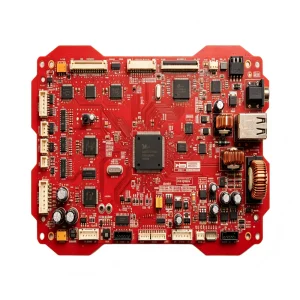
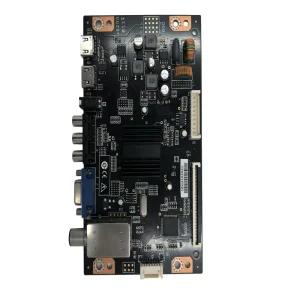
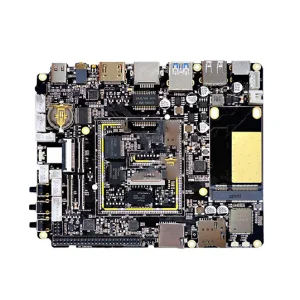
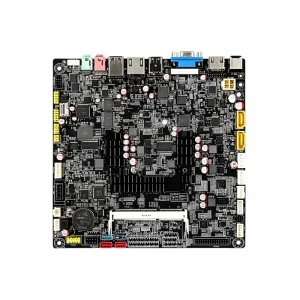
These eight programs extend the same double-sided PCB and turnkey PCBA capability into smart energy, environmental monitoring, medical, fire safety, communications, signage and network security applications.
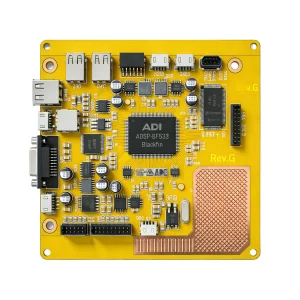
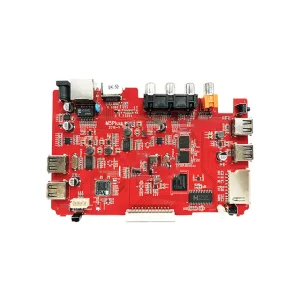
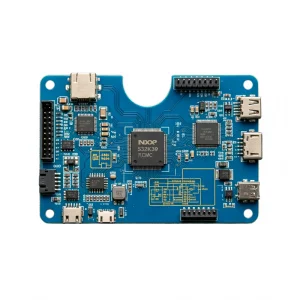
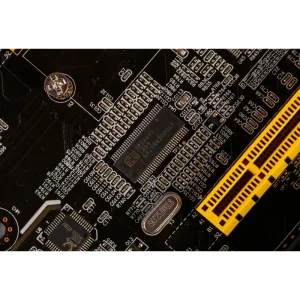
Start a Prototype Double-Sided PCB Review
Send your Gerber files, BOM, centroid file and assembly drawings for a confidential engineering review. STHL can support quick-turn double-sided PCB fabrication, component sourcing, SMT/THT assembly, functional testing and box build from our Shenzhen facility.
NDA available before RFQ · No MOQ · Factory audits and virtual tours welcome.
Shenzhen STHL Electronics Co., Ltd.
Certified EMS and ODM partner for PCB fabrication, PCB assembly, cable assembly, box build and testing. Serving OEMs in 90+ regions since 2006.
