

Certified quality & environmental systems
Surface Mount Assembly Product Solutions for Real Applications
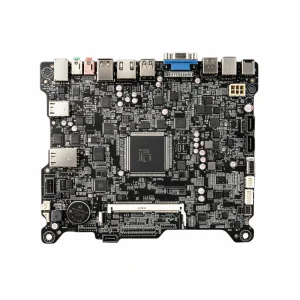
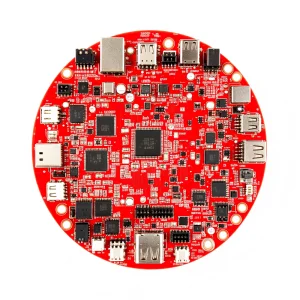
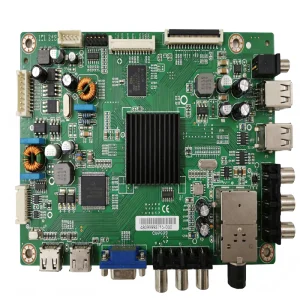
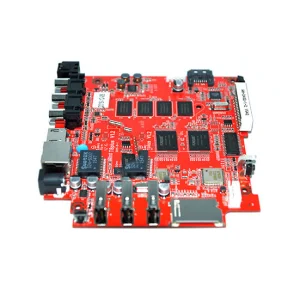
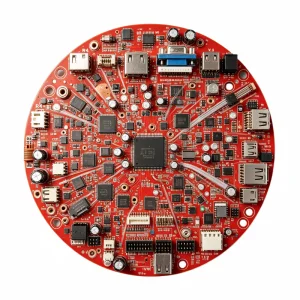
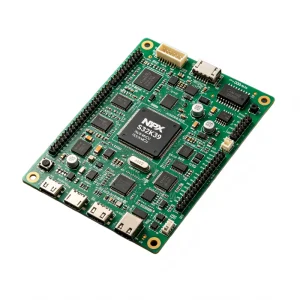
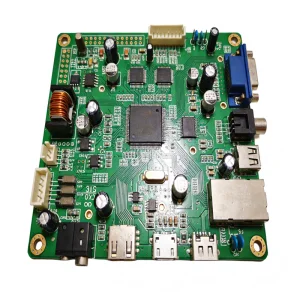
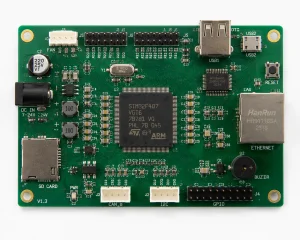
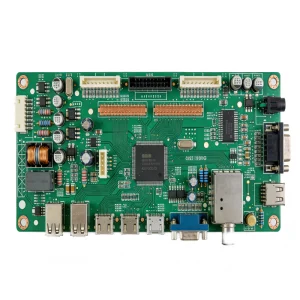
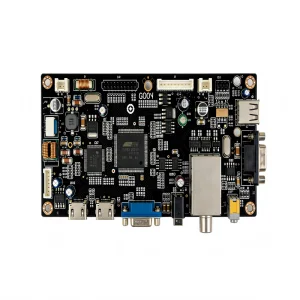
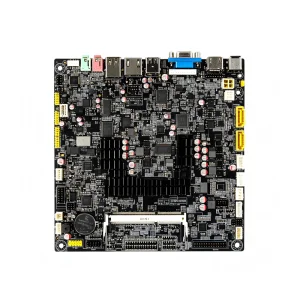
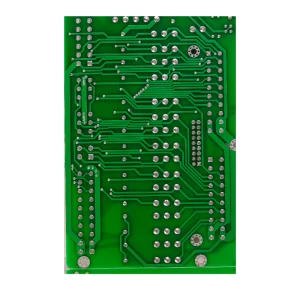
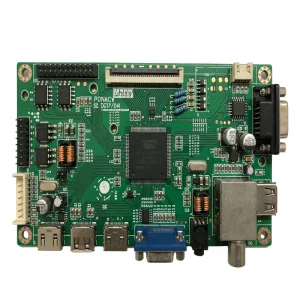
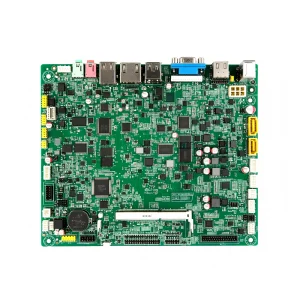
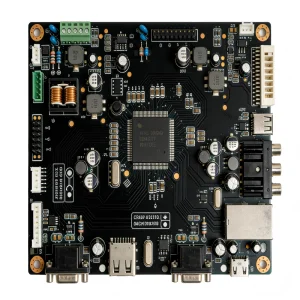
These product platforms show how STHL applies SMT, THT, BGA, inspection and box-build controls to specific OEM products. Each link preserves the original product path and opens the detailed solution page.
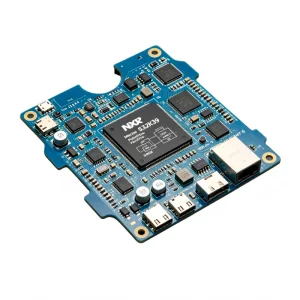
Why Surface Mount Assembly Is Now a Strategic Manufacturing Capability
Surface mount assembly is the production backbone of modern electronics. It converts bare printed circuit boards, solder paste, electronic components and controlled thermal processes into functional assemblies that power vehicles, medical monitors, industrial controllers, smart locks, gateways, LED lighting, safety equipment and communication devices. The difference between a low-cost SMT quote and a reliable surface mount assembly partner is rarely visible in the unit price. It appears later — in first-pass yield, field reliability, traceability, supply continuity and the engineering hours required to close manufacturing gaps.
This white-paper-style guide is written for OEM hardware teams, procurement managers, quality engineers and founders who need more than a list of machines. STHL has operated as a certified electronics manufacturing services and ODM provider in Shenzhen since 2006, with 220+ staff, 50+ engineers, a 10,000 m² facility, seven SMT lines, two DIP/THT lines, two functional test lines, two box-build lines and an in-house R&D laboratory. That operating experience informs the sections below, from technical route mapping to localized application scenarios and supplier evaluation questions.
The information gain in this article is practical: a technical route map for SMT assembly, a global industry status review, a 2025–2030 trend scan, localized use cases across North America, Europe, the UK, Latin America, Australia and New Zealand, macro industry solutions, an E-E-A-T oriented supplier assessment framework and a detailed FAQ for overseas buyers. Instead of treating surface mount assembly as a commodity, this guide treats it as an engineering control system that should be matched to the risk profile of the end product.
For international buyers, the most important shift is this: sourcing decisions are no longer only about finding the lowest quote. They are about reducing total landed risk. A supplier that can review Gerber files, scrub the BOM, identify end-of-life components, control moisture-sensitive devices, verify fine-pitch and BGA joints, document traceability and ship ESD-safe packaging creates more value than a supplier that simply places components at a lower price. That is the standard by which a professional surface mount assembly service should be evaluated.
The Global Surface Mount Assembly Market in 2025–2030
Electronics manufacturing continues to move toward higher component density, shorter product life cycles and more demanding traceability. Surface mount technology remains the dominant assembly method because it supports miniaturization, automated placement, double-sided boards and mixed-technology assemblies.
Across the electronics manufacturing services landscape, demand is being shaped by five forces: electrification in automotive and energy systems, expansion of medical monitoring and diagnostic devices, industrial automation and robotics, smart-home and security products, and communication infrastructure. Each force increases the need for controlled SMT processes rather than manual or loosely documented assembly. Automotive customers require IATF 16949 discipline; medical customers require ISO 13485 process control and lot traceability; industrial customers require robustness against temperature, vibration, moisture and electrical noise; consumer customers require fast new product introduction and cost engineering.
China remains a central manufacturing hub because of component availability, engineering depth, PCB fabrication capacity and mature logistics. At the same time, buyers increasingly pursue multi-region sourcing, buffer inventory and supplier risk mapping. A professional surface mount assembly partner should therefore support transparent BOM sourcing, alternate part recommendations, incoming inspection, moisture-sensitive device control, production status visibility and consistent documentation. The question is not simply “Where is the factory?” but “How well does the factory control the process when the supply chain changes?”
Component supply volatility has also changed buyer behavior. Lead-time uncertainty around semiconductors, connectors, power devices and specialized ICs has made BOM scrubbing and alternate-part engineering more valuable. A supplier with access to 100+ agents and suppliers covering more than 500,000 part numbers can reduce line-down risk, but only if those sourcing activities are connected to incoming inspection and reel-level traceability. This is where surface mount assembly becomes a supply-chain capability, not just a production step.
The demand mix above is an illustrative planning view for OEM sourcing discussions, not a claim about any single customer or product line. It helps teams frame process controls by application risk.
From Gerber Files to Global Shipment in 6 Controlled Steps
Knowing what happens after you place a purchase order removes surprises. This is how every STHL PCBA project moves through our factory, with DFM feedback, BOM control, SMT/THT assembly, inspection, testing and final shipment documentation.
DFM & BOM Review
Engineers check Gerber, BOM and centroid data for manufacturability, footprint errors and end-of-life parts before any material is ordered.
Component Sourcing
Parts are purchased through 100+ agents and suppliers, then pass incoming inspection and moisture-sensitive device control.
PCB Fabrication
Bare boards are produced to your stack-up, surface finish and impedance requirements, from single-layer to HDI and rigid-flex.
SMT & THT Assembly
7 SMT lines and 2 DIP/THT lines handle fine-pitch, BGA and mixed-technology boards for prototypes and mass production.
Inspection & Testing
AOI, X-ray, ICT and functional tests, plus IC programming and conformal coating, with results logged in our MES.
Box Build & Delivery
Cable assembly, enclosure integration and ESD-safe packaging, shipped to customers in 90+ countries and regions.
The technical route map is not a marketing workflow. It is a sequence of engineering decisions. During DFM review, the factory examines pad geometry, component spacing, thermal reliefs, panelization, tooling holes, polarity marks and test access. During sourcing, the team verifies manufacturer part numbers, packaging, date codes, moisture sensitivity levels and alternates. During SMT assembly, solder paste deposition, placement pressure, reflow profile and inspection strategy must be matched to the board’s mass, density and component mix.
A reliable surface mount assembly provider should be able to explain how it controls first-pass yield, BGA voiding, tombstoning, bridging, solder wicking, component shift and thermal damage. The best suppliers do this before production, not after a defect is found. They also connect inspection results to corrective actions and continuous improvement, so the next build benefits from the last build.
Nine Trends Reshaping Surface Mount Assembly
These trends affect product design, supplier selection, process control and total cost. They are especially relevant for buyers comparing a low-cost SMT quote with a long-term manufacturing partnership.
Miniaturization & fine-pitch density
01005 passives, fine-pitch QFNs, chip-scale packages and BGA-heavy designs require tighter stencil, placement and inspection control.
High-mix, low-volume production
OEMs need frequent changeovers, fast NPI and scalable volume without moving to a different supplier after prototype validation.
Automotive and medical convergence
IATF 16949 and ISO 13485 expectations are spreading into industrial and consumer products where reliability is mission-critical.
Traceability and digital thread
ERP and MES tracking connect incoming reels, machine programs, inspection results and shipment records for faster root-cause analysis.
AI-assisted inspection
AOI, X-ray and data analytics help teams detect solder defects, component drift and process variation earlier in the production cycle.
Supply-chain resilience
Alternate part engineering, buffer planning and multi-channel sourcing reduce line-down risk when critical components are constrained.
Sustainability and compliance
RoHS-compliant assemblies, halogen-free options, waste control and ISO 14001 environmental management are becoming supplier requirements.
Advanced packaging and rigid-flex
SiP, HDI, flex, rigid-flex and heavy-copper designs demand integrated fabrication, assembly and test planning.
NPI speed as a competitive advantage
Engineering feedback, quick-turn prototypes and test readiness shorten the path from design validation to market launch.
How Surface Mount Assembly Requirements Differ by Region
Global OEMs often use the same product design in several regions, but sourcing expectations, compliance documentation, logistics and support windows vary. A strong PCBA partner adapts communication and manufacturing controls to those local realities.
North America: fast NPI and high-mix builds
US and Canadian hardware teams often need quick-turn prototypes, transparent DFM feedback and a clear path from pilot run to volume. Engineering responsiveness and BOM alternates matter as much as unit price.
Germany and DACH: documentation and process discipline
Automotive, industrial and medical buyers expect structured DFM reports, change control, traceability and evidence of IATF 16949 or ISO 13485 discipline. Communication clarity is part of the qualification process.
United Kingdom and Ireland: medtech and instrumentation
Medical monitors, diagnostic instruments and industrial sensors require lot traceability, controlled changes, functional test evidence and reliable after-build support for small and medium production volumes.
Italy, Poland and Romania: automation and power electronics
Industrial automation, power supplies, motor drives and energy products often use mixed SMT/THT assemblies, heavy copper, connectors and conformal coating. Robustness and repeatability are central.
Brazil and Latin America: consumer, telecom and power
Consumer electronics, communication gateways, LED products and power supplies need cost-effective sourcing, stable lead times, clear packaging and documentation that supports customs and local distribution.
Australia, New Zealand and Turkey: high-value low volume
Medical, safety, environmental and specialized industrial products often benefit from no-MOQ production, engineering support and reliable shipping for lower-volume, higher-value builds.
PCB Assembly for Demanding Industries
From in-vehicle electronics to medical devices and smart IoT products, our process controls are matched to the reliability and compliance level each market requires.
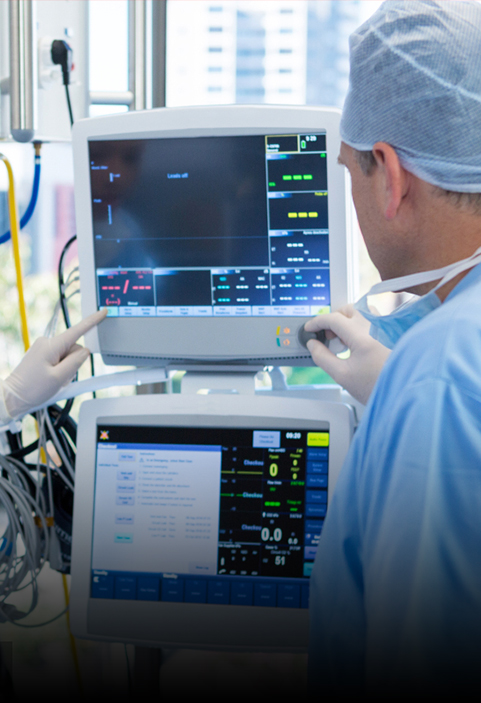
Medical & Healthcare
ISO 13485-controlled assembly for monitoring, diagnostic and wearable devices with full lot traceability.

Automotive Electronics
IATF 16949 processes for control modules, lighting and charging electronics that must survive heat and vibration.
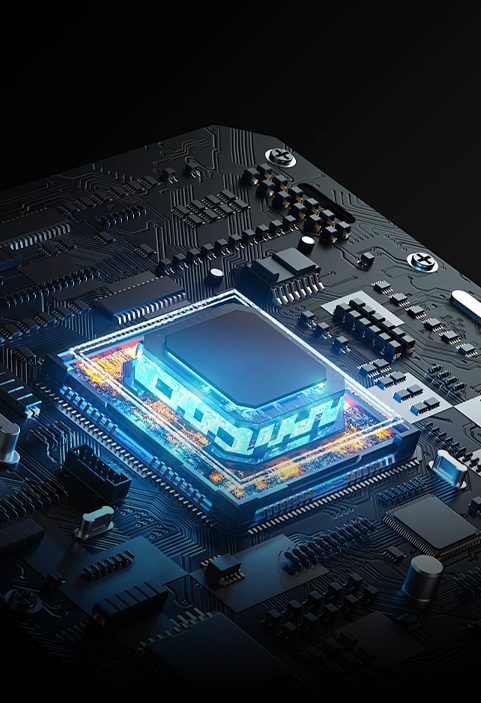
Computer & Storage
High-density, BGA-rich boards for computing, storage and peripherals, verified by X-ray inspection.
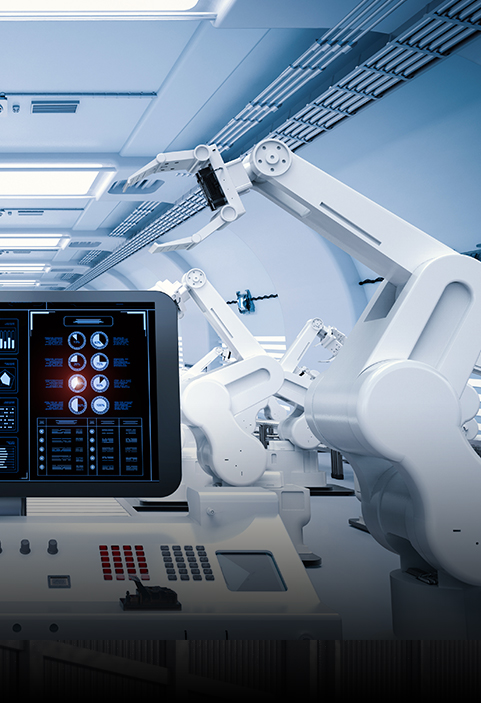
Industrial Control
Robust PCBAs for PLCs, motor drives and automation equipment, with conformal coating options.
A macro industry solution is not a generic promise. It is a set of process controls. For automotive electronics, the emphasis is on IATF 16949 discipline, change control, PPAP-style documentation when required, thermal cycling resilience and defect prevention. For medical devices, the emphasis is on ISO 13485 process validation, lot traceability, contamination control and functional test evidence. For industrial control, the emphasis is on wide-temperature operation, vibration resistance, conformal coating and long product life-cycle support. For consumer and smart-home products, the emphasis is on fast NPI, cost engineering, aesthetic inspection and predictable ramp-up.
Your Turnkey PCBA & ODM Partner in Shenzhen Since 2006
Shenzhen STHL Electronics Co., Ltd. is a certified electronics manufacturing services (EMS) and ODM provider. We help hardware teams in the USA, Germany, Italy, the UK, Poland, New Zealand, Brazil and 90+ other regions move from schematic to shipped product — PCB layout, component sourcing, PCB fabrication, SMT/THT assembly, cable assembly, box build and full testing in one factory.


Our 220+ staff, including 50+ engineers, run a 10,000 m² facility with an in-house R&D laboratory for design verification and prototype testing. Every build is RoHS-compliant and controlled under IATF 16949, ISO 9001, ISO 14001 and ISO 13485 systems. Factory visits and audits are welcome at any time.
- 7 SMT assembly lines
- 2 DIP / THT lines
- 2 functional test lines
- 2 box build lines
- In-house R&D laboratory
- AOI · X-Ray · ICT · FCT
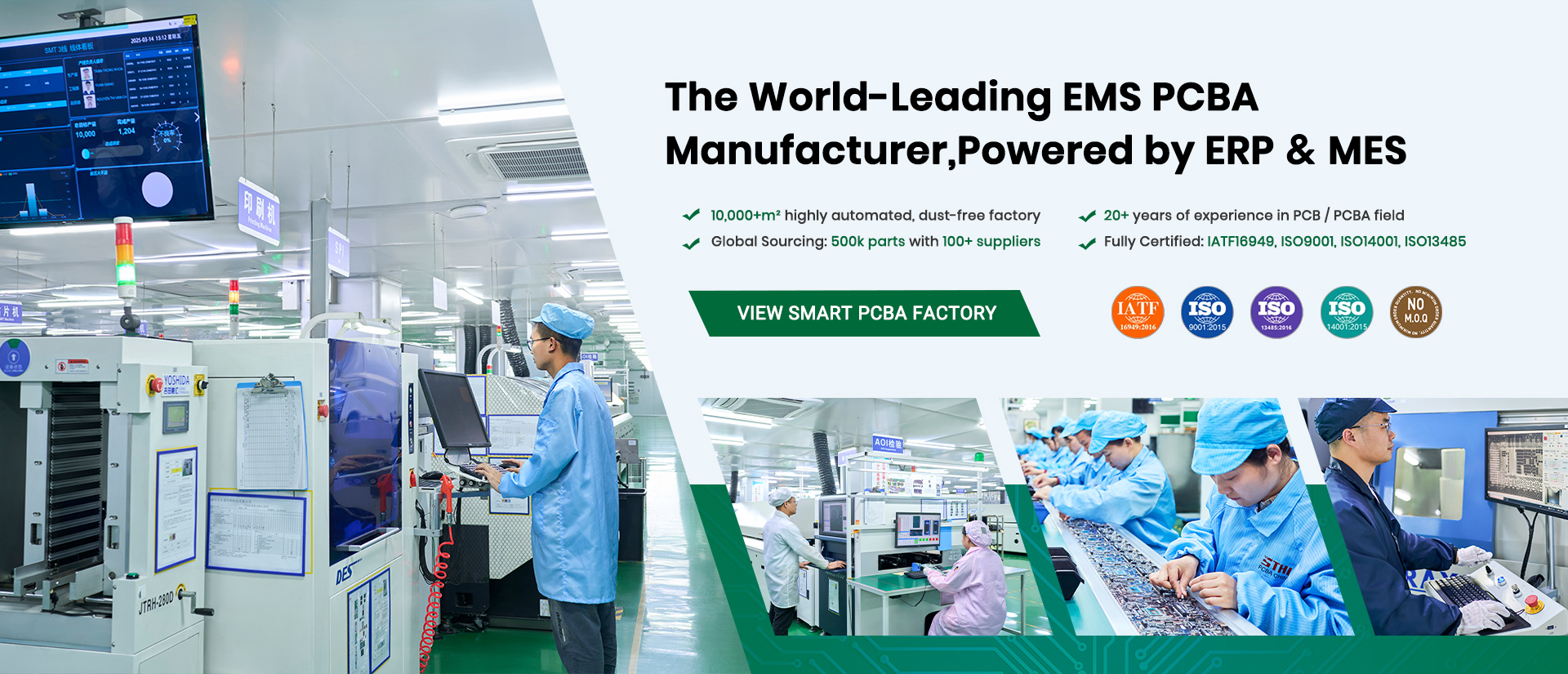
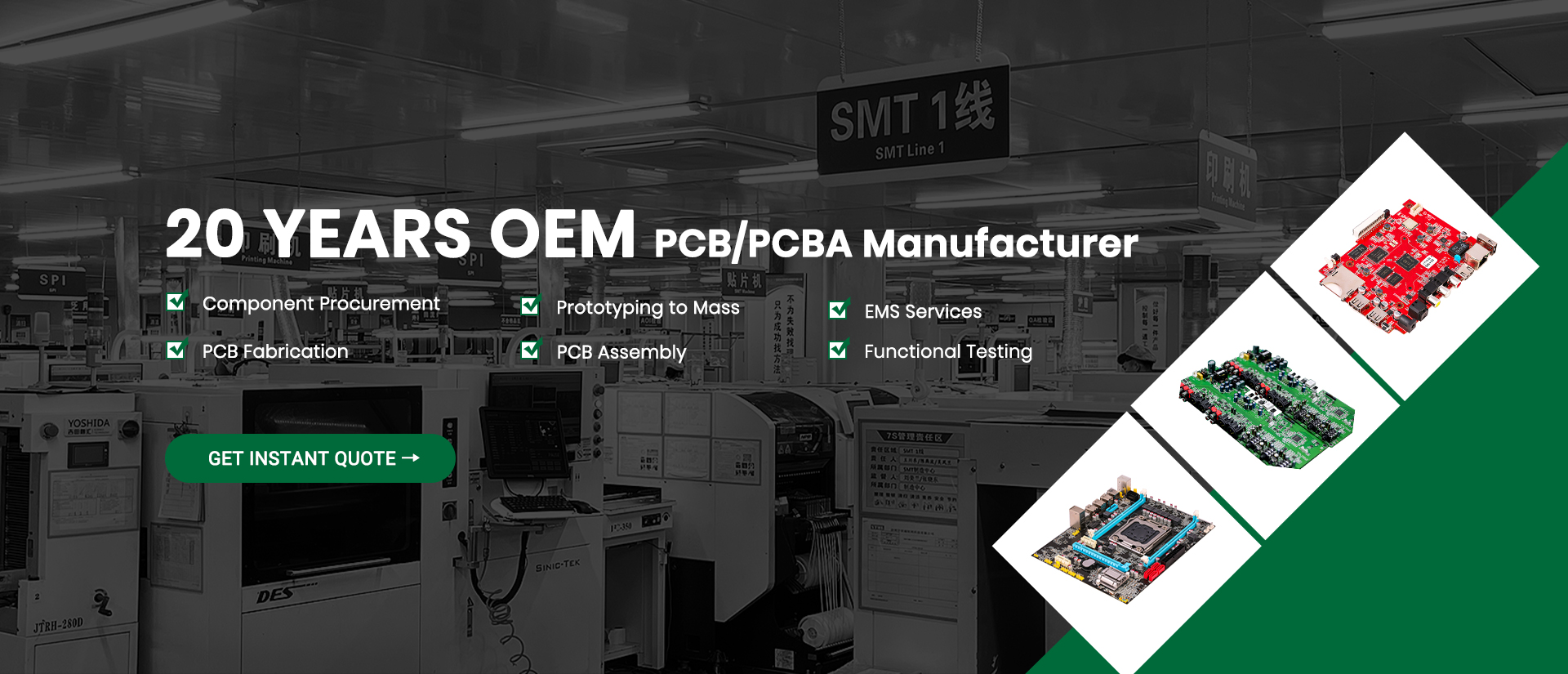
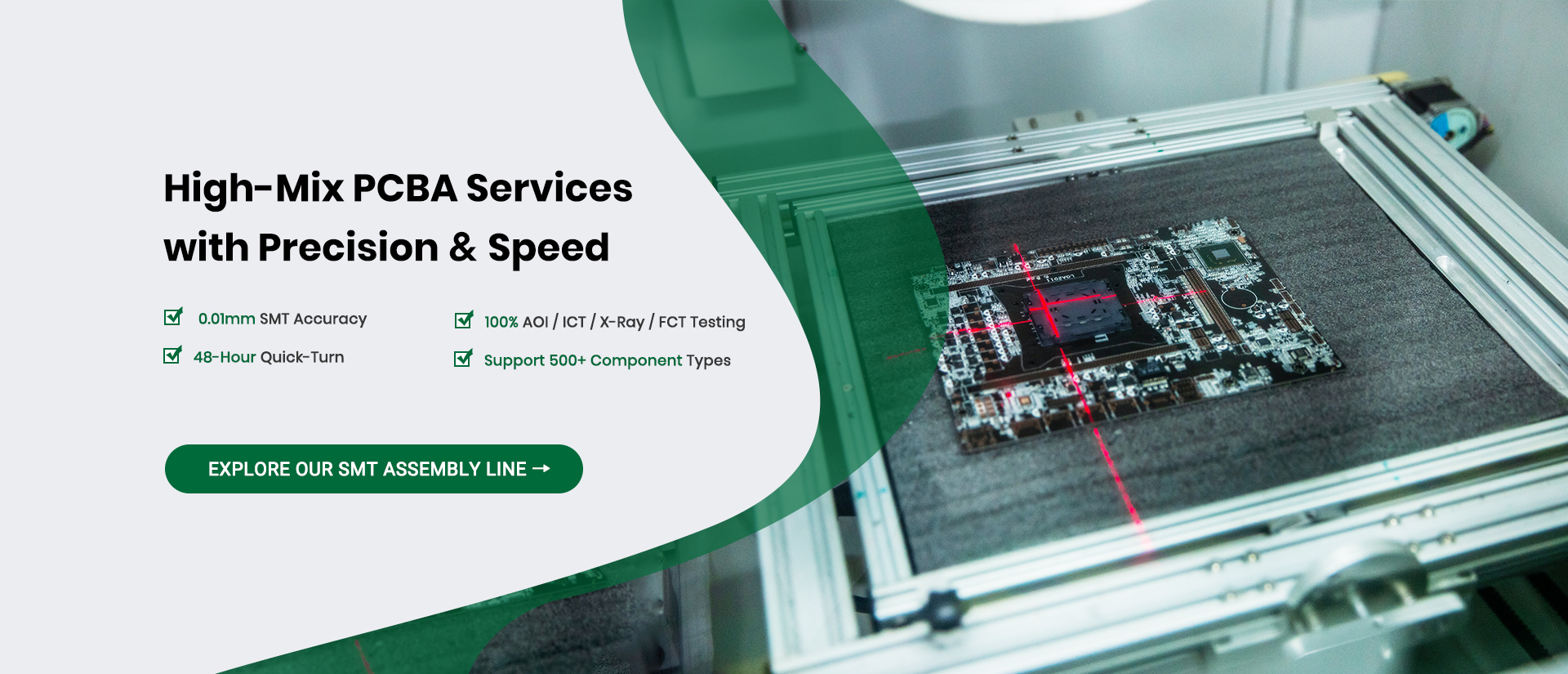
Inside the STHL Factory: Engineering Evidence, Not Just Claims
Buyers evaluating a surface mount assembly partner should look for evidence of process control. The gallery below preserves the original STHL factory imagery and highlights the production, inspection and assembly environment behind the quotation.
End-to-End PCBA Manufacturing Services
For 20 years, STHL has combined component procurement, PCB fabrication, SMT and THT assembly and functional testing into one controlled workflow — so you deal with one accountable supplier from first article to repeat production.

Electronic Components Procurement
Full or partial turnkey sourcing through 100+ agents and suppliers, with BOM scrubbing, alternate-part suggestions and reel-level traceability.
Learn more →
PCB Fabrication
Standard, prototype, aluminum, flexible, rigid-flex, HDI, Rogers, ceramic, heavy-copper, high-Tg and halogen-free boards built to your stack-up.
Learn more →
SMT & THT PCB Assembly
Prototype, low-volume and high-volume assembly including fine-pitch, BGA and mixed-technology boards, verified by AOI and X-ray.
Learn more →
Value-Added Services
PCB layout and design, IC programming, ICT and functional testing, conformal coating, cable and wire harness, and complete box build assembly.
Learn more →Need a Turnkey Surface Mount Assembly Quote?
Send Gerber files, a BOM with manufacturer part numbers, pick-and-place data and assembly drawings. Our engineers complete a DFM and BOM review before production starts.
Why Global OEMs Choose STHL for PCB Assembly
Measurable capacity, documented quality systems and engineering support that reduces your total cost — not just the unit price.

Dust-Free Smart Factory
10,000+ m² highly automated production space.

20 Years of Experience
Proven know-how across PCB and PCBA since 2006.

Global Sourcing
500k+ parts via 100+ agents and suppliers.

Fully Certified
IATF 16949, ISO 9001, ISO 14001, ISO 13485.

ERP & MES Tracking
Real-time production status and lot traceability.

Cost-Down Engineering
DFM and BOM optimisation by our engineering team.

No MOQ
Prototype and large-quantity orders both welcome.

NDA Before RFQ
Your design data and IP are protected from day one.

Fast Delivery
99.5% on-time delivery across global shipments.
Brands & Supply-Chain Partners We Work With
Long-term cooperation with global brands and established component distributors keeps your BOM genuine, traceable and available.
Brand Customers



















Component Sourcing Channels












Certified Quality Management Systems
Independent third-party audits confirm that our processes meet the requirements of automotive, medical and industrial customers. Click any certificate to view it in full size.

ISO 9001
Quality Management System

IATF 16949
Automotive Quality Management

ISO 13485
Medical Devices Quality Management

ISO 14001
Environmental Management System
Audit Our Factory Remotely with a 360° Virtual Tour
Walk through our SMT, THT, testing and warehouse areas before you visit. It is the fastest way for procurement and quality teams to pre-qualify a new PCBA supplier.
What Engineers & Buyers Say About STHL
Feedback from hardware engineers, designers and company owners across North America, Europe and beyond.
“Excellent team to work with and fast delivery with high-quality boards. We are very happy to work with such a good supplier. Thanks again.”

“Please extend my thanks to your team for your hard work in preparing these samples. This positive experience has strengthened my confidence in your company, and I'm looking forward to discussing bulk orders in the near future.”

“We are satisfied with the last order. You did a great job on those boards and the lead time was short. I will place a new order soon.”

“The order was perfect — exactly as specified with top quality. Highly recommend this reliable supplier.”

“Exciting! Very fast delivery, a professional supplier and a professional product. We will place a new order very soon!”

“We have tested all the boards and I am highly pleased. I will repeat my order soon. Thank you again for your excellent service.”

“It's always a pleasure ordering. Very professional team and good quality — thanks for your great service.”

“Satisfied with the sample products delivered. Very good product, quick delivery and a good understanding of my requirements.”

“The supplier's professionalism is evident in their seamless communication, efficient processing and reliable service. They are a trustworthy and commendable partner.”

PCBA Insights & Factory News
Practical updates from our production floor — customer visits, traceability practices and what really drives PCBA lead time.




PCBA Sourcing FAQs for Overseas Buyers
Straight answers to the questions procurement and engineering teams ask before choosing a PCB assembly manufacturer in China.
What files do I need to submit for a PCBA project?
Send Gerber files, a BOM with manufacturer part numbers, the pick-and-place (centroid) file and assembly drawings. If you need IC programming or functional testing, include firmware and test procedures. Our engineers complete a DFM and BOM review before production starts.
Is there a minimum order quantity (MOQ)?
No. STHL accepts prototype, low-volume and high-volume PCB assembly orders, so you can validate a design and scale to mass production with the same supplier.
Can STHL source all the electronic components?
Yes. We offer full turnkey, partial turnkey and consigned assembly. Our sourcing team works with 100+ agents and suppliers covering more than 500,000 part numbers, with incoming inspection and traceability from reel to finished board.
Which quality certifications does STHL hold?
STHL is certified to IATF 16949, ISO 9001, ISO 14001 and ISO 13485, and produces RoHS-compliant assemblies. Boards are verified with AOI, X-ray, ICT and functional testing.
How do you protect our design files and IP?
We sign an NDA before RFQ, restrict project data to the assigned engineering team and track every build through our ERP and MES systems.
Can we audit or visit the factory?
Yes. Customers are welcome to visit our Shenzhen factory and R&D laboratory at any time, and a 360-degree virtual factory tour is available for remote evaluation.
How do you control BGA and fine-pitch yield?
BGA and fine-pitch assemblies are supported by stencil design review, solder paste inspection where required, placement accuracy verification, reflow profiling, AOI and X-ray inspection. When the application requires it, we add ICT or functional testing and log results in our MES for traceability.
What is the difference between SMT and THT assembly?
SMT places components directly onto the board surface and reflows them in an oven. THT inserts components through plated holes and solders them, often for connectors, transformers, power devices or mechanical strength. Many STHL builds use mixed-technology SMT and THT assembly because real products often need both.
How do you mitigate component shortages?
Our sourcing team reviews the BOM for life-cycle risk, proposes qualified alternates, checks distributor and agent availability, and coordinates incoming inspection. We can support full turnkey, partial turnkey or consigned assembly depending on your supply-chain strategy.
What is the typical lead time for surface mount assembly?
Lead time depends on PCB fabrication, component availability, assembly complexity, test requirements and order quantity. Prototype orders and repeat production orders follow different schedules. The fastest path is to send complete Gerber, BOM, centroid and test files so our engineers can return a realistic DFM review and production plan.
Planning Your Next PCBA Build?
Get our capability catalog with PCB fabrication options, assembly processes, testing methods and industry case references — everything your team needs to qualify STHL as a supplier.
 STHLPCBA & EMS Since 2006
Certified electronics manufacturing services and ODM provider in Shenzhen, China. PCB layout, component sourcing, PCB fabrication, SMT/THT assembly, cable assembly, box build and testing.
Quick Links
PCBA Services
Industry Solutions
Contact Us
Scan to Connect


Factory visits and audits are welcome. A 360° virtual tour is available for remote evaluation.
Additional Surface Mount Assembly Product Platforms
These additional platforms show the breadth of STHL’s SMT and mixed-technology PCBA experience across power, safety, medical, automotive, communication and industrial applications.