Professional Prototype Pcb Manufacturing Manufacturer & Solution Provider
Turnkey NPI, low-volume and volume prototype PCB assembly from Shenzhen for OEMs in 90+ regions—engineered with DFM review, traceable component sourcing, SMT/THT assembly, AOI, X-ray, ICT, functional testing and box build support.
Prototype PCB Manufacturing and Application-Specific PCBA Solutions
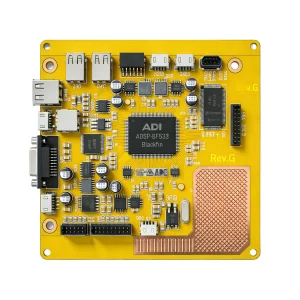
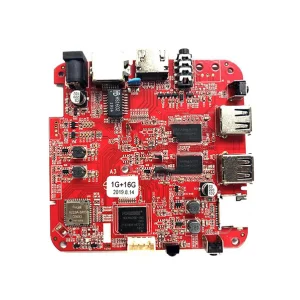
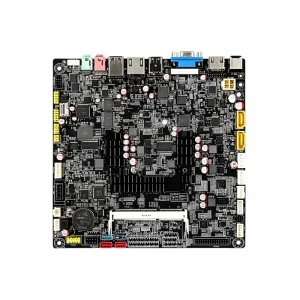
Explore eight commercially proven PCBA product families for energy monitoring, medical devices, smart home, networking, industrial equipment, security and power electronics. Each product path is supported by engineering review, sourcing, assembly and test.
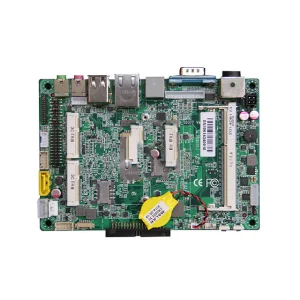
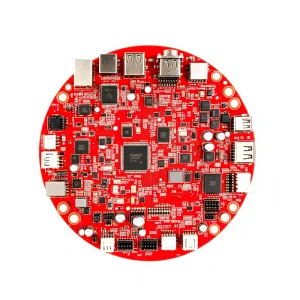
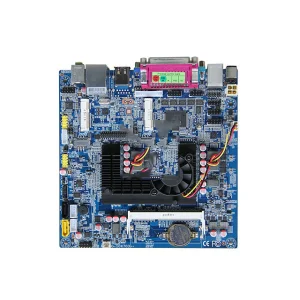
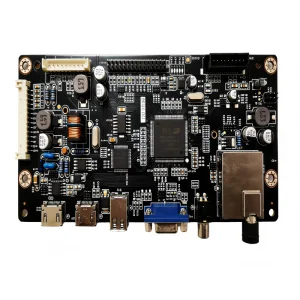
Professional Prototype PCB Manufacturing: The New Front Line of Global Product Development
Prototype PCB manufacturing is no longer a back-office sample service. For global enterprises, it is the first controlled manufacturing gate where engineering intent, supply-chain risk, compliance evidence and commercial scalability are tested together.
In the United States, Germany, the United Kingdom, Italy, Poland, New Zealand, Brazil and many other regions, procurement teams now evaluate prototype PCBA suppliers as lead indicators of serial-production readiness. A prototype build may involve only five boards, but it already signals whether a vendor can control BOM quality, manage engineering change notices, protect intellectual property, reproduce process parameters and provide lot-level traceability. That is why prototype PCB manufacturing has become a strategic sourcing category rather than a simple price comparison exercise.
Global buyers are balancing three priorities that can conflict: speed-to-learning, supply assurance and compliance confidence. Speed-to-learning means getting a functional board into the hands of design engineers quickly, with realistic manufacturing constraints applied. Supply assurance means knowing whether the BOM contains long-lead, obsolete, counterfeit-risk or single-source parts. Compliance confidence means having documentation for RoHS, REACH where applicable, conflict-minerals queries, quality-system controls and, for regulated markets, automotive or medical-device process discipline. STHL’s high-mix model addresses this by combining DFM and BOM review, component sourcing through 100+ agents and suppliers, SMT/THT assembly, AOI, X-ray, ICT and functional testing under one accountable workflow.
The most useful information gain for procurement teams is not another generic list of PCB factories. It is a repeatable way to compare suppliers on engineering response, traceability, change control and transition to volume. The purchasing demand is shifting from “Can you assemble my prototype?” to “Can you prove that my prototype is a valid manufacturing baseline for the next product phase?” This distinction matters for medical devices, automotive electronics, energy infrastructure, industrial IoT, networking, security and consumer products, where a prototype failure can delay tooling, certification and market launch.
Engineering Confidence
DFM, BOM scrubbing and alternate-part recommendations reduce avoidable re-spins before material is committed.
Supply Assurance
Reel-level traceability, incoming inspection and access to 500k+ part numbers help control counterfeit and lifecycle risk.
Compliance by Design
IATF 16949, ISO 13485, ISO 9001 and ISO 14001 controls support regulated and high-reliability product teams.
Scalable Continuity
No MOQ and one supplier path from prototype to low-volume and mass production reduce re-qualification effort.
Prototype PCBA Procurement Scorecard
For global buyers, supplier qualification should combine engineering, quality and delivery evidence. The indicators below reflect the operating priorities of high-mix prototype and volume PCBA projects.


Certified quality and environmental systems
Macro Industry Solutions: From Engineering Sample to Serial PCBA
Different industries need different evidence. A medical prototype demands documentation discipline, an automotive build demands process controls, an energy monitor demands long-term reliability and an IoT product demands cost-effective RF and power integration.
Global commercial demand is moving toward high-mix, low-volume and late-configuration production. Product teams want to validate a design in one region, source components globally, assemble in a controlled factory and scale without changing the manufacturing partner. This is especially visible in photovoltaic monitoring, energy management, electric mobility, drug delivery, smart plugs, network switches, firewalls, optical transceivers, security cameras, perimeter protection, noise monitoring, printers and industrial drilling equipment. The common requirement is not simply PCB assembly. It is a manufacturing solution that can survive design evolution, regulatory review, component shortages and volume transitions.
A macro-level solution should cover design-for-manufacturing review, component engineering, PCB fabrication options, SMT/THT assembly, in-circuit and functional testing, conformal coating, IC programming, cable assembly and box build. For global enterprises, local-language project communication, NDA protection, export documentation and factory audit access are also part of the product. The supplier’s role is to convert engineering intent into repeatable process knowledge, then protect that knowledge as the product moves from prototype to pilot and mass production.
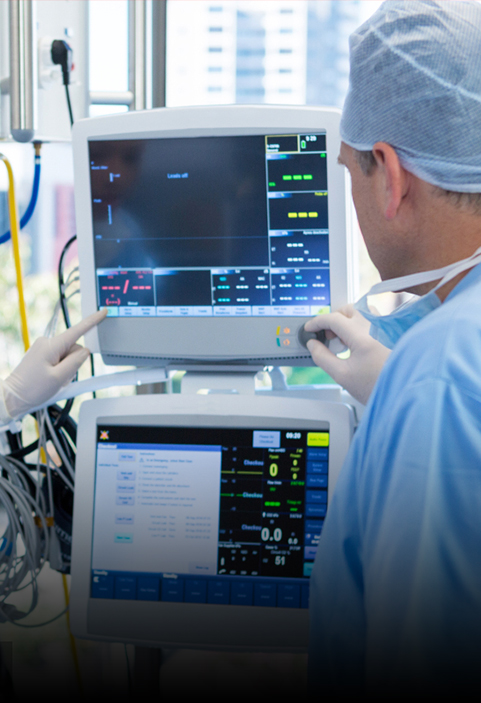
Medical & Healthcare
ISO 13485-controlled assembly for monitoring, diagnostic and wearable devices with full lot traceability.

Automotive Electronics
IATF 16949 processes for control modules, lighting and charging electronics that must survive heat and vibration.
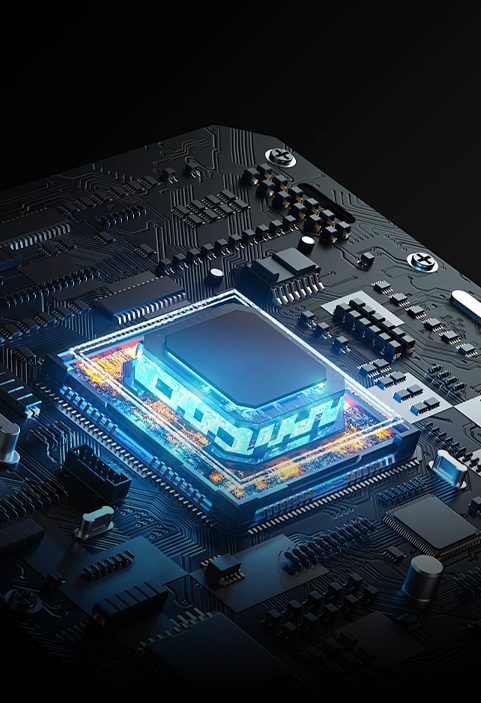
Computer & Storage
High-density, BGA-rich boards for computing, storage and peripherals, verified by X-ray inspection.
Industrial Control
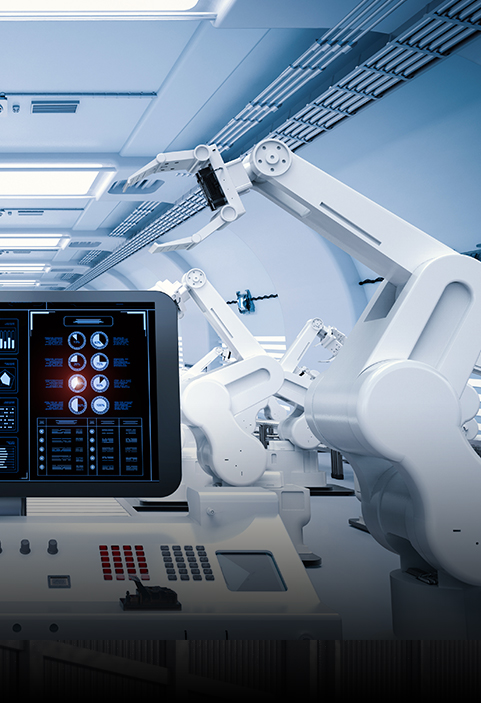
Robust PCBAs for PLCs, motor drives and automation equipment, with conformal coating options.
More industries we build for
Technical Roadmap and Future Outlook for Prototype PCB Assembly
The next generation of prototype PCBA will be shaped by miniaturization, higher power density, edge intelligence, traceability expectations and material compliance.
Prototype PCB manufacturing is becoming more technically demanding because product teams are compressing development cycles while adding more functions per board. Fine-pitch components, BGA devices, rigid-flex structures, HDI routing, thermal management, RF sections and mixed-technology assemblies are no longer limited to high-volume flagship products. They appear in energy monitors, medical wearables, smart security devices, automotive modules and industrial sensors. A prototype supplier must therefore provide process advice early enough to prevent a design from being untestable, unrepeatable or unnecessarily expensive at volume.
A practical roadmap for 2025–2030 should connect design data, sourcing data and production data. Gerber, BOM and centroid files should be reviewed against manufacturing capability; component choices should consider lifecycle, counterfeit risk and multi-source availability; test coverage should be planned before first article; and traceability should link incoming materials to finished boards. As AI-assisted inspection, digital thread integration and automated process control mature, the most valuable supplier will be the one that turns prototype data into production intelligence rather than simply shipping samples.
Miniaturization and HDI
Fine-pitch, microvia, rigid-flex and high-density routing demand early DFM review and controlled imaging, plating and inspection.
BGA and Advanced Packaging
X-ray, reflow profiling and AOI strategies become essential as BGA, QFN and module-based designs enter prototype builds.
Power Electronics
GaN, SiC, high-current copper, thermal vias and heavy-copper boards require assembly plans aligned with heat and reliability targets.
Edge AI and Security
Secure boot, embedded sensors and edge-processing modules require firmware programming, test access and IP protection before RFQ.
Digital Thread and Traceability
ERP and MES tracking connect component lots, process parameters and test results to support audits and rapid corrective action.
Sustainability and Materials
RoHS-compliant builds, halogen-free options, lead-free processes and material documentation support global product compliance.
Global Commercial and Industrial Landscape: Localization Support and Compliance Assurance
Cross-border electronics sourcing is being reshaped by resilience planning, dual sourcing, regional compliance requirements and the need for faster engineering feedback.
North American and European buyers increasingly ask for supply-chain visibility alongside unit pricing. They want to know where components come from, how changes are controlled, how design data is protected and whether a factory can support both prototype and volume demand without losing process knowledge. In Asia-Pacific and Latin America, product teams often prioritize rapid iteration, flexible order quantities and access to a broad component ecosystem. A China-based PCBA manufacturer with global customer experience can support both patterns when it combines engineering communication, sourcing depth and documented quality systems.
Localization support does not mean only having a local sales contact. It means adapting communication, documentation and quality evidence to the buyer’s operating context. STHL supports this through English-speaking project communication, NDA before RFQ, DFM and BOM reports, factory audit access, 360-degree virtual tours, ERP and MES tracking, RoHS-compliant assembly and quality controls aligned with IATF 16949, ISO 9001, ISO 13401, ISO 14001 and ISO 13485 systems. For regulated products, these controls help procurement and quality teams build a supplier file that can be reviewed internally before production release.
The commercial reality is that no single sourcing region eliminates all risk. The strongest programs combine supplier depth, transparent change control and a clear path from prototype to serial production. STHL’s 10,000 m² facility, 220+ staff, 50+ engineers, 7 SMT lines, 2 DIP/THT lines, 2 functional test lines and 2 box build lines are positioned to support high-mix projects without forcing customers into an artificial minimum order quantity.
Regional Demand Patterns
US, EU, APAC and LATAM teams differ in lead-time expectations, compliance evidence and volume ramps. Quotations should reflect the real operating model.
Supplier Risk and Dual Sourcing
Alternate parts, lifecycle checks and incoming inspection reduce exposure to allocation, obsolescence and counterfeit components.
Documentation and Confidentiality
NDA before RFQ, restricted project data access and audit-ready records protect engineering IP and commercial information.
Quality System Alignment
IATF 16949, ISO 13485, ISO 9001 and ISO 14001 controls help align prototype builds with regulated-industry expectations.
Inside STHL’s Prototype and Volume PCBA Operations
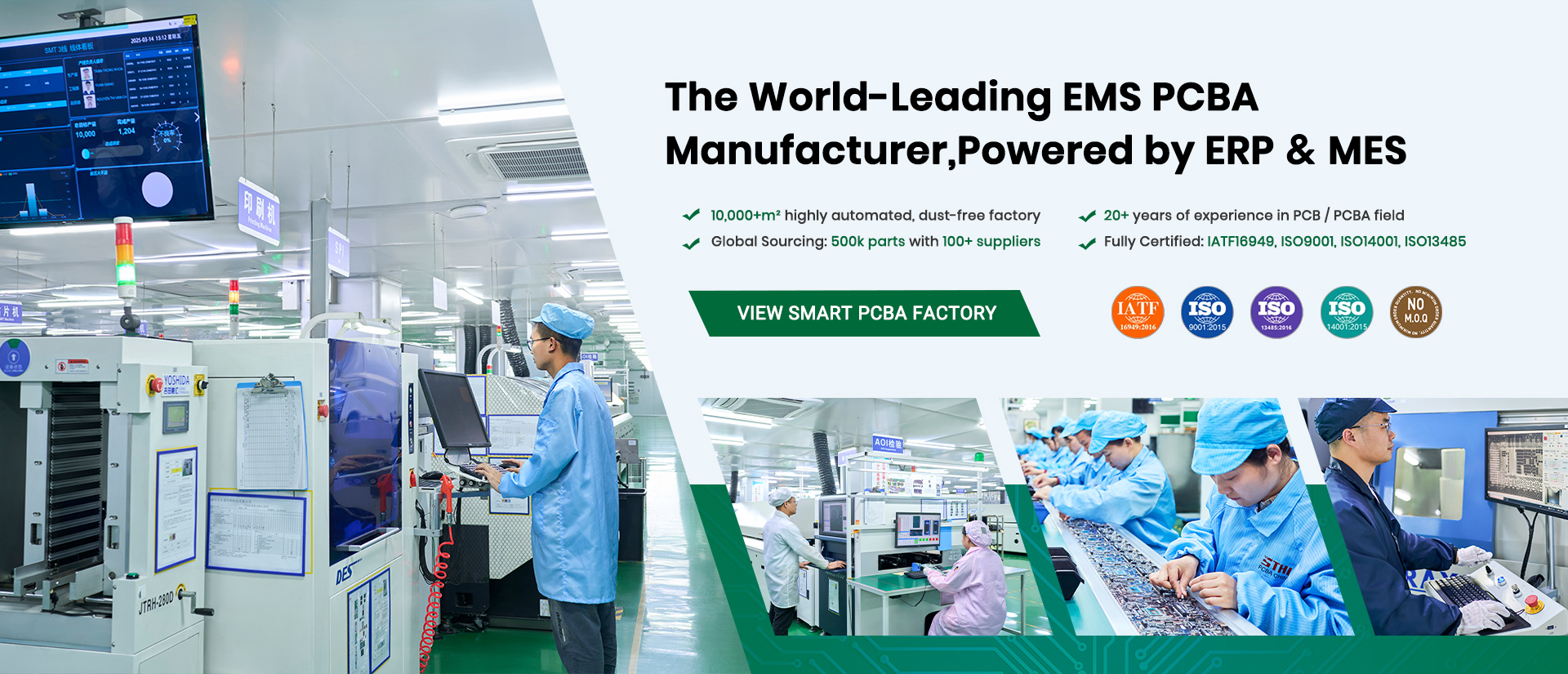
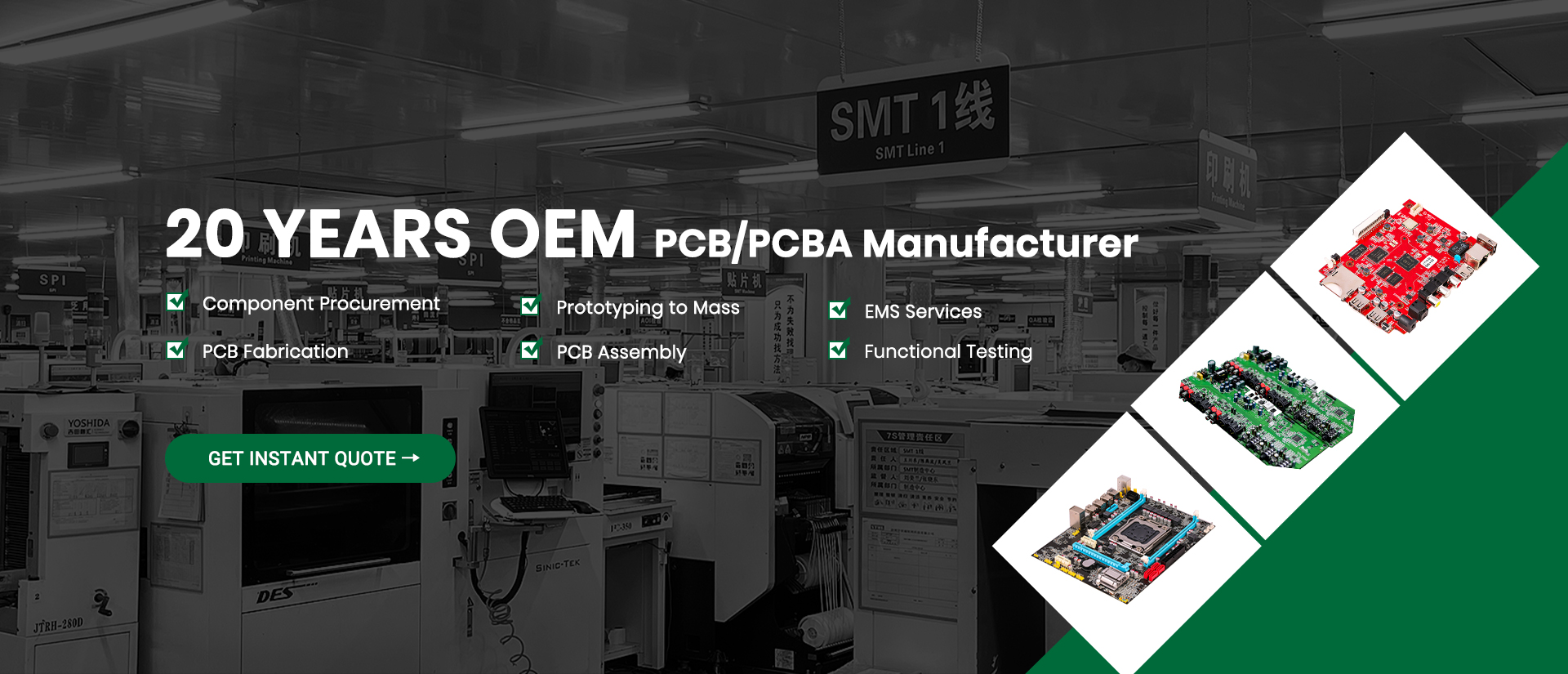
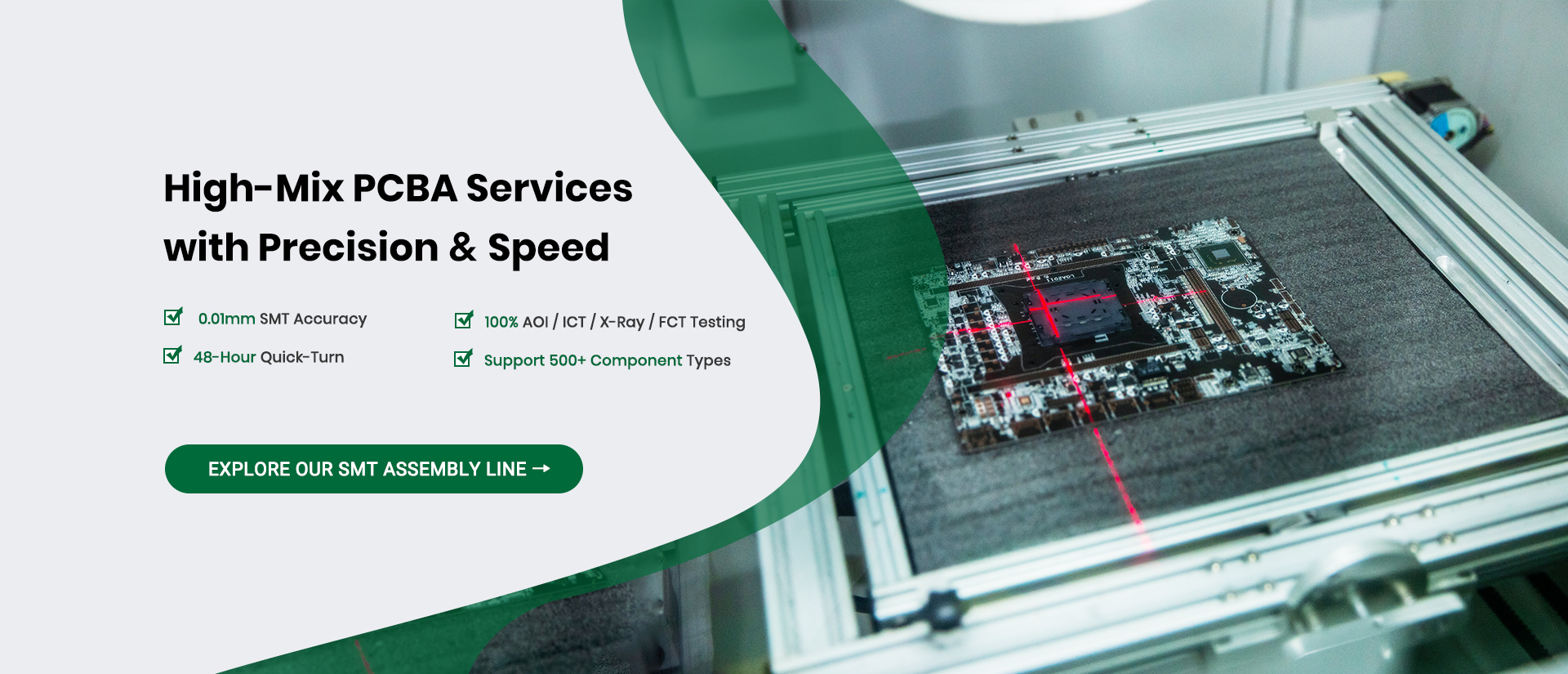
Shenzhen STHL Electronics Co., Ltd. is a certified electronics manufacturing services (EMS) and ODM provider. We help hardware teams in the USA, Germany, Italy, the UK, Poland, New Zealand, Brazil and 90+ other regions move from schematic to shipped product — PCB layout, component sourcing, PCB fabrication, SMT/THT assembly, cable assembly, box build and full testing in one factory.
Our 220+ staff, including 50+ engineers, run a 10,000 m² facility with an in-house R&D laboratory for design verification and prototype testing. Every build is RoHS-compliant and controlled under IATF 16949, ISO 9001, ISO 14001 and ISO 13485 systems. Factory visits and audits are welcome at any time.
For prototype PCB manufacturing, this means engineering questions are reviewed before material is ordered; component risks are addressed during BOM scrubbing; first-article results are documented; and process parameters can be carried into repeat production. For global buyers, the practical benefit is fewer handoffs, clearer accountability and a stronger audit trail from prototype to shipment.
Certified quality & environmental systems

- 7 SMT assembly lines
- 2 DIP / THT lines
- 2 functional test lines
- 2 box build lines
- In-house R&D laboratory
- AOI · X-Ray · ICT · FCT
Years of EMS Experience
m² Production Facility
Professional Engineers
Production Lines
On-Time Delivery
Qualified Shipment Rate
End-to-End PCBA Manufacturing Services
For 20 years, STHL has combined component procurement, PCB fabrication, SMT and THT assembly and functional testing into one controlled workflow — so you deal with one accountable supplier from first article to repeat production.

Electronic Components Procurement
Full or partial turnkey sourcing through 100+ agents and suppliers, with BOM scrubbing, alternate-part suggestions and reel-level traceability.
Learn more
PCB Fabrication
Standard, prototype, aluminum, flexible, rigid-flex, HDI, Rogers, ceramic, heavy-copper, high-Tg and halogen-free boards built to your stack-up.
Learn more
SMT & THT PCB Assembly
Prototype, low-volume and high-volume assembly including fine-pitch, BGA and mixed-technology boards, verified by AOI and X-ray.
Learn more
Value-Added Services
PCB layout and design, IC programming, ICT and functional testing, conformal coating, cable and wire harness, and complete box build assembly.
Learn moreFrom Gerber Files to Global Shipment in 6 Controlled Steps
Knowing what happens after you place a purchase order removes surprises. This is how every STHL PCBA project moves through our factory.
DFM & BOM Review
Engineers check Gerber, BOM and centroid data for manufacturability, footprint errors and end-of-life parts before any material is ordered.
Component Sourcing
Parts are purchased through 100+ agents and suppliers, then pass incoming inspection and moisture-sensitive device control.
PCB Fabrication
Bare boards are produced to your stack-up, surface finish and impedance requirements, from single-layer to HDI and rigid-flex.
SMT & THT Assembly
7 SMT lines and 2 DIP/THT lines handle fine-pitch, BGA and mixed-technology boards for prototypes and mass production.
Inspection & Testing
AOI, X-ray, ICT and functional tests, plus IC programming and conformal coating, with results logged in our MES.
Box Build & Delivery
Cable assembly, enclosure integration and ESD-safe packaging, shipped to customers in 90+ countries and regions.
Why Global OEMs Choose STHL for Prototype PCB Manufacturing
Measurable capacity, documented quality systems and engineering support that reduces your total cost — not just the unit price.

Dust-Free Smart Factory
10,000+ m² highly automated production space.

20 Years of Experience
Proven know-how across PCB and PCBA since 2006.

Global Sourcing
500k+ parts via 100+ agents and suppliers.

Fully Certified
IATF 16949, ISO 9001, ISO 14001, ISO 13485.

ERP & MES Tracking
Real-time production status and lot traceability.

Cost-Down Engineering
DFM and BOM optimisation by our engineering team.

No MOQ
Prototype and large-quantity orders both welcome.

NDA Before RFQ
Your design data and IP are protected from day one.

Fast Delivery
99.5% on-time delivery across global shipments.
Brands & Supply-Chain Partners We Work With
Long-term cooperation with global brands and established component distributors keeps your BOM genuine, traceable and available.
Brand Customers



















Component Sourcing Channels












Certified Quality Management Systems
Independent third-party audits confirm that our processes meet the requirements of automotive, medical and industrial customers. Click any certificate to view it in full size.

ISO 9001
Quality Management System

IATF 16949
Automotive Quality Management

ISO 13485
Medical Devices Quality Management

ISO 14001
Environmental Management System
Audit Our Factory Remotely with a 360° Virtual Tour
Walk through our SMT, THT, testing and warehouse areas before you visit. It is the fastest way for procurement and quality teams to pre-qualify a new PCBA supplier.
Interactive 360° panorama of the STHL Shenzhen production facility
Review the production environment, equipment layout and material handling areas from your desk. Factory visits and audits remain welcome at any time.
What Engineers & Buyers Say About STHL
Feedback from hardware engineers, designers and company owners across North America, Europe and beyond.
Excellent team to work with and fast delivery with high-quality boards. We are very happy to work with such a good supplier. Thanks again.

Please extend my thanks to your team for your hard work in preparing these samples. This positive experience has strengthened my confidence in your company, and I'm looking forward to discussing bulk orders in the near future.

We are satisfied with the last order. You did a great job on those boards and the lead time was short. I will place a new order soon.

The order was perfect — exactly as specified with top quality. Highly recommend this reliable supplier.

Exciting! Very fast delivery, a professional supplier and a professional product. We will place a new order very soon!

We have tested all the boards and I am highly pleased. I will repeat my order soon. Thank you again for your excellent service.

It's always a pleasure ordering. Very professional team and good quality — thanks for your great service.

Satisfied with the sample products delivered. Very good product, quick delivery and a good understanding of my requirements.

The supplier's professionalism is evident in their seamless communication, efficient processing and reliable service. They are a trustworthy and commendable partner.

PCBA Insights & Factory News
Practical updates from our production floor — customer visits, traceability practices and what really drives PCBA lead time.



PCBA Sourcing FAQs for Overseas Buyers
Straight answers to the questions procurement and engineering teams ask before choosing a PCB assembly manufacturer in China.
What files do I need to submit for a PCBA project?
Send Gerber files, a BOM with manufacturer part numbers, the pick-and-place (centroid) file and assembly drawings. If you need IC programming or functional testing, include firmware and test procedures. Our engineers complete a DFM and BOM review before production starts.
Is there a minimum order quantity (MOQ)?
No. STHL accepts prototype, low-volume and high-volume PCB assembly orders, so you can validate a design and scale to mass production with the same supplier.
Can STHL source all the electronic components?
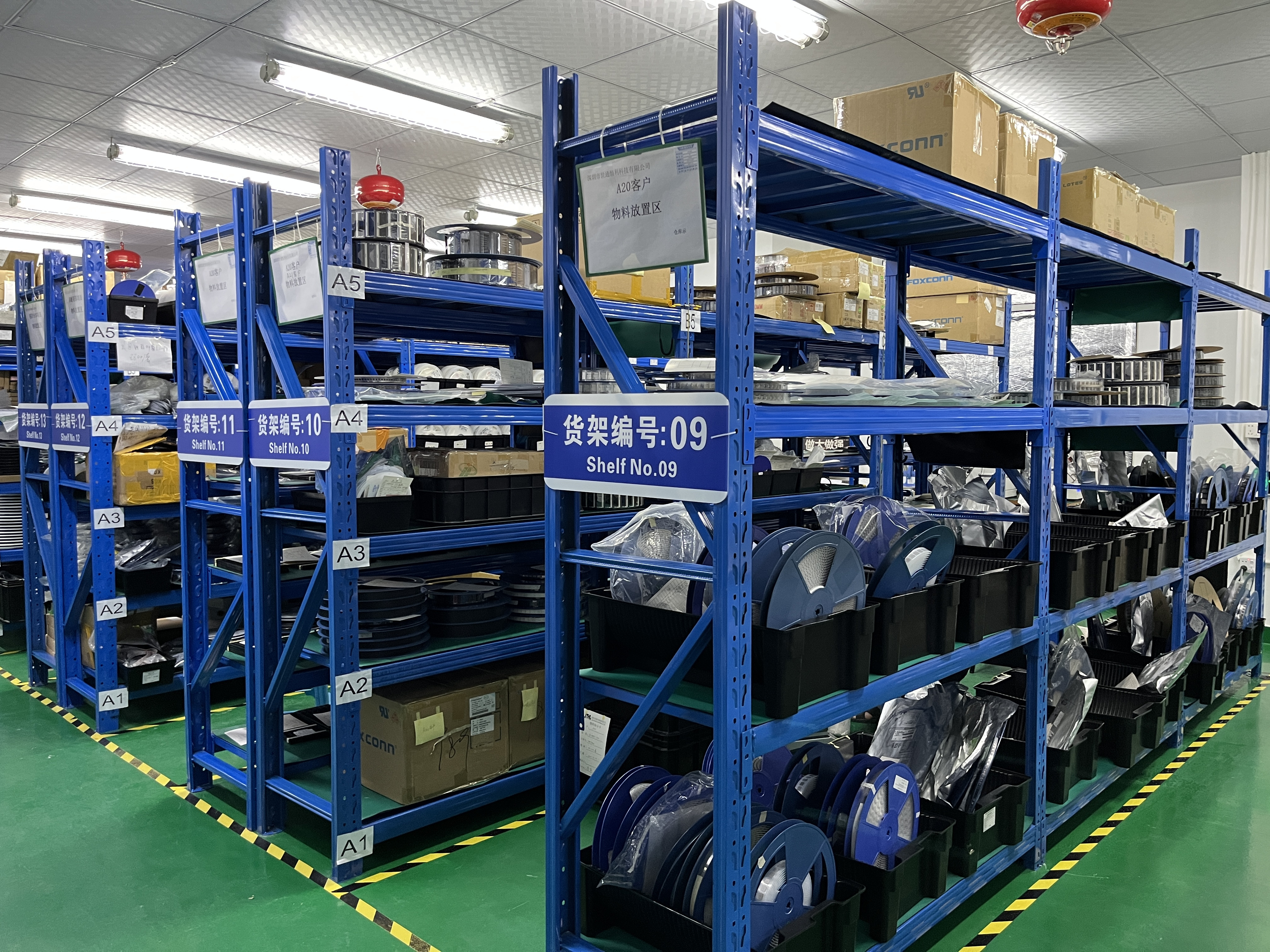
Yes. We offer full turnkey, partial turnkey and consigned assembly. Our sourcing team works with 100+ agents and suppliers covering more than 500,000 part numbers, with incoming inspection and traceability from reel to finished board.
Which quality certifications does STHL hold?
STHL is certified to IATF 16949, ISO 9001, ISO 14001 and ISO 13485, and produces RoHS-compliant assemblies. Boards are verified with AOI, X-ray, ICT and functional testing.
How do you protect our design files and IP?
We sign an NDA before RFQ, restrict project data to the assigned engineering team and track every build through our ERP and MES systems.
Can we audit or visit the factory?
Yes. Customers are welcome to visit our Shenzhen factory and R&D laboratory at any time, and a 360-degree virtual factory tour is available for remote evaluation.
More Prototype & Application-Specific PCB Assembly Solutions
Review additional PCBA product families for optical communication, printing, indoor security, environmental monitoring, perimeter protection, electric mobility, new-energy vehicles and photovoltaic power generation.
Planning Your Next Prototype PCBA Build?
Get our capability catalog with PCB fabrication options, assembly processes, testing methods and industry case references — everything your team needs to qualify STHL as a supplier. The team can also review Gerber, BOM and centroid files under NDA before RFQ.

PCBA Services
Prototype PCB manufacturing, turnkey PCBA, SMT/THT assembly, component sourcing, testing and box build for global OEMs. NDA before RFQ. Factory visits and audits welcome.
