
Resin-Coating-Ready PCBA Product Families from STHL
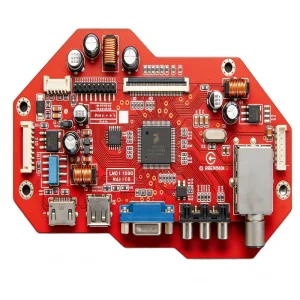
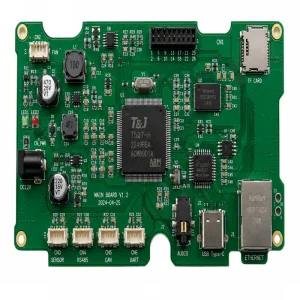
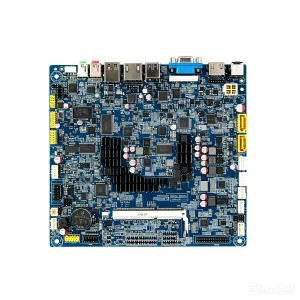
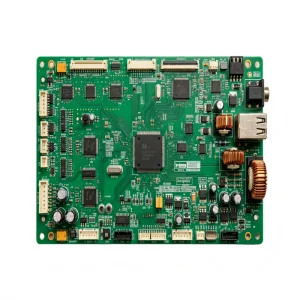
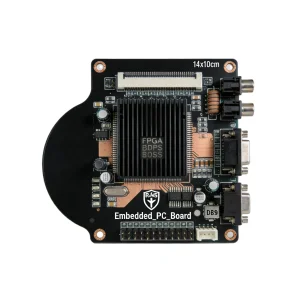
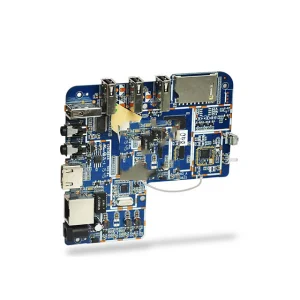
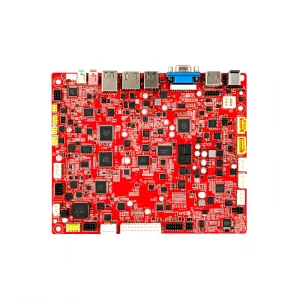
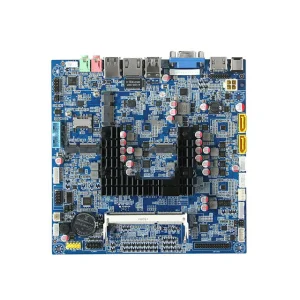
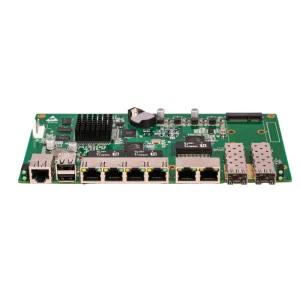
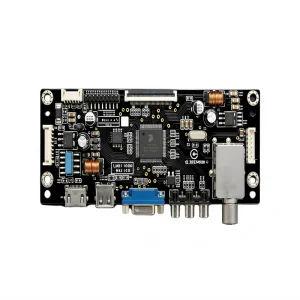
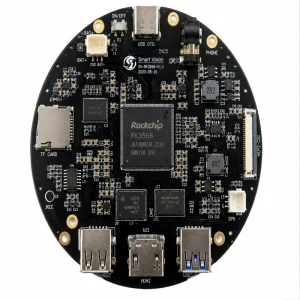
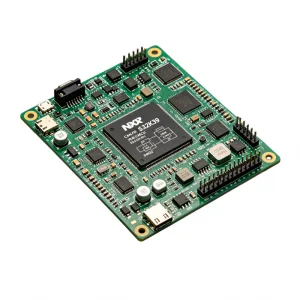
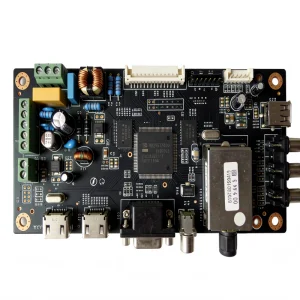
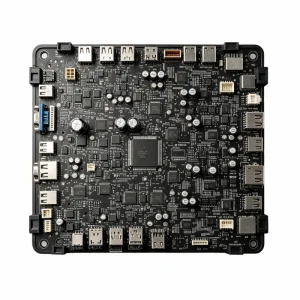
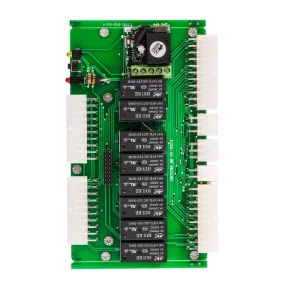
High-mix, low-to-high-volume PCB assemblies that can be manufactured, cleaned, masked, selectively coated, inspected and tested under one controlled workflow. These are the first eight product examples from STHL’s PCBA portfolio.
PCB Resin Coating Is Not a Commodity Step — It Is a Reliability Decision
The phrase “PCB resin coating” is commonly used as a synonym for conformal coating, but the purchasing decision behind it is more specific: protect the assembly from humidity, ionic contamination, thermal cycling, salt fog, chemicals and electrical leakage without damaging connectors, test points, optics or rework access.
At STHL, resin coating is managed as a design-and-process interface, not an isolated dipping operation. Our engineers review the Gerber data, BOM, assembly drawings, coating keep-out areas, component heights, connector materials and expected environmental class before recommending acrylic, polyurethane, silicone, epoxy, UV-curable or carefully subcontracted parylene protection. The coating method is then matched to production volume, PCB density, masking complexity and test strategy.
This matters because coating defects rarely appear at incoming inspection. They appear later as electrochemical migration, corrosion creep, dendrite growth, delamination, connector contamination, coating shadowing, incomplete cure or field returns. A credible precision PCB resin coating solution provider in China must therefore control cleanliness, surface energy, masking, viscosity, film thickness, cure profile, inspection and traceability as one system. For international OEMs, the supplier also needs English-speaking engineering support, NDA-before-RFQ discipline, DFM feedback, lot traceability and batch consistency across repeat orders.
STHL’s reference framework includes IPC-CC-830 for conformal coating materials and qualification expectations, IPC-A-610 for visual acceptability, J-STD-001 process controls, IPC-2221 design considerations, IEC 60664 for insulation coordination where relevant, and customer-specific automotive, medical or industrial requirements. For automotive programs, process discipline is aligned with IATF 16949; for medical electronics, ISO 13485 controls, lot records and change control are part of the qualification conversation.
- Coating material selected by environment, not by price alone
- IPC-CC-830 aligned material qualification and process validation
- Selective masking for connectors, test pads, sensors and optics
- Plasma or chemical cleaning before coating when surface energy matters
- Wet-film and cured-film thickness checks with process windows
- UV tracer inspection, AOI support and electrical test after cure
- MES/ERP traceability from material lot to finished board
- Rework and repair route defined before production release
Why PCB Resin Coating Demand Is Rising Worldwide
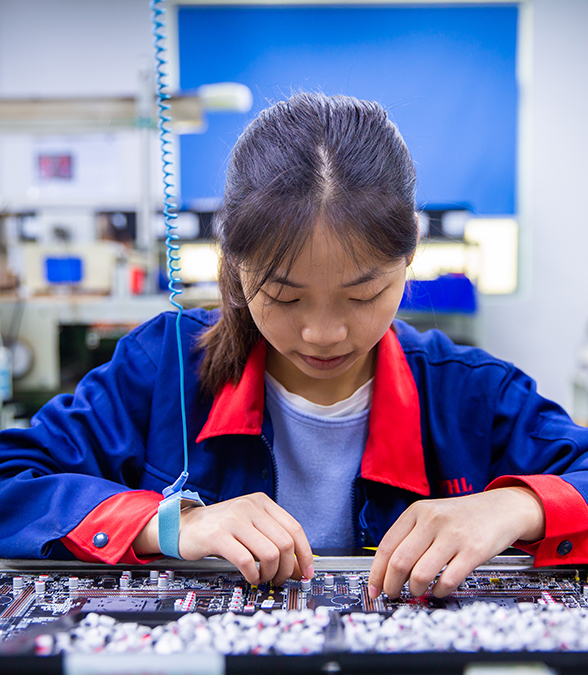
The global electronics value chain is moving toward higher power density, smaller package outlines, harsher operating environments and stricter reliability documentation. Coating is becoming a measurable part of product qualification rather than a final cosmetic treatment.
In automotive electronics, electrification and advanced driver assistance are pushing control units closer to high-voltage systems, thermal loads and vibration. In medical devices, wearable monitors and diagnostic equipment require stable leakage performance after cleaning and disinfection. In industrial automation, energy storage, telecom base stations and outdoor environmental monitoring, PCBA humidity protection directly affects uptime. In LED grow lights, plant factories and power supplies, resin coating must balance moisture protection with thermal management and optical control.
China remains a critical manufacturing ecosystem for this work because PCB fabrication, component sourcing, SMT assembly, coating materials, automation equipment and test engineering are concentrated within a short supply radius. However, buyers increasingly compare suppliers on process transparency and information gain, not only unit price. A credible supplier must explain why a chemistry was chosen, how masks are verified, how cure is validated, how thickness is measured and how non-conforming boards are quarantined.
Regulatory pressure is also changing material selection. RoHS and REACH compliance are baseline expectations. Low-VOC and low-PFAS alternatives are being reviewed by OEMs with global environmental commitments. UV-curable coatings can reduce energy use and cycle time, but shadowed areas require secondary cure. Silicone offers wide temperature tolerance but can create adhesion and rework challenges. Polyurethane provides excellent chemical resistance but requires careful moisture control during cure. The correct answer is always application-specific.
Reliability Pressure Index by Application
Typical relative weighting of moisture, thermal cycling, contamination and mechanical stress in coating requirement reviews. The index is qualitative, used for early-stage sourcing discussions.
Higher Power Density
SiC, GaN, fast charging, LED drivers and battery management systems increase electric-field stress, making insulation and partial-discharge awareness more important.
Miniaturization & Fine Pitch
Low standoff components, dense connectors and fine-pitch BGA areas require selective coating, precise masking and verified capillary coverage.
Harsh-Environment Protection
Salt fog, condensing humidity, sulfur atmosphere, cleaning agents and thermal shock drive the move from “coated” to “qualified protection”.
Documentation & Traceability
Automotive and medical buyers ask for material certificates, cure records, thickness data, lot traceability and change-control evidence.
Automation & Industry 4.0
Robot selective spray, plasma pretreatment, UV cure, AOI with UV tracer and MES integration reduce variation and improve repeatability.
Low-VOC & PFAS Review
Global OEMs are screening coating chemistries for environmental compliance, worker safety, energy use and long-term material availability.
Where Precision PCB Resin Coating Creates Measurable Value
From Shenzhen and the Greater Bay Area to global OEM programs, coating requirements are shaped by the end-use environment. These application links connect the coating decision to STHL’s wider PCBA solution pages.
Automotive & EV Electronics
Battery management, transmission control, lighting, charging and sensor modules need IATF 16949 discipline, thermal cycling resistance and change control.
Automotive PCB AssemblyMedical Devices
Patient monitoring, diagnostics and wearable electronics require ISO 13485 controls, biocompatibility review and validated cleaning compatibility.
Medical PCB AssemblyIndustrial Control
PLCs, drives, sensors and automation boards must resist dust, moisture, vibration and chemical exposure in factories and outdoor cabinets.
Industrial Control PCB AssemblyPower Supply & Energy
DIN rail power supplies, converters, energy storage and wind turbine controls need insulation coordination, thermal stability and reliable cure.
Power Supply PCB AssemblyTelecom & Base Stations
Outdoor radios, PoE injectors and communication boards need humidity protection while preserving RF and thermal performance.
Communication PCB AssemblyEnvironmental Monitoring
Air quality, water quality and outdoor sensing electronics face condensation, pollutants and long unattended operating life.
Environmental Monitoring PCBALED & Horticultural Lighting
Grow lights, drivers and LED boards need coating that resists humidity and sulfur while supporting thermal management and optical control.
LED PCB AssemblySmart Home & IoT
Connected devices, sensors and security hardware require cost-effective protection without blocking test pads, antennas or connectors.
Smart Home PCB AssemblyFrom Coating Requirement to Repeatable Production in Eight Controlled Steps
STHL’s route map connects PCB assembly, conformal coating and final test. The objective is not to apply the most material — it is to apply the right material, in the right area, with the right cure and evidence.
Requirement Review
Define environmental class, expected lifetime, cleaning exposure, electrical insulation needs, rework strategy and customer standards.
DFM & Masking Plan
Review keep-out zones, connectors, test points, optics, sensors, board edges, standoffs and coating method feasibility.
Cleanliness & Pretreatment
Control ionic contamination and surface energy; use plasma or cleaning where adhesion and capillary coverage require it.
Material Selection
Choose acrylic, polyurethane, silicone, epoxy, UV-curable or partner-applied parylene based on mechanical, thermal and chemical needs.
Selective Application
Use selective spray, brush, dip or dispensing as appropriate, with operator qualification and controlled viscosity / pot life.
Cure Validation
Confirm UV, thermal or moisture cure according to material data; protect shadowed areas and document cure conditions.
Inspection & Test
Visual, UV tracer, thickness measurement, adhesion checks where specified, AOI support and functional test after coating.
Traceability & Packing
Record material lot, process parameters, operator, inspection result and shipment traceability; define rework and quarantine routes.
Acrylic, Polyurethane, Silicone, Epoxy, UV-Curable or Parylene?
Material selection is a trade-off between dielectric performance, chemical resistance, temperature range, cure speed, reworkability and cost. This matrix is a starting point for RFQ discussions, not a substitute for application validation.
| Coating Type | Key Strengths | Watch-Outs | Typical Fit |
|---|---|---|---|
| Acrylic | Fast cure, good general moisture protection, easy rework, low cost | Lower solvent and chemical resistance; may not suit severe thermal cycling | Consumer, IoT, general industrial, prototypes and cost-sensitive volume |
| Polyurethane | Excellent chemical resistance, good dielectric properties, tough film | Moisture-sensitive cure; longer cycle; rework can be harder | Automotive, power supplies, industrial controls, harsh chemical exposure |
| Silicone | Wide temperature range, flexibility, good thermal cycling performance | Adhesion challenges, contamination risk, rework and repairability concerns | High-temperature electronics, LED, automotive and outdoor systems |
| Epoxy | Strong mechanical and chemical barrier, high hardness | Rigid film, stress risk on large boards, difficult rework | Potting-adjacent protection, severe chemical or abrasion environments |
| UV-Curable | Very fast cure, high line throughput, low energy use | Shadowed areas need secondary cure; masking and thickness control are critical | High-volume selective coating with accessible board geometry |
| Parylene | Ultra-thin, conformal, excellent barrier in demanding environments | Vacuum process, high cost, masking complexity, limited rework | Medical, aerospace, sensors and high-value critical electronics via qualified partners |
A China PCBA & Resin Coating Partner Built for Global OEM Programs
Shenzhen STHL Electronics Co., Ltd. is a certified EMS and ODM provider supporting hardware teams from schematic to shipped product. Coating is integrated with PCB fabrication, component sourcing, SMT/THT assembly, IC programming, functional testing, cable assembly and box build.

Since 2006, STHL has supported OEMs in the USA, Germany, Italy, the UK, Poland, New Zealand, Brazil and 90+ other regions. Our 10,000 m² facility, 220+ staff and 50+ engineers are organized around high-mix PCBA production, DFM review, BOM optimization and traceability. The factory operates 7 SMT lines, 2 DIP/THT lines, 2 functional test lines and 2 box build lines, with AOI, X-ray, ICT and functional test capability.
For resin coating projects, STHL can support full turnkey and partial turnkey models. The sourcing team works with 100+ agents and suppliers covering more than 500,000 part numbers, with incoming inspection and reel-to-board traceability. Design files are protected by NDA before RFQ, project data is restricted to the assigned engineering team, and production status is tracked through ERP and MES systems. There is no MOQ for prototype or low-volume assembly, so customers can validate a coating and assembly process before scaling.

Dust-Free Smart Factory
10,000+ m² highly automated production space for PCBA and coating workflows.

20 Years of Experience
Proven know-how across PCB fabrication, assembly and value-added processes since 2006.

Global Sourcing
500k+ part numbers through 100+ agents and suppliers with incoming inspection.

Fully Certified
IATF 16949, ISO 9001, ISO 14001 and ISO 13485 quality systems.

ERP & MES Tracking
Real-time production status, lot traceability and controlled process records.

Cost-Down Engineering
DFM and BOM optimization by engineers who understand assembly and coating constraints.

No MOQ
Prototype, low-volume and high-volume orders are welcome under one supplier.

NDA Before RFQ
Design data and IP are protected from the first engineering conversation.
Certified Systems Behind Every Coated PCBA
Independent audits and documented process controls support automotive, medical, industrial and global OEM qualification. Certificates are available for review during supplier evaluation.

ISO 9001
Quality Management System
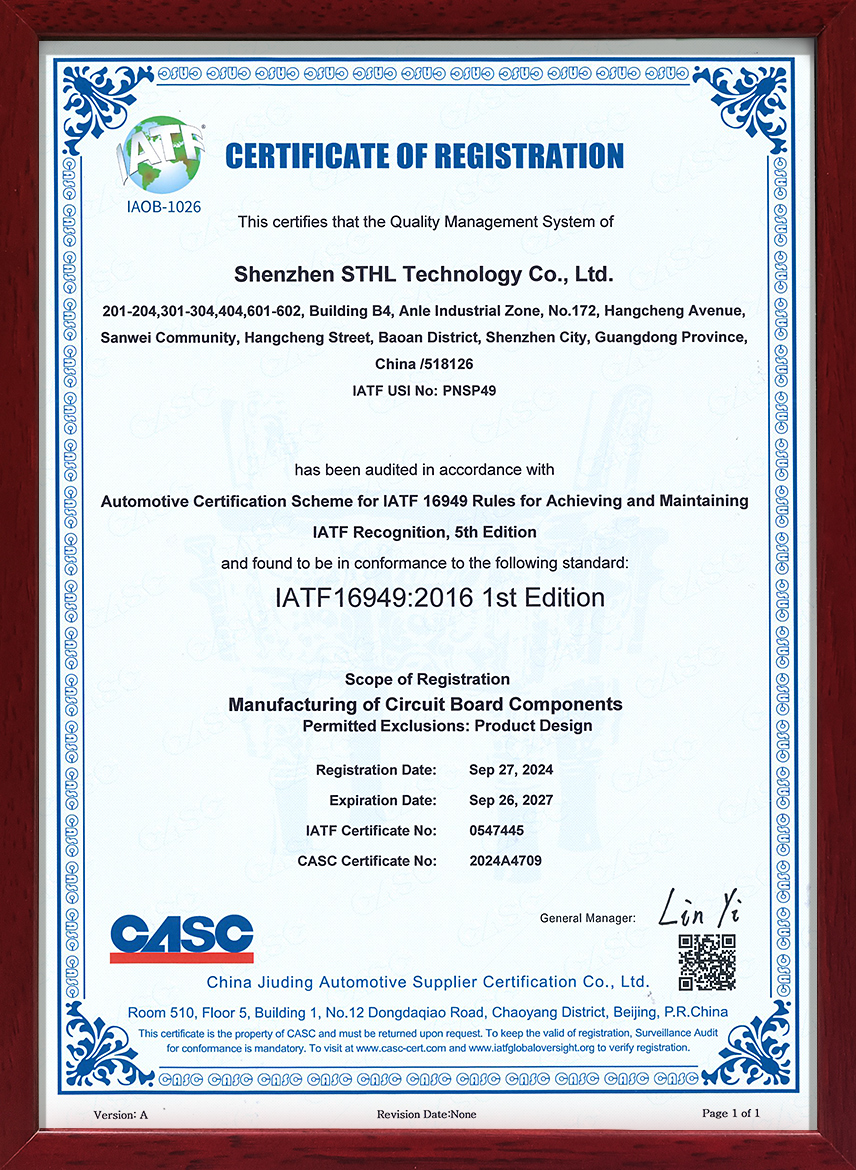
IATF 16949
Automotive Quality Management
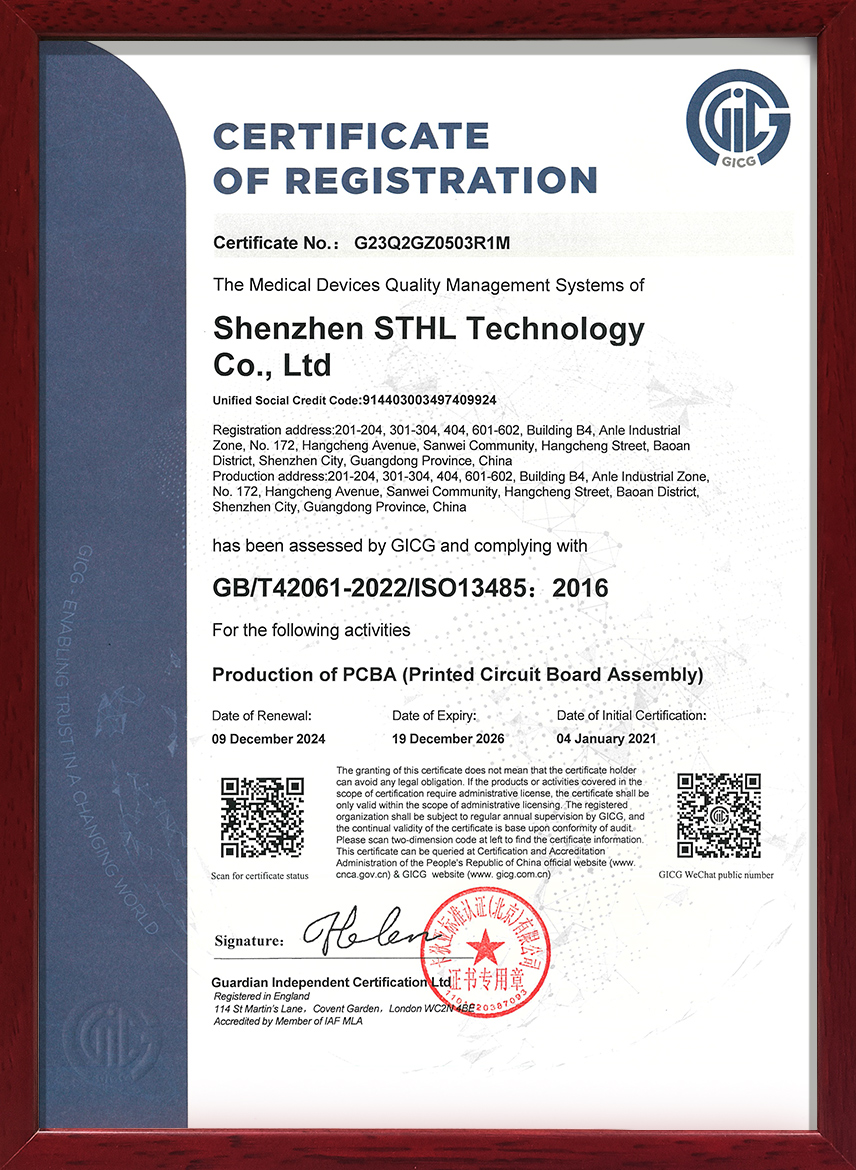
ISO 13485
Medical Devices Quality Management
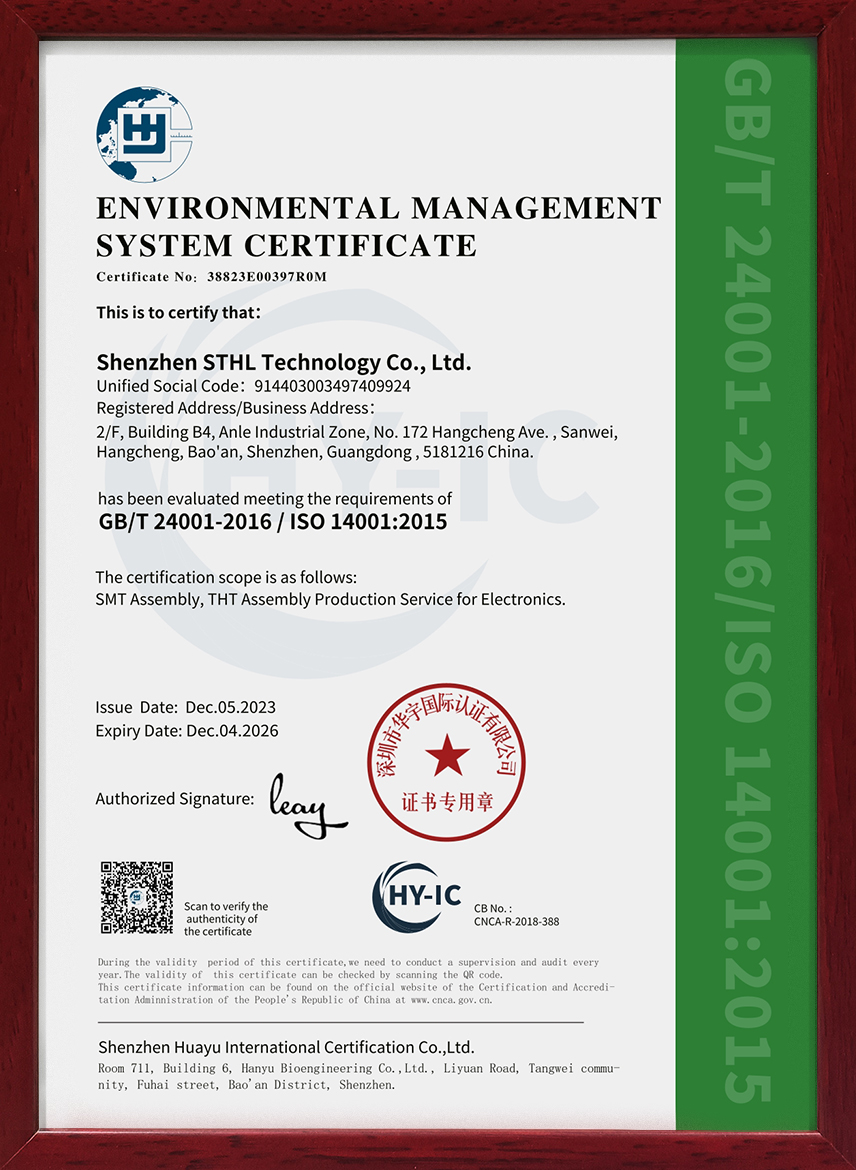
ISO 14001
Environmental Management System
Incoming Inspection
Component and material verification, moisture-sensitive device control and supplier traceability support coating consistency.
In-Process Controls
DFM/BOM review, masking verification, coating parameter checks, cure records and operator qualification are embedded in the route card.
Final Verification
AOI, X-ray, ICT, functional testing and visual inspection can be combined with UV tracer and thickness checks for coated assemblies.
What the Next Generation of PCB Resin Coating Will Require
Coating technology is moving toward selective, data-rich and environmentally responsible protection. The suppliers that win complex programs will be those that can connect material science with assembly reality.
Selective Coating at Scale
Robot spray, precision dispensing, improved masking and UV tracer inspection will reduce material waste and protect connectors, sensors and test pads.
Low-VOC & Application-Specific Chemistries
OEMs will compare acrylic, polyurethane, silicone, UV-cure and thin-film barriers against environmental, thermal and repairability targets.
Digital Process Evidence
MES-connected coating equipment, automated thickness records, cure logs and material genealogy will become normal for automotive and medical programs.
Simulation-Led Protection
Thermal, humidity and electric-field simulation will help define coating boundaries earlier, reducing expensive trial-and-error and field-risk exposure.
What Engineers & Buyers Say About STHL
Long-term cooperation with global hardware teams depends on clear communication, repeatable quality and delivery performance.

“Excellent team to work with and fast delivery with high-quality boards. We are very happy to work with such a good supplier.”PauloR&D Engineer · United States

“Please extend my thanks to your team for your hard work in preparing these samples. This positive experience has strengthened my confidence in your company.”OliviaHardware Engineer · Germany

“The order was perfect — exactly as specified with top quality. Highly recommend this reliable supplier.”DmitryCEO · Brazil
PCB Resin Coating, PCBA Sourcing and Supplier Qualification FAQs
Direct answers for engineering, procurement and quality teams comparing a precision PCB resin coating solution provider in China.
What files do I need to submit for a PCBA project?
Send Gerber files, a BOM with manufacturer part numbers, the pick-and-place (centroid) file and assembly drawings. If you need IC programming or functional testing, include firmware and test procedures. Our engineers complete a DFM and BOM review before production starts.
Is there a minimum order quantity (MOQ)?
No. STHL accepts prototype, low-volume and high-volume PCB assembly orders, so you can validate a design and scale to mass production with the same supplier.
Can STHL source all the electronic components?
Yes. We offer full turnkey, partial turnkey and consigned assembly. Our sourcing team works with 100+ agents and suppliers covering more than 500,000 part numbers, with incoming inspection and traceability from reel to finished board.
Which quality certifications does STHL hold?
STHL is certified to IATF 16949, ISO 9001, ISO 14001 and ISO 13485, and produces RoHS-compliant assemblies. Boards are verified with AOI, X-ray, ICT and functional testing.
How do you protect our design files and IP?
We sign an NDA before RFQ, restrict project data to the assigned engineering team and track every build through our ERP and MES systems.
Can we audit or visit the factory?
Yes. Customers are welcome to visit our Shenzhen factory and R&D laboratory at any time, and a 360-degree virtual factory tour is available for remote evaluation.
What is PCB resin coating, and how is it different from conformal coating?
In common industry usage, PCB resin coating refers to a resin-based conformal coating applied to an assembled circuit board to protect against moisture, contamination, corrosion and electrical leakage. Conformal coating is the broader process category and includes acrylic, polyurethane, silicone, epoxy, UV-curable and parylene materials. STHL clarifies the intended chemistry and process before quoting.
Which resin coating chemistry should I choose for my PCB?
The choice depends on temperature range, chemical exposure, rework strategy, cure constraints, connector materials, coating thickness and qualification standards. Acrylic is cost-effective and repairable; polyurethane offers chemical resistance; silicone handles wide temperature swings; epoxy provides a hard barrier; UV-curable improves throughput; parylene is used for ultra-thin high-value protection through qualified partners.
How is coating thickness verified?
Thickness can be checked by wet-film measurement during setup, cured-film measurement on test coupons or production witnesses, cross-section when specified, and non-destructive methods where appropriate. The measurement plan is agreed before production because coating over components, edges and shadowed areas cannot be represented by a single number.
Can resin coating be applied to assembled boards with connectors and test points?
Yes, with proper masking and selective application. Connectors, test pads, optical sensors, antennas, press-fit features and mating surfaces are protected with customer-approved masks or keep-out zones. The DFM review should define these areas before coating, not after production starts.
More PCBA Product Families for Coating, Test and Box Build
These additional product examples demonstrate the breadth of STHL’s PCBA portfolio: digital X-ray, transmission control, LED plant grow light, PoE injector, ward monitoring, flight control, modular power supply and alarm system assemblies.
Planning a Coated PCBA Build in China?
Send Gerber, BOM, centroid file, coating requirements, keep-out zones and test expectations. STHL’s engineers will review manufacturability, recommend a resin coating route, and provide a traceable production plan covering SMT/THT assembly, cleaning, masking, selective coating, cure, inspection, testing and shipment.